9 “It” Plants You Can Grow In Georgia Without Constant Care This Year
Your Georgia yard does not need constant care to look good. When the right plants are in place, they handle heat, humidity, and long growing seasons without demanding daily attention.
“These ‘It’ plants earn their reputation by staying attractive even when life gets busy. They hold their shape, keep their color, and continue growing through weather swings instead of collapsing at the first sign of stress.
These are plants built for real schedules, not perfect ones.
In Georgia, plant choice matters more than effort. The long growing season rewards plants that adapt and settle in rather than needing constant correction.
When dependable plants do the heavy lifting, maintenance drops fast and results last longer.
With the right plants in your garden, you spend less time fixing problems and more time enjoying the space.
1. Lantana Keeps Blooming Through Heat With Minimal Attention
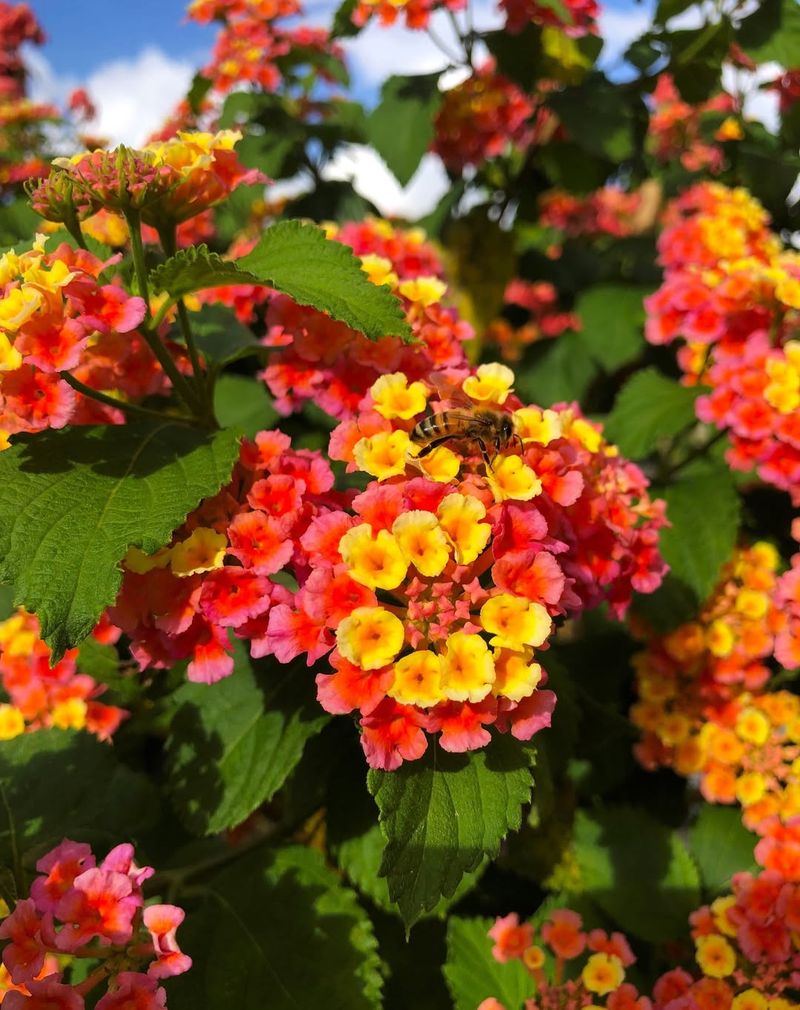
Butterflies can’t resist this plant, and neither will you once you see how it performs in Georgia heat.
Lantana produces clusters of tiny flowers that change color as they mature, creating a multicolored effect that looks expensive but costs almost nothing in maintenance time.
Plant it once in spring, and it’ll bloom nonstop until the first frost without you lifting a finger.
Georgia’s hot summers are exactly what lantana craves. While other flowers wilt and beg for water, lantana just keeps pushing out more blooms.
It actually prefers drier conditions once established, which means you can skip the daily watering routine that other annuals demand. Too much water and rich soil will give you more leaves than flowers, so the less you fuss, the better it looks.
Deer won’t touch it, and most common garden pests ignore it completely. That alone saves you time and money on pest control products.
The plant spreads nicely to fill in bare spots without becoming invasive, creating a full, professional look with zero effort. Come fall in Georgia, you can either let it go or bring containers indoors.
Either way, lantana gives you maximum color for minimum work, which is exactly what busy gardeners need.
2. Black Eyed Susan Thrives In Georgia Soil Once Established
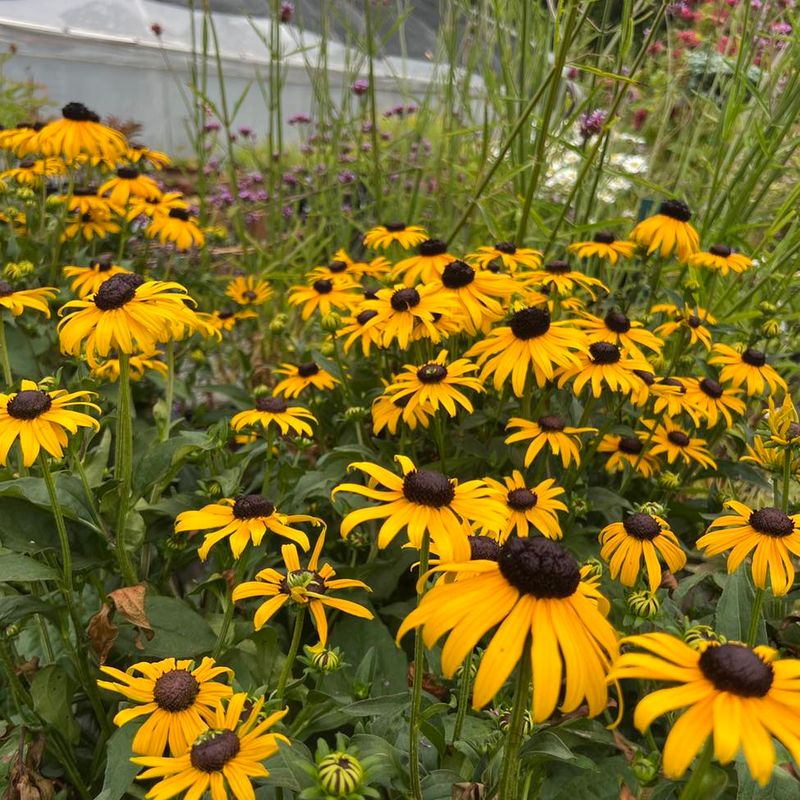
Golden petals with chocolate centers make this wildflower look like sunshine on a stem. Black-eyed Susans are native to the eastern United States, which means Georgia’s clay soil and humid summers feel like home to them.
After the first growing season, they develop deep root systems that tap into moisture other plants can’t reach, making them incredibly drought-tolerant.
You’ll see them blooming from June through September across Georgia without any special feeding or watering schedule. They reseed themselves naturally, so your initial investment keeps paying dividends year after year.
The plants grow two to three feet tall and create a cheerful cottage garden look that never goes out of style. Pollinators adore them, turning your yard into a hub of beneficial insect activity.
Clay soil doesn’t faze these tough performers one bit. While many garden plants sulk in Georgia’s heavy red dirt, black-eyed Susans actually prefer it to lighter, sandier soils.
Your Georgia Garden Changes Every Week. Your Plan Should Too.
Gardening in Georgia changes quickly throughout the season. Every Friday you’ll receive a simple weekly plan showing exactly what to plant, prune, fertilize, harvest, and protect so you never miss the right timing.
They handle both full sun and partial shade, giving you flexibility in placement. The spent flowers can be left on the plant through winter to feed birds, or you can cut them back—either approach works fine.
This is genuine set-it-and-forget-it gardening at its finest.
3. Muhly Grass Looks Polished Without Regular Watering Or Pruning
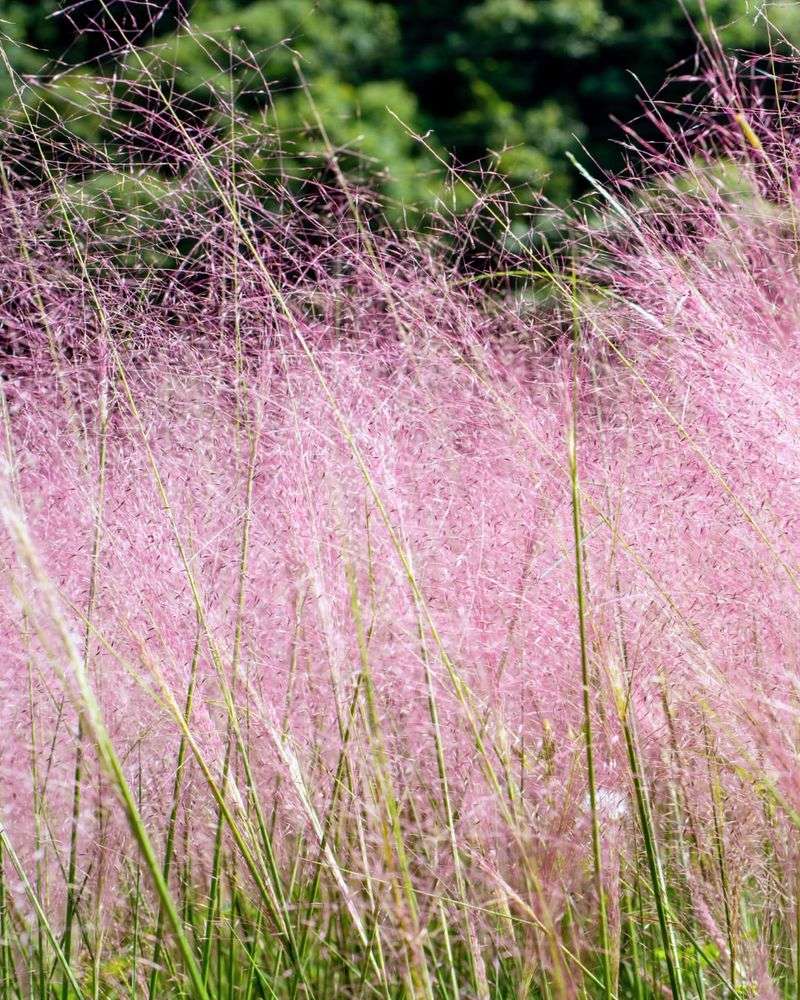
Picture clouds of pink cotton candy floating in your garden every fall. That’s muhly grass in full glory, producing airy plumes that glow in the sunlight and make your yard look like a designer magazine spread.
The rest of the year, it forms neat clumps of fine-textured green foliage that stays tidy without constant shaping or trimming.
Georgia’s climate suits this grass perfectly since it’s native to the southeastern United States. Once the roots establish during the first season, you can basically ignore it except for one annual haircut in late winter.
No fertilizer needed, no pest problems, and drought tolerance that lets it sail through dry spells without turning brown. The pink plumes emerge in September and last through November, giving you stunning fall color when many other plants are fading.
Landscape architects are using muhly grass in high-end projects all over Georgia because it delivers that expensive look for practically no maintenance budget. It works beautifully as a specimen plant, in mass plantings, or tucked into perennial borders.
The fine texture contrasts nicely with broader-leafed plants, adding professional-level design interest. Deer leave it alone, and it never needs staking despite growing three feet tall.
For sheer visual impact versus time invested, muhly grass can’t be beaten.
4. Coneflower Handles Heat And Humidity Without Fuss
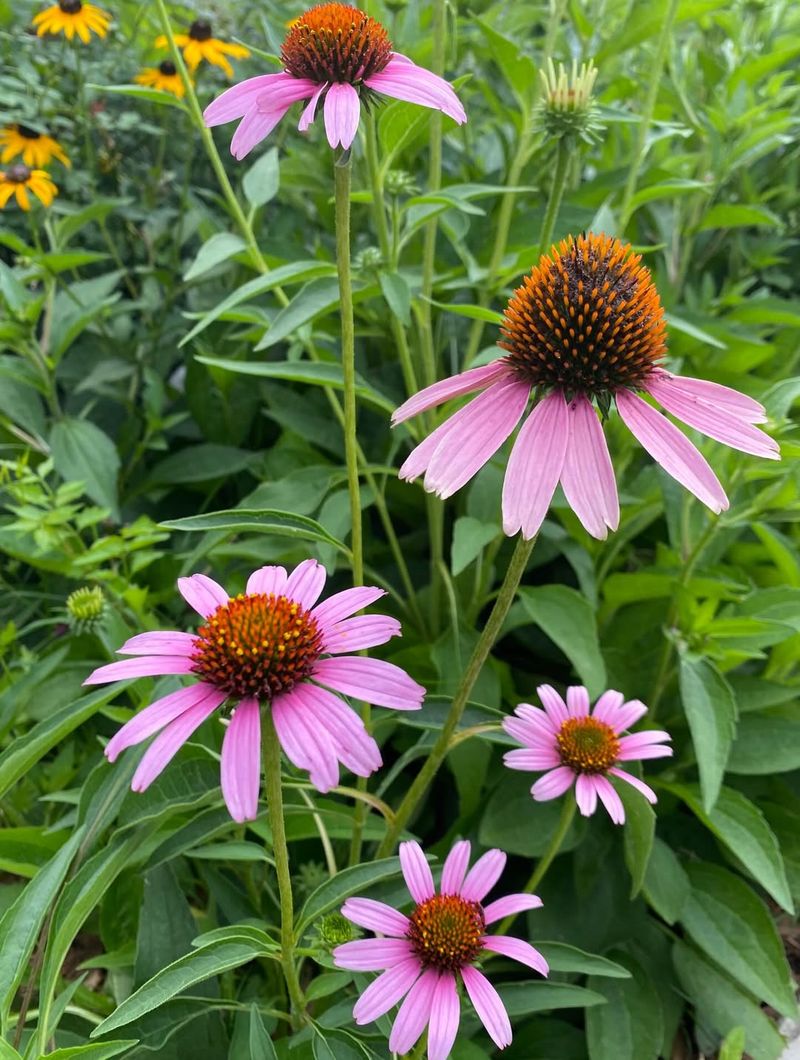
Bold purple petals surround a spiky orange cone that pollinators treat like an all-you-can-eat buffet. Coneflowers are practically indestructible once they settle into Georgia gardens, handling everything from blazing sun to occasional neglect without missing a beat.
They bloom from early summer through fall, providing months of color from a single planting.
These prairie natives actually prefer Georgia’s hot, humid summers over cooler climates. The plants develop strong, deep roots that find water during dry periods, so you’re not tied to a watering schedule.
They tolerate clay soil, rocky soil, and even poor soil without demanding amendments or fertilizers. After blooming, the seed heads provide winter interest and feed goldfinches, giving you two seasons of beauty from one plant.
Coneflowers spread slowly over time, filling in gaps and creating fuller displays each year without becoming weedy or aggressive.
The original purple varieties are tried-and-true performers, though newer colors like white, orange, and yellow have also proven themselves in Georgia conditions.
They rarely suffer from disease or pest problems, and deer generally pass them by in favor of tastier options. Cut back the spent stems in late winter, and you’re done with maintenance for the entire year.
That’s the kind of easy-care plant that makes gardening feel like a hobby instead of a chore.
5. Gardenia Holds Structure With Very Little Upkeep In The Right Spot
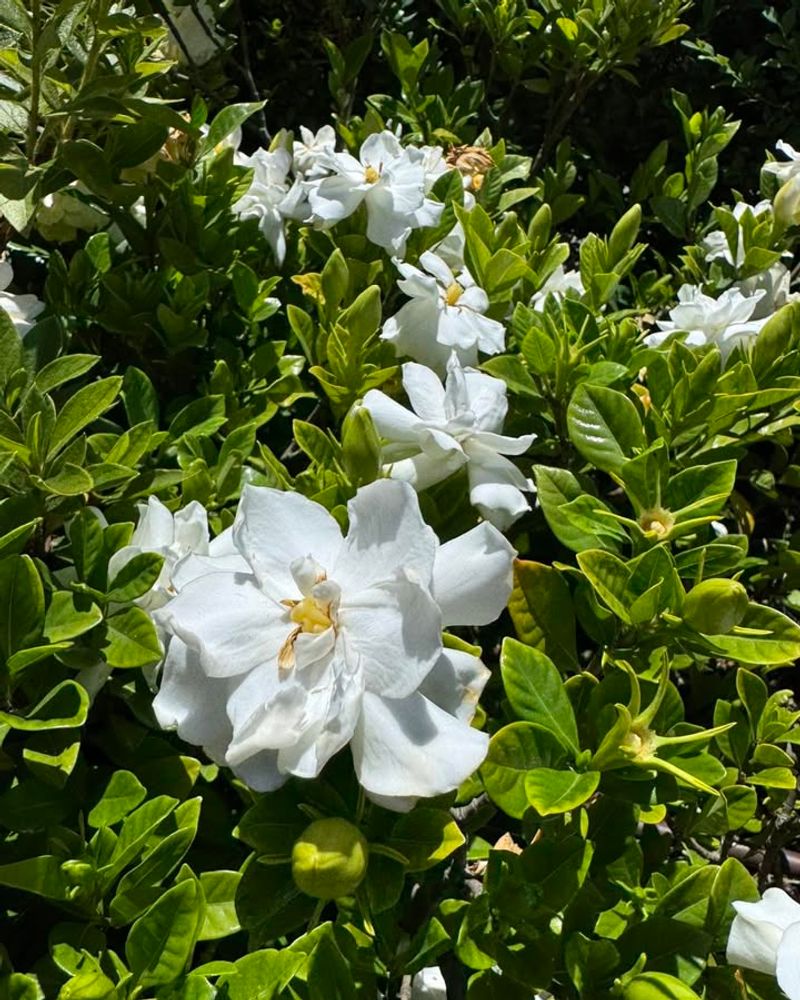
That intoxicating fragrance floating through Georgia neighborhoods on spring evenings? That’s gardenias doing their thing with almost zero help from gardeners.
Pick the right spot—acidic soil, morning sun, afternoon shade—and these shrubs practically grow themselves. The glossy evergreen leaves stay attractive year-round, while the creamy white flowers appear in late spring and sporadically through summer.
Gardenias get an unfair reputation for being fussy, but that’s usually because people plant them in the wrong location. In Georgia, give them the conditions they prefer, and they’ll reward you with years of low-maintenance beauty.
They need acidic soil, which Georgia naturally provides in most areas. A two-inch layer of pine straw mulch keeps roots cool and maintains the right pH without any soil amendments.
The compact modern varieties stay naturally rounded without constant pruning or shaping. Water them regularly the first year, then they become quite drought-tolerant for a flowering shrub.
They rarely need fertilizing in Georgia’s naturally acidic soils, though an occasional application of azalea fertilizer keeps the leaves dark green. Whiteflies can occasionally show up, but a strong spray from the hose usually handles the problem.
6. Sedum Survives Dry Spells And Poor Soil Easily
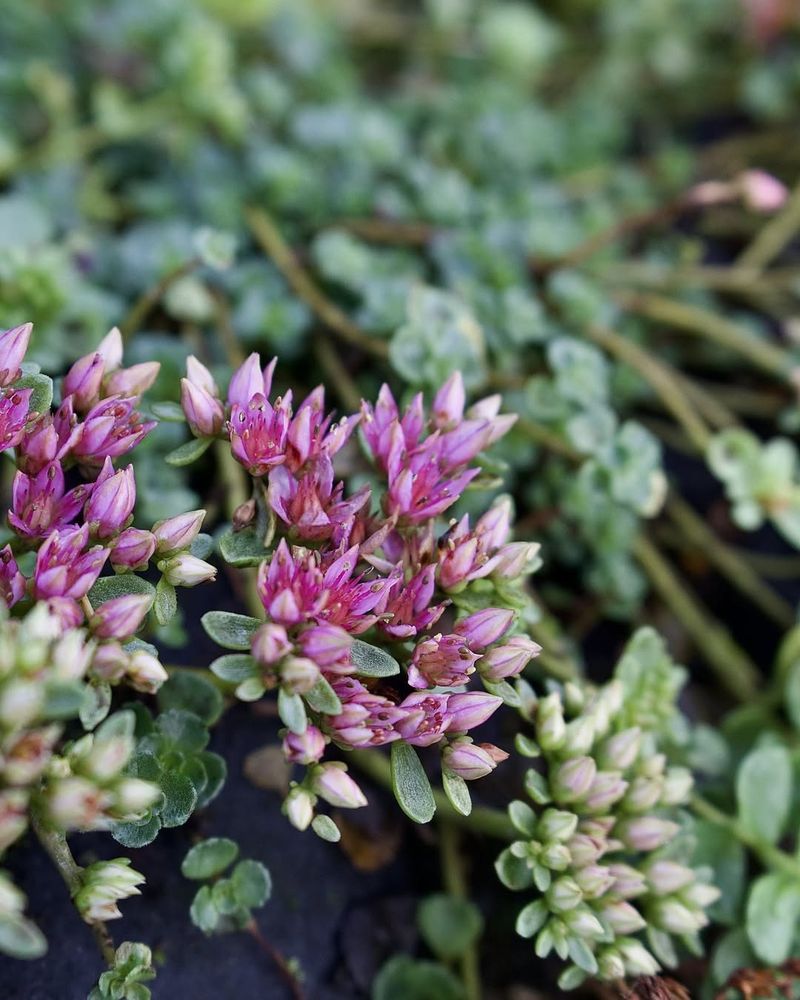
Forget everything you know about high-maintenance gardens. Sedum laughs at drought, shrugs off poor soil, and looks great doing it.
These succulents store water in their thick leaves, which means they can go weeks without rain and still look plump and healthy. In Georgia’s unpredictable climate, that resilience translates to a gorgeous garden without the constant watering headaches.
The low-growing varieties create living carpets that suppress weeds and never need mowing. Taller types like Autumn Joy produce broccoli-like flower heads that turn from green to pink to rust-red over the season, providing months of changing interest.
Both types are perfect for Georgia’s clay soil and hot summers. They actually perform better in lean, poor soil than in rich, amended beds, which means less work and expense for you.
Sedum asks for almost nothing beyond basic sunlight. No deadheading required, no fertilizing needed, and pruning is optional at best.
The plants are virtually pest and disease-free in Georgia conditions. They spread gradually to fill in bare spots without becoming invasive or aggressive.
Many varieties stay evergreen or semi-evergreen through Georgia’s mild winters, maintaining garden structure when other perennials have gone dormant. For gardeners who want maximum results from minimal effort, sedum delivers every single time.
7. Camellia Stays Evergreen And Reliable With Basic Care
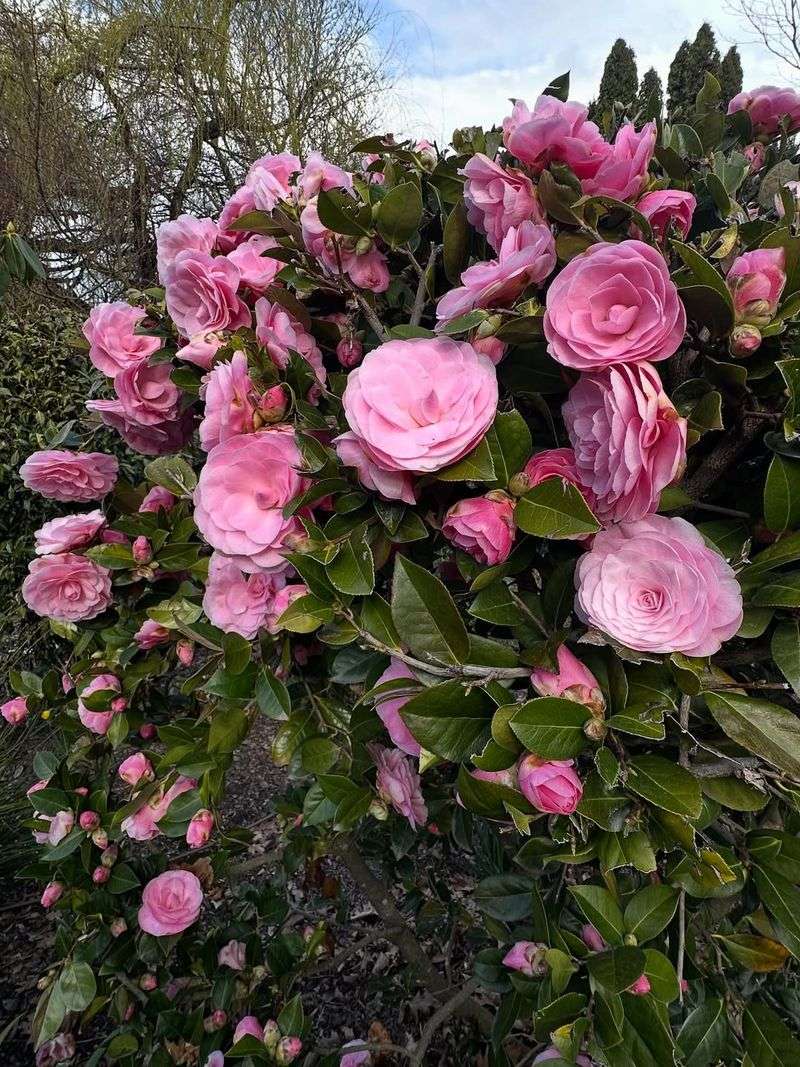
While other plants are taking their winter nap, camellias are putting on a show across Georgia. These evergreen shrubs bloom during the cooler months, providing color when gardens need it most.
The glossy leaves look polished and healthy year-round without any special treatments or constant attention. Once established, they’re remarkably self-sufficient for such a glamorous-looking plant.
Georgia’s climate is perfect camellia territory. They prefer the same acidic soil conditions that occur naturally throughout most of the state.
Plant them in partial shade with good drainage, and they’ll thrive for decades with minimal intervention. The thick, leathery leaves rarely suffer from pest or disease problems, and deer typically leave them alone.
Mulch with pine straw to keep roots cool and maintain soil acidity, and you’re basically done with maintenance.
Hundreds of varieties offer blooms in white, pink, red, and variegated patterns, from simple single flowers to elaborate doubles that look like roses. They grow slowly and maintain a neat shape without constant pruning.
Water them during establishment and extended droughts, but mature camellias are quite drought-tolerant for an evergreen shrub. They never drop their leaves or create cleanup problems.
8. Daylilies Return Every Year With Almost No Maintenance
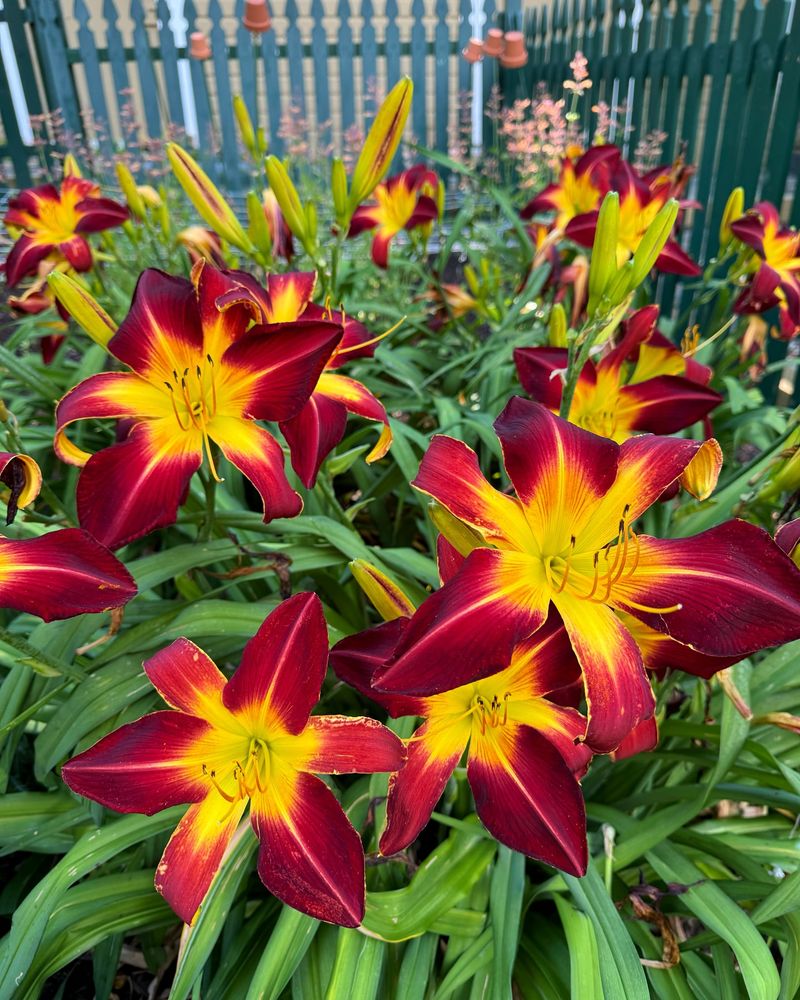
Each flower lasts just one day, but who cares when the plant produces dozens of buds over weeks of blooming? Daylilies are the ultimate workhorse perennial for Georgia gardens, returning faithfully each year without any coddling or special attention.
They multiply over time, giving you more plants to spread around your yard or share with neighbors, all without spending another dime.
Georgia’s heat doesn’t slow daylilies down one bit. They bloom enthusiastically through summer when many other perennials are taking a break.
The strappy foliage stays attractive even when flowers aren’t present, creating a neat, fountain-like shape that never needs staking or support. They grow in full sun or partial shade, tolerate clay soil, and handle both wet and dry conditions once established.
That kind of adaptability is rare in flowering perennials.
Thousands of varieties exist in every color except true blue, from pale pastels to deep burgundies. Some bloom once in early summer, while reblooming types flower multiple times throughout the growing season in Georgia.
They rarely suffer from pest or disease problems, and deer usually avoid them. Divide clumps every few years if they get crowded, or just leave them alone—either approach works fine.
9. Abelia Keeps Shape And Color Without Frequent Trimming
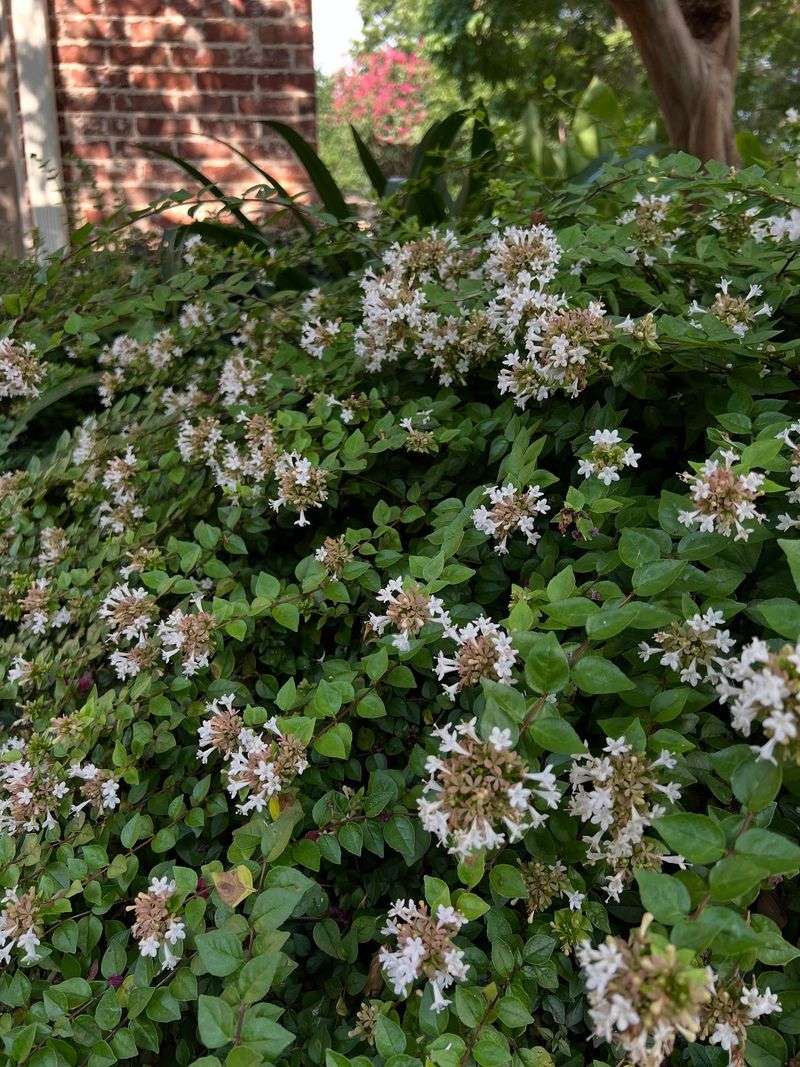
Small tubular flowers keep appearing from spring through fall, attracting hummingbirds and butterflies to your Georgia garden without any effort on your part.
Abelia’s naturally rounded shape means you’re not stuck with pruning shears every few weeks trying to keep it looking decent.
The semi-evergreen foliage often takes on bronze or purple tints in cooler weather, adding seasonal interest that most shrubs can’t match.
This shrub handles Georgia’s climate like it was custom-designed for the region. It tolerates heat, humidity, drought, and even occasional flooding without throwing a fit.
The glossy leaves resist most common pests and diseases, staying clean and attractive throughout the growing season. Abelia grows in full sun or partial shade, making it versatile for different areas of your yard.
It works beautifully as a foundation plant, in mixed borders, or as an informal hedge.
Modern compact varieties stay naturally small and tidy, eliminating the need for constant maintenance. They rarely require fertilizing in Georgia soils, and they’re quite drought-tolerant once the roots establish.
The flowers aren’t huge or showy, but they appear in such abundance that the overall effect is lovely. Deer generally ignore abelia in favor of tastier plants.