9 Outdoor Hanging Plants That Thrive On Your Arizona Patio
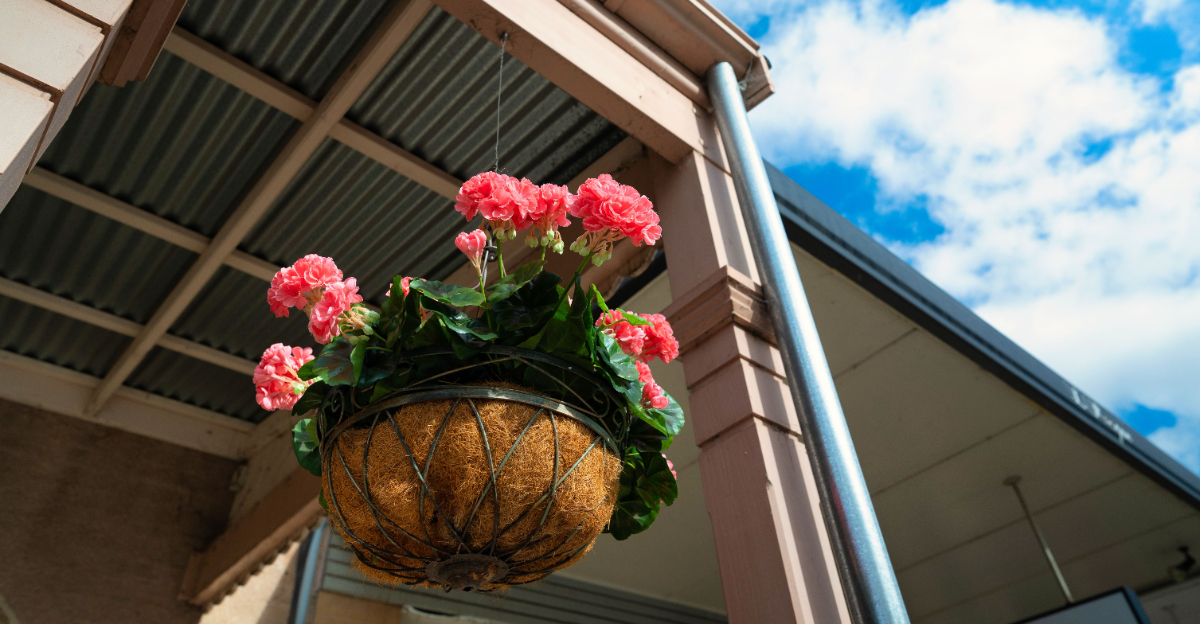
Arizona patios can stay green and inviting even when heat and sun feel relentless. The difference comes down to choosing hanging plants that actually handle bright light, dry air, and fast-drying containers without constant attention.
Hanging baskets lift plants away from hot ground surfaces, improve airflow, and reduce heat stress. In Arizona conditions, many plants perform better off the ground than they ever would in a garden bed, as long as they are matched to the climate.
The most reliable hanging plants tolerate strong sun, recover quickly from dry soil, and keep their shape through long stretches of heat. When the right choices are in place, patios feel balanced and intentional instead of high-maintenance.
With smart selections, hanging plants soften hard edges, fill empty space, and bring life closer to eye level while staying easy to enjoy through the hottest months.
1. Lantana Trails Freely While Handling Extreme Heat
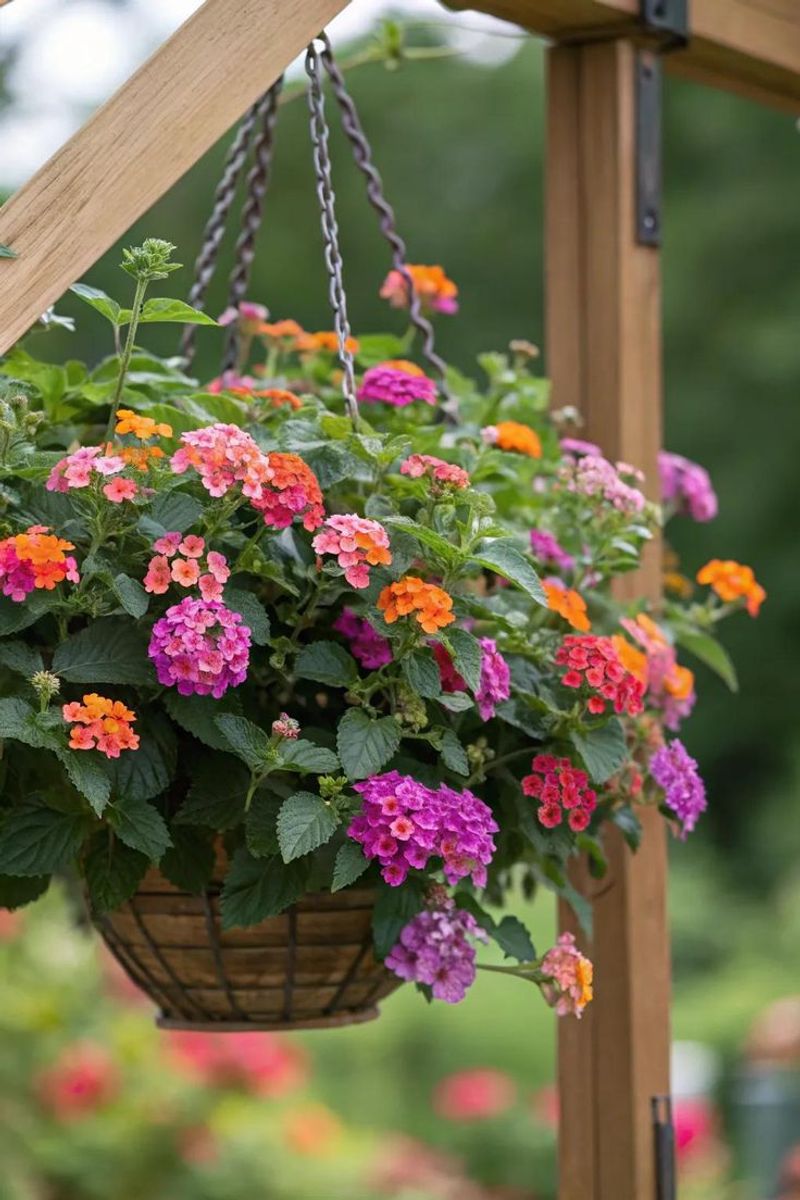
Lantana stands out as one of the toughest flowering plants you can hang on an Arizona patio. Its colorful clusters of blooms appear in combinations of orange, yellow, pink, red, and purple, creating a stunning display that butterflies cannot resist.
The trailing varieties spill beautifully over basket edges, sometimes reaching two feet in length.
This plant laughs at Arizona heat. When temperatures soar past 100 degrees, lantana keeps blooming without missing a beat.
It needs full sun to perform its best, making it perfect for those exposed patio areas where other plants struggle. Water it deeply but infrequently, allowing the soil to dry between waterings.
The foliage releases a distinctive scent when brushed, which some people love and others find too strong. Deadheading spent blooms encourages more flowers, though lantana will continue blooming even without this maintenance.
In Arizona, lantana often behaves as a perennial, surviving mild winters and returning year after year.
One caution: lantana berries are toxic to pets and children, so keep this in mind when choosing placement. Otherwise, this plant offers nonstop color with minimal effort in the challenging Arizona climate.
It also handles wind well, which makes it a reliable choice for open patios and balconies.
Once established, lantana rarely needs extra care, even during long stretches of dry, brutal summer weather.
2. Trailing Rosemary Stays Tough And Aromatic Outdoors
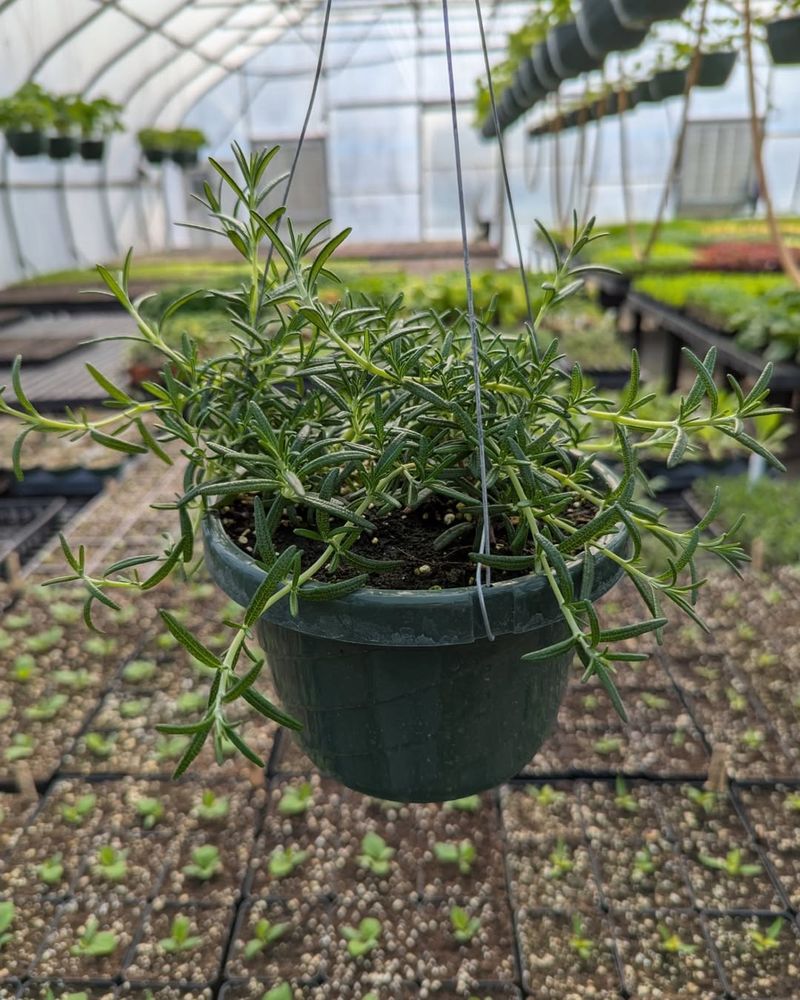
Few herbs combine beauty, fragrance, and usefulness quite like trailing rosemary in a hanging basket. The cascading stems covered in needle-like leaves create an elegant waterfall effect while filling your Arizona patio with a fresh, piney aroma.
Small purple or blue flowers appear throughout the year, adding delicate color to the evergreen foliage.
Arizona conditions suit rosemary perfectly. This Mediterranean native thrives in full sun and tolerates drought once established, making it ideal for busy gardeners.
The trailing varieties can spread three to four feet, creating impressive displays that require minimal attention. Rosemary prefers slightly dry conditions over wet soil, which aligns perfectly with Arizona’s low humidity.
Beyond its ornamental value, you can harvest fresh rosemary for cooking whenever you need it. The leaves retain their flavor and fragrance year-round, providing a constant supply of this popular herb.
Your Arizona Garden Changes Every Week. Your Plan Should Too.
Gardening in Arizona changes quickly throughout the season. Every Friday you’ll receive a simple weekly plan showing exactly what to plant, prune, fertilize, harvest, and protect so you never miss the right timing.
Simply snip stems as needed, which also helps maintain the plant’s shape and encourages bushier growth.
Trailing rosemary rarely faces pest problems in Arizona and can handle both extreme heat and occasional cold snaps. Water moderately during summer and even less during cooler months for best results.
Its woody stems also handle wind well, making it a dependable choice for exposed patios and balconies. With good drainage and plenty of sun, trailing rosemary can thrive for years without needing replacement.
3. Ivy Geranium Blooms Reliably In Bright Patio Light
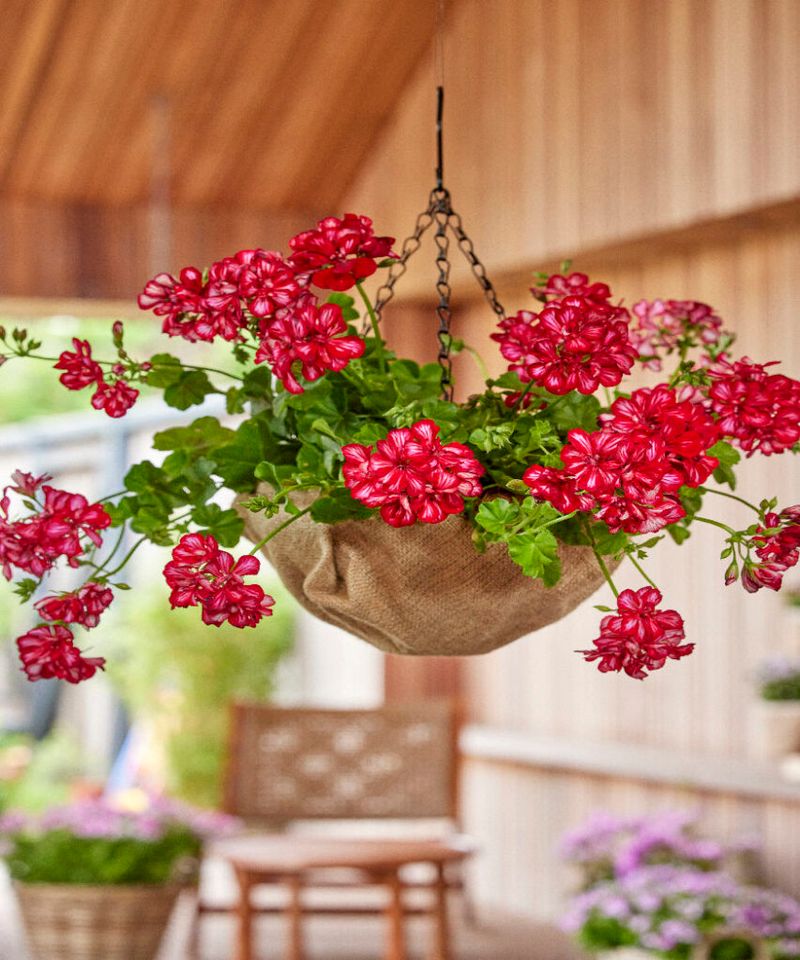
Ivy geraniums bring classic cottage garden charm to Arizona patios with their glossy, ivy-shaped leaves and abundant flower clusters. The blooms come in shades of pink, red, white, salmon, and lavender, appearing on trailing stems that can reach up to three feet long.
Unlike upright geraniums, these varieties naturally cascade, making them perfect for elevated displays.
These plants perform exceptionally well in Arizona’s bright conditions. They need at least six hours of direct sunlight daily to produce their best flower show, though some afternoon shade during peak summer helps prevent stress.
The thick, waxy leaves store moisture efficiently, allowing ivy geraniums to tolerate short dry periods better than many flowering plants.
Regular deadheading keeps ivy geraniums blooming continuously from spring through fall. In Arizona’s mild winters, they often continue flowering with minimal slowdown.
Feed them every two weeks during active growth with a balanced fertilizer to support their heavy blooming habit.
Watch for soil that drains quickly, as ivy geraniums dislike sitting in water despite needing consistent moisture during hot weather.
A quality potting mix designed for containers works best, keeping roots healthy while preventing waterlogged conditions that can cause problems.
4. Purple Heart Spills Over Baskets Without Heat Stress
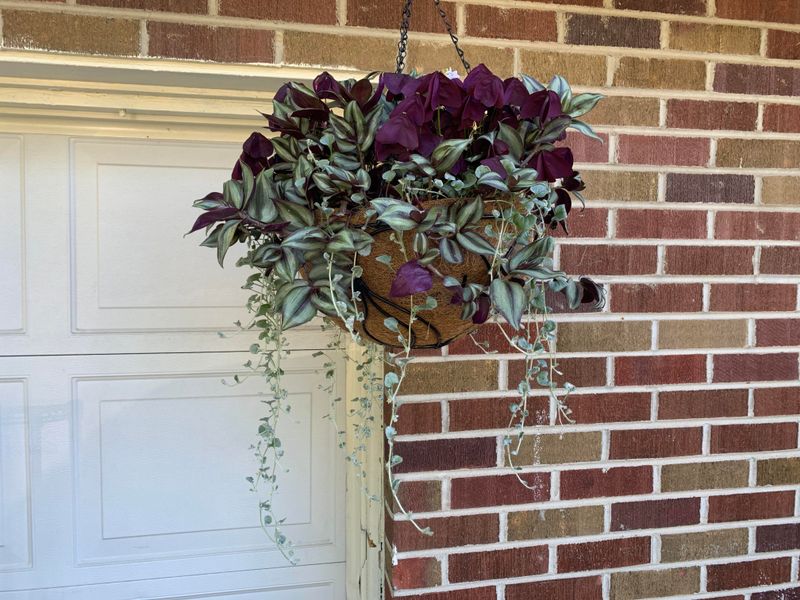
Purple heart earns its name from the stunning deep purple foliage that creates dramatic contrast against typical green plants. The lance-shaped leaves grow on trailing stems that cascade gracefully from hanging baskets, sometimes reaching lengths of four feet or more.
Small pink flowers appear periodically, though the real show comes from that rich purple color that intensifies in bright light.
Arizona heat brings out the best in purple heart. The hotter and sunnier the conditions, the deeper and more vibrant the purple color becomes.
This plant actually struggles in shade, where the foliage turns more greenish-purple and growth becomes leggy. Full sun exposure on your Arizona patio will produce the most spectacular color display.
Drought tolerance makes purple heart incredibly low-maintenance. While it appreciates regular watering during extreme heat, it bounces back quickly even after drying out completely.
The succulent-like stems store moisture, helping the plant survive those occasional forgotten watering sessions.
Purple heart grows vigorously in Arizona, sometimes requiring trimming to keep it within bounds. The cuttings root easily in water or soil, allowing you to propagate new plants effortlessly.
This plant rarely faces pest issues and maintains its beauty year-round in Arizona’s climate.
5. Sweet Potato Vine Thrives In Sun With Regular Water
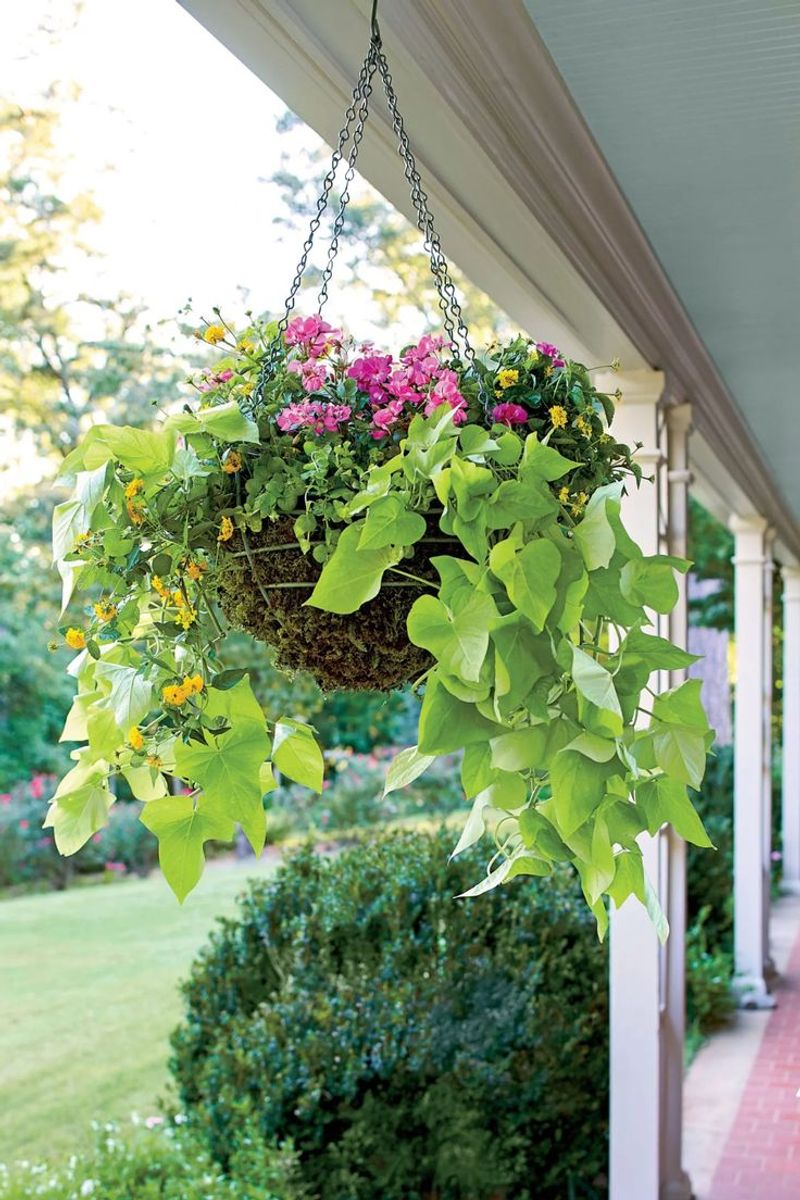
Sweet potato vine delivers explosive growth and bold foliage colors that transform ordinary hanging baskets into statement pieces.
Available in chartreuse, deep purple, bronze, and variegated varieties, these vigorous trailing plants can grow several feet in a single season.
The heart-shaped or lobed leaves create dense coverage that spills dramatically over basket edges.
While sweet potato vine tolerates Arizona heat remarkably well, it needs more water than drought-tolerant options. During summer months, daily watering may be necessary to keep the foliage looking fresh and prevent wilting.
The trade-off is rapid growth that fills in baskets quickly and provides lush coverage throughout the growing season.
Full sun brings out the most intense leaf colors, though sweet potato vine also performs in partial shade where colors may appear slightly muted. In Arizona, these plants grow as annuals, providing spectacular displays from spring through fall.
Some gardeners successfully overwinter the tubers indoors for replanting the following season.
Regular trimming controls the vigorous growth and encourages bushier plants rather than long, sparse vines. Fertilize monthly during active growth to support the rapid expansion.
Sweet potato vine pairs beautifully with flowering plants, providing a colorful foliage backdrop that enhances blooms.
6. Vinca Vine Keeps Growing Through Hot Summer Months
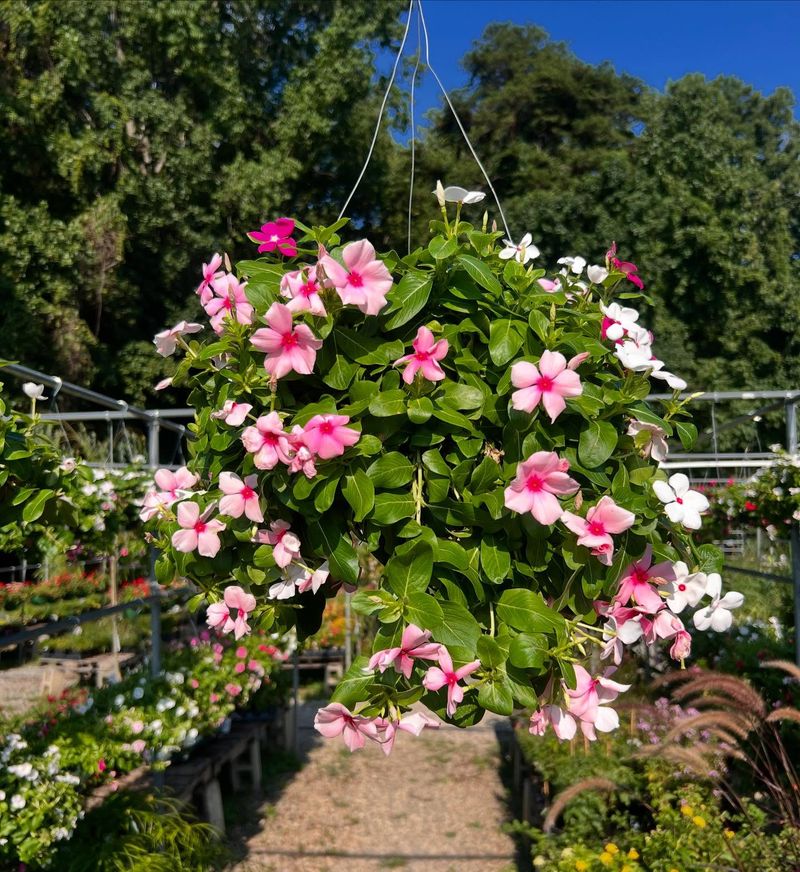
Vinca vine, also called periwinkle, offers reliable performance when Arizona temperatures climb. The glossy, oval leaves come in solid green or variegated patterns with white or yellow edges, creating bright accents that stay attractive year-round.
Trailing stems grow steadily, reaching several feet in length while maintaining dense foliage coverage.
Heat tolerance ranks among vinca vine’s greatest strengths. This plant continues growing vigorously even when summer temperatures exceed 110 degrees, making it one of the most dependable choices for Arizona patios.
It adapts to both full sun and partial shade, though variegated types often show better color contrast with some protection from intense afternoon rays.
Moderate watering keeps vinca vine healthy without the constant attention some plants demand. Allow the soil surface to dry slightly between waterings, then water thoroughly.
This plant tolerates occasional dryness better than overwatering, which can lead to root problems in containers.
Vinca vine grows as a perennial in most Arizona locations, surviving mild winters without damage. Trim back any damaged growth in early spring to encourage fresh new stems.
This low-maintenance plant rarely attracts pests and diseases, providing consistent beauty with minimal intervention throughout the year.
7. Ice Plant Loves Full Sun And Fast-Draining Hanging Pots
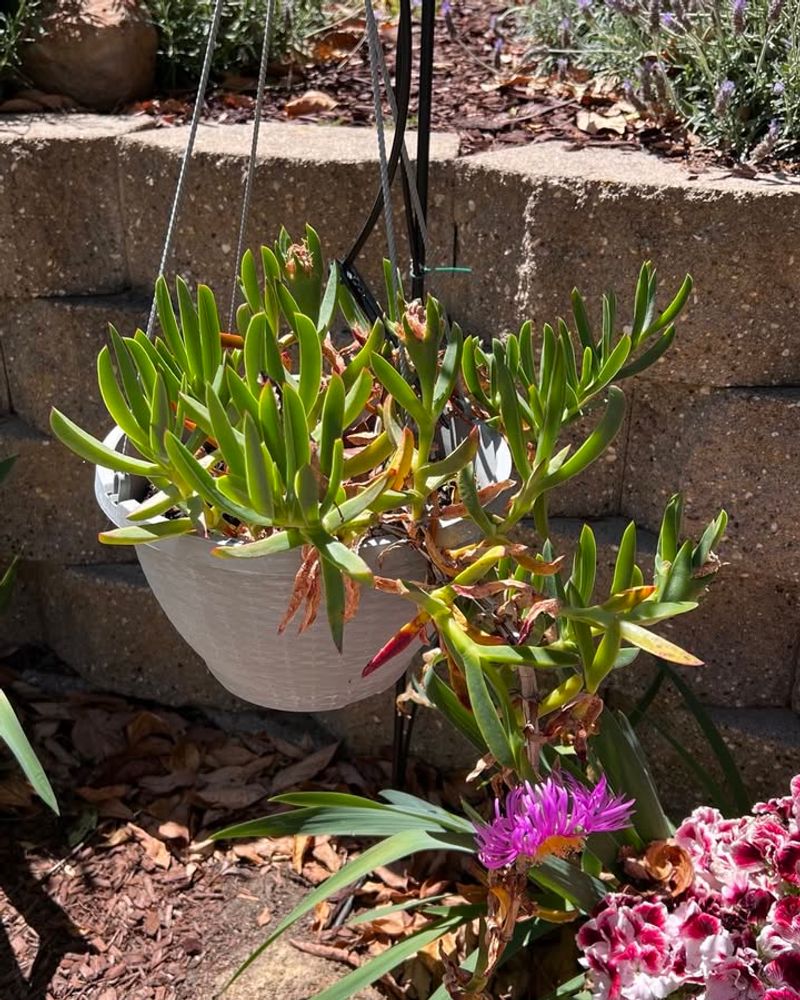
Ice plant transforms hanging baskets into cascades of succulent foliage topped with brilliant daisy-like flowers. The thick, cylindrical leaves store water efficiently, creating trailing stems that can extend three feet or more.
Flowers appear in electric shades of pink, purple, orange, yellow, or red, opening in sunlight and creating dazzling displays during peak bloom periods.
Arizona’s intense sun and heat create ideal conditions for ice plant. This succulent thrives in the harshest exposures where many plants would struggle, making it perfect for those fully exposed patio areas.
The more sun it receives, the more abundantly it blooms, with flowers covering the plant during spring and early summer.
Minimal watering requirements make ice plant exceptionally easy to maintain. Water sparingly, allowing the soil to dry completely between waterings.
Overwatering causes more problems than underwatering with this drought-adapted succulent. Use a fast-draining cactus or succulent potting mix to prevent moisture retention that could damage roots.
Ice plant handles Arizona’s temperature extremes with ease, though it may slow growth during the hottest weeks. No fertilizer is typically necessary, as this plant thrives in lean conditions.
The low-maintenance nature combined with spectacular blooms makes ice plant a smart choice for busy Arizona gardeners.
8. Portulaca Cascades Easily And Thrives In Desert Heat
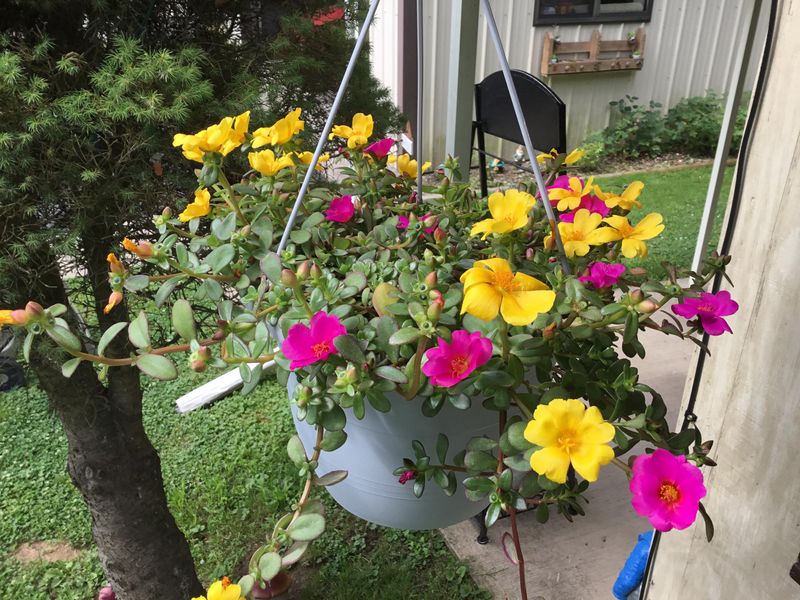
Portulaca, commonly called moss rose, produces an abundance of rose-like flowers in nearly every color imaginable. The small, succulent leaves grow on trailing stems that spill over basket edges, while flowers open in sunlight, creating a carpet of color.
Individual blooms may be short-lived, but plants produce so many that baskets stay covered throughout the blooming season.
Desert conditions suit portulaca perfectly. This heat-loving annual thrives in Arizona’s summer temperatures that would overwhelm less adapted plants.
Full sun exposure is essential for portulaca to bloom well, as flowers remain closed in shade or cloudy weather. The succulent foliage stores moisture, allowing plants to tolerate dry periods without wilting.
Portulaca requires minimal care once established in hanging baskets. Water when the soil feels dry, but avoid keeping it constantly moist.
This plant actually performs better with some neglect than with overly attentive watering. No deadheading is necessary, as spent flowers drop cleanly and new buds continue opening.
In Arizona, portulaca grows as a warm-season annual, providing color from late spring through fall. It self-seeds readily, sometimes returning in unexpected locations the following year.
The carefree nature and reliable blooms make portulaca an excellent choice for Arizona hanging baskets.
9. Asparagus Fern Performs Best In Bright Shade Patios
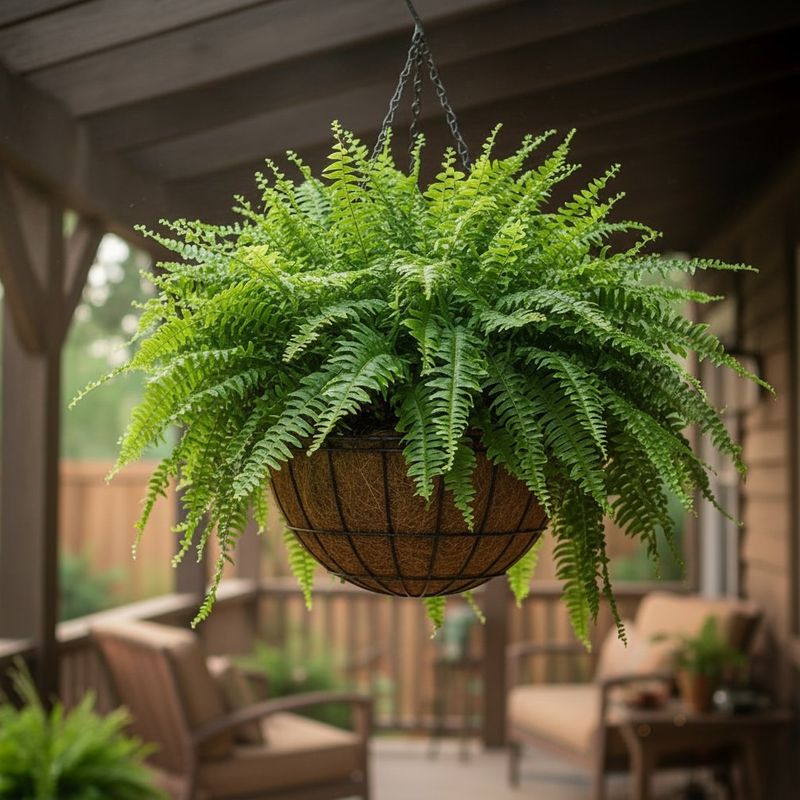
Asparagus fern brings soft, feathery texture to Arizona patios with its delicate-looking foliage and gracefully arching stems. Despite its name, this plant is not a true fern but rather a member of the lily family.
The needle-like leaves create a cloud-like appearance, with stems that can trail several feet, producing an elegant cascade effect in hanging baskets.
Bright shade works best for asparagus fern on Arizona patios. While it tolerates some direct morning sun, protection from harsh afternoon rays prevents the foliage from yellowing or browning.
Covered patios, areas under ramadas, or spots that receive filtered light through shade cloth provide ideal conditions for this plant to thrive.
Consistent moisture keeps asparagus fern looking its best, though it tolerates short dry periods once established. During Arizona summers, check the soil frequently and water when the top inch feels dry.
Higher humidity benefits this plant, so occasional misting or grouping it with other plants helps create a more favorable microclimate.
Asparagus fern grows as a perennial in most Arizona locations, maintaining its foliage year-round. Trim any stems that become brown or sparse to encourage fresh growth.
Small white flowers may appear, followed by red berries that add interest but should not be eaten as they can cause stomach upset.