7 Early Spring Garden Tasks To Bring Your Ohio Garden Back To Life
Spring does not explode into Ohio. It whispers.
The snow retreats, soil softens, and the first green tips push through ground that looked lifeless only days ago. Gardeners know this moment.
The season can be won or lost right now. A few simple actions during early spring decide how strong plants grow, how many weeds invade, and how much food and color fill the months ahead.
Many people wait too long and spend summer fighting problems that could have been prevented in March and April. Smart gardeners move early, work with the soil, and set the stage before growth surges.
Clean beds, healthy roots, balanced soil, and careful timing bring powerful results without extra effort later. This is the window when the garden wakes up and responds fast to care.
Take advantage of it, and watch your Ohio garden return fuller, greener, and more productive than last year.
1. Clear Away Winter Debris To Wake Up The Garden
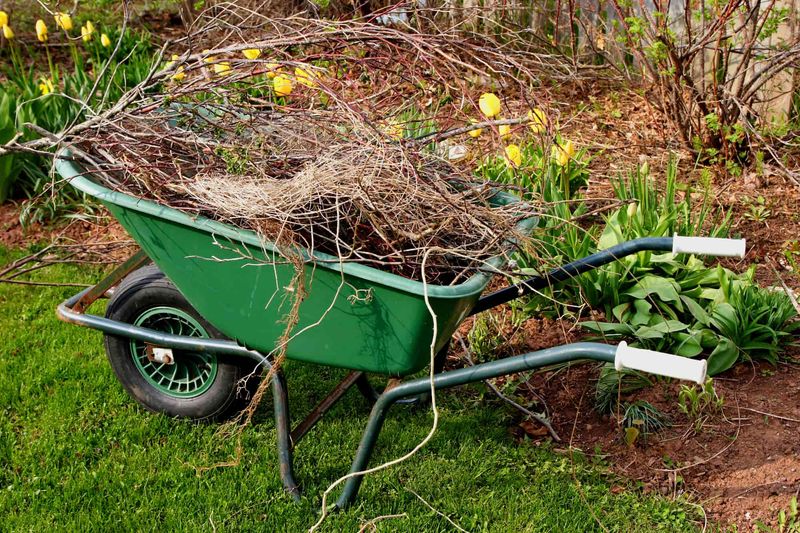
Winter leaves behind more than memories of cold weather. Withered leaves, broken branches, and matted plant material pile up across beds and pathways, smothering the soil and blocking light from reaching new growth.
Clearing this debris is the first step toward a healthy garden. It allows air to circulate, sunlight to warm the soil, and beneficial organisms to do their work without obstruction.
Start by raking gently around perennials and shrubs. Avoid digging too deep or disturbing roots that are just beginning to stir.
Collect leaves, twigs, and any plant material that looks diseased or damaged. Compost what is healthy, but discard anything that shows signs of mold, rot, or pest activity to prevent problems from spreading.
Pay special attention to areas where snow piled up or water pooled during thaw cycles. Matted leaves in these spots can harbor fungal spores and insect eggs.
Removing them early reduces the risk of disease and gives your plants a clean start. Ohio State University Extension recommends this task as soon as the ground is no longer frozen and soggy.
Once debris is cleared, you will notice how much more alive the garden looks. Green shoots appear, soil warms faster, and the space feels ready for the season ahead.
This simple act of cleaning up sets the tone for everything that follows, making it one of the most rewarding tasks of early spring.
2. Cut Back Perennials Before Fresh Growth Begins
Perennials that stood through winter often look ragged by early spring. Withered stems, brown foliage, and frost-damaged tops need to be removed before new growth takes over.
Cutting them back now gives plants room to expand and prevents old material from shading or crowding fresh shoots. Timing is everything.
If possible, wait until daytime temperatures consistently reach about 50°F before cutting back fully, as beneficial insects often overwinter in hollow stems. Then wait until you see green growth emerging from the base, but act before stems get too tall.
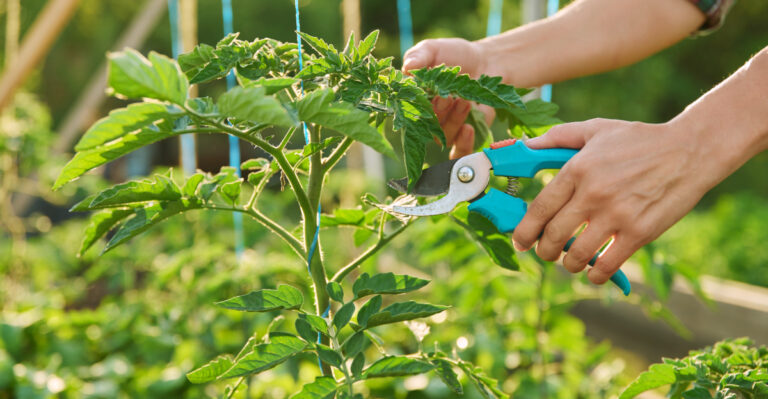
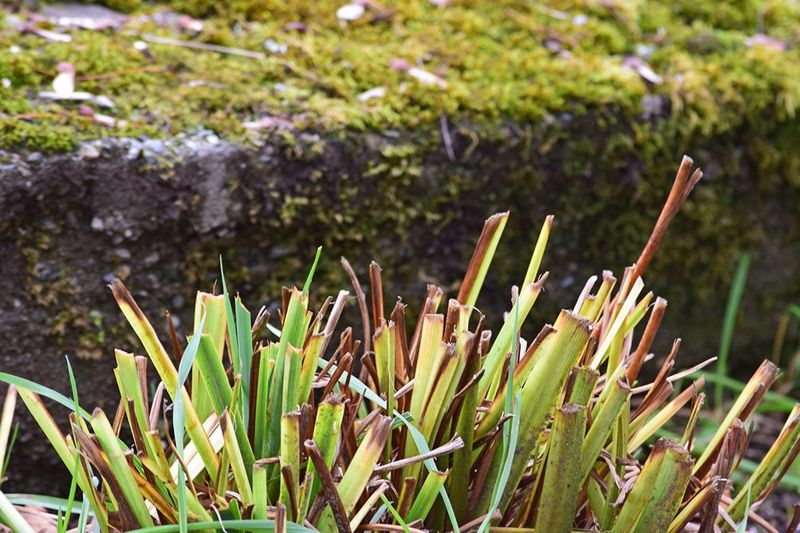
Use sharp, clean pruning shears to cut stems down to just above the new growth. For plants like coneflowers, black-eyed Susans, and sedums, trim back to about two to three inches above the soil.
Your Ohio Garden Changes Every Week. Your Plan Should Too.
Gardening in Ohio changes quickly throughout the season. Every Friday you’ll receive a simple weekly plan showing exactly what to plant, prune, fertilize, harvest, and protect so you never miss the right timing.
Ornamental grasses can be cut to about four to six inches. Leave enough stem so you do not accidentally damage the crown where new leaves are forming.
Some perennials, like hellebores and bergenia, keep their foliage through winter. For these, simply remove any leaves that are brown, torn, or diseased.
Fresh leaves will fill in quickly once temperatures rise. Ohio gardeners should also watch for early bloomers like crocuses and daffodils that need no cutting at all, just space to grow.
Cutting back perennials is not just about appearance. It improves air circulation, reduces the risk of fungal issues, and makes it easier to apply mulch and compost later.
The garden looks tidy, plants grow stronger, and you create the perfect foundation for a vibrant spring display that lasts all season long.
3. Refresh Mulch To Protect And Feed The Soil
Mulch does more than make beds look polished. It regulates soil temperature, conserves moisture, suppresses weeds, and slowly breaks down to feed the soil.
Over winter, mulch compacts, thins out, and loses its effectiveness. Early spring is the ideal time to refresh it before plants grow tall and weeds take hold.
Start by loosening any compacted mulch with a rake. Pull it away from the base of plants to prevent rot and allow air to reach the soil.
Check the depth. A layer of two to three inches is ideal for most perennials and shrubs.
Too much mulch can suffocate roots and trap moisture against stems, leading to disease.
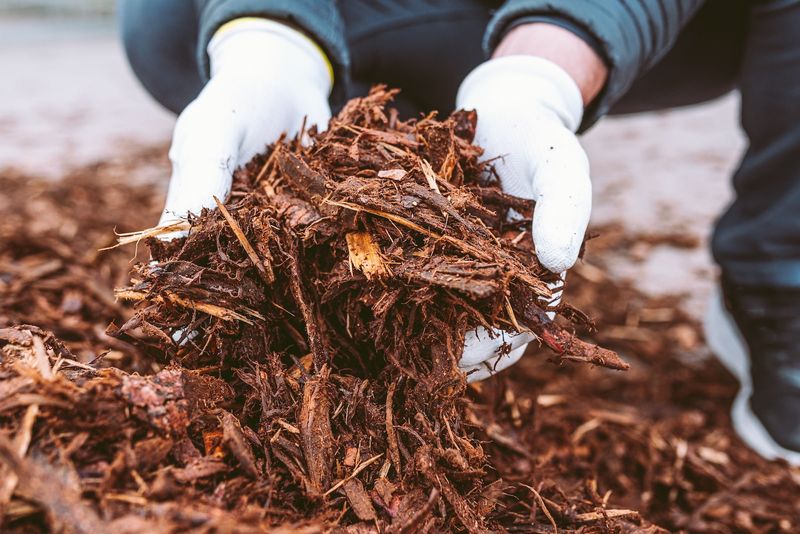
Choose organic mulch like shredded bark, aged wood chips, or compost. These materials improve soil structure as they decompose and provide slow-release nutrients.
Ohio State University Extension recommends avoiding dyed mulches or materials that have not been aged, as they can tie up nitrogen or introduce unwanted chemicals.
Spread fresh mulch evenly across beds, keeping it a few inches away from plant crowns and tree trunks. Water lightly after applying to help it settle.
Refreshed mulch gives your garden a clean, finished look while protecting roots from temperature swings common in Ohio spring weather.
Mulching early also reduces the need for frequent watering later in the season. It keeps soil cooler during hot spells and warmer during unexpected cold snaps.
This simple task pays off all season long with healthier plants and less work for you.
4. Restore Soil Health With Compost And Testing
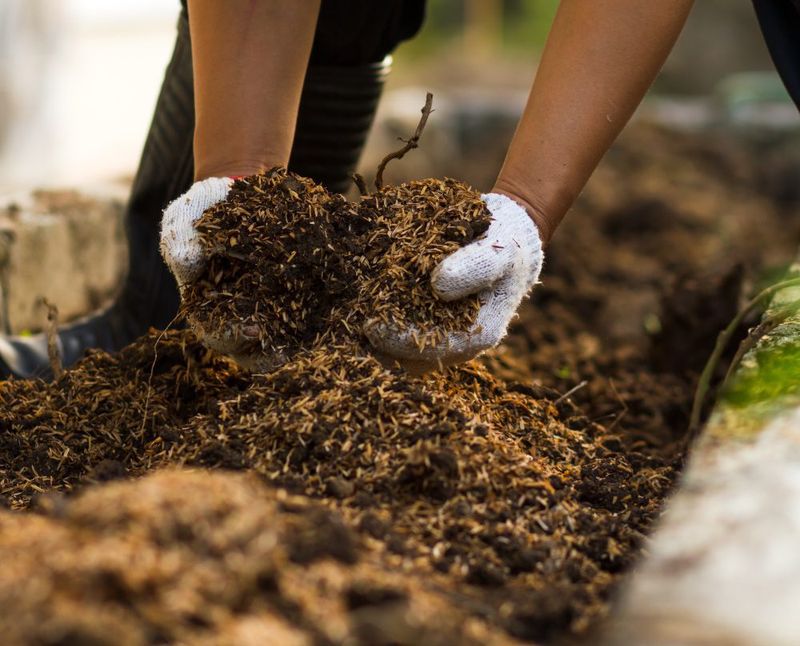
Soil is the foundation of every successful garden. After months of cold weather, freezing, and thawing, soil can become compacted, depleted, and out of balance.
Early spring is the best time to restore its health with compost and testing. Healthy soil grows healthy plants, plain and simple.
Start by testing your soil. Ohio State University Extension offers affordable soil testing that measures pH, nutrient levels, and organic matter content.
Knowing what your soil needs prevents guesswork and saves money on unnecessary amendments. Most garden plants prefer slightly acidic to neutral soil (around 6.0 to 7.0), but testing is the best way to know exactly where you stand.
Once you have results, add compost. Spread a one to two inch layer over beds and lightly work it into the top few inches of soil, or leave it on the surface to naturally incorporate over time.
Compost improves drainage in clay soils, increases water retention in sandy soils, and feeds beneficial microbes that help plants absorb nutrients. It is the single most valuable amendment you can use.
Avoid working soil when it is too wet. Squeeze a handful.
If it forms a tight ball that does not crumble, wait a few days. Working wet soil damages its structure and creates hard clumps that take months to break down.
Patience now leads to better results later.
Adding compost in early spring gives plants access to nutrients as they begin active growth. Roots spread more easily, water moves through the soil better, and plants show stronger resistance to stress.
Restoring soil health is not glamorous, but it is one of the most important tasks you can do.
5. Divide Crowded Plants For Stronger Spring Growth
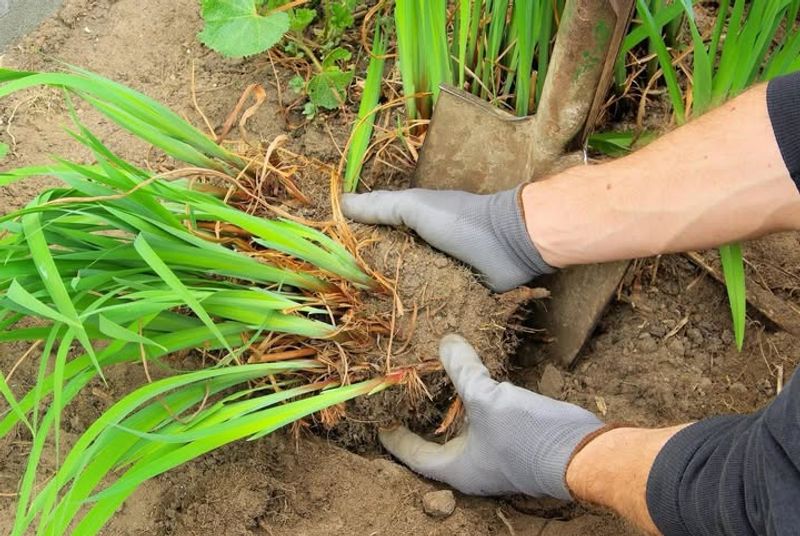
Perennials grow outward each year, forming larger clumps. Over time, they become crowded, bloom less, and lose vigor.
Early spring, just as new growth appears, is the perfect time to divide them. Dividing rejuvenates plants, increases your garden stock, and improves overall health without spending a dime.
Look for plants that have dense centers, fewer blooms than in previous years, or crowns that are pushing out of the soil. Hostas, daylilies, irises, and ornamental grasses are common candidates.
Dig around the entire clump, lifting it carefully with a spade or garden fork. Shake off excess soil so you can see the root structure.
Use a sharp spade, knife, or even your hands to separate the clump into smaller sections. Each section should have healthy roots and at least three to five shoots.
Discard any parts that look weak, woody, or damaged. Replant divisions at the same depth they were growing before, spacing them according to their mature size.
Water newly divided plants thoroughly and keep the soil evenly moist for the first few weeks. They may look small at first, but they will fill in quickly once roots establish.
Many perennials benefit from division every three to five years to stay vigorous and bloom well, though fast-growing plants may need dividing sooner.
Dividing plants not only improves their health but also gives you extras to fill gaps, share with neighbors, or trade with other gardeners. It is one of the most satisfying tasks of early spring, turning one tired clump into several thriving plants ready to grow.
6. Prune Winter Damage To Encourage Healthy Growth
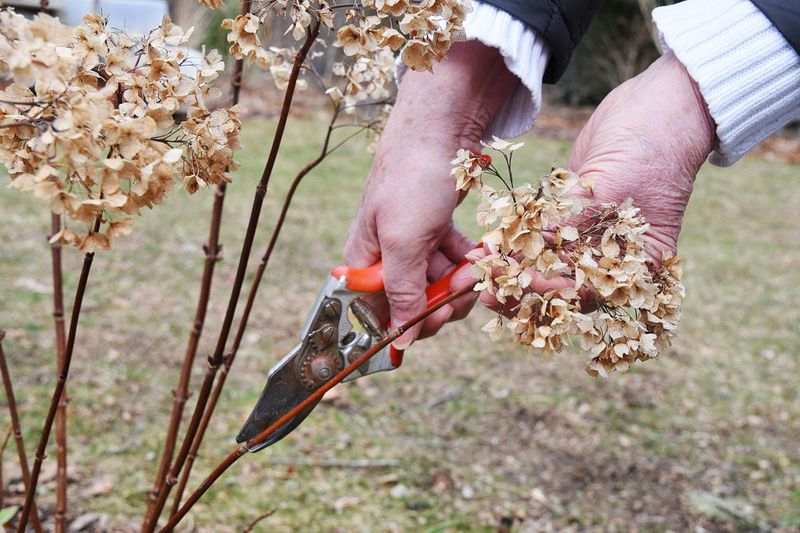
Winter weather in Ohio can be harsh on woody plants. Ice, wind, and freezing temperatures cause broken branches, split bark, and frost-damaged tips.
Pruning away this damage in early spring helps plants heal quickly and directs energy toward healthy growth. Left untreated, damaged wood becomes an entry point for disease and pests.
Start by inspecting shrubs, roses, and small trees for broken or cracked branches. Remove anything that is clearly damaged, cutting back to healthy wood just above a bud or lateral branch.
Make clean cuts at a slight angle to encourage water runoff and faster healing. Avoid leaving stubs, which invite rot.
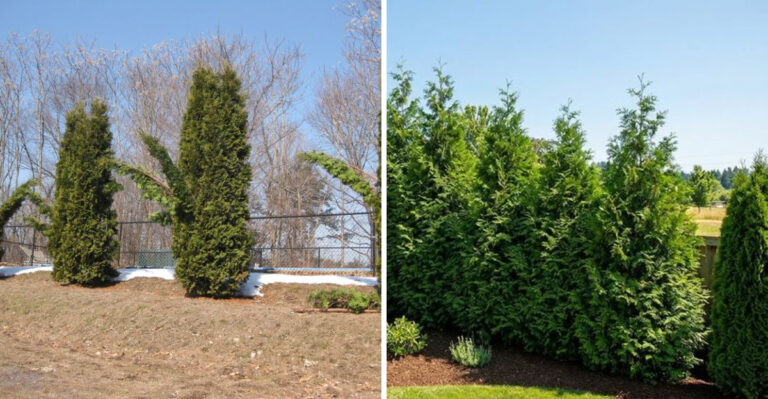
Check for winter burn on evergreens, especially on the side facing prevailing winds. Brown or bronze foliage may recover as temperatures warm, so wait a few weeks before removing it.
If needles or leaves remain brown into late spring, prune them back to encourage new growth from below.
For roses, cut back any blackened or shriveled canes to green wood. Hybrid teas and floribundas benefit from a light shaping now, removing about one-third of their height.
Shrub roses need less pruning but still appreciate the removal of damaged tips. Ohio State University Extension recommends waiting until forsythia blooms to prune spring-flowering shrubs, as they set buds on old wood.
Pruning winter damage is not about perfection. It is about giving plants the best chance to recover and grow strong.
Removing damaged wood improves appearance, reduces disease risk, and encourages vigorous new shoots that fill in quickly once warm weather arrives.
7. Plant Cool-Season Crops As Soon As Soil Warms
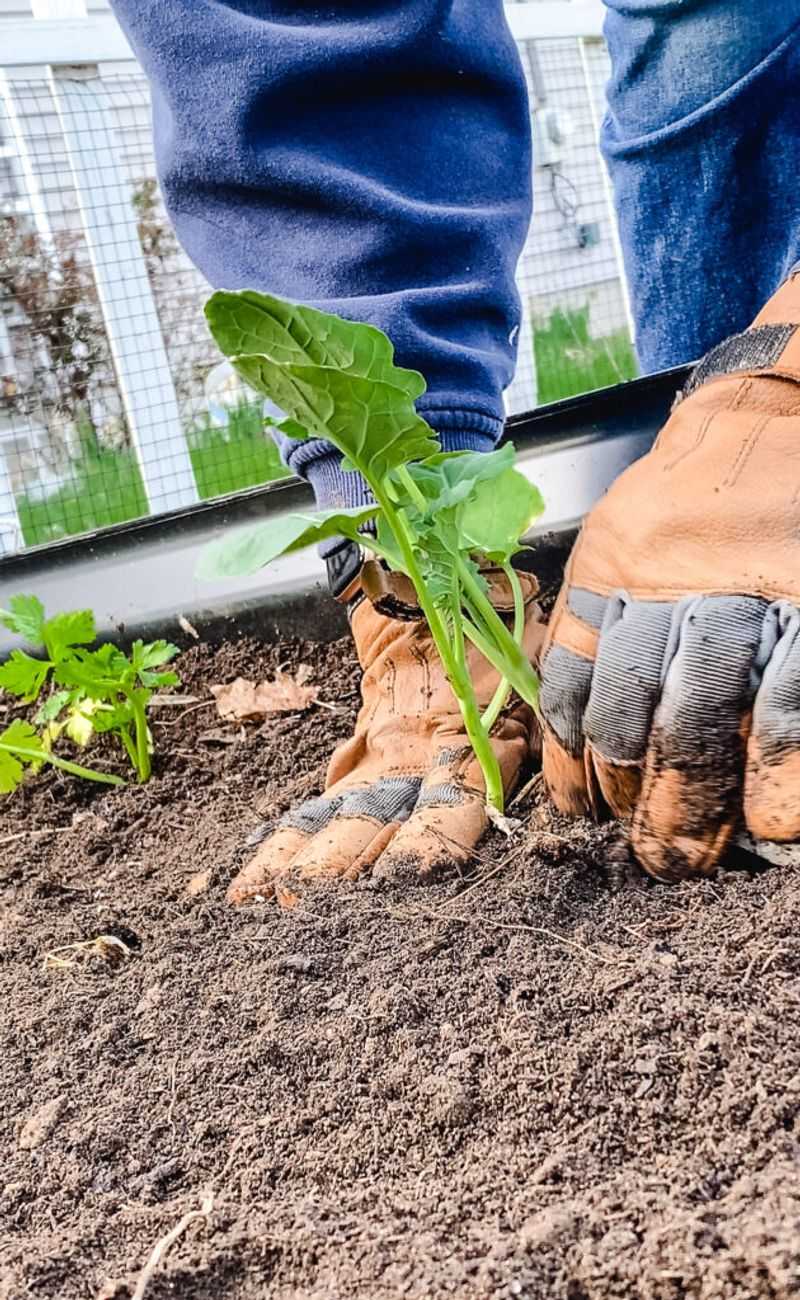
Early spring in Ohio offers a narrow but valuable window for planting cool-season crops. Peas, lettuce, spinach, radishes, and other cold-tolerant vegetables thrive in the cool soil and mild temperatures of March and April.
Planting them now means fresh harvests before summer heat arrives. Wait too long and they bolt or struggle in the warmth.
Check soil temperature before planting. Peas and spinach germinate in soil as cool as 40 degrees Fahrenheit, while lettuce prefers 45 to 50 degrees.
Use a soil thermometer to be sure. If the ground is still frozen or waterlogged, wait a few days.
Planting in cold, wet soil leads to poor germination and rotting seeds.
Prepare beds by loosening soil and mixing in compost. Sow pea seeds about one inch deep and two inches apart along a trellis or support.
Plant lettuce and spinach seeds shallowly, just a quarter inch deep, and thin seedlings as they grow. Radishes can be tucked between slower-growing crops, maturing in just three to four weeks.
Cover newly planted seeds with a light row cover or floating fabric to protect them from late frosts and hungry birds, as Ohio springs can still bring hard freezes well into April. Water gently to keep soil moist but not soggy.
Cool-season crops grow quickly in spring, often ready to harvest in four to six weeks.
Planting early gives Ohio gardeners a head start on the season. Fresh greens and crisp radishes taste better than anything from the store, and the satisfaction of eating from your own garden in late April is unmatched.
Early planting also frees up space for warm-season crops later, making the most of every square foot.