When To Expect The Last Frost In Oregon And Why It Keeps Changing
If you garden in Oregon, you know the weather has a way of keeping everyone guessing. One week feels like spring has arrived, and the next brings a chilly surprise that sends gardeners scrambling for plant covers.
The “last frost date” is meant to signal when it’s safe to plant, yet it seems to shift from year to year.
Warmer winters, sudden cold snaps, elevation differences, and nearby mountains all play a role in this seasonal unpredictability.
You might notice tomatoes thriving early one year, then struggling under unexpected frost the next, and that’s perfectly normal here. Understanding typical frost patterns, and why they sometimes diverge from the calendar, can help protect seedlings and save frustration.
With a little insight into how local climate quirks affect your garden, you can plan plantings more confidently, adjust for microclimates, and make the most of Oregon’s sometimes surprising spring.
Ready to explore how frost really works and learn strategies to stay one step ahead this season?
Let’s dive in.
1. Why The Last Frost Matters To Gardeners
Walk through an Oregon neighborhood in April and you’ll likely spot gardeners peering at seedling trays, checking weather apps, and debating whether it’s too soon to set out tomatoes. That caution comes from experience, frost can arrive unexpectedly.
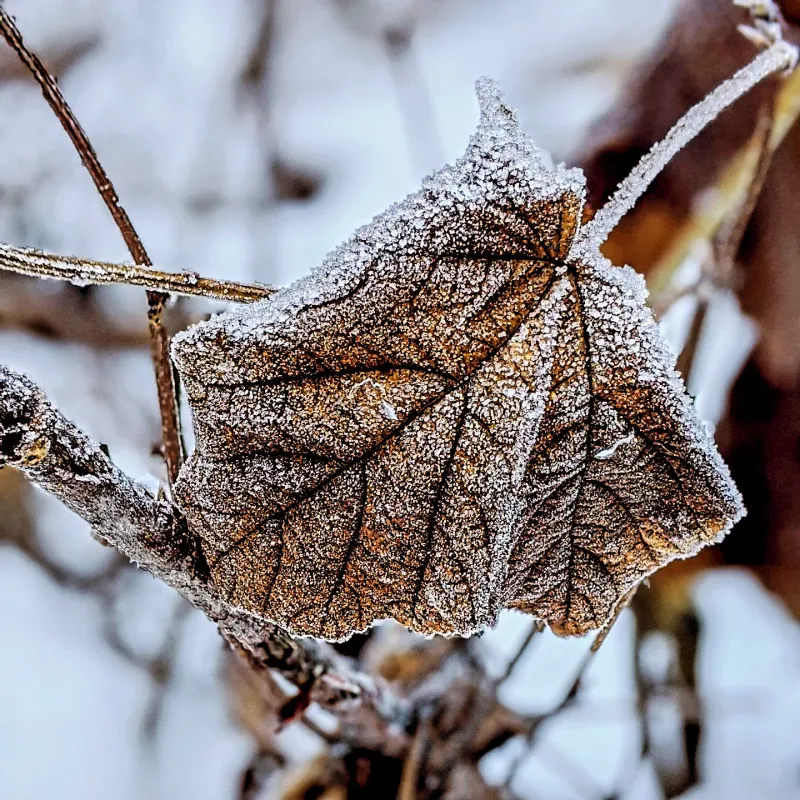
Tender plants like tomatoes, peppers, basil, and squash are especially sensitive. Even a brief dip near freezing can blacken leaves, slow growth, or damage young seedlings, setting your harvest back weeks.
Hardier crops handle cold better, but transplants remain vulnerable until roots establish and nighttime temperatures stabilize. Planning around the last frost gives seedlings the best chance to thrive: plant too early, and cold snaps may hurt them; wait too long, and you shorten the growing season for crops that need warm soil to germinate.
Oregon’s diverse climate zones mean frost timing varies widely. Coastal areas tend to warm earlier, while inland valleys or higher elevations may experience lingering chills.
Observing your microclimate, noting past frost patterns, and watching local weather trends help you plant confidently without unnecessary risk, giving young crops a stronger start and a longer, productive season.
2. Typical Last Frost Timing Across Oregon
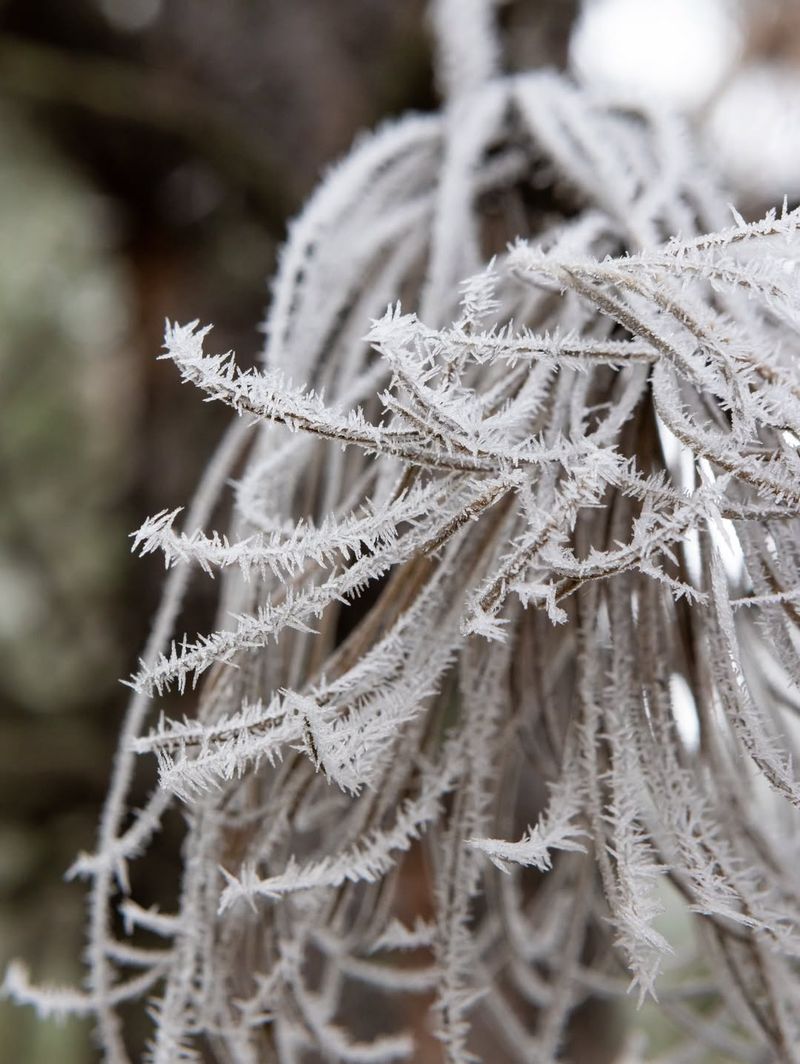
Oregon spans multiple climate zones, so frost timing can vary considerably depending on your location.
Coastal communities such as Astoria, Newport, and Brookings often see last frosts in late March or early April, thanks to the moderating influence of ocean air, which keeps winters milder and spring arriving earlier.
The Willamette Valley, including Portland, Salem, and Eugene, generally experiences last frosts between mid-April and early May.
Elevation and nearby hills affect local conditions, with higher neighborhoods cooling faster on clear nights and valley floors occasionally trapping cold air, creating frost pockets even when surrounding areas remain warmer.
In Central Oregon, towns like Bend, Redmond, and Sisters face longer frost seasons due to higher elevation and a drier climate, with last frosts sometimes arriving in late May or early June, shortening the growing season compared with western Oregon.
Your Oregon Garden Changes Every Week. Your Plan Should Too.
Gardening in Oregon changes quickly throughout the season. Every Friday you’ll receive a simple weekly plan showing exactly what to plant, prune, fertilize, harvest, and protect so you never miss the right timing.
Eastern Oregon follows similar patterns, with cold nights lingering well into spring.
Southern Oregon regions such as Medford and Ashland typically see last frosts in mid to late April, though microclimates created by mountains and valleys can cause neighboring gardens to experience frost on different nights, even within the same town.
3. Why Frost Dates Change From Year To Year
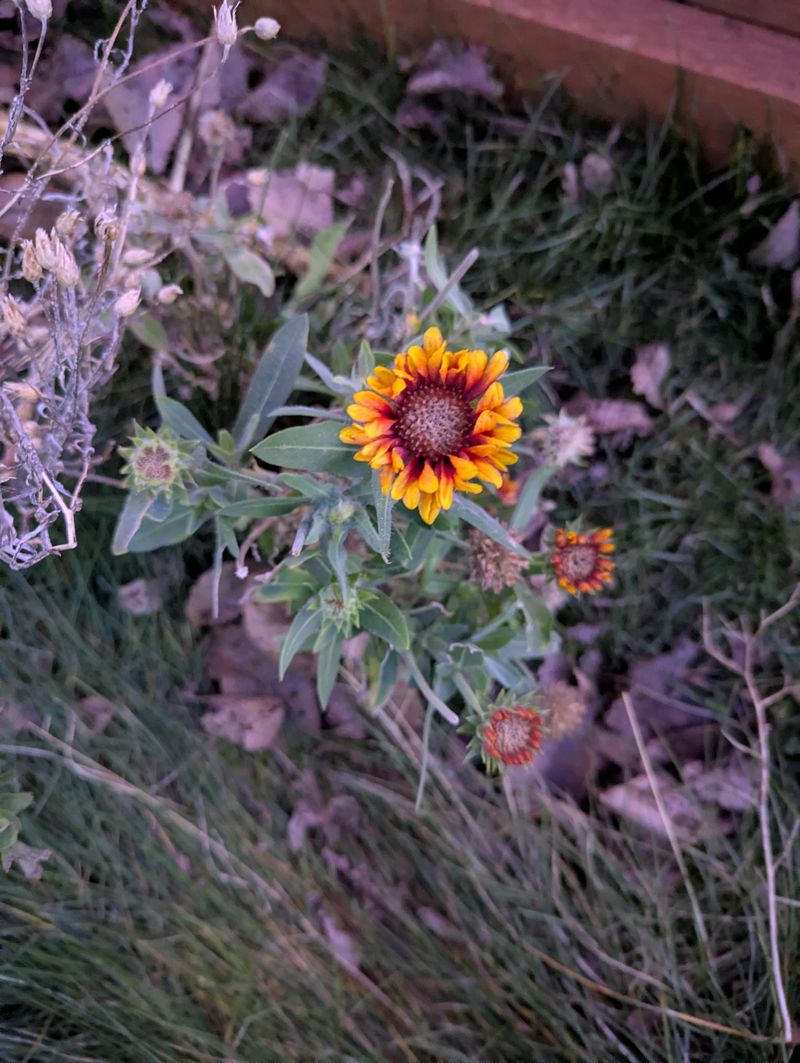
One spring you might plant confidently in mid-April without issue, and the next, a surprise frost arrives in early May. That unpredictability can frustrate gardeners, but it reflects the natural variability of Oregon weather.
No two springs unfold exactly the same way. The position of the jet stream has a major influence: when it dips south, cold Arctic air can reach the region, dropping temperatures unexpectedly even late in spring.
When it stays farther north, warmer air dominates and frost ends earlier. These shifts occur annually due to ocean temperatures, pressure systems, and global climate patterns.
La Niña and El Niño cycles also affect spring conditions. La Niña winters often bring cooler, wetter weather that can delay frost-free dates, while El Niño winters may lead to milder, drier conditions and earlier warming trends, though surprises still happen.
Climate change adds another layer of complexity. Average temperatures have risen over recent decades, but that doesn’t remove the possibility of frost or guarantee earlier planting.
Instead, gardeners are seeing more variability, with sudden cold snaps interspersed among warm spells, reminding us to stay attentive and flexible when planning spring plantings.
4. Microclimates And Local Variations
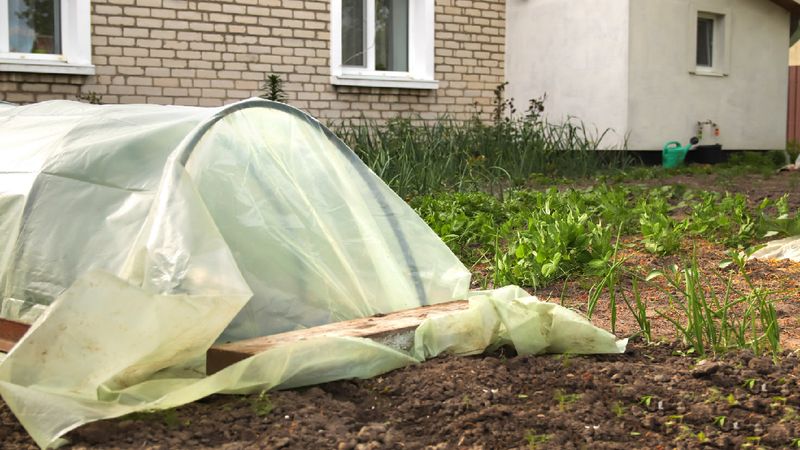
Step into your backyard and you’ll notice subtle temperature differences between sunny slopes, shaded corners, and low-lying beds.
These microclimates create frost patterns that can vary within just a few yards, and understanding them helps you plant more strategically.
Cold air behaves like water, flowing downhill and pooling in low spots overnight. Valley bottoms, depressions, and areas surrounded by fences or structures often experience frost later into spring than nearby higher ground.
Slopes with good air drainage tend to stay warmer because cold air slides away instead of settling. South-facing beds warm faster in spring sunshine and often escape frost earlier than north-facing areas that remain cooler longer.
Walls, fences, and buildings absorb daytime heat and radiate it at night, creating slightly warmer pockets where tender plants are more likely to survive. Trees and other structures also influence frost risk: open areas cool quickly on clear nights, while spots under canopies or near buildings retain warmth.
Urban gardens sometimes gain a week or two of earlier planting compared with rural locations due to heat stored in pavement and buildings.
Observing these patterns on your own property allows you to place sensitive seedlings where they have the best chance of thriving.
5. How Gardeners Watch The Weather
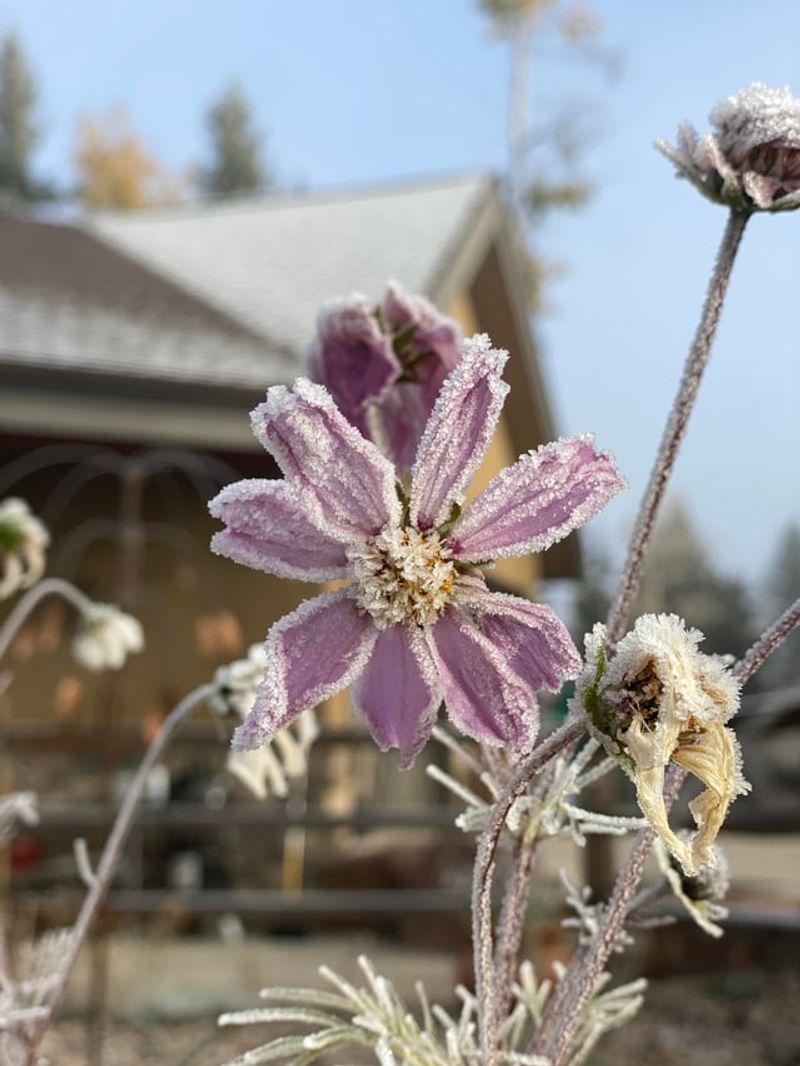
Experienced Oregon gardeners develop routines for monitoring spring weather, blending forecasts with personal observation to gauge frost risk.
Checking nightly lows becomes second nature once seedlings are in the ground, especially during the unpredictable weeks from mid-April through mid-May.
Weather apps and local forecasts provide guidance, but gardeners also watch sky conditions carefully. Clear, calm nights allow heat to escape quickly, raising frost risk even after warm days, while cloud cover acts like a blanket, trapping warmth near the ground.
Wind can help by mixing air layers and reducing cold pockets. Soil temperature is just as important as air temperature for many crops: cold soil slows germination and root growth, even when the air feels warm.
Gardeners often use soil thermometers to ensure the ground has warmed sufficiently for heat-loving crops like beans, squash, and corn, which generally prefer soil above fifty-five degrees.
Many also rely on traditional indicators, such as the blooming of local trees and shrubs, which signal soil warming and lower frost risk.
Combining these natural cues with forecast data helps gardeners make planting decisions with more confidence and reduces the chance of frost-related setbacks.
6. Planting Safely Around Frost Risk
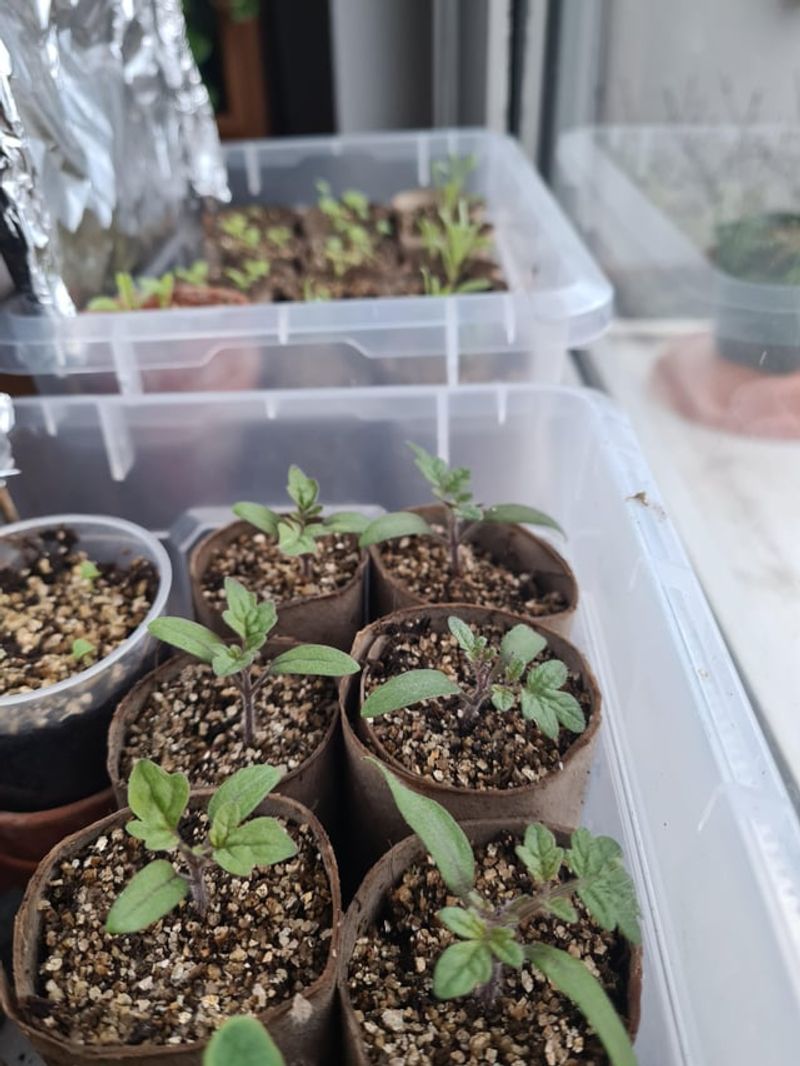
Smart gardeners plant in stages rather than putting everything in the ground at once, which lowers risk while still allowing an early start.
Hardy crops like peas, lettuce, kale, and onions tolerate cooler temperatures and can go out several weeks before the average last frost.
These cool-season vegetables often thrive in crisp weather and may struggle once summer heat arrives. Tender crops, including tomatoes, peppers, basil, cucumbers, and squash, require warm soil and frost-free nights to establish successfully.
In Oregon’s valleys, many gardeners wait until late April or early May, adjusting for elevation, microclimates, and local patterns. Starting seeds indoors provides a head start without exposing plants to cold damage.
Row covers, cloches, and cold frames extend the season by protecting plants during unexpected chills. Lightweight fabric covers trap warmth while letting light and water through, giving several degrees of frost protection.
Gardeners often keep covers ready through mid-May in case forecasts dip. Hardening off transplants before planting helps seedlings gradually adjust to outdoor conditions.
Moving them outside for increasing periods over a week or two acclimates them to wind, sun, and fluctuating temperatures, improving survival rates and giving tender plants a strong start in the garden.
7. Adapting To Unpredictable Springs
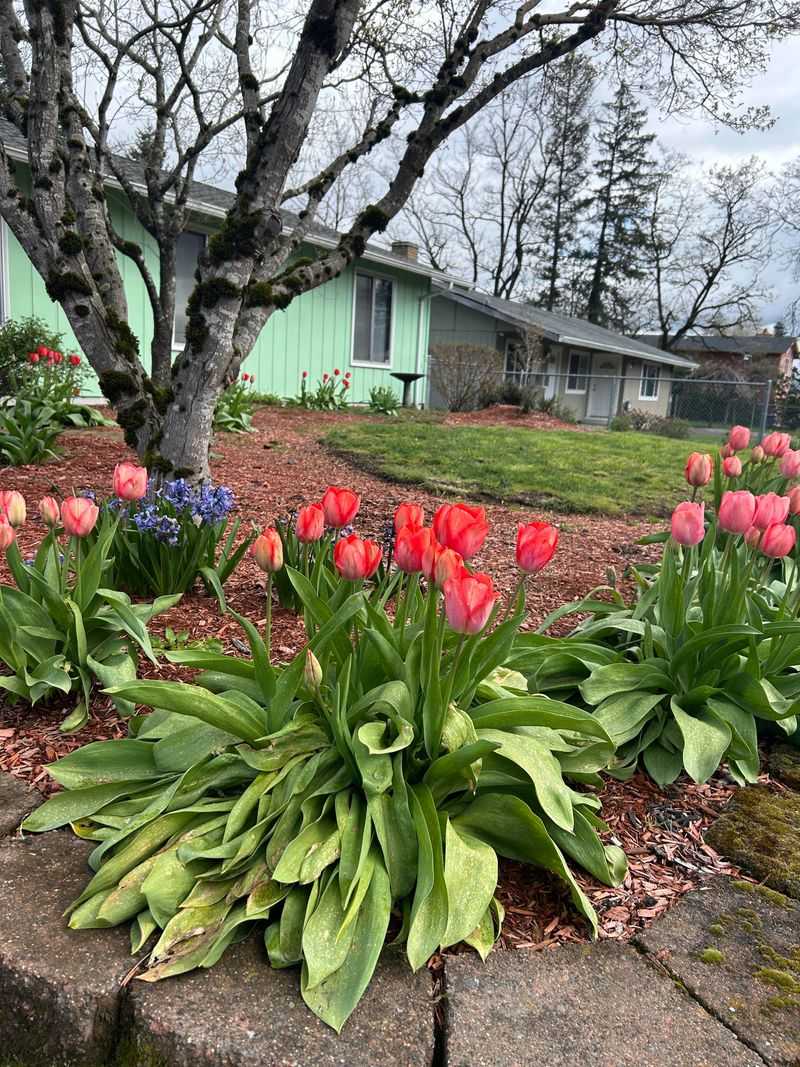
Oregon springs rarely follow a predictable script, so successful gardeners build flexibility into their planting plans. Rather than committing everything to a single date, they stagger sowings and transplants over several weeks.
This approach increases the chance that some plants will thrive whether spring arrives early or late. Succession planting works beautifully in unpredictable conditions.
Sowing lettuce, beans, or other crops every couple of weeks ensures a continuous harvest and reduces the risk of total loss. If one planting struggles due to cold snaps or unexpected heat, others planted earlier or later often perform better.
It also prevents overwhelming harvests all at once. Choosing varieties suited to shorter or cooler growing seasons further improves success.
Early-maturing tomatoes, quick-growing greens, and cold-tolerant herbs generally handle Oregon’s variable spring more reliably than crops bred for long, hot summers. Local nurseries often stock cultivars adapted to regional conditions.
Keeping careful records over several seasons helps too. Noting planting dates, frost events, and crop performance builds valuable insight into your garden’s microclimates.
Over time, you’ll recognize which spots warm first, which varieties tolerate cold best, and when it’s truly safe to plant without worry, turning spring unpredictability into a manageable, even enjoyable, challenge.