Why Oregon Is One Of The Best States For Organic Gardening
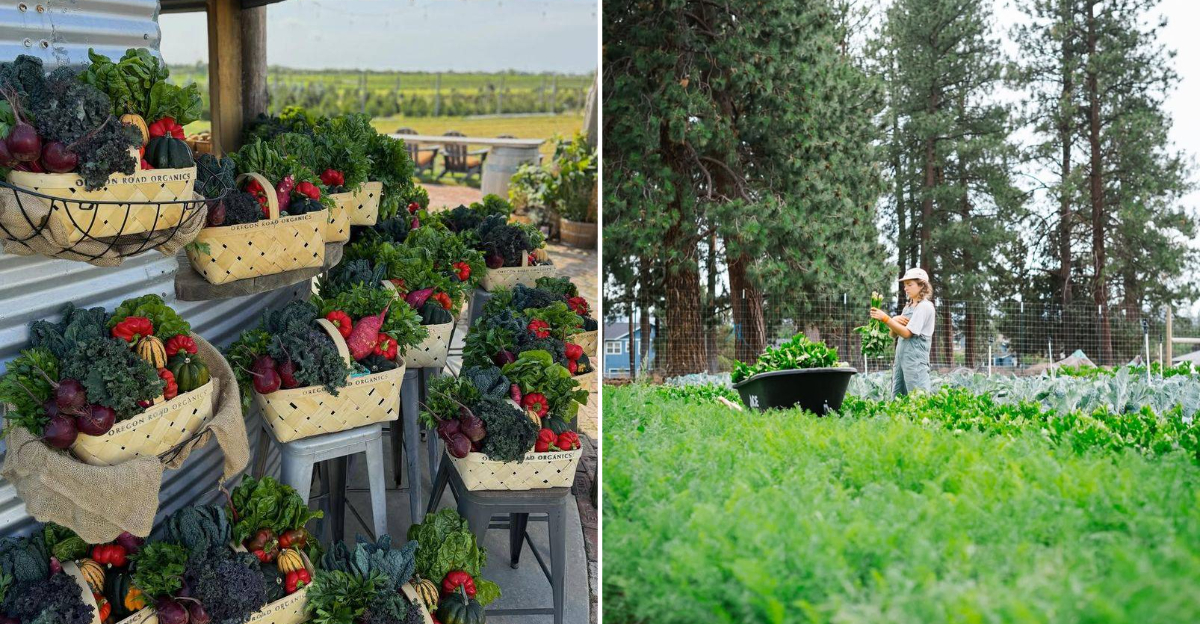
Oregon feels like a dream for gardeners who enjoy growing clean, healthy, chemical-free food. Rich soils, steady rainfall, and mild temperatures create a naturally supportive environment where organic gardens can flourish.
Instead of battling the climate, you get to work with it. Local gardening culture adds to the advantage, with communities that value sustainability, soil health, and environmentally friendly practices.
Even those new to gardening often find success, thanks to Oregon’s forgiving climate and relatively long growing season. While every garden has its challenges, the region’s conditions give growers a head start compared with drier or harsher climates.
Curious why this corner of the country seems almost tailor-made for organic growing? Let’s explore what makes Oregon such a natural advantage for gardeners and how you can take full advantage in your own backyard to grow thriving, sustainable food.
1. Oregon’s Naturally Fertile Soils
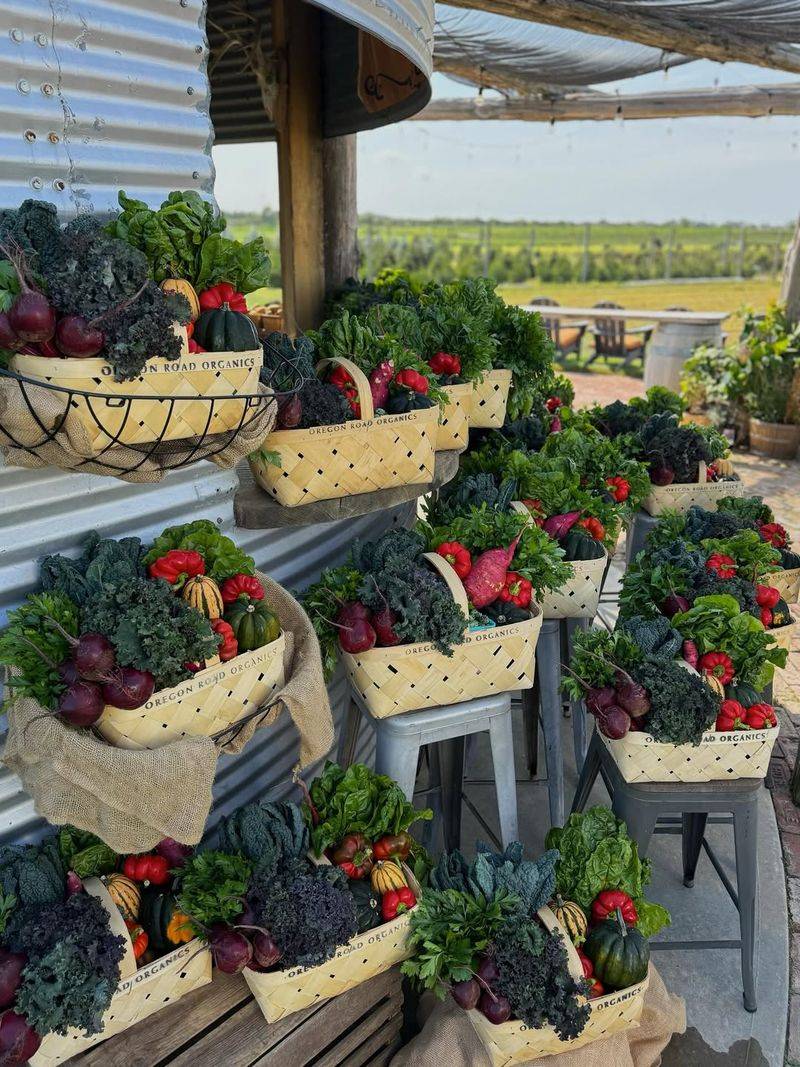
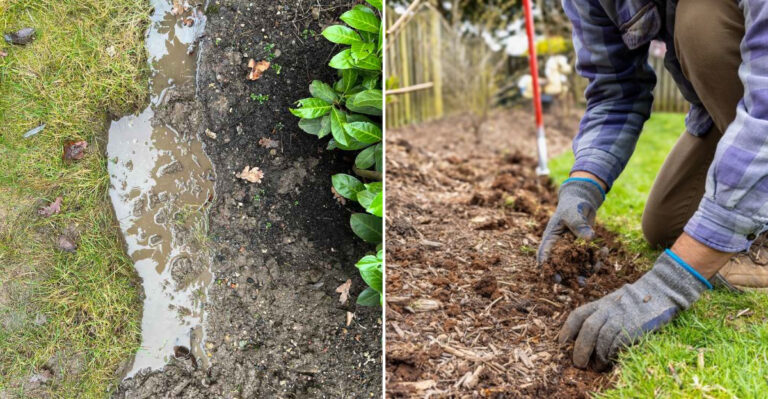
Walk through any established Oregon garden and you’ll notice the soil often looks darker and richer than in many other regions.
Much of the state sits on ancient volcanic deposits that have broken down over thousands of years, creating nutrient-rich ground that supports healthy plant growth.
This natural fertility gives vegetables and flowers a strong nutritional foundation without relying heavily on synthetic fertilizers.
The Willamette Valley and surrounding areas benefit particularly from these volcanic soils. Adding compost or aged manure to beds that already contain minerals and organic matter builds on an excellent base.
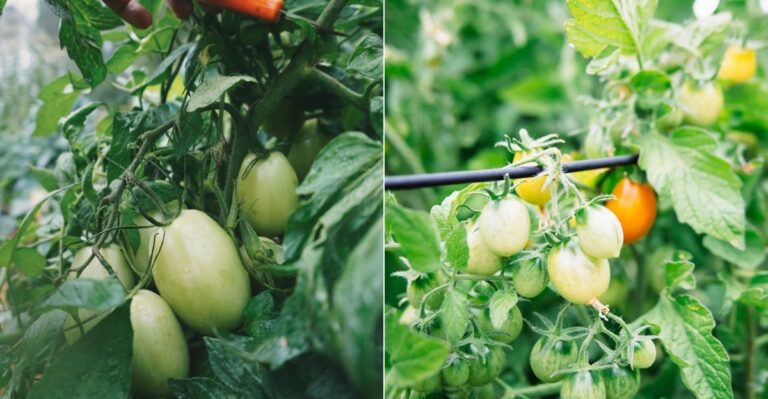
Tomatoes develop deeper roots, leafy greens grow tender and flavorful, and fruit trees establish more easily with less stress.
Organic gardening thrives when soil life stays active and balanced. Oregon’s fertile ground naturally supports beneficial bacteria, fungi, and earthworms that break down organic material and make nutrients available to plants.
You aren’t starting from scratch or struggling to fix depleted soil. Instead, you’re working with ground that is primed to grow, making organic gardening feel intuitive, productive, and far less like a constant battle each season.
2. A Climate That Supports Healthy Growth
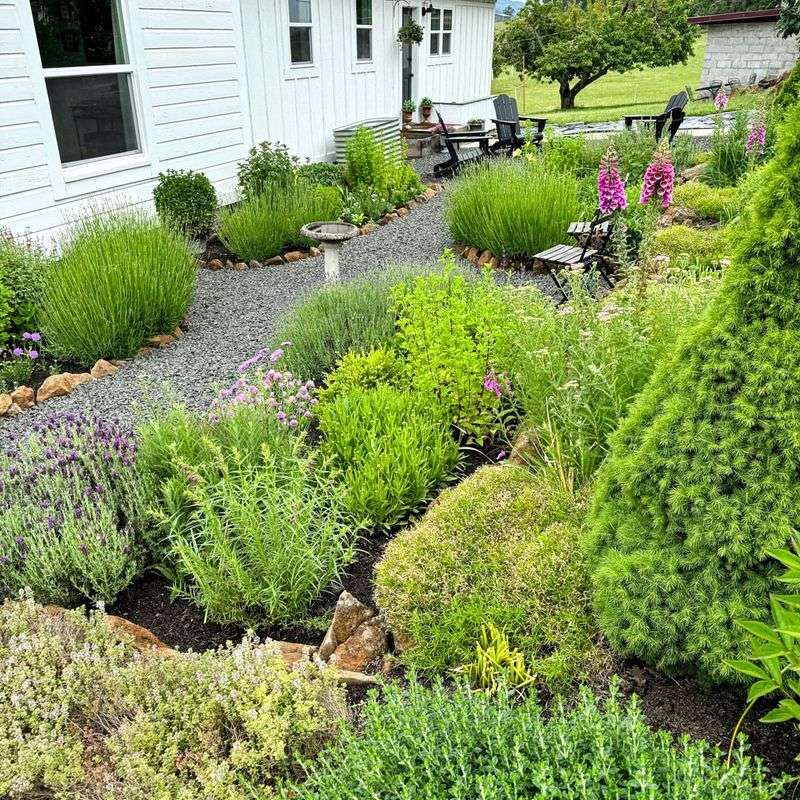
Oregon’s climate sits in a sweet spot that many organic gardeners love. Summers are generally warm without reaching extreme heat, and winters provide enough chill to satisfy fruit trees and perennials without exposing the garden to harsh freezes.
This moderate pattern helps plants stay healthier, which in turn can reduce the stress that often makes them more susceptible to pests.
Rainfall comes fairly reliably during fall, winter, and spring across much of western Oregon. Gardens receive steady moisture when plants need it most for root development and early growth.
By the time summer vegetables reach their stride, supplemental watering is often less frequent than in hotter, drier regions.
This natural rhythm supports soil ecosystems, keeping beneficial microbes active and promoting overall plant health.
Cool nights during the growing season also benefit many crops. Lettuce, kale, peas, and brassicas develop sweeter, more tender leaves when temperatures drop after sunset.
Spring and fall harvests can be especially flavorful, and cool-season crops often remain productive longer into summer than they would in warmer climates.
Your Oregon Garden Changes Every Week. Your Plan Should Too.
Gardening in Oregon changes quickly throughout the season. Every Friday you’ll receive a simple weekly plan showing exactly what to plant, prune, fertilize, harvest, and protect so you never miss the right timing.
This extended window gives gardeners more flexibility and additional opportunities for bountiful harvests without relying heavily on greenhouses or season extenders.
3. Why Composting Fits Oregon Gardens
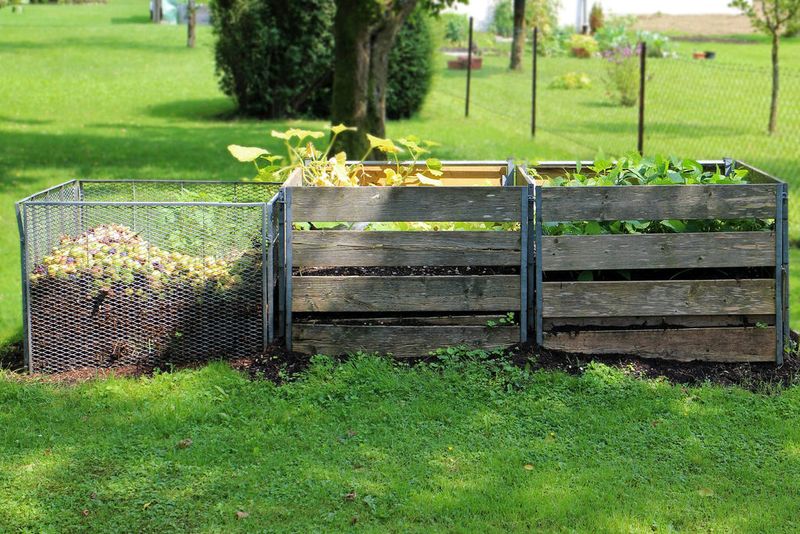
Composting feels almost effortless in Oregon’s climate. The mix of moderate temperatures and steady moisture creates favorable conditions for organic matter to break down throughout much of the year.
Unlike hotter regions, compost piles here don’t dry out constantly in summer, and decomposition continues through winter without fully stalling as it might in colder areas.
Many Oregon gardeners rely on simple compost setups, a bin or a pile tucked into a corner of the yard. Kitchen scraps, grass clippings, fallen leaves, and spent plants gradually transform into rich, crumbly compost with an earthy, sweet scent.
This finished material improves soil structure, supports beneficial organisms, and provides slow-release nutrients that plants can access when they need them most.
Using homemade compost also reduces reliance on bagged fertilizers and commercial amendments. It’s a way to recycle your own yard and kitchen waste into something valuable for the garden.
Compost-amended soil holds moisture better during dry spells and drains more efficiently when it rains, giving plants a more consistent root environment.
With Oregon’s natural conditions, once you establish a routine, this organic cycle can feel surprisingly easy to maintain and highly rewarding for your garden.
4. Fewer Extreme Weather Pressures
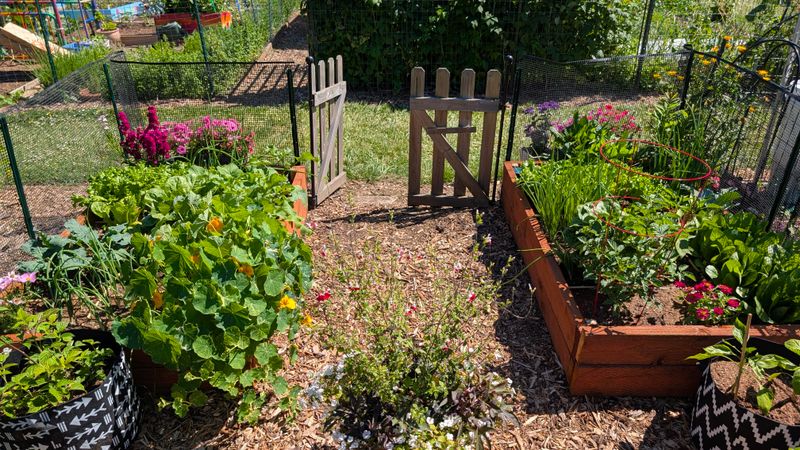
Gardening in Oregon means you’re rarely facing extreme weather disasters. Tornadoes and hurricanes don’t reach this far north, and while heat waves do occur, they’re generally shorter and less intense than in many other parts of the country.
This relative stability helps your plants avoid repeated stress that can weaken them and invite disease.
When plants grow under calmer conditions, they naturally develop stronger defenses. A tomato plant that isn’t scorched by prolonged heat or battered by hail is better able to resist fungal issues and pests on its own.
As a result, gardeners often find they need fewer interventions and can rely more on natural resilience to keep plants healthy.
Oregon’s moderate weather also lets you grow a wider variety of crops successfully. Delicate herbs, tender lettuces, and berries that struggle in hotter or drier regions tend to perform well here.
This flexibility makes organic gardening more engaging, allowing experimentation with different crops and flavors.
Mild conditions give gardeners the opportunity to focus on building soil health, supporting beneficial insects, and nurturing plants instead of constantly repairing weather-related damage.
5. Encouraging Beneficial Insects And Pollinators
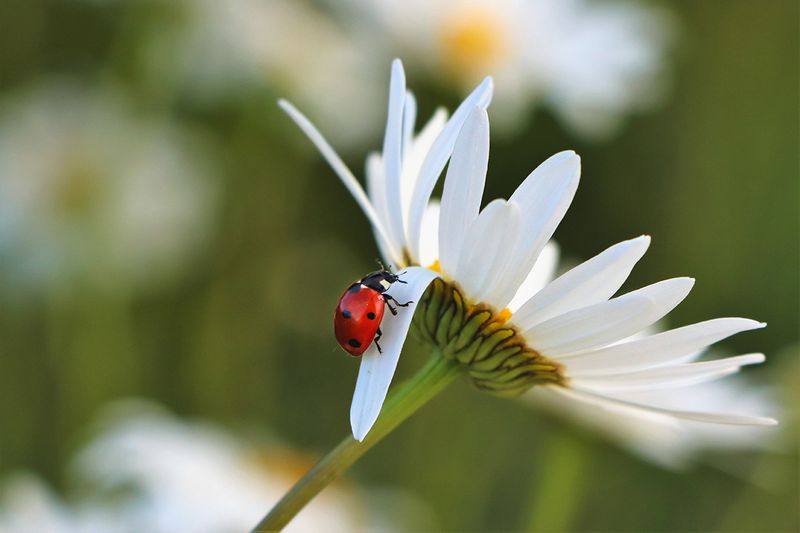
Oregon’s gardens come alive when you create welcoming conditions for wildlife. Native bees, honeybees, butterflies, hoverflies, and predatory insects all thrive in the state’s mild climate and diverse plant communities.
By gardening organically and avoiding harsh chemical sprays, you encourage these beneficial creatures to stick around and help with pest control and pollination.
Ladybugs hunt aphids, lacewings feed on soft-bodied pests, and ground beetles patrol at night, taking care of slugs and other nuisances. With these natural helpers present, pest outbreaks tend to stay under control.
Planting a variety of flowers, herbs, and vegetables gives beneficial insects the nectar, pollen, and shelter they need to establish lasting populations.
Yarrow, phacelia, alyssum, and native wildflowers all attract pollinators and predatory insects that help maintain a balanced garden ecosystem.
Pollinators play a key role in fruit and vegetable production. Oregon’s long flowering season keeps bees and butterflies active from early spring through late fall.
Squash, cucumbers, berries, and fruit trees benefit from reliable pollination, which can improve yields.
By supporting these natural allies rather than eliminating them with pesticides, gardeners nurture a self-regulating ecosystem that becomes more resilient and productive year after year.
6. Natural Weed And Pest Balance
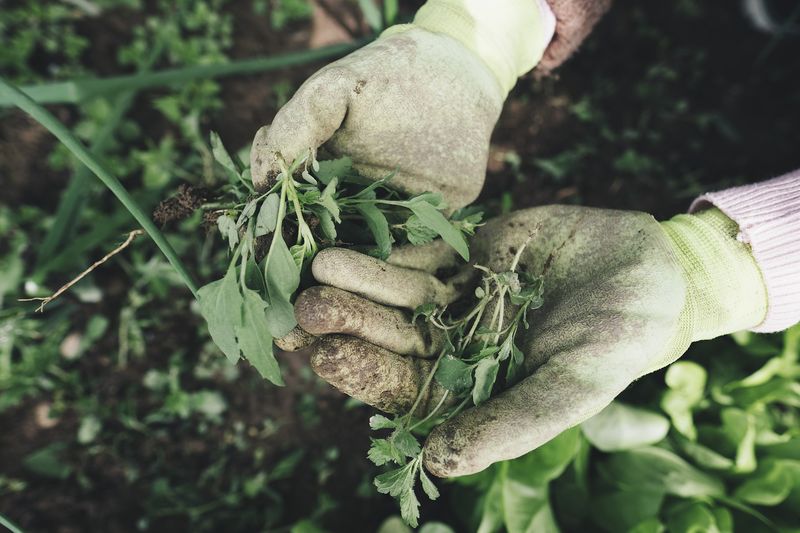
Organic gardening in Oregon doesn’t mean you’ll never encounter weeds or pests, it means managing them in ways that work with natural cycles rather than trying to eliminate every single intruder.
The state’s climate supports vigorous plant growth, which includes weeds, but it also favors beneficial predators and competitors that naturally help keep pest populations in check.
Mulching garden beds with compost, straw, or leaves suppresses many weeds while feeding soil life. When weeds do appear, they’re often easier to pull in Oregon’s moist, friable soil compared with hard, dry ground elsewhere.
Weekly hand-weeding becomes a manageable routine instead of an exhausting chore. Dense plantings and healthy soil also create competition that helps slow weed establishment.
Pest pressure is generally moderate compared to hotter climates where insects can complete multiple generations in quick succession.
Aphids, slugs, and cabbage worms do appear, but simple organic approaches, like hand-picking, row covers, or encouraging predators, usually keep them under control.
Oregon’s balanced conditions make it possible to garden organically without feeling overwhelmed, letting you focus on building healthy soil, strong plants, and a productive, thriving garden.
7. Local Gardening Knowledge And Traditions
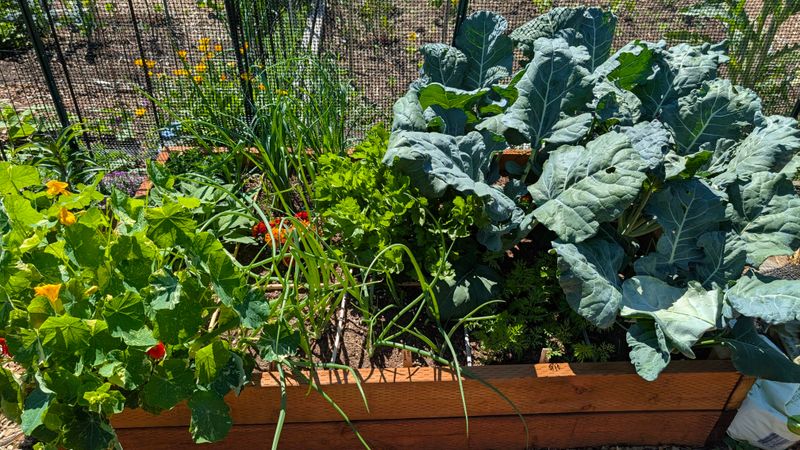
Oregon has built a strong culture around sustainable and organic gardening over the past several decades. You’re not gardening alone, you’re part of a community that values soil health, biodiversity, and environmental stewardship.
This shared knowledge makes organic gardening approachable for beginners. Workshops, knowledgeable garden center staff, and experienced neighbors offer advice, while seed swaps and plant sales feature varieties already suited to Oregon conditions.
Starting with plants adapted to your region gives your garden a head start and reduces trial-and-error frustrations.
Oregon’s emphasis on sustainability goes beyond home gardens. Farmers and researchers have pioneered techniques like cover cropping, crop rotation, and integrated pest management, all of which can be adapted to backyard plots.
Gardening organically here taps into decades of practical experience and scientific research, making success more likely.
This supportive environment encourages experimentation and learning, keeping gardening rewarding and helping you improve your skills season after season.
8. Growing Food The Natural Way
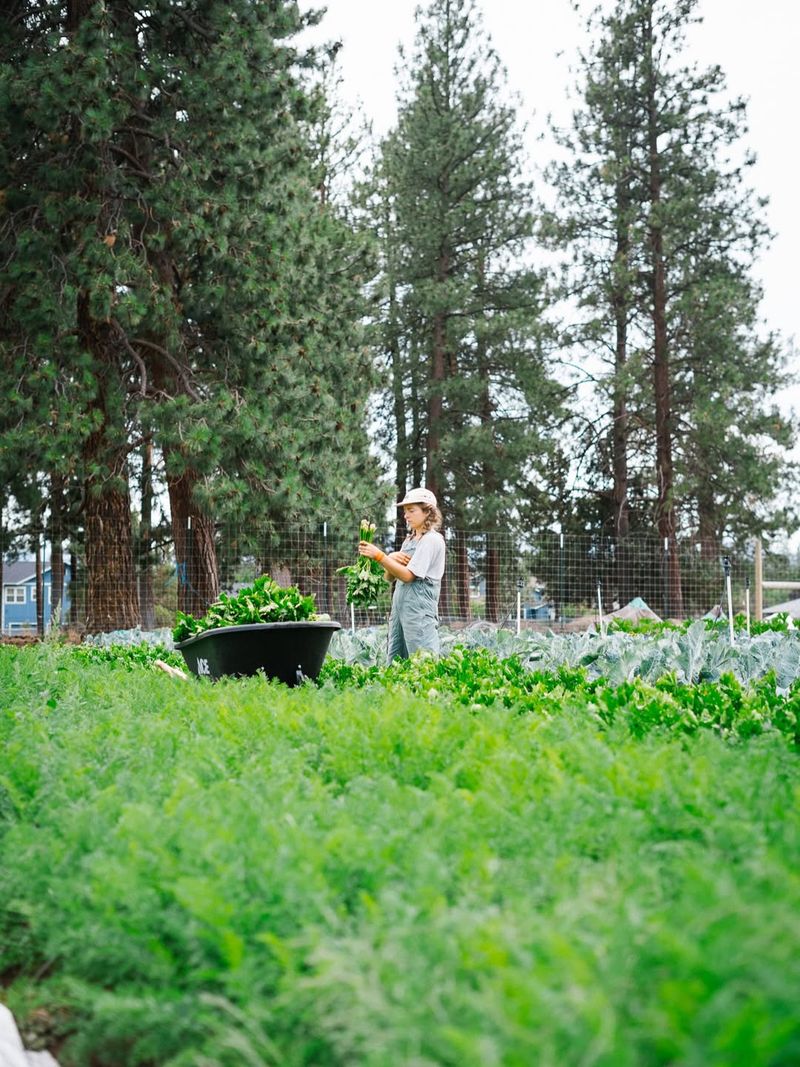
Growing your own food organically in Oregon puts you in sync with the natural rhythms that sustain life.
You plant seeds or starts, watch them flourish with the help of rain and sunshine, and harvest vegetables and fruits that taste far superior to most store-bought produce.
That hands-on connection makes gardening deeply satisfying, and Oregon’s favorable climate and soils allow you to succeed without relying on synthetic chemicals or complex systems.
Once gardeners experience organic methods, many don’t want to go back. Year after year, soil improves as compost and organic matter are added.
Beneficial insects become more abundant, and the garden develops its own balance, requiring less intervention over time.
Instead of constantly overriding natural processes with chemical inputs, you’re working alongside them, letting the ecosystem do much of the heavy lifting.
The results are delicious and tangible. Tomatoes develop richer sweetness, lettuce stays crisp and flavorful, and herbs release more aromatic oils.
You also gain peace of mind knowing exactly how your food was grown. Oregon’s climate and fertile soils make organic gardening approachable, rewarding, and downright enjoyable.