The 10 Best Full-Sun Perennials For Your Arizona Garden
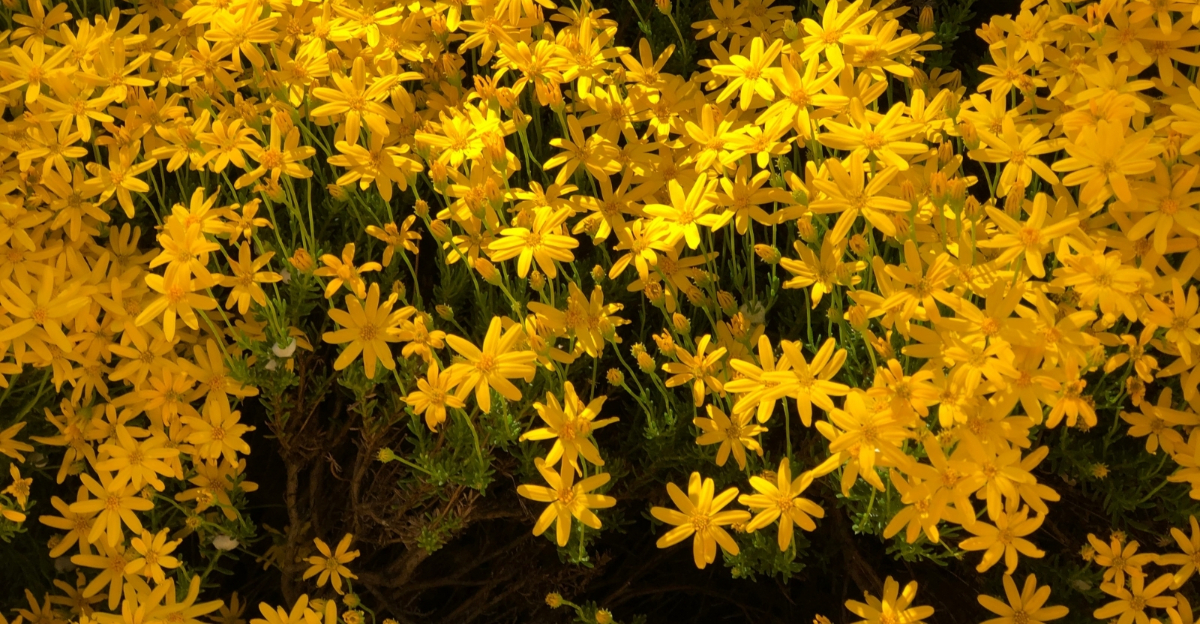
Arizona full sun is unforgiving, and the wrong perennials fail fast. Some fade, some collapse, and others never look right once summer settles in, which makes plant choice more important here than almost anywhere else.
The best full-sun perennials for Arizona are built for intense light, dry air, and long stretches of heat. They do not rely on constant water, protection, or pampering to stay attractive.
Instead, they return year after year with steady growth, reliable structure, and consistent color.
When the right plants are in place, full sun stops being a problem and starts working in your favor. Harsh conditions become an advantage, not a fight.
A smart perennial choice creates a garden that looks confident instead of stressed, with less maintenance and better long-term results.
1. Damianita Forms A Low, Sun-Hardy Mound
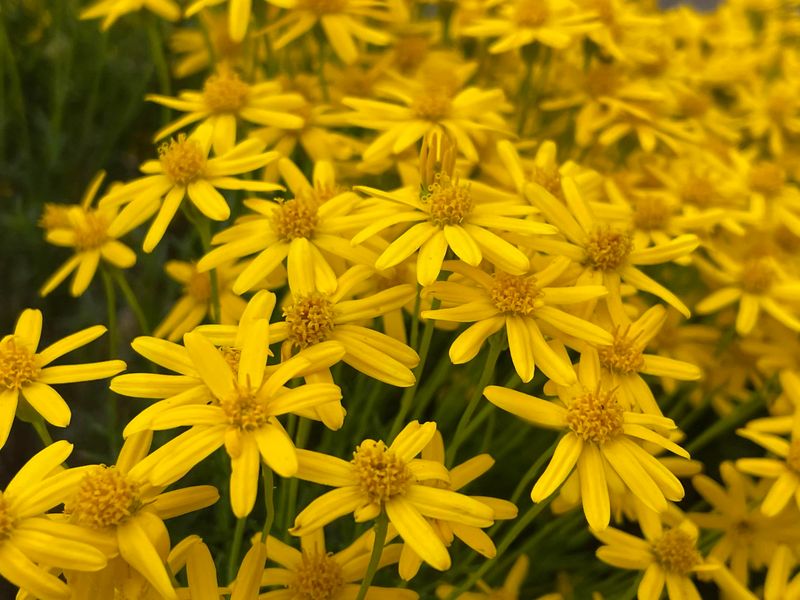
Compact and tough, Damianita brings year-round color to Arizona landscapes without demanding constant attention. This native perennial stays low to the ground, forming dense mounds of silvery-green foliage that look great even when not in bloom.
The fine-textured leaves release a pleasant fragrance when brushed, adding sensory interest to pathways and borders.
Bright yellow flowers cover the plant from spring through fall, attracting butterflies and other beneficial insects. Damianita performs best in full sun and well-draining soil, making it perfect for rock gardens, borders, or mass plantings across Arizona yards.
Once established, it needs very little water and tolerates the extreme heat that challenges many other perennials.
This plant naturally maintains its rounded shape without pruning, though occasional trimming keeps it looking tidy. Damianita works beautifully as a groundcover or edging plant, filling spaces where grass struggles.
Its drought tolerance and low maintenance requirements make it ideal for busy gardeners across Phoenix, Tucson, and other Arizona communities.
The silvery foliage provides excellent contrast against darker plants, creating visual interest throughout the seasons. Damianita also handles reflected heat from walls and paving, thriving in spots that bake other perennials.
2. Chuparosa Thrives In Open Sun And Feeds Pollinators
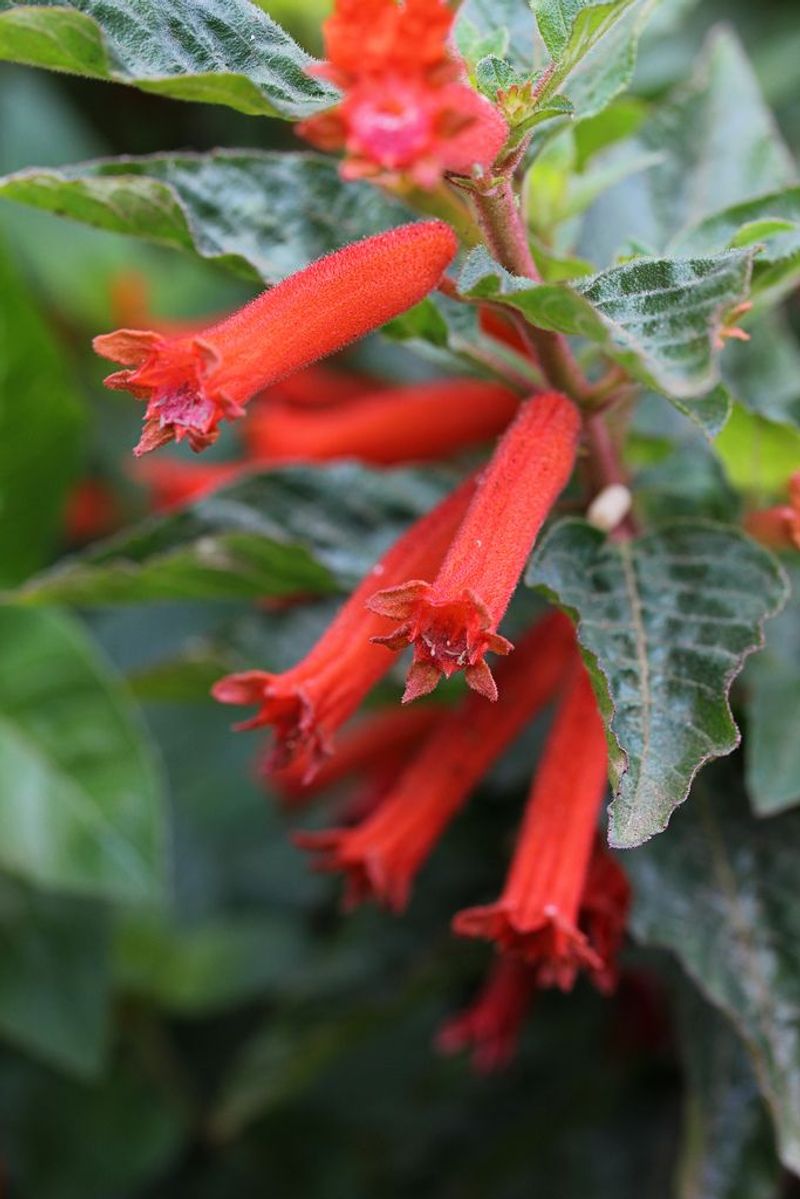
Hummingbirds flock to Chuparosa like kids to ice cream trucks. The tubular red-orange flowers bloom heaviest in spring and fall, but you’ll often see scattered blossoms even during summer in Arizona gardens.
This upright perennial grows three to five feet tall, creating an airy presence without blocking views or crowding smaller plants nearby.
Chuparosa drops its leaves during the hottest, driest periods, conserving water through its green stems that continue photosynthesis. Don’t worry when foliage disappears in peak summer; it bounces back quickly with monsoon rains or occasional watering.
The plant’s natural cycle matches Arizona’s climate perfectly, making it incredibly low-maintenance for gardeners throughout the state.
Full sun brings out the best flowering and growth, though Chuparosa tolerates partial shade in extremely hot microclimates. Plant it where you can watch hummingbirds visit from windows or patios for maximum enjoyment.
The flowers provide critical nectar when other food sources become scarce.
This perennial needs minimal pruning, though removing frost-damaged stems in late winter encourages fresh growth. Chuparosa works well in pollinator gardens, mixed borders, or as an informal hedge that doesn’t require constant shaping.
Your Arizona Garden Changes Every Week. Your Plan Should Too.
Gardening in Arizona changes quickly throughout the season. Every Friday you’ll receive a simple weekly plan showing exactly what to plant, prune, fertilize, harvest, and protect so you never miss the right timing.
3. Firecracker Penstemon Handles Heat With Minimal Water
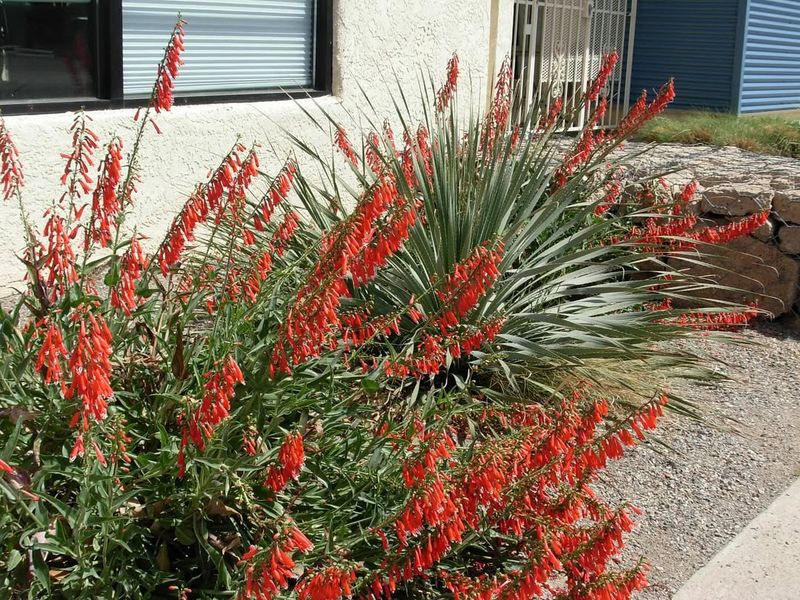
Tall spikes of brilliant red flowers shoot up from Firecracker Penstemon in spring, creating dramatic vertical accents across Arizona landscapes. The tubular blooms dangle like tiny fireworks, giving this perennial its fitting name.
Hummingbirds can’t resist the nectar-rich flowers, making your garden a hotspot for these entertaining visitors throughout the blooming season.
Narrow, dark green leaves form tidy rosettes at the base, staying evergreen in mild Arizona winters. The plant reaches two to three feet tall when flowering, adding height without overwhelming smaller companion plants.
Firecracker Penstemon loves full sun and actually performs better with less water once established, making it perfect for water-wise gardens across the state.
After the main spring show, occasional flowers appear through summer if you provide light irrigation. Cutting back spent flower stalks encourages additional blooms and keeps plants looking fresh.
This penstemon tolerates rocky, poor soils that challenge fussier perennials, thriving in conditions that mirror its native mountain habitats.
Plant Firecracker Penstemon in groups for maximum visual impact, or scatter individuals throughout mixed borders for pops of color. The upright form contrasts beautifully with mounding or spreading perennials, creating dynamic layering in Arizona garden beds.
4. Brittlebush Reflects Sunlight And Thrives In Full Sun
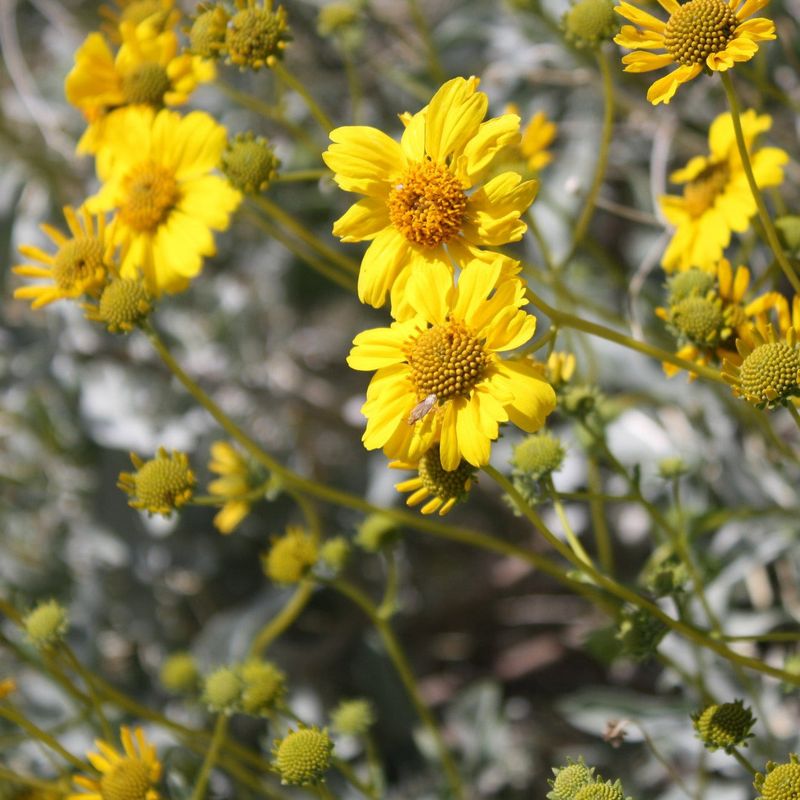
Silvery-gray foliage catches sunlight like tiny mirrors, helping Brittlebush stay cool under Arizona’s intense rays. The fuzzy leaves form attractive mounds that look good year-round, providing consistent color and texture even when flowers aren’t present.
This adaptation to extreme sun makes Brittlebush one of the toughest perennials for exposed Arizona locations.
Bright yellow daisy-like flowers bloom prolifically in spring on tall stems rising above the foliage. The cheerful blooms attract native bees and other pollinators, supporting local ecosystems while adding seasonal color.
After flowering, the silvery leaves continue providing visual interest through summer and fall across Phoenix, Tucson, and surrounding areas.
Brittlebush needs almost no supplemental water once established, surviving entirely on natural rainfall in many Arizona locations. The plant naturally grows two to three feet tall and wide, filling space quickly without spreading aggressively.
Full sun brings out the best leaf color and flowering, though plants tolerate reflected heat from walls and paving that would stress less adapted perennials.
Cutting plants back by half in late fall encourages compact growth and abundant spring flowers. Brittlebush works perfectly in low-water zones, rock gardens, or as a filler between larger desert shrubs throughout Arizona landscapes.
5. Desert Ruellia Blooms Repeatedly In Intense Sun
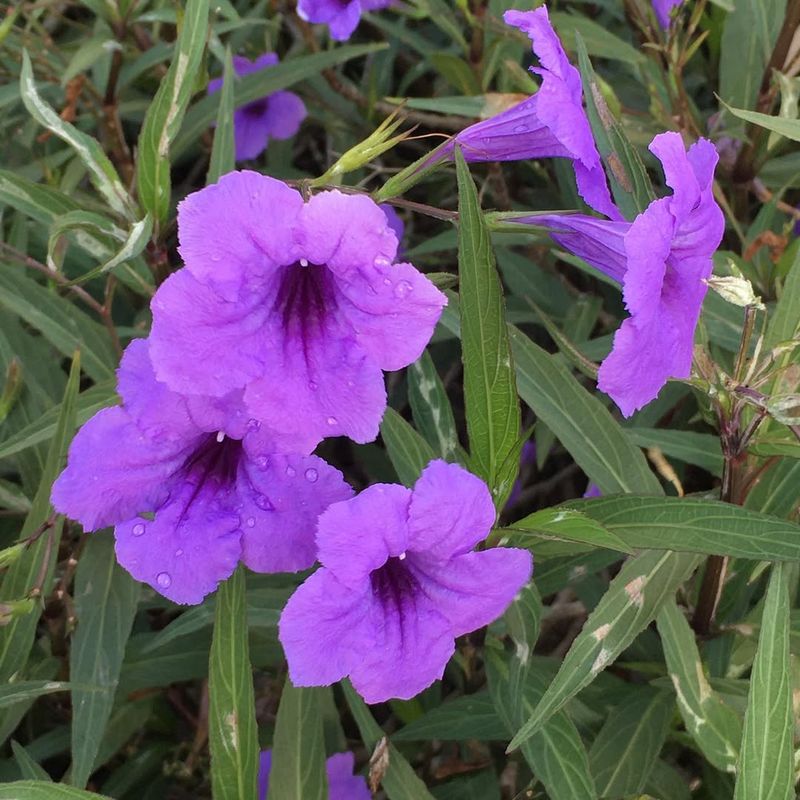
Purple flowers appear like clockwork after summer rains, earning Desert Ruellia the nickname “desert petunia” across Arizona. The tubular blooms open in morning and last through the day, providing consistent color from late spring through fall.
Unlike many perennials that bloom once and finish, Desert Ruellia keeps producing flowers as long as temperatures stay warm and moisture remains available.
This compact perennial grows one to two feet tall with narrow, dark green leaves that stay attractive between flowering cycles. Desert Ruellia handles full sun without wilting or burning, thriving in conditions that challenge less adapted plants.
The flowers attract hummingbirds and butterflies, adding movement and life to Arizona gardens throughout the growing season.
Plant Desert Ruellia in masses for bold color impact, or use individual plants as accents in mixed borders. The moderate size works well in smaller yards or containers where space is limited.
This perennial spreads slowly through underground stems, filling in gaps without becoming invasive or overwhelming nearby plants.
Desert Ruellia needs occasional deep watering during extended dry periods but otherwise requires minimal care.
The plant tolerates rocky, alkaline soils common throughout Arizona, adapting easily to challenging growing conditions that frustrate gardeners trying to grow traditional perennials.
6. Chocolate Flower Returns Each Year With Heat-Proof Blooms
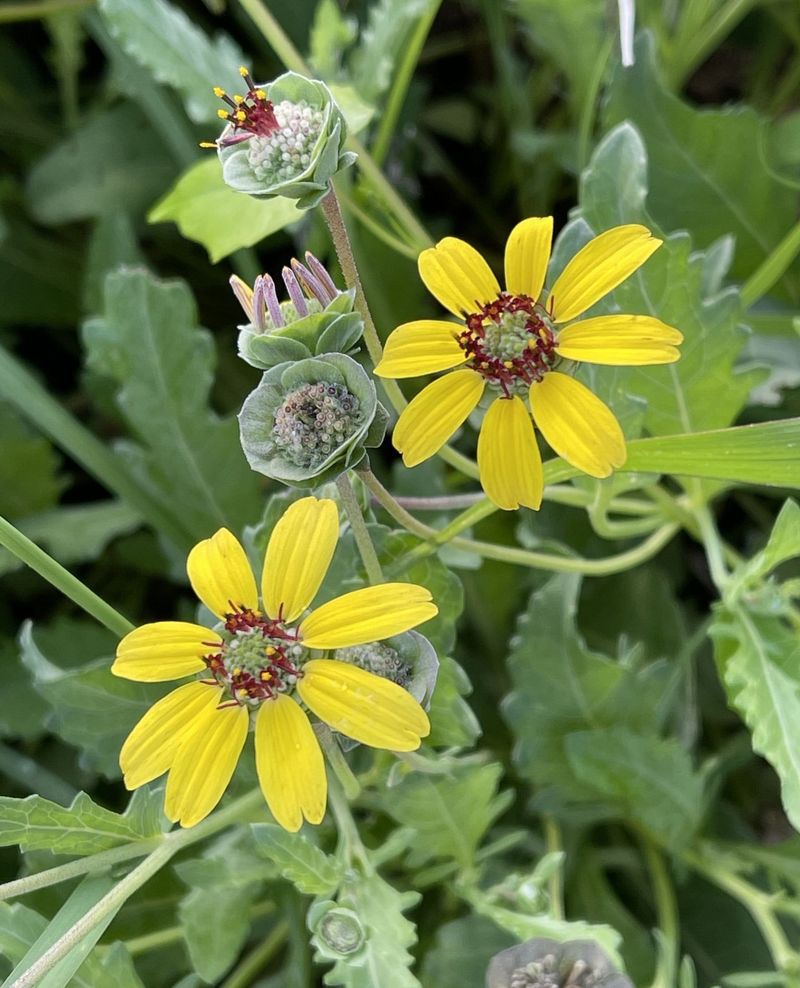
Rub the petals and you’ll smell chocolate, giving this unique perennial its delicious name. Chocolate Flower produces bright yellow, daisy-like blooms with dark burgundy centers from spring through fall across Arizona, with peak flowering during cooler months.
The daisy-like flowers attract butterflies while the unusual scent delights gardeners who discover this sensory bonus.
Ferny, bright green foliage forms low mounds that spread gradually, creating informal groundcover in sunny spots. Chocolate Flower grows eight to twelve inches tall, making it perfect for front borders, rock gardens, or edges along pathways.
The plant handles Arizona’s intense sun without complaint, continuing to bloom even during hot spells that slow other perennials.
This perennial needs moderate water during establishment but becomes quite drought-tolerant once roots spread. Chocolate Flower performs best with occasional deep irrigation during extended dry periods, rewarding you with more abundant blooms.
The plant naturally goes dormant in winter, returning reliably each spring without replanting.
Deadheading spent flowers encourages continuous blooming and keeps plants looking tidy throughout the season.
Chocolate Flower works beautifully in pollinator gardens, cottage-style plantings, or mixed perennial borders across Phoenix, Tucson, and other Arizona communities.
The unusual fragrance makes it a conversation starter that guests always remember.
7. Trailing Verbena Survives Summer Stress In Full Sun
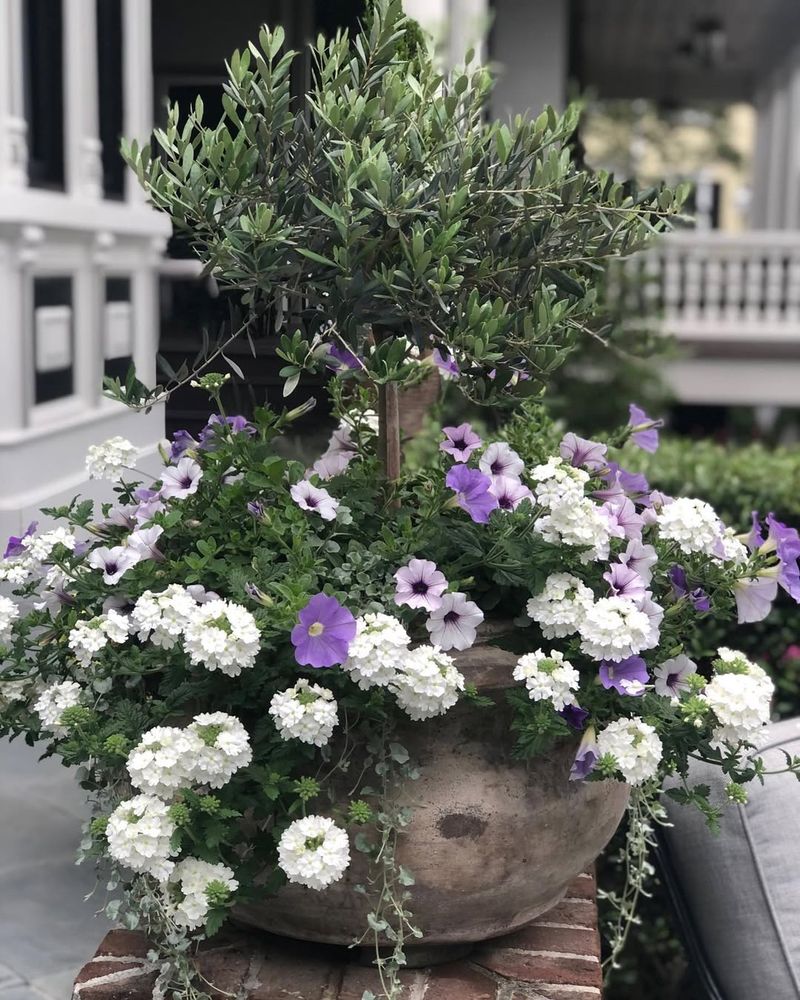
Cascading stems covered in purple flower clusters make Trailing Verbena a colorful problem-solver for Arizona landscapes.
This low-growing perennial spreads horizontally rather than upward, filling spaces between rocks, spilling over walls, or softening hard edges throughout the garden.
The spreading habit creates living mulch that shades soil and reduces water loss in hot conditions.
Bright purple flowers bloom heavily in spring and fall, with scattered blooms continuing through summer when given occasional water. Trailing Verbena handles full sun and reflected heat remarkably well, thriving in spots that challenge upright perennials.
The plant grows four to six inches tall but spreads several feet wide, covering ground quickly once established.
This verbena tolerates poor soils and requires minimal fertilization, adapting easily to Arizona’s alkaline conditions. The trailing stems root where they touch soil, helping plants spread and fill bare areas naturally.
Trailing Verbena works perfectly along pathways, in rock gardens, or cascading from raised beds and containers.
Light shearing after heavy flowering encourages fresh growth and additional blooms. The plant attracts butterflies and other pollinators, supporting garden ecosystems while providing long-lasting color.
Trailing Verbena combines beautifully with upright perennials, creating layered plantings that add depth and interest to Arizona landscapes throughout the growing season.
8. Santa Rita Prickly Pear Handles Full Sun Easily
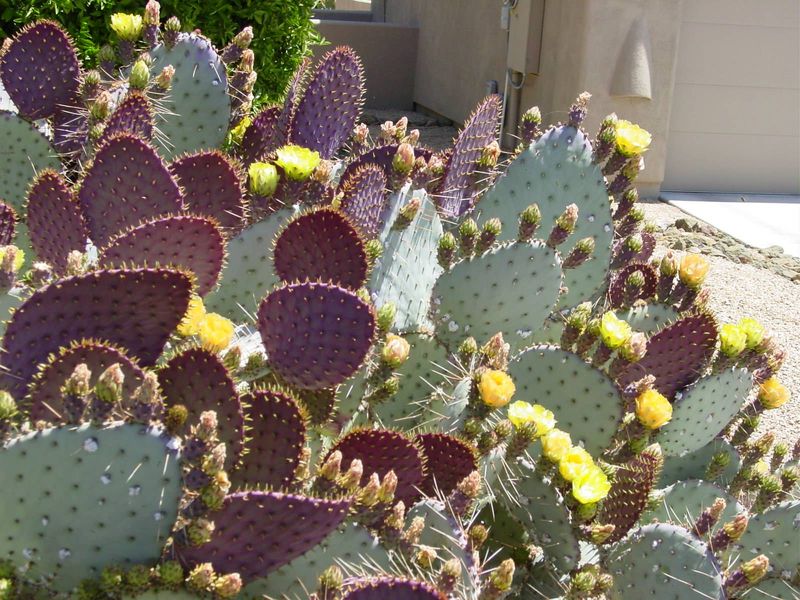
Purple-tinged pads make Santa Rita Prickly Pear stand out from typical green cacti across Arizona gardens. The dramatic coloring intensifies during cooler months and periods of water stress, creating living sculpture that changes with the seasons.
Bright yellow flowers appear in spring, followed by edible purple fruits that attract birds and wildlife throughout summer.
This cactus grows three to five feet tall and wide, forming substantial clumps that anchor landscape designs. Santa Rita Prickly Pear handles full sun and extreme heat without any protection, thriving in the toughest spots where other perennials struggle.
The thick pads store water efficiently, allowing plants to survive extended droughts common across Arizona.
Despite its tough nature, Santa Rita Prickly Pear adds unexpected elegance to desert gardens. The purple coloring contrasts beautifully with silver-leaved plants or bright flowering perennials.
This cactus works well as a specimen plant, in groupings, or as a barrier planting that provides security without solid fencing.
Santa Rita Prickly Pear needs virtually no care once established, surviving entirely on rainfall in many Arizona locations. The architectural form provides year-round structure and interest, creating focal points that look good in every season.
Handle carefully due to spines, but enjoy the dramatic color and form this unique perennial brings to full-sun gardens.
9. Desert Milkweed Thrives In Open Exposure Once Established
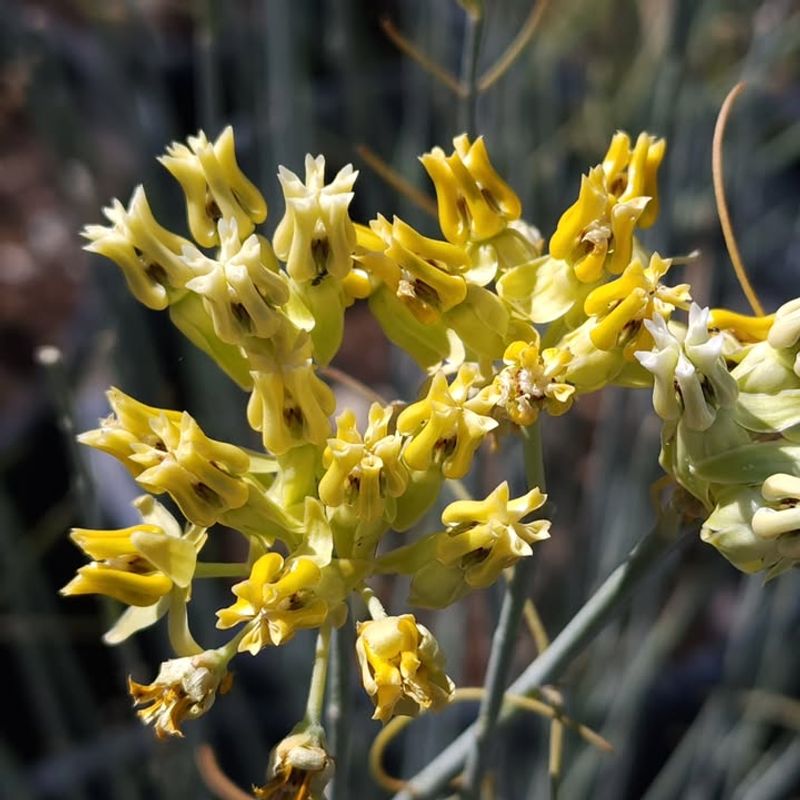
Monarch butterflies depend on milkweeds for survival, making Desert Milkweed essential for Arizona pollinator gardens.
The narrow-leaved perennial produces clusters of white and purple flowers from spring through fall, attracting monarchs and other butterflies that lay eggs on the foliage.
Watching caterpillars munch leaves and transform into butterflies creates educational opportunities and connects gardens to larger migration patterns.
Desert Milkweed grows two to three feet tall with an upright, somewhat sprawling habit that looks natural in informal plantings. The plant handles full sun and heat exceptionally well once roots establish deeply, typically after the first growing season.
Native to Arizona and surrounding regions, this milkweed understands local conditions instinctively, requiring far less coddling than non-native alternatives.
The plant goes dormant in winter, returning reliably each spring without replanting. Desert Milkweed needs moderate water during establishment but becomes quite drought-tolerant once mature.
The flowers attract numerous pollinators beyond butterflies, including native bees that support fruit and vegetable production in nearby garden areas.
Plant Desert Milkweed in groups to support butterfly populations more effectively. The seed pods split open in fall, releasing fluffy seeds that can spread to new areas or be collected for sharing with other gardeners.
This perennial combines conservation value with ornamental appeal, creating Arizona landscapes that support wildlife while looking beautiful.
10. Hop Bush Maintains Structure In All-Day Sun
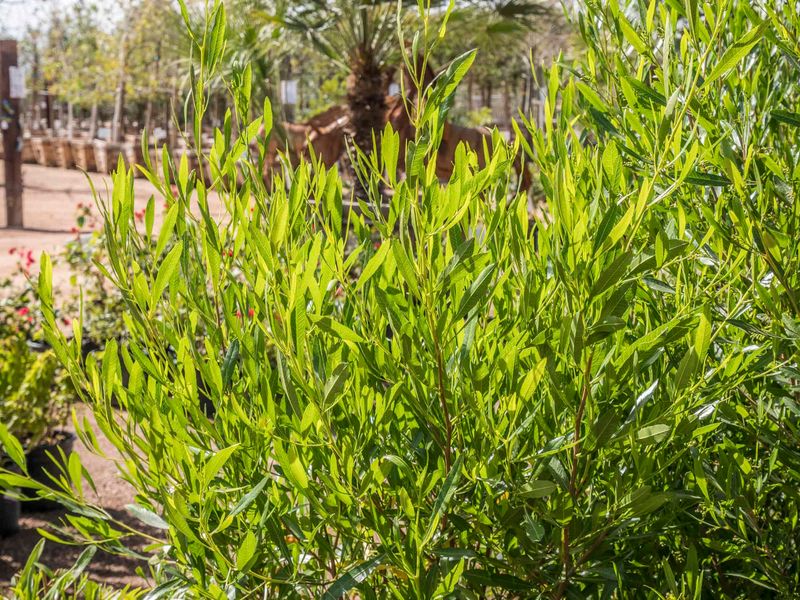
Upright and evergreen, Hop Bush provides reliable structure throughout Arizona gardens regardless of season. The narrow, olive-green leaves create fine texture that contrasts beautifully with bold-leaved plants or flowering perennials.
This large perennial or small shrub grows six to twelve feet tall, making it useful as a screen, hedge, or background plant in full-sun locations.
Hop Bush handles Arizona’s intense sunlight and heat without dropping leaves or looking stressed. The plant tolerates reflected heat from walls and paving, thriving in microclimates that challenge less adapted species.
Female plants produce papery, pinkish seed pods that add subtle color and interest in summer and fall.
This perennial adapts to various soil types common across Arizona, from rocky decomposed granite to heavier clay. Hop Bush needs moderate water during establishment but becomes quite drought-tolerant once roots spread deeply.
The plant responds well to pruning, allowing you to maintain desired size and shape or let it grow naturally for a more casual look.
Use Hop Bush to create privacy screens, define garden spaces, or provide evergreen backdrop for seasonal flowering plants. The vertical form adds height and structure without the maintenance requirements of traditional hedge plants.
Hop Bush works beautifully in Phoenix, Tucson, and throughout Arizona, providing year-round presence in landscapes that celebrate desert-adapted plants.