7 Key Signs Winter Damaged Your Plants In Pennsylvania
Did winter leave its mark on your Pennsylvania plants without you realizing it? Once the snow melts and the garden begins to wake up, hidden damage often becomes easier to spot.
Many homeowners step outside expecting fresh growth, only to find drooping branches, faded leaves, or plants that seem unusually weak. Cold snaps, freeze–thaw cycles, and heavy snow can all take a toll, sometimes in ways that don’t show until early spring.
Some plants bounce back with a little warmth, while others struggle to recover, and knowing the difference can save time and frustration. By spotting early warning signs, you can decide whether a plant needs pruning, extra care, or a full replacement.
It also helps you understand what went wrong and how to protect your garden next year. A bit of careful observation now sets the stage for a healthier, smoother spring season.
1. Discolored Or Brown Foliage On Evergreens
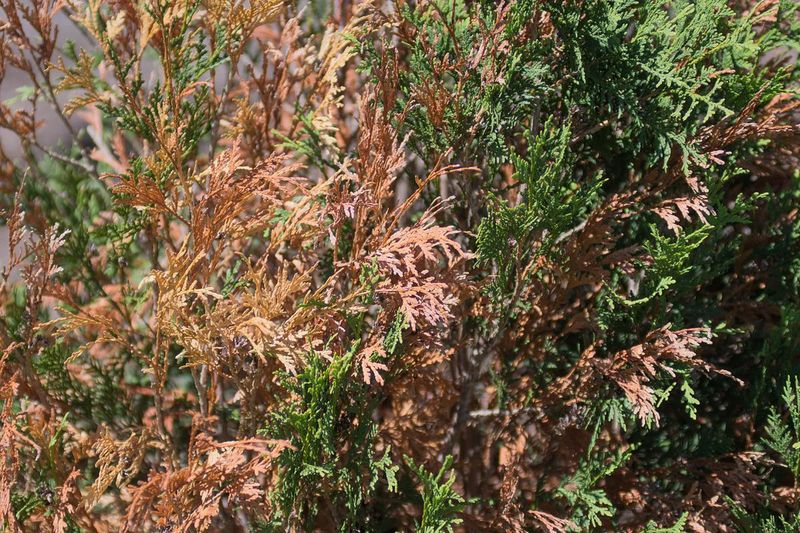
Evergreens should stay green all year, but Pennsylvania winters often turn their needles brown or yellowish.
This happens when cold, dry winds pull moisture from the leaves faster than roots can replace it from frozen ground. Arborvitae, boxwood, and rhododendrons are especially vulnerable to this type of stress.
The browning usually appears on the side facing prevailing winds or on the top where snow and ice sat for weeks.
Sometimes the whole plant looks dull and lifeless instead of its normal vibrant color. You might also notice the foliage feels crispy or brittle when you touch it.
Check your evergreens carefully in early spring throughout Pennsylvania yards. If only the outer layer of needles turned brown but inner branches still show green, your plant will likely recover with some care.
Prune away the damaged sections once you are sure no more freezing nights are coming.
Water your evergreens deeply when the ground thaws to help them rehydrate. Adding a layer of mulch around the base helps soil retain moisture during temperature swings.
For plants that suffered severe browning, consider applying a balanced fertilizer to support new growth.
Prevention matters for next winter. Wrap vulnerable evergreens with burlap screens to block harsh winds.
Water them well before the ground freezes so they enter winter with good moisture reserves. These simple steps protect your Pennsylvania landscape plants from repeating the same damage next year.
2. Cracked Or Split Bark On Trees And Shrubs
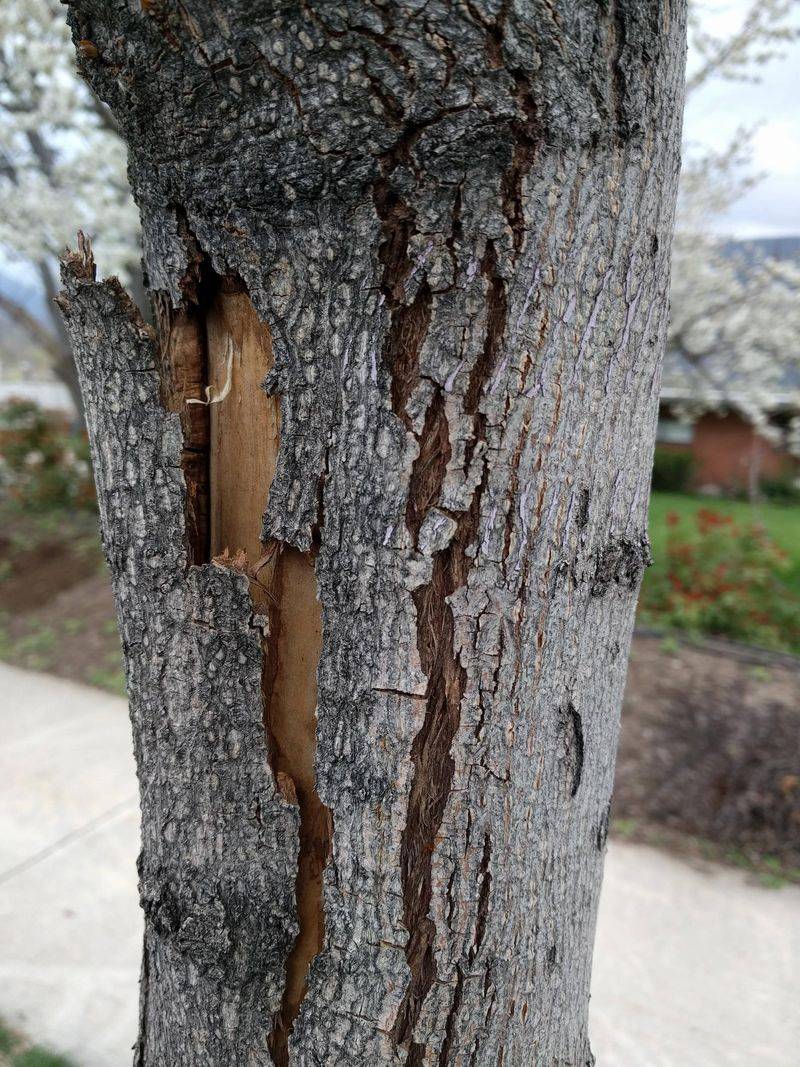
Bark protects the living tissue underneath, but extreme temperature changes in Pennsylvania can cause it to crack wide open. This happens when sunny winter days warm the bark quickly, then nighttime temperatures plunge below freezing.
The rapid expansion and contraction splits the bark vertically, creating wounds called frost cracks.
You will typically find these cracks on the south or southwest side of tree trunks where afternoon sun hits strongest.
Young trees with thin bark, like maples, fruit trees, and ornamental cherries, are most at risk. The splits can be several feet long and expose the wood underneath.
Inspect your trees closely in early spring across your Pennsylvania property. Look for vertical cracks, peeling bark, or areas where bark has completely separated from the trunk.
Your Pennsylvania Garden Changes Every Week. Your Plan Should Too.
Gardening in Pennsylvania changes quickly throughout the season. Every Friday you’ll receive a simple weekly plan showing exactly what to plant, prune, fertilize, harvest, and protect so you never miss the right timing.
Sometimes you will also notice sunken or discolored patches around damaged areas.
Avoid trying to seal or paint over bark cracks. Trees actually heal better when left alone to form natural callus tissue over wounds.
Trim any loose or hanging bark carefully with clean pruning shears. Make sure not to cut into healthy tissue underneath.
Keep damaged trees healthy by watering during dry spells and avoiding unnecessary stress like heavy pruning. Wrap young tree trunks with light-colored tree wrap before winter to reflect sunlight and minimize temperature swings.
Remove the wrap each spring to prevent moisture buildup. Mulching around the base also helps moderate soil temperature fluctuations that can stress roots and contribute to bark problems throughout Pennsylvania landscapes.
3. Broken Or Bent Branches From Snow And Ice
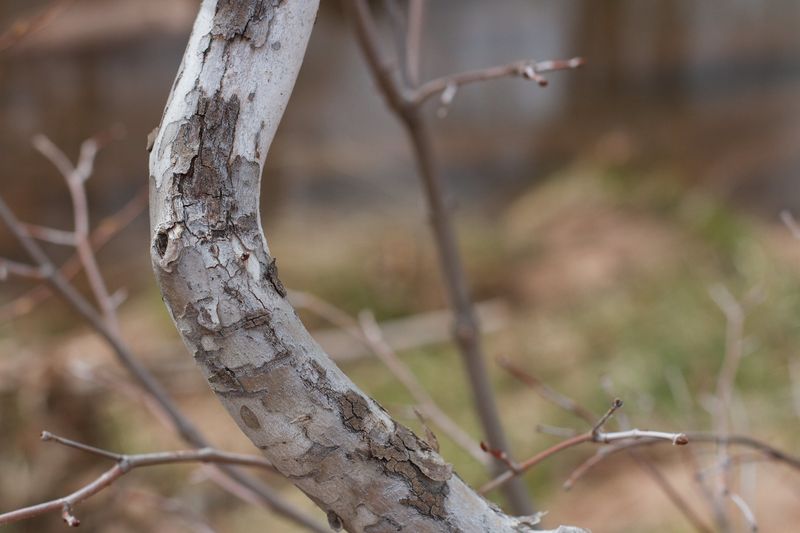
Heavy snow and ice accumulation can snap branches or bend them so severely they never straighten out again.
Pennsylvania often gets wet, heavy snow that clings to branches and weighs them down. When ice forms on top, the load becomes too much for many plants to handle.
Evergreen shrubs with dense foliage, like yews and junipers, are particularly prone to this damage because snow piles up easily in their branches.
Deciduous trees with weak branch unions or narrow crotch angles also break easily. Multi-stemmed shrubs can split apart at the base when ice weighs down individual stems.
Walk around your Pennsylvania yard once snow melts completely. Look for branches hanging at odd angles, split trunks, or stems bent to the ground.
Some damage is obvious right away, but other problems might not show up until leaves try to emerge on broken branches.
Prune broken branches back to healthy wood using clean, sharp tools. Make cuts just above a bud or lateral branch to encourage proper healing.
For bent branches that are not broken, you can try staking them upright, but only if the bend is relatively minor and recent.
Remove severely damaged shrubs that split at the base, as they rarely recover their original shape. For next winter, consider gently brushing snow off vulnerable plants after storms.
Tie up multi-stemmed evergreens with soft twine before winter to prevent them from splaying apart under snow load across Pennsylvania properties.
4. Wilted Or Mushy Stems On Perennials
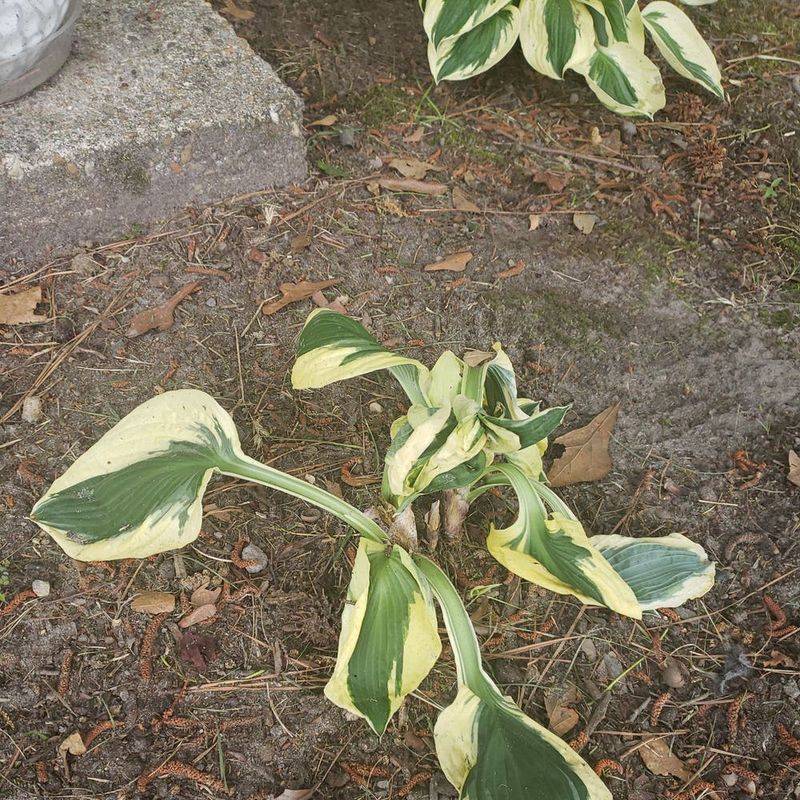
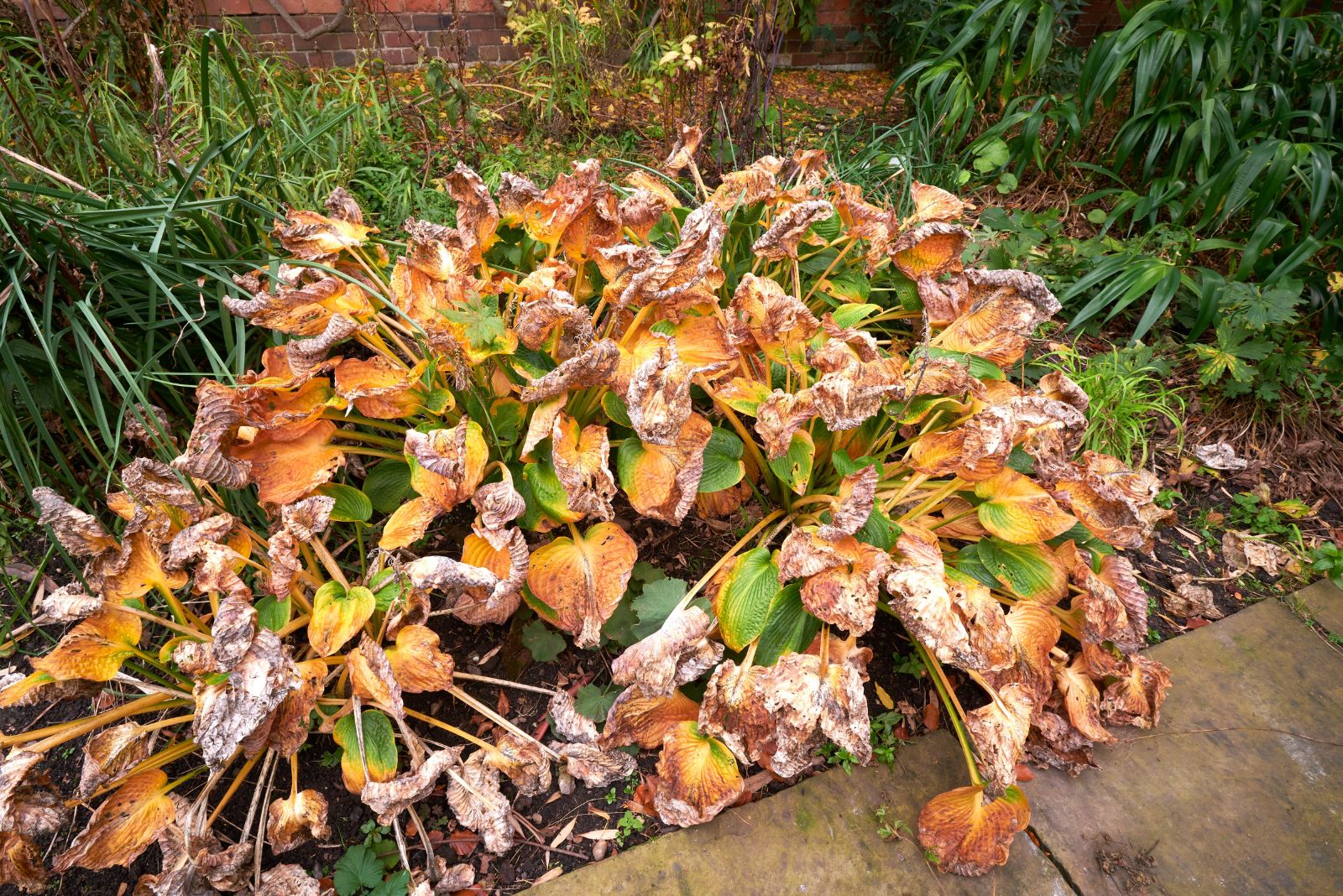
Perennials that seemed fine when you cut them back in fall might emerge in spring with blackened, wilted, or mushy stems at the base. This signals damage from extreme cold, repeated freeze-thaw cycles, or poor drainage that left roots sitting in icy water.
Hostas, daylilies, and ornamental grasses can all show this type of injury in Pennsylvania gardens.
The damage usually affects the crown where stems meet roots. You might find the tissue feels soft and squishy instead of firm.
Sometimes a foul smell indicates rot has set in. Stems may also appear water-soaked or translucent rather than their normal solid color.
Gently dig around the base of affected perennials once the soil is workable in Pennsylvania. Check if roots still feel firm and healthy or if they have turned to mush. Healthy roots are usually white or tan and spring back when squeezed.
Cut away all damaged tissue with sterilized pruning shears until you reach healthy growth. If the crown is completely soft, the plant likely will not recover and should be removed.
For plants with some healthy tissue remaining, improve drainage around them by adding compost or creating a slight mound.
Many perennials benefit from a layer of mulch applied after the ground freezes in Pennsylvania. This keeps soil temperature more stable and prevents the freeze-thaw cycling that damages crowns.
Remove excess mulch in spring once temperatures stabilize. Avoid mulching too early in fall, as this can keep soil warm and delay proper dormancy.
5. Delayed Or Absent Spring Growth
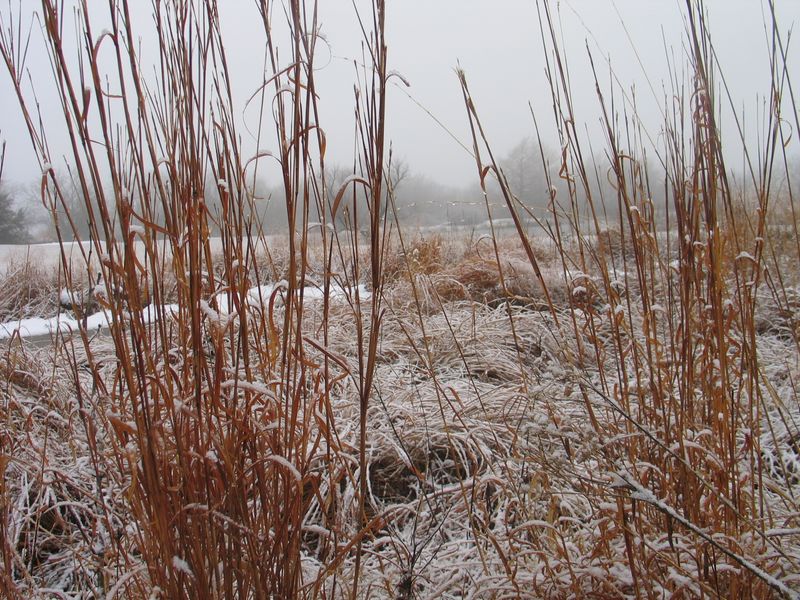
Spring arrives in Pennsylvania, temperatures warm up, and most plants start pushing out new growth. But some of your shrubs or perennials just sit there doing nothing.
This delayed or completely absent growth often means roots or stems suffered serious winter damage that is not visible from the outside.
Plants need energy stored in roots and stems to produce spring growth. When winter cold penetrates too deeply or lasts too long, it can damage these storage tissues.
The plant might still be alive but too weak to grow normally. Sometimes only certain branches are affected while others leaf out fine.
Compare growth patterns across your Pennsylvania landscape. Notice which plants are slow to wake up compared to others of the same type.
Scratch the bark gently with your fingernail on branches that show no growth. Green tissue underneath means the branch is alive, while brown or gray indicates it may not recover.
Be patient with slow plants for several weeks. Some species naturally leaf out later than others.
If a plant shows no growth by late spring when everything else is thriving, it probably suffered too much damage. Prune back dry sections to encourage any remaining healthy tissue to sprout.
Give struggling plants extra care by watering consistently and avoiding fertilizer until you see new growth. Too much fertilizer stresses damaged roots.
Consider whether the planting location exposes plants to harsh conditions. Moving vulnerable species to more sheltered spots in your Pennsylvania yard can prevent repeated winter damage in future years.
6. Root Heaving And Exposed Root Systems
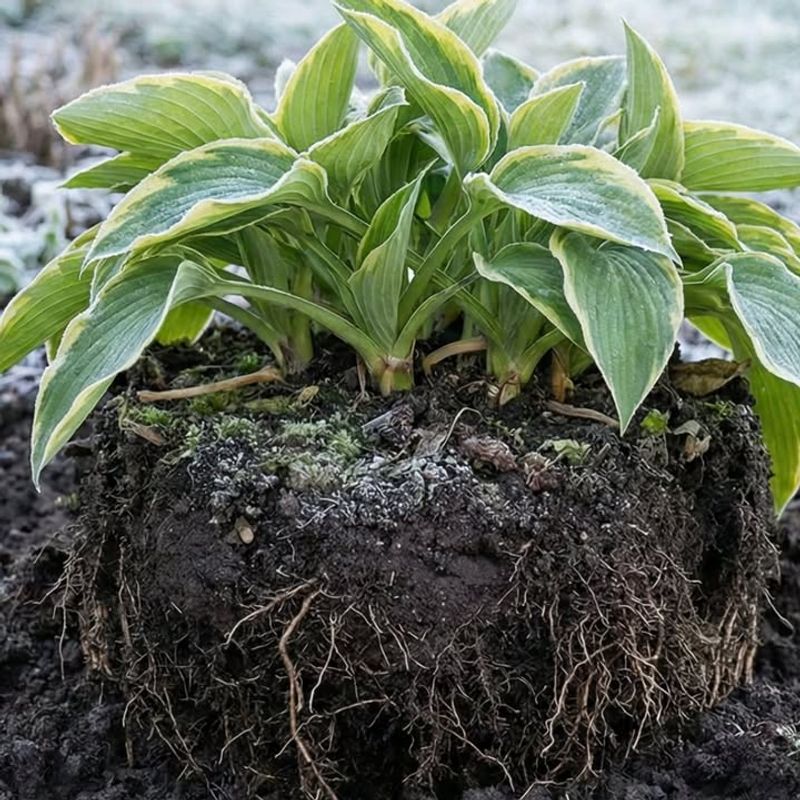
Walking through your Pennsylvania garden in early spring, you might find plants sitting higher than they should be with roots exposed above the soil surface.
This is called frost heaving, and it happens when repeated freezing and thawing cycles push plants upward out of the ground. Newly planted perennials, groundcovers, and small shrubs are most vulnerable.
The damage occurs because water in soil expands when it freezes, lifting everything above it. When temperatures rise, the soil settles but plants do not always drop back down.
Over multiple freeze-thaw cycles common in Pennsylvania winters, plants gradually work their way up and out of the ground.
Check all your beds thoroughly once the last frost passes. Look for plants tilting at angles, roots visible on the surface, or crowns sitting above soil level. Exposed roots dry out quickly and can suffer additional damage from sun and wind.
Gently press affected plants back into the soil as soon as you notice the problem. Make sure roots are fully covered and the crown sits at the proper depth.
Water thoroughly to help settle soil around roots. Add a thin layer of soil or compost if needed to cover exposed roots completely.
Prevent heaving by applying mulch after the ground freezes in fall throughout your Pennsylvania landscape. This insulates soil and reduces the number of freeze-thaw cycles.
Keep mulch a few inches away from plant crowns to prevent rot. For very vulnerable plants, consider covering them with evergreen boughs for extra protection during winter months.
7. Salt Damage Along Driveways And Roads
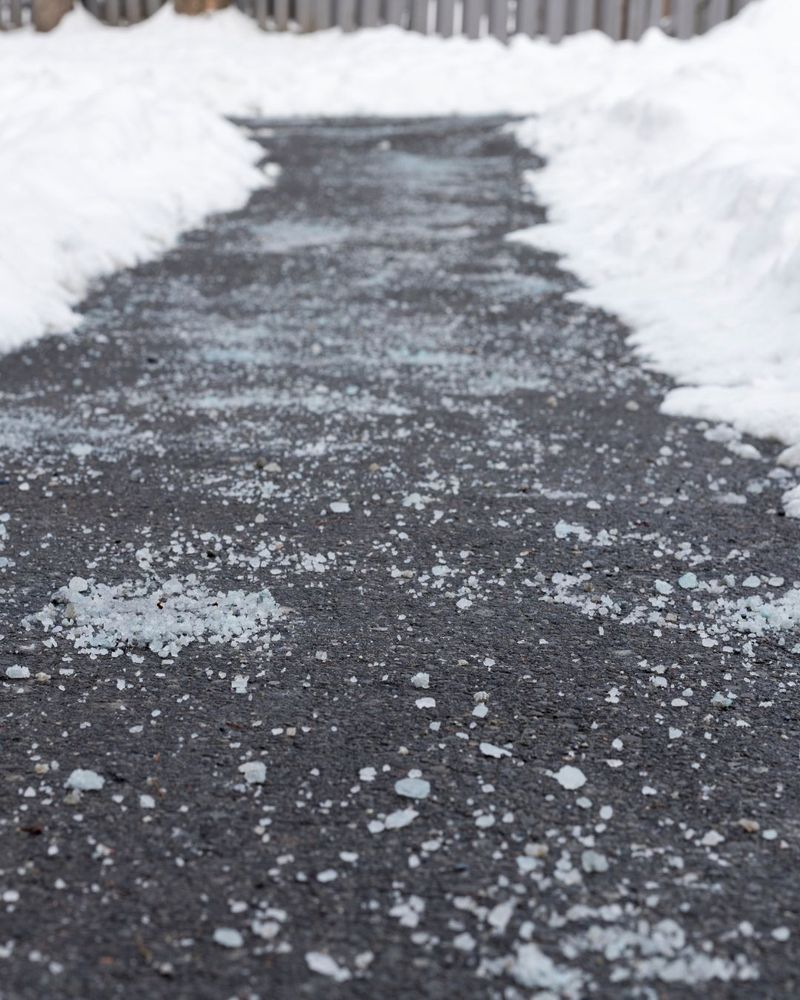
Plants growing near driveways, sidewalks, and roads in Pennsylvania often show brown, scorched foliage in spring even though they seemed protected from direct winter weather.
This damage comes from road salt and de-icing chemicals that splash onto plants or soak into soil during winter. The salt draws moisture out of plant tissues and builds up to toxic levels in the root zone.
Evergreens and broadleaf shrubs near treated surfaces are especially vulnerable. You will typically see browning on the side facing the road or driveway first.
Lower branches usually show more damage than upper ones because that is where salt spray hits. Grass along walkways may also turn brown in strips following salt application patterns.
Examine all plants within 15 feet of treated surfaces across your Pennsylvania property. Look for brown leaf tips, scorched foliage, or entire branches that turned brown over winter.
Soil may appear crusty or white where salt concentrated heavily. Flush affected soil thoroughly with water once it thaws to wash salt deeper into the ground away from roots. This may require several deep waterings over a few weeks.
Prune away badly damaged foliage to improve appearance and help plants focus energy on new growth.
Choose salt-tolerant species for areas near treated surfaces in Pennsylvania. Junipers, rugosa roses, and certain grasses handle salt exposure better than sensitive plants.
Create barriers using burlap screens or snow fencing to block salt spray from reaching valuable plants. Consider using less harmful alternatives to rock salt, such as calcium chloride or sand, on your own property.