Ohio Homeowners Are Using These Tricks To Keep Chipmunks Away
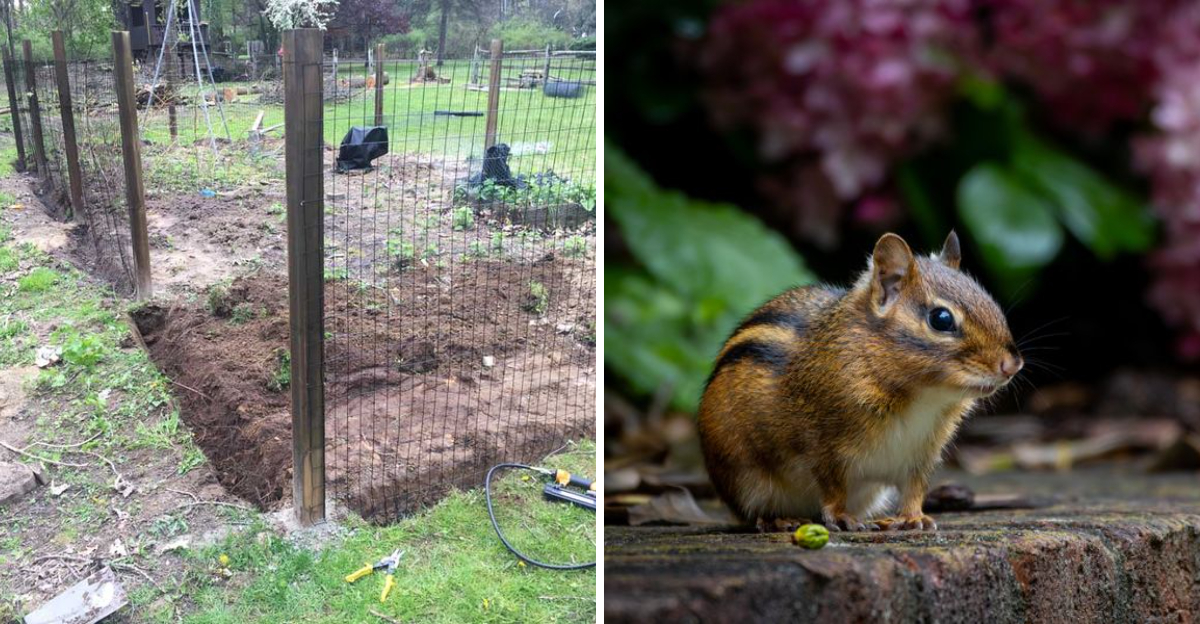
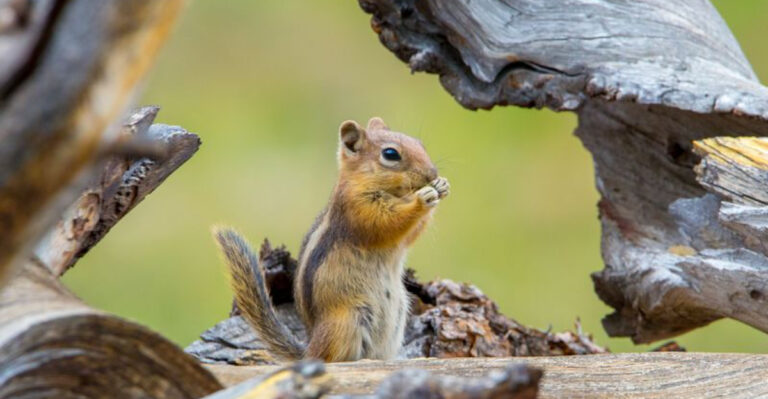
At dawn in quiet Ohio neighborhoods, a tiny invader can turn perfect lawns into crater fields overnight. Homeowners wake up to chewed wires, hollow flowerbeds, and stolen bulbs, then realize chipmunks have declared war on their yards.
Panic spreads fast, yet a few simple moves have flipped the battle. Local residents now protect gardens, foundations, and peace of mind with clever, low cost tactics that actually work.
No poison, no chaos, no endless repairs. Just smart barriers, scent tricks, habitat changes, and timing that push chipmunks far from homes.
One weekend of action can save months of frustration and hundreds of dollars. Anyone tired of tunnels, mess, and surprise damage can take control today with proven strategies that stop chipmunks before the next hole appears.
Take back your yard and enjoy quiet mornings without new destruction or stress again.
1. Remove Easy Food Sources Around The Yard
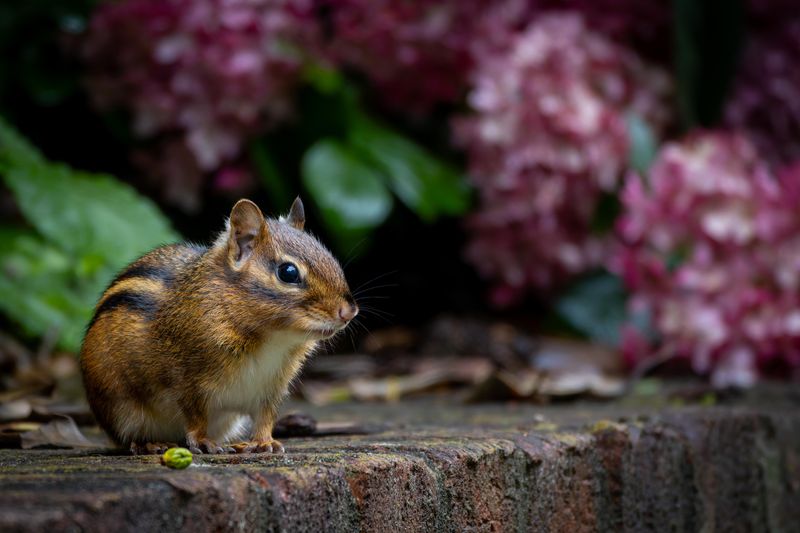
Many homeowners unknowingly roll out the welcome mat for chipmunks by leaving food scattered across their property. Fallen fruit from trees, dropped vegetables from gardens, and pet food left outside create an irresistible buffet.
Once chipmunks discover reliable food sources in your yard, they establish burrows nearby and bring their entire family along for the feast.
Start by harvesting ripe fruits and vegetables promptly before they drop to the ground. Pick up any fallen produce daily during peak growing season.
If you feed pets outdoors, bring dishes inside immediately after meals rather than leaving kibble sitting out all day.
Garden beds need protection too, especially as tomatoes and strawberries ripen in Ohio’s summer months. Consider using row covers or netting over vulnerable crops.
Store birdseed, pet food, and grass seed in sealed metal containers inside your garage or shed rather than in bags these animals can easily chew through.
Even compost piles attract chipmunks if they contain fruit scraps or vegetable matter. Turn your compost regularly and avoid adding anything particularly aromatic.
By eliminating easy meals, you force chipmunks to search elsewhere for sustenance, which often means they’ll relocate to a neighbor’s less protected yard instead of yours.
2. Clear Brush Piles And Dense Ground Cover

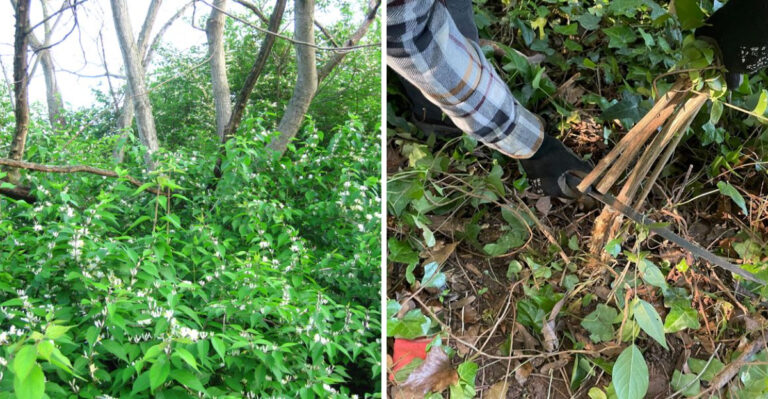
Overgrown yards provide perfect hiding spots and shelter that chipmunks absolutely love. Dense ground cover plants, untrimmed shrubs touching the ground, and piles of leaves or branches create protected corridors where these animals move freely without fear of predators.
Your property becomes chipmunk paradise when they can travel safely from their burrows to food sources under complete cover.
Take a walk around your property and identify areas where vegetation has grown thick near the ground. Trim shrubs so their lowest branches sit at least six inches above soil level.
This simple change eliminates the covered pathways chipmunks prefer for safe travel.
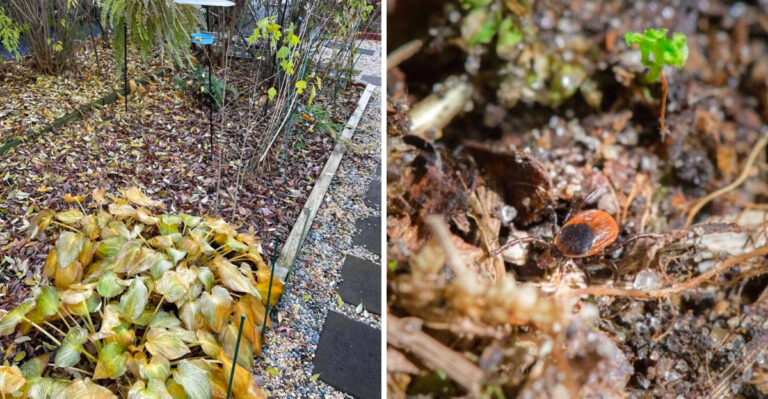
Remove brush piles, leaf accumulations, and stacks of garden debris where chipmunks hide during the day. Rake leaves regularly during Ohio’s long autumn season rather than letting them pile up against your foundation.
If you’re keeping brush for wildlife habitat, move it to the far edge of your property, well away from your house and garden areas.
Your Ohio Garden Changes Every Week. Your Plan Should Too.
Gardening in Ohio changes quickly throughout the season. Every Friday you’ll receive a simple weekly plan showing exactly what to plant, prune, fertilize, harvest, and protect so you never miss the right timing.
Ground covers like ivy, vinca, and pachysandra look beautiful but create dense mats where chipmunks burrow and nest. Consider replacing these with mulch or decorative stone in areas close to your home.
The more open and exposed your yard becomes, the less comfortable chipmunks feel spending time there.
3. Seal Gaps Around Foundations And Patios
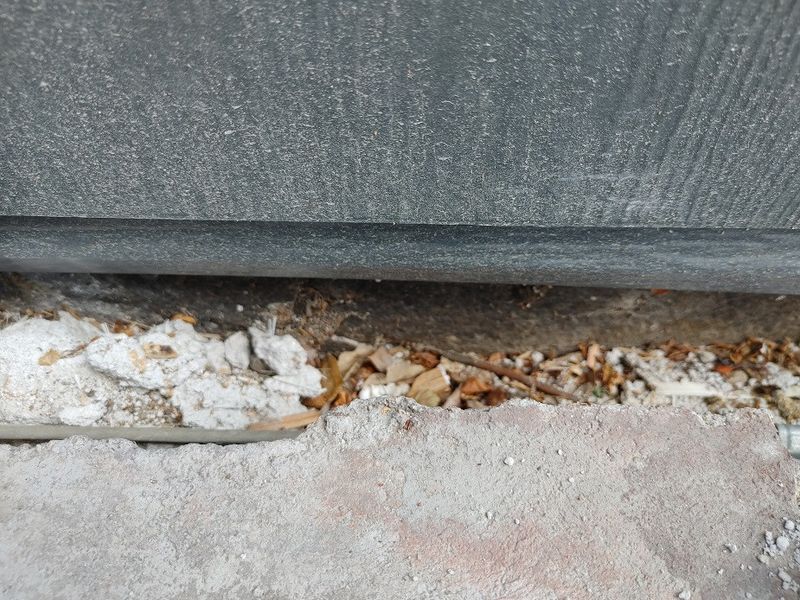
Small openings around your home’s foundation provide ready-made burrow entrances that chipmunks happily expand. These clever animals can squeeze through surprisingly tight spaces, and once they establish tunnels under your patio or deck, the damage can compromise structural stability over time.
Cracks in foundation walls, gaps where utilities enter your home, and spaces under concrete slabs all serve as invitation points.
Walk around your entire foundation looking for any opening large enough for a small rodent to squeeze through. Pay special attention to areas where settling has created gaps or where old mortar has crumbled away.
Use hydraulic cement to fill foundation cracks permanently, as this material expands as it dries and creates a strong seal that helps block entry.
For gaps around pipes, vents, and utility lines, stuff openings with copper mesh before sealing with expanding foam or caulk. Chipmunks can chew through foam alone, but they avoid copper mesh because it hurts their teeth and doesn’t compress.
Check the perimeter of patios and walkways where settling has created gaps between concrete and your foundation wall.
Door sweeps and garage door seals deserve attention too, especially if you’ve noticed chipmunks darting into these spaces. Replace worn weatherstripping and ensure doors close tightly.
In Ohio’s freeze-thaw cycles, new gaps can open each spring, so make foundation inspection part of your annual maintenance routine.
4. Use Gravel Or Hardware Cloth To Stop Digging
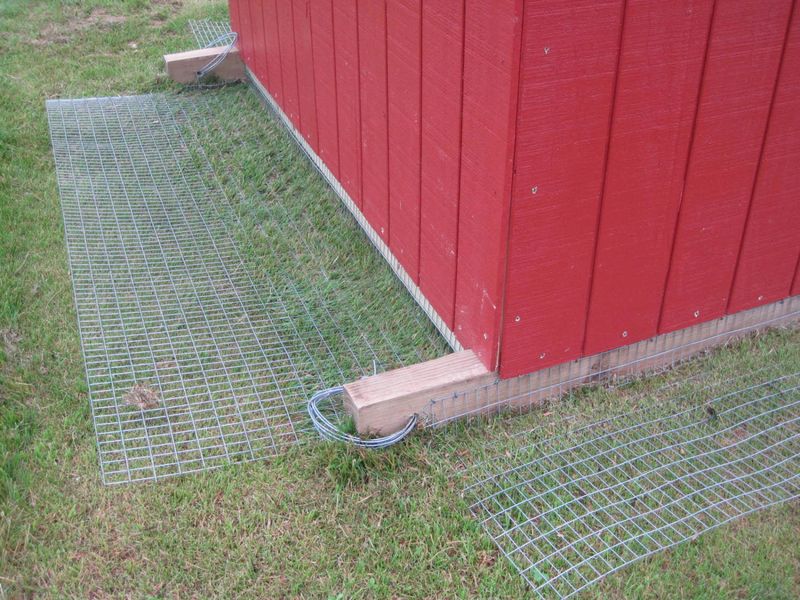
Physical barriers buried underground stop chipmunks from digging where you don’t want tunnels. These animals are persistent excavators, but they won’t waste energy digging through materials that block their progress.
Hardware cloth and gravel create frustrating obstacles that convince chipmunks to burrow elsewhere rather than beneath your valuable landscaping or structures.
For garden beds and foundation plantings, dig a trench about eight inches deep around the perimeter. Line it with quarter-inch hardware cloth, bending the bottom outward to create an L-shape that extends horizontally about six inches.
Backfill with soil and your plants will have strong underground protection that discourages digging.
Around foundations, consider installing a gravel barrier at least twelve inches wide and eight inches deep. Chipmunks dislike digging through loose rock because tunnels collapse immediately.
This method works especially well along the base of sheds, decks, and patios where you’ve noticed repeated burrowing attempts.
For raised garden beds popular in Ohio yards, attach hardware cloth to the bottom before adding soil. This prevents chipmunks from tunneling up from below to reach your vegetables.
The mesh allows water drainage while completely blocking access. When installing these barriers in spring, you’re ahead of the breeding season when chipmunks actively seek new nesting sites and expand their tunnel networks throughout residential properties.
5. Install Low Fencing With Buried Edges
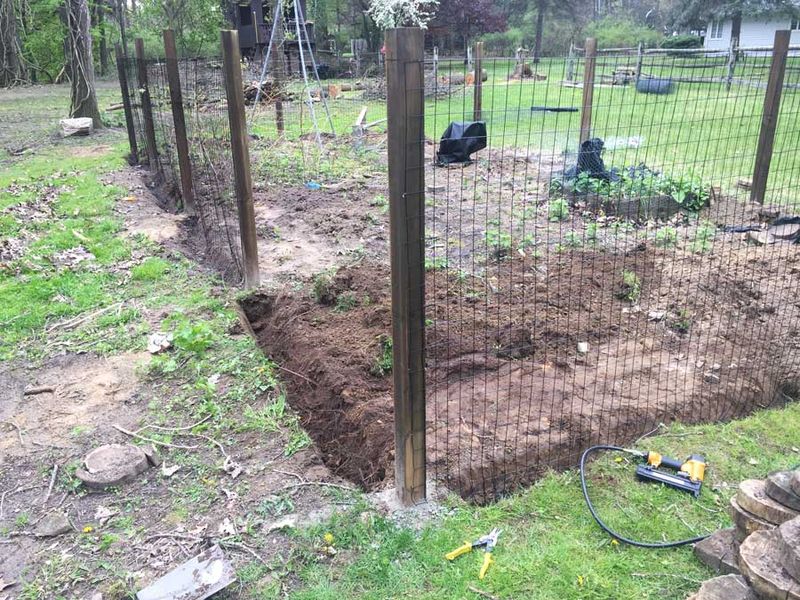
Fencing specifically designed to exclude chipmunks must extend both above and below ground to be effective. These animals are excellent climbers but prefer to burrow under obstacles rather than scale them.
A properly installed low fence creates a formidable barrier that protects vegetable gardens, flower beds, and other vulnerable areas without obstructing your view or requiring massive investment.
Choose wire mesh or hardware cloth with openings no larger than one inch. The fence only needs to stand about twelve inches above ground since chipmunks rarely climb when easier routes exist.
The critical element is burying the bottom edge in an L-shaped configuration that extends at least eight inches down and six inches outward.
Dig a trench around the area you want to protect, then bend your fencing material to create that underground L-shape. When chipmunks encounter the fence and start digging, they hit the horizontal barrier and usually give up rather than digging deeper.
Backfill the trench firmly and tamp the soil to eliminate gaps.
For Ohio gardens, install this fencing in early spring before peak digging and breeding activity and before you plant. This saves your seedlings from immediate destruction.
The fence can remain year-round or be removed after harvest if you prefer. Secure the above-ground portion to stakes every four feet to prevent chipmunks from pushing underneath where the fence meets the surface.
6. Apply Natural Scent Deterrents Around Burrows
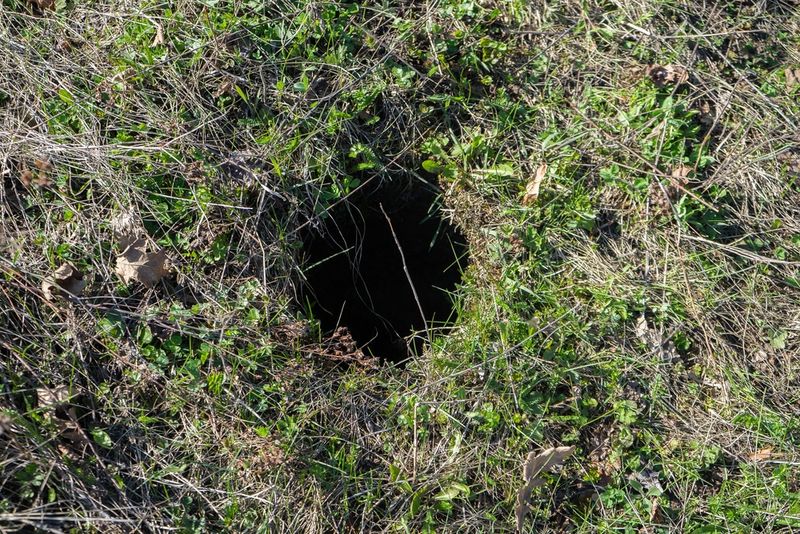
Strong scents that humans find pleasant or neutral can be powerfully repellent to chipmunks and their sensitive noses. These animals rely heavily on smell to navigate their territory and detect danger.
When you introduce odors they associate with predators or simply find overwhelming, they may avoid treated areas for a period of time in search of more comfortable surroundings.
Peppermint oil is commonly used as a mild natural deterrent. Mix fifteen to twenty drops of pure peppermint essential oil with water in a spray bottle and apply it around burrow entrances, along foundation walls, and near plants chipmunks target.
Reapply after rain and every few days for continued effectiveness throughout Ohio’s active chipmunk season from spring through fall.
Predator urine products available at garden centers contain scent markers from foxes and coyotes. Sprinkle these granules around your property’s perimeter and near active burrows.
Chipmunks often become cautious in areas where predator scent is present. Refresh the application monthly and after heavy rainfall washes the scent away.
Garlic and cayenne pepper also work as deterrents. Crush fresh garlic cloves and scatter them near problem areas, or create a spray using cayenne pepper mixed with water and a small amount of dish soap.
These substances irritate chipmunk noses and mouths without causing lasting harm, encouraging them to relocate while you address other attractants on your property.
7. Keep Bird Feeder Areas Clean And Seed Free
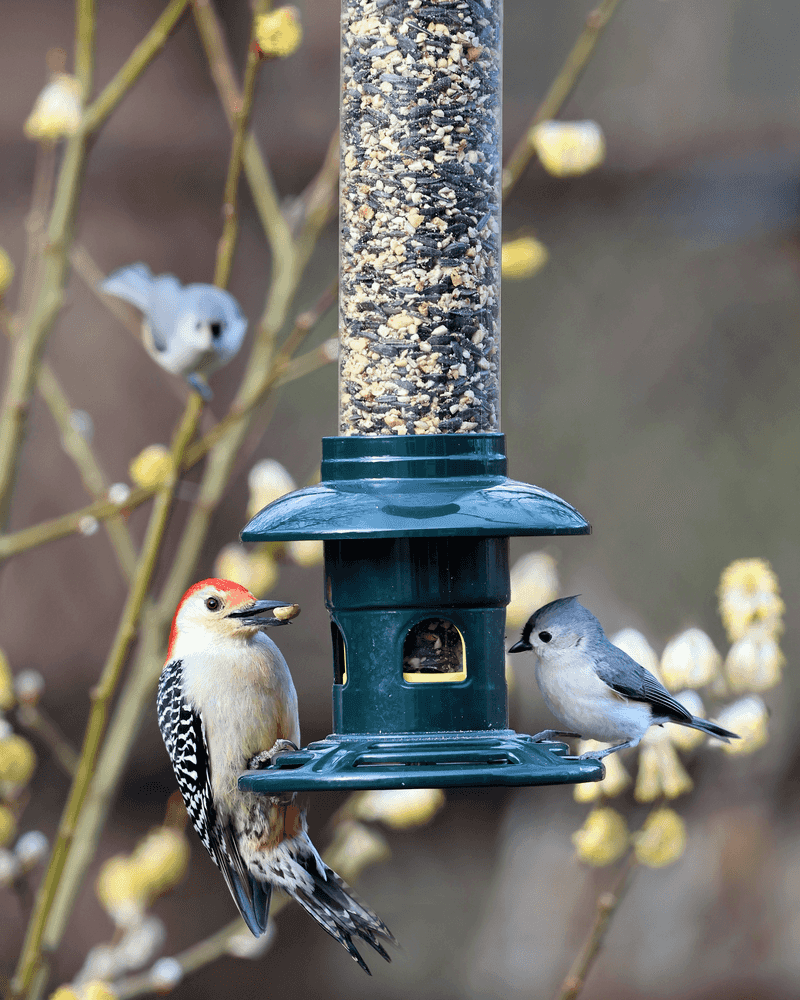
Bird feeders rank as one of the top reasons chipmunks take up residence in Ohio yards. These animals are opportunistic feeders who quickly learn that the ground beneath feeders offers an endless supply of spilled seeds.
Once they establish this food source, they visit multiple times daily and dig nearby burrows for convenient access to their personal buffet.
Install catch trays or platforms directly under your feeders to collect dropped seeds before they hit the ground. Empty these trays every evening so seeds don’t accumulate during early morning and late afternoon when chipmunks are most active.
Choose feeders designed to minimize spillage, such as tube feeders with small perches rather than open platform styles that scatter seeds everywhere.
Sweep or rake the area under feeders daily during peak feeding seasons. Even small amounts of spilled seed attract chipmunks and encourage them to stay.
If you notice chipmunks becoming a persistent problem despite your cleaning efforts, consider taking feeders down for two to three weeks. This break forces chipmunks to find food elsewhere and often convinces them to relocate permanently.
Switch to seeds that chipmunks find less appealing, such as nyjer seed for finches or safflower seeds that many birds enjoy but chipmunks tend to ignore. Position feeders at least fifteen feet from structures, woodpiles, or dense vegetation where chipmunks hide.
The more exposed and isolated your feeding station, the less comfortable these cautious animals feel visiting it.
8. Move Woodpiles And Rock Shelters Away From The House
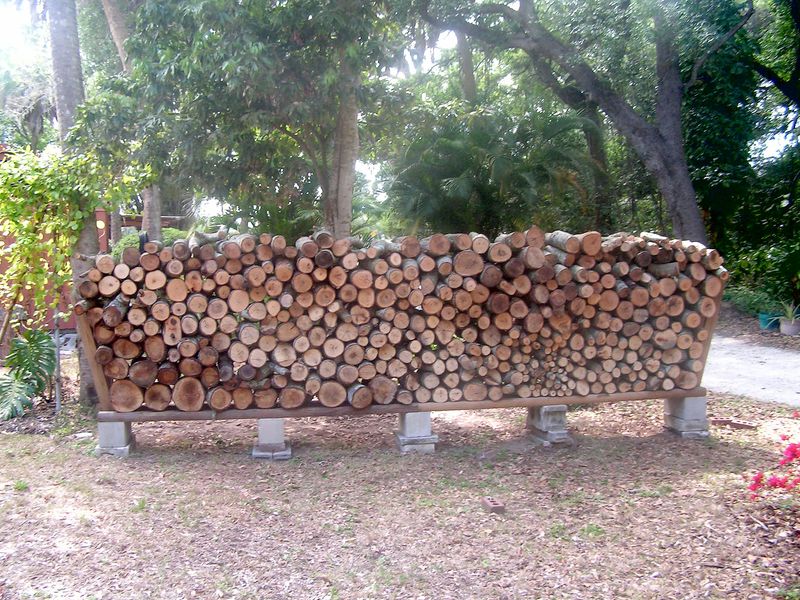
Stacked firewood and decorative rock features provide ideal shelter for chipmunks seeking protected spaces near food and water. These structures offer countless hiding spots, protection from weather, and safe routes for traveling without exposure to predators.
When positioned against your house or near gardens, they become launching points for chipmunk activity throughout your entire property.
Relocate woodpiles to at least twenty feet from your home’s foundation and any other structures. Stack wood on pallets or a raised platform rather than directly on the ground, which creates additional nesting spaces underneath.
Keep the pile neat and tightly stacked rather than loose and sprawling, which provides fewer gaps for chipmunks to exploit.
Decorative rock walls, stone borders, and landscaping boulders create similar shelter problems. While you can’t always move large landscape features, you can fill gaps between stones with smaller rocks or mortar to eliminate hiding spaces.
If you’re planning new landscaping, position rock features away from your foundation and garden areas.
Check existing woodpiles and rock features regularly for signs of chipmunk activity like fresh burrow entrances, scattered shells from nuts, or droppings. If you discover active nesting, wait until you’re certain the area is abandoned before relocating materials.
In Ohio, wait until you are sure the burrow is inactive before relocating materials. This reduces disturbance to wildlife while still protecting your property.