How To Plan Spring Flower Borders For Continuous Blooms In Ohio
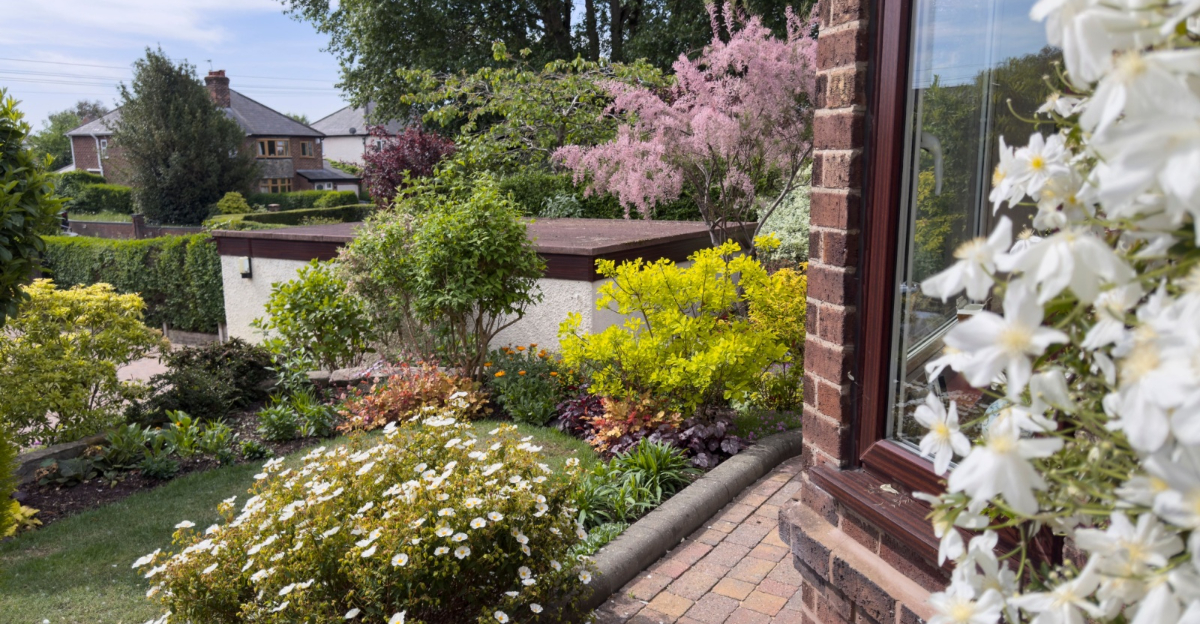
Snow melts, the ground softens, and Ohio yards wake up hungry for color. Many gardeners rush to plant bright spring flowers, enjoy a quick burst, then watch the border fade into green silence by early summer.
Strong planning changes everything. A well built spring flower border keeps color rolling from the first crocus through late spring tulips and into early perennials that carry the show forward.
Ohio’s shifting temperatures, surprise frosts, and heavy rains demand smart choices, tough varieties, and careful bloom timing.
Layered heights, staggered flowering, and balanced color create a border that never looks empty and never loses energy. Neighbors notice, pollinators arrive, and your yard feels alive for weeks longer than usual.
With the right strategy, your spring border delivers continuous blooms, steady beauty, and a smooth handoff into summer without gaps, stress, or wasted effort, season after season across Ohio gardens.
1. Begin With A Vision Of Color All Season
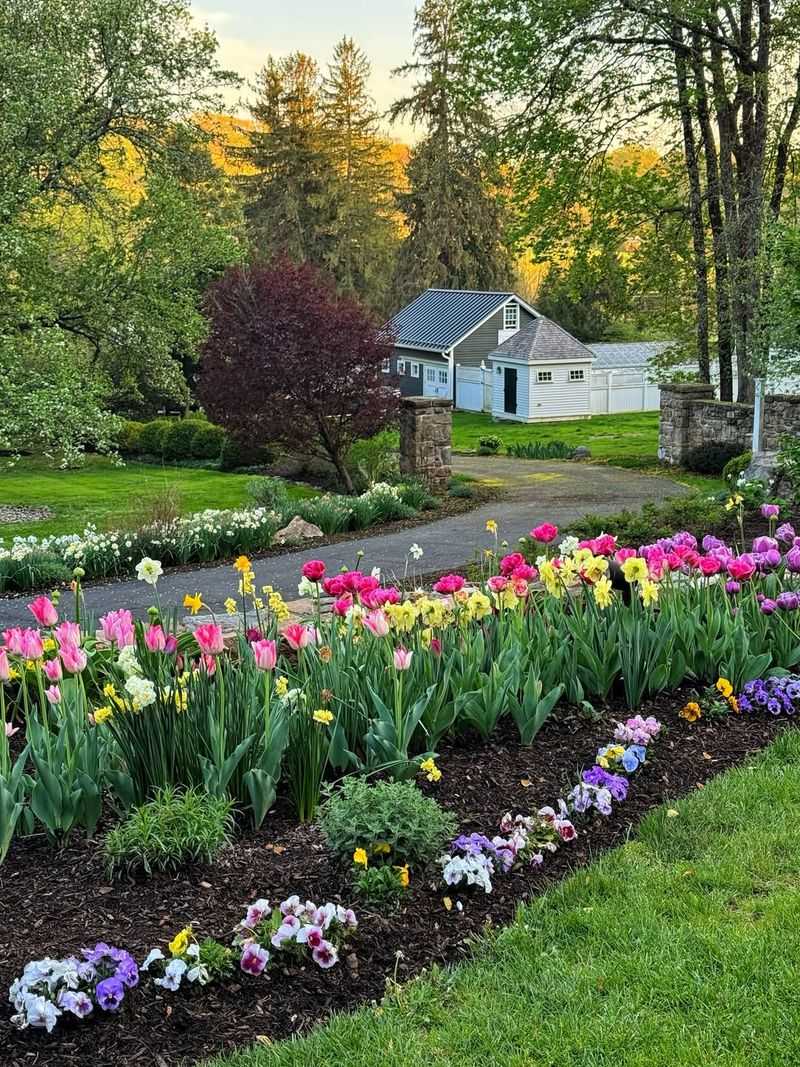
Successful borders start long before the first shovel hits the soil. Picture what you want to see when you look out your window in March, then in April, and again in May.
Sketching a simple timeline helps you visualize which plants will carry the show at different points in the season.
Think about the view from inside your home and from the street. Do you want bold splashes of color or soft drifts that blend together?
Consider how sunlight moves across your yard throughout the day, since some spring bloomers prefer morning sun while others thrive in afternoon warmth.
Ohio springs can be unpredictable, swinging from frost to warmth and back again. Planning for overlap ensures that if one wave of blooms gets nipped by late cold, another is ready to take over.
A vision rooted in realistic timing and your own taste makes the planning process feel less overwhelming and more like painting a picture that unfolds over weeks.
Write down your favorite colors, note plants you’ve admired in neighbors’ yards, and keep a folder of inspiration photos. This simple prep work transforms a vague wish into a concrete, achievable plan you’ll be excited to bring to life.
2. Layer Early Mid And Late Bloomers
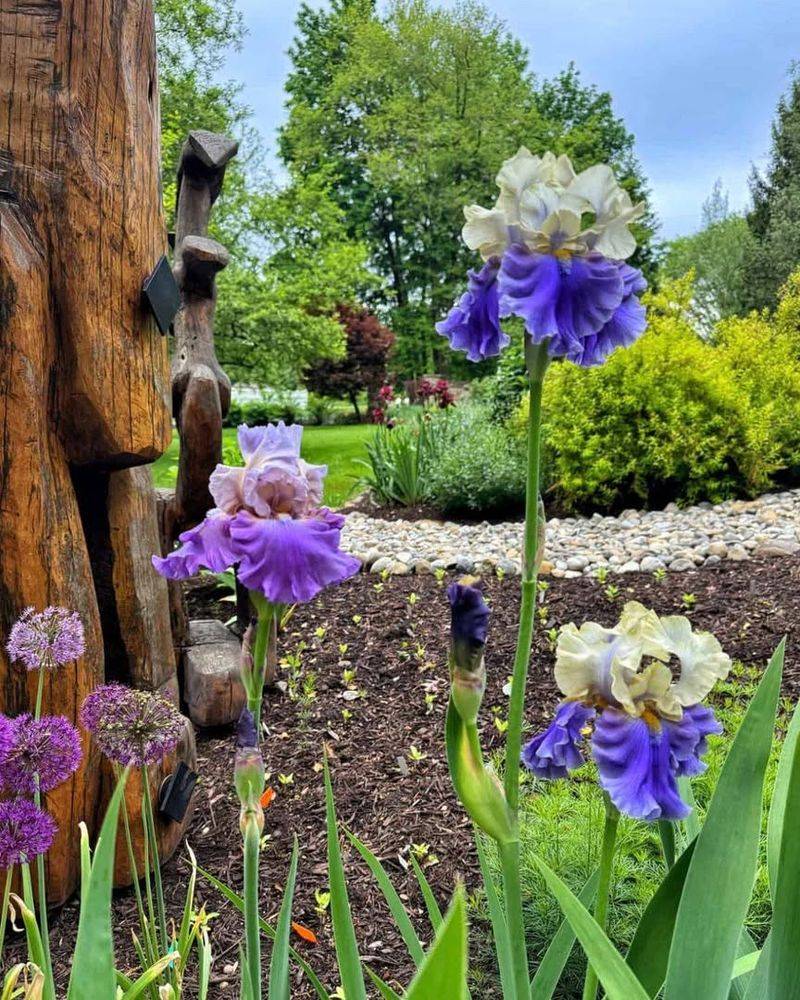
Layering bloom times is the secret to a border that never goes quiet. Early bloomers like snowdrops and crocuses often appear in early to mid March in much of Ohio, sometimes earlier during mild winters.
They’re small but mighty, signaling that winter’s grip is loosening.
Mid-season stars such as daffodils, hyacinths, and early tulips take over in April, bringing height and bolder color. These plants are reliable in Ohio’s variable climate and often naturalize, returning stronger each year.
Their overlapping bloom windows create a seamless transition from tentative early color to full spring celebration.
Late bloomers like alliums, late tulips, and peonies carry the display into May and even early June. By the time these open, your border feels lush and mature, with foliage filling in gaps and creating a backdrop for the final spring flourish.
Your Ohio Garden Changes Every Week. Your Plan Should Too.
Gardening in Ohio changes quickly throughout the season. Every Friday you’ll receive a simple weekly plan showing exactly what to plant, prune, fertilize, harvest, and protect so you never miss the right timing.
Mixing all three groups in one bed ensures that something is always in bloom, so your border never looks bare or forgotten. Think of it as choreography where each group of plants takes a turn in the spotlight, supported by the others waiting in the wings or fading gracefully into the background.
3. Choose A Color Story That Flows
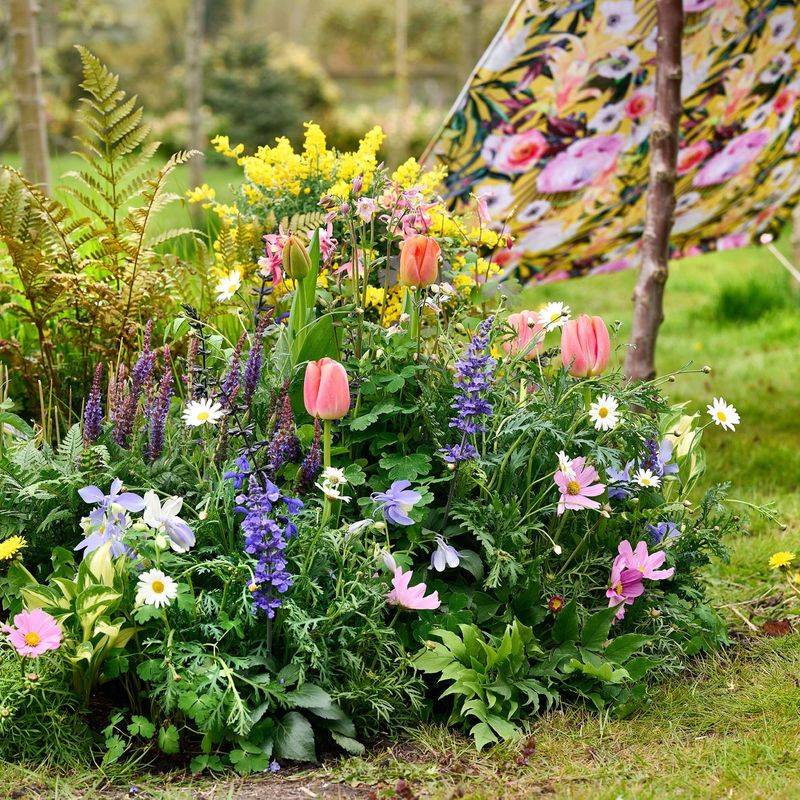
Color can make or break the mood of your border. Some gardeners love bold contrasts, pairing bright yellows with deep purples for drama.
Others prefer a softer approach, blending pastels like lavender, blush pink, and cream for a calming effect.
Ohio’s spring light is gentle and diffused, especially in early morning and late afternoon. Soft colors glow beautifully in this light, while brighter hues stand out against still-bare branches and emerging green foliage.
Choose a palette that feels right for your space and stick with it to create unity.
Repetition of color throughout the border ties everything together. If you plant yellow daffodils in one section, echo that yellow with primroses or pansies nearby.
This creates visual rhythm and makes the design feel intentional rather than random.
Don’t forget white and green as anchors. White tulips or white bleeding hearts brighten shady corners and provide breathing room between bolder colors.
Foliage in shades of chartreuse or deep green adds texture and keeps the border interesting even when flowers pause. A thoughtful color story makes your border feel curated, cohesive, and more beautiful than a random mix ever could.
4. Mix Bulbs Perennials And Fillers
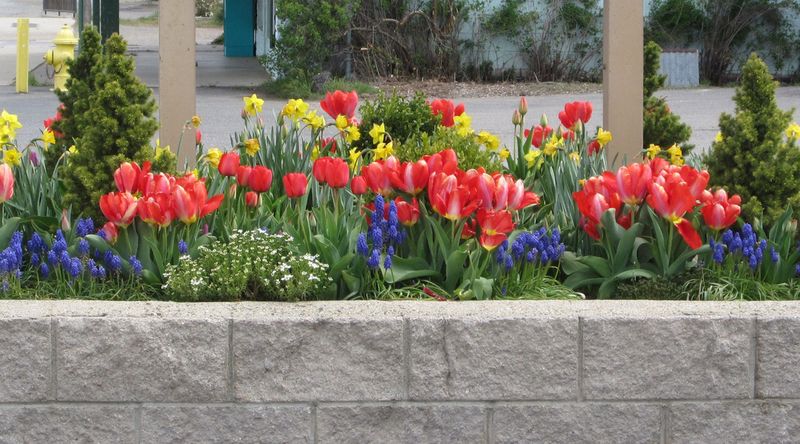
Relying on just one type of plant limits your border’s potential. Bulbs like tulips and daffodils are spring’s showstoppers, but they bloom for a relatively short window.
Perennials such as hellebores, primroses, and bleeding hearts offer longer interest and often have attractive foliage that looks good even before and after flowering.
Fillers like pansies, violas, and forget-me-nots can be tucked into gaps between bulbs and perennials. These cheerful annuals or self-seeding biennials add instant color and soften the edges of your design.
They’re especially useful in new borders where perennials are still establishing.
Mixing plant types also spreads out your workload. Bulbs are planted in fall, perennials can go in during spring or fall, and fillers are often added in early spring.
This staggered planting keeps the project manageable and gives you flexibility to adjust as you see how your border develops.
The combination creates depth and complexity that single-plant borders can’t match. Bulbs provide bursts of color, perennials offer structure and reliability, and fillers weave everything together into a tapestry that feels lush, layered, and thoughtfully composed from the very beginning of the season.
5. Let Height And Shape Guide Design
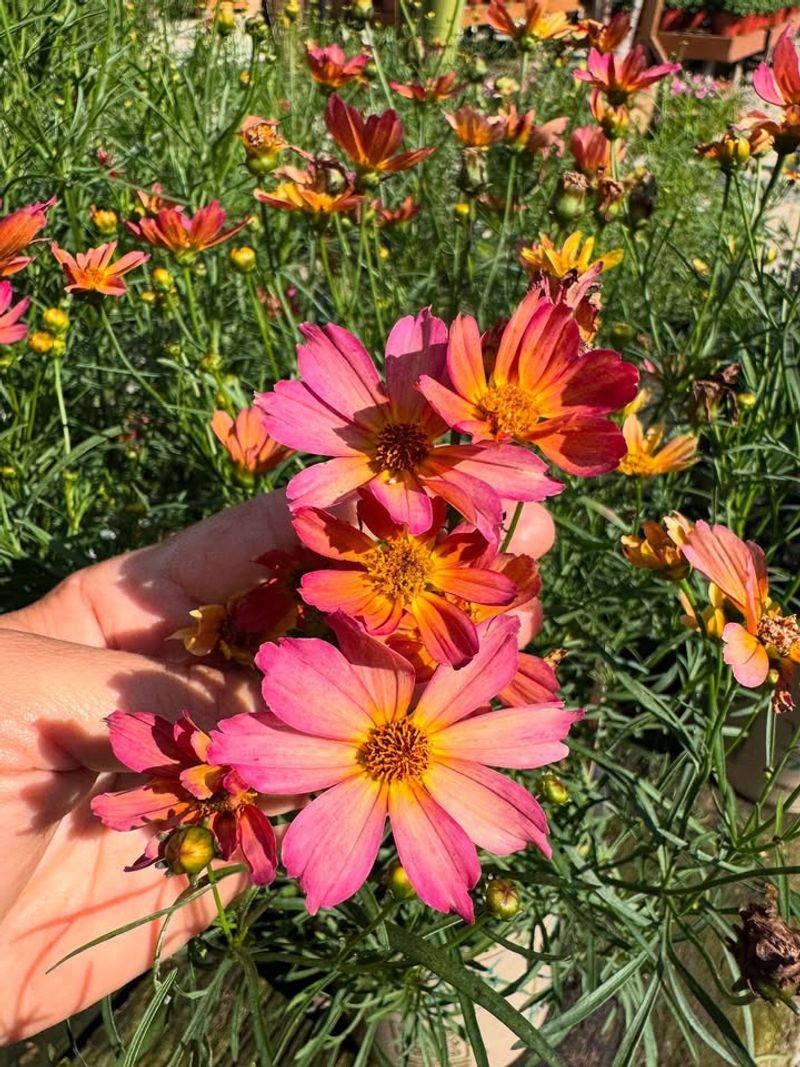
Arranging plants by height creates a sense of order and ensures every bloom gets its moment in the sun. Taller plants like tulips and alliums belong toward the back of the border, where they won’t block shorter companions.
Mid-height plants such as daffodils and hyacinths fit nicely in the middle, creating a transition zone.
Low growers like crocuses, grape hyacinths, and primroses shine along the front edge where they’re easy to see and appreciate. These small treasures often bloom earliest, so placing them up front lets you enjoy them without bending down or peering through taller plants.
Shape matters too. Spiky flowers like grape hyacinths or alliums add vertical interest, while rounded blooms like tulips and peonies provide softness.
Mixing shapes keeps the eye moving and prevents the border from feeling flat or monotonous.
Don’t be too rigid with this guideline. A few tall plants pulled forward or short ones tucked farther back can create delightful surprises and a more natural, less regimented feel.
The goal is balance, not perfection, so your border looks intentional but still relaxed and organic, like something that grew naturally over time rather than being forced into place.
6. Plant In Drifts For Natural Beauty
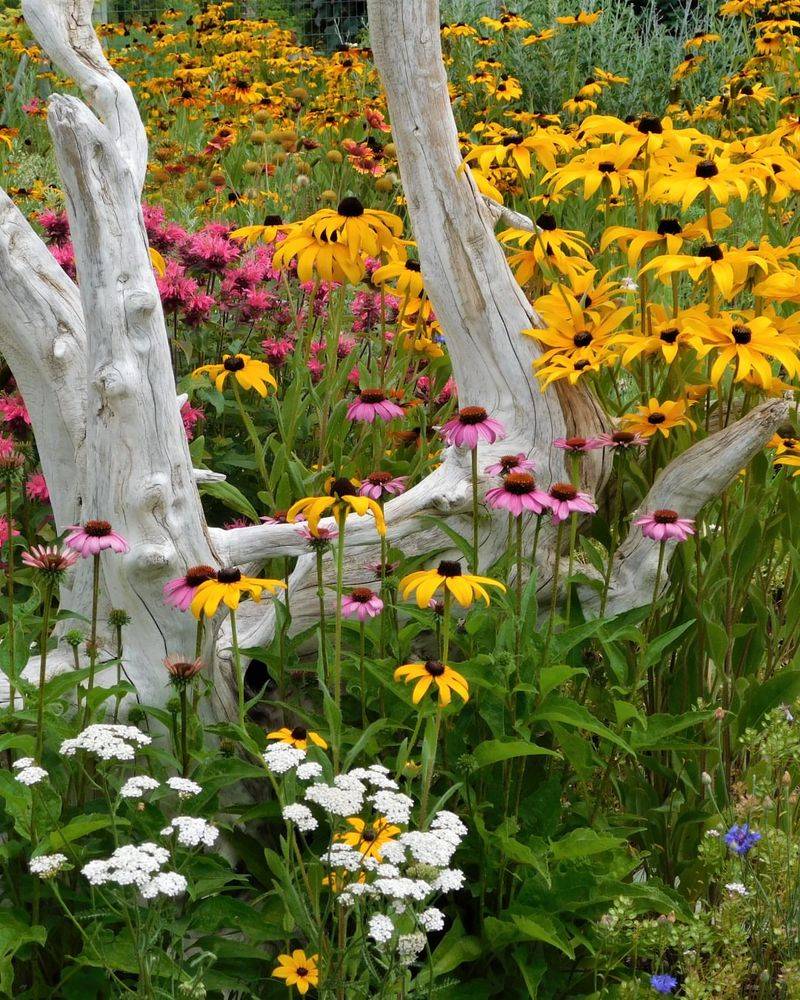
Nature doesn’t plant in straight rows, and your border shouldn’t either. Drifts are irregular, flowing groups of the same plant that mimic how flowers grow in the wild.
Planting five or seven daffodils together in a loose cluster looks far more natural and impactful than spacing them evenly across the bed.
Odd numbers work better than even ones because they avoid the symmetry that feels formal and stiff. A drift of nine tulips or eleven crocuses creates a soft, organic shape that draws the eye without feeling forced.
Let the drifts overlap slightly at the edges, blending one group into the next for a seamless transition.
This approach also makes maintenance easier. Drifts are simpler to mulch around, water, and divide when the time comes.
They create bold pockets of color that read beautifully from a distance, while still offering intricate detail up close.
Ohio gardeners often have irregularly shaped beds or borders that curve along walkways or follow the contours of the yard. Drifts adapt beautifully to these spaces, filling them with natural-looking waves of bloom that feel like they belong.
The result is a border that looks effortless, even though it was carefully planned to feel that way.
7. Add Fragrance And Pollinator Favorites
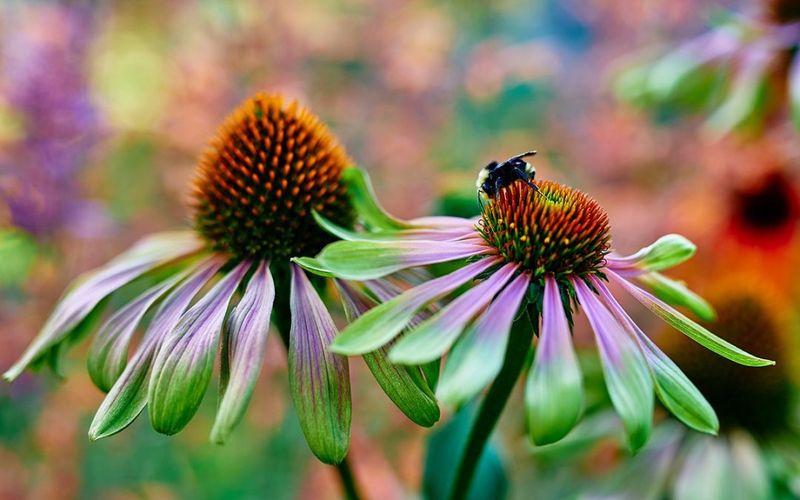
Fragrance adds an invisible layer of beauty that makes your border unforgettable. Hyacinths are powerhouses of scent, their sweet perfume drifting across the yard on warm afternoons.
Plant them near pathways or seating areas where you’ll brush past and release their fragrance with every step.
A few tulip varieties have light fragrance, though most are grown mainly for color. Daffodils offer a light, fresh aroma, and sweet violets can be tucked along the border’s edge.
Even a few fragrant plants can transform the sensory experience of your garden, making it a place you want to linger and breathe deeply.
Pollinators are just waking up in Ohio’s spring, and they need early food sources to thrive. Crocuses and grape hyacinths are among the earliest important nectar sources for emerging bees in spring.
Including these plants supports local ecosystems and brings movement and life to your border as insects buzz from bloom to bloom.
Watching pollinators work your flowers is deeply satisfying and reminds you that your garden is part of a larger web of life. Fragrance and pollinator appeal don’t require extra effort, just thoughtful plant choices that benefit both you and the creatures sharing your outdoor space.
It’s a simple way to make your border more meaningful and connected.
8. Use Foliage When Flowers Pause
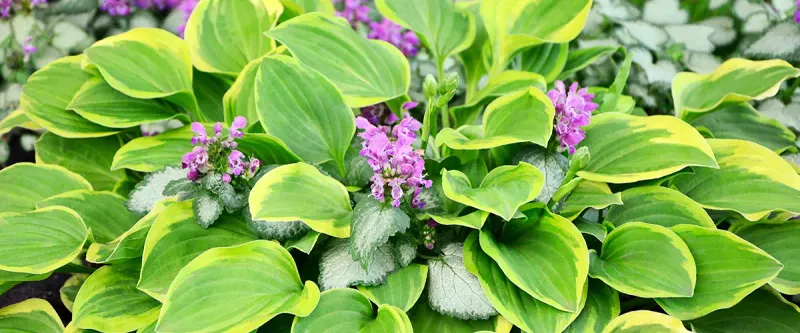
Flowers steal the show, but foliage is the quiet workhorse that keeps your border looking good between bloom cycles. Perennials like ferns and heucheras emerge early, while hostas typically appear slightly later as spring progresses.
Their leaves provide a lush green backdrop that makes later bloomers stand out even more.
Some spring bloomers, like daffodils, have foliage that must remain in place for weeks after flowering to feed the bulb for next year. Planting leafy perennials nearby helps disguise this yellowing foliage, keeping your border tidy without cutting back too soon and weakening the bulbs.
Foliage also adds texture and variety. Broad hosta leaves contrast beautifully with the fine, feathery fronds of ferns or the bold, strappy leaves of daylilies starting to grow.
This interplay of shapes and shades of green keeps the border visually interesting even when fewer flowers are open.
In Ohio, late spring can bring a lull before summer perennials take over. Strong foliage plants bridge that gap, ensuring your border never looks sparse or neglected.
Think of foliage as the supporting cast that allows the floral stars to shine brighter and gives your design continuity and polish throughout the entire growing season.
9. Plan Now For Beauty Every Year
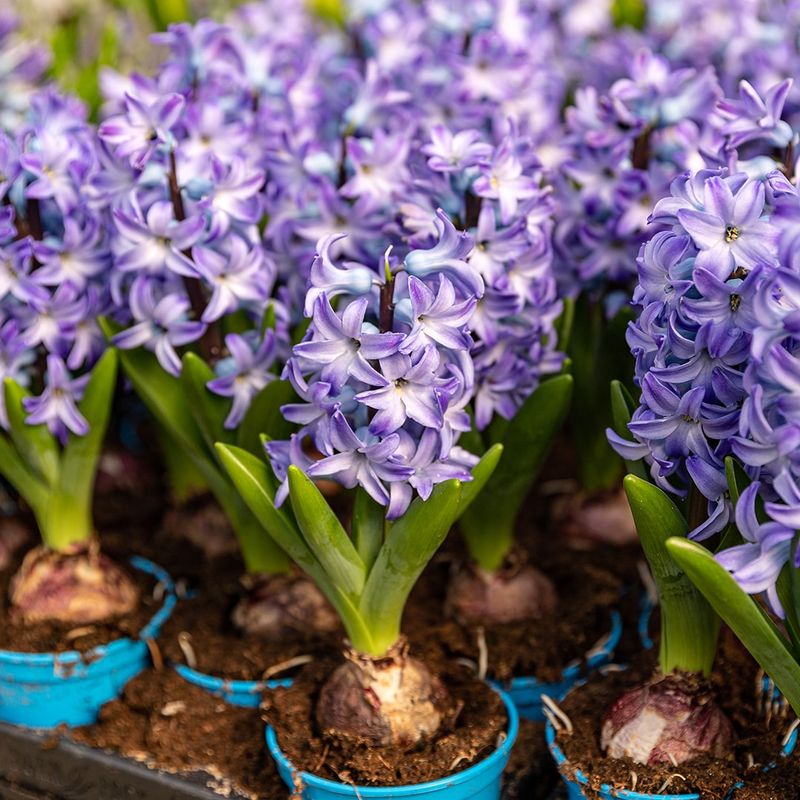
Spring borders require advance planning because most bulbs must be planted in fall, six months before they bloom. Ordering bulbs in late summer and getting them in the ground by October or early November ensures they’ll have time to root before winter.
This forward thinking is what separates a one-time display from a border that improves year after year.
Perennials and fillers can be added in spring, but fall planting gives them a head start. Young plants establish stronger root systems when planted in cooler weather, leading to better performance the following spring.
Mark your calendar with planting windows so you don’t miss the optimal times.
Take notes each spring about what worked and what didn’t. Did a certain color combination thrill you?
Did a plant bloom earlier or later than expected? These observations are gold when planning next year’s additions or adjustments.
Gardens are never truly finished. They evolve with each season.
Investing time now pays dividends for years. Many spring bulbs naturalize and multiply, creating larger, more impressive displays over time.
Perennials mature and fill out, reducing the need for fillers. Your border becomes easier to maintain and more beautiful with each passing spring, rewarding your initial effort with lasting joy and seasonal renewal.