15 Slow Growing Plants Perfect For Low Maintenance Oregon Gardens
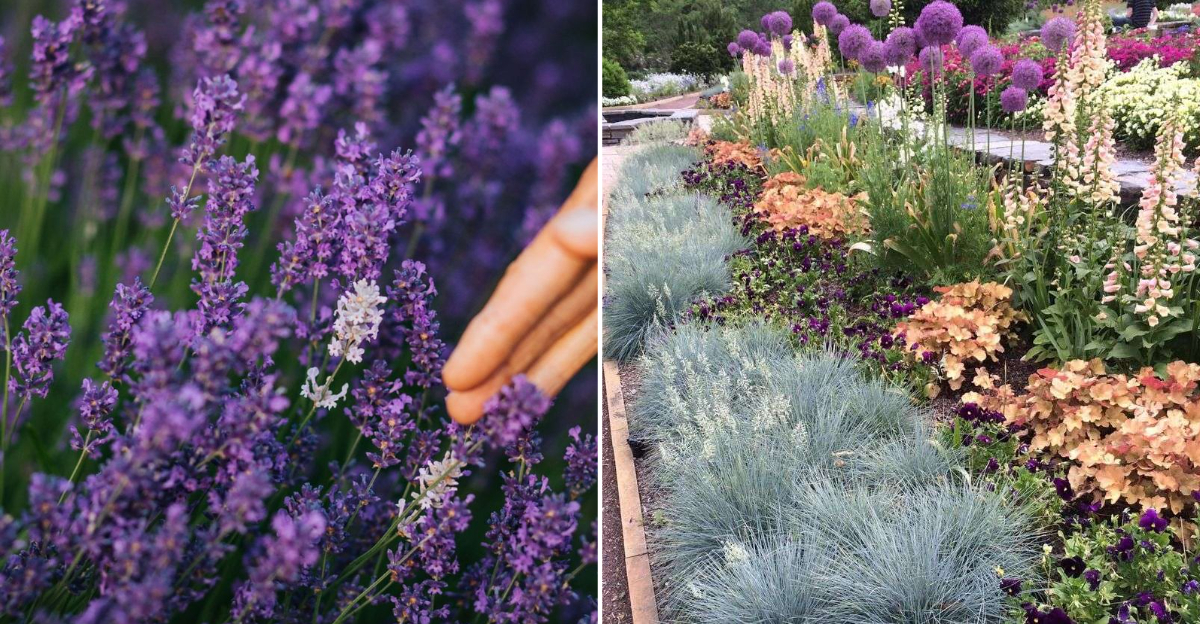
Gardening in Oregon can sometimes feel like a race against rain, weeds, and fast growth, but not every plant grows quickly.
Some develop slowly, which can be welcome news for gardeners seeking a calmer, lower-effort yard.
Slow growers often stay tidy, require less frequent pruning, and allow you to enjoy your space with less ongoing work. Picture neat forms, rich greens, and seasonal color that do not demand constant attention.
These steady performers are generally well suited to Oregon’s climate, handling cool, wet seasons and mild summers with the right placement and care.
They can be a good fit for busy homeowners, weekend gardeners, or anyone who prefers spending more time enjoying the garden than maintaining it.
Discover a selection of attractive, slow-growing plants that help keep your landscape looking polished with relatively little effort while adding lasting interest throughout the year.
1. Japanese Maple (Acer palmatum)
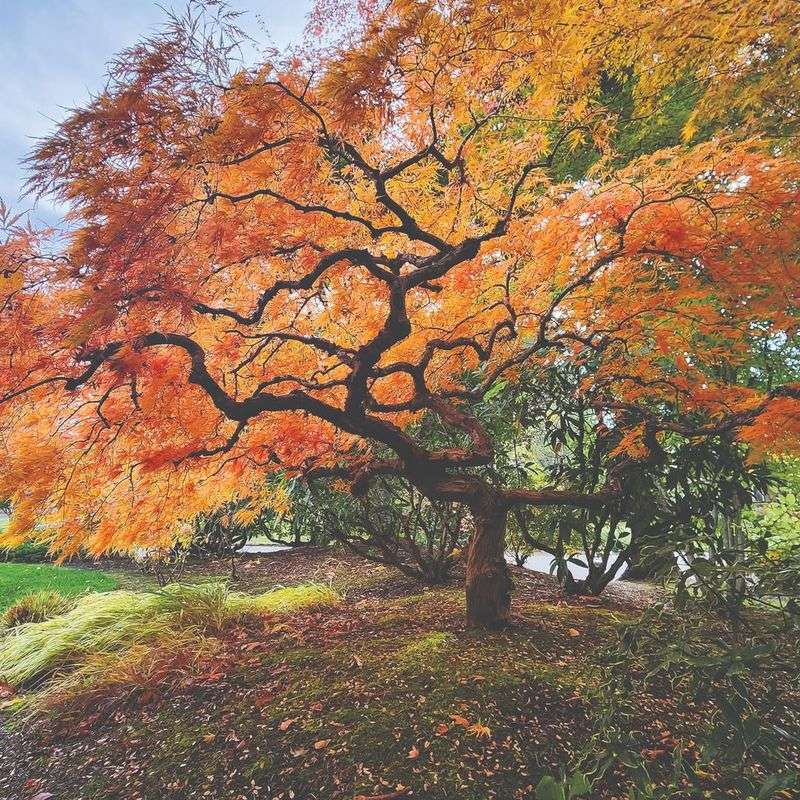
When you want elegance without the need for frequent trimming, Japanese maples are a popular choice. Their naturally graceful form develops gradually over time, so regular height control is rarely necessary.
In Oregon’s climate, they generally prefer filtered light and evenly moist, well-drained soil, conditions often supported by the region’s rainfall.
Some gardeners believe Japanese maples need full sun, but excessive direct exposure can scorch the leaves, particularly in hotter inland areas.
Many varieties perform best with morning sun and afternoon shade, which helps protect foliage and encourages strong seasonal color.
Avoid heavy pruning or forcing a rigid shape. Japanese maples typically form attractive branching patterns with minimal intervention.
Remove dead or damaged wood in late winter and allow the tree to develop at its natural pace, which is usually moderate to slow in Oregon’s climate.
2. Dwarf Shore Pine (Pinus contorta ‘Chief Joseph’ or similar dwarfs)
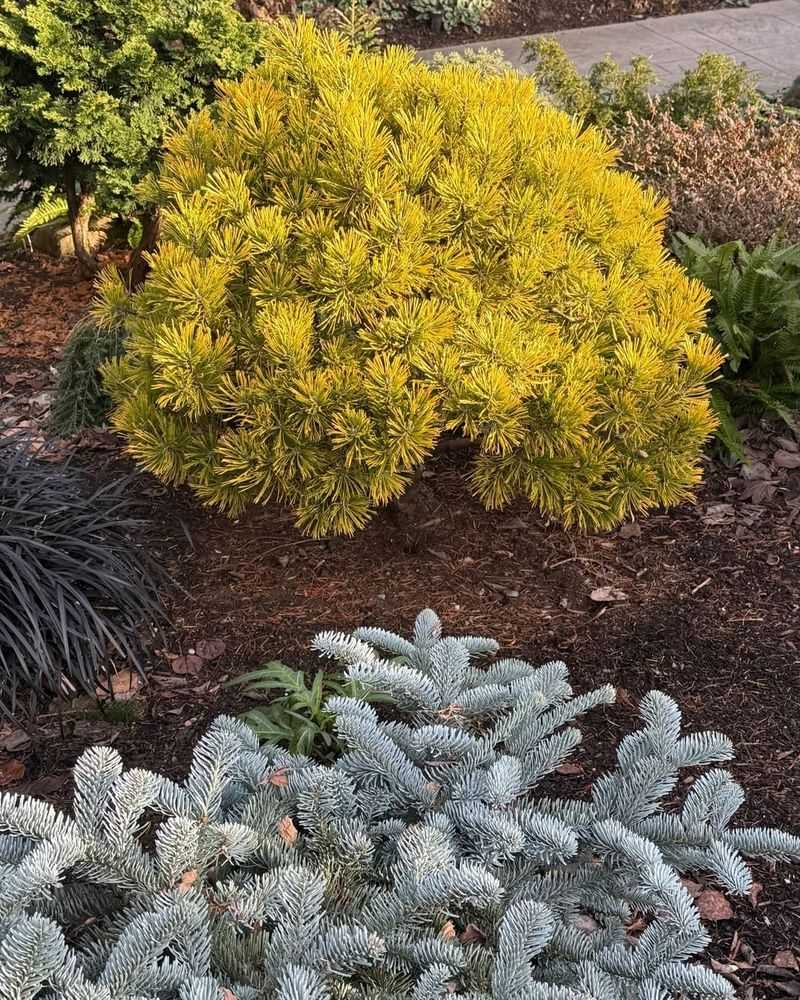
Coastal gardeners know shore pines are well adapted to wind and salt spray, and dwarf selections bring that durability into smaller spaces without dominating the landscape.
These compact evergreens grow slowly, often adding only a few inches each year while maintaining a naturally rounded or irregular form with little need for shaping.
Their steady growth makes them useful in low-maintenance plantings.
Inland gardeners sometimes overlook shore pines, assuming they are limited to coastal conditions, yet many dwarf forms can adapt to parts of the Willamette Valley and southern Oregon when properly sited.
They generally tolerate summer heat better than some evergreens and can handle wet winters if drainage is adequate.
Once established, they are fairly tolerant of lean soil and periods of drought.
Plant in full sun with well-drained soil and provide occasional care during establishment. Fertilizer is rarely necessary, and mature plants usually need only limited supplemental watering during extended dry periods.
With their slow growth and durable nature, dwarf shore pines can offer long-term structure with relatively little maintenance.
3. Boxwood (Buxus sempervirens)
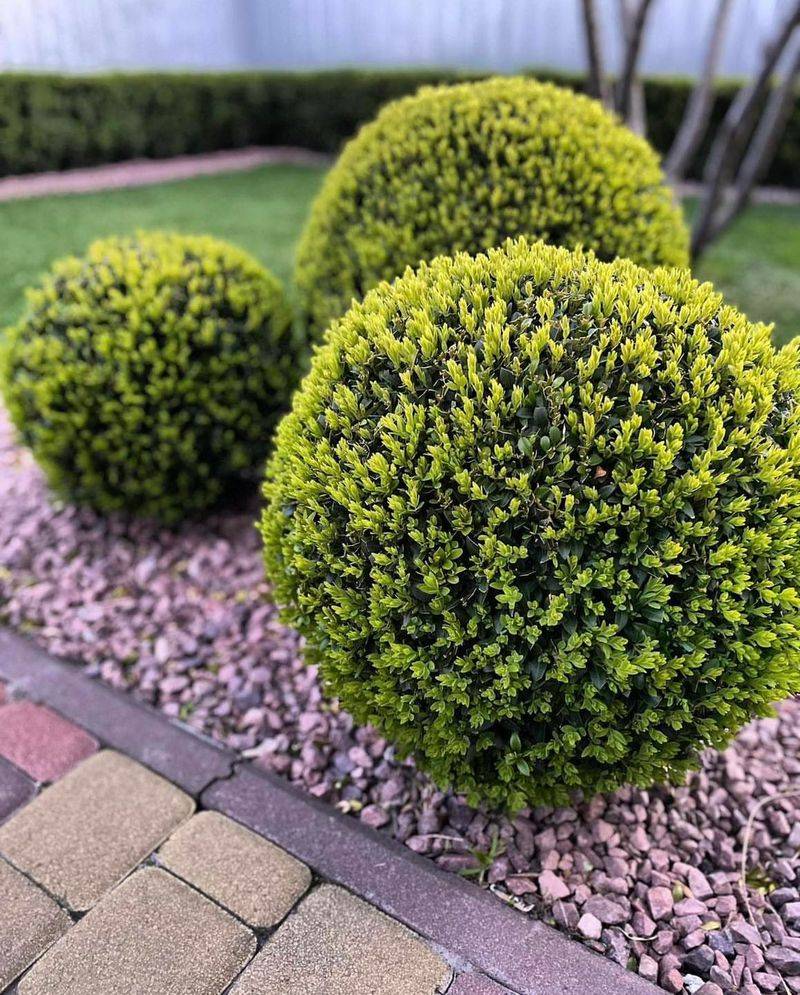
If you need evergreen structure that remains consistent over time, boxwood is a reliable option.
Its naturally dense growth habit often requires less frequent pruning than many faster-growing shrubs, and it generally maintains its form through Oregon’s wet winters and mild summers.
Your Oregon Garden Changes Every Week. Your Plan Should Too.
Gardening in Oregon changes quickly throughout the season. Every Friday you’ll receive a simple weekly plan showing exactly what to plant, prune, fertilize, harvest, and protect so you never miss the right timing.
Once established, boxwood typically needs only occasional light maintenance.
Some gardeners run into problems by planting boxwood in deep shade or poorly drained soil. While these shrubs tolerate partial shade, they usually perform best with morning sun and some afternoon protection, particularly in warmer inland areas.
Good drainage is important, as prolonged waterlogging during wet winters can lead to root problems.
Prune lightly in late spring if shaping is needed, and avoid excessive shearing. Because boxwood grows slowly, frequent trimming is usually unnecessary, and heavy pruning may create thin areas that take time to fill.
Apply mulch to help conserve soil moisture during dry periods, and monitor for common issues such as boxwood blight, especially in humid conditions. With proper placement and care, boxwood can provide steady evergreen structure with relatively modest upkeep.
4. Dwarf Hinoki Cypress (Chamaecyparis obtusa ‘Nana Gracilis’)
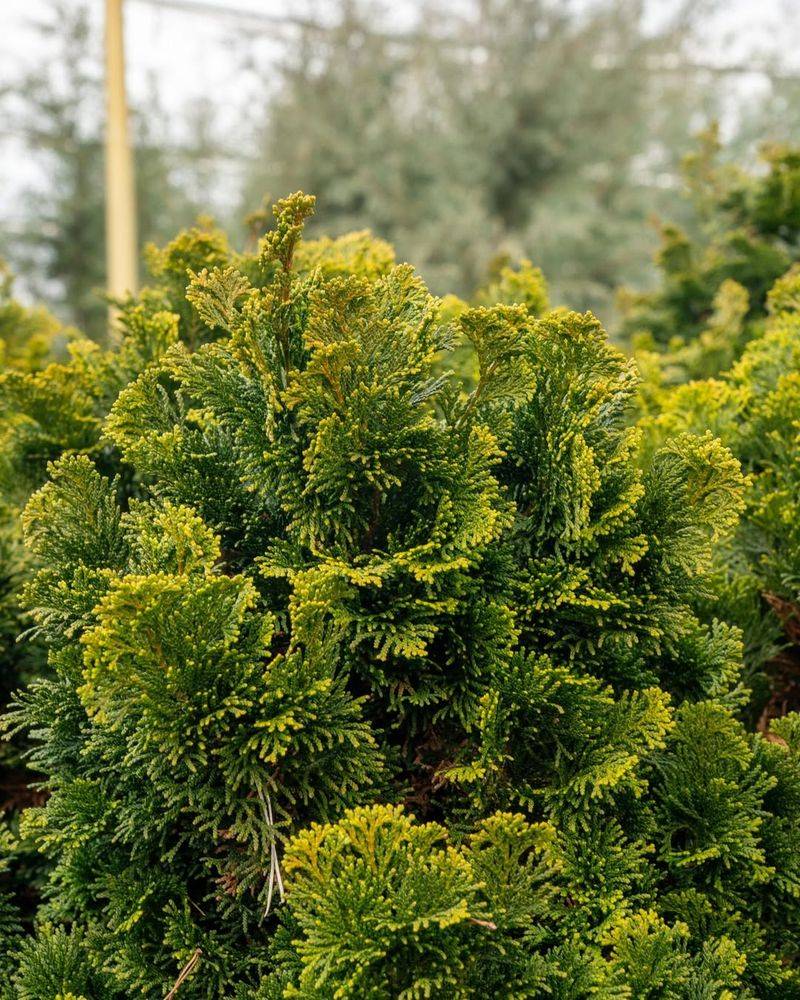
Looking for an evergreen that stays small without constant pruning? Dwarf hinoki cypress grows very slowly, often adding only a few inches each year while developing a layered, sculptural form over time.
This makes it well suited to foundation plantings, rock gardens, or spaces where long-term structure is desired without frequent size control.
Oregon’s climate can suit hinoki cypress, though placement is important. These plants prefer evenly moist, well-drained soil and some protection from intense afternoon sun, particularly in warmer inland locations.
Coastal gardeners may find conditions closer to the plant’s natural preference, but good drainage remains essential, especially in heavier soils.
Once established, hinoki cypress requires modest care. Provide water during extended dry periods, but natural winter rainfall is often sufficient in many locations.
Fertilizer is usually unnecessary, as slow-growing conifers prefer lean soil and may be harmed by excessive feeding. With proper siting, its fine-textured foliage and naturally layered form can provide lasting structure with minimal maintenance over time.
5. Oregon Grape (Mahonia aquifolium)
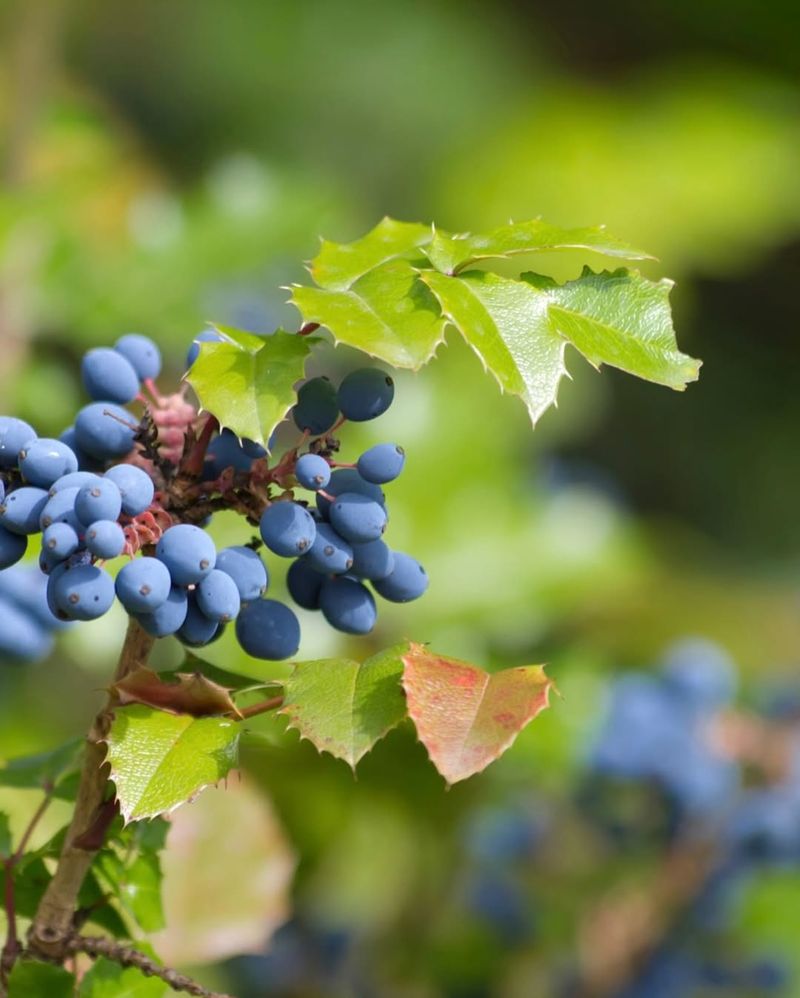
Native plants are often reliable low-maintenance choices, and Oregon grape is a good example. This evergreen shrub grows at a moderate pace, tolerates considerable shade, and is well adapted to the region’s wet winters.
Its glossy, holly-like leaves provide year-round structure, while bright yellow spring flowers attract pollinators and are followed by blue berries later in the season.
Although native, placement and early care still matter. Oregon grape can tolerate dry shade once established, though it often looks best with occasional summer water during extended drought.
It spreads gradually by underground rhizomes, so allow space or plant it where its natural spread is beneficial, such as under trees or on slopes.
Pruning is occasional rather than routine. If plants become sparse or leggy, older stems can be cut back in late winter to encourage new growth.
Otherwise, minimal intervention is needed. Fertilizer and pest control are rarely required, and established plants usually need little supplemental water.
With proper placement, Oregon grape provides durable, native structure and seasonal interest with relatively little ongoing care.
6. Kinnikinnick (Arctostaphylos uva-ursi)
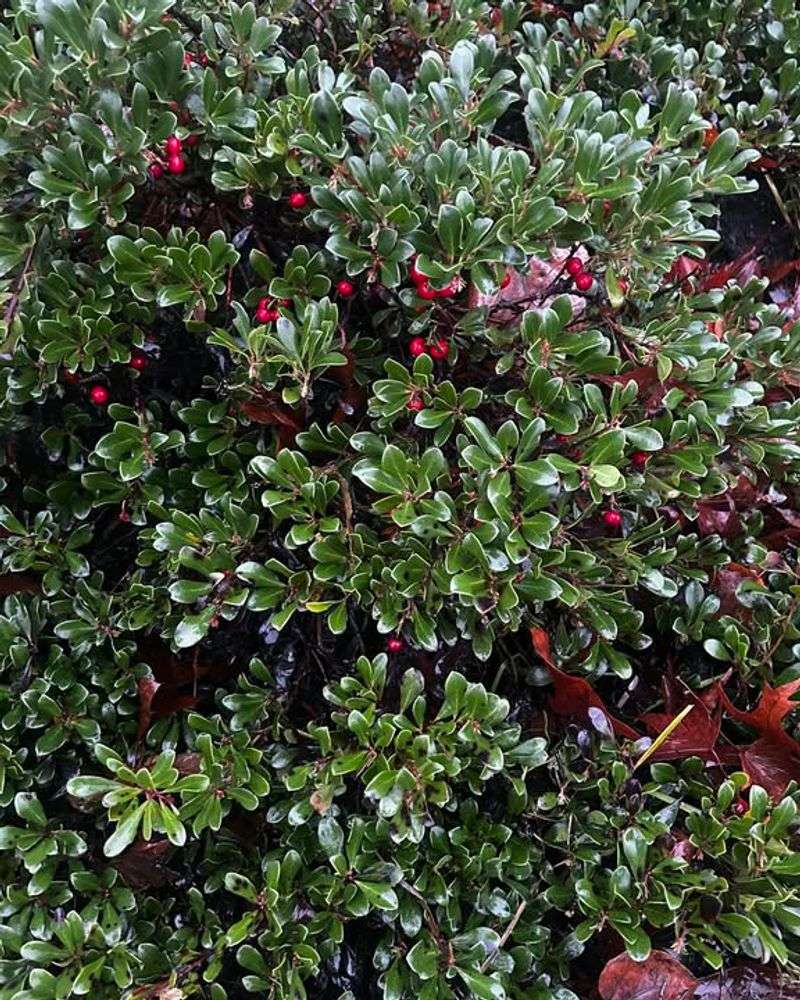
Slopes and dry shade challenge many groundcovers, but kinnikinnick can handle both under suitable conditions. This native evergreen spreads gradually into a dense mat that helps stabilize soil and suppress weeds once established.
Its small, glossy leaves remain green year-round, and pale pink spring flowers are often followed by red berries that attract birds.
A common mistake is planting kinnikinnick in heavy, wet soil. Although well adapted to the Pacific Northwest, it prefers well-drained conditions and may struggle in clay that remains waterlogged through winter.
Both coastal and inland gardeners can grow it successfully when drainage is good. Improve heavy soil with coarse organic matter and plant on slopes or slightly raised areas where water drains more freely.
Once established, kinnikinnick requires relatively little care. It is drought-tolerant and adapted to lean soils, though occasional watering during prolonged dry periods can help young plants.
Avoid excessive fertilizing or watering, which may cause weak growth. Given time, it spreads slowly to fill open areas, forming a durable, attractive groundcover that typically needs only minimal maintenance after establishment.
7. Dwarf Mugo Pine (Pinus mugo ‘Mops’)
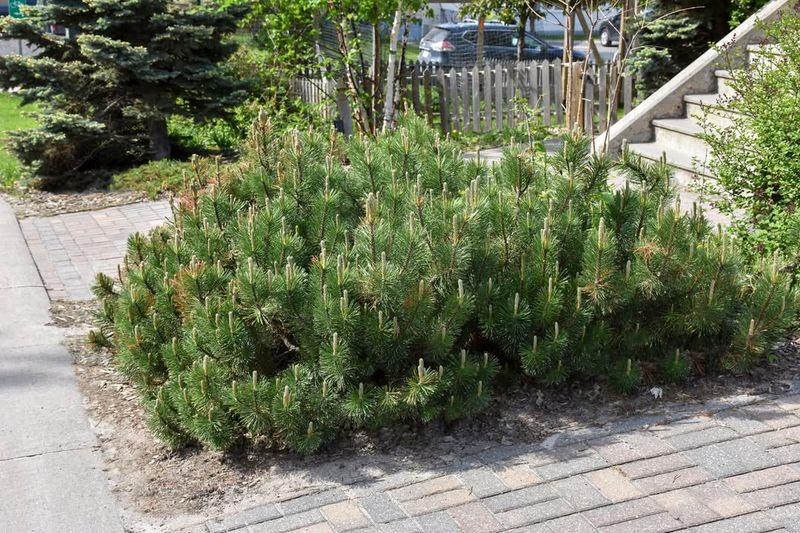
Evergreen structure doesn’t have to mean constant pruning or size control. Dwarf mugo pines such as ‘Mops’ grow slowly into compact mounds, often remaining under about three feet tall and wide for many years.
Their dense, dark green needles provide year-round interest, and their naturally rounded form usually needs little shaping to maintain an attractive appearance.
Some Oregon gardeners worry that pines won’t perform well in a wet climate, yet dwarf mugos can adapt when drainage is adequate. They tolerate rainy winters if soil does not stay waterlogged, and they generally handle summer heat well.
Plant in full sun with good air circulation, where they typically require only modest care.
Avoid overfertilizing or excessive watering. Mugo pines are naturally slow-growing, and too much moisture or nutrients may encourage weak growth or health problems.
Once established, they are fairly drought-tolerant and prefer lean, well-drained soil. Apply mulch around the base and allow the plant to grow at its natural pace, providing steady evergreen structure with relatively low maintenance compared to many faster-growing conifers.
8. Hellebore (Helleborus orientalis)
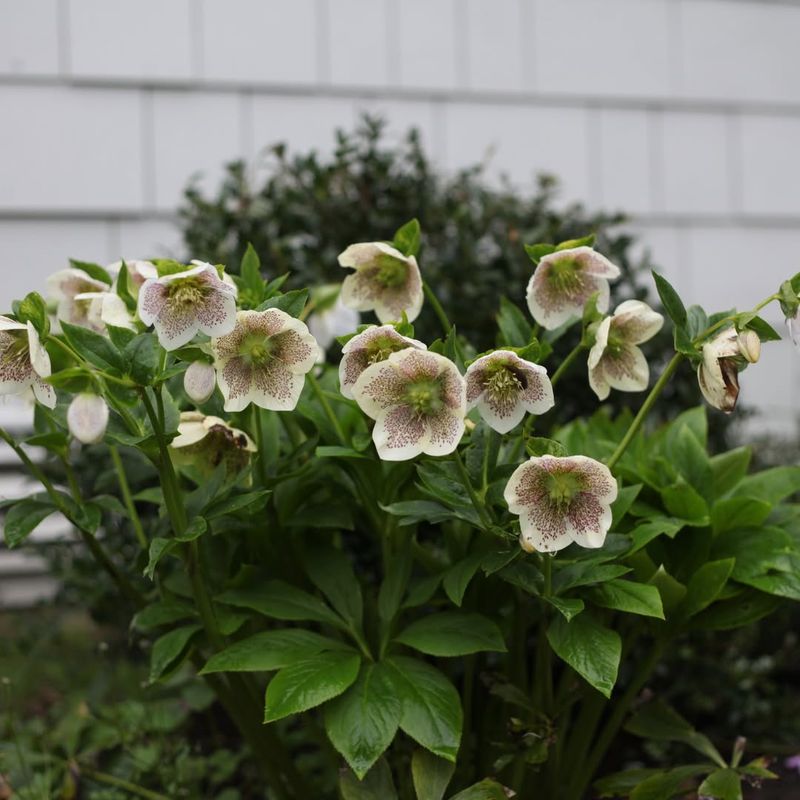
Early spring color can be difficult to find in shady Oregon gardens, but hellebores often bloom when little else does.
These evergreen to semi-evergreen perennials grow at a moderate pace, forming neat clumps of leathery leaves that remain attractive through much of the year.
Their nodding flowers appear in late winter or early spring, sometimes emerging despite cold and wet conditions, and they can continue for several weeks without deadheading.
Many gardeners believe hellebores require rich, heavily amended soil, yet they can adapt to average soil and dry shade once established.
Plant them under trees or on the north side of a structure where other perennials may struggle, and they typically provide consistent blooms and foliage over time.
Maintenance is modest. Remove worn or damaged old leaves in late winter before new growth appears, but otherwise little intervention is needed.
Hellebores rarely require division and generally need only light feeding, if any. Once established, they tolerate periods of dryness, though occasional watering during prolonged drought can be beneficial.
Some varieties may self-seed slowly, forming small colonies without usually becoming invasive. For shade gardens in Oregon, hellebores offer a dependable blend of beauty, resilience, and steady growth with relatively low maintenance.
9. Coral Bells (Heuchera spp.)
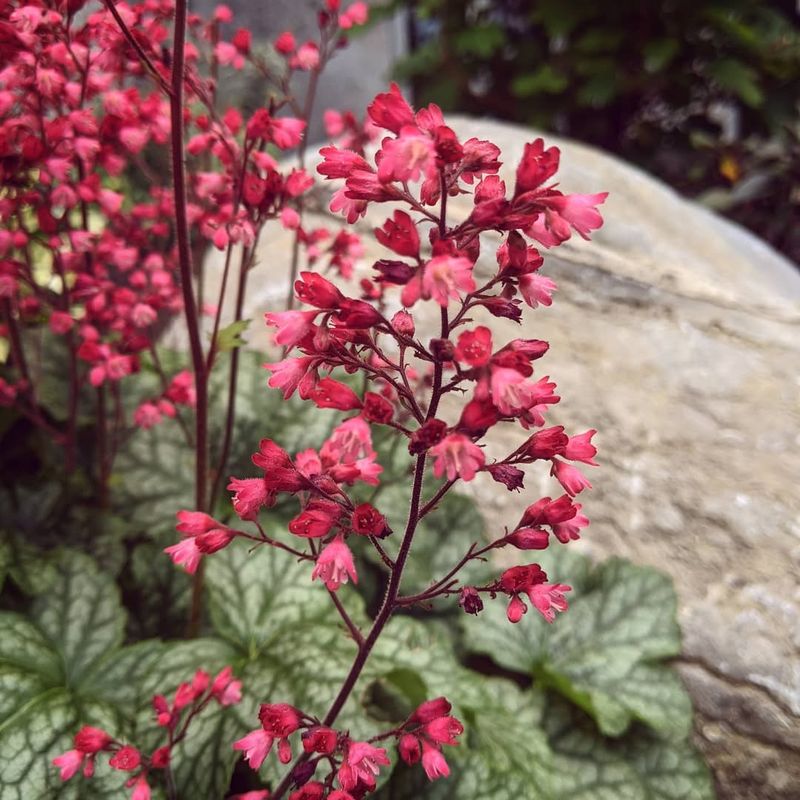
Colorful foliage that lasts all season without replanting? Coral bells can provide long-lasting leaf color.
These compact perennials grow at a moderate pace, forming tidy mounds of leaves in shades ranging from deep purple to bright lime green.
Their airy flower spikes appear in late spring, but the foliage is often the main feature, typically holding its color from spring into fall without regular deadheading or cutting back.
Oregon’s climate generally suits coral bells, though placement influences performance. They tolerate shade better than many colorful perennials, making them useful for brightening dim areas.
However, excessive shade may reduce leaf intensity, particularly in darker varieties. Morning sun with afternoon shade, or filtered light under trees, often produces the best results.
Coastal gardeners may be able to grow them in slightly more sun, while inland gardeners sometimes need to protect plants from strong afternoon heat.
Water during extended dry periods, but avoid excessive moisture. Coral bells can handle wet winters if drainage is adequate, though they may struggle in persistently waterlogged soil.
Apply a light mulch to help retain moisture and limit weeds. Every few years, divide clumps if they become woody or thin in the center, but otherwise these perennials usually require only modest care beyond occasional removal of damaged leaves.
10. Dwarf Rhododendron (Rhododendron yakushimanum hybrids)
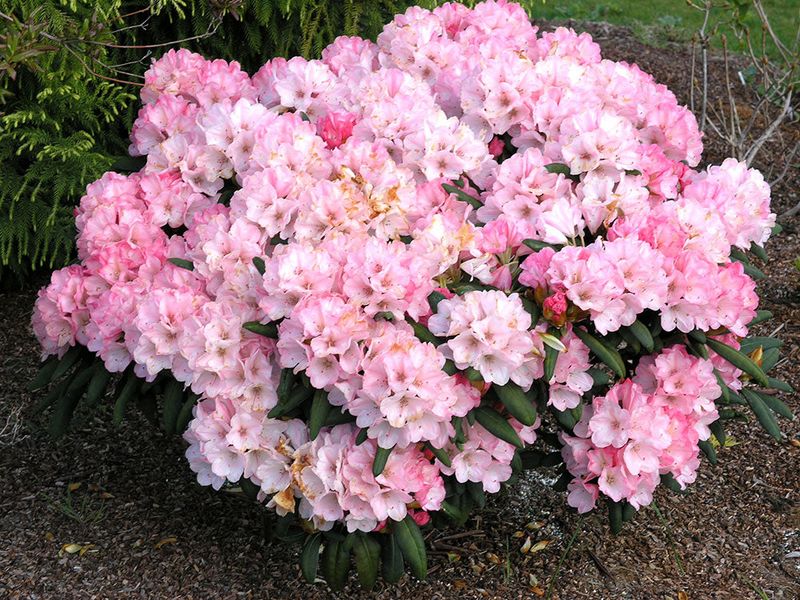
Rhododendrons define many Pacific Northwest gardens, but full-sized varieties can eventually outgrow their space and require regular pruning.
Dwarf yakushimanum hybrids help address that issue by staying relatively compact, often reaching about two to three feet tall over time.
Their dense, evergreen foliage provides year-round structure, and their showy spring flowers can rival those of larger varieties.
A common misconception is that all rhododendrons need deep shade. Many dwarf forms prefer more light than larger types, often performing best with morning sun and afternoon protection.
Too much shade can lead to fewer blooms and looser growth. Plant them where they receive several hours of filtered or gentle direct light daily for best flowering and compact habit.
After planting, dwarf rhododendrons require modest care, including occasional watering during extended dry periods.
Mulch with compost or bark to help keep roots cool and evenly moist, and avoid heavy fertilization, as slow-growing varieties typically need only light feeding.
Prune mainly to remove dead wood or spent flowers rather than to control size. With proper placement and care, these plants usually remain well-proportioned and provide long-lasting beauty with relatively little maintenance.
11. Lavender (Lavandula angustifolia, compact varieties)
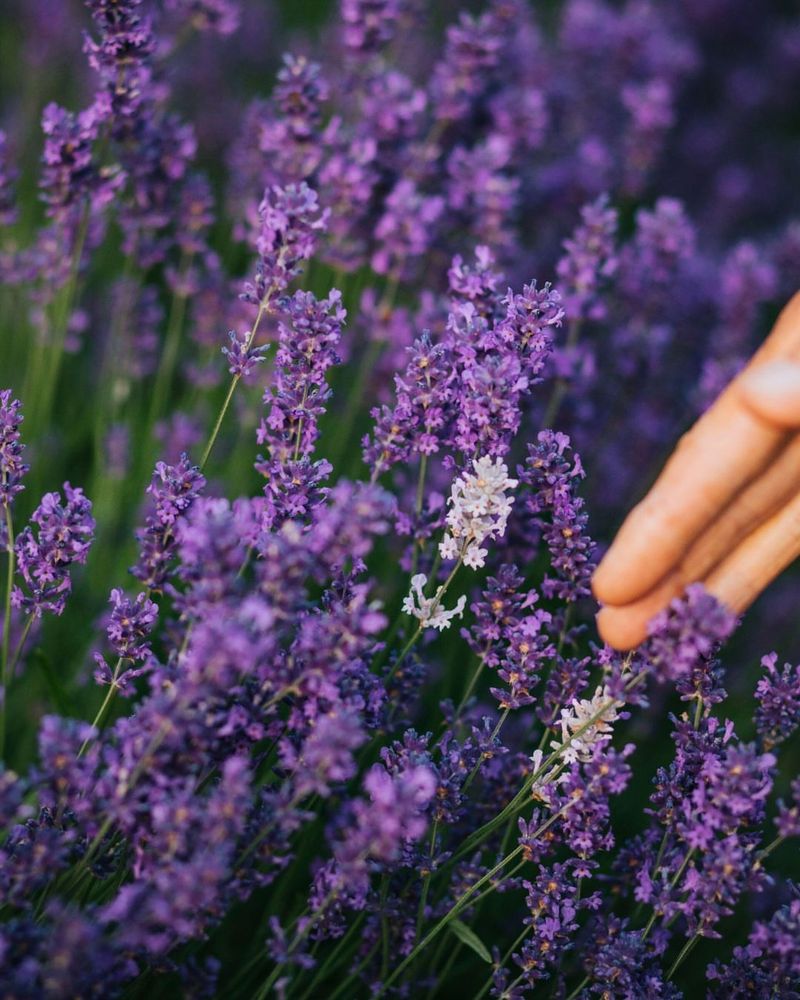
Sunny, well-drained spots can be challenging in Oregon’s wet climate, but many compact lavender varieties perform well in those conditions.
These slow-growing perennials form neat mounds of silvery foliage that remain attractive even when not blooming, and their fragrant purple flowers draw pollinators through much of the summer.
Once established, they are quite drought-tolerant and prefer relatively dry conditions.
A common mistake in Oregon is overwatering or planting lavender in heavy soil. Rainy winters can damage roots if drainage is poor, so improve clay soil with coarse material and consider planting on slopes or in raised beds.
Coastal gardeners often have better success with English lavender types, which tend to handle cooler, more humid conditions better than Spanish or French forms.
Prune lightly after blooming to maintain shape, but avoid cutting into old wood. Lavender grows slowly and may not recover well from severe pruning.
Water sparingly during summer, as excess moisture can cause problems. Fertilizer is usually unnecessary; lavender prefers lean soil and may become floppy in overly rich conditions.
For color and fragrance in sunny, well-drained spots, lavender offers a dependable combination of beauty and resilience with modest care.
12. Blue Fescue (Festuca glauca)
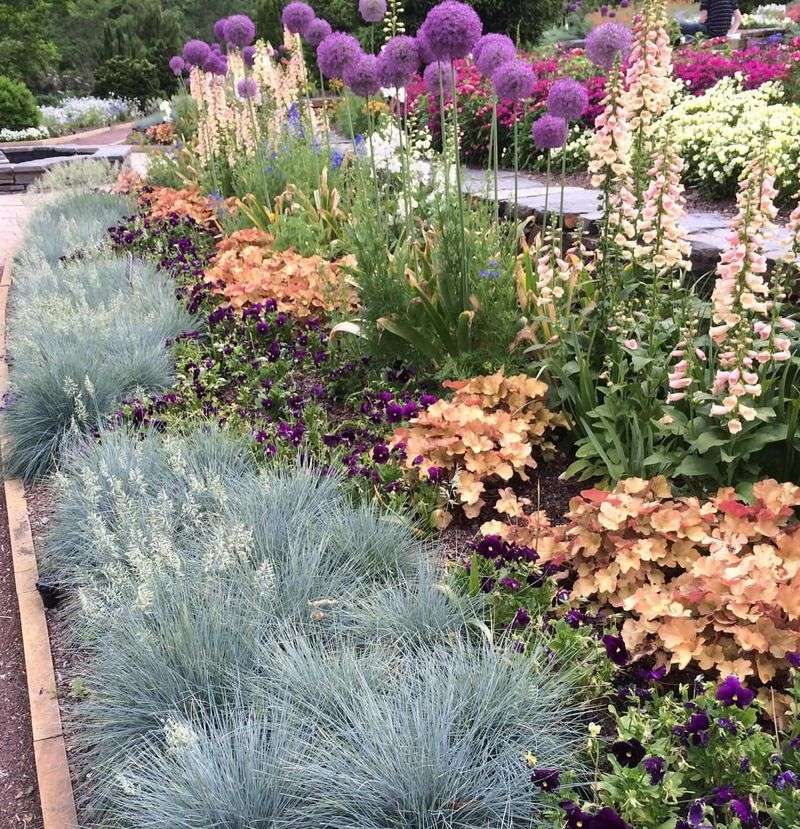
Ornamental grasses bring texture and movement to gardens, though some species can spread aggressively or need periodic division. Blue fescue stays compact and grows slowly, forming tidy clumps of silvery-blue foliage that often retain their color through much of the year.
Its fine texture contrasts nicely with broader-leaved plants, and it requires relatively little maintenance once established.
Oregon’s wet winters can challenge blue fescue if drainage is poor. This grass is adapted to dry, rocky conditions and may struggle in heavy, waterlogged soil.
Plant it in full sun with excellent drainage, amending clay soil if needed.
Coastal gardeners should provide good air circulation to help reduce potential fungal issues in humid conditions, while inland gardeners often find that warmer, drier summers suit this grass well.
Maintenance is simple. Comb out damaged foliage in early spring with your fingers or a rake, and divide clumps only if they become sparse or decline over time.
Blue fescue generally does not require fertilizer or frequent watering once established. It tolerates drought and lean soil, making it well suited to low-maintenance gardens.
With proper placement and drainage, its silvery-blue color and fine texture can persist for years with minimal effort.
13. Sedum / Stonecrop (Sedum spurium or hardy types)
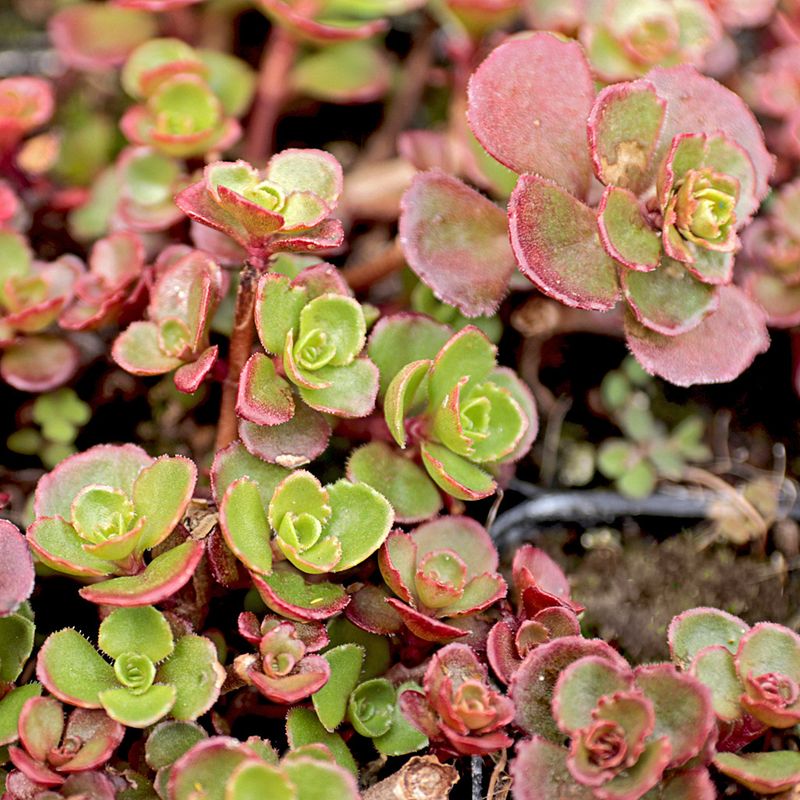
Groundcovers that tolerate neglect are not common, but many hardy sedums perform well with minimal care. These low-growing succulents spread slowly, forming dense mats that help suppress weeds and stabilize soil.
Their fleshy leaves store water, making them very drought-tolerant once established, and their late-summer flowers attract butterflies and bees when many other plants have finished blooming.
Many Oregon gardeners assume sedums only work in hot, dry climates, but hardy varieties can adapt to wet winters when drainage is adequate. Plant them in full sun with lean, well-drained soil, where they typically require very little care.
Avoid rich, amended soil or excessive watering, which may cause floppy growth or rot.
After planting, sedums need relatively little attention. They tolerate poor soil, drought, and some neglect better than many groundcovers, and they spread gradually without usually becoming invasive.
Cut back stems in early spring if they appear worn, but otherwise minimal maintenance is required. Fertilizer, division, and regular watering are rarely necessary under suitable conditions, providing dependable, low-maintenance coverage that can look good year after year.
For sunny slopes or dry spots where other groundcovers struggle, hardy sedums can be an effective low-effort solution.
14. Heavenly Bamboo (Nandina domestica, non-invasive varieties)
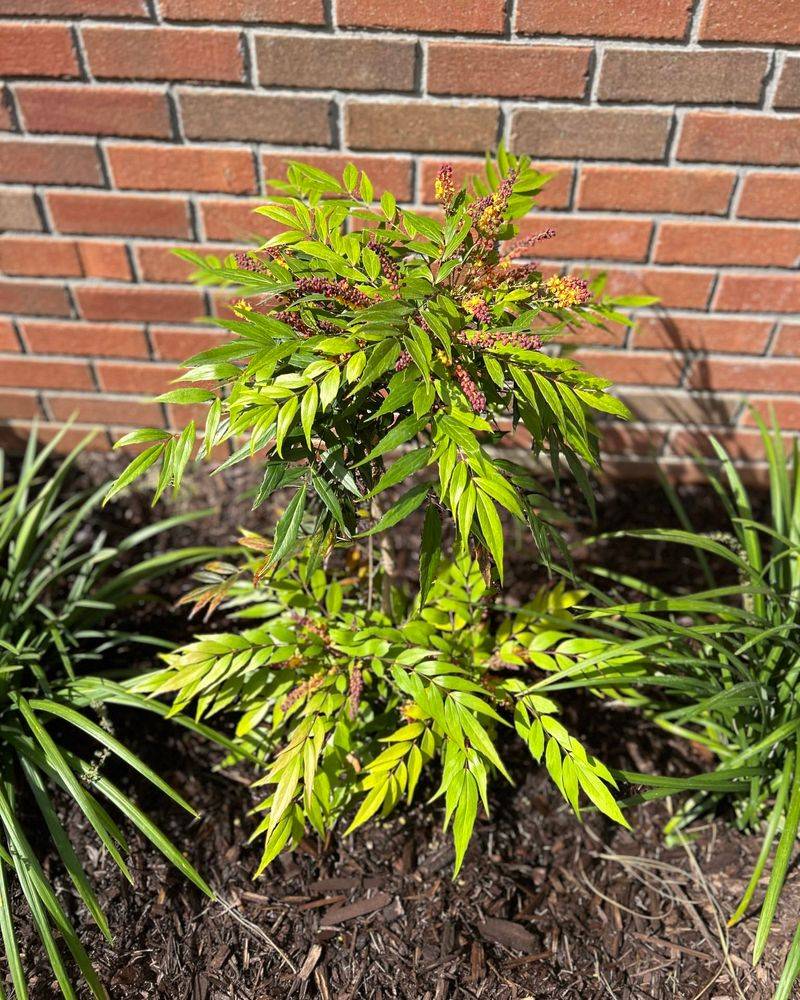
Year-round color and structure without constant pruning? Compact, low-seeding nandina varieties can provide both.
These slow-growing evergreen to semi-evergreen shrubs develop naturally compact forms, often staying under four feet tall without shearing.
Their delicate, compound leaves change color with the seasons, frequently turning red in winter, and their white flower clusters may be followed by bright red berries that can persist into the colder months.
Oregon gardeners are generally advised to choose compact, low- or non-seeding varieties to reduce the invasive risk associated with older nandina types.
Cultivars such as ‘Firepower’ are valued for their compact habit and typically produce little to no viable seed, making them more suitable for Pacific Northwest gardens.
Plant in full sun to part shade, where plants usually adapt well, though good drainage is still important. Established plants can handle seasonal wet and dry periods, but performance is best in balanced conditions.
Maintenance is minimal. Remove damaged leaves in early spring, and avoid heavy pruning or shearing.
Nandina’s slow growth helps it remain within bounds, and its layered, bamboo-like form develops best with limited interference. Water during extended dry spells, especially while establishing, but otherwise natural rainfall is often sufficient.
Fertilizer, pest control, and frequent trimming are rarely needed under normal conditions, providing steady, colorful structure with relatively little effort over time.
15. Creeping Thyme (Thymus serpyllum)
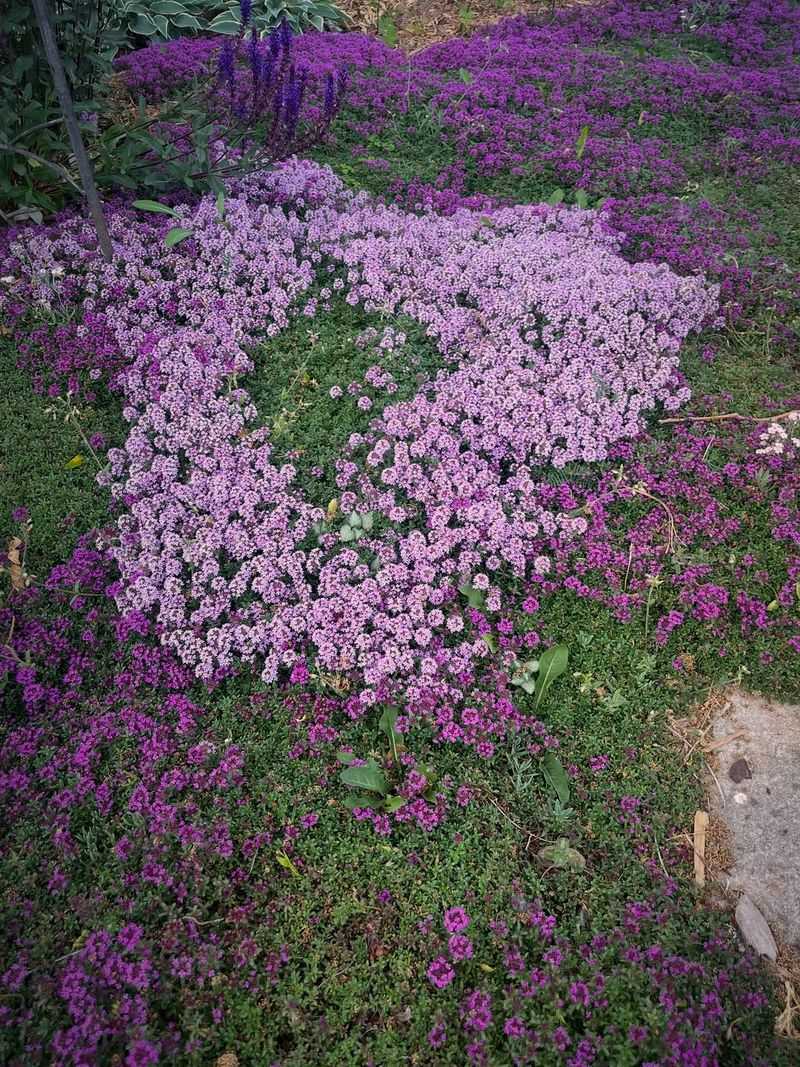
Groundcovers that tolerate foot traffic are uncommon, but creeping thyme handles light stepping while releasing a pleasant fragrance. This slow-growing perennial spreads into a dense mat just inches tall, filling gaps between pavers or covering sunny slopes.
Its tiny leaves often remain evergreen or semi-evergreen through Oregon’s milder winters, and its summer flowers attract a variety of pollinators.
Many gardeners assume thyme needs Mediterranean heat to thrive, but it adapts well to Oregon when drainage is good. Plant it in full sun with lean, well-drained soil, and avoid overwatering.
Wet winters can cause problems if water pools around the roots, so amend heavy clay or plant on slopes where water drains quickly. Both coastal and inland gardeners can grow creeping thyme successfully when drainage is adequate.
Once established, creeping thyme requires very little care. It tolerates drought, poor soil, and some neglect, spreading gradually to fill space without typically becoming invasive.
Shear lightly after blooming to keep it tidy, but otherwise minimal maintenance is needed. Fertilizer, division, and regular watering are usually unnecessary under suitable conditions, just fragrant, low-maintenance coverage that can look and smell great year after year.
For sunny pathways or dry spots, creeping thyme offers beauty and practicality with relatively little effort required.