Why Your Spring Flowers Fade Too Fast In Oregon And How To Fix It
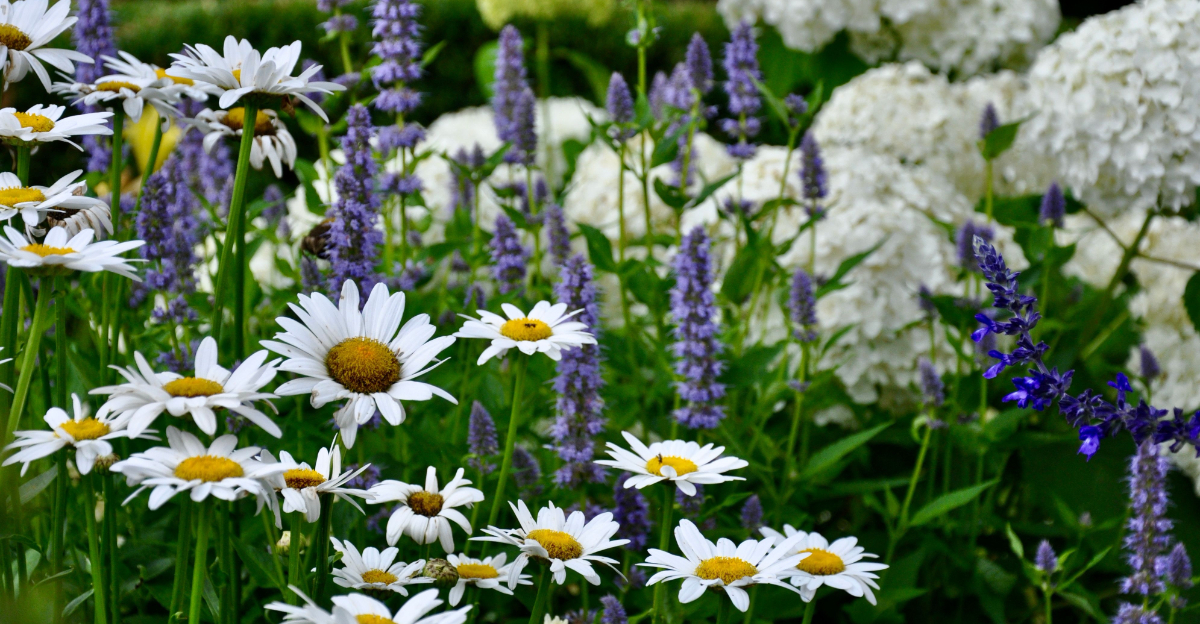
Spring in Oregon bursts in with color, bright tulips, cheerful daffodils, and gardens that feel full of promise. Then suddenly the show seems to end way too soon.
Petals drop, colors fade, and you are left wondering what happened. Oregon’s cool rains, sneaky temperature swings, and soil quirks can speed up the fade if flowers are not given the right care.
The good news is a few simple tweaks can keep blooms glowing longer and your garden looking lively deep into spring. Think smarter watering, better mulch, and picking spots where plants feel happy and protected.
A little timing and care go a long way. Get ready for brighter beds, longer lasting color, and flowers that stick around long enough to truly enjoy.
Your spring garden can stay vibrant, cheerful, and full of life with just a bit of know how and a touch of attention. You will love it.
1. Oregon’s Unpredictable Spring Weather Stresses Blooms
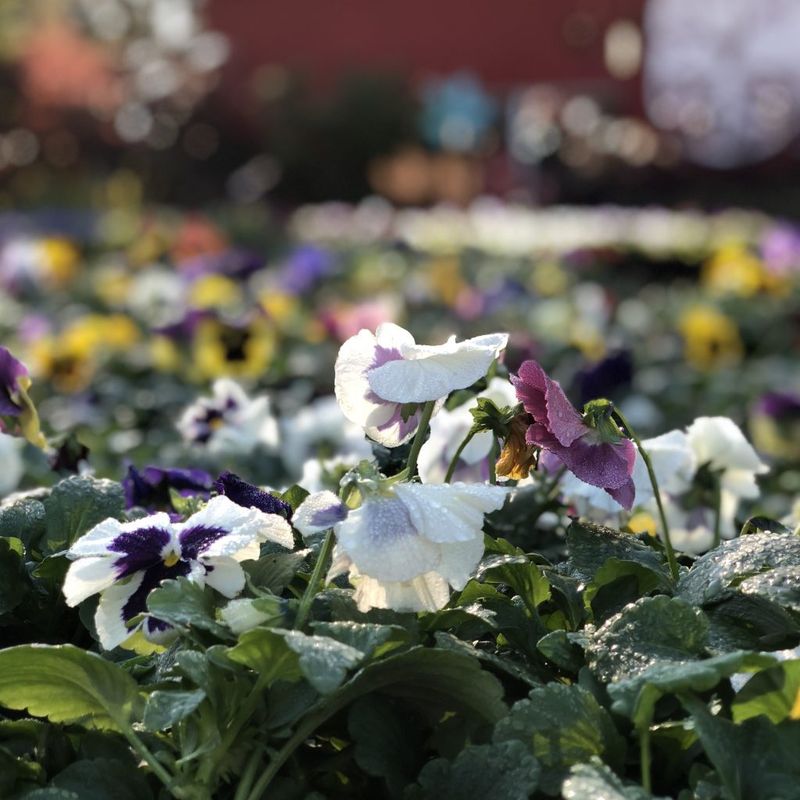
When March arrives with warm sunshine one day and freezing rain the next, flowers can struggle to adjust. Oregon’s spring weather often shifts between mild periods and sudden cold snaps that may stress tender blooms.
These fluctuations can force plants to shift energy between growth and protection, sometimes reducing flower quality or longevity.
Many spring-blooming plants form flower buds in response to temperature and day length. If warm spells encourage early bloom and a frost follows, petals and reproductive tissues may be damaged.
Even without severe freeze injury, repeated stress can shorten bloom duration compared with flowers that develop under more stable conditions.
Coastal gardeners often experience cooler but more consistent temperatures due to marine influence, while inland valleys tend to see wider swings that can increase stress on flowering plants.
In both settings, variable spring weather can affect bloom performance, though proper plant selection and care help reduce impacts.
To help flowers cope with weather stress, select hardy varieties suited to local conditions and avoid stimulating overly early growth with high-nitrogen fertilizer.
Protect sensitive plants with frost cloth during cold events, and consider planting near south-facing walls or sheltered areas that provide a bit of extra warmth.
These measures can help flowers retain better form and color despite changing spring conditions.
2. Planting Too Early In Cold, Wet Soil
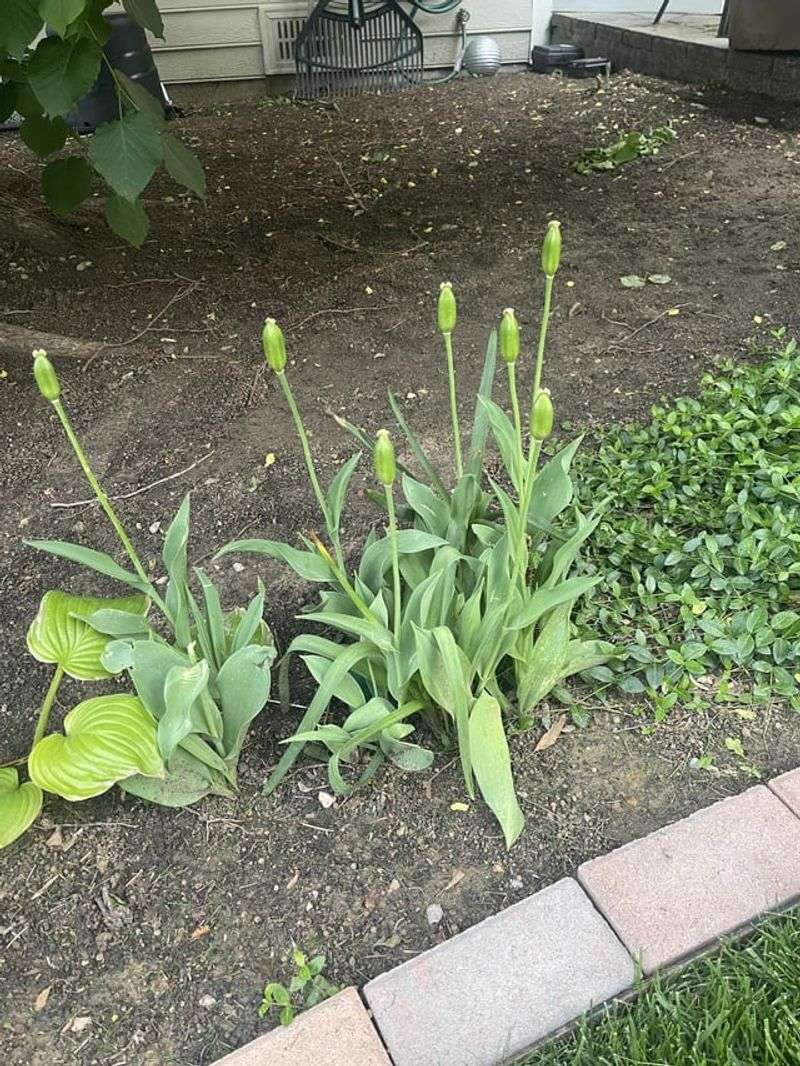
Eager gardeners often rush to plant as soon as nurseries stock spring flowers, but cold soil can slow establishment. When soil temperatures remain below about 50°F (10°C), many plants absorb nutrients less efficiently and growth may stall.
Prolonged wet, cool conditions can also encourage certain root diseases that sometimes damage young plants before they become well established.
Oregon’s frequent spring rains can keep soil quite moist into April or May in some areas. Working or planting in overly wet ground may compact the soil around roots, reducing available oxygen.
Limited oxygen can stress roots and slow growth, which may affect flowering performance later in the season.
Many spring annuals and perennials establish more readily once soil has warmed and excess moisture has drained. Waiting a short period can improve root development, helping plants take up nutrients more effectively and grow more vigorously.
Your Oregon Garden Changes Every Week. Your Plan Should Too.
Gardening in Oregon changes quickly throughout the season. Every Friday you’ll receive a simple weekly plan showing exactly what to plant, prune, fertilize, harvest, and protect so you never miss the right timing.
Stronger root systems often support healthier, longer-lasting blooms.
Checking soil temperature with a simple thermometer can help guide planting time, with many species preferring consistent readings near or above 50°F (10°C). Improving drainage in heavy soils by incorporating organic matter ahead of planting season can also help.
If early planting is necessary, raised beds or slightly mounded areas often warm faster and drain better than flat ground, supporting healthier root growth.
3. Not Enough Sunlight During Early Growth
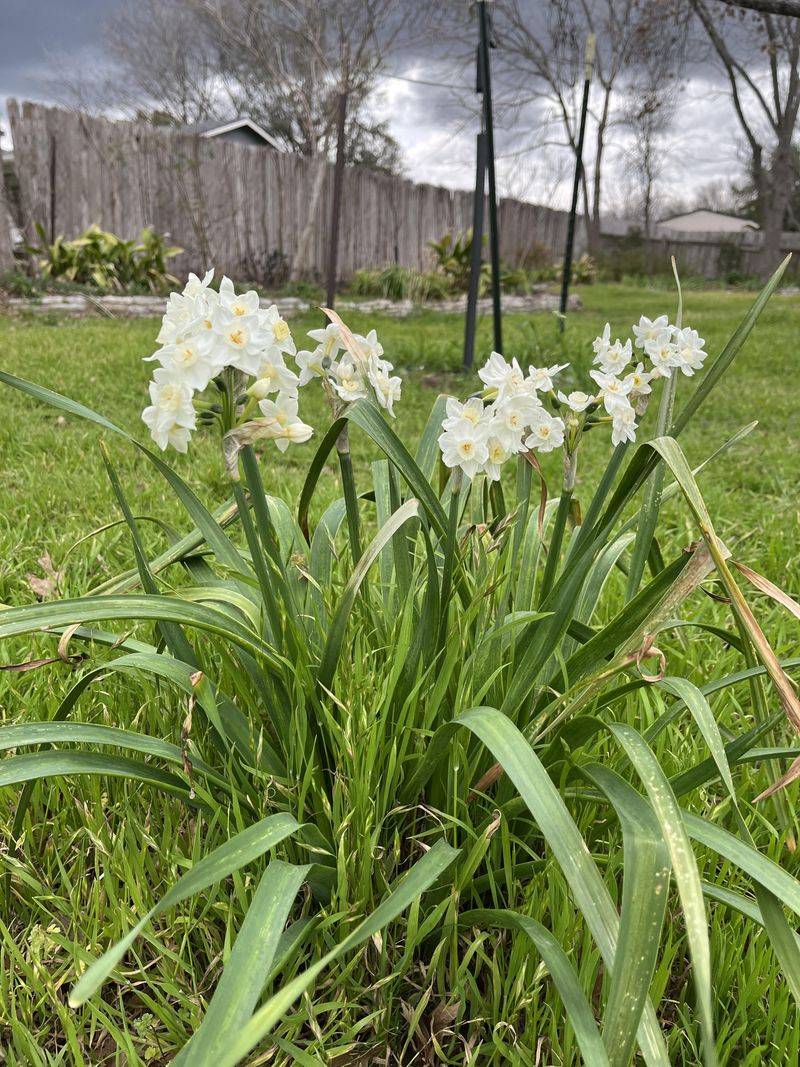
Overcast skies are common in parts of Oregon during spring, which can reduce the amount of direct sunlight flowers receive during early growth. Some sun-loving plants may grow more slowly under extended cloudy conditions.
Limited light can lead to softer, more elongated growth and fewer flower buds, and blooms may be less persistent when plants have reduced energy reserves.
Many gardeners underestimate how light shifts across their yard in spring. Even before deciduous trees leaf out, nearby evergreens, fences, and buildings can cast moving shadows through the day.
A location that appears bright at midday may receive only a few hours of direct sun, which can be below the preferred range for many flowering species.
Flowers grown in lower light sometimes show less intense color and smaller blooms, and plants may stretch toward available light, resulting in looser, less compact growth. These effects vary by species, with some plants adapting better than others.
Before planting, observe sunlight patterns through the day to understand how much direct light each area receives. In shadier spots, consider plants such as primroses, hellebores, and bleeding hearts that tolerate lower light.
For brighter areas, choose species like California poppies and lupines that generally perform well in Oregon when given adequate sun and well-drained soil.
4. Overwatering And Poor Drainage Problems
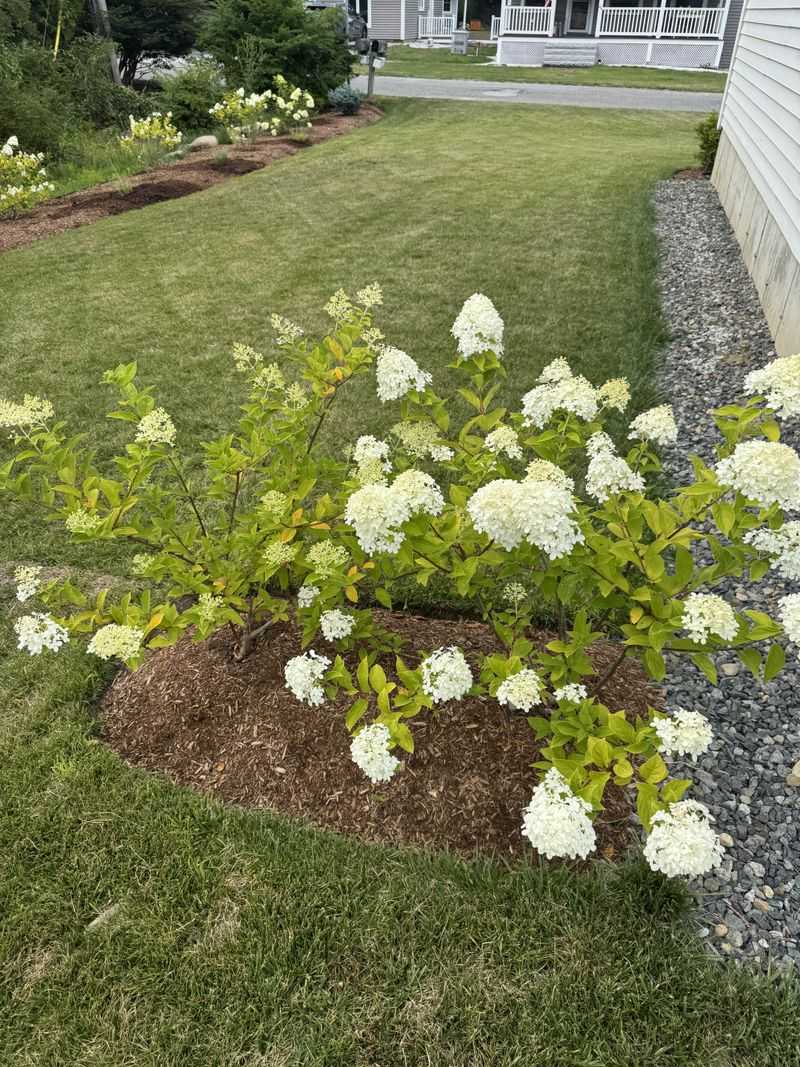
With the amount of rain many parts of Oregon receive, gardeners sometimes assume spring flowers never need extra water. In many cases, the greater concern is excess moisture combined with slow drainage.
Clay-heavy soils, common in areas such as the Willamette Valley, can retain water for long periods, limiting the oxygen available to plant roots.
Plants growing in overly wet soil may show yellowing leaves, soft growth, or wilting despite moist conditions. Prolonged saturation can damage roots and reduce their ability to take up nutrients needed for healthy flowering.
Even plants that tolerate dry conditions can struggle if roots remain waterlogged for extended periods.
Drainage varies across a garden. Low areas often collect runoff and stay wet longest, while slopes may drain more quickly but can be prone to erosion.
Compacted soil in frequently walked areas may slow water movement, sometimes creating persistently damp zones that affect nearby plants.
Improving soil structure by mixing in organic matter before planting can help increase drainage. Slightly raised beds or gentle mounding may also encourage excess water to move away from roots in problem spots.
In areas with persistent water buildup, drainage channels or similar solutions can help redirect runoff. During especially wet periods, additional watering is often unnecessary, as natural rainfall may provide sufficient moisture for most spring flowers.
5. Soil Nutrient Imbalances That Weaken Flowers
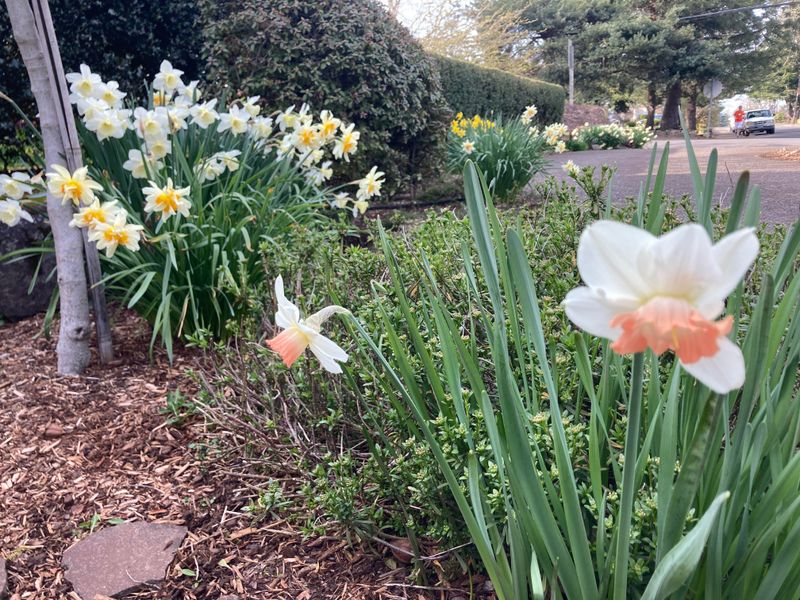
Oregon’s soils are often slightly acidic, which can influence how nutrients are available to plants. Winter rains may leach some minerals such as calcium, magnesium, and potassium from the soil, and imbalances can affect plant growth and flowering.
When nutrition is not well balanced, flowers may be smaller, less vibrant, or shorter lived, though results vary by soil type and plant species.
Many gardeners apply fertilizer to encourage blooms, but an unsuitable formula can reduce flowering. High-nitrogen products tend to promote leafy growth over flowers and may produce softer growth that is somewhat more prone to damage.
Balanced or bloom-focused fertilizers are often more appropriate when the goal is improved flowering.
In cool spring soils, phosphorus can be less available to plants even when present, since low temperatures slow uptake. This can sometimes limit bloom development early in the season, although the effect depends on soil conditions and plant type.
A soil test through a local extension service can help identify pH and nutrient levels before adding amendments. Where soil is overly acidic, lime is sometimes used to gradually raise pH and improve nutrient availability, but only when recommended by test results.
Choose fertilizers suited to flowering plants rather than relying on high-nitrogen formulas, and apply them when soil has warmed enough for roots to absorb nutrients effectively.
6. Choosing Varieties Not Suited to Oregon’s Climate
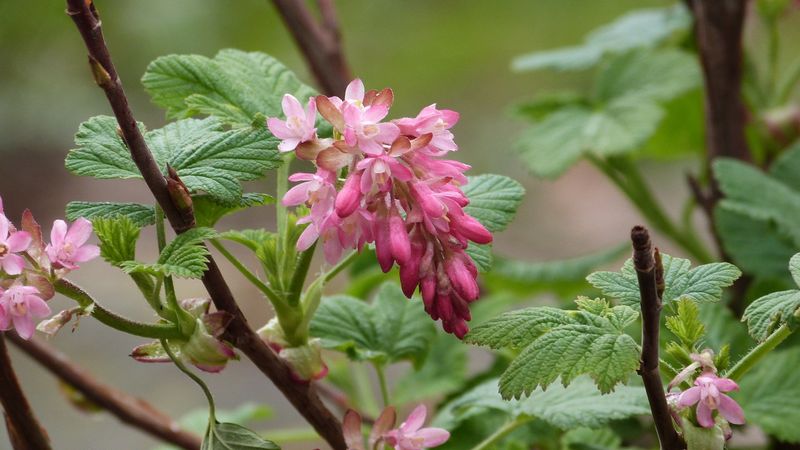
Garden centers often carry flowers bred for warmer or drier regions that may struggle in Oregon’s cool, wet spring conditions. These plants can look vigorous in the nursery yet establish slowly outdoors, sometimes producing fewer or shorter-lived blooms.
Choosing varieties suited to Pacific Northwest conditions often improves performance and longevity.
Many warm-season annuals prefer higher temperatures and drier air than Oregon typically provides until later in the season. Plants such as petunias, marigolds, and zinnias may grow slowly in cool, damp weather and can be more susceptible to disease, which can limit flowering.
As temperatures rise and conditions dry, they usually perform better.
Cold-tolerant perennials and plants from climates with similar patterns often adapt more readily to Oregon gardens, providing more consistent bloom cycles.
Before purchasing, consider whether a plant’s preferred climate matches local conditions.
Cool-season annuals like pansies, snapdragons, and calendulas often perform well in spring, while perennials such as Pacific Coast iris, columbine, and hardy geraniums are commonly reliable in maritime climates.
Matching plants to the environment generally leads to healthier growth and longer-lasting blooms.
7. Simple Care Tips
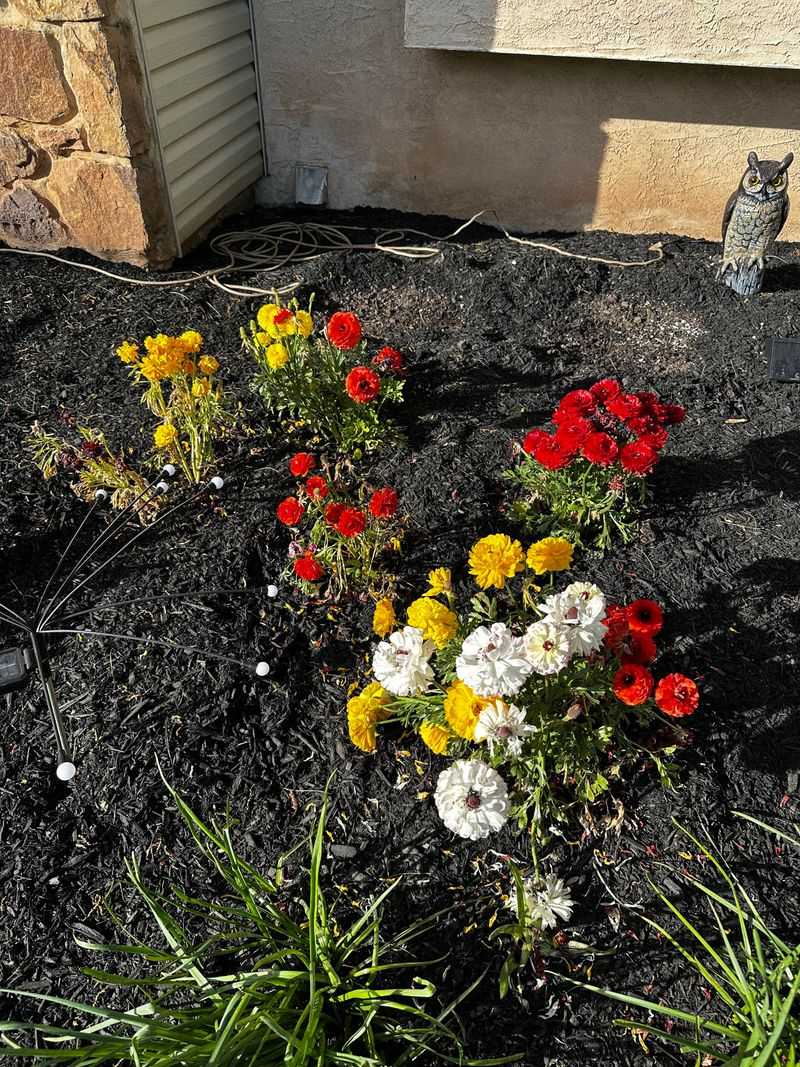
Regular deadheading can help extend the blooming period for many spring flowers. Removing spent blooms before seed set encourages some plants to produce additional flowers, which may lengthen the display.
This quick, periodic task can keep plants looking tidy and direct more energy toward continued blooming rather than seed production.
Proper spacing also helps reduce issues that may shorten bloom time in Oregon’s moist spring climate. Overcrowded plants can hold moisture on leaves and flowers, increasing the risk of fungal problems that may cause blooms to decline more quickly.
Adequate air circulation allows foliage to dry after rain or dew, supporting healthier growth and more persistent flowers.
Applying a layer of mulch, such as compost or shredded bark, can help regulate soil moisture and temperature, both of which influence plant performance.
Mulch reduces rapid drying during warm periods and helps limit weed competition for water and nutrients.
Water thoroughly but not excessively once plants are established, encouraging deeper root systems that support steady flowering. Watering early in the day allows foliage to dry before nightfall, which may reduce disease risk.
Pinching back overly long growth on some annuals can promote fuller plants with more flower buds. With consistent care and appropriate placement, many spring flowers can provide an extended period of color even under variable Oregon conditions.