Could You Be Fined For Shoveling Snow Into The Street In Ohio
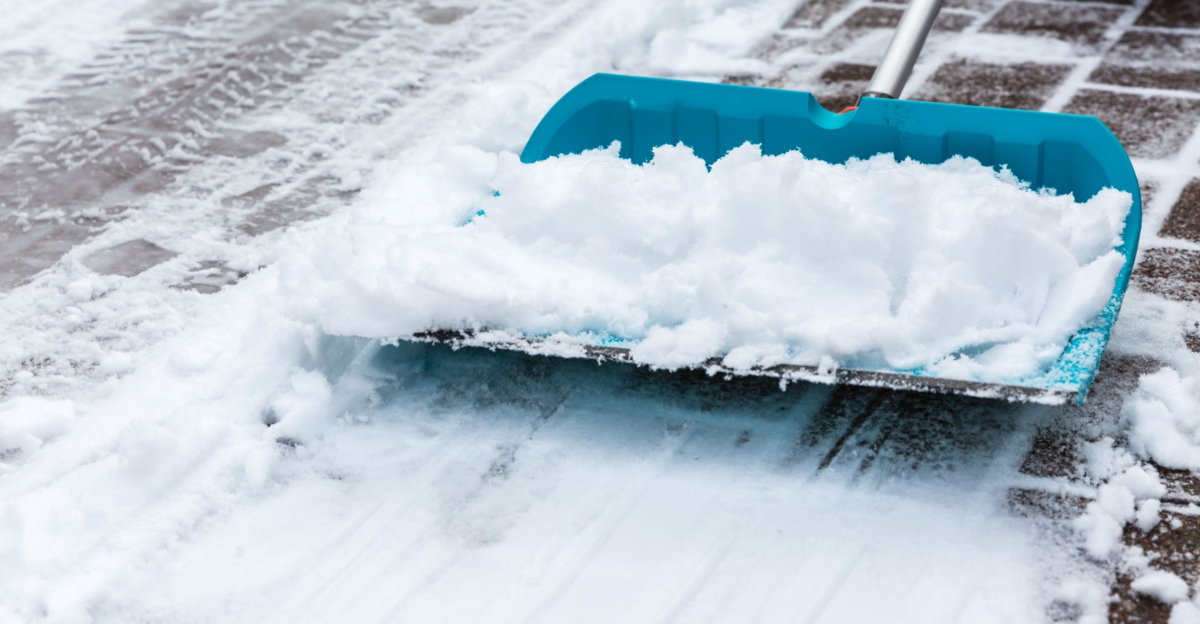
Snow shoveling begins before sunrise across Ohio as residents rush to clear driveways and sidewalks after a heavy storm. This familiar winter routine hides a twist that most people never expect.
One small decision during snow cleanup has sparked debates, warnings, and real consequences in towns throughout the state. Neighbors argue, drivers complain, and local officials watch closely as snow piles grow.
What seems quick and harmless can suddenly turn into a costly mistake that catches many off guard. Countless residents believe they understand the rules, yet winter brings stories that prove otherwise. This issue reaches homeowners, renters, and anyone who grabs a shovel after fresh snowfall.
Conversations return every season, driven by confusion, frustration, and unexpected penalties. Before the next storm blankets your street, pause and consider what truly follows a simple push of snow.
The truth surprises many and reshapes winter habits across Ohio each year statewide.
1. Some Ohio Cities Can Fine You For Street Snow
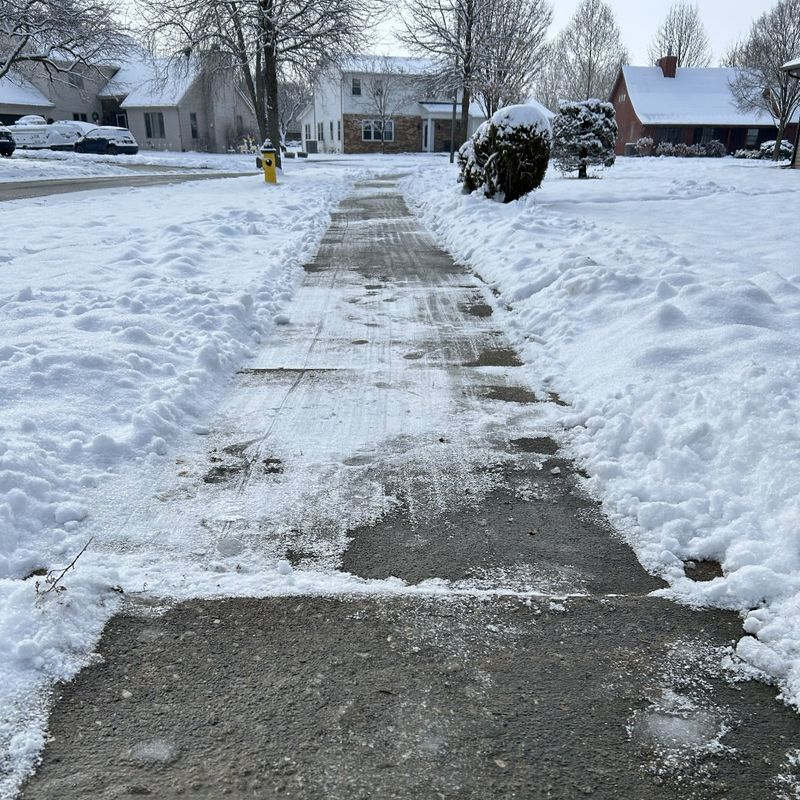
Many municipalities across Ohio have ordinances that specifically address where residents can place snow after clearing their driveways and sidewalks. These local rules exist to protect public safety and keep roads passable during winter weather.
While not every Ohio community enforces these regulations the same way, violating them can result in warnings, citations, or monetary fines.
The amount of a potential fine varies widely depending on where you live. Smaller townships might issue warnings first, while larger cities could impose penalties that vary by community and situation, sometimes involving warnings or modest fines for repeat offenses.
Enforcement often increases after major snowstorms when road crews are working hard to keep streets clear.
Your city or township website usually lists local snow ordinances under municipal codes or public works sections. Calling your local government office directly can also clarify what rules apply in your area.
Homeowners associations in some neighborhoods may have additional guidelines about snow placement that go beyond city requirements.
Staying informed about your community’s specific regulations helps you avoid unnecessary fines and contributes to safer streets for everyone. Taking a few minutes to check local rules before winter arrives can save you trouble and money later on.
2. Snow In The Road Creates Real Driving Hazards
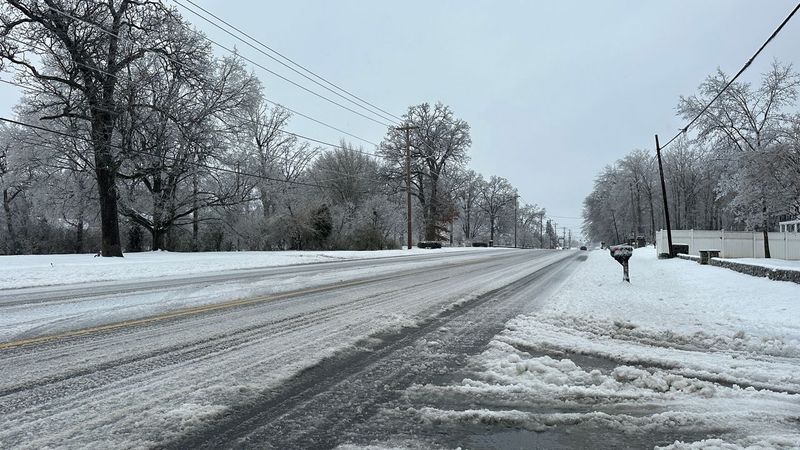
Placing snow in the street might seem like a quick solution, but it puts drivers and pedestrians at serious risk. Even a small pile can reduce visibility at intersections, hide curbs, or force vehicles into oncoming traffic lanes.
During active snowfall, these obstacles become even harder to see, increasing the chance of collisions or close calls.
Emergency vehicles like ambulances and fire trucks need clear roads to respond quickly. A snow pile blocking part of the street can delay their arrival by precious seconds or minutes.
School buses and delivery trucks also struggle to navigate streets narrowed by snow piles, creating additional safety concerns for children and residents.
Pedestrians face hazards too when snow forces them to walk in the road instead of on cleared sidewalks. Elderly neighbors or people with mobility challenges find these conditions especially difficult and dangerous.
Your Ohio Garden Changes Every Week. Your Plan Should Too.
Gardening in Ohio changes quickly throughout the season. Every Friday you’ll receive a simple weekly plan showing exactly what to plant, prune, fertilize, harvest, and protect so you never miss the right timing.
What seems like a minor inconvenience to one person can become a major obstacle for someone else.
Road crews work hard to keep streets safe and passable during winter storms. When residents pile snow back into cleared streets, it undoes that work and wastes public resources.
Respecting the effort of snow removal teams helps everyone get where they need to go safely and efficiently.
3. Snow Piles Can Block Drainage And Cause Ice
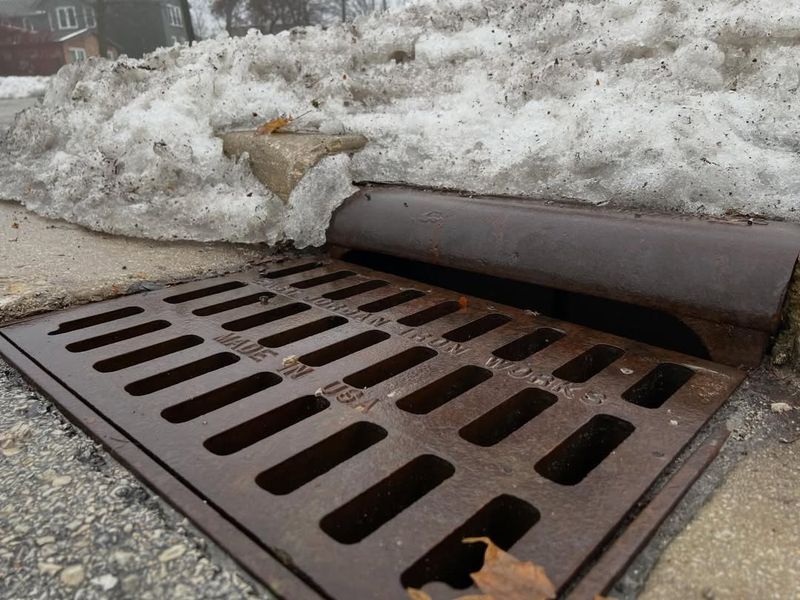
Streets are designed with drainage systems that carry away melting snow and rainwater. When you pile snow over storm drains or along curbs, you block these important pathways.
Water has nowhere to go, so it pools in the street and refreezes when temperatures drop overnight.
Blocked drainage creates standing water that can damage road surfaces over time. The freeze-thaw cycle causes cracks and potholes that become expensive problems for your community.
Proper drainage keeps streets in better condition and reduces the need for costly repairs come spring.
Ice dams form when melting snow cannot drain properly, creating slick patches that surprise drivers and pedestrians. These hidden hazards are especially dangerous during morning commutes when temperatures are coldest.
A simple slip on ice can lead to injuries that could have been prevented with proper snow placement.
Your local public works department depends on clear access to storm drains throughout winter. Keeping these areas free of snow helps the entire drainage system work as designed.
If you notice a storm drain near your property, make an extra effort to keep it clear for the benefit of your whole neighborhood.
4. Refrozen Street Snow Turns Into Dangerous Ice Sheets
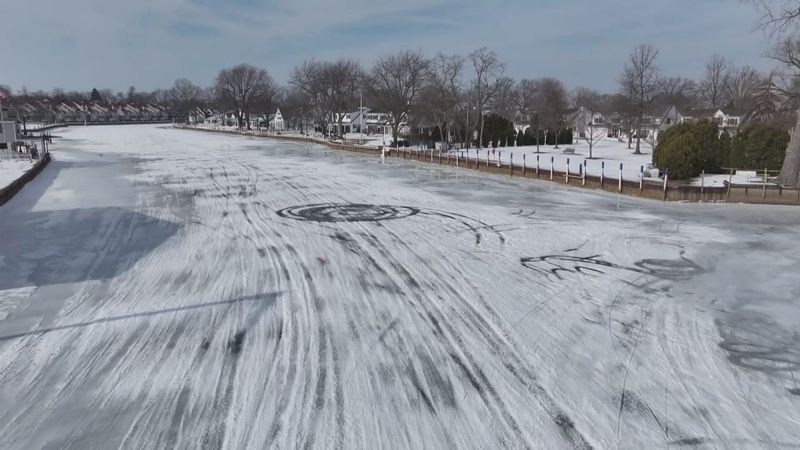
Temperatures in Ohio often hover around freezing during winter, causing repeated melting and refreezing cycles. When snow sits in the street, it partially melts during the day and refreezes into solid ice at night.
These ice sheets are much more dangerous than fresh snow because they offer almost no traction for tires or shoes.
Black ice forms when thin layers of refrozen water blend into the pavement, becoming nearly invisible to drivers. This type of ice causes vehicles to lose control suddenly, often without warning.
Intersections and hills become especially treacherous when covered with refrozen snow from nearby driveways.
Pedestrians face equal danger when crossing streets covered in ice. One wrong step can lead to painful falls and painful injuries.
Older adults and young children are particularly vulnerable to these hazards, making proper snow placement a community responsibility.
Salt and other de-icing treatments work less effectively on thick ice than on fresh snow. Road crews must use more materials and make multiple passes to break up ice sheets, increasing costs for your community.
Preventing ice formation by keeping snow out of streets saves resources and keeps everyone safer throughout winter.
5. You Could Be Liable If Street Snow Causes An Accident
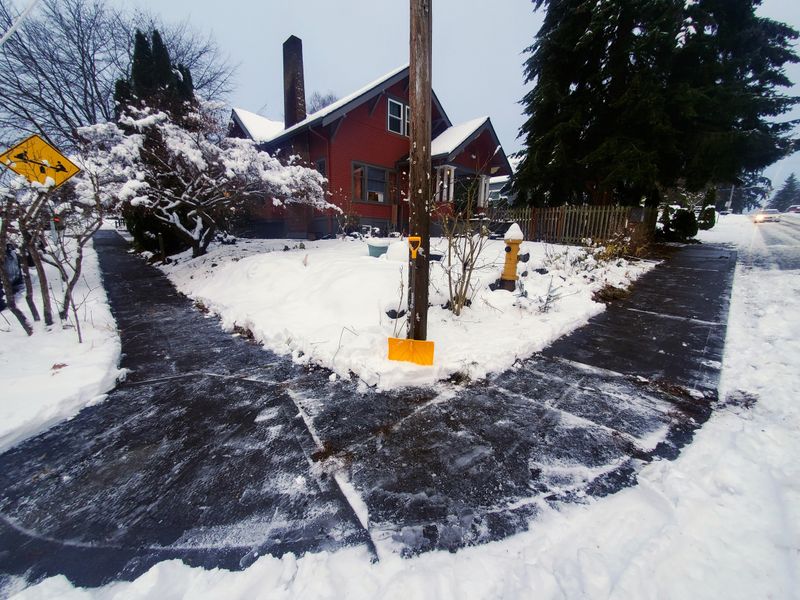
Beyond potential fines, homeowners could potentially face civil liability in certain situations if snow they placed in the street contributes to an accident or injury. If someone can demonstrate that your actions created a hazard that led to their harm, liability could be considered depending on circumstances and local law.
This risk extends to property damage, medical expenses, and other costs resulting from the incident.
Homeowners insurance policies typically cover certain types of liability, but coverage can be complicated when your actions violate local ordinances. Insurance coverage can vary, especially if local rules were not followed.
Consulting your insurance agent about winter liability concerns can help you understand your coverage and risks.
Documentation becomes important if an incident occurs near your property. Photos, witness statements, and official reports all play roles in determining fault.
Even if you believe you cleared snow safely, proving that in a legal dispute can be challenging and stressful.
The best protection is prevention through responsible snow placement. Keeping snow on your own property eliminates the risk of creating street hazards that could lead to accidents.
This simple practice protects both your neighbors and your financial wellbeing throughout the winter season.
6. Local Snow Rules Differ Across Ohio Communities
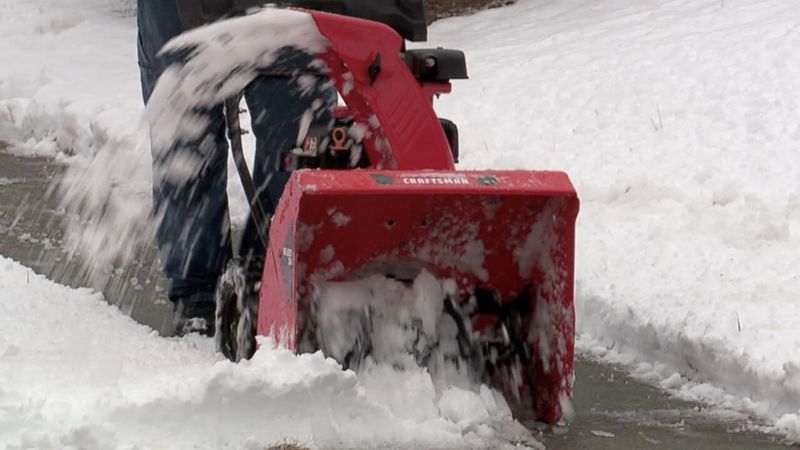
Ohio has hundreds of municipalities, and each one can set its own rules about snow placement and removal. What applies in Cleveland might differ significantly from regulations in a small rural township.
This patchwork of local ordinances means you cannot assume the rules from your previous home apply to your current location.
Urban areas typically enforce stricter snow regulations because of higher population density and traffic volume. Suburban communities might have moderate requirements, while rural townships may have fewer formal rules.
However, even without official ordinances, general roadway obstruction laws may still apply in some situations.
Some communities require property owners to clear sidewalks within a certain timeframe after snowfall ends. Others mandate that snow be placed only on private property, not in streets or onto neighboring lots.
Rental properties sometimes have specific rules about who is responsible for snow removal, whether landlord or tenant.
Checking your local municipal code online or calling city hall provides the most accurate information for your specific location. Taking this step before winter arrives gives you time to plan where you will place snow and what tools you might need.
Being proactive prevents misunderstandings and helps you stay compliant with local expectations throughout the season.
7. Plows Can Push Street Snow Back Onto Your Driveway
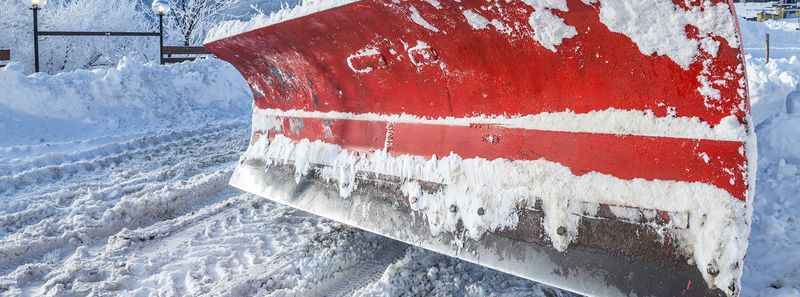
One frustrating reality of winter is that snow plows often push cleared street snow right back across your freshly shoveled driveway. This happens because plows must clear the full width of the street, and the snow has to go somewhere.
While annoying, this is a normal part of winter street maintenance and not something you can prevent.
Placing your driveway snow in the street often results in plows pushing it back, sometimes creating an even bigger pile than before. This wastes your time and effort while making more work for yourself.
Keeping snow on your property from the start saves you from this repetitive cycle.
Timing your driveway clearing can help minimize plow-related frustration. Waiting until after the plow has passed means you only need to clear once.
If another storm is forecast, you might choose to clear just a path rather than the entire driveway until the weather settles.
Some homeowners create a strategy for where they place snow within their property to make repeated clearing easier. Piling it in consistent spots away from the driveway entrance helps you maintain clear access even when plows add more.
Developing a system that works for your property layout makes winter maintenance less stressful overall.
8. Smart Snow Placement Helps You Avoid Trouble
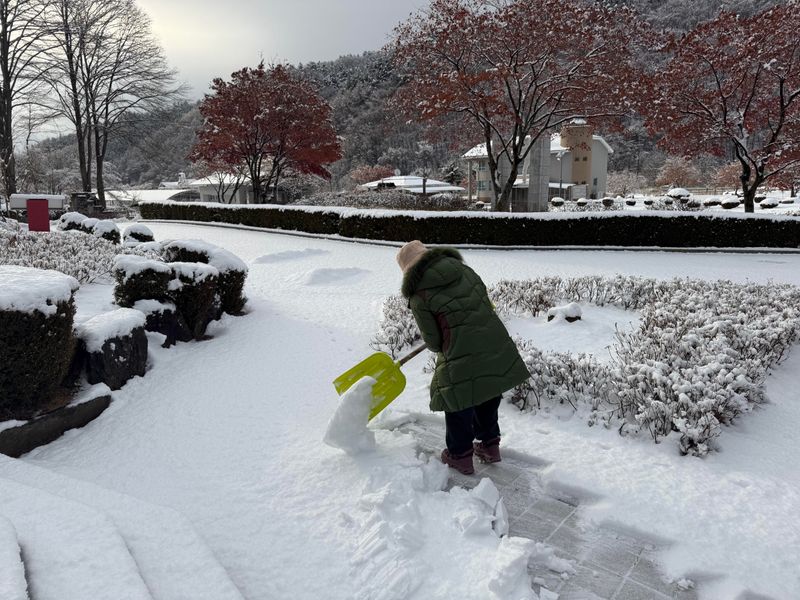
Keeping snow on your own property is the simplest way to avoid problems with local authorities and neighbors. Lawns, garden beds, and other landscaped areas can typically handle snow piles without issue.
Spreading snow out rather than creating massive piles helps it melt faster when temperatures rise.
Avoid piling snow against your home’s foundation, as this can sometimes contribute to moisture problems when melting occurs. Similarly, keep snow away from basement windows, air conditioning units, and gas meters.
These precautions protect your property while giving you plenty of space to place cleared snow safely.
If your property is small or your driveway long, consider investing in a snow blower that can throw snow farther into your yard. This tool makes it easier to keep snow well away from streets and sidewalks.
For those who prefer not to do the work themselves, hiring a snow removal service ensures proper placement by experienced professionals.
Talking with neighbors about snow placement can help everyone in your area stay safe and compliant. Sharing tips and watching out for each other creates a more pleasant winter experience for the whole community.
Small acts of consideration make a big difference when everyone is dealing with challenging weather conditions.
9. Check Your Local Rules Before Winter Arrives
Taking time before the first snowfall to research your community’s specific regulations sets you up for a smooth winter. Most municipal websites have searchable code databases where you can find snow-related ordinances.
Looking up terms like snow removal, street obstruction, or winter maintenance usually leads to relevant information.
Your city or township clerk’s office can answer questions if online information is unclear. These staff members deal with resident questions regularly and can explain how rules are typically enforced.
They might also share helpful tips about snow placement that work well in your specific area.
Homeowners associations often have their own guidelines that supplement municipal rules. Reviewing your HOA documents or contacting the board ensures you understand all applicable requirements.
Some associations offer snow removal services as part of dues, which can simplify your winter responsibilities.
Creating a winter preparation checklist that includes confirming snow rules helps you stay organized as cold weather approaches. This list might also include tasks like servicing your snow blower, stocking up on ice melt, and identifying safe snow placement areas on your property.
Being prepared reduces stress when the first big storm arrives and helps you handle winter weather confidently and responsibly.