6 Low-Maintenance Herbs You Only Have To Plant Once In Your Pennsylvania Garden
Looking to grow fresh herbs without turning your Pennsylvania garden into a nonstop chore? Some herbs come back year after year with almost no effort, making them perfect for busy gardeners who still love homegrown flavor.
These dependable plants handle the region’s seasons with surprising resilience, often surviving cold winters and bouncing back as soon as warmer weather arrives.
Once established, they ask for little more than sunlight and occasional trimming, yet they reward you with fragrance, texture, and plenty of leaves for cooking.
Many also attract pollinators and add beauty to garden beds, patios, and walkways. Whether you’re aiming for a kitchen garden, a low-care landscape, or a few aromatic favorites by the back door, these long-lasting herbs make it easy.
Plant them once, enjoy them for years, and let your garden work smarter, not harder, for you.
1. Mint
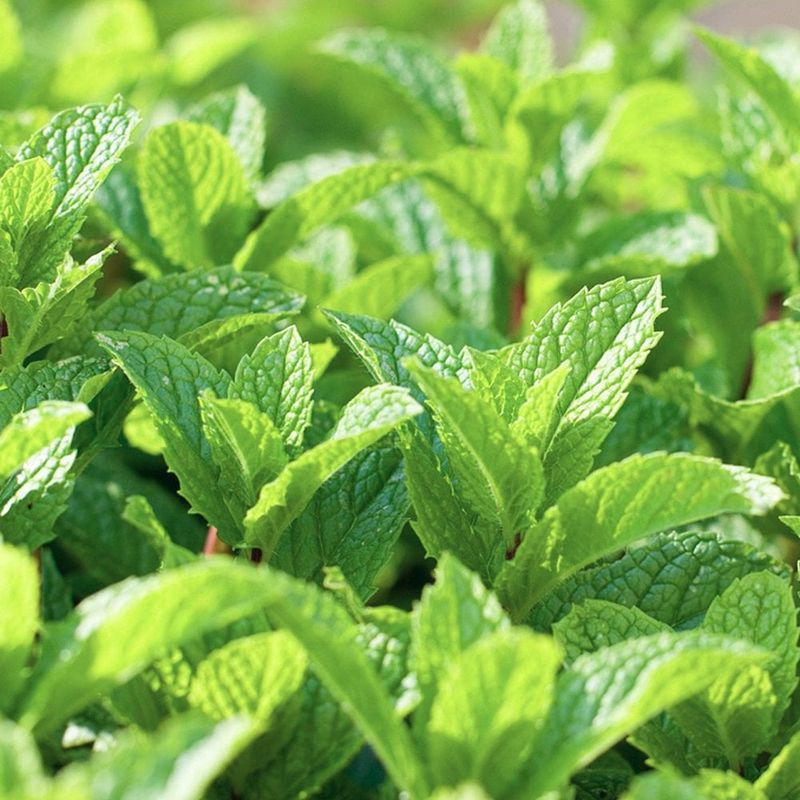
Mint grows like crazy in Pennsylvania gardens, which is both a blessing and a challenge. This vigorous perennial returns every spring stronger than before, spreading through underground runners that pop up in unexpected places.
Pennsylvania’s moist climate and moderate temperatures create ideal conditions for mint to flourish.
Plant mint once and you’ll have it forever. The real trick is keeping it contained rather than getting it to grow.
Most gardeners plant mint in buried containers or designated garden beds to prevent it from taking over. Without barriers, mint can spread several feet in a single growing season.
Several mint varieties thrive in Pennsylvania gardens. Spearmint and peppermint are the most popular choices, but chocolate mint, apple mint, and orange mint also handle our winters beautifully.
All varieties survive temperatures well below freezing and emerge vigorously each spring. Your mint will grow best in partial shade with consistent moisture.
Pennsylvania’s humid summers provide enough water for established plants, though young mint appreciates regular watering during dry spells. The plants tolerate full sun but may require more frequent watering in bright locations.
Harvest mint leaves anytime during the growing season by snipping stems just above leaf nodes. Regular harvesting actually encourages bushier growth and prevents the plants from becoming leggy.
Fresh mint enhances teas, desserts, salads, and summer beverages. Mint foliage fades when frost arrives in Pennsylvania, usually around October. Simply cut the brown stems to ground level in late fall.
The roots remain alive underground through winter, and fresh growth appears as soon as soil temperatures warm in spring. This reliable cycle continues for decades with minimal care.
2. Oregano
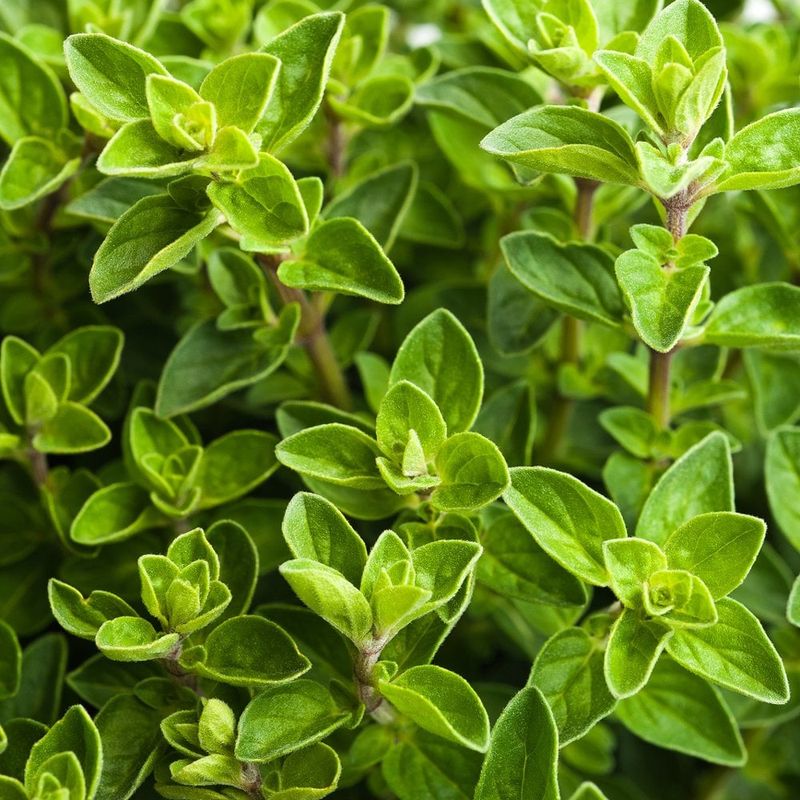
Oregano brings Mediterranean flavor to Pennsylvania gardens without any fuss. This tough perennial herb survives our coldest winters and hottest summers, returning faithfully each year with minimal attention.
Once established, oregano practically takes care of itself.
Greek oregano and Italian oregano are the best culinary varieties for Pennsylvania gardens. Both types handle zone 5-7 winters without protection and produce intensely flavored leaves perfect for cooking.
The plants form low-growing mounds that spread slowly outward, eventually creating attractive ground cover.
Plant oregano in well-drained soil where it receives at least six hours of sunlight daily. This herb actually prefers lean soil over rich, fertilized ground.
Your Pennsylvania Garden Changes Every Week. Your Plan Should Too.
Gardening in Pennsylvania changes quickly throughout the season. Every Friday you’ll receive a simple weekly plan showing exactly what to plant, prune, fertilize, harvest, and protect so you never miss the right timing.
Pennsylvania clay soil works fine as long as you mix in some sand or gravel to improve drainage. Oregano roots rot quickly in soggy conditions.
Your oregano will bloom with tiny purple or white flowers in midsummer. These blossoms attract beneficial pollinators like bees and butterflies to your Pennsylvania garden.
You can trim off flower stalks to encourage more leaf production, or leave them for the wildlife.
Harvest oregano stems throughout the growing season, cutting them back by about one-third. The flavor intensifies just before flowering, making early summer the prime time for harvesting.
Fresh oregano enhances Italian dishes, grilled meats, and roasted vegetables.
Oregano remains semi-evergreen in milder Pennsylvania winters, keeping some foliage through the cold months. Even when top growth browns from hard freezes, the roots survive and produce new shoots in spring.
Divide mature plants every few years to maintain vigor and create new plants for other garden areas.
3. Thyme
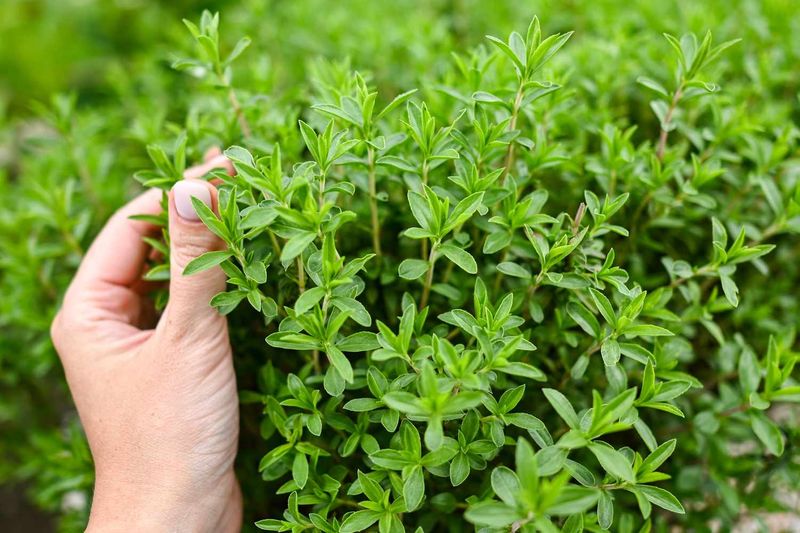
Thyme forms beautiful evergreen carpets in Pennsylvania gardens while providing delicious leaves for cooking.
This low-growing perennial handles our climate beautifully, staying green through most winters and requiring almost no maintenance. Gardeners appreciate how thyme thrives in spots where other plants struggle.
Common thyme and creeping thyme both excel in Pennsylvania landscapes. Common thyme grows slightly taller and produces the strongest culinary flavor.
Creeping thyme stays lower to the ground and works wonderfully between stepping stones or as edging along pathways. Both types survive Pennsylvania winters reliably.
Excellent drainage matters more to thyme than rich soil. This Mediterranean herb evolved in rocky, poor soils and actually develops better flavor when not overfed.
Pennsylvania gardeners should avoid planting thyme in heavy clay unless they amend it heavily with sand and gravel. Raised beds work perfectly for thyme.
Thyme needs full sun to develop its characteristic fragrance and flavor. Plants grown in shade become leggy and produce fewer aromatic oils.
Position your thyme where it receives at least six hours of direct sunlight daily. The plants tolerate drought extremely well once established, making them perfect for low-maintenance gardens.
Tiny pink or purple flowers cover thyme plants in late spring, creating a stunning display that pollinators adore. The blooms are edible and add mild flavor to salads.
Harvest thyme sprigs anytime by snipping stems, leaving at least two inches of growth for the plant to regenerate.
Thyme remains green through mild Pennsylvania winters, providing color when most herbs have gone dormant.
Severe cold may brown some foliage, but the plants bounce back quickly in spring. Trim back any damaged growth in early spring before new shoots emerge.
4. Sage
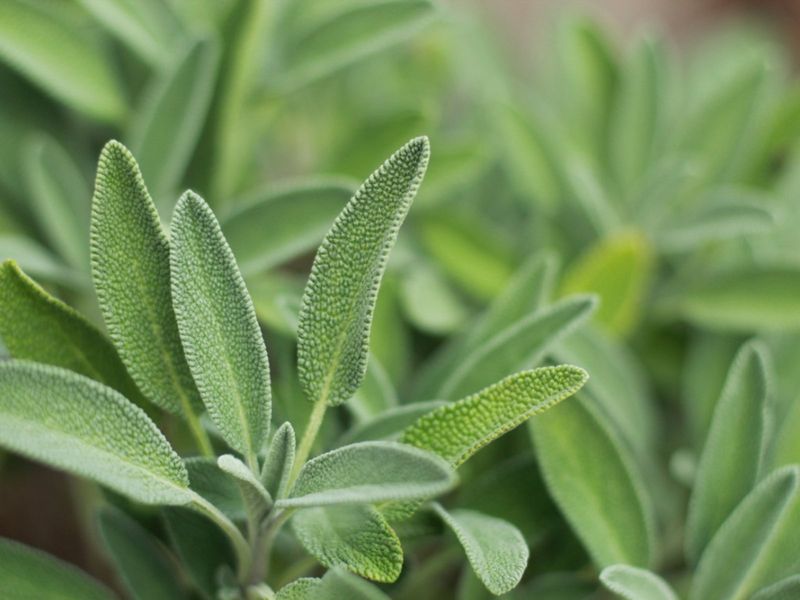
Sage adds both beauty and flavor to Pennsylvania gardens with its soft, silvery leaves and woody stems. This Mediterranean perennial adapts surprisingly well to our climate, surviving cold winters and returning each spring with fresh growth.
The aromatic foliage releases fragrance when brushed, filling your garden with herbal scent.
Common sage handles Pennsylvania winters in zones 5-7 without protection. The plant develops woody stems that become more substantial each year, eventually forming a small shrub.
Purple sage and golden sage also thrive here, adding colorful foliage to your herb garden while providing the same culinary uses.
Well-drained soil is essential for sage success in Pennsylvania. Like other Mediterranean herbs, sage roots rot in soggy conditions, especially during our wet springs.
Plant sage in raised beds or amend heavy clay soil with plenty of organic matter and sand. Full sun exposure produces the healthiest plants with the most flavorful leaves.
Sage grows slowly but steadily, reaching two feet tall and wide over several years. The plants bloom with purple flower spikes in late spring, attracting hummingbirds and bees to your Pennsylvania garden.
These flowers are edible but slightly bitter, so most gardeners remove them to encourage more leaf production.
Harvest sage leaves anytime during the growing season by cutting stems just above leaf nodes. The flavor peaks just before flowering in spring.
Fresh sage enhances poultry dishes, stuffings, and roasted vegetables. Dried sage retains excellent flavor for winter use.
Sage remains semi-evergreen in Pennsylvania, keeping some foliage through winter in protected locations. Hard freezes may damage leaves, but the woody stems survive and produce new growth in spring.
Prune sage lightly each spring to maintain compact shape and encourage fresh, tender leaves.
5. Chives
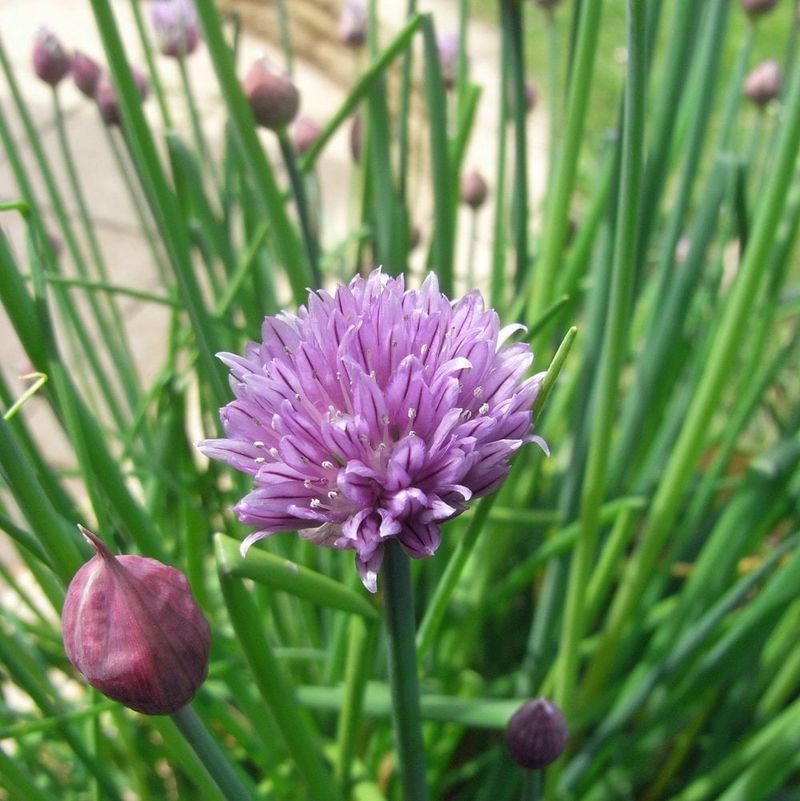
Chives are among the easiest perennial herbs for Pennsylvania gardens, returning reliably year after year with zero fuss. These members of the onion family produce hollow, grass-like leaves that taste like mild onions.
The plants multiply steadily, forming thick clumps that can be divided and shared with friends.
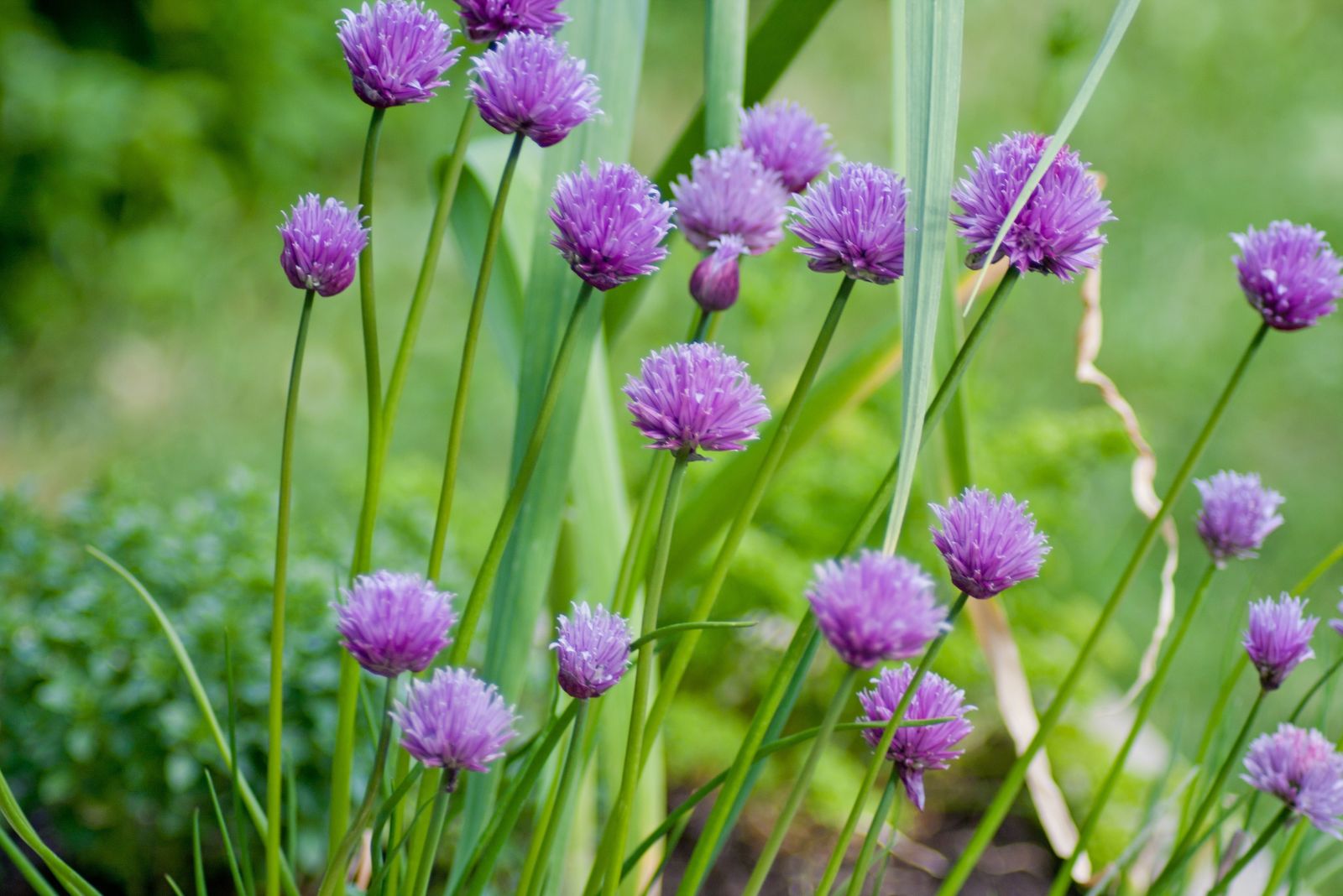
Both common chives and garlic chives thrive in Pennsylvania gardens. Common chives produce round purple flowers in spring, while garlic chives bloom with white star-shaped flowers in late summer.
Both varieties survive our coldest winters and emerge as soon as soil warms in spring, often before most other herbs show signs of life.
Chives tolerate a wide range of growing conditions, making them perfect for beginning gardeners in Pennsylvania. They grow well in full sun or partial shade and adapt to various soil types.
While they prefer consistent moisture, established chives handle brief dry periods without complaint. They’re truly forgiving plants.
The purple pom-pom flowers that appear in May are not just pretty but also edible. These blossoms add mild onion flavor and beautiful color to salads.
Leaving some flowers on the plants allows them to self-seed, creating new chive plants around your Pennsylvania garden. Bees and butterflies visit the flowers constantly.
Harvest chive leaves by snipping them near the base with scissors. Regular cutting encourages fresh growth and prevents the plants from becoming too tall and floppy.
Chives regrow quickly, providing multiple harvests throughout the growing season. Use fresh chives in salads, baked potatoes, eggs, and soups.
Chive foliage disappears completely in Pennsylvania winters, but the bulbs survive underground even in the coldest weather.
Fresh green shoots emerge in early spring, often poking through late snow. Divide overcrowded clumps every few years to maintain vigorous growth.
6. Lemon Balm
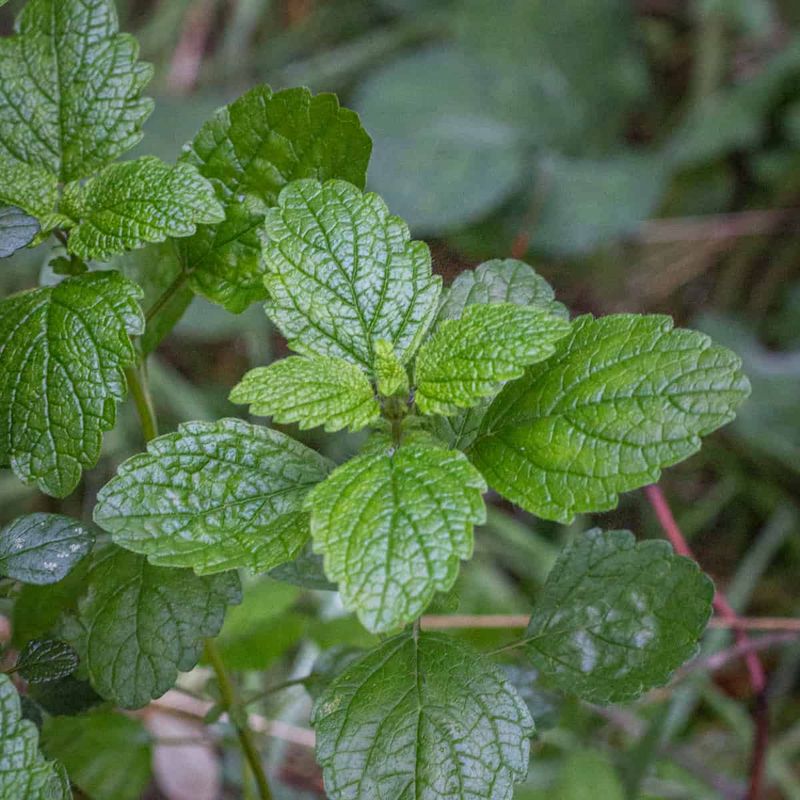
Lemon balm fills Pennsylvania gardens with citrus fragrance and cheerful green foliage. This member of the mint family grows vigorously in our climate, returning each spring with enthusiasm.
The leaves release a wonderful lemon scent when touched, making garden walks more enjoyable.
Like its mint cousins, lemon balm spreads enthusiastically through underground roots and self-seeding. Plant it where spreading won’t cause problems, or contain it in buried pots.
Pennsylvania’s climate suits lemon balm perfectly, providing enough moisture and cold dormancy for healthy growth. The plants survive our coldest winters without protection.
Lemon balm tolerates more shade than most herbs, making it useful for partially shaded Pennsylvania gardens. It grows best with morning sun and afternoon shade, especially during hot summers.
The plants reach two to three feet tall and spread equally wide when happy. Regular harvesting keeps them more compact.
Small white flowers appear on lemon balm in midsummer, attracting bees and other beneficial insects to your Pennsylvania garden. The plant’s name actually comes from the Greek word for honeybee.
These pollinators visit lemon balm flowers constantly, making it valuable for supporting local bee populations.
Harvest lemon balm leaves frequently throughout the growing season by cutting stems back by half. The lemony flavor works beautifully in teas, both hot and iced.
Fresh leaves also enhance fruit salads, fish dishes, and desserts. The essential oils are strongest just before flowering.
Lemon balm foliage fades with Pennsylvania’s first hard frost, usually in October. Cut the brown stems to ground level and add them to your compost pile.
The roots remain alive underground, and vigorous new growth appears in spring. Mature plants can be divided every few years to create new plants or control spreading.