Your Go-To Guide To Growing A Healthy, Thriving Herb Garden In Pennsylvania
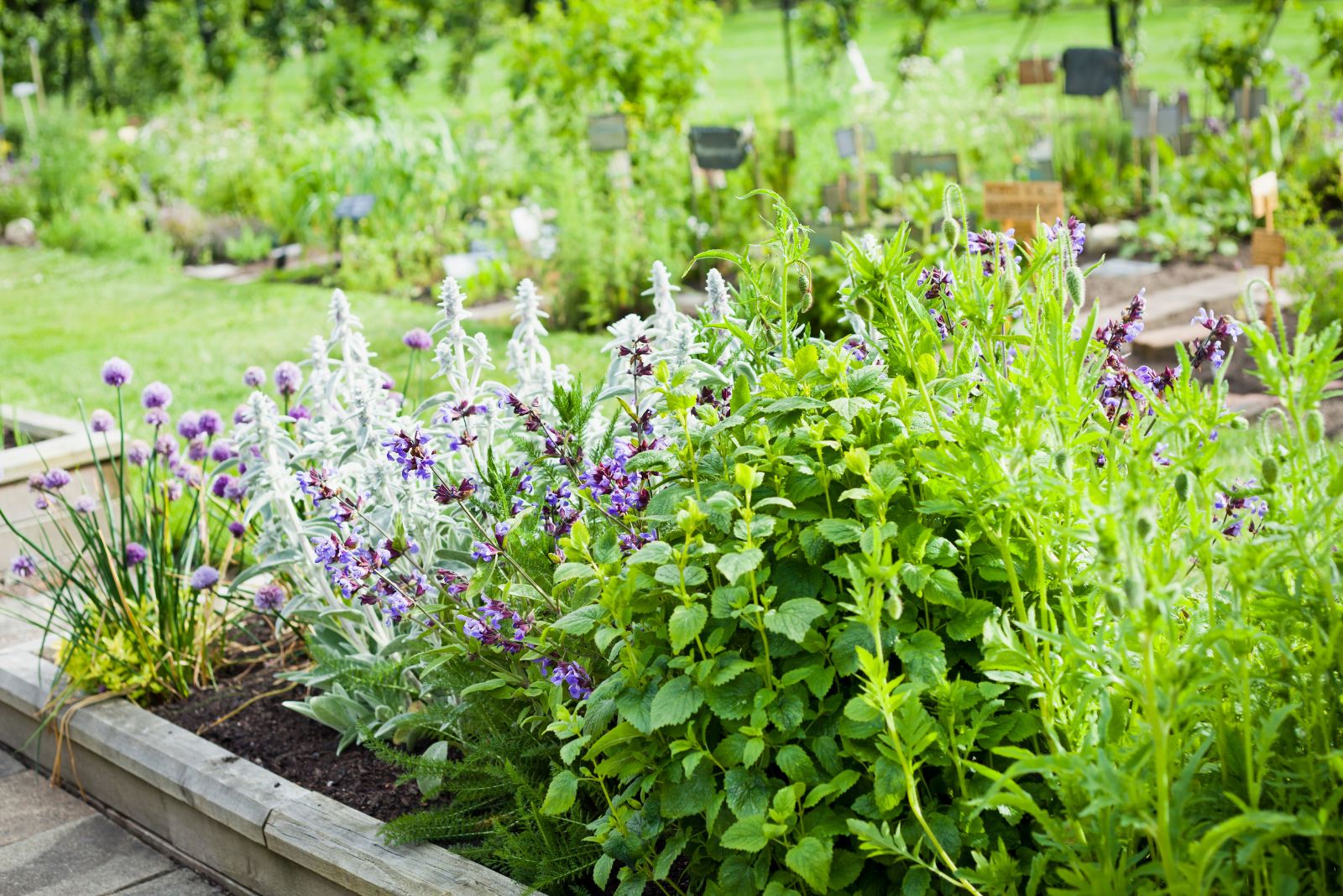
Dreaming of a fresh, fragrant herb garden right outside your Pennsylvania kitchen door? Growing healthy herbs is easier than many people think, especially when you understand what these plants need to stay happy in the state’s shifting seasons.
Pennsylvania weather can swing from cool, damp springs to warm summers, but plenty of herbs adapt beautifully with the right start.
A few simple choices, like picking the best spot, preparing well-draining soil, and knowing when to water, can turn a small corner of your yard or patio into a flavorful oasis.
Herbs reward even casual gardeners with steady growth, rich aromas, and leaves you can snip for cooking all season long. Many varieties are surprisingly tough, bouncing back after rainstorms, heat, and light frosts.
With a little attention and the right approach, your herb garden can flourish from spring through fall and elevate every meal with homegrown freshness.
1. Stick To Easy-To-Grow Herbs
Beginning gardeners in Pennsylvania often feel overwhelmed by the hundreds of herb varieties available at nurseries. Starting simple makes all the difference between success and frustration.
Basil, parsley, chives, oregano, and thyme rank among the most forgiving herbs for Pennsylvania’s climate.
These reliable plants tolerate minor mistakes like occasional overwatering or a missed feeding. Basil loves Pennsylvania’s warm summers and produces abundantly from June through September.
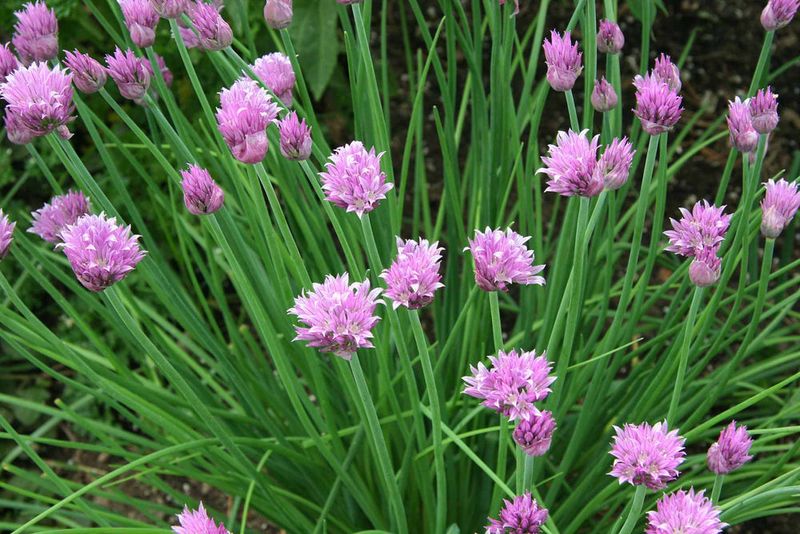
Chives return year after year without any fuss, popping up each spring with cheerful purple flowers that taste great in salads.
Parsley grows vigorously in both spring and fall when temperatures stay moderate. Oregano spreads happily across garden beds, filling spaces with aromatic leaves perfect for pizza and pasta dishes.
Thyme creates lovely ground cover while providing endless seasoning for roasted vegetables and grilled meats.
Advanced herbs like tarragon or lemongrass demand specific conditions that challenge even experienced gardeners. Save those experiments for later seasons after mastering the basics. Your first herb garden should build confidence, not create stress.
Pennsylvania garden centers stock these beginner-friendly herbs throughout spring and early summer. Choose plants with vibrant green leaves and strong stems.
Avoid any showing yellow leaves or wilted growth, which indicates stress that often continues after planting.
2. Make Sure Your Plants Have Plenty Of Sun
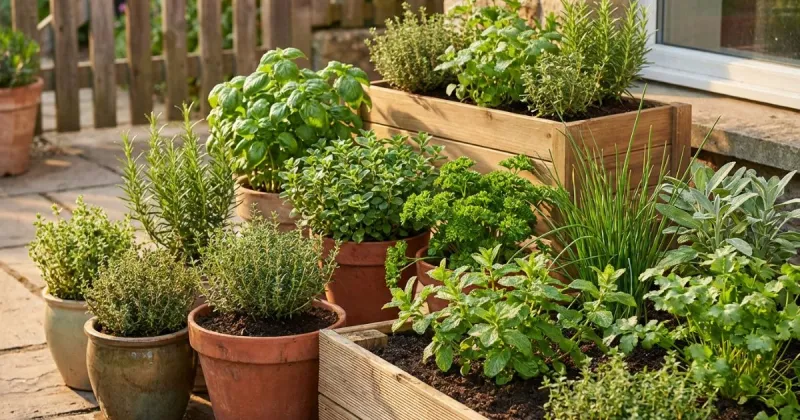
Sunlight powers herb growth more than any other factor. Most culinary herbs originated in Mediterranean regions where sunshine dominates the weather patterns.
Basil, rosemary, sage, and oregano need at least six hours of direct sunlight daily to produce the flavorful oils that make them delicious.
Pennsylvania summers provide excellent sun exposure, especially in southern-facing garden spots. Watch your yard throughout a sunny day to identify the brightest locations.
Morning sun works beautifully for herbs, giving them energy while avoiding the harshest afternoon heat during July and August.
Shaded areas under trees or beside tall buildings create poor herb growing conditions. Plants grown in shade develop weak, leggy stems as they stretch desperately toward available light.
The leaves taste bland because the plant cannot manufacture the concentrated oils that give herbs their distinctive flavors.
Your Pennsylvania Garden Changes Every Week. Your Plan Should Too.
Gardening in Pennsylvania changes quickly throughout the season. Every Friday you’ll receive a simple weekly plan showing exactly what to plant, prune, fertilize, harvest, and protect so you never miss the right timing.
Container gardens offer flexibility for sun-seeking herbs. Move pots around your Pennsylvania property until you discover the sunniest spot. Patios, driveways, and south-facing walls often provide the intense light herbs crave.
A few herbs tolerate partial shade, including parsley, cilantro, and mint. These shade-tolerant varieties still prefer four to five hours of sunlight but survive with less.
Reserve your sunniest garden real estate for sun-loving Mediterranean herbs that absolutely require brilliant light to thrive and produce abundant harvests throughout Pennsylvania’s growing season.
3. Use Well-Draining Soil
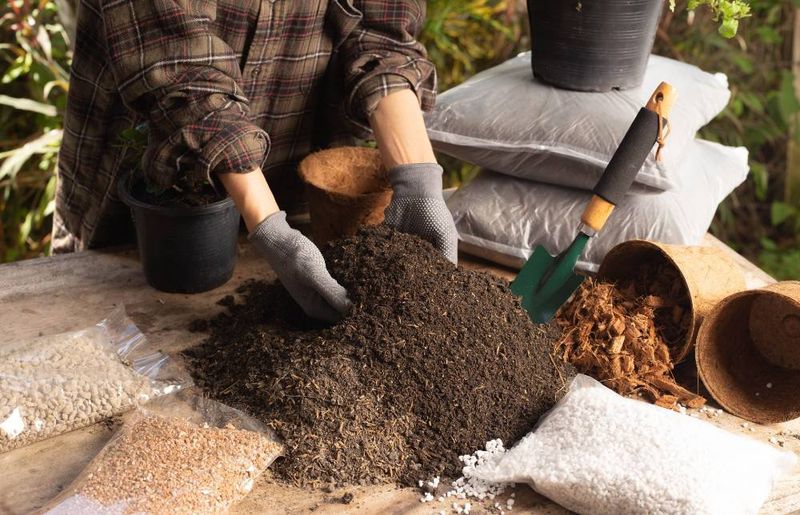
Soggy roots spell disaster for herb gardens faster than almost any other problem. Herbs hate sitting in waterlogged soil that suffocates their roots and encourages rot.
Pennsylvania clay soils hold moisture exceptionally well, which benefits some plants but creates challenges for Mediterranean herbs adapted to sandy, quick-draining ground.
Test your soil drainage by digging a hole about twelve inches deep and filling it with water. Well-draining soil absorbs the water within an hour or two.
Soil that still holds water after several hours needs improvement before planting herbs.
Amending clay soil transforms it into an herb-friendly growing medium. Mix in generous amounts of compost, peat moss, or aged manure to break up heavy clay particles. Adding coarse sand or perlite creates air pockets that allow excess water to escape quickly.
Raised beds solve drainage problems permanently for Pennsylvania herb gardeners. Building beds twelve to eighteen inches high and filling them with quality garden soil mixed with compost creates perfect conditions.
Water drains freely through raised beds while roots access nutrients and oxygen.
Container gardens automatically provide excellent drainage through bottom holes. Choose pots with multiple drainage openings and never let containers sit in standing water.
Pennsylvania’s summer thunderstorms can saturate soil quickly, so proper drainage prevents root problems that weaken plants and reduce harvests throughout the growing season.
4. Use Starter Plants For Better Results
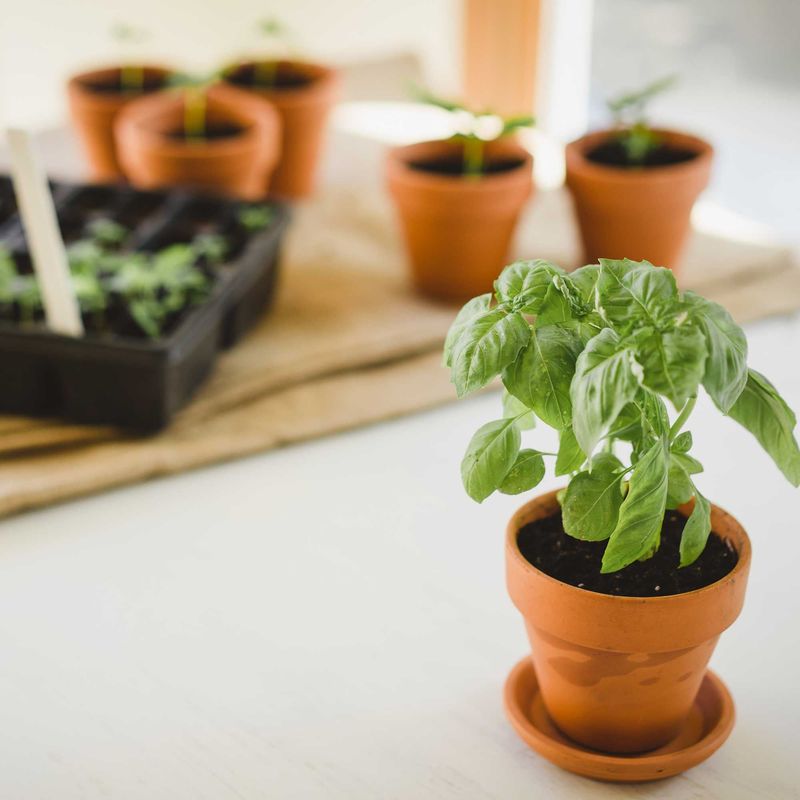
Seeds seem economical and gardening magazines make starting from seed look effortless. Reality tells a different story for busy Pennsylvania gardeners.
Herb seeds demand precise conditions, consistent moisture, and patience that many people cannot provide during hectic spring schedules.
Starter plants from nurseries give you a significant head start on the growing season. These young herbs have already survived their most vulnerable stage and established healthy root systems.
Transplanting them into your Pennsylvania garden means harvesting fresh herbs weeks earlier than seed-started plants.
Basil seeds, for example, require warm soil temperatures above 70 degrees and take ten to fourteen days just to sprout. Transplanting a starter basil plant means snipping leaves for caprese salad within days of planting.
The time savings alone justifies the modest additional cost of buying started plants.
Some herbs grow notoriously slowly from seed. Rosemary and lavender can take months to develop into usable plants when started from seed.
Purchasing established plants means enjoying these wonderful herbs immediately rather than waiting an entire season.
Pennsylvania garden centers stock excellent herb selections from April through June. Look for compact, bushy plants rather than tall, stretched specimens.
Healthy starter plants have multiple stems and vibrant leaf color. Check underneath leaves for pests before purchasing.
Quality starter plants establish quickly in Pennsylvania gardens, producing abundant harvests throughout summer and fall months.
5. Plant Perennials
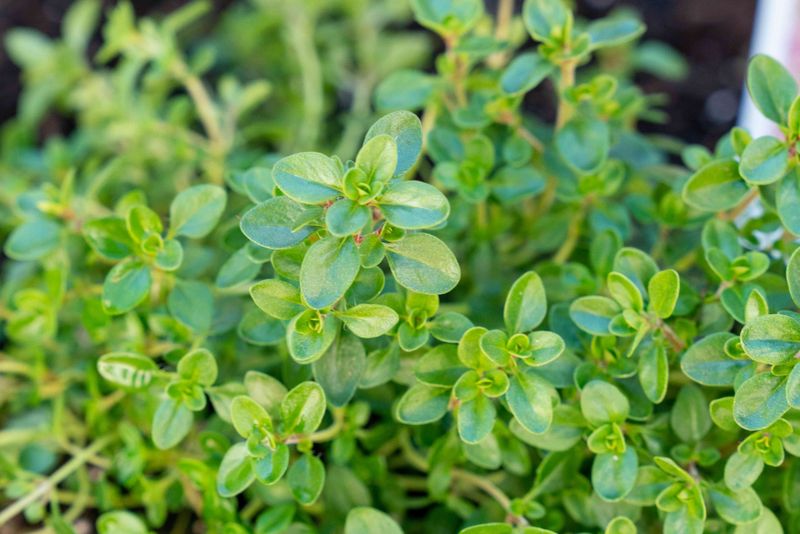
Smart Pennsylvania gardeners invest in perennial herbs that return faithfully each spring without replanting. Oregano, thyme, sage, chives, and mint survive harsh Pennsylvania winters and emerge stronger each year.
These reliable performers save money and effort while providing fresh herbs season after season.
Perennial herbs develop extensive root systems during their first year that help them withstand winter cold. Oregano spreads enthusiastically, creating fragrant mats of flavorful leaves.
Thyme forms woody stems that look nearly lifeless in winter but burst with fresh growth each April.
Sage develops into substantial shrubs after several years in Pennsylvania gardens. The silvery-green leaves withstand frost and provide harvests from spring through late fall.
Chives disappear completely in winter but reliably return as one of the first herbs each spring.
Mint requires special consideration because it spreads aggressively through underground runners. Plant mint in containers or buried pots to prevent it from overwhelming other herbs.
Pennsylvania gardeners appreciate mint’s vigor during summer months when fresh mint enhances iced tea and fruit salads.
Rosemary presents challenges as a perennial in Pennsylvania because it struggles with harsh winters. Gardeners in southeastern Pennsylvania sometimes succeed with cold-hardy varieties planted in protected locations.
Northern Pennsylvania gardeners typically grow rosemary as an annual or bring containers indoors before frost arrives. Focus on truly hardy perennials for reliable, low-maintenance herbs that enhance your Pennsylvania garden year after year.
6. Learn How To Properly Water Your Herbs
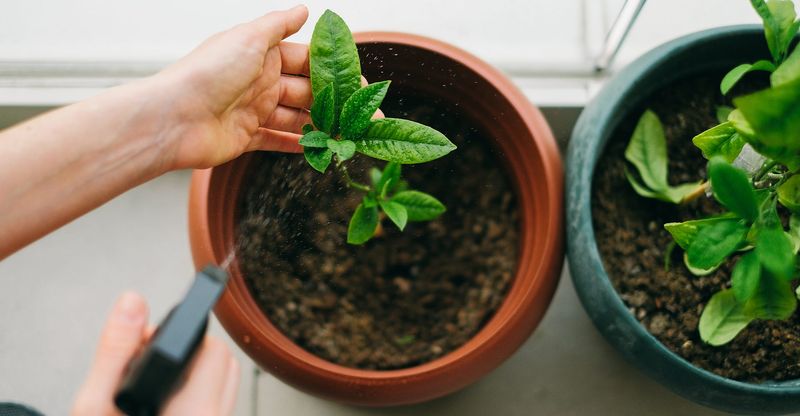
Watering seems straightforward until you watch herbs struggle from too much or too little moisture. Pennsylvania’s variable summer weather creates watering challenges as dry spells alternate with heavy thunderstorms.
Herbs need consistent moisture without waterlogged conditions that harm roots.
Most herbs prefer soil that dries slightly between waterings. Stick your finger two inches into the soil near plant bases.
Dry soil indicates watering time, while moist soil means waiting another day or two. This simple test prevents overwatering that causes more problems than underwatering.
Morning watering gives herbs time to absorb moisture before afternoon heat arrives. Wet foliage dries quickly in morning sun, reducing fungal disease risks.
Evening watering leaves plants damp overnight, creating conditions that encourage mildew and rot.
Container herbs need more frequent watering than garden-planted herbs because pots dry out quickly during hot Pennsylvania summers. Check containers daily during July and August heat waves.
Terracotta pots dry faster than plastic containers, requiring more vigilant attention.
Deep, infrequent watering encourages stronger root growth than shallow, frequent sprinkling. Soak the soil thoroughly when watering, allowing water to penetrate six to eight inches deep.
Roots follow moisture downward, creating drought-resistant plants. Shallow watering keeps roots near the surface where they suffer during dry periods.
Pennsylvania’s summer weather varies dramatically, so adjust your watering schedule based on rainfall and temperature rather than following a rigid calendar.
7. Use The Right Fertilizer
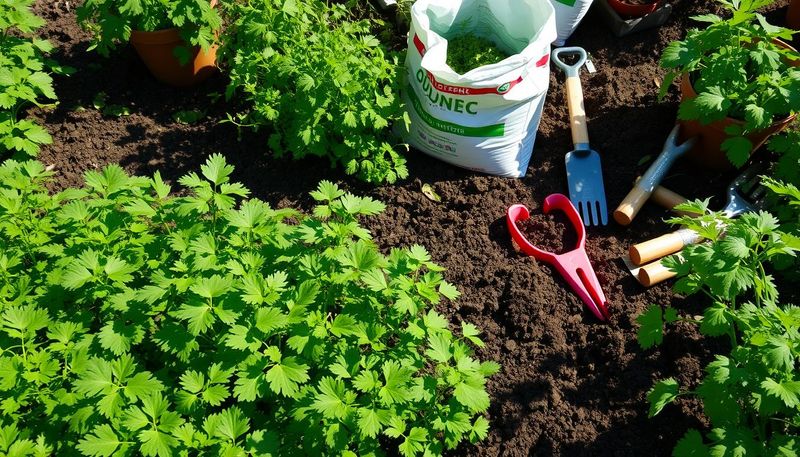
Herbs grown for culinary use need gentle feeding that promotes leaf production without excessive growth. Heavy fertilization creates lush, beautiful plants with weak flavor because rapid growth dilutes the essential oils that make herbs taste wonderful.
Pennsylvania herb gardeners achieve best results with light, organic feeding throughout the growing season.
Compost provides ideal nutrition for most herbs. Working a two-inch layer of finished compost into soil before planting supplies slow-release nutrients.
Side-dressing established plants with compost mid-summer refreshes nutrition without overwhelming delicate root systems.
Liquid fish emulsion offers balanced nutrition that herbs absorb quickly. Dilute fish emulsion to half the recommended strength and apply every three to four weeks during active growth.
This gentle approach keeps herbs productive without forcing excessive leafy growth.
Avoid high-nitrogen fertilizers designed for lawns or vegetables. These powerful formulas push rapid growth that makes herbs taste bland and develop weak stems.
Herbs evolved in poor Mediterranean soils and actually prefer lean conditions that concentrate flavors.
Container herbs need more frequent feeding than garden plants because watering leaches nutrients from potting soil. Feed container herbs with diluted liquid fertilizer every two weeks during Pennsylvania’s growing season.
Perennial herbs like oregano and thyme need minimal fertilization, perhaps just one application of compost each spring. Annual herbs like basil appreciate slightly more nutrition to support continuous leaf production throughout summer.
Proper fertilization creates flavorful, productive herbs that enhance your Pennsylvania kitchen all season long.
8. Watch Out For The Pests
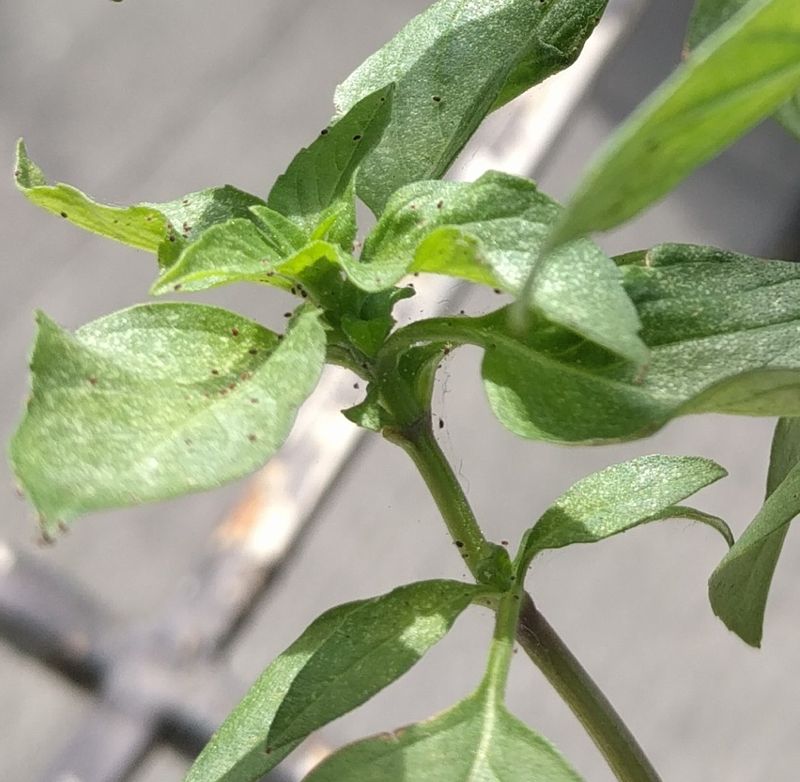
Pennsylvania herb gardens attract fewer pests than vegetable gardens, but several insects still cause problems. Aphids cluster on tender new growth, sucking plant juices and weakening stems.
These tiny pests multiply rapidly during warm weather, coating leaves with sticky honeydew that attracts ants and encourages black sooty mold.
Spider mites appear during hot, dry Pennsylvania summers, creating fine webbing on leaf undersides.
These microscopic pests cause leaves to develop yellow stippling and eventually drop. Regular inspection catches infestations early when control is easiest.
Slugs and snails chew irregular holes in basil and other tender herbs, especially after rain or heavy dew. These moisture-loving pests hide during daylight and emerge at night to feed. Pennsylvania’s humid summers create perfect conditions for slug populations.
Handpicking removes many pests without chemicals that contaminate edible herbs. Knock aphids off plants with strong water sprays from the hose.
Drop slugs into soapy water or relocate them far from your garden. Check plants every few days to catch problems before they become serious.
Insecticidal soap controls soft-bodied pests like aphids and spider mites safely on edible herbs. Spray thoroughly, coating leaf undersides where pests hide.
Repeat applications every five to seven days until pests disappear. Companion planting helps naturally.
Marigolds and nasturtiums repel some pests while attracting beneficial insects that prey on harmful ones, creating balanced Pennsylvania herb gardens that thrive with minimal intervention.