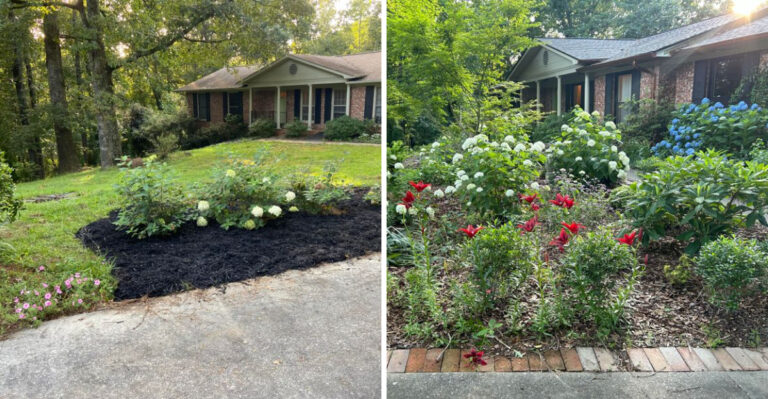
This Gorgeous Hydrangea Alternative Grows Easily In Georgia Gardens
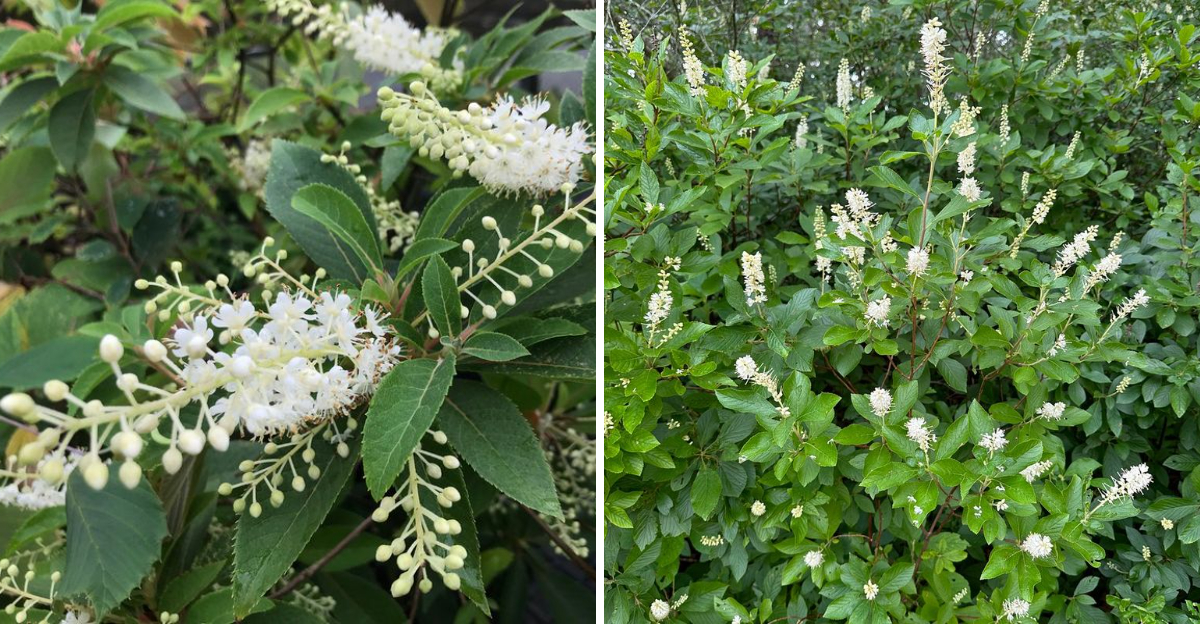
Summersweet may sound unfamiliar, but if you love the look of hydrangeas, this easy-growing shrub could be exactly what your Georgia garden needs.
Georgia’s climate actually helps Summersweet thrive, especially in spots where hydrangeas often struggle to perform well. It fits naturally into shaded areas, moisture-holding soil, and mixed plantings without demanding constant care.
Once established, it grows steadily and rewards you with reliable flowering year after year.
If you want a classic flowering shrub that feels dependable instead of risky, Summersweet stands out as a beautiful hydrangea alternative that truly works in Georgia gardens.
1. Summersweet Clethra Offers The Same Full Look Without The Fuss
Gardeners across Georgia know the frustration of watching their hydrangeas fail to bloom or suddenly wilt despite careful attention. Summersweet clethra gives you that same lush, rounded shrub appearance with clusters of showy flowers, but it actually delivers consistent results year after year.
The plant naturally grows into a dense, multi-stemmed form that fills garden spaces beautifully. Reaching heights of four to eight feet depending on the variety, it creates the same visual impact as a mature hydrangea without requiring constant intervention.
The flower spikes appear in abundance from June through August, creating a display that rivals any hydrangea border.
What sets clethra apart is its reliability. You won’t wake up to mysteriously browned blooms or sparse flowering because you guessed wrong about soil amendments.
The shrub produces its fragrant flower spikes consistently, regardless of whether your Georgia soil leans acidic or alkaline.
The foliage stays attractive throughout the growing season, turning golden yellow in fall before dropping. Unlike hydrangeas that can look ratty by late summer, clethra maintains its appearance right through the season.
Many Georgia gardeners use it as a foundation planting or along property lines where they previously struggled with hydrangeas.
2. Native Roots Make It Naturally Adapted To Georgia Conditions
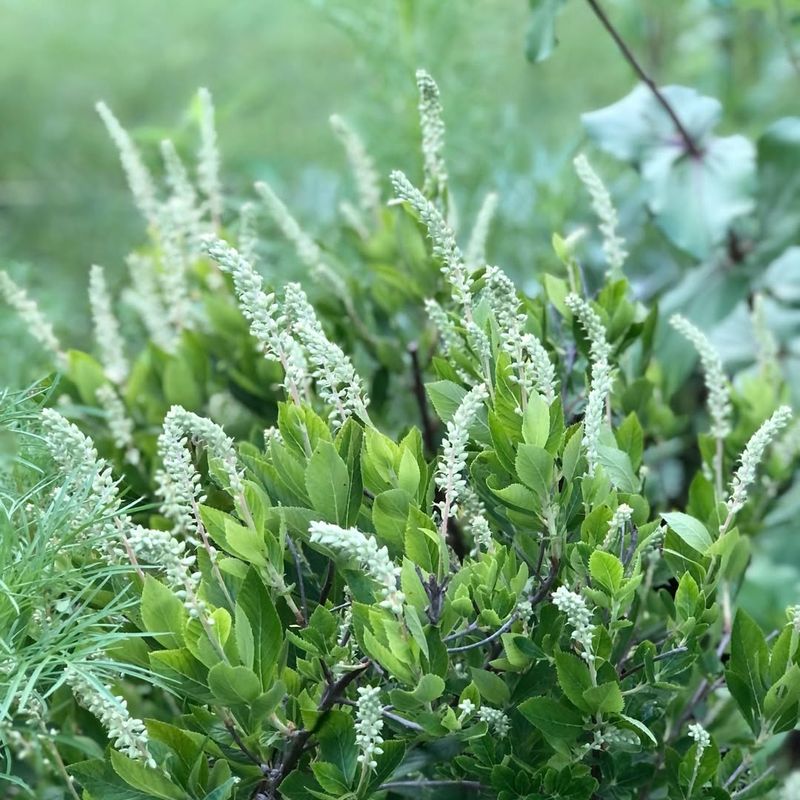
Native plants carry a built-in advantage that imported species simply cannot match. Summersweet clethra evolved right here in the southeastern United States, spending thousands of years adapting to Georgia’s specific climate patterns, soil types, and seasonal variations.
This native heritage means the plant already knows how to handle Georgia’s hot, humid summers and occasional cold snaps. It doesn’t need you to recreate conditions from another continent or climate zone.
The shrub’s root system developed specifically to thrive in Southern soils, whether you’re gardening in the red clay of North Georgia or the sandier soils closer to the coast.
Local insects and wildlife recognize clethra as part of their ecosystem. Beneficial pollinators flock to the fragrant blooms, while birds appreciate the shelter and seeds.
This creates a healthier garden environment overall, with natural pest control built right in.
Georgia’s unpredictable weather patterns don’t faze this tough native. Late spring freezes, summer droughts, and sudden temperature swings are all part of the climate it adapted to survive.
The plant simply handles whatever Georgia’s weather throws at it, year after year, without requiring special protection or intervention from you.
Your Georgia Garden Changes Every Week. Your Plan Should Too.
Gardening in Georgia changes quickly throughout the season. Every Friday you’ll receive a simple weekly plan showing exactly what to plant, prune, fertilize, harvest, and protect so you never miss the right timing.
3. Shade Tolerance Solves A Common Hydrangea Struggle
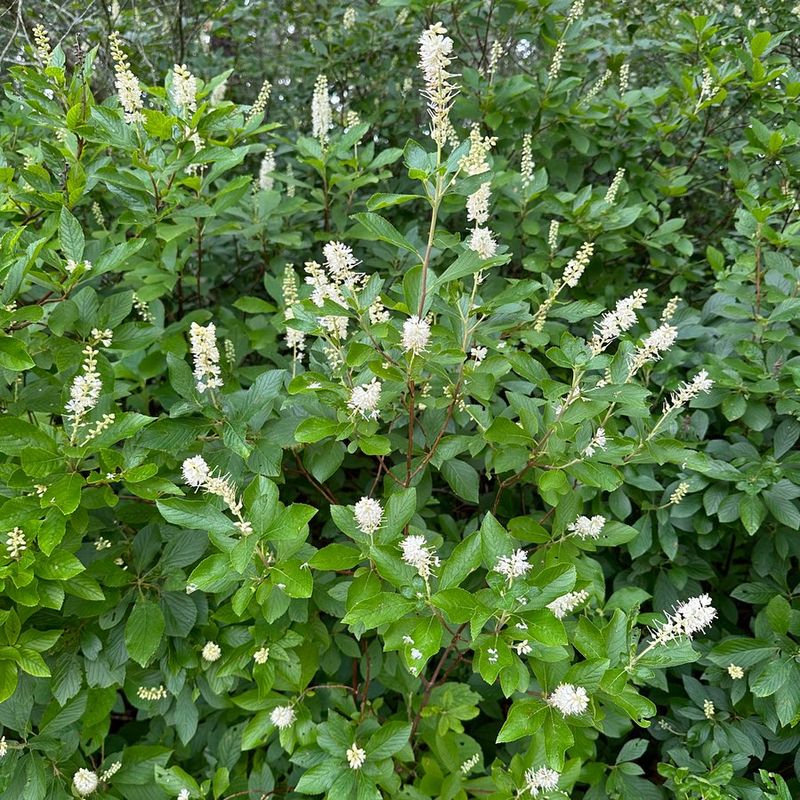
Most Georgia properties have challenging shade areas where gardeners struggle to find flowering shrubs that actually perform well. Hydrangeas demand specific light conditions and often disappoint when planted in less-than-ideal spots.
Summersweet clethra thrives in partial shade to full shade, opening up planting possibilities throughout your landscape.
The plant actually prefers some shade protection during Georgia’s intense summer afternoons. Those spots under mature trees or along the shaded side of your house become prime real estate for clethra.
It produces abundant blooms even with just three to four hours of sunlight, making it perfect for woodland gardens or naturalized areas.
This shade tolerance also protects the plant from heat stress. While hydrangeas often wilt and struggle during Georgia’s brutal July and August heat waves, clethra remains fresh and continues blooming.
The flowers last longer in shaded conditions, extending your display well into late summer.
North-facing borders, areas beneath pine trees, and the challenging spaces between your house and fence line all become opportunities rather than problems. You can create lush, flowering landscapes in spots where hydrangeas would languish.
Georgia gardeners with heavily wooded lots particularly appreciate this trait, as it allows them to bring color and fragrance into shaded areas that typically limit planting options significantly.
4. Reliable Summer Blooms Fill The Post-Spring Gap
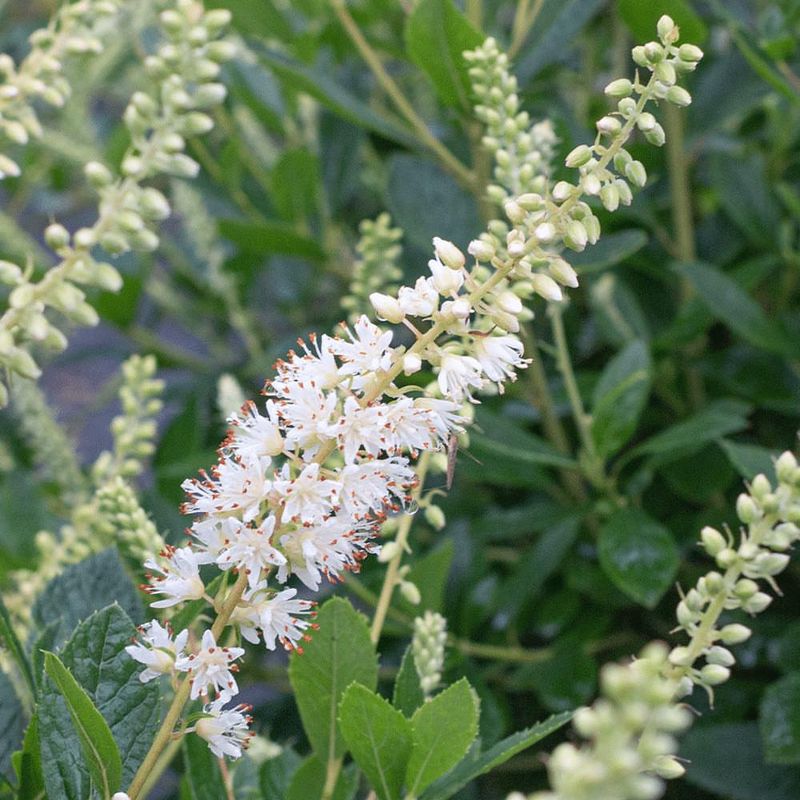
Spring brings an explosion of blooms to Georgia gardens, but by late June, most flowering shrubs have finished their show.
Summersweet clethra hits its stride exactly when your landscape needs it most, producing fresh flower spikes throughout the hottest months when color becomes scarce.
The timing couldn’t be better for Georgia gardeners. Just as azaleas, dogwoods, and early-blooming hydrangeas fade, clethra begins opening its fragrant flower spikes.
This creates continuous interest in your landscape rather than the feast-or-famine pattern many gardens experience. The blooms continue for six to eight weeks, providing reliable color from late June through August.
Each flower spike measures four to six inches long and contains dozens of tiny individual flowers. These open gradually from bottom to top, extending the display period significantly.
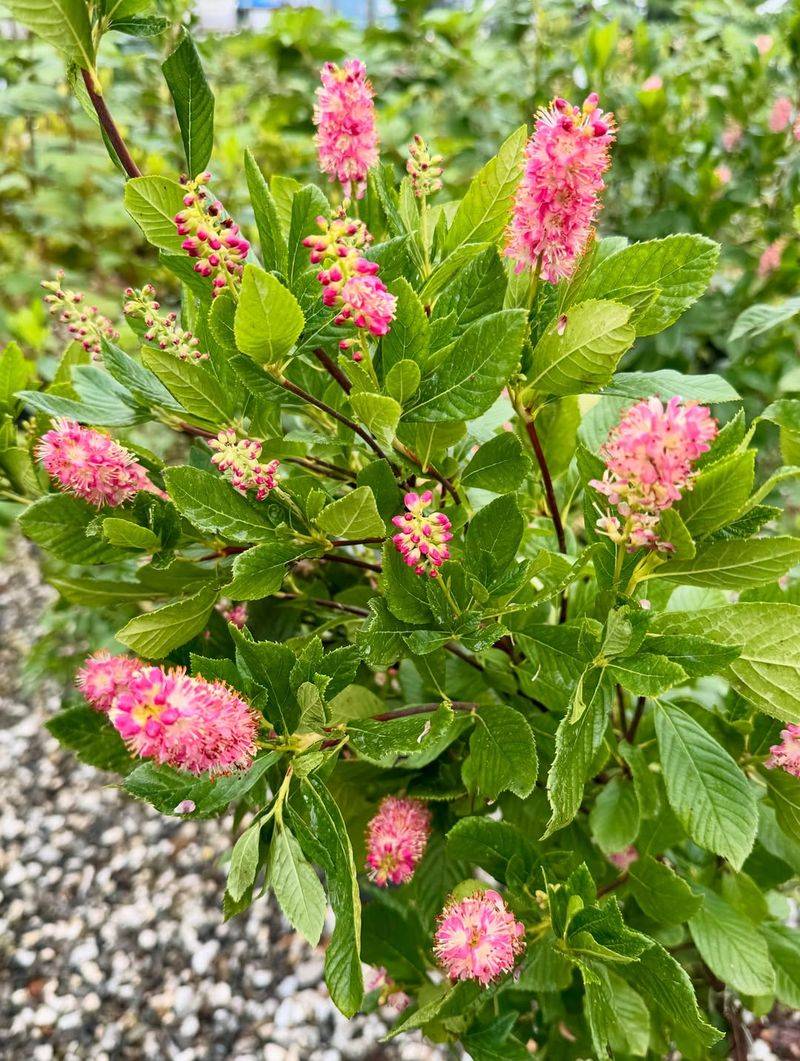
Fresh white or pink flowers keep appearing even as older blooms fade, maintaining the shrub’s attractive appearance throughout the entire blooming season.
Georgia’s summer garden visitors particularly appreciate this extended bloom time. Butterflies, bees, and hummingbirds visit the flowers constantly, creating movement and life in your landscape during the season when many gardens look tired.
5. Fragrant Flowers Add Impact Beyond Visual Appeal
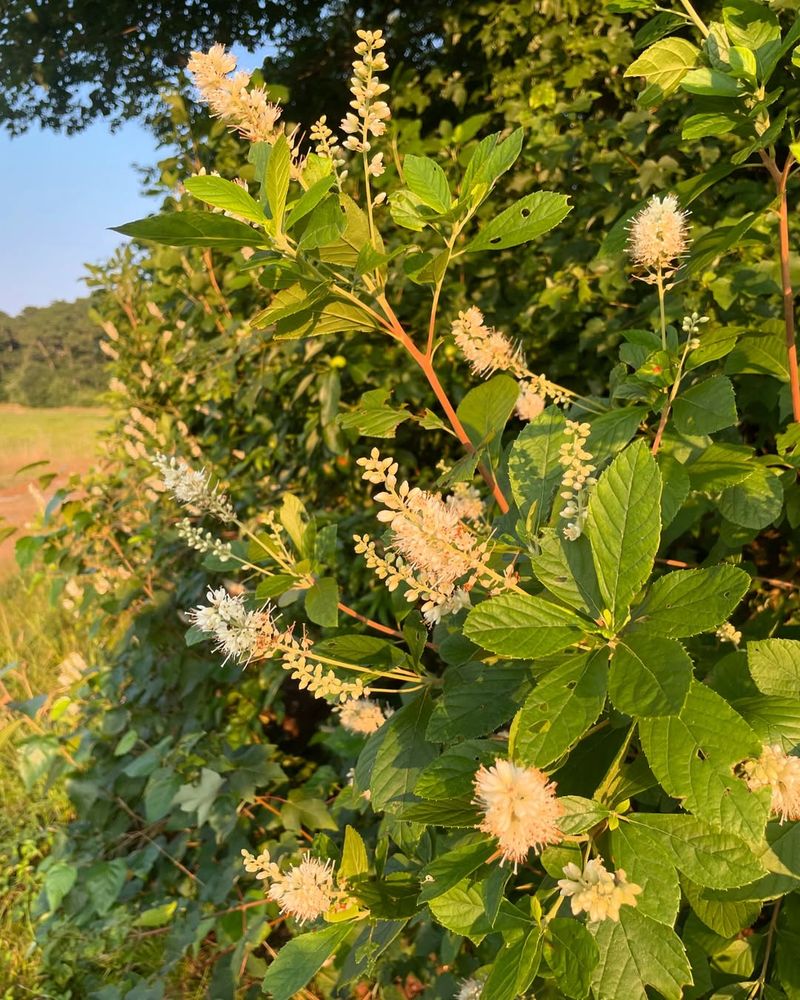
Walk past a blooming clethra on a warm Georgia evening and you’ll immediately understand why it earned the name summersweet. The intensely fragrant flowers perfume the air for yards around, adding a sensory dimension that hydrangeas simply cannot match.
This fragrance transforms outdoor living spaces into something truly special.
The sweet, spicy scent intensifies during evening hours and after rain showers. Planting clethra near patios, decks, or along walkways means you’ll enjoy the fragrance every time you step outside.
Georgia gardeners often position these shrubs near windows or doors so the scent drifts indoors on summer breezes.
Pollinators find the fragrance irresistible. Bees work the flowers from dawn to dusk, while butterflies and hummingbirds make regular visits throughout the day.
This constant activity adds movement and interest to your garden while supporting beneficial insects that help control pests naturally.
The fragrance doesn’t overwhelm or become cloying like some heavily scented plants. Instead, it provides a pleasant background note that enhances your outdoor experience without dominating.
Cut flower arrangements benefit from including a few clethra spikes, as the scent fills rooms naturally. Many Georgia gardeners specifically plant clethra in their cutting gardens for this purpose, enjoying both the visual beauty and wonderful fragrance the blooms provide throughout the summer months when fresh-cut options become limited.
6. Consistent Shape Keeps Landscapes Looking Intentional
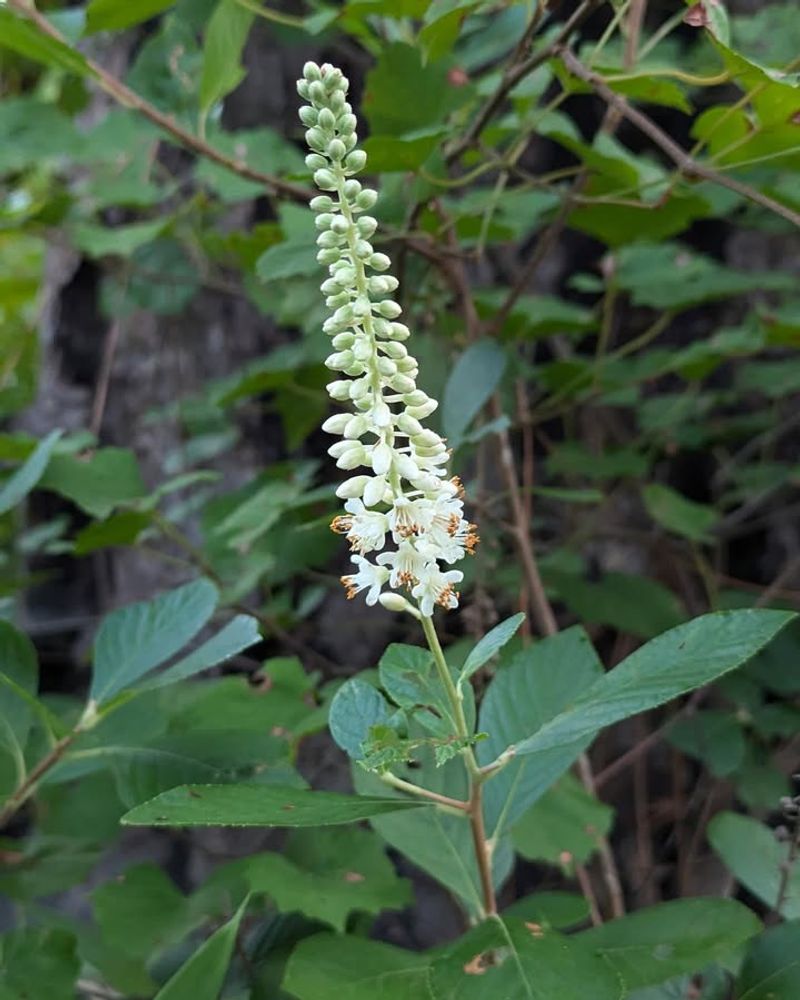
Hydrangeas often grow wild and leggy, requiring constant pruning to maintain an attractive shape. Summersweet clethra naturally develops into a neat, rounded form that looks intentional without demanding hours of your time with pruning shears.
This self-maintaining habit makes landscape design much simpler for Georgia homeowners.
The shrub produces multiple stems from the base, creating a full, dense appearance from ground level up. New growth emerges evenly around the plant rather than shooting out in random directions.
This natural symmetry means your landscape maintains a polished, professional appearance with minimal effort on your part.
Mature plants typically reach four to six feet tall with a similar spread, though some varieties grow larger. The predictable size makes spacing decisions straightforward when planning your landscape.
Occasional light pruning in late winter removes any damaged wood and encourages fresh growth, but the plant doesn’t require the careful shaping that hydrangeas demand.
This reliability proves especially valuable in foundation plantings or formal garden designs where consistent appearance matters most to the overall visual impact.
7. Moisture Flexibility Helps It Handle Georgia Rain Patterns
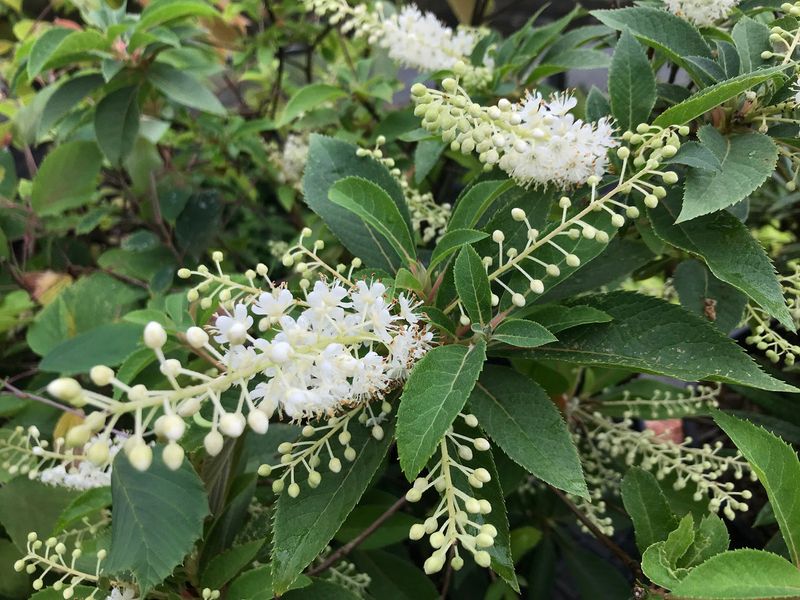
Georgia’s rainfall patterns swing wildly from drought to deluge, often within the same growing season. Hydrangeas struggle with these extremes, wilting dramatically during dry spells and developing root problems when conditions turn soggy.
Summersweet clethra handles both situations with remarkable flexibility, adapting to whatever moisture conditions your Georgia garden provides.
The plant naturally grows along stream banks and in low-lying areas throughout its native range. This background means it tolerates consistently moist soil better than most flowering shrubs.
Those problem spots in your yard where water collects after heavy rains become perfect planting locations for clethra rather than sources of frustration.
Established plants also develop surprising drought tolerance once their root systems mature. While they prefer consistent moisture, they won’t collapse during Georgia’s inevitable dry spells the way hydrangeas do.
The foliage might look slightly less perky during extended droughts, but the plant recovers quickly once normal rainfall returns.
You won’t spend summer evenings dragging hoses around or worrying about plants drowning during Georgia’s frequent thunderstorm seasons.
Rain gardens, bioswales, and other water management features benefit greatly from clethra’s ability to handle fluctuating moisture levels.
8. Low Maintenance Growth Makes It Easier Than Hydrangeas
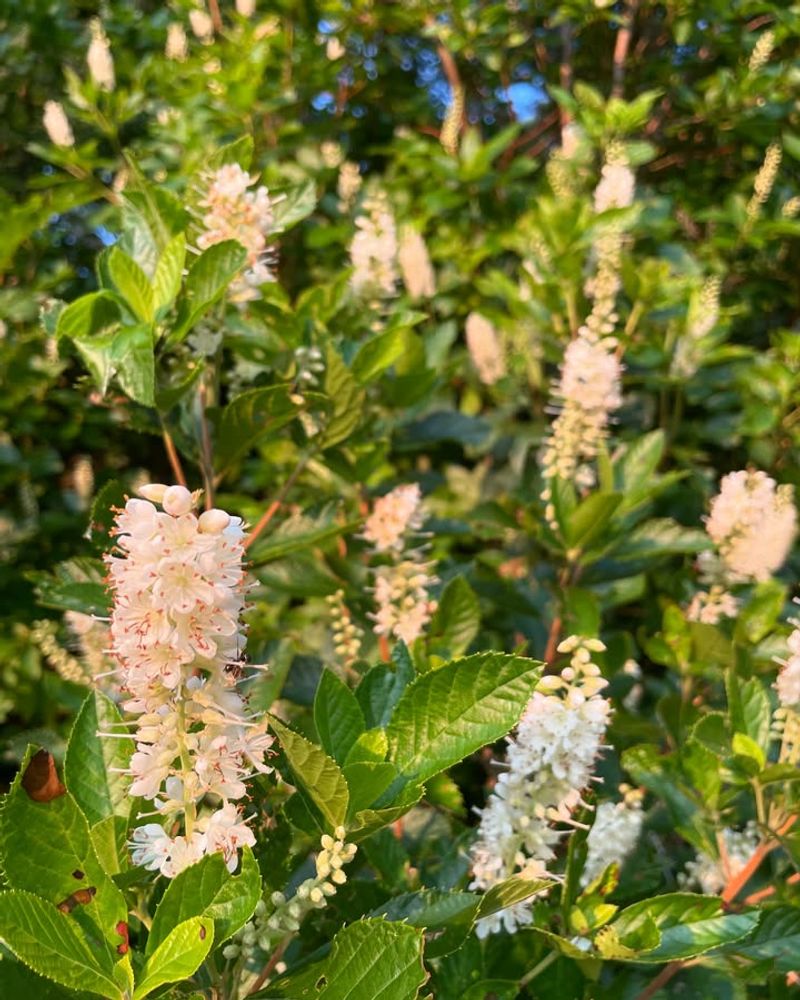
Hydrangeas demand constant attention, from pH testing and soil amendments to specific fertilizing schedules and careful pruning techniques.
Summersweet clethra asks for almost nothing once established, making it the perfect choice for Georgia gardeners who want beautiful results without weekend-consuming maintenance routines.
The plant requires no fertilizer in most Georgia soils. Its native heritage means it evolved to thrive in whatever nutrients our local soils naturally provide.
You’ll save money on soil amendments and time on application schedules while still getting vigorous growth and abundant blooms.
Pest and disease problems rarely occur with clethra. The plant’s native status means local insects recognize it as part of the natural ecosystem rather than a foreign species to attack.
Pruning requirements stay minimal throughout the plant’s life. No complicated pruning schedules or worries about cutting off next year’s blooms exist with clethra.
It blooms on new growth, so even if you do prune at the wrong time, you won’t sacrifice flowers.