How To Eliminate Scotch Broom In Your Oregon Yards Before It Gets Worse
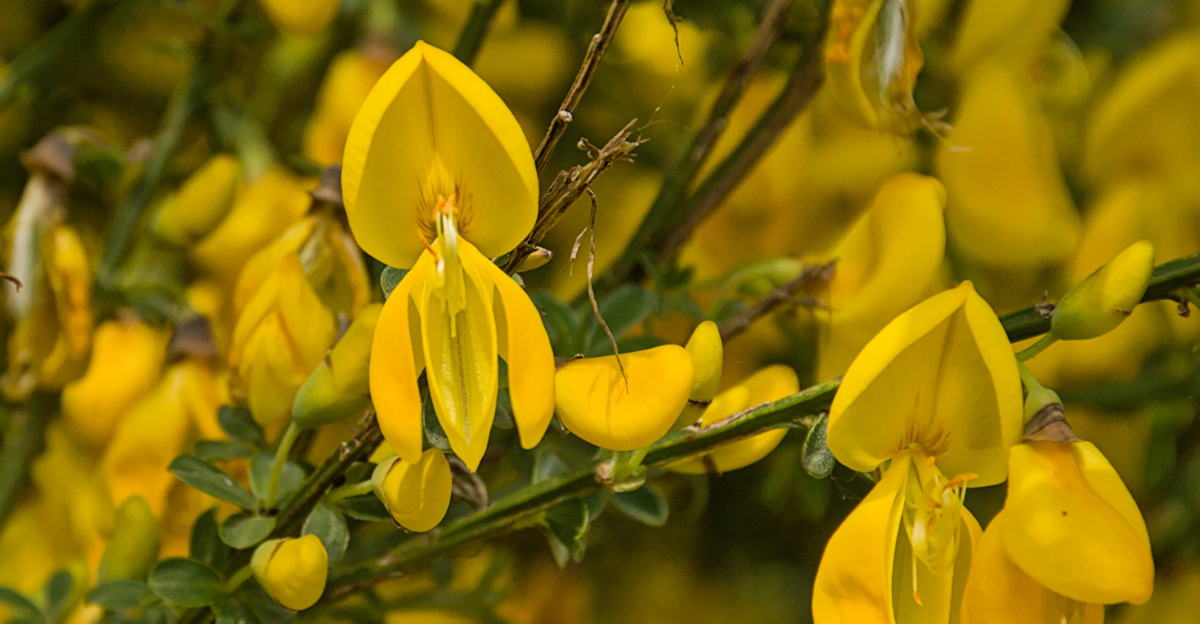
Scotch broom might look harmless with its bright yellow blooms, but in Oregon it quickly turns into a backyard bully.
One season it is a small shrub, the next it is everywhere, crowding out plants, stealing nutrients, and dropping thousands of seeds that refuse to quit.
If you feel like it spreads overnight, you are not imagining things. This fast moving invader loves Oregon’s climate and wastes no time taking over open space, garden edges, and even gravel paths. The sooner you act, the easier life becomes.
1. Spot It Early, Win The Battle
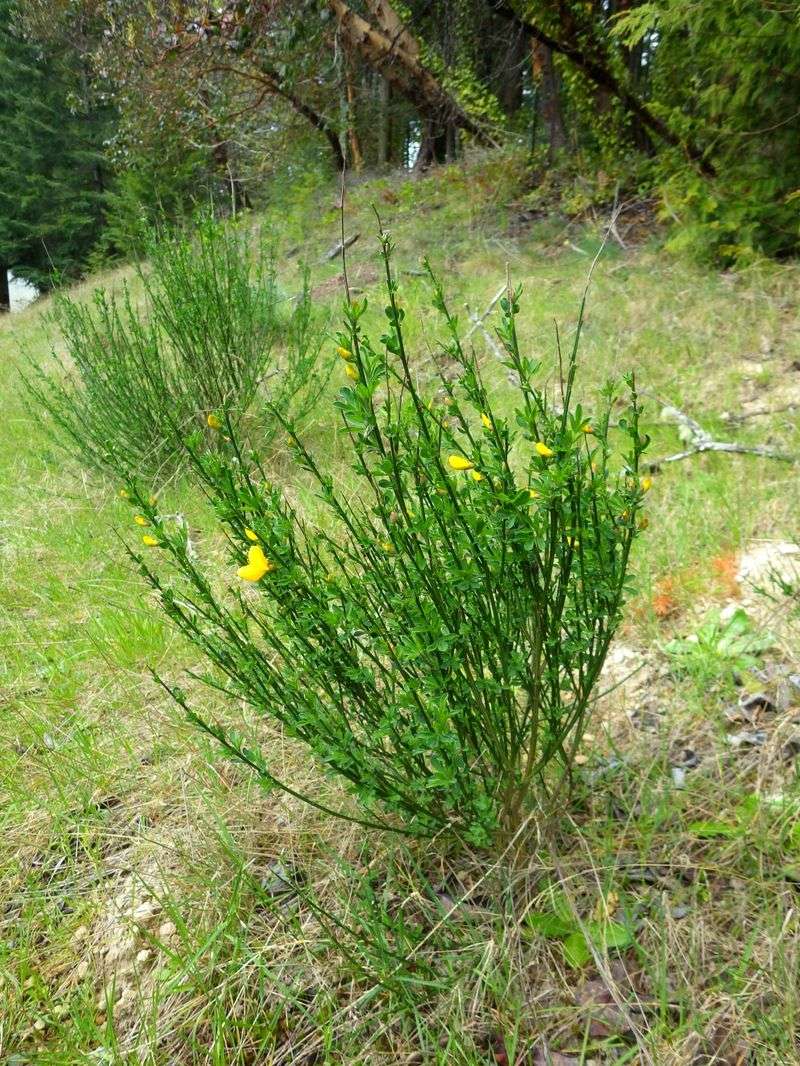
Walking your property after Oregon’s rainy season ends gives you a good opportunity to spot Scotch broom while plants are still small.
Young seedlings appear as green shoots with small compound leaves, often emerging in disturbed soil or along fences where birds may have dropped seeds.
Some homeowners overlook these seedlings until they become much larger and harder to manage.
Early identification can make removal much easier. Small seedlings, especially when soil is moist, can often be pulled by hand with the root.
Recognizing them early helps prevent future spread and reduces the need for more intensive control later.
Check your yard periodically from spring into early summer when new growth is easiest to see. Pay close attention to sunny, open areas with poor soil, edges of driveways, and locations near established plants.
The green, ridged stems remain visible through much of the year, though fresh spring growth is often easiest to recognize. Keeping track of recurring problem spots can help you monitor and manage new seedlings more effectively over time.
2. Why Scotch Broom Spreads So Fast
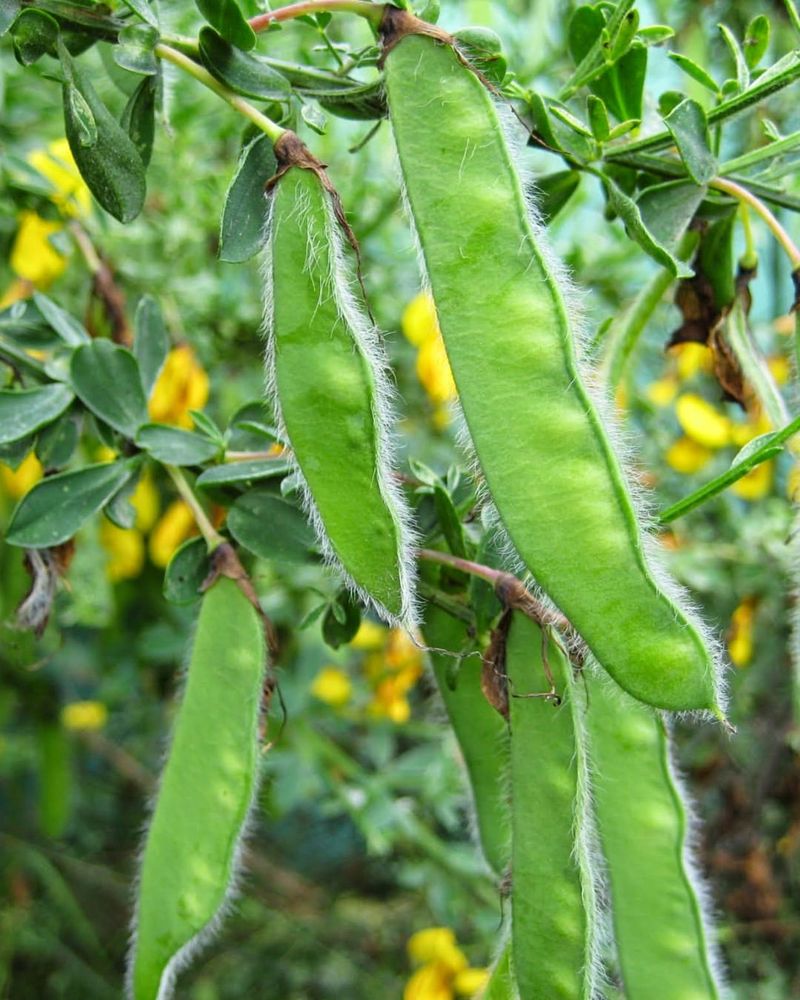
Understanding the plant you are dealing with can make control more effective and reduce frustration when new seedlings appear. Scotch broom produces a large number of seeds, and a mature shrub can generate many thousands in a season.
The dry seed pods split open as they mature, scattering seeds several feet away from the parent plant.
Oregon’s climate can favor Scotch broom, with mild, wet winters supporting germination and dry summers helping pods mature and release seed.
Seeds may remain viable in the soil for many years, so even after removing visible plants, new seedlings can continue to emerge from the existing seed bank.
Birds, animals, and human activity can spread seeds beyond the original plant, sometimes carrying them to fence lines, roadsides, and disturbed ground. Soil disturbance from digging, grading, or construction often encourages germination by exposing buried seeds.
Recognizing these patterns helps explain why consistent, long-term control is usually more effective than expecting immediate eradication.
3. Pull Young Plants Before Roots Set
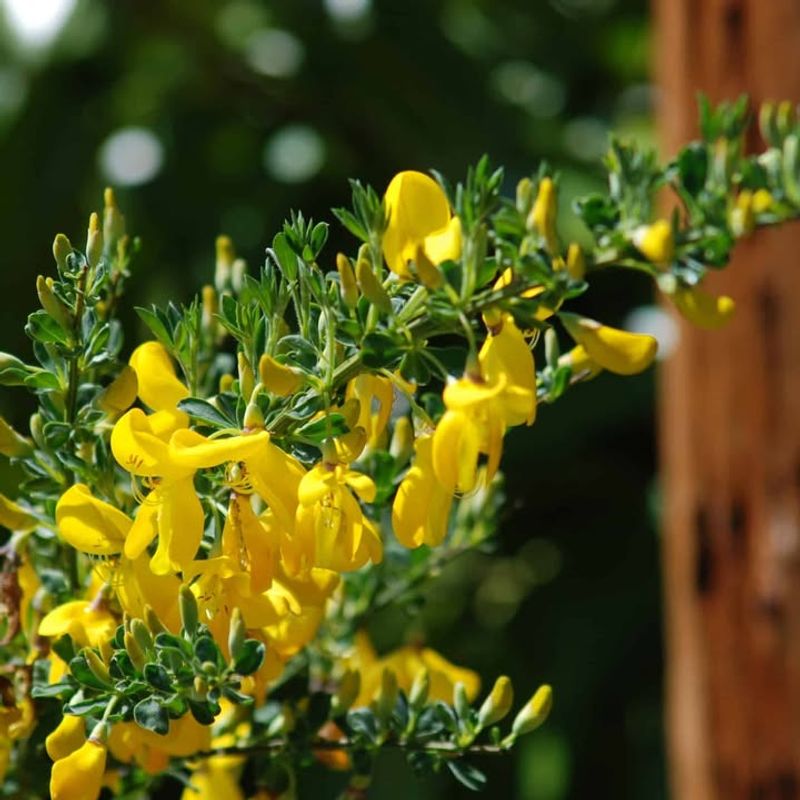
Spring cleanup season provides a good opportunity for hand-pulling Scotch broom before roots become well established and harder to remove.
Very young plants often have smaller, less developed root systems and can sometimes be pulled more easily when soil is moist.
Working after rainfall, when the ground is softer, can improve the chances of removing more of the root.
Grip the plant low near the soil line, gathering all stems if several are present. Pull upward with steady pressure rather than twisting or jerking, which may snap the stem and leave part of the root behind.
Your Oregon Garden Changes Every Week. Your Plan Should Too.
Gardening in Oregon changes quickly throughout the season. Every Friday you’ll receive a simple weekly plan showing exactly what to plant, prune, fertilize, harvest, and protect so you never miss the right timing.
If resistance is strong, loosening the soil with a hand tool before pulling can help free the root more completely.
Removing plants earlier in the season helps reduce the chance of flowering and seed production, though timing varies with conditions and plant age. Dispose of removed plants promptly, as some may resprout if left in contact with moist soil.
Revisit treated areas periodically, since additional seedlings may continue emerging from the existing seed bank over time.
4. Cut Mature Shrubs The Right Way
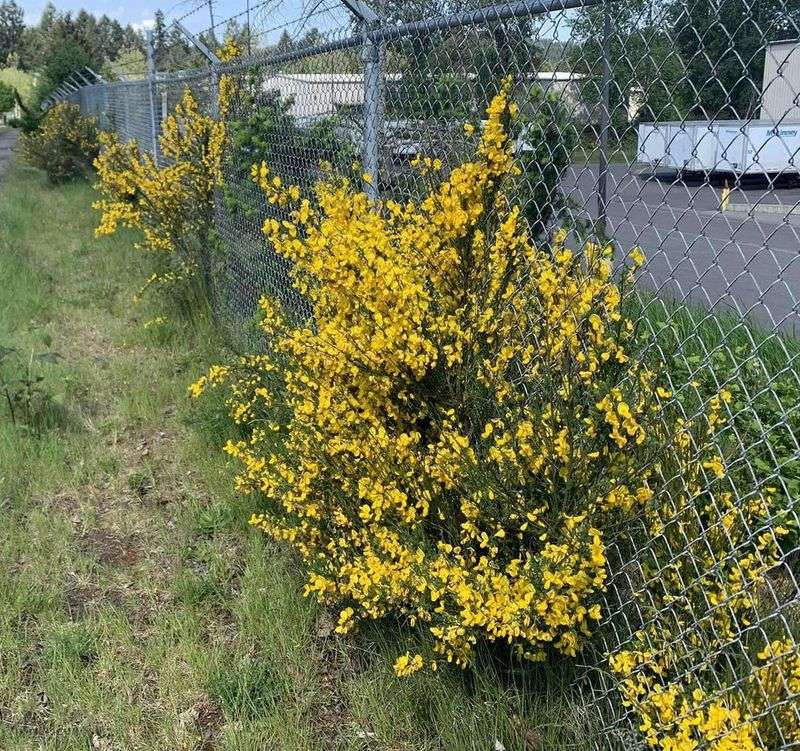
Large, established Scotch broom plants with woody stems usually require a different approach than simple pulling, and cutting alone often results in regrowth.
When a mature shrub is cut without treating the root system, it can resprout from the base, sometimes producing multiple new shoots.
This response can make the plant appear even denser the following season.
A more effective method often combines cutting with follow-up treatment to reduce regrowth. Cut stems as close to ground level as practical using sharp tools to make clean cuts.
Remove cut material from the site, especially if seed pods are present, to help limit further seed spread.
After cutting, stump treatment with an appropriate herbicide is commonly recommended where chemical control is acceptable and permitted.
Apply according to product label directions, ensuring the cut surface is thoroughly covered.
Timing and weather conditions can influence effectiveness, and treatments are typically most effective when applied to fresh cuts during dry conditions so the product is not washed away before absorption.
Make sure to always follow local regulations and safety guidance when using herbicides, so you can stay on the safe side.
5. Stop Seeds Before They Explode
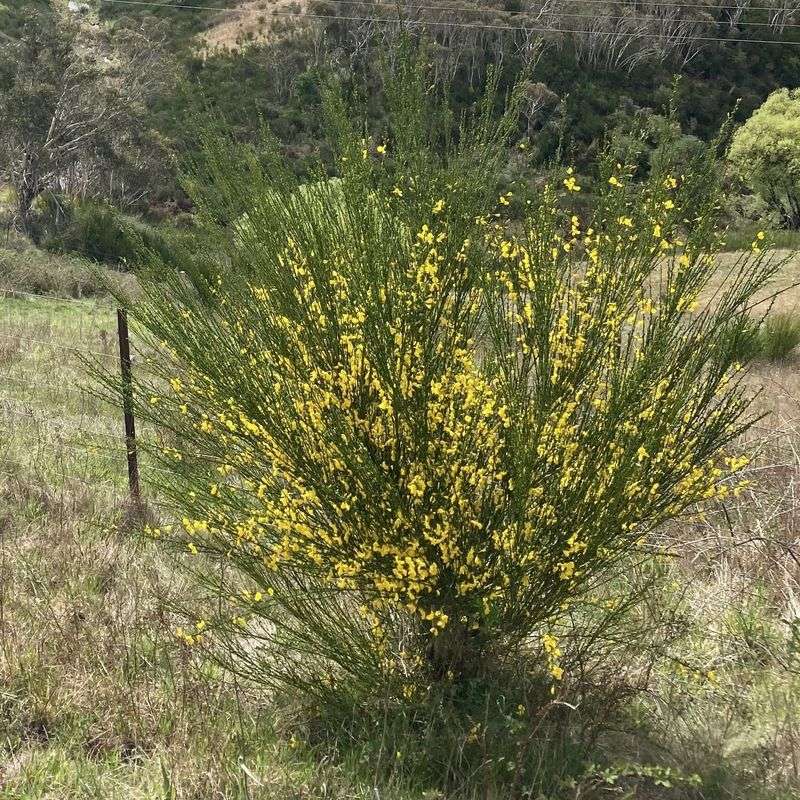
Preventing seed production helps slow the cycle that allows Scotch broom to persist, making it an important part of long-term control. If immediate removal of mature plants is not possible, limiting new seed input can still reduce future spread.
Scotch broom typically flowers from spring into early summer in much of Oregon, with seed pods forming soon after blooms fade. Watch plants as flowers decline and small green pods begin to develop.
Pods remain green and flexible for a period before drying and turning brown, which is when they can split and release seeds. The most effective time to intervene is while pods are still immature.
Prune off flowering or pod-bearing branches and handle them carefully to avoid dispersing seeds. Bag and dispose of this material according to local waste guidelines rather than composting, since seeds may still mature after cutting.
While this step does not remove the plant itself, it can reduce additional seed production for the season and help limit future infestations.
6. Don’t Let It Come Back Stronger
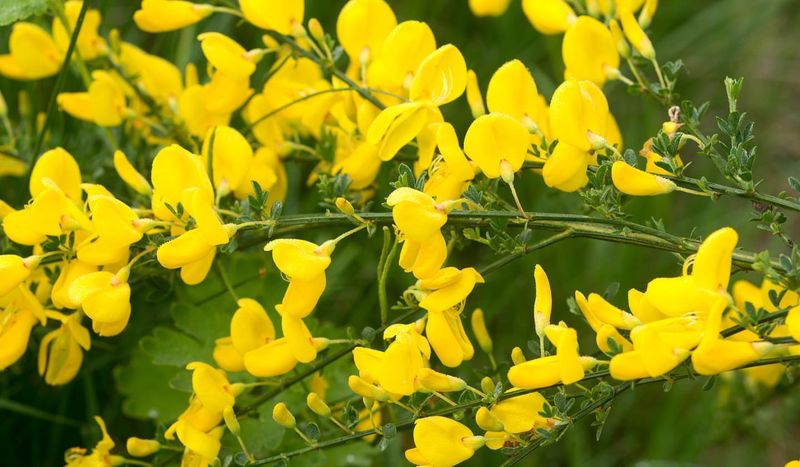
Your work doesn’t end after removing visible plants, because Scotch broom can persist through several survival strategies.
In some cases, root pieces left in the soil may produce new shoots, and treated stumps can occasionally resprout if follow-up control is incomplete.
Effective management often involves continued monitoring and, if needed, additional treatment during the growing season and sometimes beyond the first year.
Check treated areas periodically through the active growing months, watching for new green shoots emerging from the soil.
These resprouts may appear near or slightly away from the original plant, sometimes arising from remaining root tissue. Marking problem spots can make follow-up checks easier.
Address new shoots while they are small, when removal is usually easier. Young resprouts may be pulled by hand in moist soil, or carefully spot-treated according to product label directions where herbicide use is appropriate.
Avoid broad spraying that could affect nearby desirable plants. Repeated removal or treatment over time gradually weakens remaining root reserves, and many sites require multiple follow-up efforts before regrowth declines.
7. Safe Disposal Matters More Than You Think
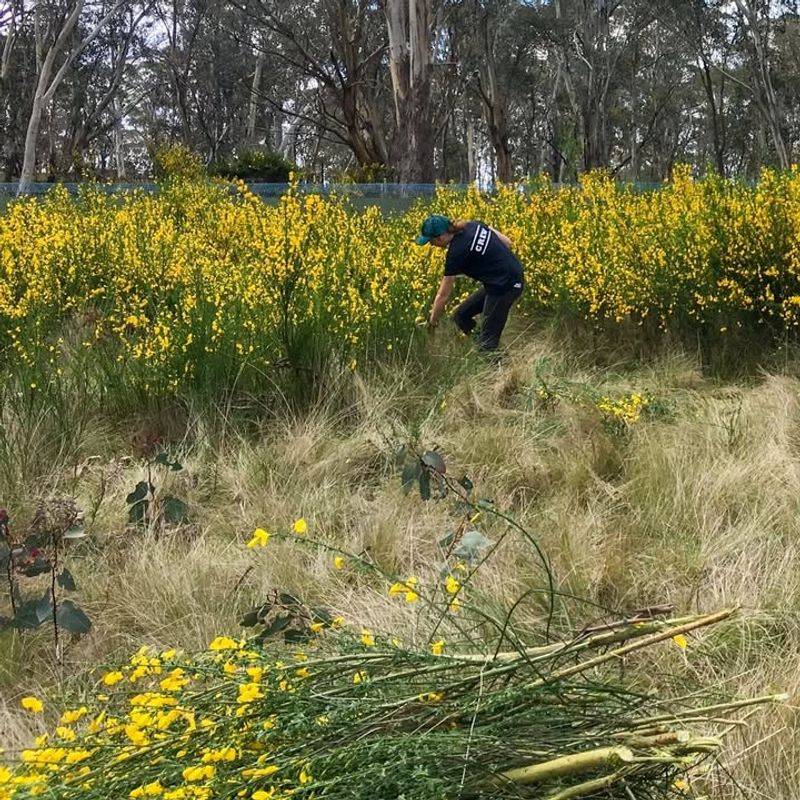
How you dispose of removed Scotch broom affects whether control efforts are successful or if seeds spread elsewhere on your property.
Piling cut branches in corners of the yard, dumping them in natural areas, or adding them to brush piles can allow seed pods to continue maturing and releasing seeds. In moist conditions, some cut stems may also resprout.
A common and effective approach is to bag removed material securely and dispose of it with regular household waste, following local waste guidelines.
Using sturdy bags and filling them at the removal site helps limit the chance of spreading seeds during handling. Tie bags closed to reduce the risk of seeds escaping.
Avoid placing Scotch broom in compost or yard waste unless local authorities specifically approve and provide guidance, as seeds may survive some composting processes.
Burning may be restricted or regulated in many areas and may not reliably destroy all seeds unless done properly.
Some Oregon communities offer invasive plant disposal programs or special collection events, which can provide an appropriate alternative where available.
8. Replant Smart To Keep Broom Out
Bare ground left after Scotch broom removal can allow new seedlings to emerge from the existing soil seed bank, so replanting is often an important final step in long-term control.
Open soil is quickly colonized by available species, and establishing desirable plants can help reduce opportunities for Scotch broom to return while restoring plant cover to previously invaded areas.
Select hardy plants suited to similar conditions, full sun, relatively poor soil, and seasonal dryness. Species such as Oregon grape, snowberry, oceanspray, and kinnikinnick can form dense growth that helps compete with new seedlings for light, water, and nutrients.
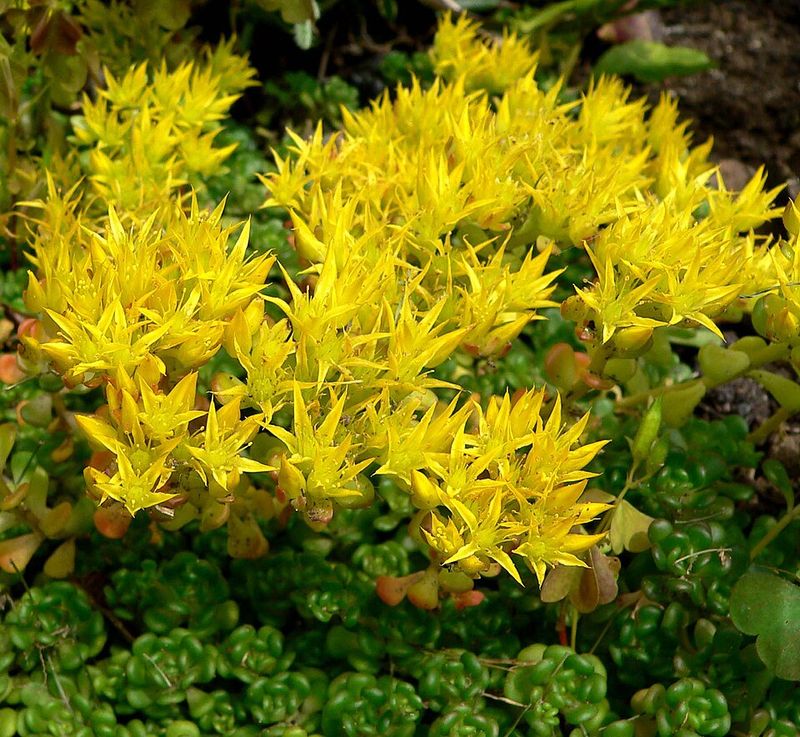
Groundcovers are often useful because they cover soil more quickly and reduce open space where seeds might germinate. A great groundcover alternative you can plant is a native one: Oregon stonecrop!
Planting more densely can limit gaps where new invasives may establish. Applying a layer of mulch, such as wood chips or bark, helps suppress germination while new plantings become established.
Over time, well-vegetated areas typically require less intensive Scotch broom control than bare or sparsely planted ground, though periodic monitoring is still recommended.