8 Backyard Changes That Bring More Mourning Doves Into Arizona Yards
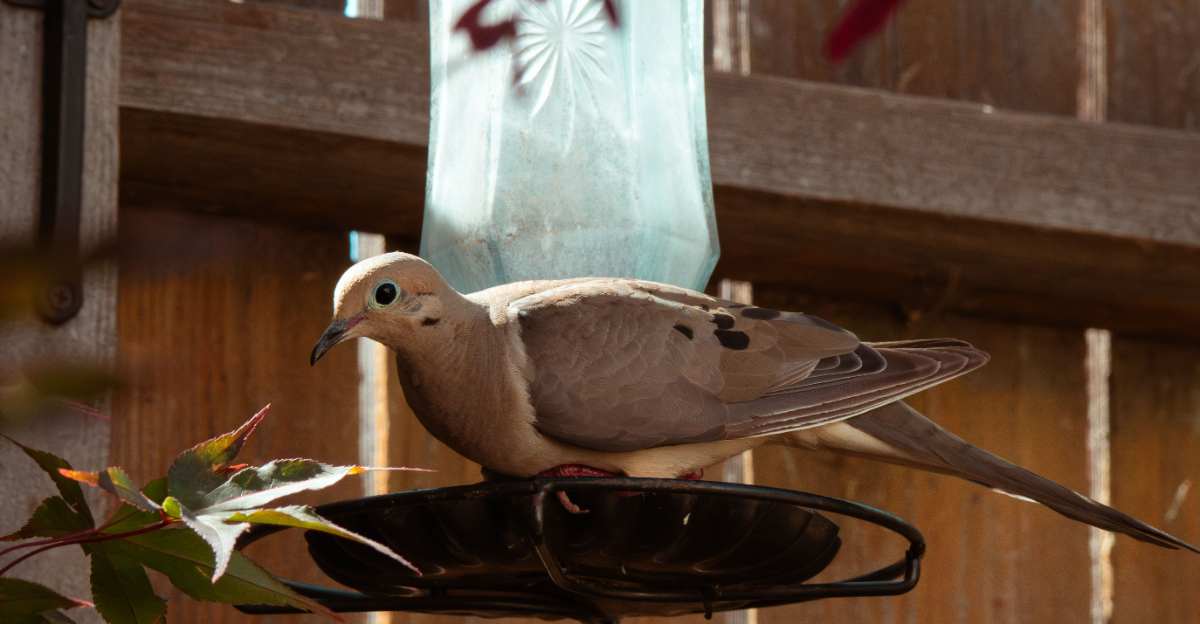
Mourning doves are already part of Arizona’s landscape, but getting them to settle into your yard takes more than scattering a little seed and hoping they stay.
You may have noticed them perched on power lines or walking calmly across open ground, always alert and ready to lift off at the slightest movement.
In Arizona’s dry climate, these birds look for safety, open space, and reliable water long before they worry about feeders. When a yard feels predictable and low stress, doves return again and again.
Small backyard changes can make a noticeable difference in how often they visit. In the desert, access to water and clear sightlines matter more than fancy features.
When your yard offers both safety and simple resources, mourning doves begin to treat it as part of their daily routine rather than just a quick stop.
1. Open Ground Areas That Make Doves Feel Safe
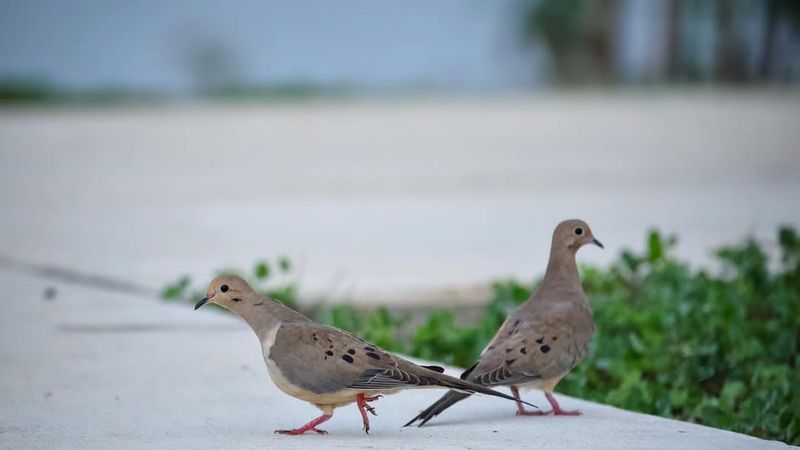
Mourning doves feel most comfortable when they can see what’s coming from every direction. In Arizona backyards, creating open ground spaces gives these birds the security they need to relax and feed.
Unlike smaller birds that dart between dense bushes, mourning doves prefer wide-open areas where predators can’t sneak up on them unnoticed.
Think about clearing out some of the clutter in your yard. Remove dense plantings in at least one section to create an open zone of bare ground or short grass.
This doesn’t mean you need to eliminate all your landscaping, but having one clear area of at least 10 to 15 feet across makes a huge difference. Doves will land in these spots, walk around pecking for seeds, and keep their heads up to scan for danger.
Many Arizona homeowners make the mistake of filling every inch of their yards with decorative rocks, tall cacti, and thick shrubs. While that looks beautiful, it doesn’t work for mourning doves.
They need breathing room. Keep some areas simple and uncluttered.
Even a patch of compacted dirt works perfectly.
Position your open area away from walls or fences where cats or other predators might hide. Doves are smart and won’t use spaces that feel like traps.
Give them visibility, and they’ll reward you with daily visits throughout the year in your Arizona landscape.
2. Low, Flat Feeding Spots Instead Of Raised Feeders
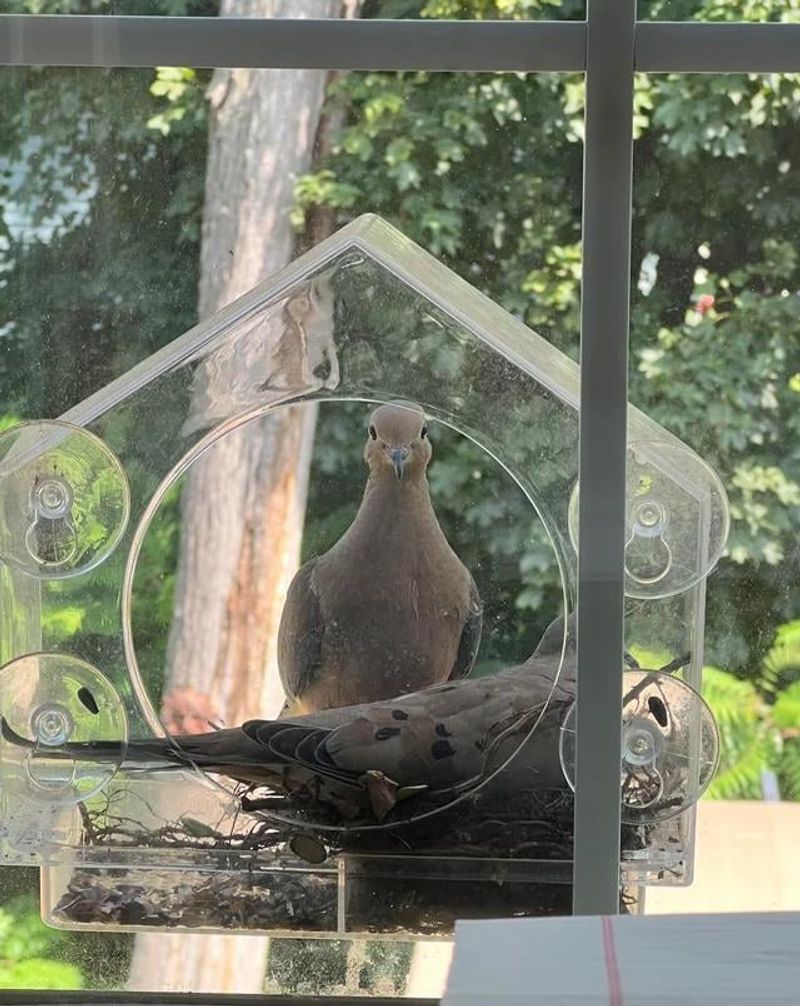
Raised feeders might work great for finches and chickadees, but mourning doves prefer eating at ground level. Their body structure and feeding behavior make them natural ground foragers, and they feel awkward trying to balance on elevated perches.
In Arizona yards, the best way to feed mourning doves is by offering food right on the ground or on very low platforms.
Scatter seeds directly onto bare ground, gravel, or a flat patio surface. Mourning doves love millet, cracked corn, sunflower seeds, and safflower seeds.
They’ll happily peck away at these offerings for extended periods. If you prefer keeping things a bit tidier, use a ground-level platform feeder that sits just an inch or two off the ground.
Your Arizona Garden Changes Every Week. Your Plan Should Too.
Gardening in Arizona changes quickly throughout the season. Every Friday you’ll receive a simple weekly plan showing exactly what to plant, prune, fertilize, harvest, and protect so you never miss the right timing.
This keeps seeds from getting too muddy during Arizona’s occasional rains while still being accessible.
Avoid hanging feeders or pole-mounted feeders set high up. Doves will ignore these completely.
Even platform feeders mounted three feet high are too elevated for their comfort. They want to stay close to the ground where they can quickly take off if needed.
Place your ground feeding area in your open space with good visibility. Keep it away from overhanging branches where predators might lurk.
Refill the feeding spot regularly, especially during Arizona’s hot summer months when natural food sources become scarce. Consistency matters, and doves will remember your yard as a reliable food source.
3. Native Seed Plants They Naturally Forage On
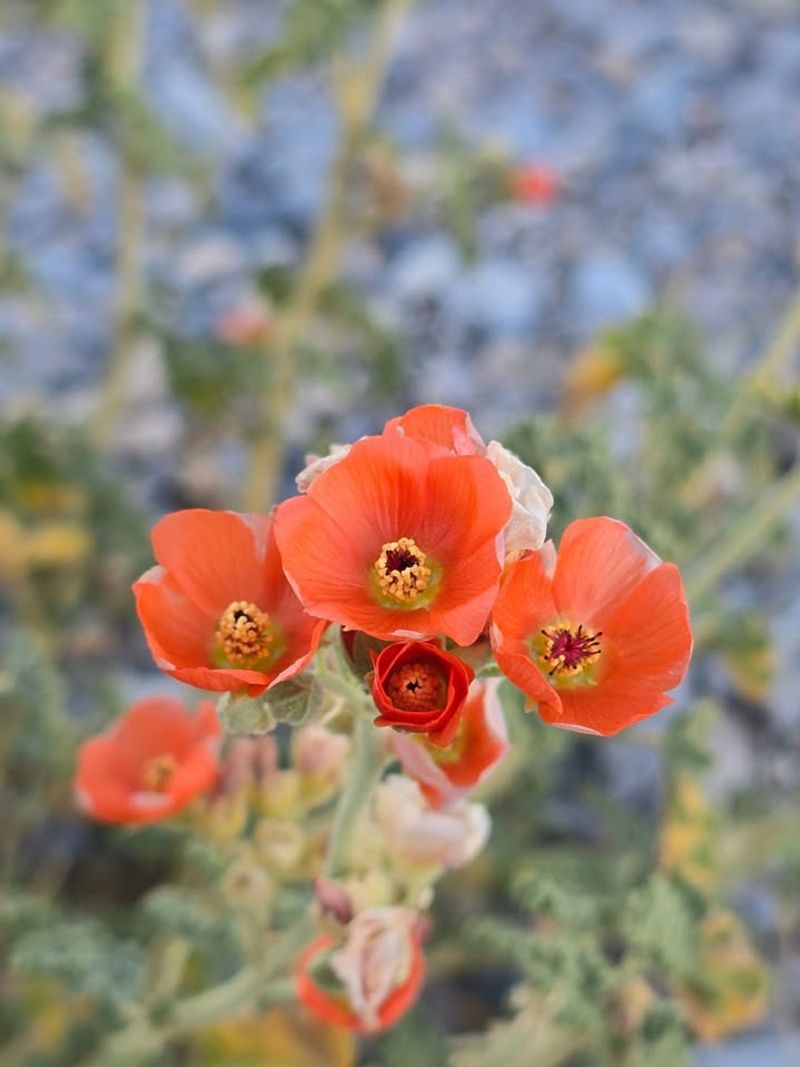
Planting native seed-producing plants creates a natural buffet that mourning doves can’t resist. Arizona’s native plants evolved alongside these birds, so they already know exactly what to look for.
Instead of relying only on store-bought seeds, let your landscape do some of the work by growing plants that produce the seeds doves naturally eat.
Desert marigolds, sunflowers, and various native grasses are excellent choices for Arizona yards. These plants produce abundant seeds that mourning doves will harvest themselves.
Let some of your wildflowers go to seed instead of deadheading them. The seed heads might not look as tidy as fresh blooms, but they provide incredible value for wildlife.
Native plants also require less water than non-native species, which is crucial in Arizona’s desert climate. You’ll save money on your water bill while creating better habitat.
Plants like globe mallow, brittlebush, and desert zinnia all produce seeds that doves enjoy. Even native grasses like Indian ricegrass and sand dropseed offer food throughout different seasons.
Plant these species in clusters rather than single specimens. Groups of seed plants create more abundant food sources and are easier for doves to locate.
Allow the plants to complete their full lifecycle, including the seed production stage. Many Arizona gardeners cut back plants too early, removing the very seeds that would attract mourning doves and other wildlife to their yards.
4. A Reliable Water Source They Can Access Easily
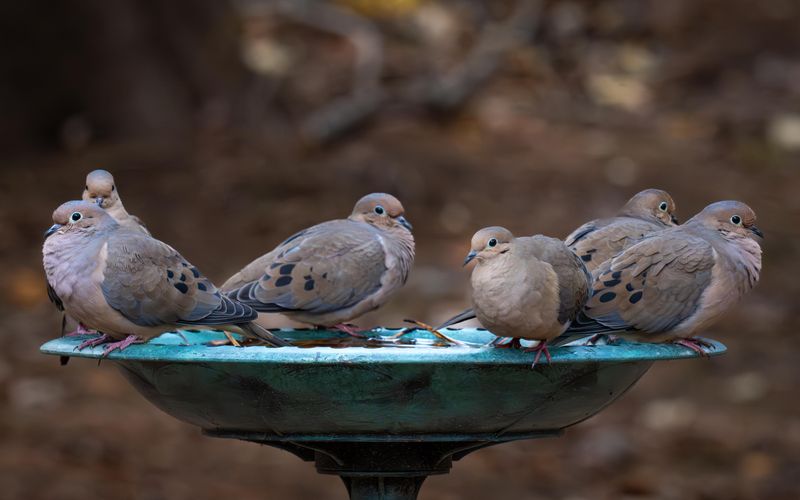
Water might be even more important than food when it comes to attracting mourning doves to Arizona yards. The desert climate means natural water sources are scarce, and birds need to drink regularly to survive the intense heat.
Providing clean, accessible water will make your yard a daily stop for thirsty doves.
Shallow bird baths work perfectly, but they need to be the right depth. Mourning doves prefer water that’s only one to two inches deep.
They don’t swim or dive like ducks; they simply wade in and drink. Deep bird baths intimidate them.
Look for wide, shallow basins or add rocks to deeper baths to create shallow edges where doves can comfortably stand.
Ground-level water sources work best. Elevated bird baths are fine, but doves prefer drinking from ground level or very low platforms.
Consider placing a large, shallow dish directly on the ground in your open area. Change the water daily during Arizona’s hot months because it evaporates quickly and can develop bacteria in the heat.
Position your water source in a spot with good visibility but some nearby cover. Doves need to see approaching danger but also want quick escape routes.
Keep the area around the water clear of tall grass or dense shrubs where predators might hide. Adding a small solar fountain creates movement that attracts birds from greater distances and keeps water fresher longer.
5. Gravel Or Sandy Patches Perfect For Dust Baths
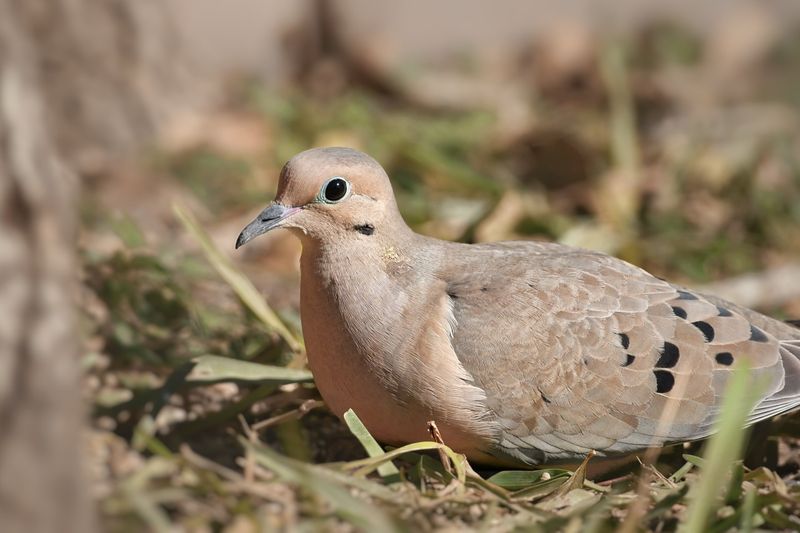
Dust bathing is essential behavior for mourning doves, and they actively seek out the right spots to perform this ritual. In Arizona’s dry climate, providing a dedicated dust bath area makes your yard incredibly attractive to these birds.
Dust bathing helps doves maintain their feathers by removing excess oils, parasites, and dirt.
Create a dust bath area by designating a patch of fine sand, dry dirt, or small gravel. The material needs to be loose and dry, not compacted.
A space about three feet across and two to three inches deep works well. Doves will wiggle into the dust, flap their wings, and coat their feathers thoroughly.
It looks like they’re taking a regular bath, just without water.
Arizona’s natural desert soil often works perfectly without any additions. If your yard has been heavily landscaped with thick ground cover or large decorative rocks, you might need to create a dust bath spot intentionally.
Use fine playground sand or purchase bags of dust bath material from garden centers. Place it in your open area where doves already feel safe.
Keep the dust bath dry by positioning it away from sprinklers and drainage areas. During Arizona’s monsoon season, you might need to refresh the material if it gets muddy.
Doves won’t use wet dust baths. Having both a water source and a separate dust bath area creates the complete spa experience that keeps mourning doves returning to your Arizona yard regularly.
6. Sparse Shrubs With Clear Sightlines For Quick Escape
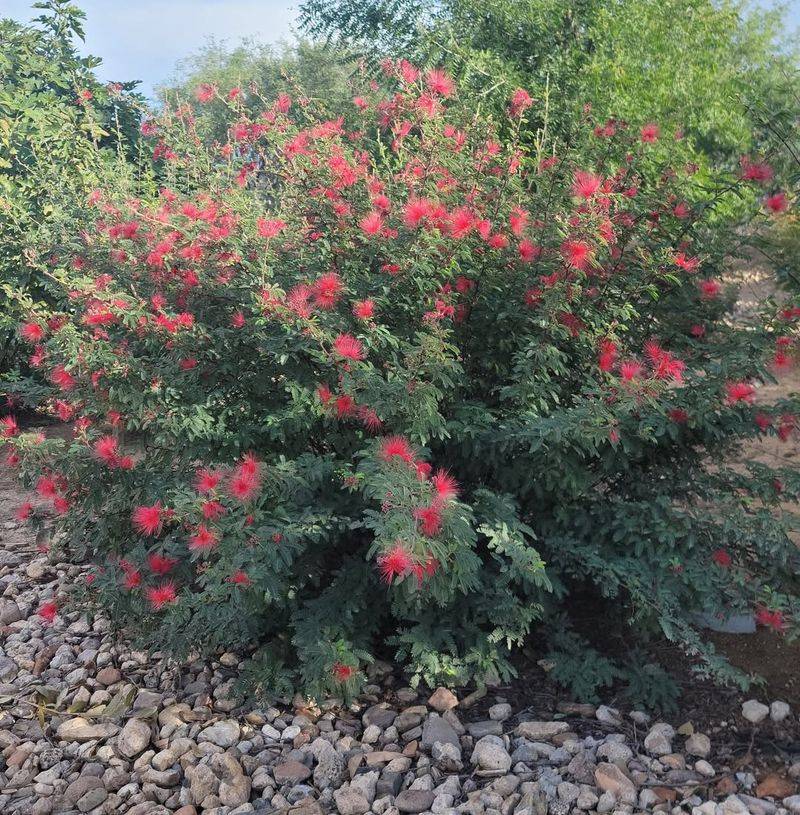
Strategic placement of shrubs creates the perfect balance between cover and visibility that mourning doves need. These birds want some nearby vegetation for quick escape but not so much that it blocks their view or harbors hidden predators.
In Arizona yards, choosing and positioning shrubs carefully makes all the difference.
Select low-growing desert shrubs that don’t create dense thickets. Species like fairy duster, desert lavender, and Texas ranger grow in open, airy forms that doves can easily fly through.
Avoid planting shrubs in solid hedges or tight groupings. Instead, space them several feet apart so doves can see between and around them.
The ideal setup includes a few scattered shrubs near your open feeding area but not right next to it. Doves want escape routes within quick flying distance, typically 10 to 20 feet away.
If danger appears, they can burst into flight and reach cover in seconds. But they won’t feed in spots where shrubs are so close that predators could pounce from hiding.
Prune your existing shrubs to maintain their natural, open structure. This improves sightlines while keeping the plants healthy.
Native Arizona shrubs naturally grow in sparse patterns adapted to desert conditions, so work with their natural form rather than forcing them into unnatural shapes that doves find uncomfortable or threatening to navigate through.
7. Tall Perches Where They Can Watch The Yard
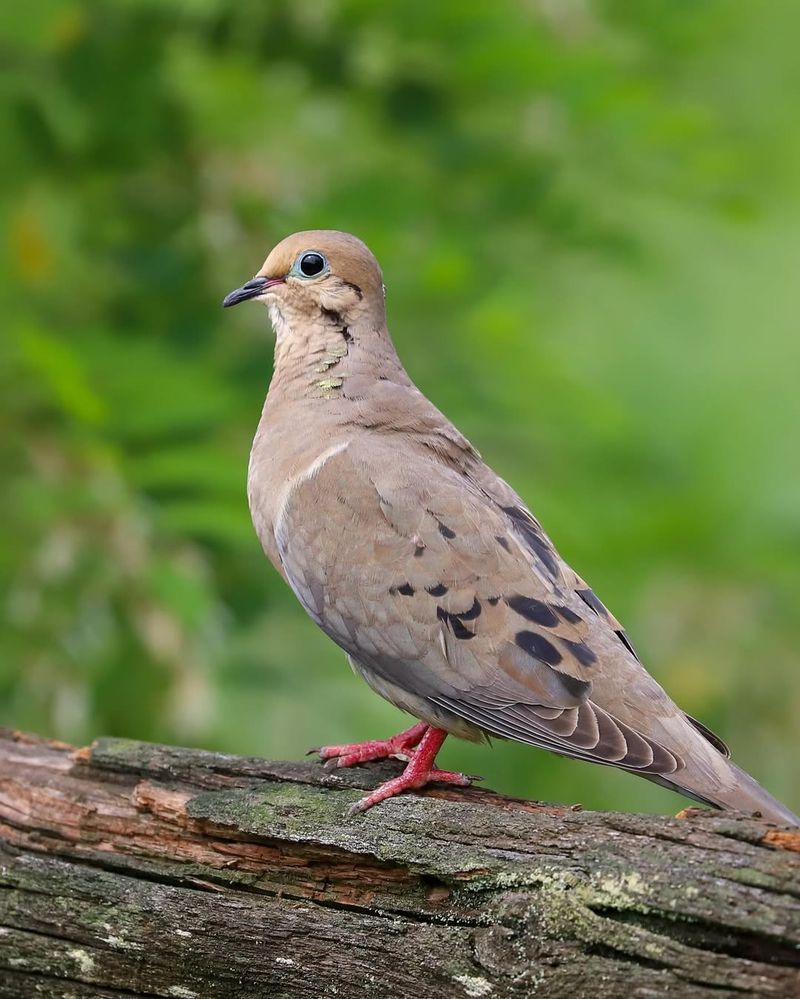
Mourning doves love having high vantage points where they can survey their surroundings before dropping down to feed. In Arizona backyards, providing tall perches gives doves the confidence to visit because they can scout the area first for safety.
These elevated spots serve as staging areas where doves gather before descending to ground level.
Tree snags make perfect natural perches if you have them. Don’t be too quick to remove older or hollow trees unless they pose safety hazards.
Doves will sit on bare branches for extended periods, cooing and watching the yard below. If you don’t have natural snags, consider installing tall wooden posts or poles.
Even a simple six to eight-foot post with a horizontal crossbar creates an attractive perching spot.
Position perches near but not directly over your feeding and water areas. Doves like perching 20 to 30 feet away from where they’ll eventually land.
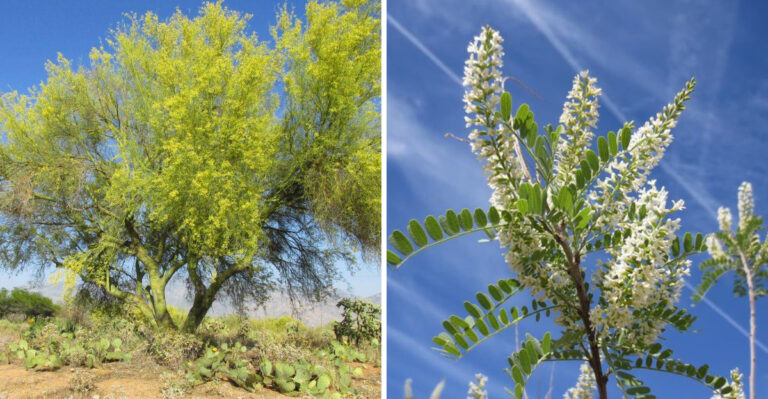
This distance lets them observe without feeling trapped. Existing trees work great too, especially those with open branch structures like mesquite or palo verde that are common in Arizona landscapes.
Multiple perches at different heights create even better appeal. Some doves prefer higher spots while others choose mid-level branches.
Telephone wires and roof edges also serve as perches, which is why mourning doves are so common in neighborhoods.
8. Quiet Corners With Minimal Disturbance
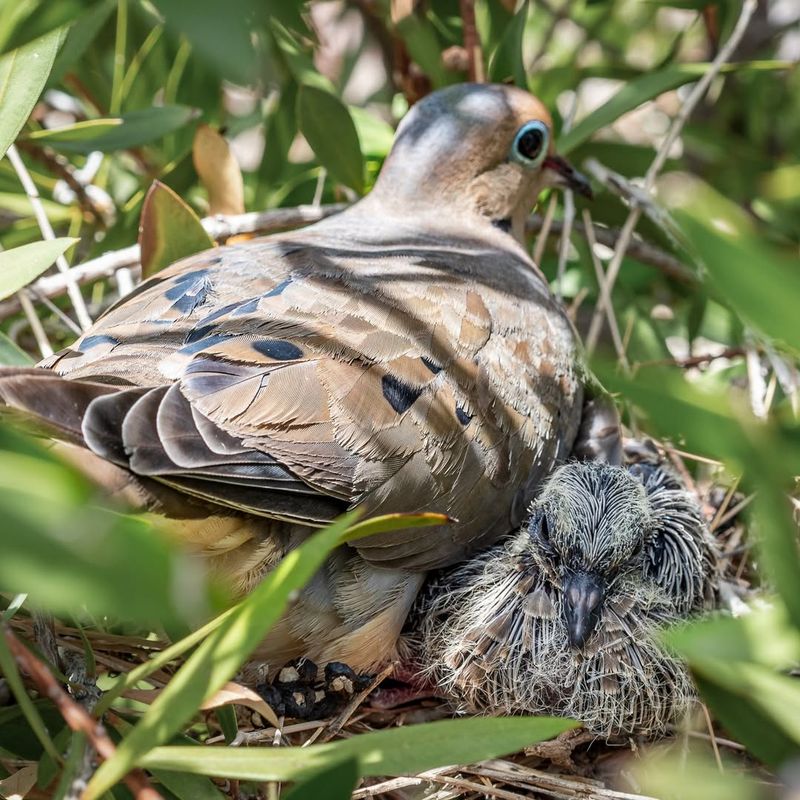
Mourning doves are peaceful birds that prefer calm, quiet environments. Creating undisturbed zones in your Arizona yard gives them the tranquility they need to feel comfortable staying for extended periods.
Areas with constant human activity, loud noises, or pet traffic will drive doves away no matter how perfect your other habitat features are.
Identify the quietest part of your property and focus your dove-friendly improvements there. This might be a side yard, back corner, or any area away from doors, patios, and play spaces.
Doves will tolerate some distant human presence, but they won’t settle in spots with constant commotion. If your main patio sees heavy use, set up your dove area somewhere else.
Keep pets away from dove zones as much as possible. Dogs running through the yard and cats prowling around will prevent doves from ever relaxing.
Even if your pets don’t actually catch birds, their presence alone creates stress. Consider fencing off a section specifically for wildlife if you have active pets.
This benefits all birds and other wildlife, not just mourning doves.
Reduce noise pollution by avoiding areas near air conditioning units, pool equipment, or other mechanical sounds. Doves have excellent hearing and prefer natural quiet.
Morning hours are typically the calmest time in most Arizona yards, which is exactly when doves are most active.