How To Choose The Right Magnolia For Your Georgia Garden
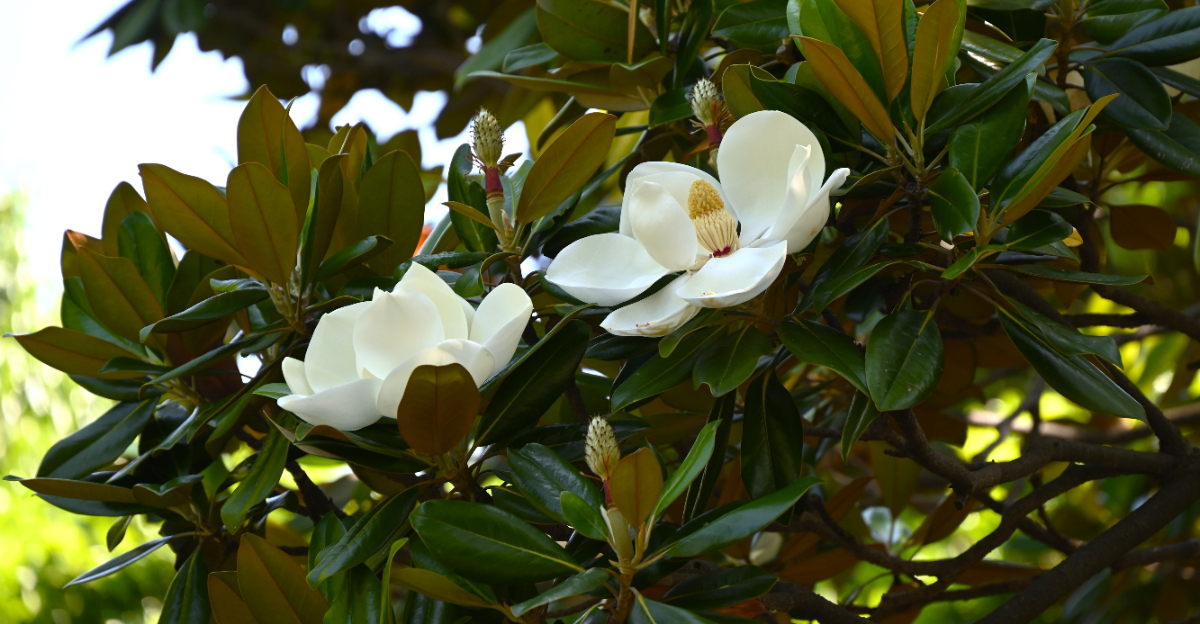
A magnolia can become the heart of a Georgia garden, but choosing the right one is not as simple as picking the prettiest bloom at the nursery.
You might be picturing huge white flowers and glossy evergreen leaves, yet not every magnolia grows into a towering Southern classic.
Some stay compact and fit smaller yards, some bloom before the leaves appear, and others are better suited for clay soil or colder winter pockets in North Georgia. Heat, humidity, and slow-draining ground all shape how well a tree settles in and performs year after year.
Pick without thinking it through, and you could end up with a tree that crowds the house or struggles after heavy rain.
Choose carefully, and you get reliable blooms, healthy growth, and a tree that feels like it truly belongs exactly where you planted it.
1. Start With Mature Size So It Truly Fits The Spot
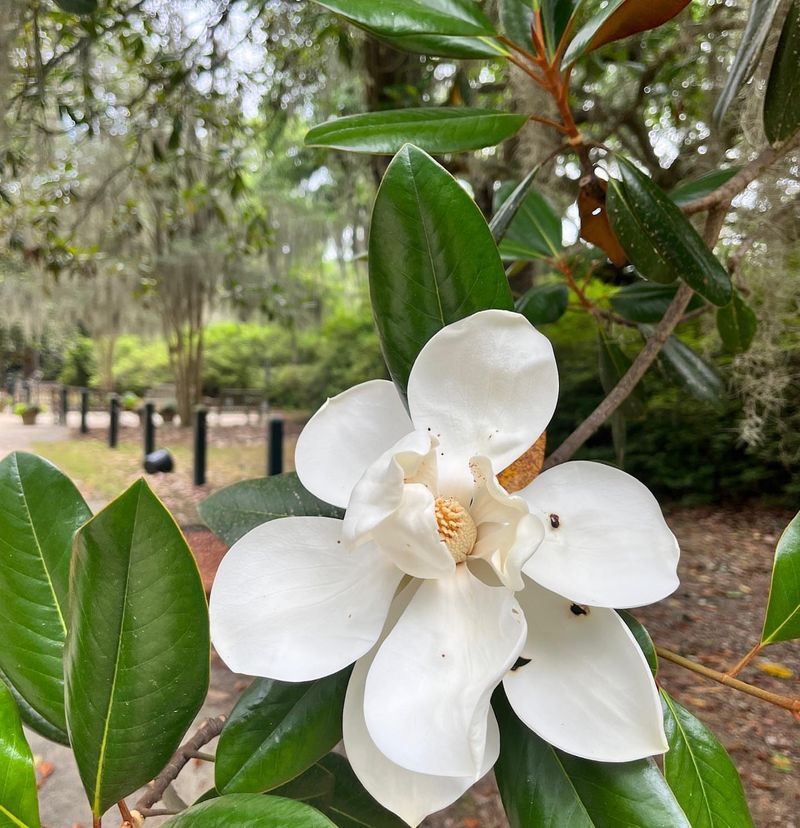
Magnolias can fool you when they arrive as small nursery plants. That cute little tree might reach forty feet tall and spread twenty feet wide within fifteen years.
Georgia homeowners often plant magnolias too close to houses, driveways, or power lines because they underestimate final dimensions.
Measure your planting area carefully before you shop. Leave at least fifteen feet between the trunk and any structure.
Consider overhead clearance too, since utility companies will aggressively prune trees that interfere with power lines.
Smaller yards around Atlanta and Athens work better with compact varieties like Little Gem or Ann magnolia. These stay under fifteen feet and fit comfortably in tighter spaces.
Larger properties in rural Georgia can accommodate giants like Southern magnolia or Sweetbay magnolia that need room to spread. Root systems matter as much as branches. Magnolia roots spread wide and can crack sidewalks or foundations if planted too close.
They also compete with grass and other plants for water and nutrients. Give them space to establish properly.
Check mature width specifications on plant tags or ask nursery staff for exact measurements. Some varieties grow narrow and upright while others spread into broad canopies.
Matching growth habit to your available space prevents expensive removal or constant pruning later.
Georgia’s long growing season means magnolias size up faster here than in northern states. Factor in that accelerated growth when planning placement.
What looks tiny today becomes a landscape anchor within a decade.
2. Decide Between Evergreen And Deciduous Magnolia Types
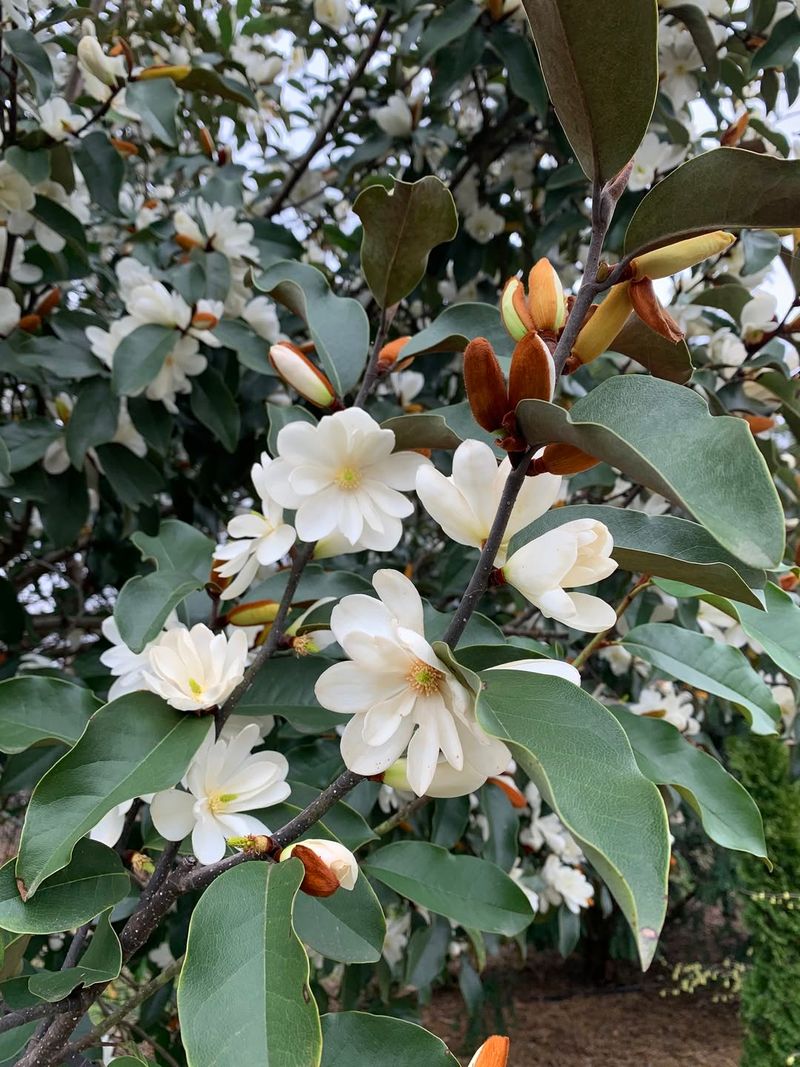
Evergreen magnolias keep their leaves year-round and provide constant privacy screening. Southern magnolia is the classic Georgia evergreen, with thick glossy foliage that blocks views and wind.
These work beautifully as property borders or backyard screens in Savannah and Columbus.
Deciduous magnolias drop leaves each fall and bloom on bare branches in early spring. Varieties like Saucer magnolia and Star magnolia put on spectacular flower shows before leafing out.
Their winter silhouette adds sculptural interest to gardens around Marietta and Roswell.
Deciduous varieties deliver that wow factor. Some Georgia gardeners plant both types to enjoy different benefits.
Evergreen magnolias create more yard work since they shed leaves constantly rather than all at once. Those big leathery leaves take forever to break down in compost.
Your Georgia Garden Changes Every Week. Your Plan Should Too.
Gardening in Georgia changes quickly throughout the season. Every Friday you’ll receive a simple weekly plan showing exactly what to plant, prune, fertilize, harvest, and protect so you never miss the right timing.
Deciduous types make a mess in fall but then stay tidy the rest of the year.
Climate plays a role too. Evergreen magnolias handle Georgia heat better and rarely suffer winter damage.
Deciduous types sometimes get confused by warm February weather and bloom too early, risking frost damage to flowers. North Georgia gardeners see this problem more often than folks in southern counties.
Both types grow well throughout Georgia, so personal preference matters most. Visit botanical gardens in Athens or Atlanta during different seasons to see how each type performs before making your final choice.
3. Choose A Bloom Time That Matches Your Spring Goals
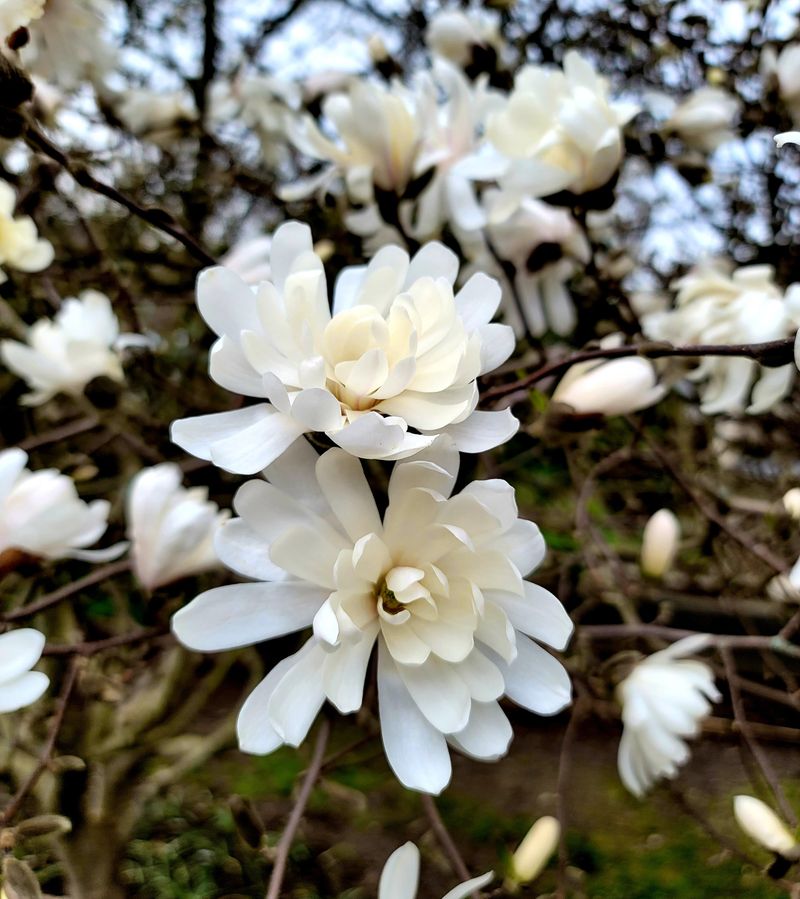
Early bloomers like Star magnolia open flowers in February, sometimes even January during mild Georgia winters. These brave souls risk losing blooms to late freezes but reward you with color when little else is flowering.
They work great in protected spots around Augusta and Macon where buildings block harsh winds.
Mid-season varieties bloom in March and early April, hitting the sweet spot between winter cold and spring storms. Saucer magnolia and Ann magnolia fall into this category and offer more reliable flower displays across metro Atlanta.
Their timing usually avoids the worst weather.
Late bloomers like Sweetbay magnolia and some Southern magnolia cultivars wait until late April or May. These never get caught by frost and bloom reliably every year.
They overlap with azaleas and dogwoods to create layered spring color throughout Georgia landscapes.
Late bloomers provide fresh flowers when earlier types have already finished. Georgia’s spring weather varies enough that bloom timing shifts by two weeks between north and south regions.
Some magnolias rebloom sporadically through summer. Varieties like Little Gem produce scattered flowers from May through September, extending the show.
These work wonderfully near patios in Warner Robins and Columbus where you can enjoy fragrance during outdoor dining.
Visit local gardens during spring to see bloom timing firsthand.
4. Check Cold Hardiness For North Georgia Winters
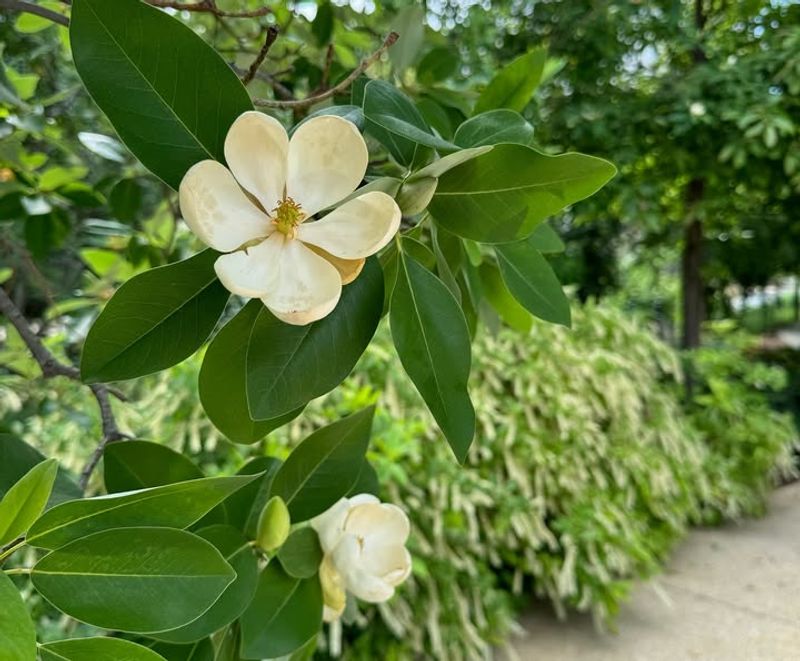
North Georgia mountains get significantly colder than southern counties. Gardeners in Blairsville and Blue Ridge need magnolias rated for zone 6 or colder.
Southern magnolia struggles above 1,500 feet elevation where temperatures regularly drop below 10 degrees.
Star magnolia and Kobus magnolia handle mountain cold beautifully and rarely show winter damage. These tough varieties survive single-digit temperatures and bounce back from occasional ice storms.
They grow successfully in Dahlonega and Helen where other magnolias fail.
Flower buds are more sensitive than wood. Even cold-hardy varieties can lose blooms to late freezes if buds swell too early.
North Georgia gardeners should choose late-blooming types or accept that some years will have reduced flowers after harsh springs.
Southern and coastal Georgia rarely face the same winter lows as Atlanta. Savannah and Brunswick enjoy milder conditions that allow a wider range of magnolias to thrive.
These areas can comfortably grow options like Sweetbay Magnolia, which handles humidity and coastal conditions far better than tropical varieties would.
Microclimates matter as much as hardiness zones. A sheltered spot near your house in Gainesville stays warmer than an exposed hilltop location.
South-facing walls provide extra protection and let you push hardiness limits slightly. Wind protection makes a bigger difference than temperature alone.
Check your specific USDA hardiness zone before buying. Georgia spans zones 6 through 9, and magnolia varieties have different tolerance ranges.
Nurseries sometimes sell magnolias that work great in south Georgia but struggle in northern counties. Always verify the variety matches your local conditions before planting.
5. Pay Attention To Soil Drainage Before Planting
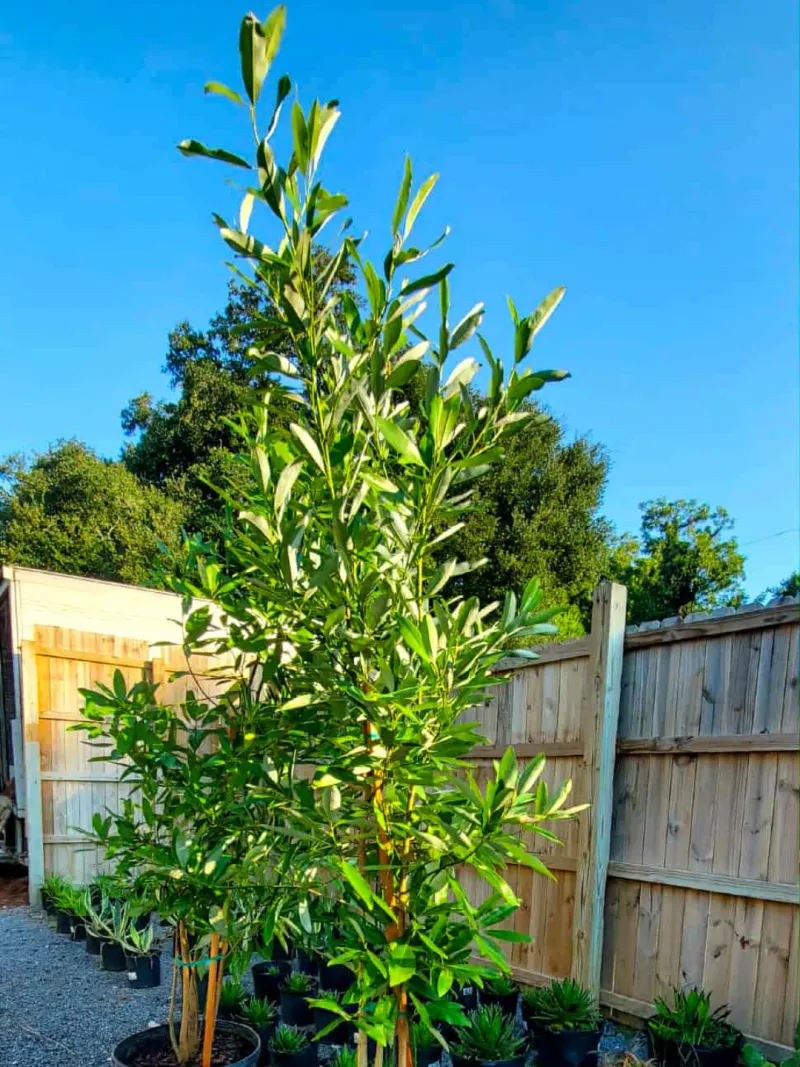
Magnolias absolutely hate wet feet. Roots sitting in waterlogged soil develop rot and decline rapidly.
Georgia’s clay soils compound this problem since they drain slowly and stay saturated after heavy rains. Test drainage by digging a hole and filling it with water before you plant.
Water should drain within a few hours. If it sits overnight, that spot needs improvement.
Mix in several inches of compost or pine bark to open up heavy clay. Raised beds work wonderfully for magnolias in poorly draining areas around Savannah and coastal Georgia where water tables run high.
Sandy soils in south Georgia drain almost too fast. Magnolias need consistent moisture even though they hate soggy conditions.
Adding organic matter helps sandy ground hold water longer without becoming waterlogged. Mulching heavily also reduces how often you need to water during hot Valdosta summers.
Slope matters more than soil type sometimes. Even heavy clay drains adequately on hillsides where gravity pulls water away from roots.
Low spots and flat areas collect water and create problems. Choose elevated planting sites whenever possible throughout Georgia.
Sweetbay magnolia tolerates wetter conditions than other species. This variety naturally grows in swamps and can handle occasional flooding.
It works perfectly in low areas around Columbus and Albany where other magnolias would struggle. Still avoid permanently soggy spots even with this adaptable type.
Test your soil before planting by observing how it handles rain. Watch where puddles form and how long they last.
Those wet zones are wrong for magnolias regardless of how perfect the spot looks otherwise.
6. Consider Fragrance If It Will Grow Near A Sitting Area
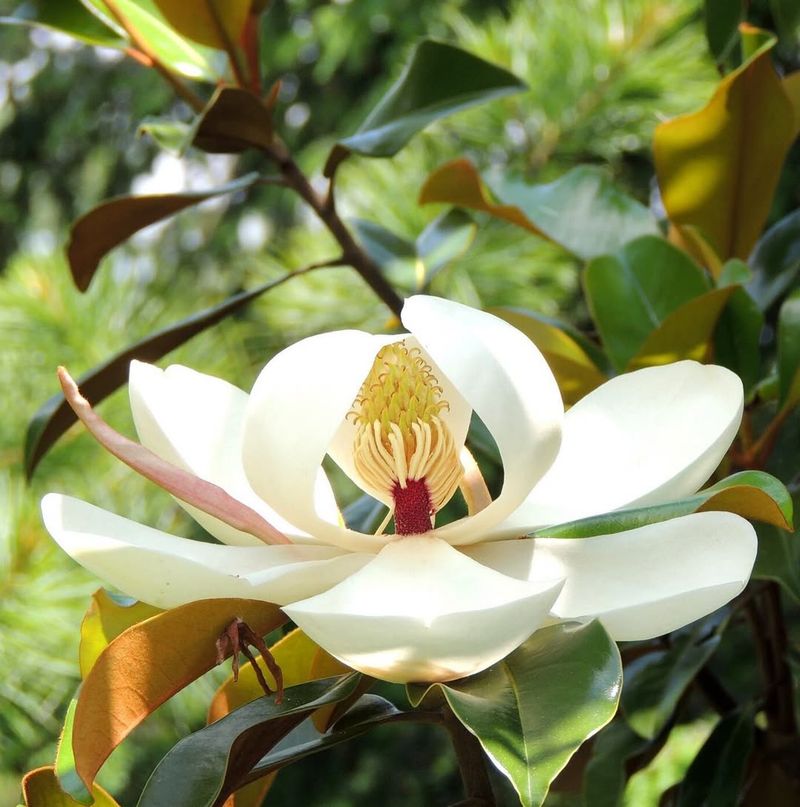
Southern magnolia produces one of the most powerful fragrances in the plant world. Those huge white blooms smell like lemon and vanilla mixed together.
Plant it near outdoor living spaces to maximize enjoyment.
Not everyone loves strong floral scents. Some people find magnolia fragrance overwhelming, especially when multiple flowers open simultaneously.
Consider this before planting right next to windows or air conditioning intakes. You might get more fragrance indoors than you bargained for.
Star magnolia offers lighter fragrance that most people find pleasant. The smaller flowers produce subtle sweetness without overpowering.
This variety works better near bedroom windows or close to porches where heavy scent might become too much.
Some magnolias have little to no fragrance. Saucer magnolia blooms look spectacular but smell faint.
These work perfectly in Georgia landscapes where you want visual impact without scent. They also avoid attracting as many bees and beetles that seek out fragrant flowers.
Fragrance intensity varies by temperature and time of day. Warm afternoons bring out the strongest scent, while cool mornings smell milder.
Georgia’s hot summers amplify magnolia fragrance significantly.
Think about prevailing breezes too. Plant fragrant magnolias upwind from patios and decks so air carries the scent your direction.
A magnolia downwind from your sitting area wastes that wonderful perfume. Smart placement makes the most of this bonus feature throughout Georgia gardens.
7. Pick A Variety That Handles Georgia Heat And Humidity Well
Georgia summers test plants with relentless heat and oppressive humidity. Temperatures routinely hit the mid-90s from June through August, and humidity makes it feel even hotter.
Not all magnolias tolerate these conditions equally well. Southern magnolia evolved in this climate and handles Georgia summers like a champion.
Sweetbay magnolia also thrives in heat and humidity since it grows naturally in southern swamps. This variety actually prefers warm, moist conditions and looks its best during steamy Georgia summers.
It rarely shows stress even during the worst heat waves around Augusta and Columbus.
Some northern magnolia varieties struggle with Georgia’s climate. Cucumber tree magnolia and some Asian species prefer cooler summers and can look ragged by August.
Their leaves may brown at the edges or drop prematurely when heat stress becomes too much. Save these varieties for mountain gardens in north Georgia where summers stay milder.
Humidity encourages fungal diseases that spot leaves and damage blooms. Magnolias with good air circulation around their canopies resist these problems better.
Space trees properly and avoid overcrowding them with other plants. This matters especially in humid areas around Savannah and Brunswick.
Established magnolias handle heat better than newly planted ones. Expect some stress during the first summer after planting regardless of variety.
Water deeply during dry spells and mulch heavily to keep roots cool. Most magnolias adapt to Georgia heat within two years and then perform beautifully.
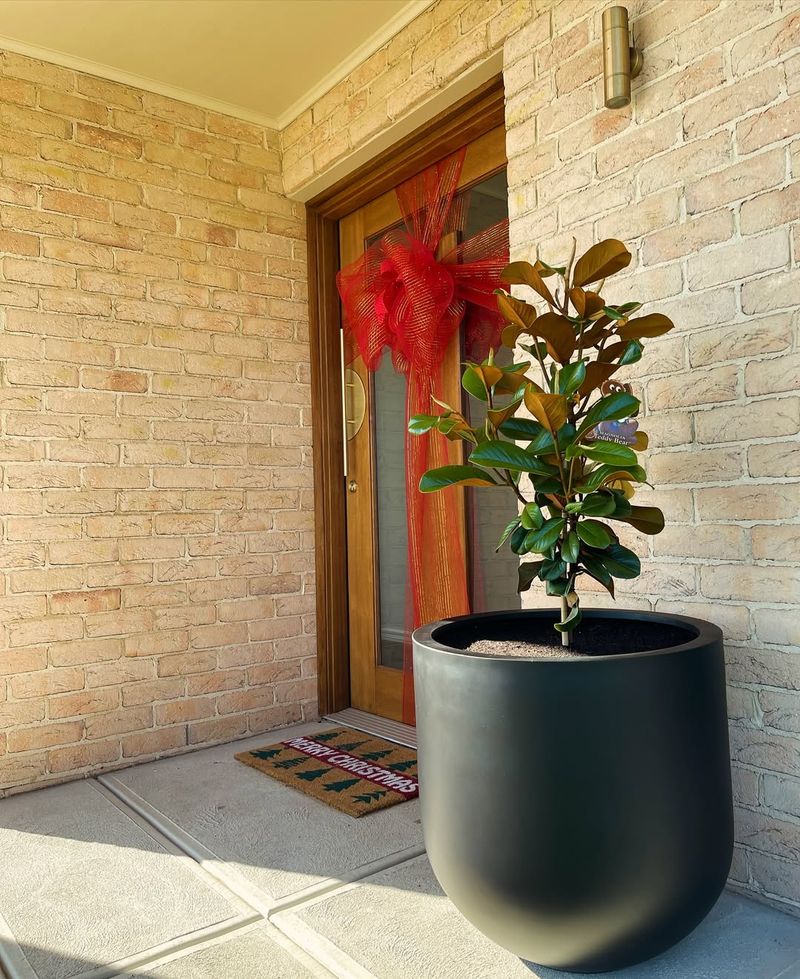
Choose varieties bred specifically for southern gardens when possible. Newer cultivars like Teddy Bear magnolia were selected for heat tolerance and perform reliably throughout Georgia’s climate zones.