Top 10 Stunning Bicolor Flowers To Grow In Your California Garden
Some flowers refuse to pick just one color, and that is exactly what makes them unforgettable. Bicolor blooms bring contrast, depth, and a little drama to California gardens, catching the eye in a way single shades simply cannot.
Petals brushed with two tones look almost hand painted, glowing in sunshine and adding instant personality to beds, borders, and containers.
One plant can echo a sunset, another can flash bold tropical energy, and together they create a garden that feels vibrant and alive.
California’s long growing season and bright light help these striking flowers show their best colors for months. If your garden needs a fresh spark, bicolor blooms deliver beauty with a playful twist.
Get ready to explore flowers that stand out, start conversations, and turn everyday garden spaces into colorful showcases filled with charm, contrast, and nonstop visual interest all season long.
1. Bicolor Rose (Rosa hybrids)
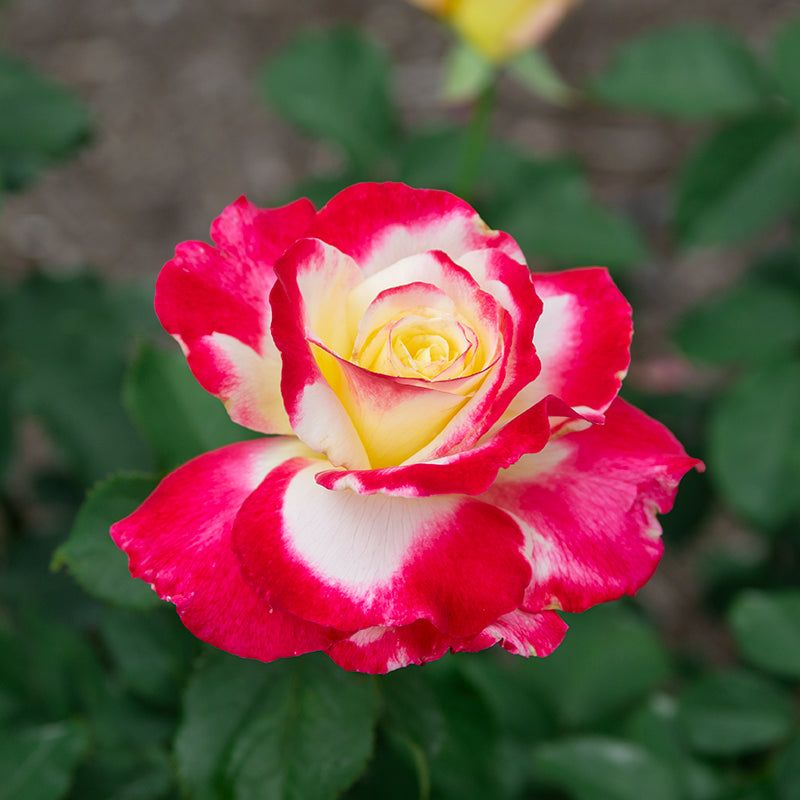
Walking past a blooming bicolor rose on a warm California morning reminds you why these classics never go out of style. The petals shift from cream to coral, or yellow to crimson, creating natural gradients that photographs can barely capture.
Roses with two-toned blooms add sophistication to any garden corner, and they can adapt well to California’s Mediterranean climate when suitable varieties are chosen.
Most bicolor roses grow best in sunny conditions, generally benefiting from about six hours of direct light each day. They respond well to deep, infrequent watering, which encourages stronger roots and helps them cope with dry summers.
A layer of mulch around the base helps moderate soil temperature and retain moisture during long dry periods.
Some gardeners assume bicolor roses require constant care, but many modern hybrids are bred for improved disease resistance and better heat performance. Selecting varieties suited to warmer climates can reduce common issues like powdery mildew and make care easier overall.
Removing spent blooms often encourages continued flowering from spring into fall, providing an extended season of color.
Plant bicolor roses where they can be enjoyed up close, near patios, along walkways, or framing entryways, so their shifting colors catch the light throughout the day.
Their dramatic tones naturally draw attention, spark conversation, and bring a sense of timeless romance and vibrant life to the garden.
2. Bearded Iris (Iris germanica bicolor cultivars)
Right around late winter when California gardens begin to wake, bearded iris sends up fresh sword-like leaves that hint at the color to come.
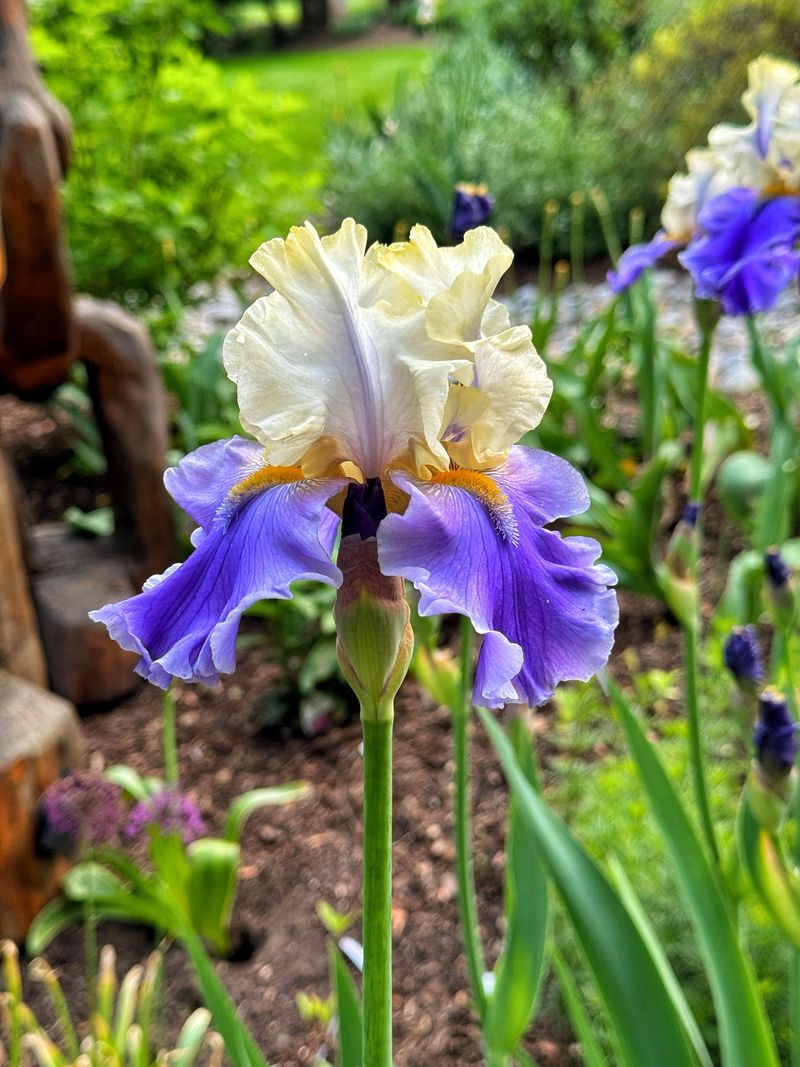
Bicolor varieties are especially eye-catching, with upper petals in one shade and lower petals in another, often marked by delicate veining and the signature fuzzy “beard” along the falls.
These long-loved perennials continue to earn their place in gardens by offering bold seasonal color with relatively simple care.
Bearded iris generally suit California’s dry summer pattern, often slowing or going semi-dormant during hotter months. Plant rhizomes shallowly with the upper surface exposed to light, which helps reduce rot and encourages strong flowering.
Good drainage is essential, so raised beds or improved soil can be helpful in heavier clay conditions common in many regions.
Your California Garden Changes Every Week. Your Plan Should Too.
Gardening in California changes quickly throughout the season. Every Friday you’ll receive a simple weekly plan showing exactly what to plant, prune, fertilize, harvest, and protect so you never miss the right timing.
A common mistake is overwatering during summer dormancy. Once established, these plants typically need little supplemental irrigation through the hottest months.
Watering can resume lightly in fall as temperatures cool and new growth begins.
Dividing clumps every three to four years helps maintain vigor and consistent bloom. Late summer is commonly used for division after flowering has finished, allowing time for roots to reestablish before winter.
Bicolor bearded iris combine beautifully with spring bulbs and early perennials, creating layered, colorful displays that feel both classic and effortless.
3. Tulip (Tulipa bicolor varieties)
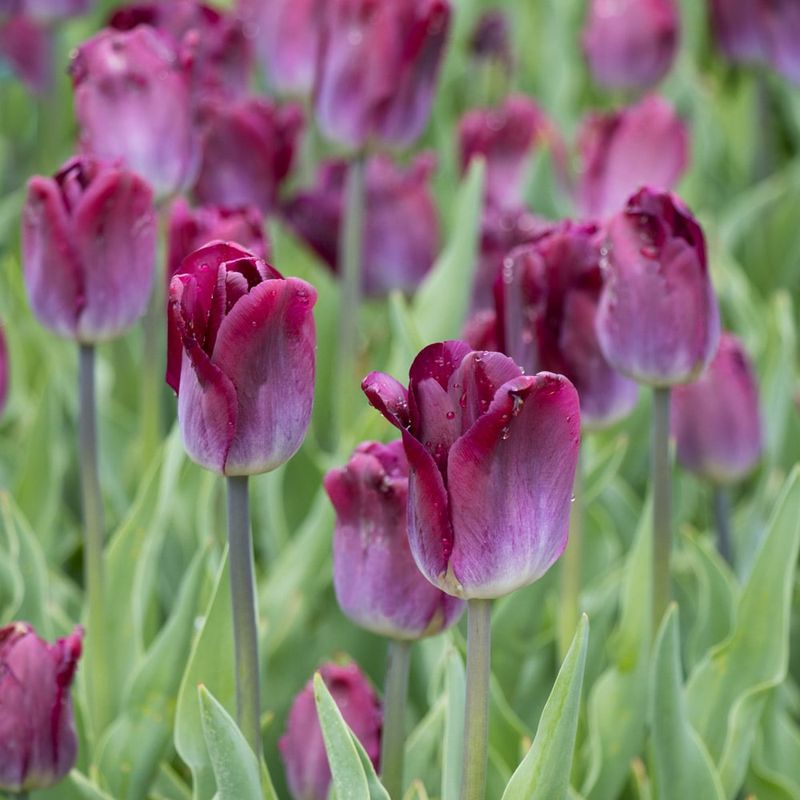
Tulips are sometimes considered challenging in California’s mild climate, but bicolor varieties can still provide striking spring displays, even when grown as seasonal bulbs.
Imagine petals blending from deep burgundy edges to creamy centers, or bright yellow bases tipped with warm orange tones.
These layered color effects bring a painted, luminous quality to garden beds that single-color tulips rarely achieve.
One commonly used approach in warmer regions is pre-chilling bulbs for about six to eight weeks before planting. Store them in a refrigerator crisper drawer, separate from ripening fruit, which releases ethylene gas that can affect bulbs.
Planting in December or early January often produces the best spring bloom, especially in locations with morning sun and some afternoon protection in hotter inland areas.
Bicolor tulips benefit from steady moisture while actively growing, along with excellent drainage to help prevent bulb rot. Improving heavy soil with organic matter and coarse material can enhance drainage.
After flowering, allow foliage to yellow naturally before removing it so the bulb can store energy, though some gardeners choose to replant fresh bulbs each season for consistent results.
Growing tulips in containers works well in many California gardens, allowing better control of soil and placement in suitable light.
Pairing bicolor tulips with cool-season companions such as violas or primroses can create vivid, layered spring displays that make the most of the season.
4. Daffodil (Narcissus bicolor varieties)
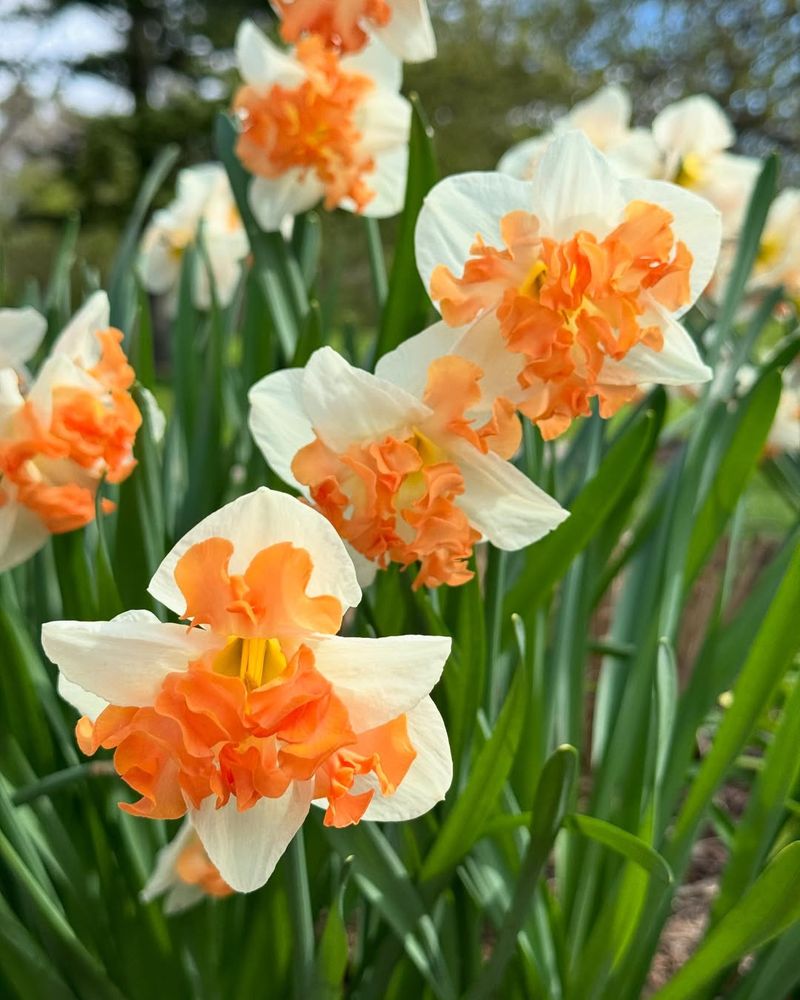
Few sights signal spring’s arrival quite like daffodils emerging through winter-wet soil, and bicolor varieties add extra charm with their contrasting trumpets and petals.
White petals surrounding peachy-orange cups, or yellow petals paired with pale centers, feel both classic and fresh.
Daffodils can naturalize in many California gardens, gradually multiplying over time and returning each spring under suitable conditions.
Unlike tulips, daffodils generally do not require pre-chilling in most California regions, making them relatively low-maintenance. Plant bulbs in fall, about six inches deep and several inches apart, in locations that receive winter and spring moisture but remain relatively dry during summer dormancy.
They are well suited to Mediterranean climates, naturally going dormant as temperatures rise.
Bicolor daffodils work well in informal plantings, scattered through lawns, grouped beneath deciduous trees, or massed along borders.
They are typically avoided by deer and gophers, which can be an advantage in areas where browsing is common, due to naturally occurring compounds in the bulbs and foliage.
After flowering, allow foliage to remain until it yellows fully, often several weeks after bloom. During this period, leaves continue to photosynthesize and store energy for the following year’s flowers.
Later-blooming perennials can be planted nearby to help conceal fading foliage while maintaining seasonal interest.
5. Petunia (Petunia × hybrida bicolor types)
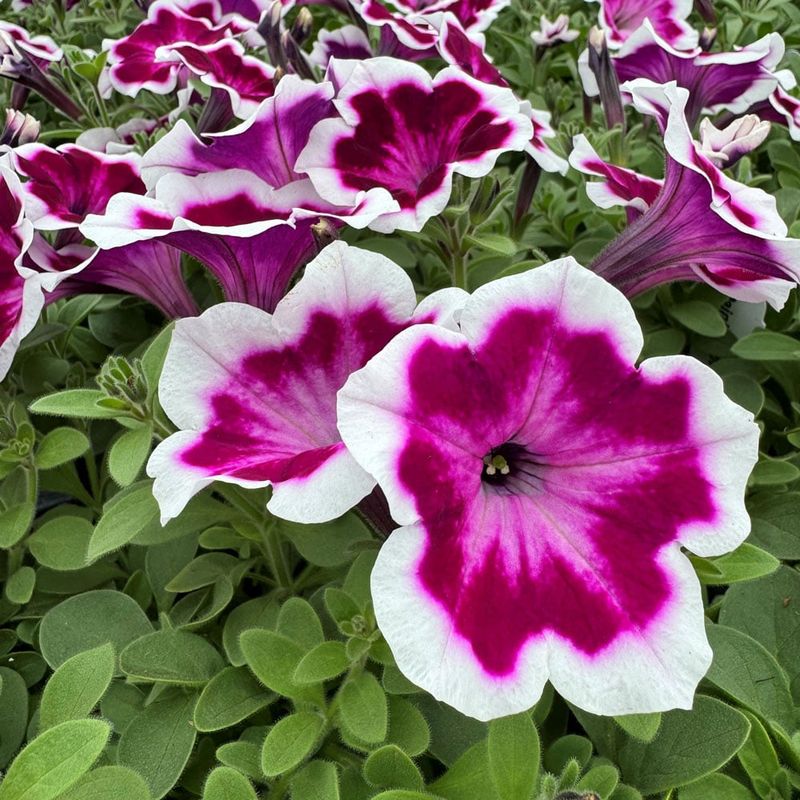
Summer heat often doesn’t stop bicolor petunias, and many modern varieties perform well in California’s warm, sunny conditions where some annuals struggle.
Striped types can appear hand-painted, with bold streaks radiating from darker centers, while blended forms shift gradually from one color to another like soft watercolor washes.
These annuals commonly bloom from spring into fall with consistent care, making them a popular choice for long-season color.
Petunias grow best in full sun and tolerate strong light, though adequate moisture is still important during hot periods. They generally need regular watering in summer, while some newer varieties can withstand brief dry intervals better than older types.
Containers dry more quickly than in-ground plantings, so checking soil moisture frequently during heat waves helps prevent stress; water thoroughly when the surface layer begins to dry.
Leggy growth can develop by midsummer. Lightly cutting plants back by about one-third can encourage denser growth and renewed flowering.
Feeding every couple of weeks with a diluted, balanced liquid fertilizer can support continued bloom, as petunias benefit from consistent nutrition during active growth.
Bicolor petunias are well suited to hanging baskets, window boxes, and mixed containers, where their trailing habit and extended flowering create flowing color.
They can be combined with upright foliage plants for contrast or planted in groups for a strong, season-long display.
6. Pansy (Viola × wittrockiana bicolor varieties)
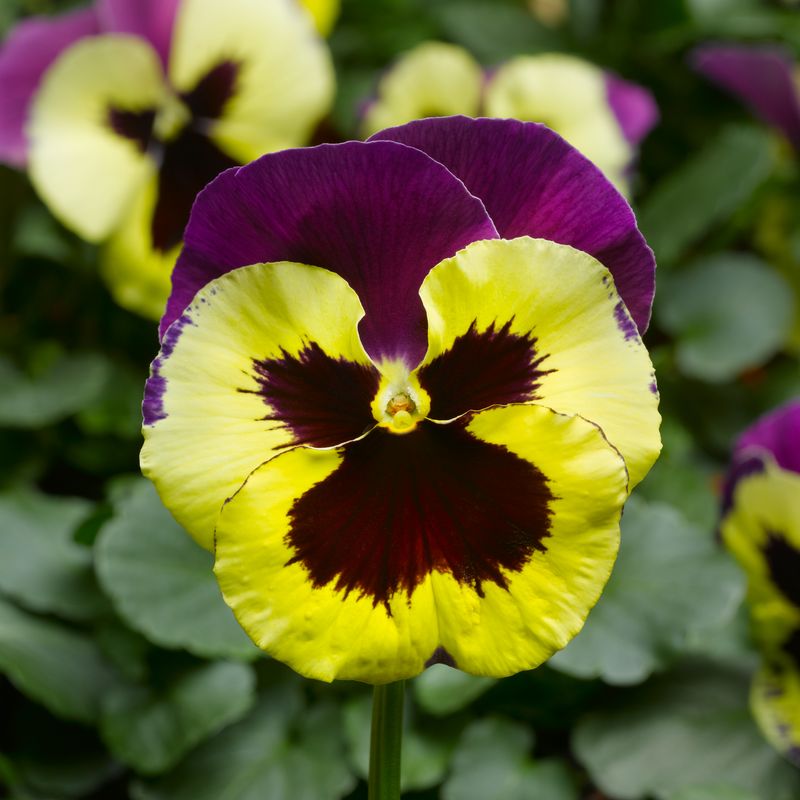
Cool autumn mornings create good conditions for planting pansies, and bicolor varieties add extra charm with their distinctive “faces” and contrasting petals.
Purple and yellow combinations are classic, though burgundy and cream, blue and white, or orange and bronze also brighten winter gardens when many plants are less active.
These cool-season flowers generally perform well through mild California winters, continuing to bloom during cooler months.
Pansies grow best in cooler temperatures, often between about 40 and 60 degrees, which makes them suitable for fall through spring color in many California regions.
Planting in October or November is common, selecting locations with morning sun and some afternoon shade in warmer inland areas, while coastal climates often allow for fuller sun exposure.
Regular deadheading helps maintain steady blooming, removing spent flowers at the base encourages continued bud formation and keeps plants tidy. Monthly feeding with a balanced fertilizer can support ongoing growth and flowering through the season.
Pansies can tolerate light frost, making them dependable even during brief cold periods. Their bicolor patterns add visual interest to winter containers, window boxes, and garden beds when many plants are dormant.
Mixing several bicolor varieties together can create a lively, cottage-style display that stays colorful through the cooler months.
7. Columbine (Aquilegia hybrids)
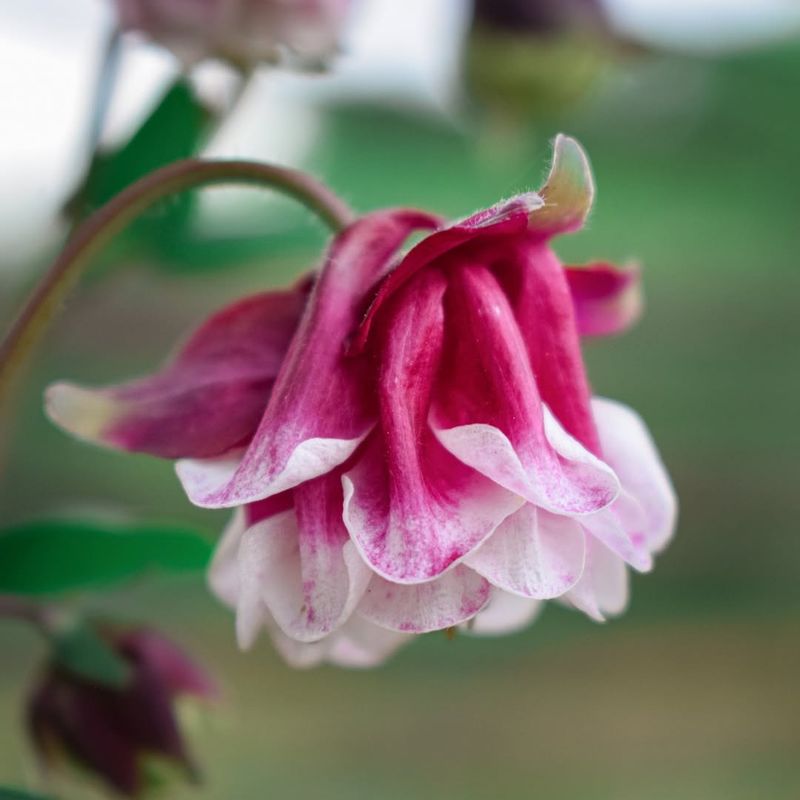
Columbine flowers have a distinctive, spurred form that gives them an architectural look, and bicolor varieties highlight this structure especially well.
Red and yellow combinations feel at home in many California gardens, sometimes resembling native species while offering the performance of garden hybrids.
These graceful perennials are frequently visited by hummingbirds, bringing movement and activity to lightly shaded areas where fewer flowering plants thrive.
Unlike many sun-loving annuals, columbines generally prefer dappled shade and consistent moisture, making them suitable for woodland-style plantings or locations beneath deciduous trees.
They usually bloom in spring to early summer, bridging the transition between early bulbs and later perennials.
The bicolor flowers rise above delicate, fern-like foliage that can remain attractive after flowering.
Columbines may self-sow under favorable conditions, forming informal colonies over time. Seeds can also be collected and scattered in other shaded spots to encourage additional plants.
Individual plants often persist for several years, while seedlings help maintain ongoing presence in the garden.
Leaf miners are a common pest, creating winding trails in the foliage. Although the damage is mostly cosmetic, removing affected leaves can improve appearance.
Regular watering during dry periods supports healthy growth, as many columbines originate from regions with more consistent moisture than drought-adapted California natives.
8. Snapdragon (Antirrhinum majus bicolor varieties)
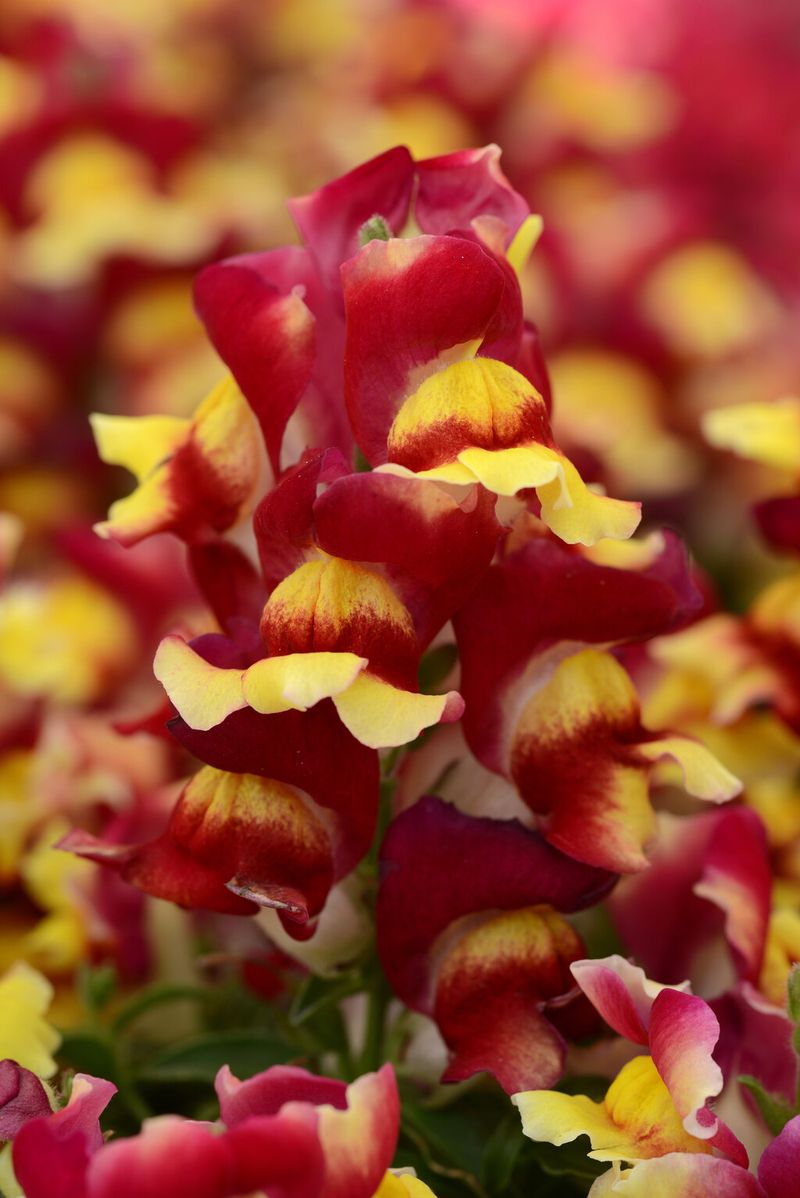
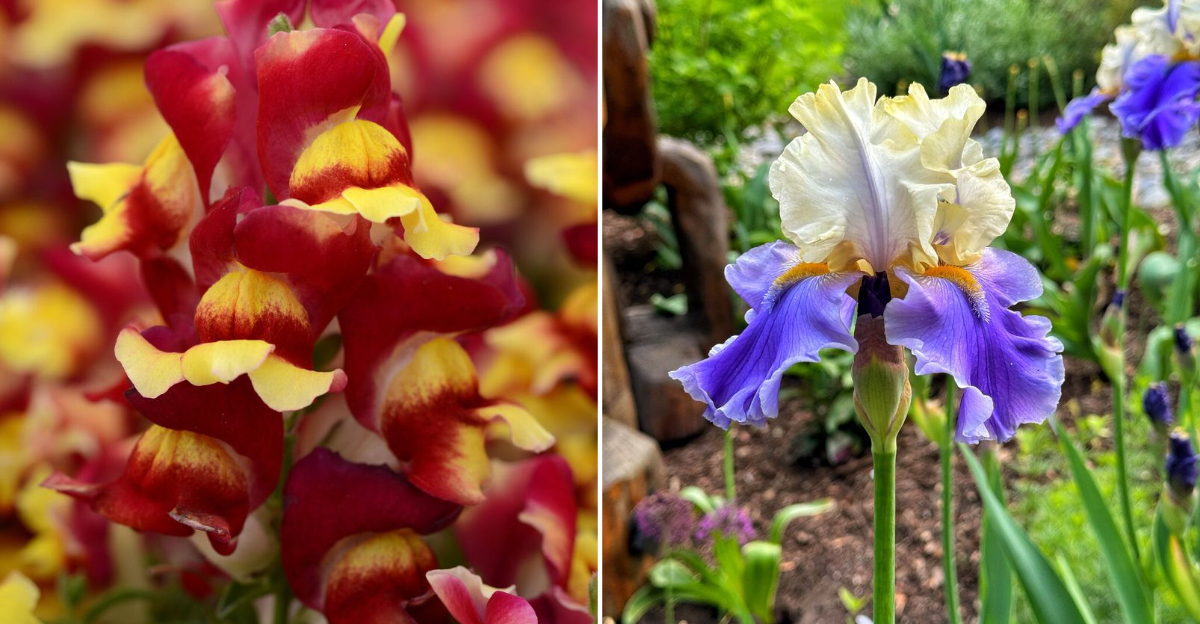
Snapdragons add vertical structure to California gardens with their tall flower spikes, and bicolor varieties bring extra visual interest through blended or contrasting petal colors.
These cool-season plants often bloom well during mild winters and springs, contributing a relaxed, cottage-garden feel without demanding intensive care.
The familiar flowers can be gently squeezed to make the “snap” shape open and close, a detail many gardeners enjoy.
Plant snapdragons in fall for winter to spring blooms, or in early spring for flowering that can continue until warmer weather arrives. They tolerate light frost and generally perform best in cooler temperatures.
In some coastal climates they may bloom for extended periods, while inland gardens more commonly see flowering from late fall through spring.
Bicolor snapdragons are available in a range of sizes, from compact dwarf forms suited to containers to taller varieties that can be used for cutting. Taller types may benefit from support in windy areas or when heavily in bloom.
Pinching young plants can encourage fuller growth and additional flower spikes.
These adaptable plants fit well in formal beds, cottage-style borders, or mixed containers. Their upright habit contrasts effectively with mounding or trailing companions.
Regular deadheading can prolong blooming, though allowing some flowers to set seed may lead to occasional self-sown seedlings appearing in later seasons.
9. Zinnia (Zinnia elegans bicolor cultivars)
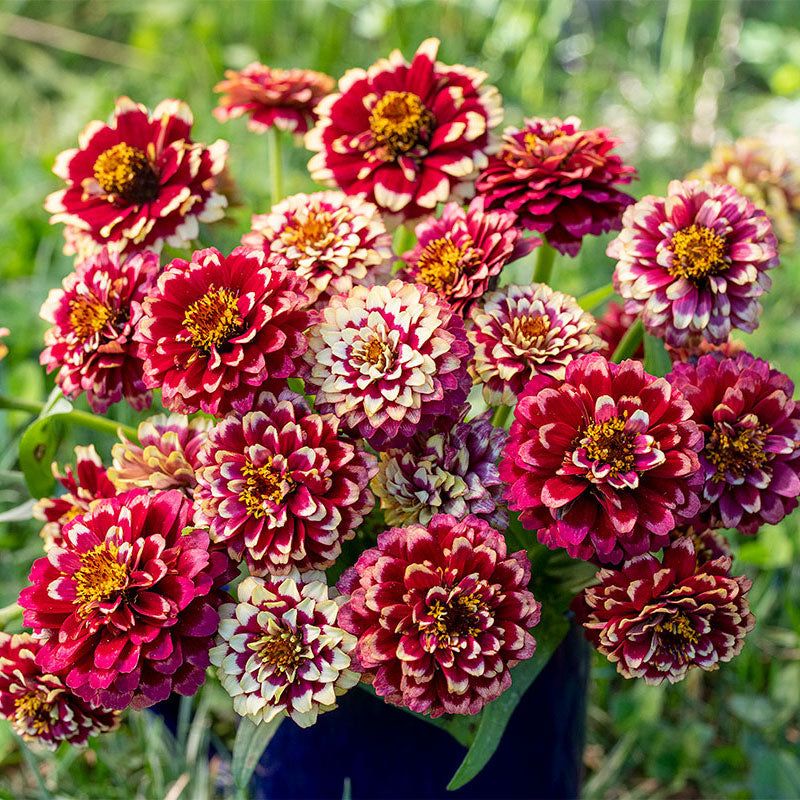
Summer gardens often reach a colorful peak when zinnias come into full bloom, and bicolor varieties offer some of the most striking combinations among annual flowers.
Petals marked with stripes, splashes, or contrasting edges create vivid patterns that photograph well and add lively color to warm-season plantings.
These warm-climate natives grow well in California’s sunny summer conditions, performing best in heat and bright light.
Zinnias require full sun and warm soil, so planting after soils warm in spring, often around late April or May in many regions, supports strong growth. They germinate readily from seed and can be an economical way to fill larger spaces.
Adequate spacing improves air circulation, which helps reduce the chance of powdery mildew, a common issue in some climates with warm days and cooler nights.
Watering at soil level rather than overhead helps keep foliage dry and can reduce disease problems. Once established, zinnias tolerate moderate dry conditions, though consistent watering generally supports more abundant flowering.
Removing spent blooms encourages continued flowering, as zinnias often respond by producing additional buds.
Bicolor zinnias also make long-lasting cut flowers. Regular harvesting can stimulate more blooms, making them useful for indoor arrangements.
In addition to their color, they attract butterflies and other beneficial insects, contributing to pollinator-friendly gardens. Mixing different heights and color patterns can create a relaxed, vibrant summer display.
10. Sweet Pea (Lathyrus odoratus bicolor flowers)
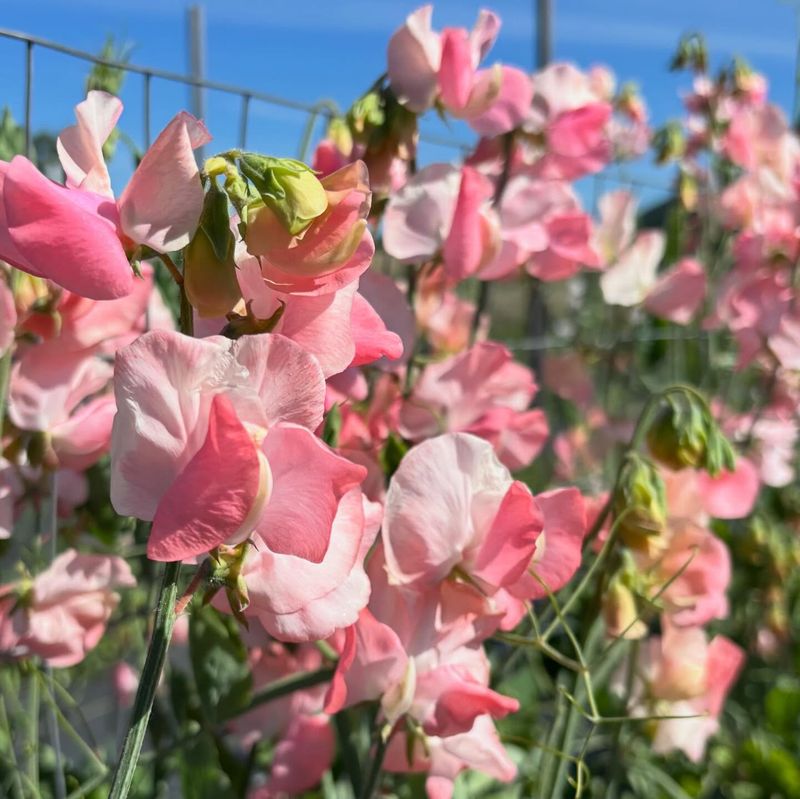
Sweet peas climbing a sunny fence bring color and fragrance to California spring gardens, and bicolor varieties offer especially romantic combinations—soft pink fading to cream, lavender edged in deeper purple, or coral blending into peach tones.
These long-loved flowers have been grown for generations, and modern breeding has expanded the range of colors while preserving their characteristic scent.
Sweet pea seeds are often planted in fall or winter for spring bloom, as they prefer cooler conditions for germination and early growth. Soaking seeds overnight or lightly nicking the hard seed coat can help improve germination.
They grow best in fertile, well-prepared soil with consistent moisture, though established plants may tolerate brief dry periods.
Sweet peas are climbing vines that require support such as trellises, fences, or bamboo structures. Their vertical growth makes them useful in smaller gardens where space is limited.
Regularly cutting flowers can encourage continued blooming, and harvested stems make fragrant indoor arrangements.
In warmer inland climates, flowering may slow or stop as temperatures rise, while coastal areas often experience a longer bloom period. Plant sweet peas near frequently used areas, such as entrances, paths, or patios, so their fragrance can be enjoyed throughout the season.