What Happens If You Start Vegetable Seeds Too Early Indoors In Michigan And How To Fix It
Starting vegetable seeds indoors is one of the best ways Michigan gardeners get ahead of the short growing season, but timing can make or break your results.
When seeds sprout too early, weeks or even months before the last frost, small problems can quickly turn into bigger setbacks.
Seedlings may grow tall and weak, roots can become crowded, and plants often struggle when it is finally time to move outside. Instead of gaining an advantage, you might end up with stressed plants that fall behind once real growing weather arrives.
The good news is early seed starting does not have to be a guessing game. Once you understand what can go wrong and how to correct it, you can grow sturdy, healthy seedlings ready to thrive outdoors.
This guide reveals ten important facts about early seed starting in Michigan and the simple fixes that lead to stronger, more successful plants.
Seedlings Become Leggy Due To Low Winter Light – Increase Light Intensity
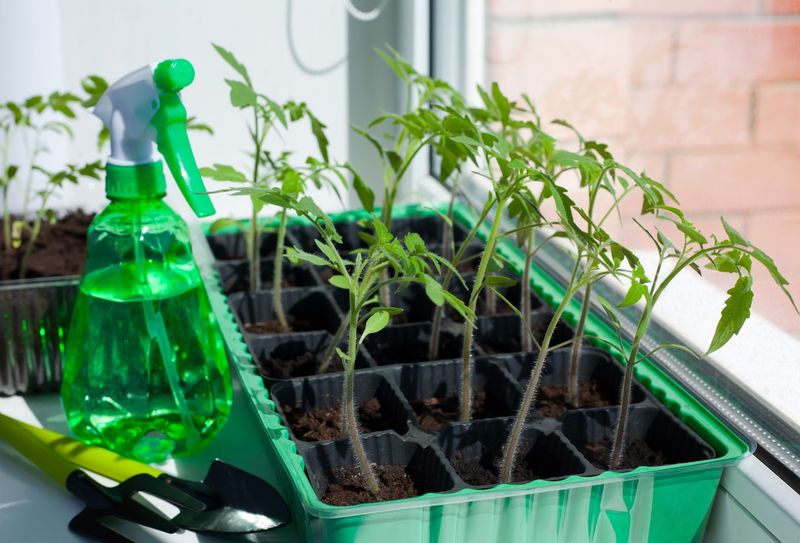
Michigan winters bring short days and weak sunlight that cannot support healthy seedling growth. Plants started in January or February stretch toward windows, developing long, thin stems that bend easily.
This leggy growth happens because seedlings need strong light to build sturdy tissue. Without adequate light, plants prioritize height over strength. They reach desperately for any available rays, creating weak stems that struggle to support leaves.
The problem worsens when seedlings sit on windowsills where light comes from only one direction.
Fix this by positioning LED grow lights two to four inches above seedling tops. Quality lights provide the intensity plants need for compact, robust growth.
Keep lights on for fourteen to sixteen hours daily to mimic long summer days. Adjust light height as plants grow taller. The close proximity ensures seedlings receive enough energy for proper development.
Proper lighting transforms weak, stretched plants into sturdy specimens ready for outdoor life.
Rotating trays daily helps if you rely on window light. However, artificial lighting gives far better results during Michigan’s dark winter months.
Strong light from above encourages plants to grow thick stems that can handle transplant stress and outdoor conditions successfully.
Plants Outgrow Containers Before Outdoor Planting – Pot Up Gradually
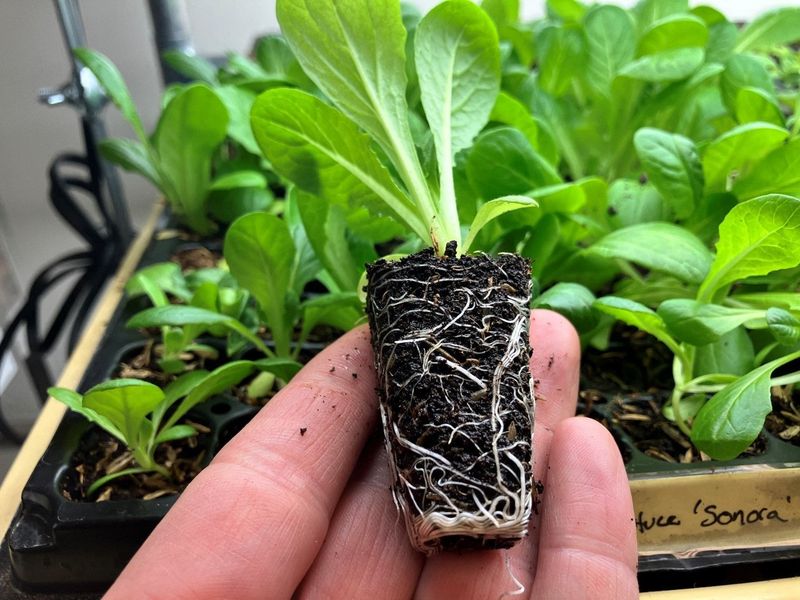
Seeds started too early quickly fill their starter cells with roots. By the time Michigan’s last frost passes in mid-May, plants become root-bound and stressed.
Roots circle endlessly inside small containers, unable to expand further. This confinement limits nutrient uptake and water absorption. Plants stop growing vigorously even with proper care.
Leaves may yellow or growth may stall completely as roots run out of space. Moving seedlings into larger containers solves this problem effectively. When roots begin emerging from drainage holes, transplant into pots one or two sizes bigger.
Use quality potting mix that drains well but holds moisture. Handle seedlings gently during the move. Support the root ball and avoid pulling plants by their delicate stems.
Firm soil around roots to eliminate air pockets that dry out quickly.
Sequential potting up maintains healthy growth through extended indoor periods. A tomato might start in a small cell, move to a four-inch pot, then finish in a gallon container before outdoor planting.
Your Michigan Garden Changes Every Week. Your Plan Should Too.
Gardening in Michigan changes quickly throughout the season. Every Friday you’ll receive a simple weekly plan showing exactly what to plant, prune, fertilize, harvest, and protect so you never miss the right timing.
Each step gives roots room to expand. This approach keeps plants thriving despite early starts. Properly sized containers prevent the stress and stunting that come from prolonged confinement in tiny spaces.
Growth Becomes Too Advanced Before Last Frost
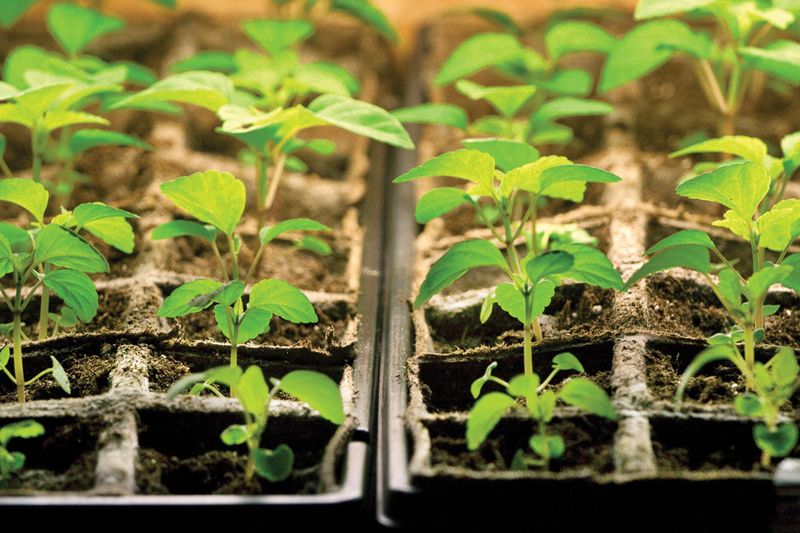
Tomatoes started in February may develop flowers before Michigan gardens are safe for planting. Oversized seedlings struggle during transplant and may drop blossoms from stress.
Preventing premature maturity requires strategic temperature management. Warm homes encourage rapid growth that outpaces the outdoor season. Plants race through developmental stages too quickly.
By transplant time, they are already setting fruit indoors where conditions cannot support production.
Reducing daytime temperatures by five to ten degrees slows metabolism safely. Move plants to cooler rooms, enclosed porches, or basement areas with good light.
Temperatures between sixty and sixty-five degrees maintain health while limiting growth speed.
Nighttime cooling provides additional benefits. Slightly cooler nights mimic natural conditions and create stockier plants.
Avoid temperatures below fifty degrees for warm-season crops like tomatoes and peppers. This temperature adjustment buys valuable time without harming plants. Growth continues but at a measured pace that better matches outdoor planting schedules.
Plants remain healthy and vigorous rather than becoming overgrown and stressed. Monitor plants closely when adjusting temperatures. They should continue growing slowly with good color and firm stems.
Proper temperature control helps bridge the gap between early starts and Michigan’s actual planting season safely and effectively.
Root Systems Become Dense – Gently Loosen Roots At Transplant
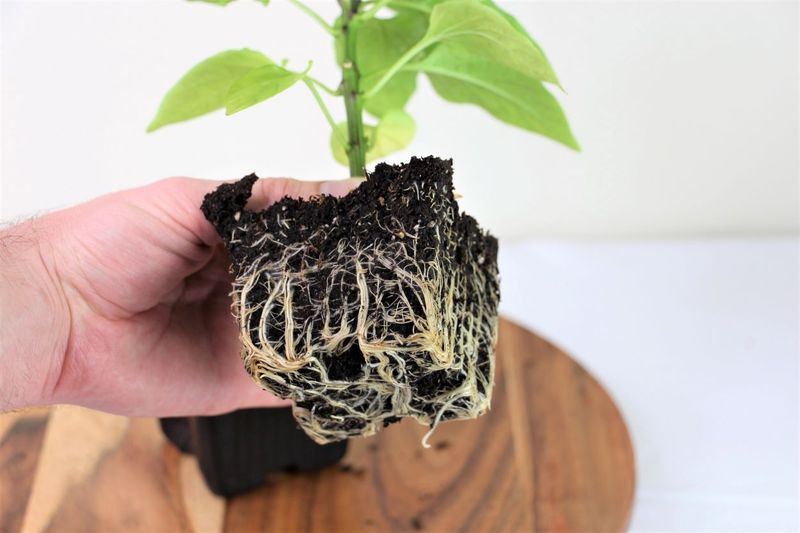
Extended time in containers causes roots to circle tightly around themselves. This matted growth pattern continues even after transplanting into garden beds.
Roots fail to spread outward into surrounding soil, limiting nutrient access and water uptake.
Plants with circling roots establish slowly and may never reach full potential. The dense root ball acts like a barrier, preventing proper integration with garden soil.
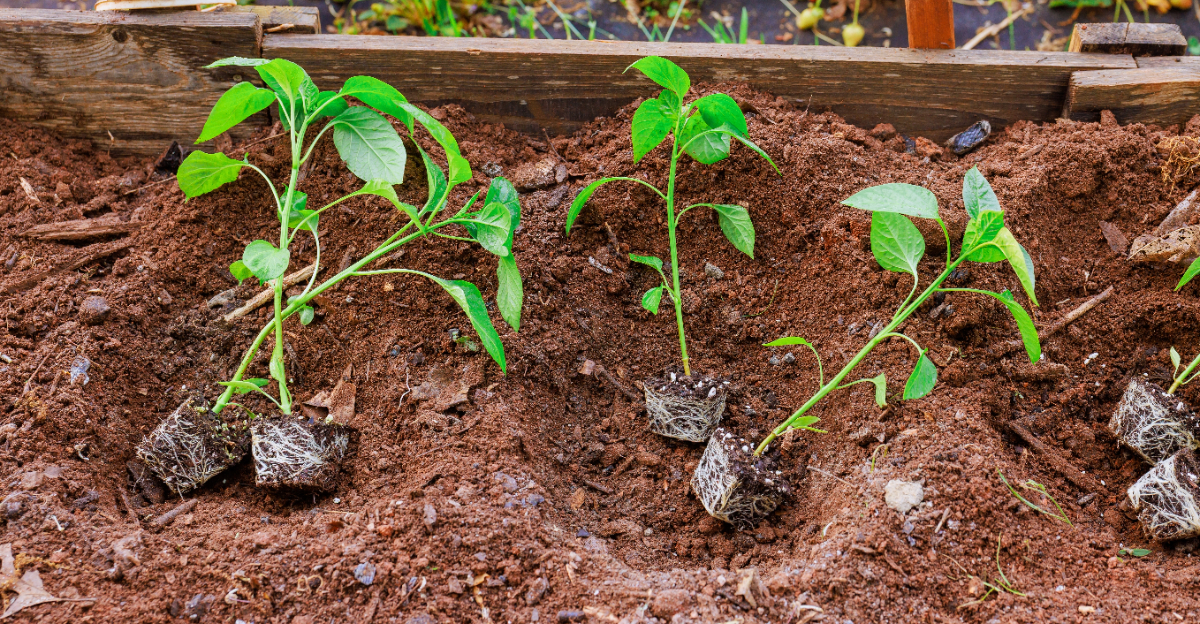
Growth remains stunted despite adequate space and nutrients. Before planting, examine root systems carefully. If roots form a tight spiral, gently tease them apart with your fingers.
Start at the bottom and work upward, loosening the outer layer without destroying the entire root ball.
For severely root-bound plants, make three or four vertical cuts through the outer roots. Use a clean knife and cut about half an inch deep.
This encourages new root growth in outward directions. Loosened roots establish faster and explore soil more effectively. They quickly find water and nutrients, supporting vigorous top growth.
Plants recover from transplant shock more rapidly and begin producing sooner. Handle roots gently but thoroughly. The brief disturbance during planting prevents months of poor performance in the garden.
Properly prepared root systems make all the difference in final plant success and productivity throughout the growing season.
Nutrient Supply Becomes Limited – Begin Light Fertilization
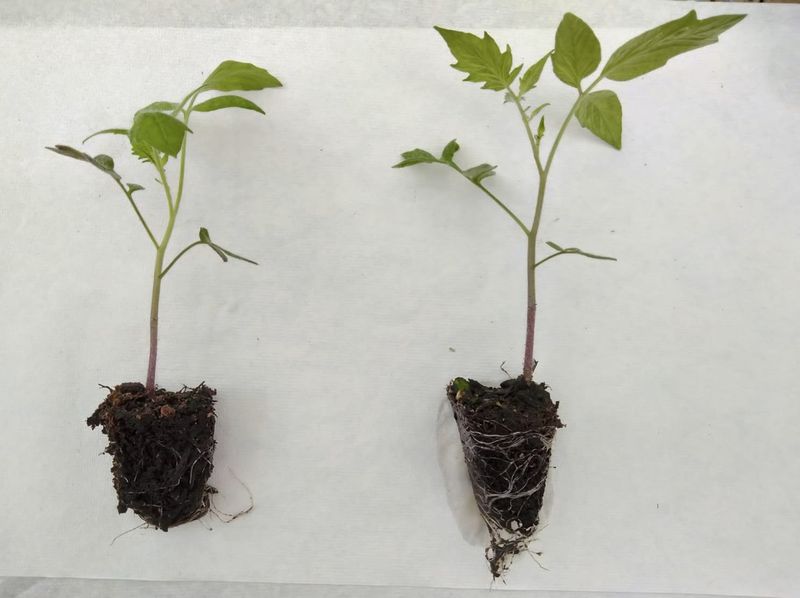
Seed starting mix contains minimal nutrients by design. It provides enough for initial germination and early growth.
Seeds started too early exhaust this limited supply long before outdoor planting arrives. Hungry seedlings show pale leaves and slow growth. Lower leaves may yellow as plants pull nutrients from older tissue to support new growth.
Without supplemental feeding, plants weaken and become susceptible to stress. Once seedlings develop their first true leaves, begin feeding with diluted liquid fertilizer. Mix water-soluble fertilizer at one-quarter to one-half the recommended strength.
Apply every seven to ten days during watering. Balanced formulas work well for most vegetables. Look for equal or similar numbers like ten-ten-ten or five-five-five. These provide nitrogen for leaves, phosphorus for roots, and potassium for overall health.
Avoid over-fertilizing, which causes rapid, weak growth and salt buildup in containers. Light, regular feeding supports steady development without pushing plants too hard. Proper nutrition maintains deep green color and sturdy growth.
As transplant time approaches, continue feeding to build strong plants. Well-nourished seedlings handle transplant stress better and establish quickly in garden beds.
They enter the garden with reserves that support immediate growth and early production throughout Michigan’s relatively short growing season.
Transplant Shock Risk Increases
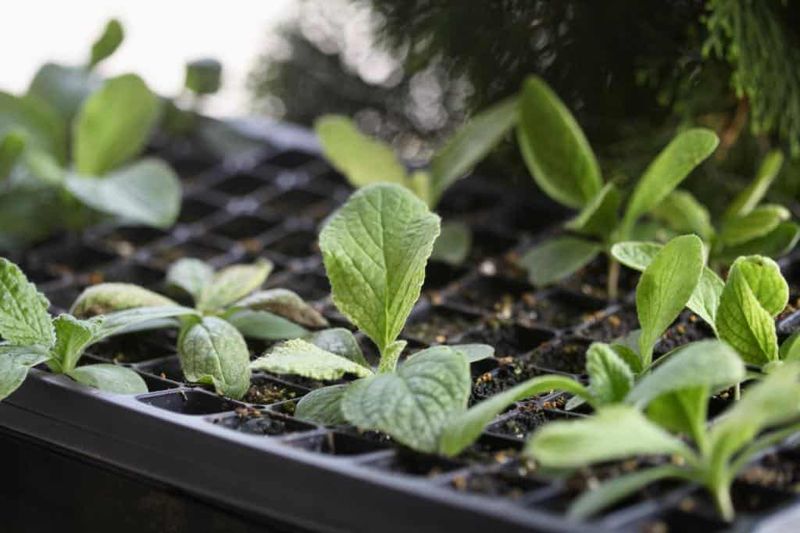
Seedlings grown entirely indoors lack tolerance for outdoor conditions. Direct sun, wind, and temperature fluctuations overwhelm sheltered plants.
Leaves scorch, stems break, and growth stops as plants struggle to adapt. Large, early-started plants suffer more severe shock than younger transplants. Their extensive foliage loses water rapidly in wind and sun.
Without gradual acclimation, they may experience serious setbacks or fail completely.
Hardening off prepares plants for outdoor life. Start one to two weeks before transplanting by placing seedlings outside in shade for a few hours. Bring them in before temperatures drop at night.
Gradually increase outdoor exposure daily. Move plants into dappled sunlight, then brighter light over several days.
Extend the time they spend outside while monitoring for stress signs like wilting or leaf bleaching.
By week’s end, plants should tolerate full sun and remain outdoors overnight if temperatures stay above fifty degrees. This gradual transition toughens leaves and stems while building tolerance to environmental stress.
Never skip hardening off, especially for early-started plants with tender growth. The process seems slow but prevents devastating losses.
Properly hardened seedlings transplant successfully and begin growing immediately rather than spending weeks recovering from shock in the garden.
Cold Soil Delays Establishment – Wait For Warm Soil
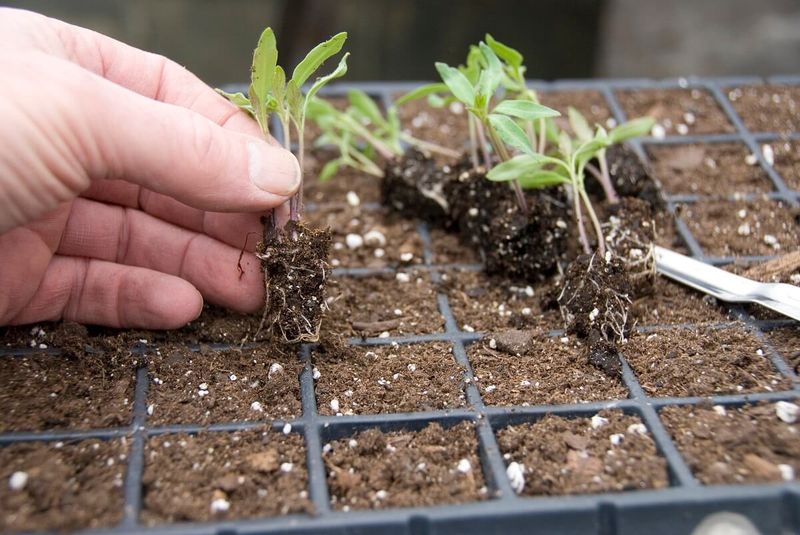
Michigan soil remains cold well into May in many areas. Even when air temperatures feel warm, ground temperatures lag behind.
Cold soil slows or stops root activity, leaving transplants unable to absorb water and nutrients effectively.
Warm-season vegetables like tomatoes, peppers, and squash need soil temperatures above sixty degrees for good growth. Planting into colder ground stalls development for weeks.
Plants sit without growing while cold soil limits root function. Check soil temperature before transplanting. Insert a soil thermometer two to three inches deep in the morning.
Take readings for several consecutive days to ensure consistent warmth. If soil remains too cold, delay planting even if seedlings seem ready. Keep plants indoors under lights with proper care.
A few extra days or weeks indoors beats months of poor performance from cold-shocked roots.
Raised beds and black plastic mulch warm soil faster than ground-level gardens. These techniques help extend Michigan’s short season by creating favorable conditions earlier.
However, they still require temperature monitoring before planting. Patient timing pays off with vigorous growth once plants enter warm soil. Roots spread quickly, accessing nutrients and water efficiently.
Plants establish rapidly and begin producing much sooner than those planted into cold, inhospitable ground conditions.
Indoor Humidity Can Encourage Mold – Improve Airflow
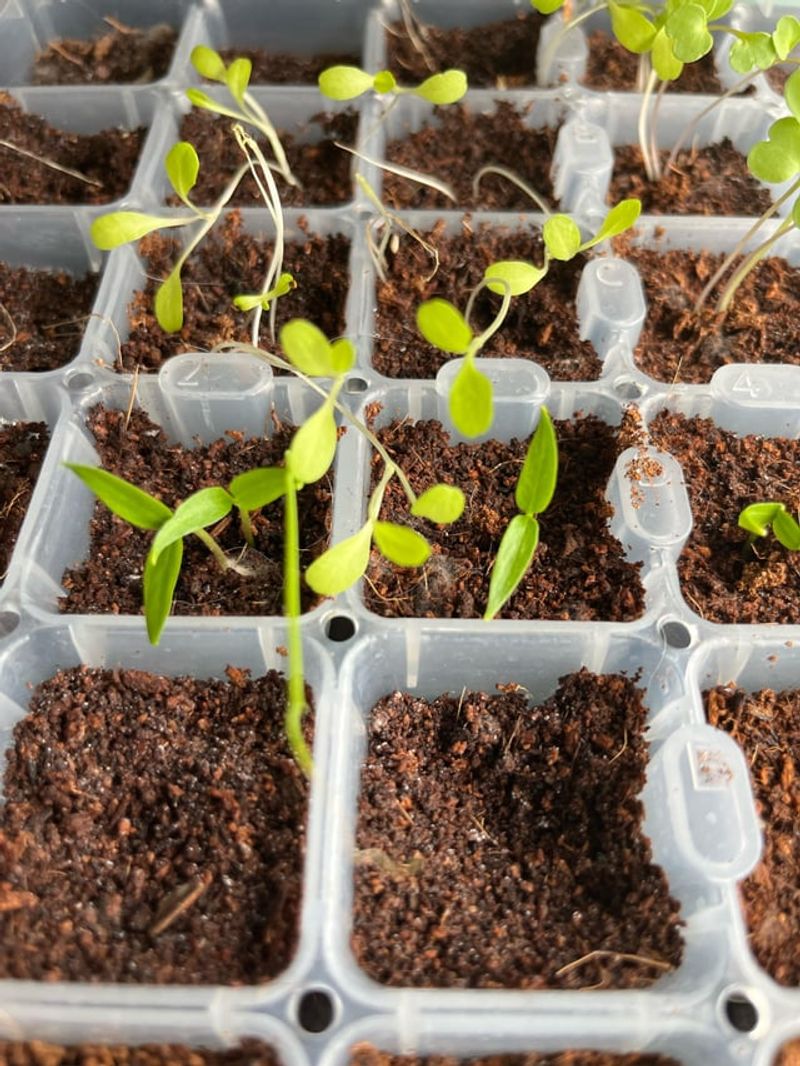
Seedlings kept indoors for extended periods face increased fungal risks. Stagnant air and consistent moisture create perfect conditions for damping-off disease and mold growth.
These problems spread quickly through crowded trays, affecting multiple plants. High humidity around seedlings encourages fungal spores to germinate. Wet soil surfaces and dense foliage trap moisture.
Without air movement, conditions remain ideal for disease development. Improve airflow by spacing containers apart as plants grow. Avoid overcrowding that prevents air circulation between seedlings.
Thinning plants early also helps by reducing competition and improving air movement. Position a small fan to create gentle air circulation in the growing area. Set it on low speed to move air without blasting delicate seedlings.
Constant, gentle movement strengthens stems while keeping foliage dry. Water seedlings in the morning so foliage dries before evening. Avoid overhead watering that leaves moisture on leaves.
Bottom watering through trays keeps foliage dry while ensuring roots receive adequate moisture.
Good air circulation prevents most fungal problems naturally. Strong air movement mimics outdoor breezes that keep plants healthy.
Combined with proper watering practices, improved airflow protects seedlings through extended indoor growing periods successfully without requiring chemical treatments or interventions.
Timing Misalignment Reduces Productivity – Adjust Future Seed Schedule
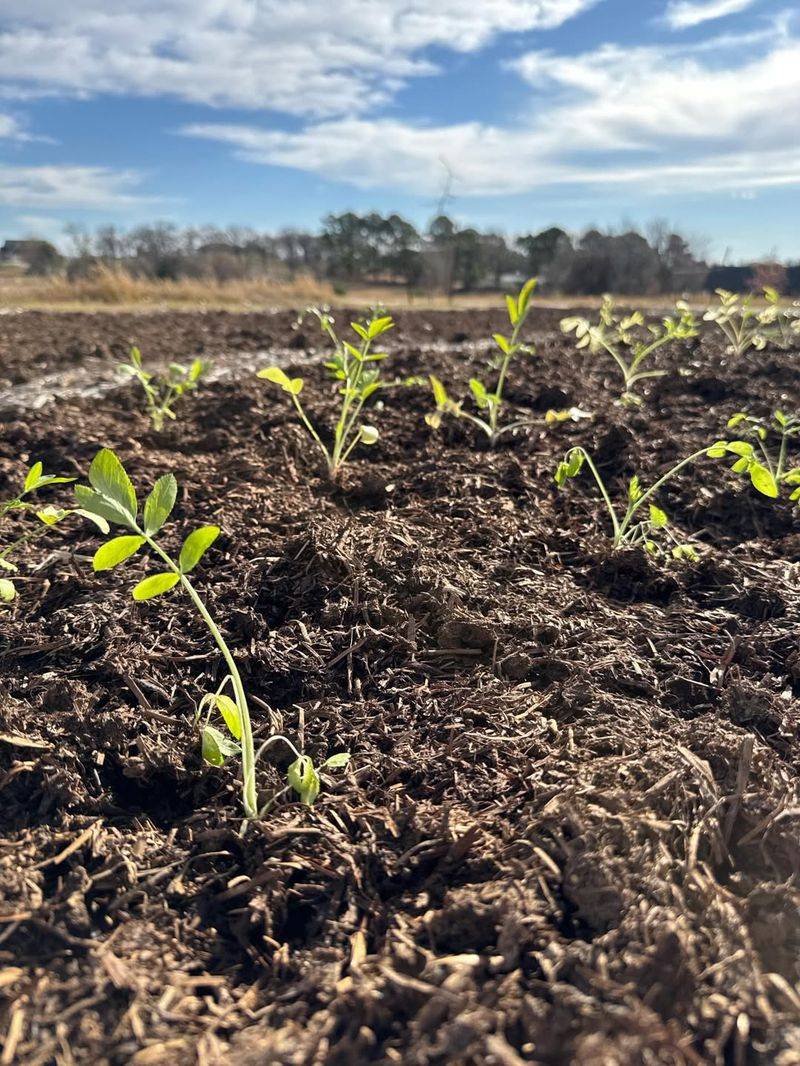
Starting seeds at the wrong time disrupts the entire growing season. Plants that mature too early indoors waste energy on growth that does not contribute to harvest.
Proper timing aligns seedling development with outdoor planting windows. Michigan’s average last frost falls between mid-May in southern areas and early June in northern regions. Count backward from this date to determine ideal seed starting times.
Most vegetables need six to eight weeks of indoor growth. Tomatoes and peppers benefit from six to eight weeks indoors. Cucumbers and squash need only three to four weeks before transplanting.
Starting all seeds simultaneously creates problems with oversized plants and poorly timed transplants.
Create a customized schedule based on your specific frost date and chosen varieties. Mark planting dates on a calendar and set reminders.
Stagger sowings according to each vegetable’s needs rather than starting everything at once.
Keep records of what works in your garden. Note actual frost dates, seed starting dates, and transplant success.
Adjust timing annually based on experience and local weather patterns. Proper scheduling eliminates most problems associated with early starts. Plants reach ideal size exactly when outdoor conditions become favorable.
This synchronization maximizes productivity and reduces stress on both plants and gardeners throughout Michigan’s growing season.
Plants May Experience Light Stress After Transplant – Introduce Sun Gradually
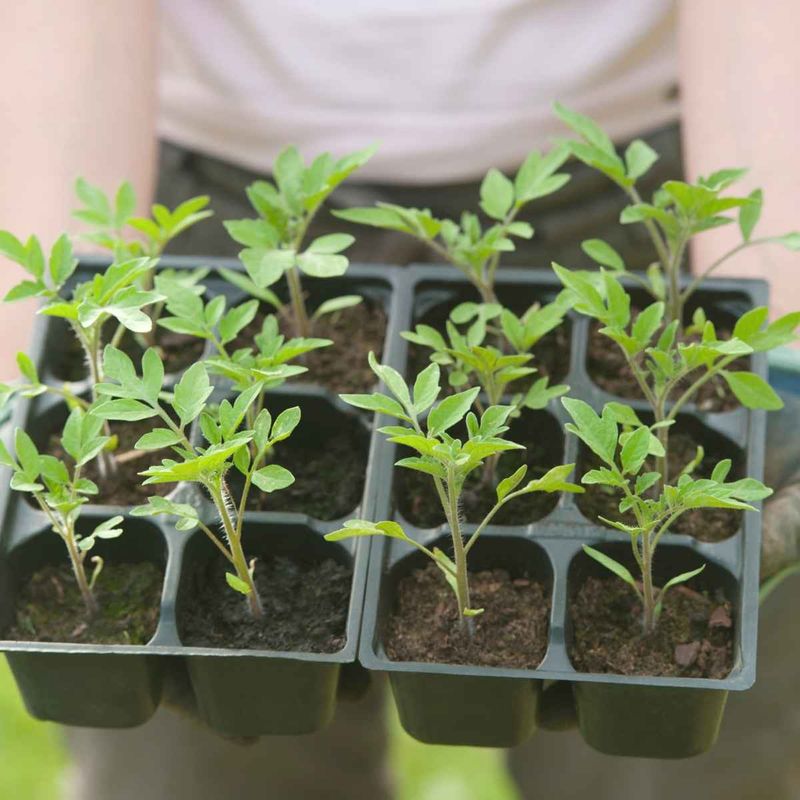
Seedlings grown under artificial lights lack pigments that protect against intense sunlight. Suddenly exposing them to full outdoor sun causes leaf bleaching and burning.
Damaged leaves cannot photosynthesize effectively, slowing plant establishment. Indoor lights provide consistent, moderate intensity that does not prepare plants for direct sun. Even well-grown seedlings need gradual sun exposure.
Their leaves must build protective compounds before handling full intensity. Begin outdoor acclimation in shade or on cloudy days. Dappled shade under trees provides gentle light that does not overwhelm sensitive foliage.
After two or three days, move plants into morning sun only. Morning sun offers lower intensity than afternoon rays. Plants adapt more easily to these gentler conditions.
Gradually extend sun exposure over a week, adding afternoon light last. Watch for signs of stress like wilting or pale patches on leaves. If plants show distress, move them back to shade temporarily.
Resume gradual exposure once they recover. By transplant day, seedlings should tolerate full sun without damage. Their leaves will have darkened slightly and developed protective pigments.
This careful introduction prevents setbacks and ensures plants begin growing immediately in their permanent garden locations. Properly acclimated plants establish quickly and produce abundantly throughout Michigan’s summer season.