The Best Time To Remove Mulch And Winter Protection In Pennsylvania Gardens
As winter winds fade and Pennsylvania gardens begin to stir, many homeowners wonder when it’s safe to remove mulch and winter protection. Doing it too early can expose tender roots to late frosts, while waiting too long may slow new growth or trap excess moisture.
Timing matters because each plant responds differently to seasonal changes, and local temperatures can vary widely across the state.
Removing protective layers at the right moment helps soil warm evenly, encourages healthy shoots, and prevents disease from trapped moisture.
It also gives you a chance to check on plants, prune damaged growth, and prepare beds for spring planting. Knowing how to balance protection with early spring exposure ensures your garden has the best start for the growing season.
With careful timing and attention to conditions, you can remove mulch safely and help your Pennsylvania garden thrive from the very first warm days.
1. Watch For Consistent Soil Temperature Readings Above Freezing
Soil temperature tells you more about spring’s real arrival than any calendar date ever could. Pennsylvania gardens need soil that stays consistently above 40 degrees Fahrenheit before you start removing winter mulch layers.
A simple soil thermometer pushed three inches deep gives you accurate readings that guide your timing perfectly.
Check your soil temperature in the morning for three days in a row to establish a pattern. If temperatures hover around 45 to 50 degrees consistently, your garden soil has warmed enough to start the mulch removal process.
Different areas of Pennsylvania warm up at different rates, with southern counties ready weeks before northern regions.
Cold soil keeps plant roots dormant and protected naturally. Removing mulch too soon exposes roots to temperature swings that stress plants unnecessarily.
Wait for that steady warming trend that signals winter has truly released its grip on your Pennsylvania landscape.
Your garden’s microclimate matters too when checking soil temperatures. South-facing beds warm faster than shaded northern exposures.
Raised beds heat up quicker than ground-level plantings. Take readings from multiple garden spots to understand how each area progresses through spring.
Late March through early April typically brings the right soil conditions across most Pennsylvania regions. Mountain areas and northern counties might wait until mid-April.
Patience pays off when you let soil temperature be your guide instead of rushing based on a few warm afternoons that fool you into thinking winter has ended permanently.
2. Remove Mulch Gradually In Stages Rather Than All At Once
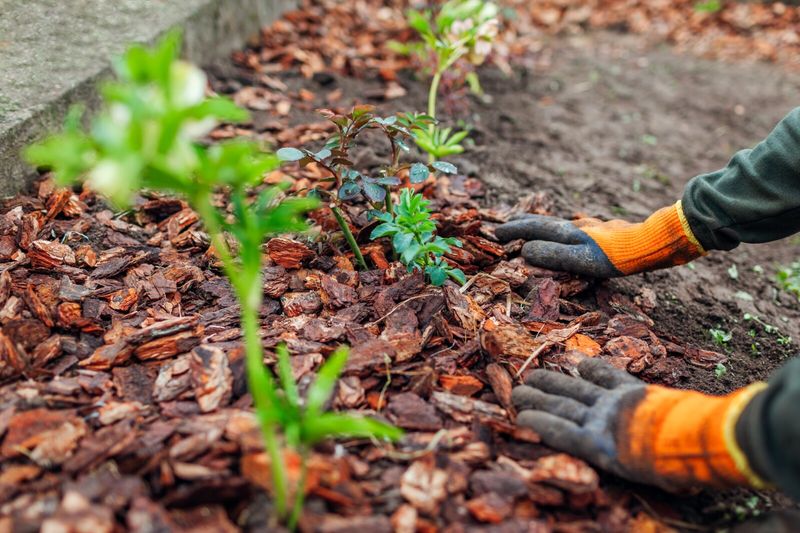
Pulling back all your winter mulch in one afternoon might seem efficient, but gradual removal protects plants better. Pennsylvania weather shifts quickly in spring, and a staged approach gives you flexibility to respond to unexpected cold spells.
Start by removing about half the mulch depth when temperatures stabilize above freezing consistently.
Leave the remaining mulch layer in place for another week or two as insurance against late frosts. This partial removal lets sunlight reach the soil and warm it while still providing some insulation if temperatures drop suddenly.
Your perennials can start growing without being smothered under heavy winter coverings.
Your Pennsylvania Garden Changes Every Week. Your Plan Should Too.
Gardening in Pennsylvania changes quickly throughout the season. Every Friday you’ll receive a simple weekly plan showing exactly what to plant, prune, fertilize, harvest, and protect so you never miss the right timing.
The second stage comes when nighttime temperatures stay reliably above 35 degrees Fahrenheit. Remove most of the remaining mulch, leaving just a thin layer around plant crowns.
This final bit of protection helps if an unexpected freeze arrives after you have uncovered most of your Pennsylvania garden beds.
Rake removed mulch to the side of your beds rather than hauling it away immediately. If a late April frost threatens, you can quickly pull that mulch back over tender new growth for overnight protection.
Once danger passes, rake it away again without having to fetch new materials.
Complete the final removal when forsythia blooms appear across your Pennsylvania neighborhood. This reliable natural indicator shows that soil has warmed enough for full exposure.
Your gradual approach means plants never face sudden environmental shock from abrupt changes in their growing conditions.
3. Check For New Growth Before Removing Protection From Perennials
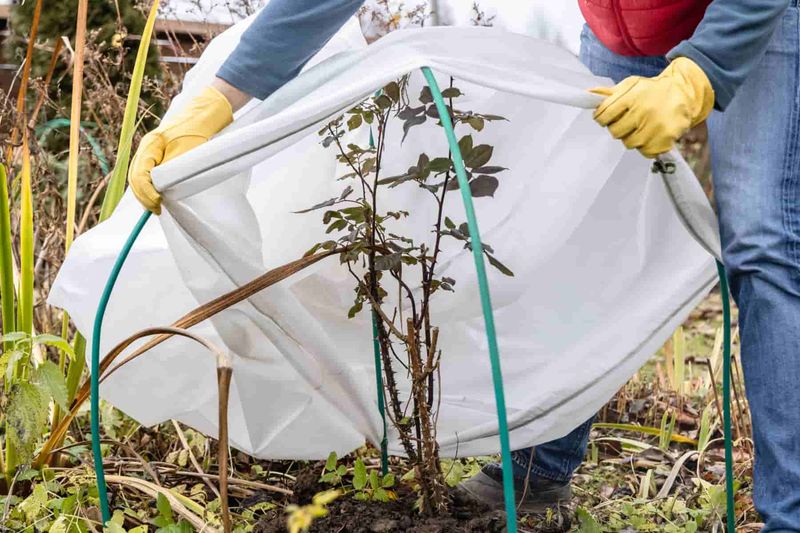
Your perennials send up signals when they are ready for winter protection to come off. Small green shoots poking through the mulch layer show that plants have broken dormancy and begun active growth.
Waiting for this visible sign prevents you from uncovering plants that still need protection in Pennsylvania gardens.
Different perennials emerge at different times throughout spring. Daffodils and crocuses push through early, sometimes in late February during mild winters.
Hostas and daylilies wait until April when soil warms more thoroughly. Remove mulch from early emergers first while leaving later risers covered a bit longer.
Gently brush aside mulch with your hands to check for growth without disturbing the entire bed. Look for pale shoots just starting to emerge or small leaf buds beginning to swell.
These signs tell you the plant has activated and will benefit from full light exposure soon.
Plants with woody stems like peonies and baptisia can handle mulch removal slightly earlier than soft-stemmed perennials. Their sturdy structure tolerates temperature fluctuations better than delicate emerging foliage.
Still, wait until you see definite bud swelling before pulling back all protection from any Pennsylvania perennial bed.
Some gardeners worry that mulch prevents growth, but healthy perennials push through moderate layers easily. The real concern comes when thick, matted mulch blocks light and traps excess moisture against crowns.
Once you spot active growth, prioritize removing mulch from those specific plants while leaving dormant neighbors covered until they also wake up naturally.
4. Monitor Weather Forecasts For Late Frost Warnings
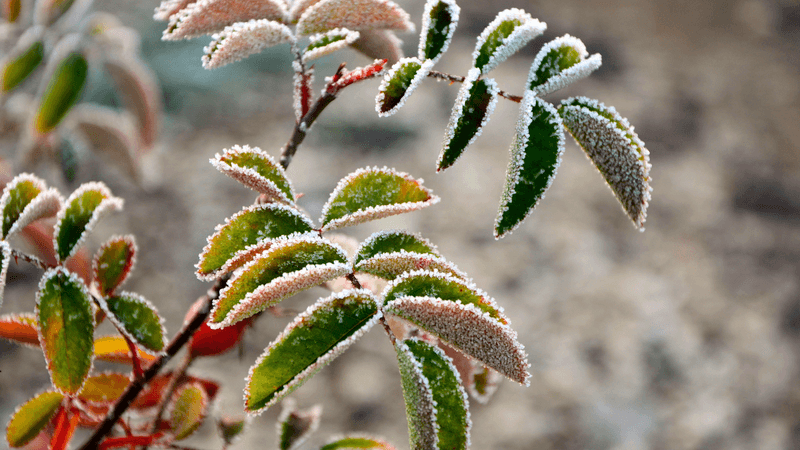
Pennsylvania springs deliver surprises that catch gardeners off guard regularly. A string of 70-degree days in March tempts you to strip away all winter protection, then a hard freeze in early April threatens everything.
Checking your local forecast daily during the transition period prevents costly mistakes in your garden beds.
Pay special attention to overnight low temperatures rather than daytime highs. A sunny 65-degree afternoon means nothing if temperatures plunge to 28 degrees that same night.
Frost warnings typically issue when temperatures will drop to 32 degrees or below at ground level where your plants live.
Pennsylvania microclimates create frost pockets where cold air settles even when surrounding areas stay warmer. Low-lying areas, valleys, and spots near bodies of water often experience frost when nearby locations escape unscathed.
Know your property’s vulnerable spots and keep protection handy for those specific areas.
The average last frost date for Pennsylvania ranges from late April in southeastern counties to late May in northern and mountain regions. These dates represent averages, meaning frost can arrive two weeks earlier or later in any given year.
Never assume safety just because you have reached the average date on the calendar.
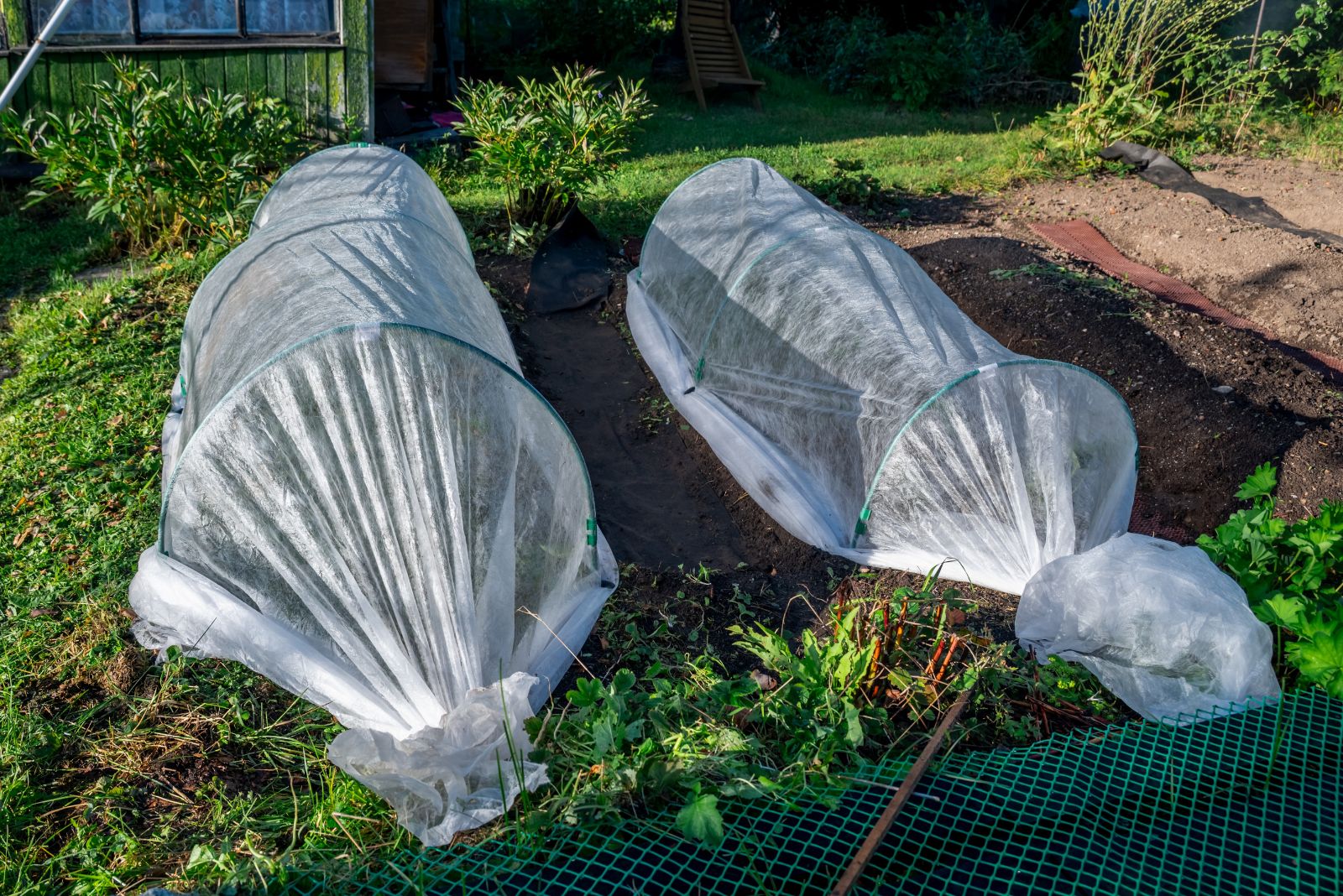
Keep lightweight frost blankets, old sheets, or even cardboard boxes ready throughout April and early May. When forecasts predict unexpected cold, you can quickly cover newly exposed plants overnight.
This simple preparation saves tender new growth from damage and prevents setbacks that delay your garden’s progress through the Pennsylvania growing season.
5. Remove Tree And Shrub Wraps When Daytime Temperatures Stay Above 50 Degrees
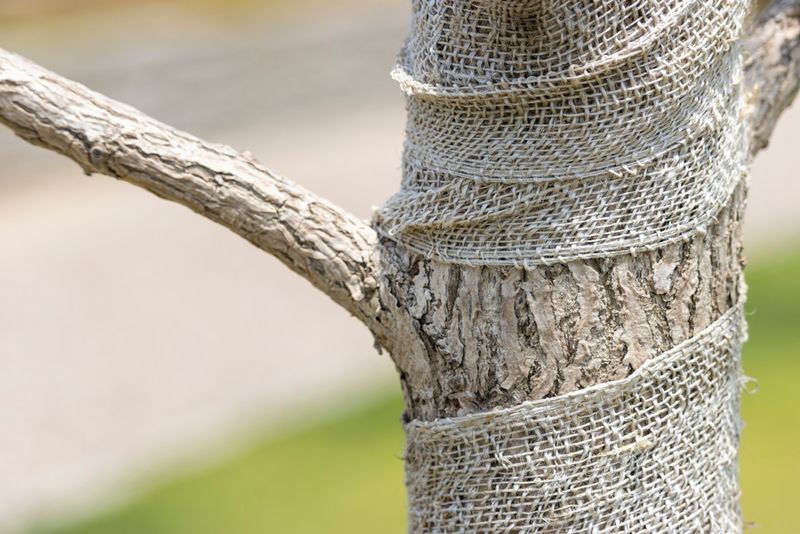
Burlap wraps, tree guards, and protective coverings serve important purposes through Pennsylvania winters but become problematic when left on too long. These materials prevent sun scald, wind damage, and animal browsing during harsh months.
Spring warmth changes everything, turning protective barriers into traps that harbor pests and diseases.
Start checking your wrapped trees and shrubs when daytime temperatures consistently reach 50 degrees Fahrenheit. At this point, the worst winter weather has passed for most Pennsylvania locations.
Bark and branches can handle temperature fluctuations without the extra insulation that winter wrapping provides.
Unwrap on a cloudy day if possible to avoid sudden sun exposure on bark that has been covered for months. Bright sunshine hitting previously shaded bark can cause stress, though this rarely creates serious problems.
Work carefully to avoid damaging tender buds that have formed under the wrapping material.
Inspect trunks and branches carefully as you remove protection. Look for signs of insect activity, fungal growth, or damage from rodents that might have nested inside the wrapping.
Early detection of these issues lets you address problems before they worsen as spring progresses across Pennsylvania gardens.
Remove stakes and supports at the same time if trees have established strong root systems. Young trees planted within the past year might need stakes left in place through their first full growing season.
Older, established specimens benefit from freedom to move naturally with wind, which strengthens their trunk and root development throughout the Pennsylvania growing season ahead.
6. Clean Up And Compost Old Mulch While Checking For Pests
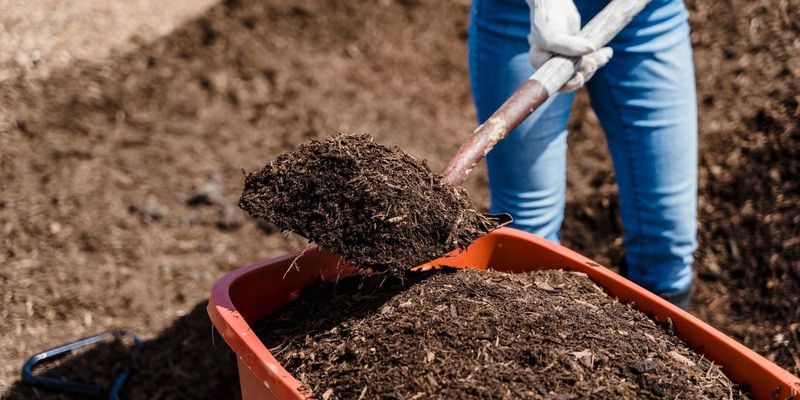
Old winter mulch breaks down over months of freezing and thawing, becoming compacted and less effective. As you remove this material from Pennsylvania garden beds, take time to inspect what you find underneath.
Decomposed mulch can go into compost piles, while pest-infested material needs different handling to protect your garden’s health.
Rake through the mulch carefully and watch for signs of insect activity. Voles create distinctive surface tunnels that show as raised paths through mulch and soil.
Slugs hide in damp, decomposing material and emerge to feed on tender new growth. Identifying these problems during cleanup lets you take action before populations explode.
Matted leaves and pine needles that stayed too wet often develop fungal growth visible as white threads or dark patches. This material should not go into compost bins where disease could spread.
Bag it separately for disposal or place it in a hot compost pile that reaches temperatures high enough to eliminate pathogens.
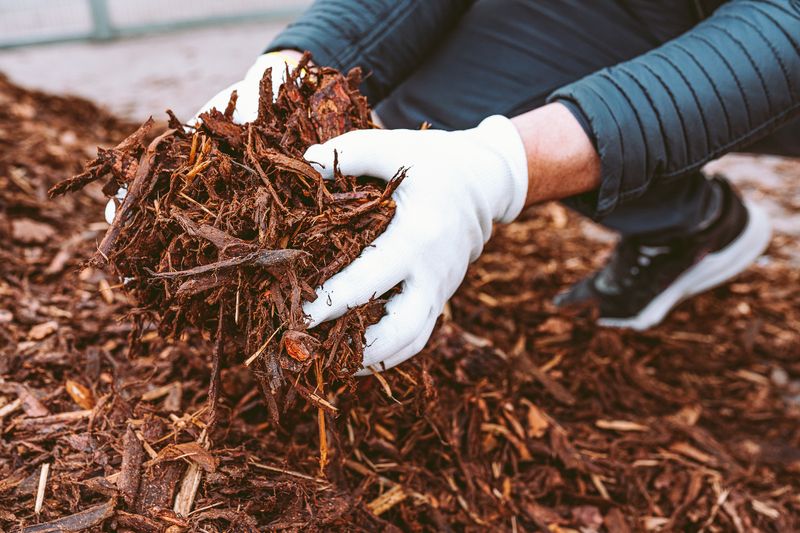
Fresh mulch applied after cleanup gives Pennsylvania gardens a neat appearance and provides benefits like moisture retention and weed suppression. Wait until soil warms thoroughly and you have removed all winter protection before adding new mulch layers.
Applying it too early traps cold in the soil and delays plant growth.
Keep a thin mulch layer of just two to three inches rather than piling it thick around plant stems. Deep mulch encourages rodents, promotes rot, and creates perfect hiding spots for slugs and other garden pests.
Proper spring cleanup and sensible mulch application set your Pennsylvania garden up for a healthy, productive growing season ahead.