7 Reasons Dwarf Palmetto Is A Perfect Native Plant For North Carolina Gardens
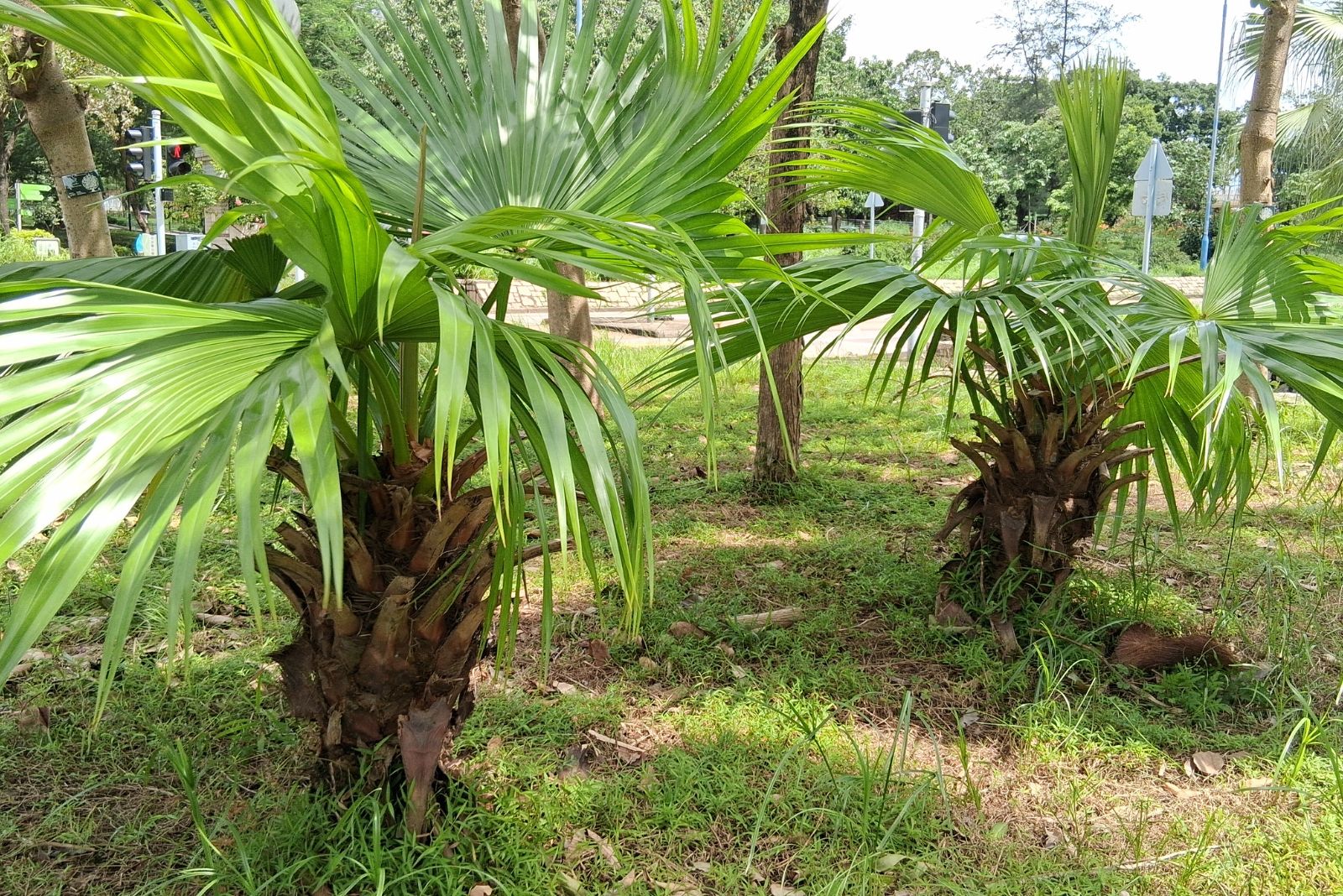
If you want a plant that adds instant tropical style without constant care, dwarf palmetto might be the hidden gem your North Carolina garden needs.
This hardy native palm delivers lush, fan shaped foliage and year round structure while handling conditions that challenge many exotic plants.
From surprising cold tolerance to thriving in wet or difficult soils, dwarf palmetto proves that native choices can be both stunning and practical.
It asks for very little once established, yet rewards you with a bold, natural look that feels right at home in southern landscapes. Even better, it supports local wildlife and blends beautifully with other native plants.
If you love the idea of low effort beauty with long lasting impact, you are about to see why more North Carolina gardeners are turning to dwarf palmetto for reliable color, texture, and tropical charm in their outdoor spaces.
1. Native To The Southeastern United States
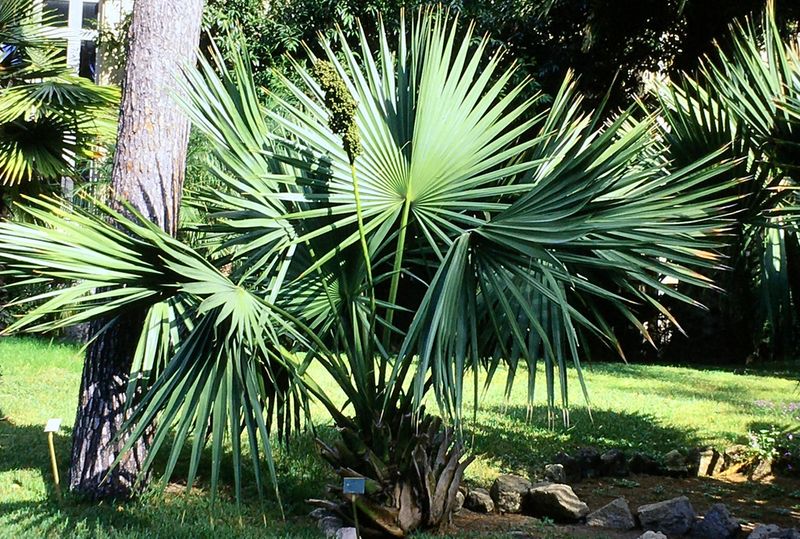
Dwarf palmetto grows naturally across the southeastern states, including parts of eastern North Carolina. This palm has adapted to local conditions over thousands of years. When you choose native plants, you’re working with nature instead of against it.
Local adaptation means dwarf palmetto already knows how to handle North Carolina’s weather patterns. It understands the rainfall cycles, temperature swings, and soil types found in your region.
Plants that evolved here simply perform better over time. Native species also support the local ecosystem in ways imported plants cannot. They provide familiar food sources for insects and shelter for small wildlife.
Your garden becomes part of a larger environmental network when you plant natives. Choosing dwarf palmetto connects your landscape to the natural heritage of North Carolina. This palm has been part of the region’s forests and wetlands for centuries.
It brings authentic character that exotic palms struggle to match. Nurseries across the state now offer dwarf palmetto to gardeners seeking native options. You can find healthy specimens that will establish quickly in appropriate locations.
Starting with a native plant gives your garden a strong foundation for long-term success and environmental harmony.
2. Tolerates Cold Better Than Many Palms
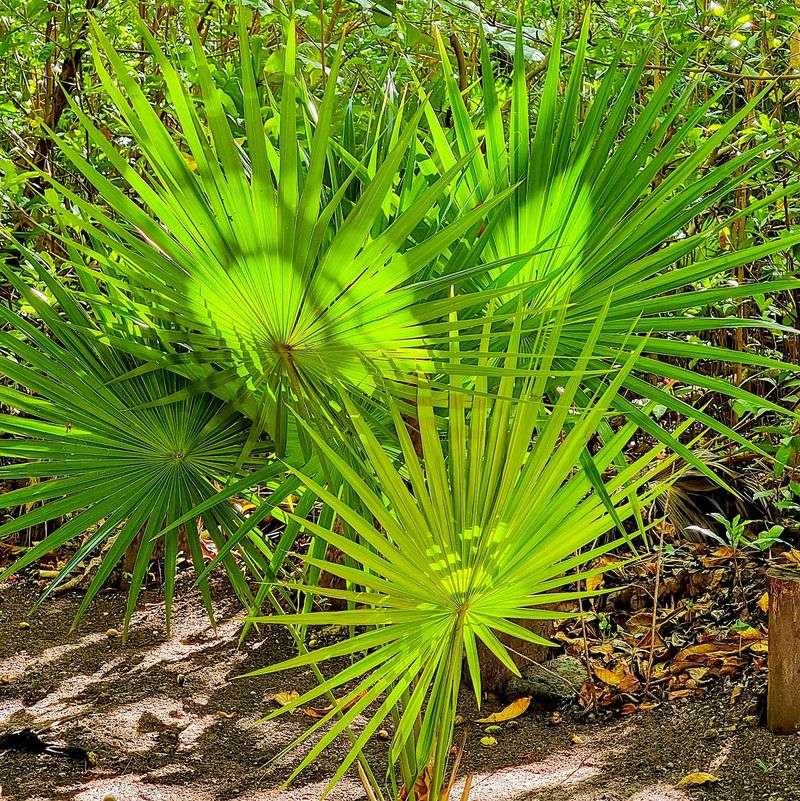
Most palms struggle when temperatures drop below freezing. Dwarf palmetto breaks that rule with impressive cold hardiness.
This tough palm can handle winter conditions that would damage or eliminate tropical palm species.
In coastal North Carolina, dwarf palmetto thrives without winter protection. It survives brief temperature dips into the teens Fahrenheit.
Even some inland areas with milder microclimates can support this resilient palm successfully.
Cold tolerance comes from the plant’s native range, which extends into areas with occasional hard freezes. The palm’s growth point stays protected near ground level.
This clever adaptation helps it survive cold snaps that topple taller, less hardy palms. Gardeners tired of replacing freeze-damaged plants will appreciate dwarf palmetto’s toughness. You won’t need to wrap it in burlap or haul it indoors every winter.
It simply endures cold weather and bounces back when spring arrives. Performance does vary based on your specific location within North Carolina. Coastal gardens generally see the best results, while mountain regions may prove too cold.
Your North Carolina Garden Changes Every Week. Your Plan Should Too.
Gardening in North Carolina changes quickly throughout the season. Every Friday you’ll receive a simple weekly plan showing exactly what to plant, prune, fertilize, harvest, and protect so you never miss the right timing.
Research your hardiness zone and local conditions before planting to ensure success with this cold-tolerant native palm.
3. Thrives In Wet And Moist Soils
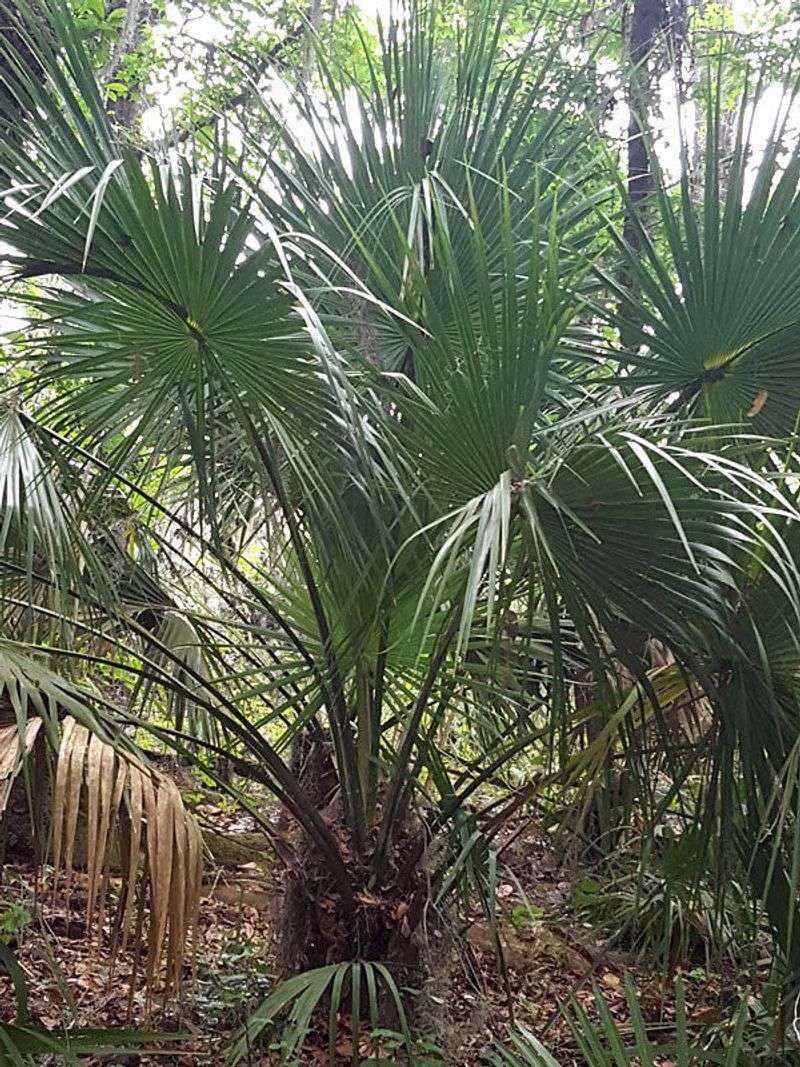
Many plants drown in waterlogged soil, but dwarf palmetto actually prefers it. This palm evolved in swamps, floodplains, and wet woodlands throughout the Southeast.
Soggy spots that frustrate other gardeners become perfect homes for this moisture-loving native.
Wet areas in your landscape often feel like problem zones. Grass struggles, flowers rot, and most shrubs suffer in constantly damp soil. Dwarf palmetto solves this challenge by thriving where other plants fail.
The palm’s root system adapts beautifully to saturated conditions. It tolerates periodic flooding without showing stress or decline.
Rain gardens, low spots, and areas near downspouts become opportunities rather than obstacles when you plant dwarf palmetto.
This moisture tolerance also means less worry during rainy seasons. While other plants may develop root rot or fungal issues, dwarf palmetto keeps growing strong. It actually looks its best when soil stays consistently moist throughout the growing season.
Of course, the plant can also handle average garden conditions once established. It doesn’t require swampy soil to survive.
However, its exceptional tolerance for wet conditions makes it uniquely valuable for challenging landscape situations where drainage problems persist year after year.
4. Requires Minimal Maintenance Once Established
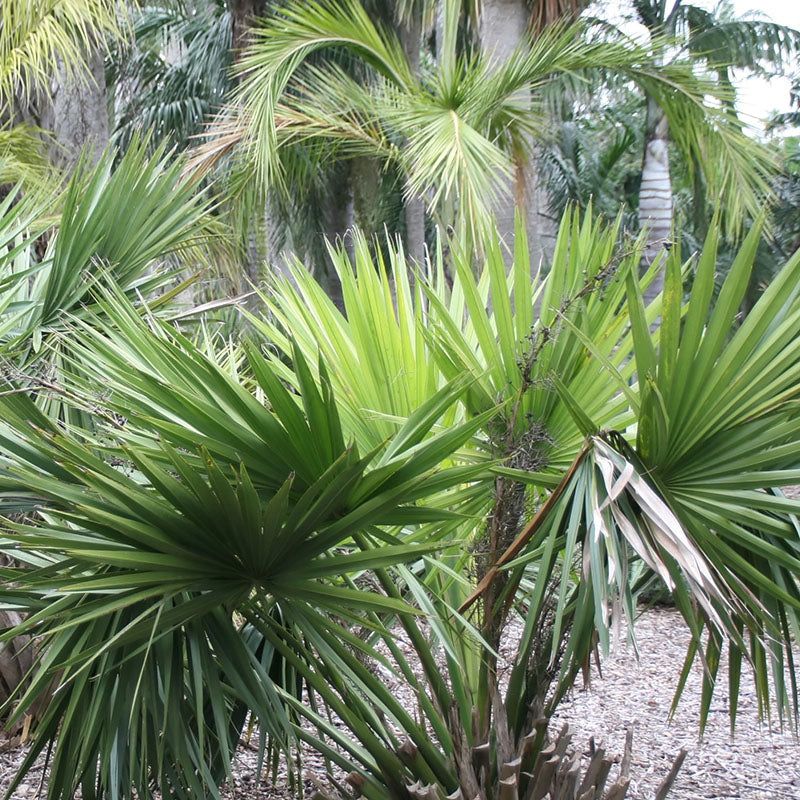
Busy gardeners appreciate plants that thrive with minimal fussing. Dwarf palmetto delivers exactly that kind of easy care.
Once roots establish in your garden, this palm practically takes care of itself. Slow growth means you won’t spend weekends pruning and shaping this plant. It maintains a compact form naturally, rarely exceeding four feet in height.
Old fronds eventually brown and can be removed, but this task happens infrequently compared to fast-growing plants.
Native adaptation eliminates the need for special fertilizers or soil amendments in most situations. The palm evolved to thrive in local soils without human intervention. It finds the nutrients it needs without constant feeding schedules.
Pest and disease problems rarely affect dwarf palmetto in North Carolina gardens. Its native status means local insects and pathogens evolved alongside it.
The plant possesses natural defenses that protect it from most common garden troubles. Watering becomes unnecessary after the first year in most locations. Established plants rely on natural rainfall to meet their needs.
This drought tolerance during normal weather saves time, effort, and water resources while keeping your garden looking great throughout the growing season.
5. Tolerates Shade And Partial Sun
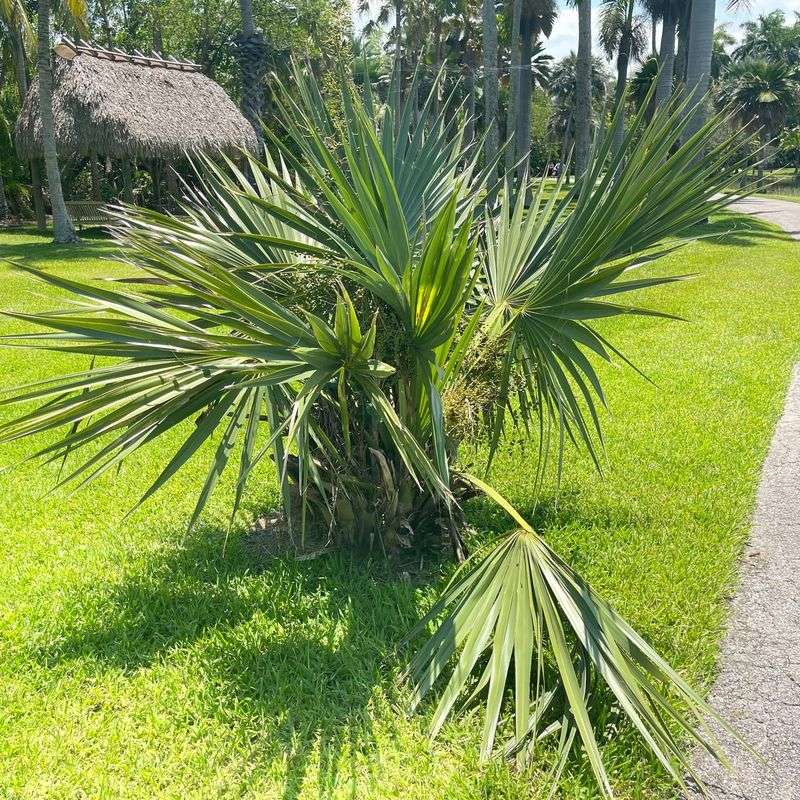
Finding plants for shady spots often feels like an impossible mission. Most palms demand full sun and struggle in dim conditions.
Dwarf palmetto rewrites those rules by flourishing in partial shade and even moderate shade.
This shade tolerance comes from the palm’s natural habitat beneath forest canopies. Wild populations often grow in dappled light filtering through tall trees. Your woodland garden or shaded yard mimics these native conditions perfectly.
Landscape designers love this flexibility because it opens up creative possibilities. You can tuck dwarf palmetto under mature trees where other palms would languish.
It adds tropical texture to shaded borders and foundation plantings that receive limited direct sunlight.
The palm does grow in full sun as well, making it adaptable to various garden situations. However, its shade tolerance truly sets it apart from most palm species.
This versatility means you can use it throughout your property rather than limiting it to sunny exposures.
Morning sun with afternoon shade often produces the best results in North Carolina gardens. This lighting pattern prevents leaf scorch during hot summer days while providing enough light for healthy growth.
Experiment with different locations to find the perfect spot where your dwarf palmetto will thrive for years to come.
6. Provides Wildlife And Pollinator Value
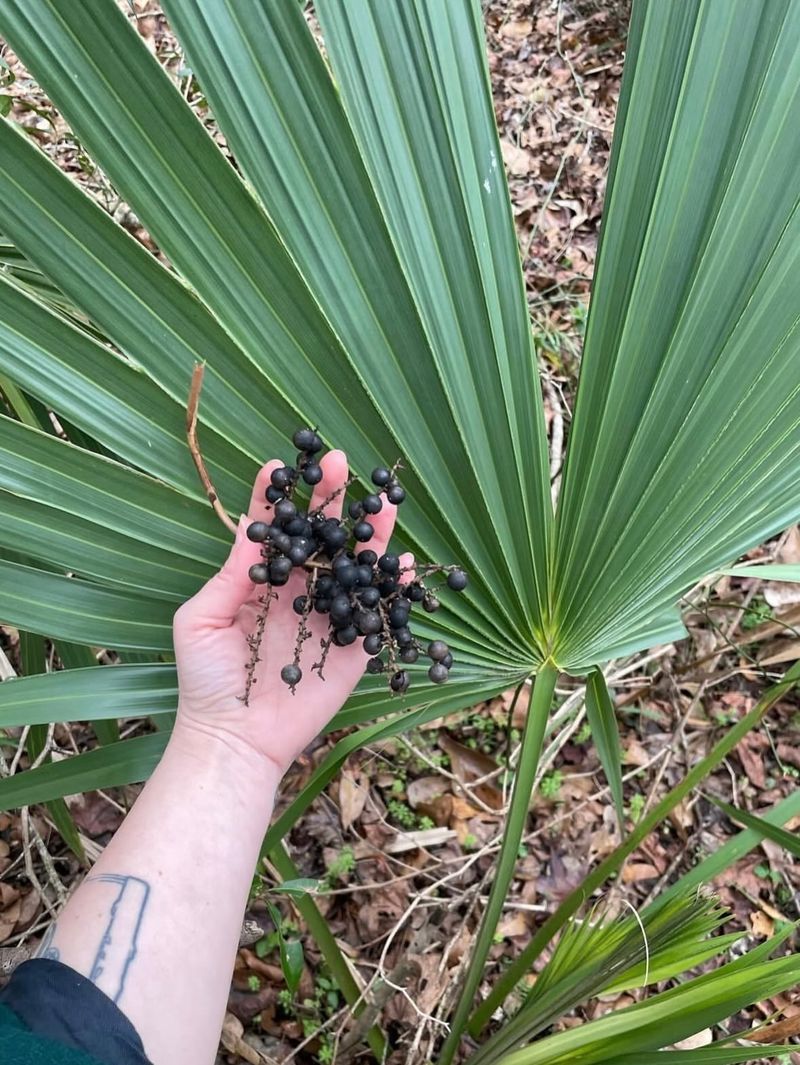
Gardens become more alive when they support local wildlife. Dwarf palmetto contributes to this ecological richness in ways imported plants cannot match.
Native insects recognize this palm as a food source and shelter option. Small cream-colored flowers appear on branching stalks during late spring and early summer. These blooms attract various pollinators including native bees.
While not showy like garden flowers, they provide important nectar and pollen resources. The palm produces small black fruits that ripen in fall. Birds appreciate these fruits as a food source during migration and winter months.
Planting dwarf palmetto helps support bird populations that depend on native plant communities.
Dense foliage creates shelter for small creatures seeking protection from predators and weather. Lizards, frogs, and beneficial insects find refuge among the fan-shaped fronds.
Your garden becomes a miniature wildlife habitat when you include native plants like dwarf palmetto.
Supporting local biodiversity strengthens the entire ecosystem around your home. Native plants form the foundation of healthy food webs that benefit countless species.
By choosing dwarf palmetto, you’re not just adding a beautiful plant but also contributing to environmental health and creating a garden that truly connects with the natural world around you.
7. Adds Native Tropical Character To Landscapes
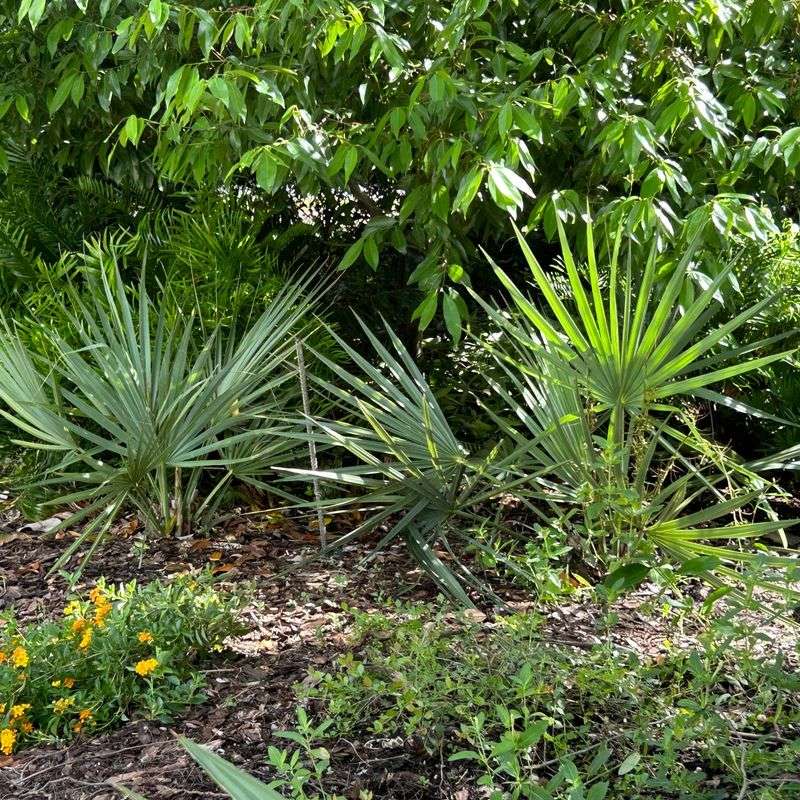
Who says you need exotic imports to create a lush, tropical-looking garden? Dwarf palmetto brings that coveted palm aesthetic while remaining perfectly suited to North Carolina conditions.
Its fan-shaped fronds instantly evoke warm, relaxed vibes without the risks of non-native species.
The bold, architectural foliage creates striking contrast against traditional garden plants. Those dramatic fans add texture and visual interest that few other natives can match.
Landscape designers use dwarf palmetto as a focal point or repeated accent throughout planting beds.
Unlike imported palms that often look stressed or out of place, dwarf palmetto appears naturally at home. It blends seamlessly with other native plants while still providing that distinctive palm character.
Your garden achieves a tropical feel that actually belongs in the regional landscape. The plant’s compact size makes it suitable for smaller gardens where larger palms would overwhelm the space.
It fits beautifully in foundation plantings, mixed borders, and even container gardens. You get palm style without sacrificing precious garden real estate.
Combining dwarf palmetto with native ferns, wildflowers, and shrubs creates a naturalized tropical look that thrives long-term.
This approach delivers beauty and sustainability together, proving that native plants can absolutely provide the aesthetic impact gardeners desire.