9 Vegetables North Carolina Gardeners Plant By The Moon
For generations, North Carolina gardeners have looked to the night sky for clues about the perfect time to plant. Moon planting is a time honored tradition that links lunar phases with garden tasks, creating a natural rhythm many growers still follow today.
Some believe the moon’s pull influences moisture in soil and seeds, much like it moves ocean tides, helping guide when to sow, transplant, and harvest.
Whether you fully follow a lunar calendar or simply enjoy blending tradition with modern gardening, timing and local conditions still matter most.
In North Carolina’s warm, varied climate, certain vegetables respond especially well when planted with care and attention to the season.
If you are curious about combining old wisdom with practical growing know how, you are about to discover nine vegetables that thrive beautifully in North Carolina gardens when given the right start.
1. Lettuce
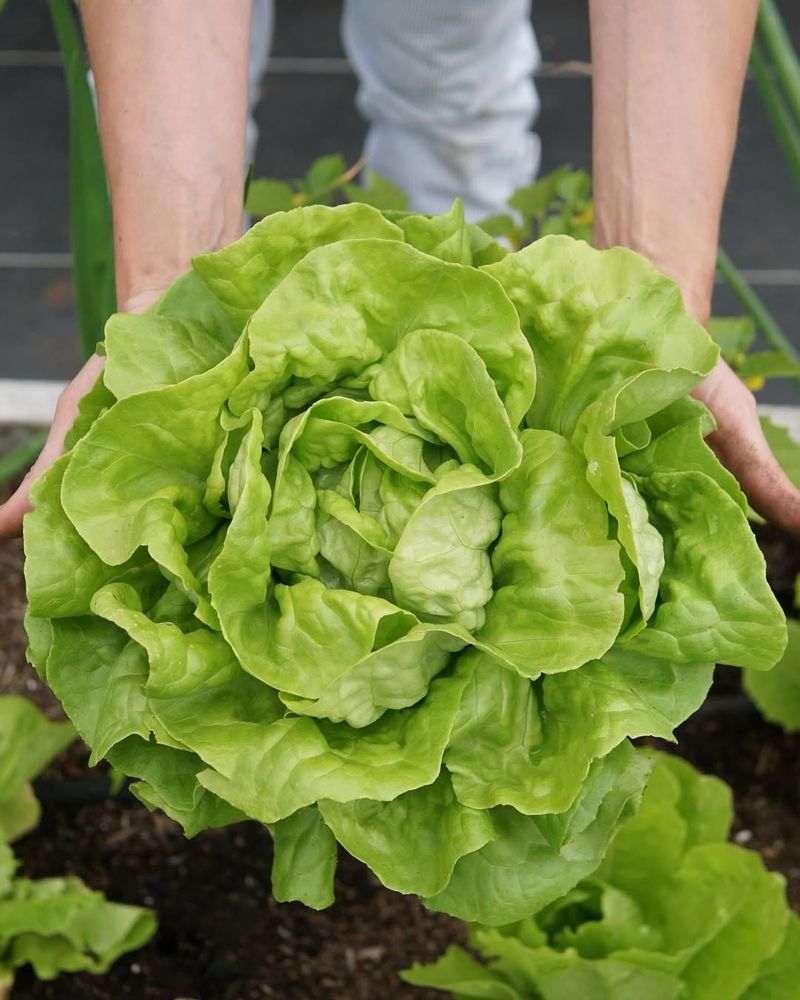
Crisp lettuce leaves bring fresh flavor to salads all season long. North Carolina gardeners often start lettuce seeds when cool weather arrives in early spring or fall.
The waxing moon period is traditionally favored for planting leafy crops like lettuce. Soil temperature matters more than lunar phases for successful germination. Lettuce seeds sprout best when soil reaches 40 to 75 degrees Fahrenheit.
Cool spring mornings and mild afternoons create perfect conditions for tender seedlings. Plant seeds about a quarter inch deep in loose, fertile soil. Space rows twelve inches apart to allow room for growth.
Light shade during hot afternoons helps prevent bolting in warmer months.
Harvest leaves when they reach desired size, usually four to six weeks after planting. Outer leaves can be picked individually while inner leaves continue growing. This cut-and-come-again method extends your harvest window.
Consistent moisture keeps lettuce tender and sweet tasting. Mulch around plants to retain soil moisture and regulate temperature.
Water gently in the morning to reduce fungal problems. Succession planting every two weeks ensures continuous harvest throughout the season. Choose heat-tolerant varieties for late spring planting.
Cool-season types work best for fall gardens in North Carolina’s moderate climate.
2. Spinach
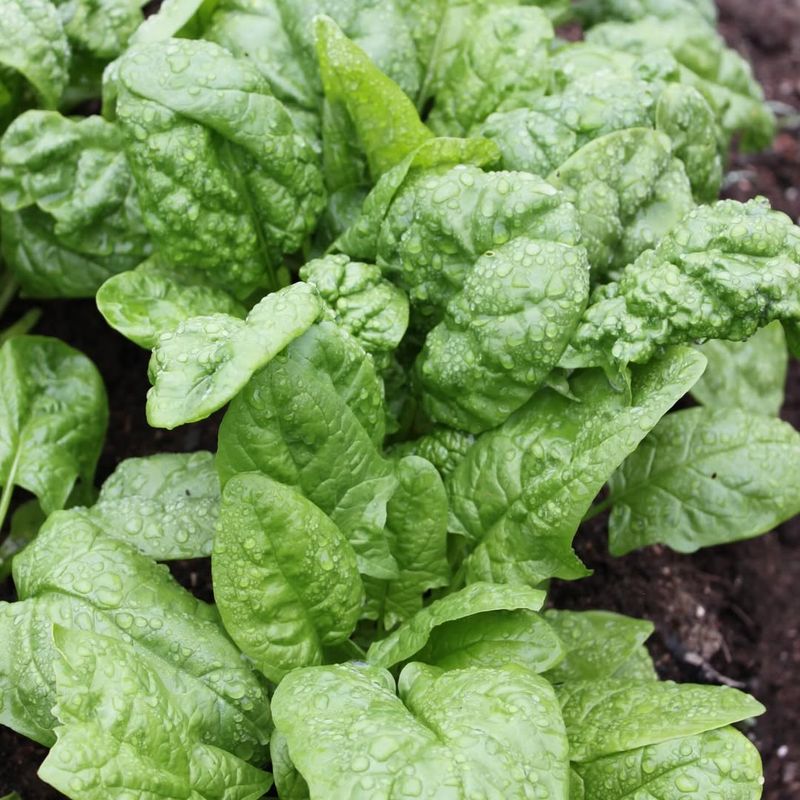
Spinach offers incredible nutrition packed into tender green leaves. This powerhouse vegetable grows beautifully during North Carolina’s cooler months.
Many gardeners schedule spinach planting during waxing moon phases following traditional lunar calendars.
Cool soil temperatures between 35 and 75 degrees Fahrenheit support strong spinach growth. Seeds germinate reliably when planted in early spring or fall.
Moderate temperatures produce the sweetest, most tender leaves. Sow seeds half an inch deep directly into garden beds. Thin seedlings to three or four inches apart once they emerge.
Rich, well-drained soil amended with compost provides ideal growing conditions. Spinach matures quickly, usually ready for harvest within 40 to 50 days. Pick outer leaves first, allowing center growth to continue producing.
Baby spinach can be harvested even earlier for salads.
Regular watering keeps plants productive and prevents bitter flavor development. Mulch helps maintain consistent soil moisture and temperature.
Morning watering allows foliage to dry before evening. Watch for bolting when temperatures rise above 75 degrees consistently. Plant bolt-resistant varieties for extended harvest periods.
Your North Carolina Garden Changes Every Week. Your Plan Should Too.
Gardening in North Carolina changes quickly throughout the season. Every Friday you’ll receive a simple weekly plan showing exactly what to plant, prune, fertilize, harvest, and protect so you never miss the right timing.
Fall crops often taste sweeter than spring plantings due to cooler growing conditions throughout development.
3. Green Beans
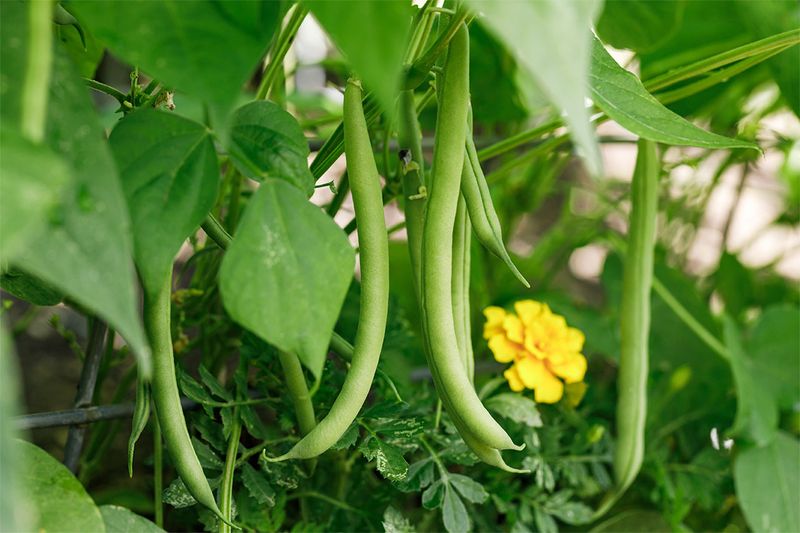
Few vegetables reward gardeners quite like green beans with their generous yields. North Carolina’s warm summers provide excellent conditions for bean production.
Traditional moon planting suggests scheduling beans during waxing phases since they grow above ground.
Warm soil is absolutely essential for successful bean germination. Wait until soil temperatures reach at least 60 degrees Fahrenheit before planting.
Cold, wet soil causes seeds to rot instead of sprouting. Plant seeds one inch deep and three inches apart in rows. Bush varieties need less space than pole beans, which require support structures.
Well-drained soil prevents root problems during summer rains. Beans fix nitrogen in soil through beneficial bacteria on their roots. Avoid over-fertilizing, which produces leaves instead of pods.
Light feeding with balanced fertilizer supports healthy growth.
Harvest beans when pods are firm but before seeds bulge noticeably. Regular picking encourages continued pod production throughout the season.
Most varieties produce heavily for several weeks. Water deeply once or twice weekly rather than shallow daily watering. Consistent moisture during flowering and pod development ensures good yields.
Mulch conserves moisture and keeps soil temperatures moderate during hot Carolina summers.
4. Corn
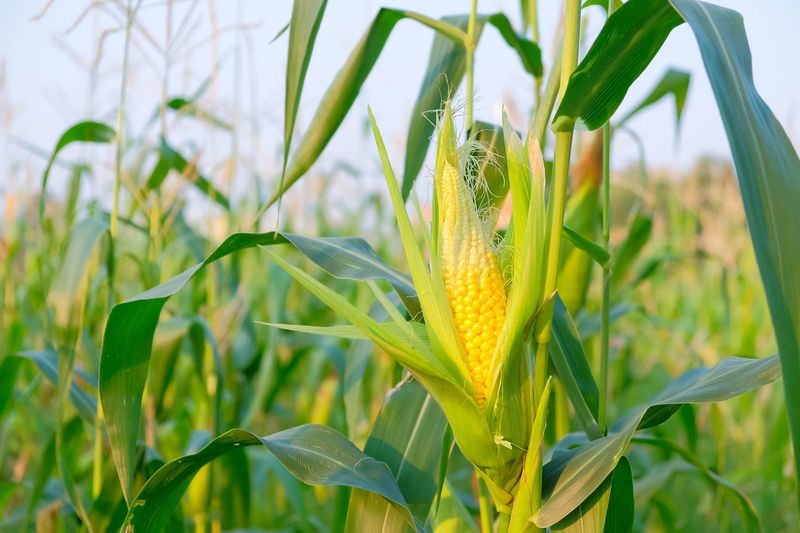
Golden corn brings summer flavor and tradition to North Carolina gardens. Tall stalks swaying in warm breezes signal peak growing season.
Some gardeners time corn planting with lunar phases when soil conditions are right.
Soil temperature above 60 degrees Fahrenheit ensures reliable corn germination. Seeds planted in cold soil often fail to sprout properly.
Wait until all frost danger passes and soil warms thoroughly. Plant seeds one to two inches deep in blocks rather than single rows. This arrangement improves pollination between plants.
Space seeds eight to twelve inches apart with rows thirty inches apart.
Corn requires consistent moisture, especially during tasseling and ear development. Deep watering encourages strong root systems that support tall plants.
Shallow watering creates weak plants susceptible to wind damage.
Side-dress with nitrogen fertilizer when plants reach knee height. Corn is a heavy feeder that benefits from additional nutrients.
Organic compost or aged manure provides excellent slow-release nutrition. Watch for silk emergence to time harvest correctly. Ears are ready when silk turns brown and kernels release milky juice when pressed.
Pick corn in early morning for best flavor and sweetness before sugars convert to starch.
5. Tomato
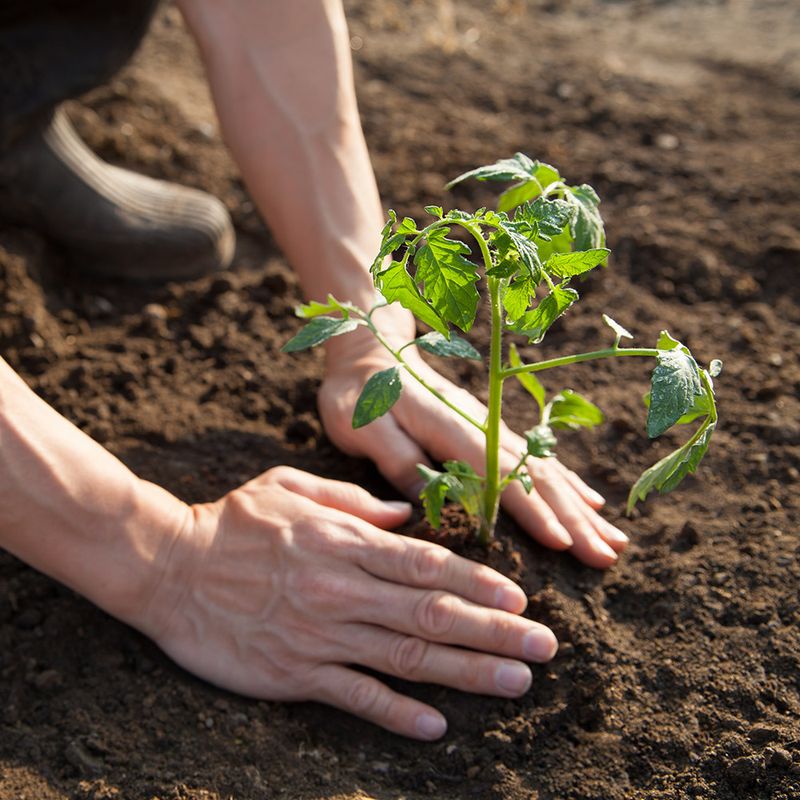
Juicy tomatoes represent summer’s peak harvest for most North Carolina gardeners. Transplanting seedlings during waxing moon phases follows traditional planting wisdom. However, frost-free weather and warm soil matter most for success.
Wait until nighttime temperatures stay consistently above 50 degrees Fahrenheit. Cold soil stunts growth and stresses young plants.
Transplant seedlings after last spring frost date for your area. Plant tomatoes deeply, burying stems up to lowest leaves. Buried stems develop additional roots for stronger plants.
Space plants two to three feet apart with support structures already in place.
Consistent watering prevents blossom end rot and fruit cracking. Deep watering encourages roots to grow downward rather than staying shallow.
Mulch around plants to maintain even soil moisture. Tomatoes need full sun and good air circulation to thrive. Remove lower leaves as plants grow to improve airflow.
Stake or cage plants to keep fruit off ground and reduce disease. Feed tomatoes every two to three weeks with balanced fertilizer. Too much nitrogen produces leafy plants with few fruits.
Phosphorus and potassium support flowering and fruit development throughout the long Carolina growing season.
6. Carrot
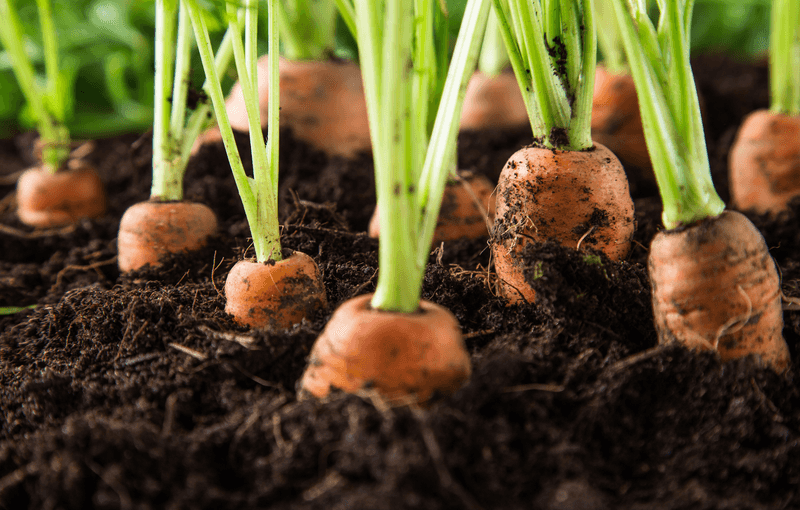
Sweet carrots develop best in loose, sandy soil that allows roots to grow straight. Root crops like carrots are often planted during waning moon phases in traditional calendars.
Cool soil and consistent moisture actually determine germination success.
Sow carrot seeds directly in garden beds since they dislike transplanting. Plant seeds quarter inch deep in rows twelve inches apart.
Thin seedlings to two inches apart once they develop true leaves. Loose, rock-free soil prevents forked or twisted roots. Work soil deeply and remove stones before planting.
Sandy loam amended with compost provides ideal growing conditions.
Carrot seeds germinate slowly, taking two to three weeks to emerge. Keep soil consistently moist during germination period.
Covering rows with boards or burlap helps retain moisture. Thin seedlings carefully to avoid disturbing remaining plants. Crowded carrots produce small, misshapen roots.
Thinned seedlings make tasty additions to salads. Harvest carrots when they reach desired size, usually 60 to 80 days after planting. Fall carrots often taste sweeter than spring crops.
Light frost actually improves flavor by converting starches to sugars in roots stored underground naturally.
7. Beet
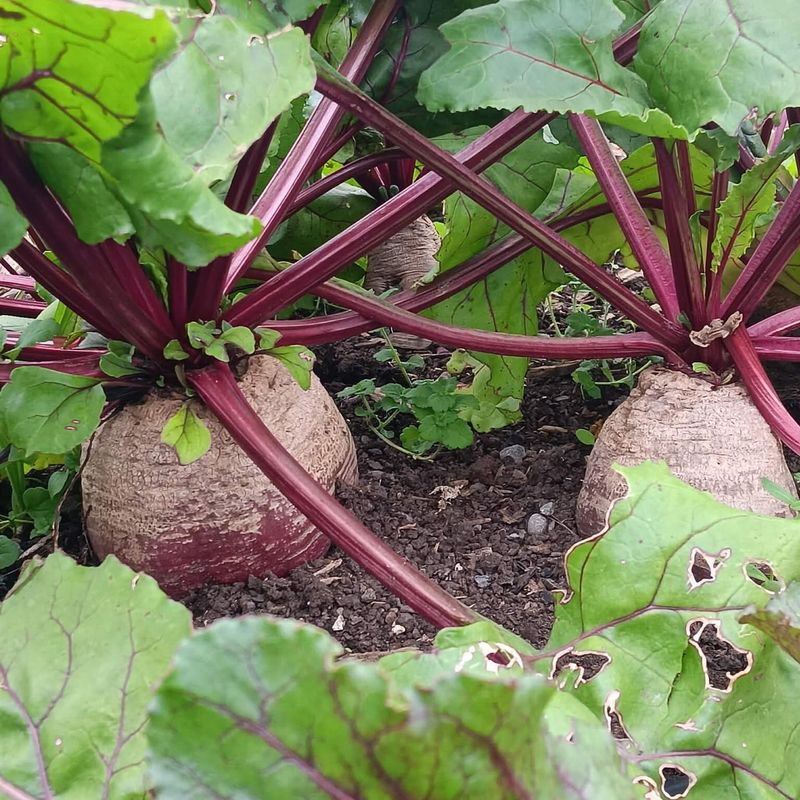
Earthy beets provide both nutritious roots and tasty greens for North Carolina tables. Waning moon planting traditions sometimes include beets among root vegetables.
Soil moisture and temperature actually control beet growth more than lunar phases.
Plant beet seeds half inch deep in early spring or fall. Each seed cluster contains multiple seeds, producing several seedlings.
Thin clusters to single strongest plant when seedlings reach two inches tall. Beets prefer cool weather but tolerate heat better than many root crops. Spring plantings mature before summer heat arrives.
Fall crops often produce better quality roots with sweeter flavor. Consistent moisture prevents woody, tough roots and encourages steady growth. Irregular watering causes roots to crack or develop tough rings.
Mulch helps maintain even soil moisture levels. Harvest beet greens when young and tender for salads. Remove only outer leaves to allow continued root development.
Roots reach harvest size in 50 to 70 days depending on variety. Pull beets when roots reach one to three inches diameter for best texture. Larger beets become woody and less flavorful.
Store harvested beets in cool conditions with tops removed to prevent moisture loss from roots.
8. Radish
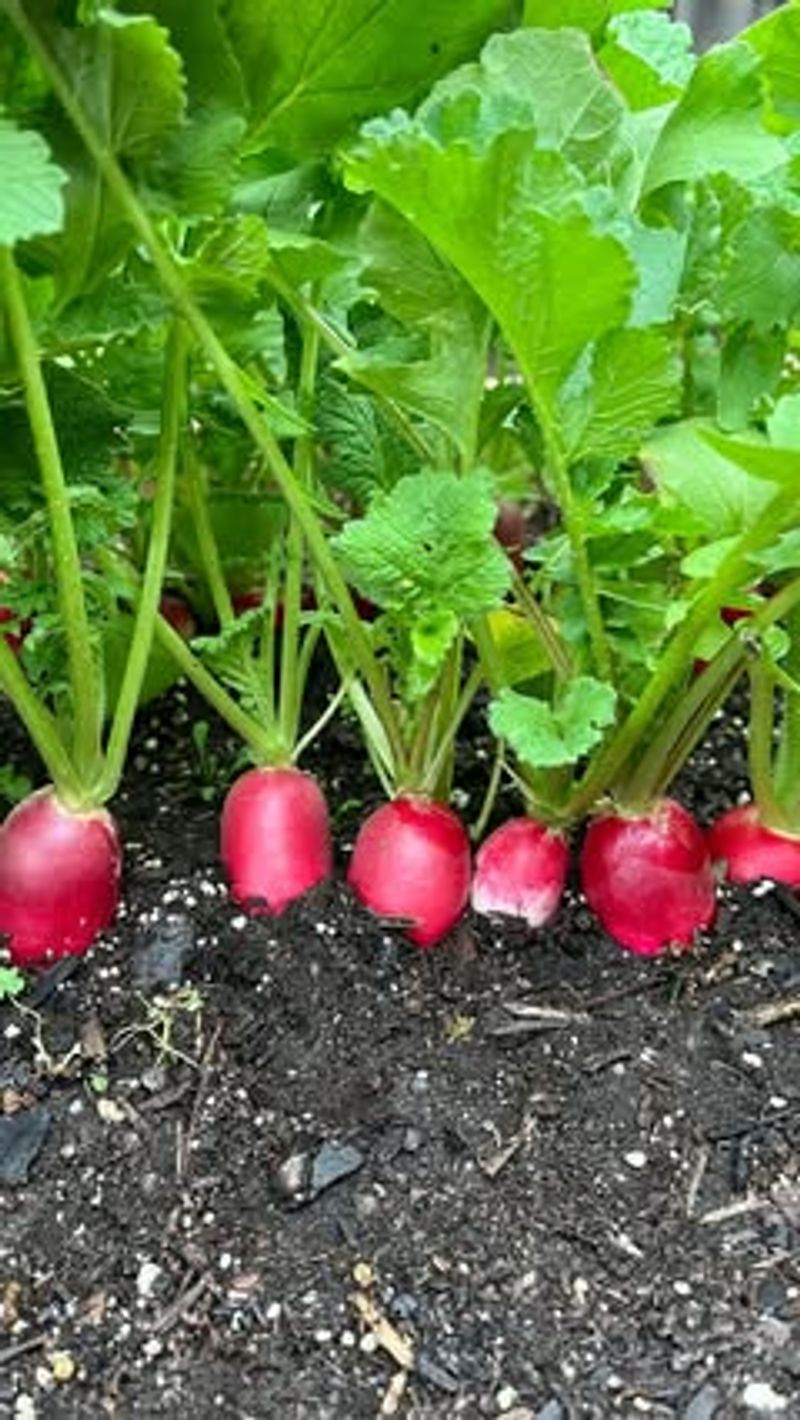
Quick-growing radishes provide nearly instant gratification for North Carolina gardeners. These speedy root vegetables mature in just three to four weeks.
Lunar planting calendars sometimes schedule radishes during waning moon periods. Plant radish seeds half inch deep and one inch apart in rows. Cool soil temperatures between 50 and 65 degrees Fahrenheit produce crisp, mild radishes.
Warm weather causes hot, woody roots. Radishes germinate quickly, often sprouting within three to five days. Fast growth makes them excellent for marking slow-germinating crop rows.
Interplant radishes with carrots or parsnips for efficient space use. Consistent moisture ensures tender, crisp roots without splitting. Dry conditions followed by heavy watering causes roots to crack.
Light, frequent watering works better than occasional deep soaking.
Harvest radishes promptly when roots reach mature size. Leaving radishes in ground too long produces hot, pithy texture.
Spring radishes taste milder than those grown in warmer weather. Succession plant radishes every week for continuous harvest throughout cool seasons. Choose heat-tolerant varieties for late spring planting.
Fall radishes often develop better flavor than spring crops due to cooler growing temperatures in North Carolina’s autumn weather.
9. Pea
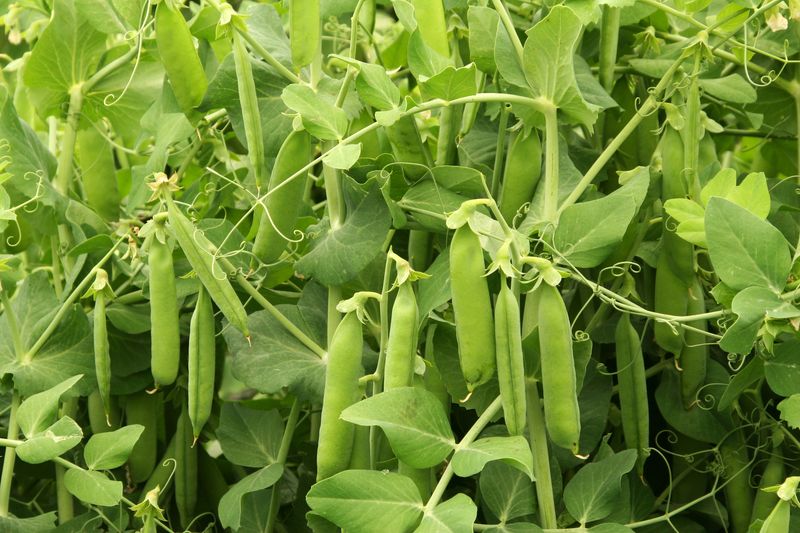
Sweet garden peas signal spring’s arrival in North Carolina gardens. These cold-hardy vegetables tolerate light frost and prefer cool growing conditions.
Traditional moon planting sometimes aligns pea planting with early season lunar phases.
Plant pea seeds one to two inches deep in late winter or early spring. Soil temperatures as low as 40 degrees Fahrenheit support germination.
Peas actually prefer cool soil over warm conditions. Provide support structures for climbing varieties before plants need them. Bush types require less space but produce smaller yields.
Trellised peas are easier to harvest and receive better air circulation. Peas fix nitrogen in soil through root nodules containing beneficial bacteria. Avoid high-nitrogen fertilizers that produce leaves instead of pods.
Light feeding with phosphorus and potassium supports flowering. Regular harvesting encourages continued pod production throughout the season. Pick pods when they feel full but before peas become starchy.
Sugar snap and snow peas are harvested at different stages than shelling peas.
Water consistently during flowering and pod development for best yields. Mulch helps keep roots cool during warming spring weather.
Plant fall crops in late summer for autumn harvest before first frost arrives in most North Carolina regions.