The Best New Fruits And Vegetables To Grow In North Carolina In 2026
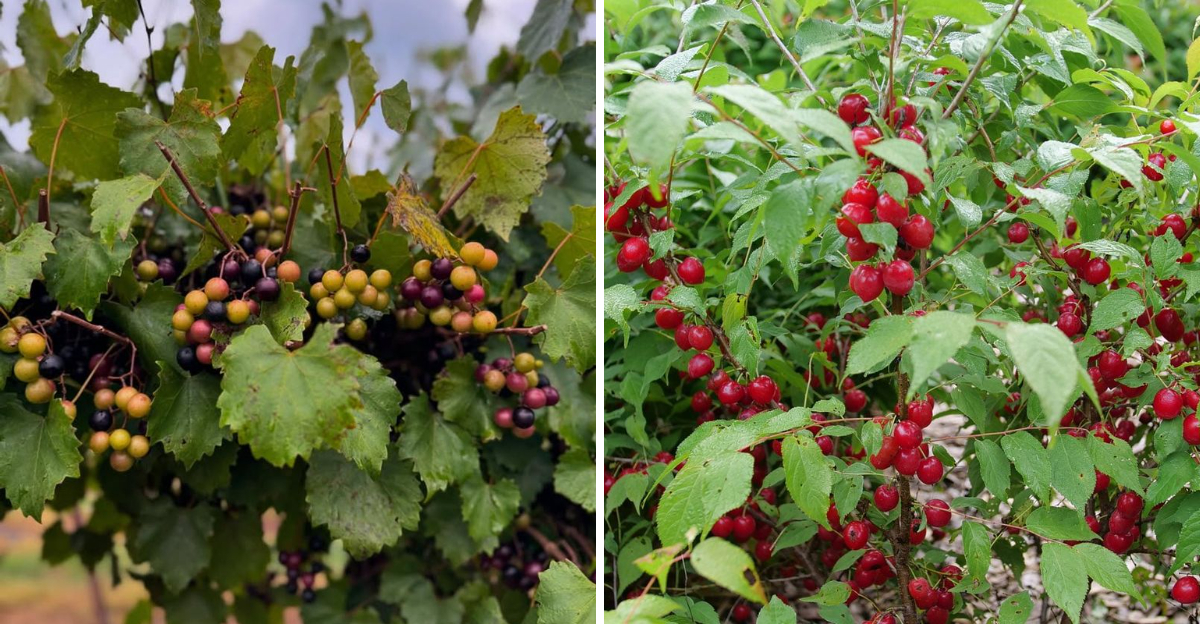
North Carolina gardeners have plenty to be excited about in 2026, with fresh plant choices that truly thrive in our climate.
From time tested native fruits to newer vegetable varieties bred to handle southern heat, these selections bring both flavor and reliability to the garden.
No matter where you grow, from the mountains to the Piedmont to the coastal plain, the right plants can make your season easier and far more productive. Imagine stronger growth, better harvests, and plants that actually enjoy the conditions you garden in.
The secret is choosing varieties that match North Carolina’s warmth, humidity, and long growing season.
If you are ready to try something new and give your garden a boost, you are about to discover exciting options that adapt beautifully, grow with confidence, and deliver impressive results all season long.
1. Pawpaw (Asimina Triloba)
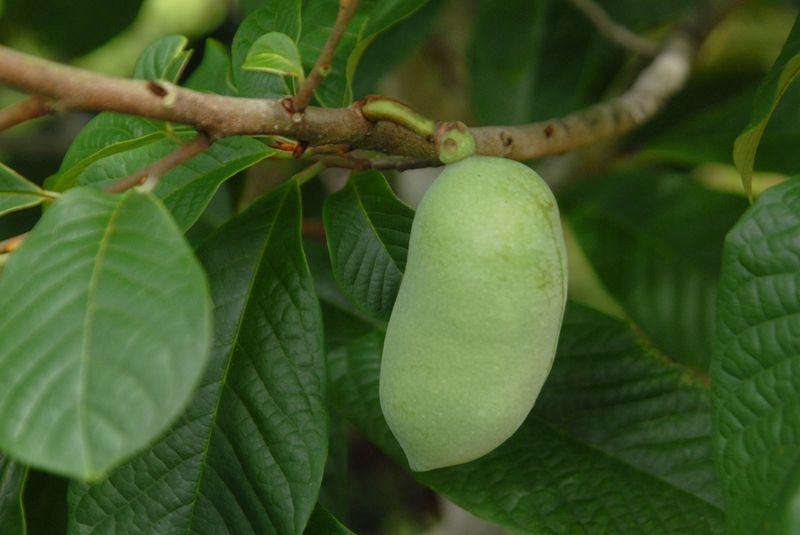
Native to the shady forests of the eastern United States, pawpaw brings a surprising touch of the tropics right into North Carolina backyards.
This unique native tree produces smooth, creamy fruit with a flavor many people describe as a mix of banana, mango, and sweet custard.
It feels almost unbelievable that something so tropical can grow so well in a temperate climate, yet pawpaw has quietly thrived here for centuries.
In its early years, pawpaw prefers a gentle start. Young trees grow best with partial shade, much like they would beneath taller forest trees.
Plant them near larger trees or along the north side of a structure to protect tender leaves from strong sun. As the trees mature, they gradually adapt to more sunlight and reward you with stronger growth and heavier fruit production.
Pawpaws love rich, well drained soil, especially in the Piedmont and mountain regions. In nature, they often grow near streams and woodland edges where soil stays moist but never soggy.
Mixing compost into the planting area helps roots settle in quickly and supports steady, healthy growth.
These trees take their time, growing slowly at first, then becoming productive after about five years. By late summer and early fall, when many other fruits are fading, pawpaw trees begin to ripen their hidden treasure.
For the best harvest, plant at least two different varieties to ensure cross pollination. With a little patience and care, pawpaw becomes one of the most rewarding and delicious trees you can grow.
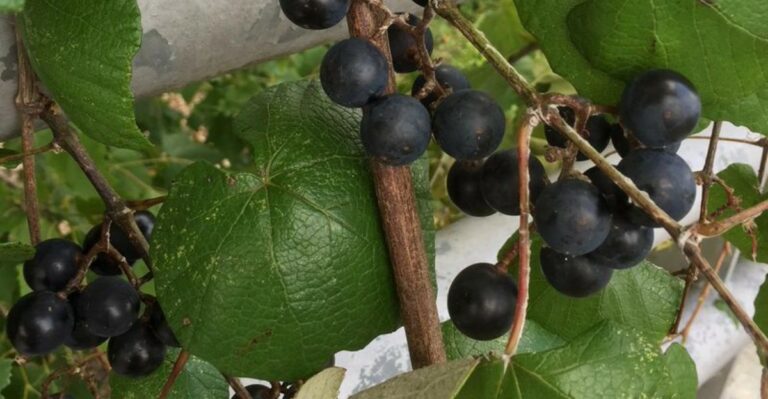
2. Muscadine Grape (Vitis Rotundifolia)
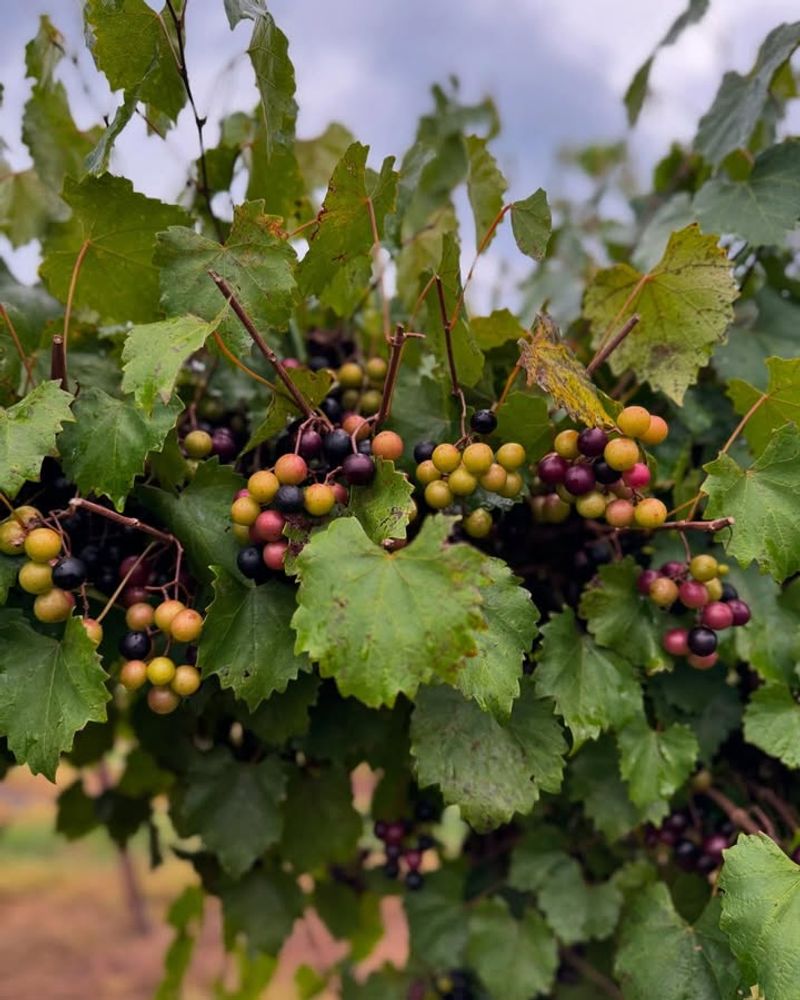
Muscadine grapes were made for southern summers, thriving in heat and humidity that would stress other grape varieties. These thick-skinned beauties grow wild throughout North Carolina and have fed people here for thousands of years.
Bronze and purple varieties both offer incredible sweetness and disease resistance.
Full sun brings out the best flavor and heaviest production in muscadines. They need at least six hours of direct sunlight daily.
Well-drained soil prevents root problems that can limit growth and fruiting potential.
Training muscadines on sturdy arbors or fences makes harvesting easier and improves air circulation. Good airflow reduces disease pressure even in our humid climate.
These vines grow vigorously once established, so give them plenty of space to spread.
Your North Carolina Garden Changes Every Week. Your Plan Should Too.
Gardening in North Carolina changes quickly throughout the season. Every Friday you’ll receive a simple weekly plan showing exactly what to plant, prune, fertilize, harvest, and protect so you never miss the right timing.
Unlike bunch grapes from cooler regions, muscadines ripen individually rather than in tight clusters. Harvest them as they drop naturally or when they pull away easily from the vine.
This extended harvest period means fresh grapes for weeks instead of days.
Muscadines tolerate our clay soils better than most fruit crops. They rarely need spraying for pests or diseases.
Their natural adaptation to southeastern conditions makes them one of the most reliable fruit crops you can grow in North Carolina gardens.
3. Baby Jack Eggplant (Solanum Melongena)
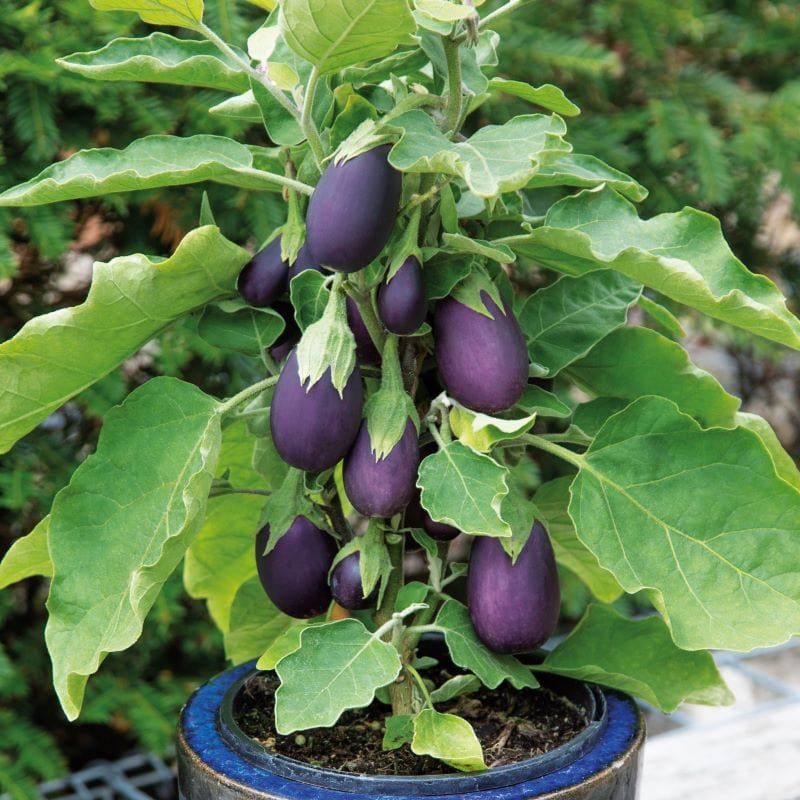
Compact, charming, and surprisingly productive, Baby Jack eggplant is a perfect match for smaller North Carolina gardens. This variety produces clusters of miniature eggplants that may be small in size but deliver big, rich flavor.
The plants stay tidy and manageable, making them ideal for raised beds, tight garden spaces, or even sunny patio containers, all while producing steadily through our long, warm growing season.
Patience at planting time makes a big difference. Eggplants love warmth, so wait until all danger of frost has passed and the soil has warmed to at least 60 degrees.
Once conditions are right, Baby Jack establishes quickly and begins growing with confidence.
Giving plants a strong start in fertile soil enriched with compost or well aged manure helps support healthy roots and steady fruit production. Light, regular feeding through the season keeps plants vigorous and productive.
Consistent moisture is key for beautiful fruit and strong flowering. Mulch around the base of each plant to hold in moisture, regulate soil temperature, and reduce stress during hot spells.
Baby Jack performs best when conditions stay even rather than swinging between dry and wet.
The real reward comes at harvest. These glossy, bite sized eggplants are perfect for grilling whole, tossing into stir fries, or roasting to bring out their natural sweetness.
Their tender skin needs no peeling, making kitchen prep simple. Pick often, and the plants will keep producing well into late summer and early fall.
4. Sugar Basket Orange Cherry Tomato (Solanum Lycopersicum)
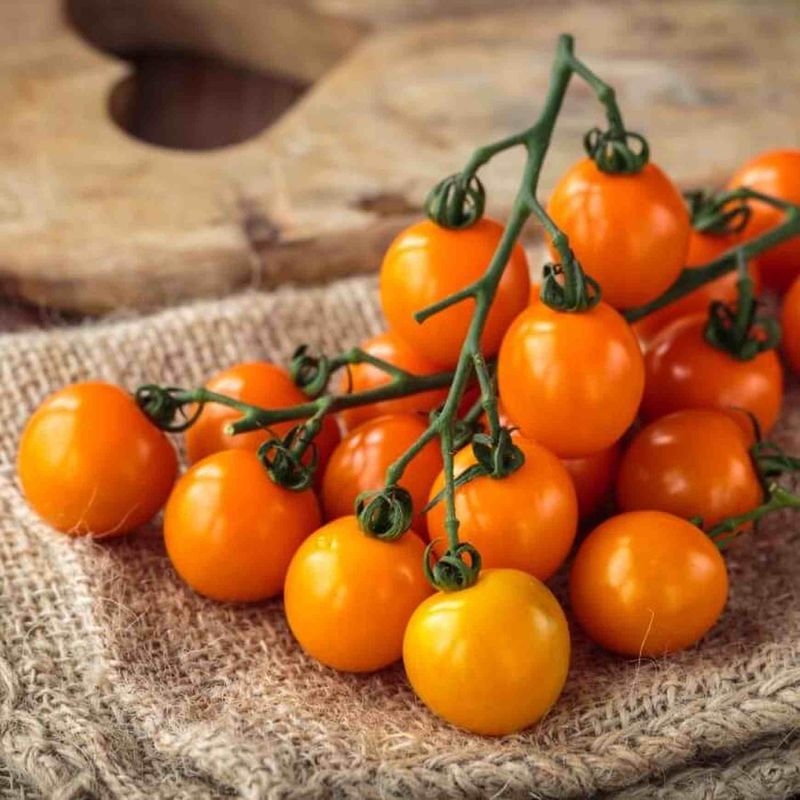
Sunshine in tomato form, Sugar Basket orange cherry tomatoes brighten gardens and salads alike. Their golden-orange color signals exceptional sweetness that kids and adults love equally.
Heat tolerance makes them particularly valuable for North Carolina summers when other tomatoes struggle.
Plant these beauties after the last frost date when nights stay consistently warm. Cold soil slows growth and invites disease problems.
Starting with healthy transplants gives you a head start on the growing season.
Full sun and well-drained soil create ideal conditions for heavy production. Tomatoes need at least eight hours of direct sunlight for best flavor and yield.
Adding organic matter improves both drainage and fertility in one simple step.
Sugar Basket plants grow vigorously and benefit from sturdy caging or staking. Supporting the vines keeps fruit off the ground and improves air circulation.
Better airflow means fewer disease problems during humid North Carolina summers.
These cherry tomatoes ripen continuously from midsummer until frost stops them. Regular picking encourages more flowers and fruit to form.
The sweet, tangy flavor makes them irresistible for snacking straight from the vine. Their productivity and heat tolerance make them a smart choice for southern gardens where reliable performance matters most.
5. Easy As Pie Bush Cherry (Prunus ×)
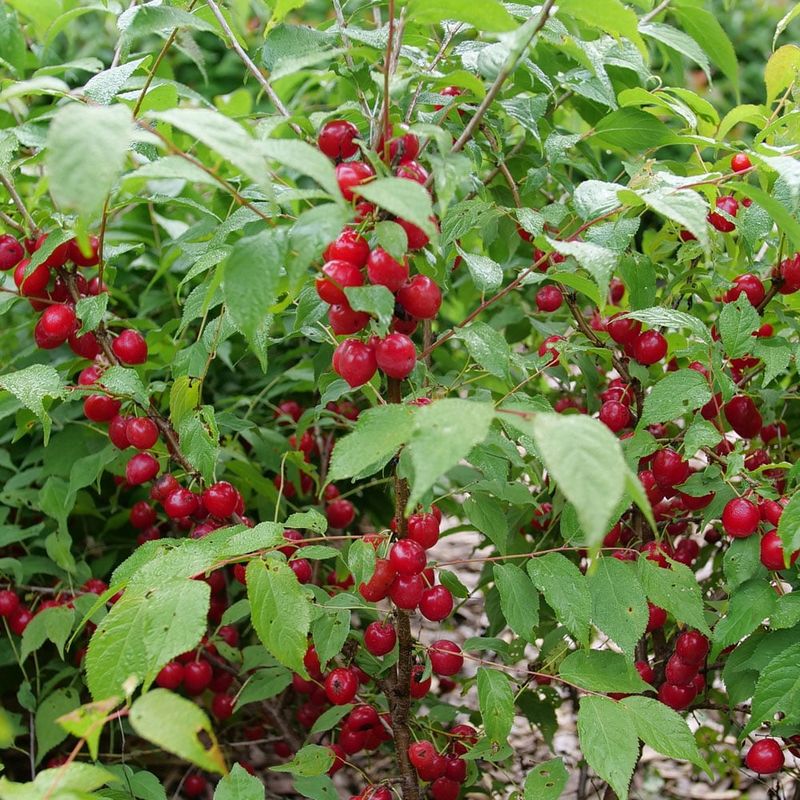
Perfect for patios, balconies, and smaller garden spaces, Easy As Pie bush cherry delivers big flavor from a surprisingly compact plant. This dwarf variety stays neat and manageable, yet produces generous harvests of sweet, juicy cherries.
Its natural cold hardiness helps protect spring blossoms, making fruiting more reliable even when late frosts occasionally visit parts of North Carolina.
For the best results, give bush cherries plenty of sunshine. Full sun encourages heavier flowering and sweeter fruit.
These adaptable plants grow well in many soil types as long as drainage is good. When grown in containers, use a high quality potting mix that retains moisture while allowing excess water to drain away easily.
Easy As Pie performs beautifully across zones 5 through 8, making it suitable for nearly all of North Carolina, from mountain gardens to coastal patios. Its naturally compact shape means little pruning is needed, yet it still produces impressive yields.
In spring, delicate white blossoms appear and attract helpful pollinators, adding extra charm before fruit begins to form.
By early summer, clusters of ripe cherries are ready to pick just when store prices peak. Growing your own means enjoying fresher, sweeter fruit right at home.
Container growing also gives you flexibility to shift plants for the best sunlight and keep them close for easy harvesting.
6. Unity Beefsteak Tomato (Solanum Lycopersicum)
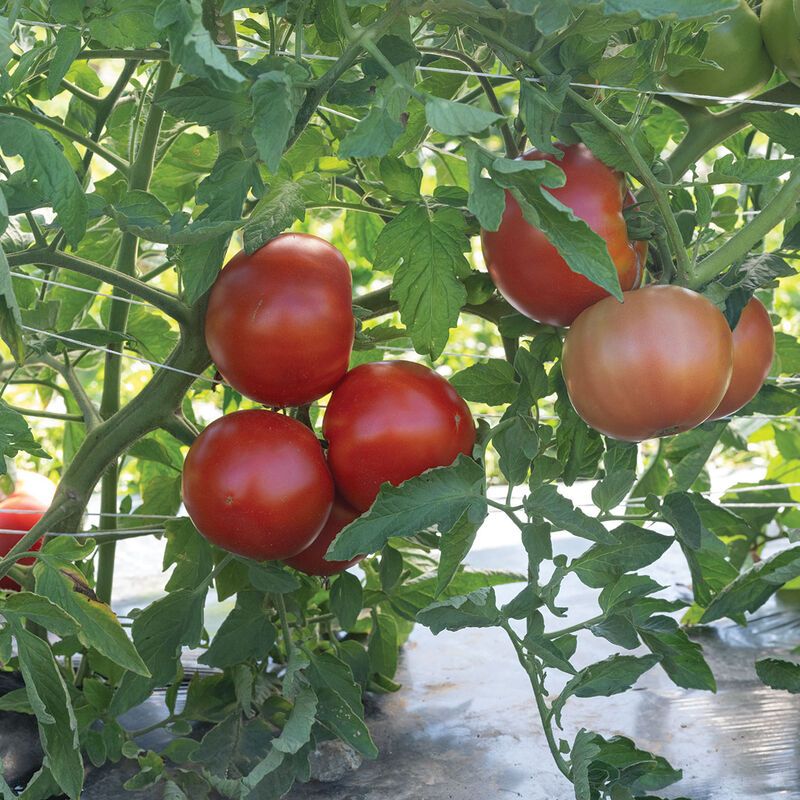
Big, juicy, and packed with classic garden fresh flavor, Unity beefsteak tomatoes bring everything gardeners love about growing their own food. These impressive fruits can reach a pound or more when grown in good conditions, delivering thick, meaty slices that taste perfect on summer sandwiches, burgers, or straight from the vine.
Few things compare to that rich, balanced tomato flavor picked at peak ripeness.
Warm soil and steady sunshine help Unity thrive in North Carolina gardens. Always plant after frost danger has passed and the ground has warmed.
Starting with strong, healthy transplants gives plants a head start and shortens the wait for your first ripe harvest. Once established, these tomatoes grow vigorously and begin setting large, promising fruit.
Beefsteak tomatoes are heavy feeders, so rich soil filled with compost or organic matter is essential. Regular feeding through the growing season keeps plants strong and productive.
Consistent watering is just as important, helping prevent blossom end rot and reducing cracking in large fruits.
Because Unity produces hefty tomatoes, sturdy staking or caging is a must. Good support protects branches from breaking and keeps fruit clean, healthy, and easier to harvest.
Even during North Carolina’s hot summer stretches, Unity continues to set fruit when many varieties slow down. Pick when tomatoes reach full color and feel slightly soft, then enjoy one of the most flavorful harvests your garden can offer.