Front Yard Landscaping Ideas Using Native Plants That Grow Well In North Carolina
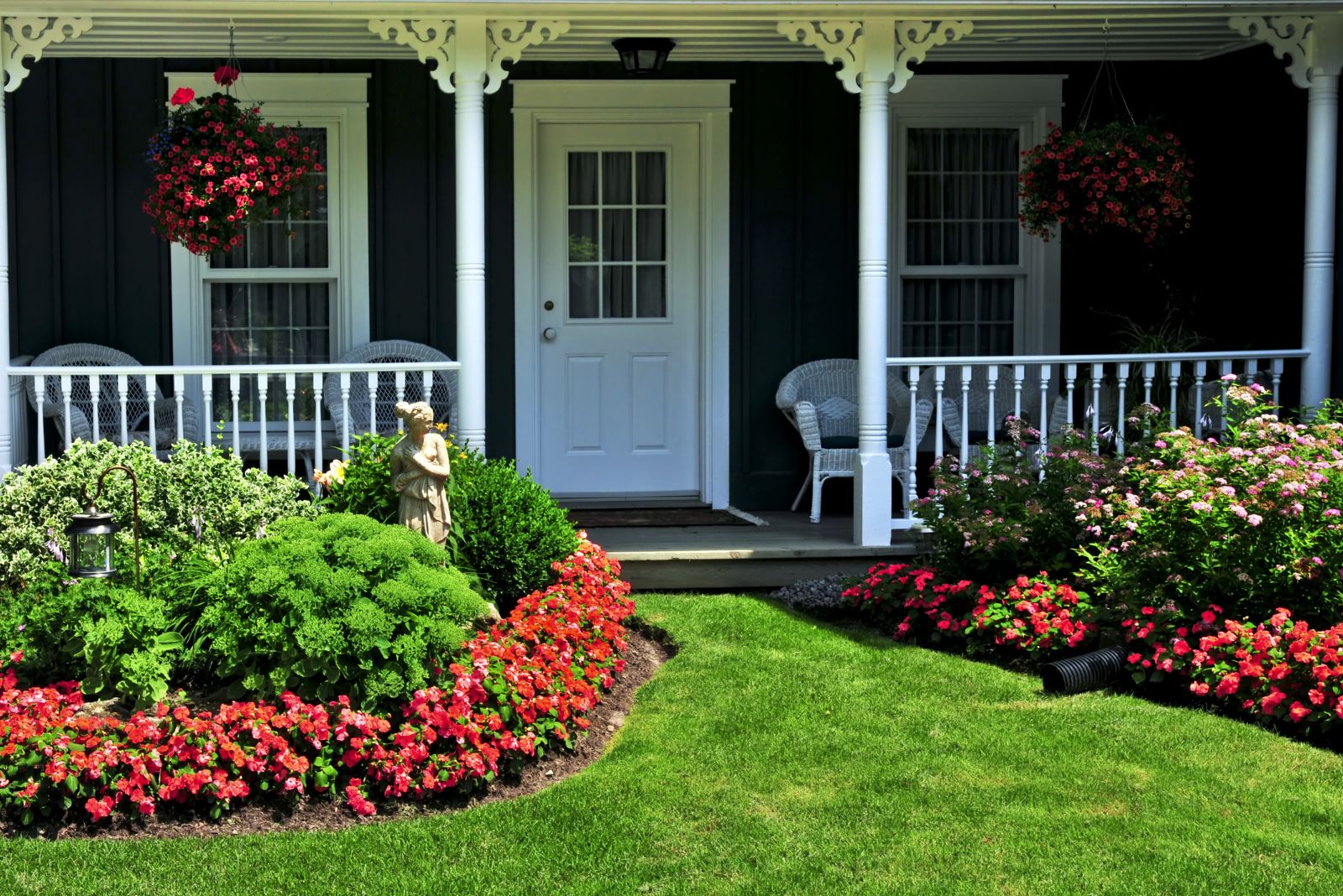
Transforming your front yard with native North Carolina plants is one of the smartest ways to create a landscape that looks beautiful and almost cares for itself.
These plants have spent thousands of years adapting to local weather, soil, and wildlife, which makes them naturally strong, resilient, and easy to grow.
Instead of struggling through heat, humidity, or sudden weather swings, they settle in and thrive with far less effort from you. Native landscaping also brings practical benefits beyond beauty.
Many native plants need less watering once established, which can help lower your water bill and reduce maintenance time. At the same time, they provide food and shelter for butterflies, birds, and helpful pollinators that keep your yard lively and balanced.
Seasonal changes become part of the show, with fresh growth in spring, colorful blooms in summer, and rich texture through fall and winter. The result is a front yard that feels natural, welcoming, and full of life without constant trimming, feeding, or replanting.
If you want a vibrant, low effort landscape that works with nature instead of against it, native North Carolina plants are a beautiful place to start.
1. Native Flower Border With Purple Coneflower And Black-Eyed Susan
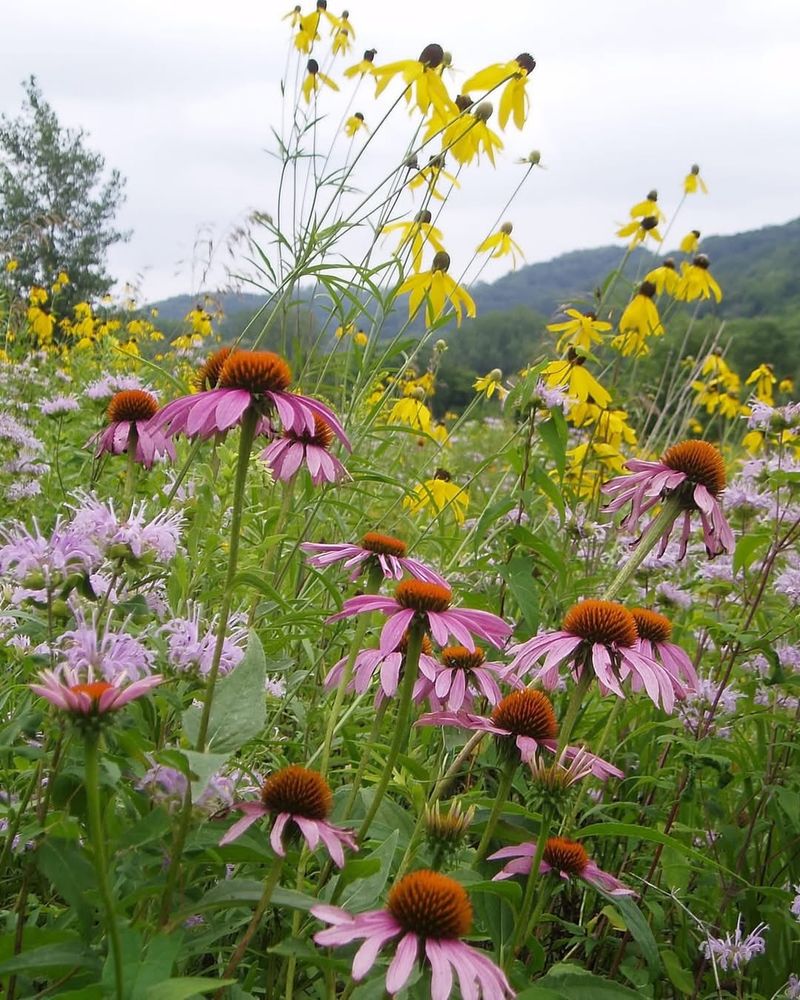
Purple coneflower and black-eyed Susan form an unbeatable team for sunny front yard borders. Both plants bloom for months during summer and early fall.
Their cheerful colors brighten any landscape while attracting dozens of butterfly species.
These perennials grow best in well-drained soil with at least six hours of direct sunlight daily. Purple coneflower produces distinctive spiky centers surrounded by drooping pink or purple petals.
Black-eyed Susan offers golden yellow petals with dark brown centers that contrast beautifully.
Plant them in clusters of three to five for maximum visual impact. Space plants about eighteen inches apart to allow room for spreading.
Both species tolerate North Carolina’s summer heat remarkably well without wilting or requiring constant watering.
The flowers provide seeds that goldfinches and other songbirds enjoy throughout winter months. Butterflies and bees visit the blooms constantly during peak flowering season.
This creates a lively, dynamic front yard that changes daily with visiting wildlife.
Maintenance remains minimal once plants establish strong root systems. Cut back old stems in late winter before new growth emerges.
These natives rarely need fertilizer and resist most common garden pests naturally. Their drought tolerance makes them perfect for busy homeowners seeking beauty without high maintenance demands.
2. Foundation Planting With Inkberry Holly
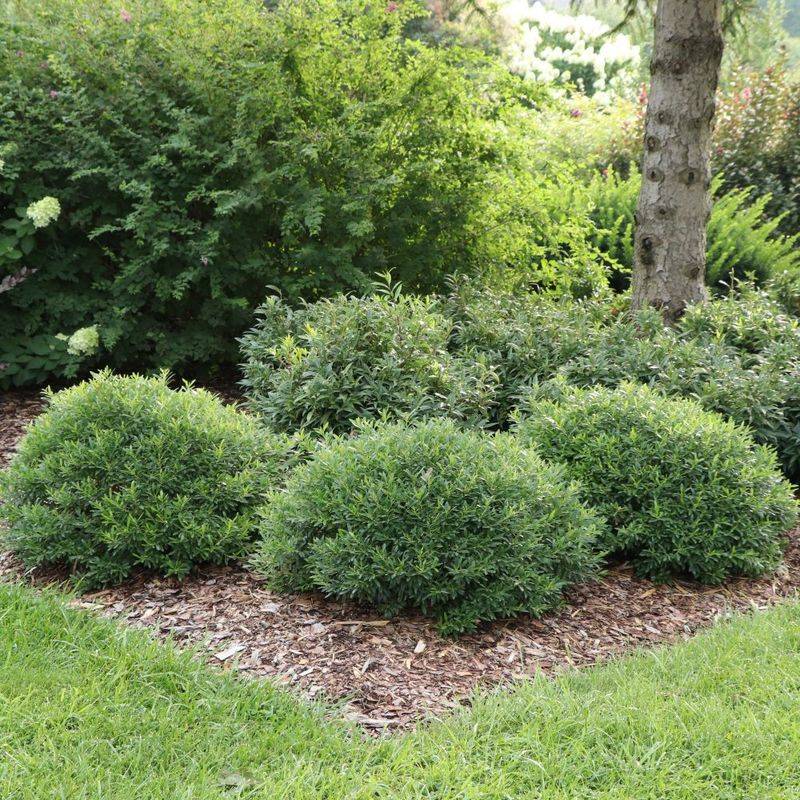
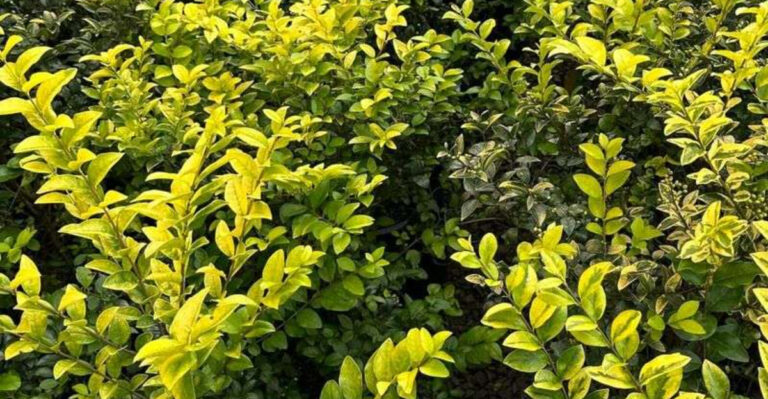
Foundation plantings frame your home’s entrance and create visual structure year-round. Inkberry holly brings evergreen foliage that stays attractive through all four seasons.
This native shrub grows naturally throughout North Carolina’s coastal and piedmont regions.
The glossy dark green leaves maintain their color even during winter cold snaps. Inkberry adapts to various light conditions from full sun to partial shade.
It tolerates both moist areas near downspouts and drier spots once established.
Compact varieties like ‘Shamrock’ or ‘Gem Box’ work perfectly for foundation beds. These selections stay under four feet tall without constant pruning.
Your North Carolina Garden Changes Every Week. Your Plan Should Too.
Gardening in North Carolina changes quickly throughout the season. Every Friday you’ll receive a simple weekly plan showing exactly what to plant, prune, fertilize, harvest, and protect so you never miss the right timing.
Larger cultivars can reach six to eight feet for screening purposes or corner accents.
Plant inkberry hollies about three feet apart for a continuous hedge effect. They prefer slightly acidic soil but adapt to most North Carolina soil types.
Water regularly during the first growing season to encourage deep root development.
Small white flowers appear in spring though they’re not particularly showy. Female plants produce black berries that birds relish during fall and winter.
The berries blend into the dark foliage, maintaining a clean appearance.
Prune lightly in early spring if needed to maintain desired shape and size. Inkberry rarely suffers from serious pest or disease problems.
This reliable native provides structure and greenery without demanding constant attention or special care.
3. Pollinator Garden With Bee Balm And Mountain Mint
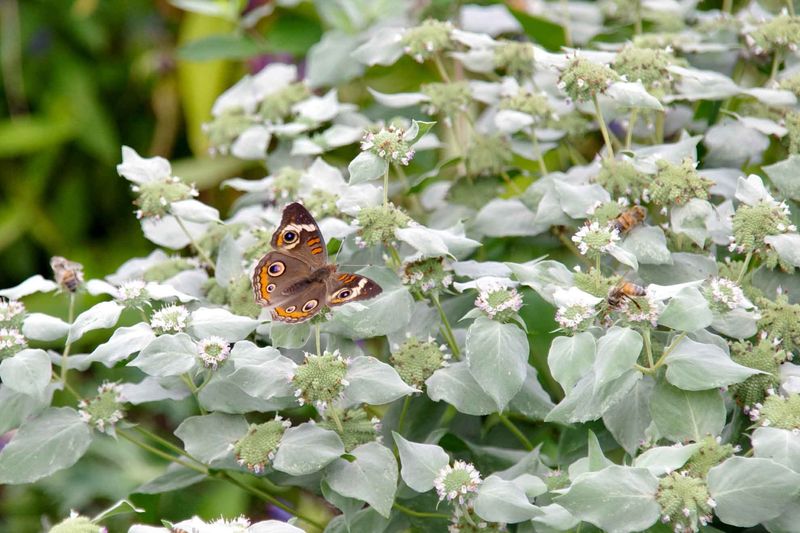
Creating a pollinator haven transforms your front yard into a buzzing hub of activity. Bee balm produces tubular red flowers that hummingbirds find absolutely irresistible.
Mountain mint offers clusters of small white blooms that attract dozens of native bee species simultaneously.
Both plants thrive in sunny locations with average garden soil. Bee balm prefers consistent moisture and benefits from afternoon shade in hot regions.
Mountain mint tolerates drier conditions once roots establish and spreads to fill available space.
Plant bee balm toward the back of beds since it reaches three to four feet tall. Position mountain mint in front where its two to three foot height won’t block views.
The contrasting flower colors and bloom times provide nectar from June through September.
Butterflies visit these natives constantly, especially swallowtails and fritillaries seeking energy-rich nectar. Native bees prefer mountain mint’s abundant small flowers over non-native alternatives.
Hummingbirds return daily to feed from bee balm’s tubular blossoms.
Divide bee balm every few years to maintain vigor and prevent overcrowding. Mountain mint spreads by rhizomes but stays manageable with occasional edging.
Both plants resist deer browsing, making them ideal for neighborhoods with wildlife.
The aromatic foliage releases pleasant scents when brushed or crushed during garden maintenance. Cutting back spent flowers encourages additional blooming and keeps plants looking tidy.
These pollinator magnets create constant motion and color throughout the growing season.
4. Native Shade Garden With Foamflower And Wild Ginger
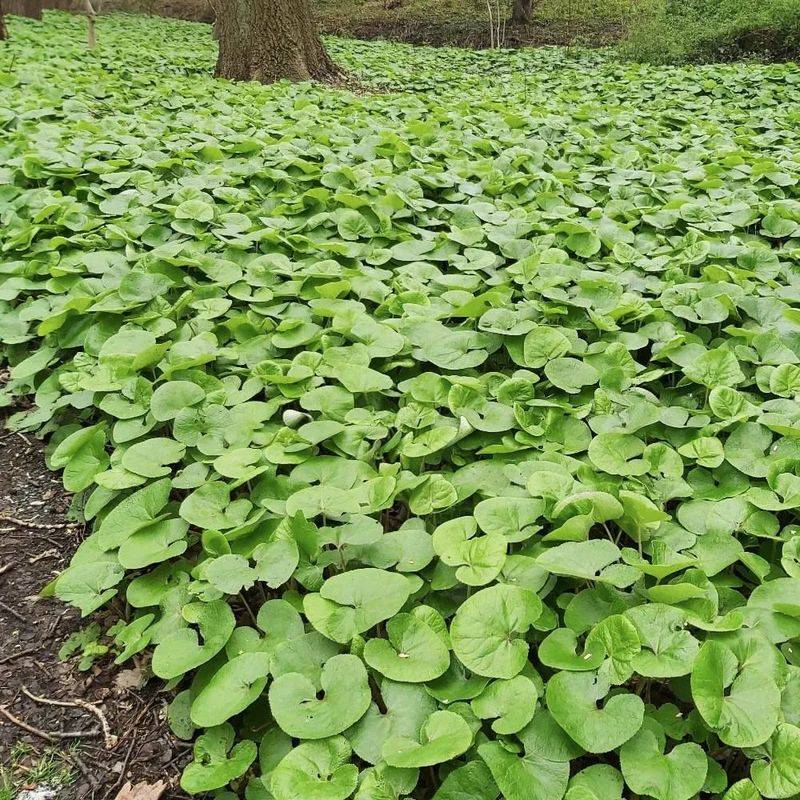
Shaded front yards present unique challenges that woodland natives solve beautifully. Foamflower produces delicate white or pink flower spikes that seem to float above the foliage.
Wild ginger spreads heart-shaped leaves that create a lush green carpet beneath trees.
These plants evolved in North Carolina’s forests where they thrive under tree canopies. They prefer moist, well-drained soil rich in organic matter like leaf mold.
Both species tolerate the root competition from established trees that frustrates many garden plants.
Foamflower blooms in spring just as trees leaf out, taking advantage of early season light. The flowers attract small native bees and other beneficial insects.
After blooming, the attractive foliage remains fresh-looking throughout summer and fall.
Wild ginger serves as an excellent groundcover that suppresses weeds naturally. Its evergreen leaves provide winter interest when most perennials have gone dormant.
The unusual maroon flowers hide beneath the foliage but add botanical intrigue for observant visitors.
Plant both species in drifts rather than straight rows for a natural woodland appearance. Space foamflower about twelve inches apart and wild ginger eighteen inches apart.
They’ll gradually fill in to create seamless coverage.
Water during establishment and during extended dry periods, especially in summer. Add compost or shredded leaves as mulch to maintain soil moisture and fertility.
These shade lovers require minimal maintenance once settled and spread slowly without becoming aggressive or invasive.
5. Small Native Tree Accent With Serviceberry
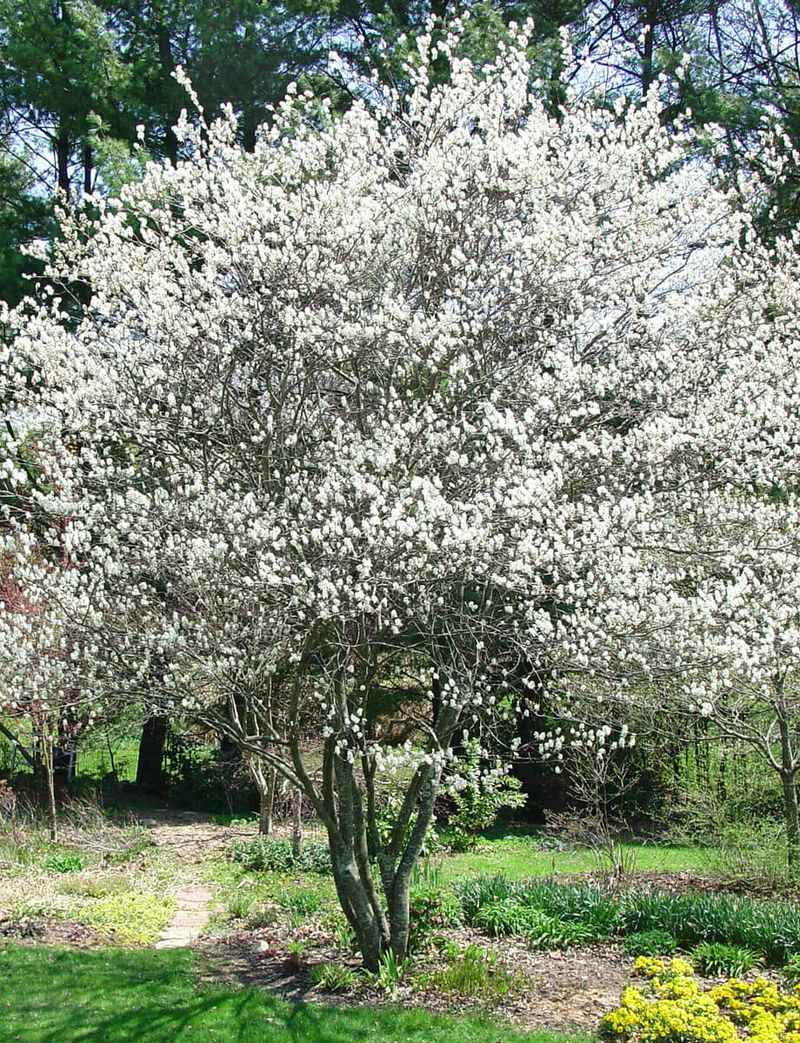
Small ornamental trees provide focal points without overwhelming modest front yards. Serviceberry delivers four-season interest starting with clouds of white flowers in early spring.
The blooms appear before most other trees wake from winter dormancy.
Edible berries follow the flowers in early summer, ripening from red to deep purple. Birds devour these sweet fruits quickly, creating entertaining wildlife watching opportunities.
Any berries that escape the birds make delicious jams or fresh eating treats.
Serviceberry grows fifteen to twenty-five feet tall depending on variety and growing conditions. The multi-stemmed form creates an attractive vase shape that fits perfectly near home corners.
Single-trunk specimens work well as front yard centerpieces or driveway accents.
Fall foliage transforms into brilliant shades of yellow, orange, and red. The colorful display rivals any imported ornamental tree species.
Smooth gray bark provides winter interest after leaves drop, especially attractive against snow or evergreen backgrounds.
This native adapts to full sun or partial shade conditions throughout North Carolina. It tolerates various soil types but prefers slightly acidic, well-drained ground.
Water regularly during the first two years to establish strong roots.
Serviceberry rarely needs pruning beyond removing occasional crossing branches or suckers. It resists most pests and diseases that plague non-native ornamental trees.
The low-maintenance nature combined with year-round beauty makes serviceberry an outstanding front yard investment that rewards for decades.
6. Native Shrub Border With Sweetspire
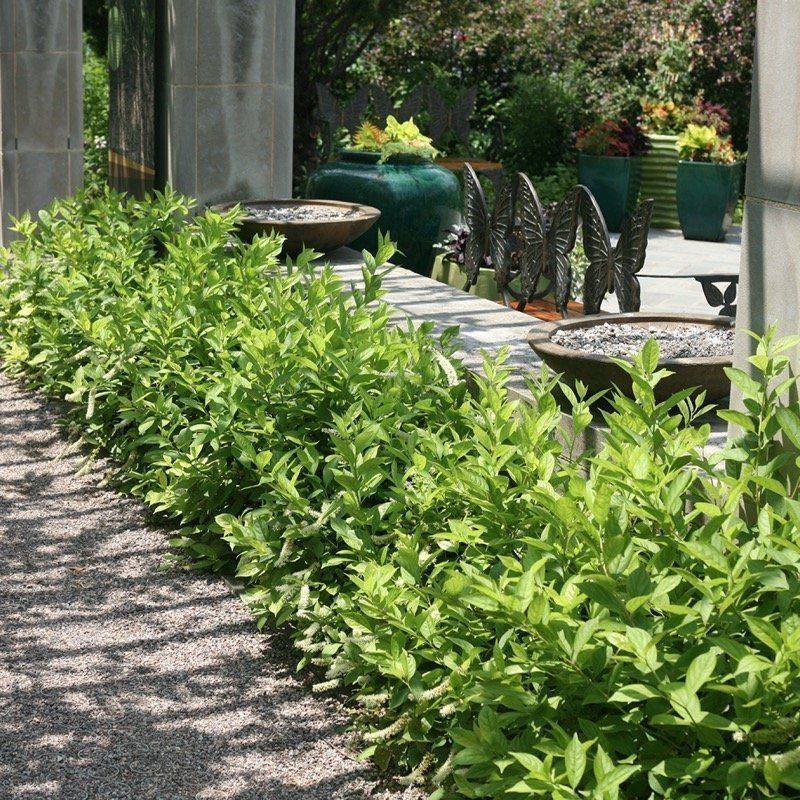
Sweetspire creates stunning borders that transition beautifully through seasons without demanding constant care. Long white flower spikes appear in late spring, filling the air with light fragrance.
The cascading blooms attract butterflies and other pollinators for several weeks.
This adaptable native grows three to five feet tall and spreads slowly to form colonies. The arching branches create graceful lines that soften harsh foundation edges or property boundaries.
Sweetspire works equally well in formal designs or naturalistic plantings.
One of sweetspire’s greatest assets appears in autumn when foliage transforms into spectacular shades. Leaves turn brilliant red, orange, and burgundy depending on growing conditions and variety.
The fall color rivals any burning bush while supporting native wildlife that imported shrubs cannot.
Sweetspire tolerates a remarkable range of soil moisture from wet to moderately dry. It grows naturally along stream banks but adapts perfectly to average garden conditions.
This flexibility makes it reliable across North Carolina’s varied regions and microclimates.
Plant sweetspire in full sun for best flowering and fall color, though it accepts partial shade. Space plants three to four feet apart for borders that fill in within two growing seasons.
The spreading habit creates continuous coverage without leaving gaps.
Prune after flowering if you want to control size or shape the plants. Sweetspire rarely suffers from pest problems or diseases.
The combination of beautiful flowers, outstanding fall color, and tough adaptable nature makes this native shrub a front yard superstar.
7. Native Ornamental Grass Planting With Little Bluestem
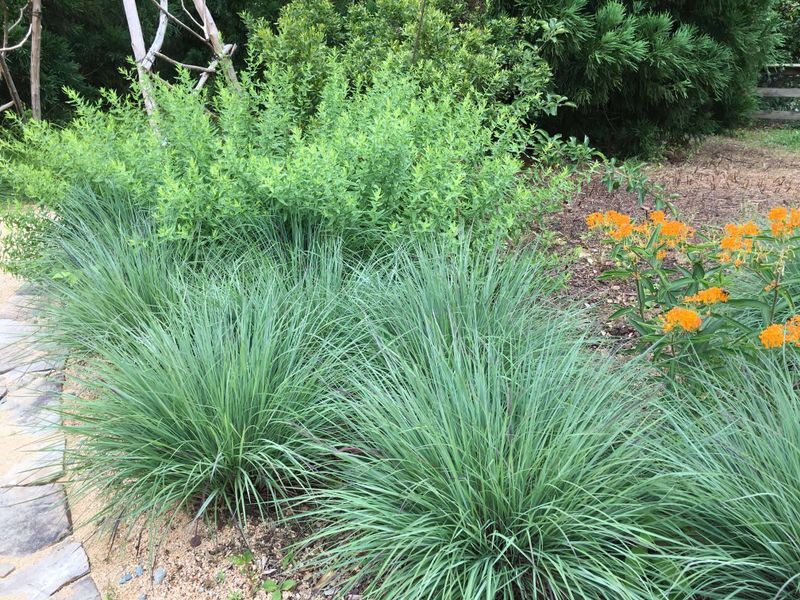
Ornamental grasses add movement and texture that flowering plants cannot match. Little bluestem starts the season with attractive blue-green foliage that forms upright clumps.
The narrow leaves create fine texture that contrasts beautifully with broader-leaved perennials and shrubs.
This native grass thrives in full sun and tolerates North Carolina’s heat without complaint. It actually prefers poor to average soils and requires no fertilization.
Little bluestem handles drought remarkably well once established, making it perfect for water-wise landscapes.
As summer progresses, the foliage develops subtle purple and burgundy tints. Fluffy seed heads emerge in late summer, catching sunlight and creating shimmer.
These seeds provide food for sparrows, juncos, and other seed-eating birds throughout fall and winter.
The real show begins in autumn when little bluestem transforms into shades of copper, orange, and red. The colorful display persists through winter, providing interest when most plants look dormant.
The standing foliage and seed heads remain attractive even under light snow coverage.
Plant little bluestem in groups of three or more for visual impact in sunny borders. Space clumps about two feet apart to allow for their mature spread.
They combine beautifully with native wildflowers or serve as textural accents among shrubs.
Cut back old growth in late winter before new shoots emerge in spring. Little bluestem rarely needs division and dislikes being moved once established.
This native grass delivers year-round beauty with practically zero maintenance requirements or special care needs.
8. Native Groundcover With Creeping Phlox
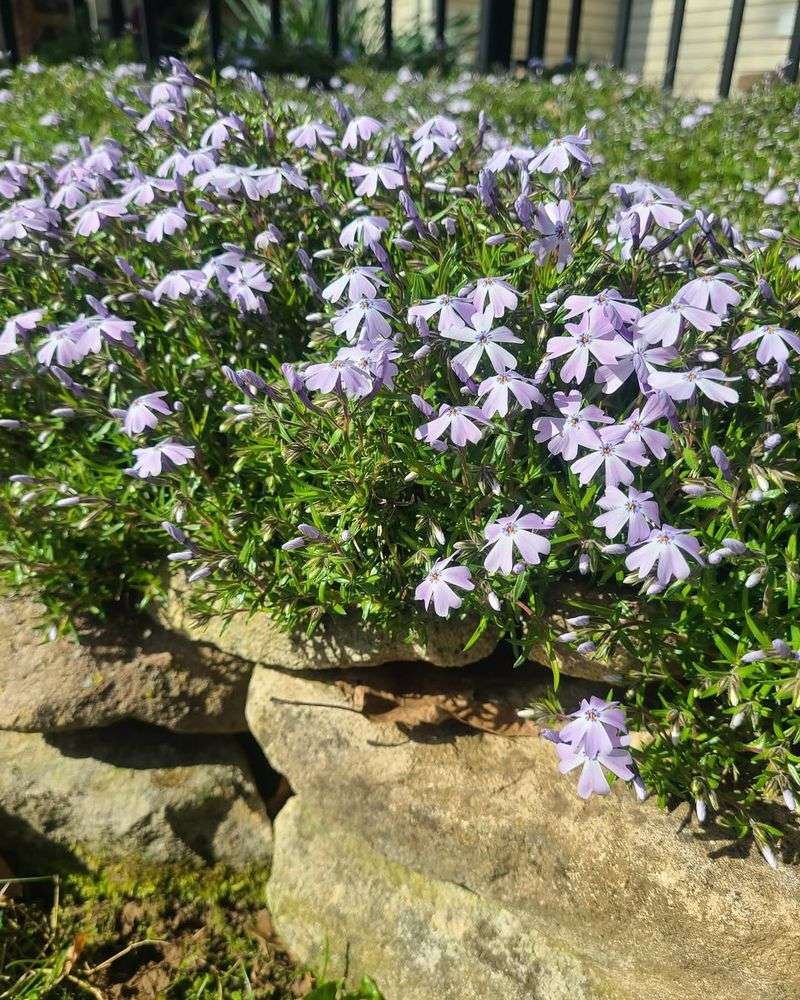
Groundcovers solve problems while adding beauty to challenging front yard areas. Creeping phlox forms dense mats that suppress weeds and prevent soil erosion on slopes.
The low-growing foliage stays under six inches tall, creating living carpets that never need mowing.
Spring transforms creeping phlox into sheets of color when flowers completely cover the foliage. Blooms come in shades of pink, purple, white, and blue depending on variety.
The floral display lasts three to four weeks, creating spectacular curb appeal that neighbors notice.
This native thrives in full sun with well-drained soil throughout North Carolina’s regions. It tolerates some light shade but flowers most abundantly in sunny locations.
Once established, creeping phlox handles dry conditions better than traditional lawn grasses.
The evergreen foliage provides year-round coverage and interest even when not flowering. Creeping phlox spreads slowly to fill spaces between rocks or cascade over retaining walls.
It creates natural-looking transitions between lawn areas and planting beds.
Plant creeping phlox about twelve to eighteen inches apart for coverage within two seasons. Water regularly during establishment but reduce irrigation once plants root deeply.
The mat-forming growth habit eliminates bare spots where weeds typically invade.
Trim back lightly after flowering to maintain compact growth and encourage density. Creeping phlox resists deer browsing and rarely suffers from serious pest problems.
This versatile native groundcover reduces maintenance while increasing beauty, making it an intelligent choice for practical yet attractive front yard landscaping solutions.