The North Carolina Lavender Farm Garden Lovers Say You Must Visit
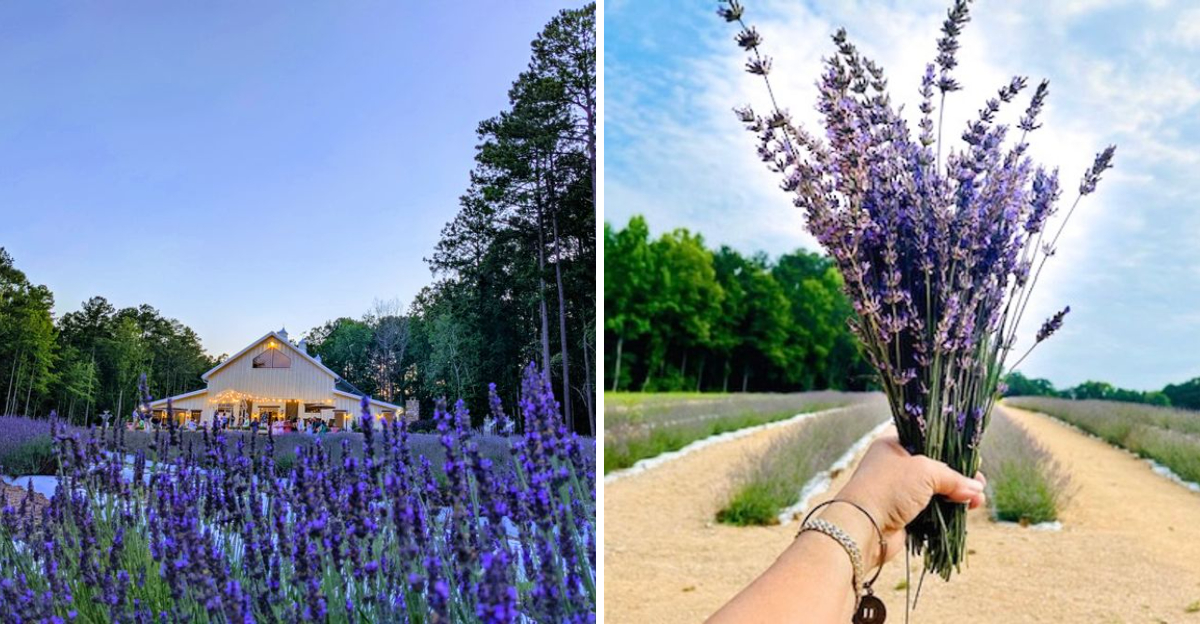
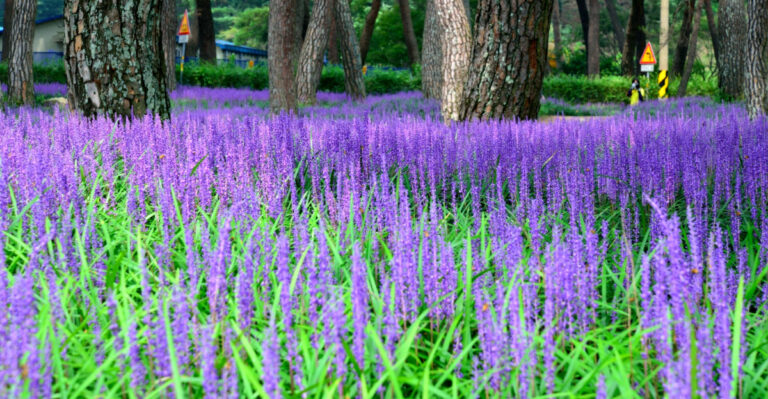
Set among the gentle hills of Chapel Hill, Lavender Oaks Farm feels like a little slice of Provence right in the heart of North Carolina’s Piedmont. Rows of soft purple blooms sway in the breeze, filling the air with that calm, unmistakable lavender fragrance.
But this beautiful farm is more than just a scenic spot. It is a working landscape where practical growing techniques meet natural beauty, offering real inspiration for gardeners across the Southeast.
Lavender Oaks shows how specialty crops can thrive in our regional climate with the right approach.
From soil preparation to smart pruning and careful plant selection, the farm demonstrates methods that turn delicate looking lavender into a reliable and productive crop.
Along the way, it also creates a haven for bees, butterflies, and other helpful pollinators that bring the fields to life.
Whether you love fragrant flowers, want to grow more pollinator friendly plants, or are simply searching for fresh gardening ideas, Lavender Oaks Farm offers plenty to learn.
It is proof that with thoughtful planning and a little patience, beauty and productivity can grow side by side in North Carolina gardens.
Real Lavender Farm Located In Chapel Hill
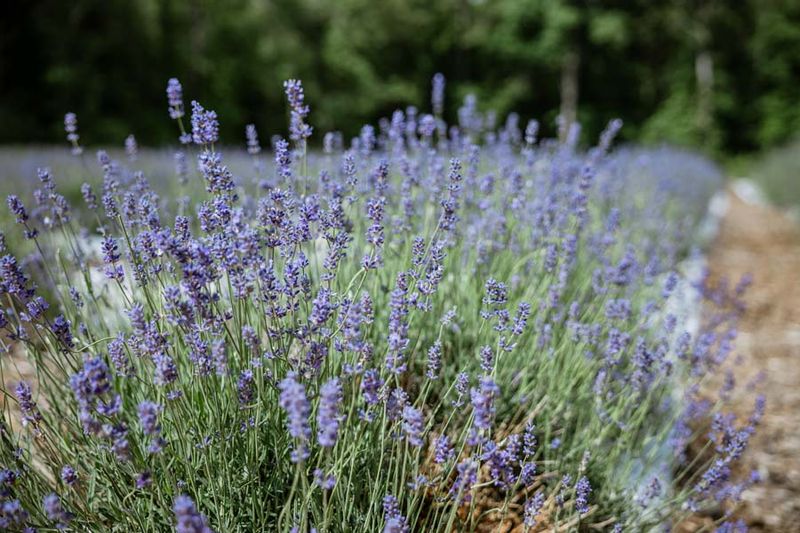
A genuine working farm dedicated to lavender cultivation sits right in the heart of Chapel Hill. Located at 3833 Millard Whitley Rd, Chapel Hill, NC 27516, United States, Lavender Oaks Farm operates as an agricultural property specializing in this aromatic crop.
The farm brings Mediterranean charm to North Carolina’s landscape. Operating a lavender farm requires dedication and knowledge of plant needs. The property maintains multiple rows of lavender plants throughout growing seasons.
Visitors can see firsthand how commercial lavender cultivation works in the Southeast.
Unlike hobby gardens, this farm approaches lavender growing as a serious agricultural venture. The scale of planting demonstrates proper spacing and layout for healthy plant development.
Rows stretch across the property, creating stunning visual displays during bloom periods.
Chapel Hill’s location provides an interesting setting for specialty crop farming. The farm proves that with proper techniques, lavender can thrive outside traditional growing regions.
This agricultural operation combines beauty with practical crop production.
The farm serves as a living classroom for those interested in lavender cultivation. Seeing mature plants growing in field conditions provides valuable insights.
The property demonstrates that successful lavender farming is possible in North Carolina’s unique climate.
Situated In North Carolina’s Piedmont Climate
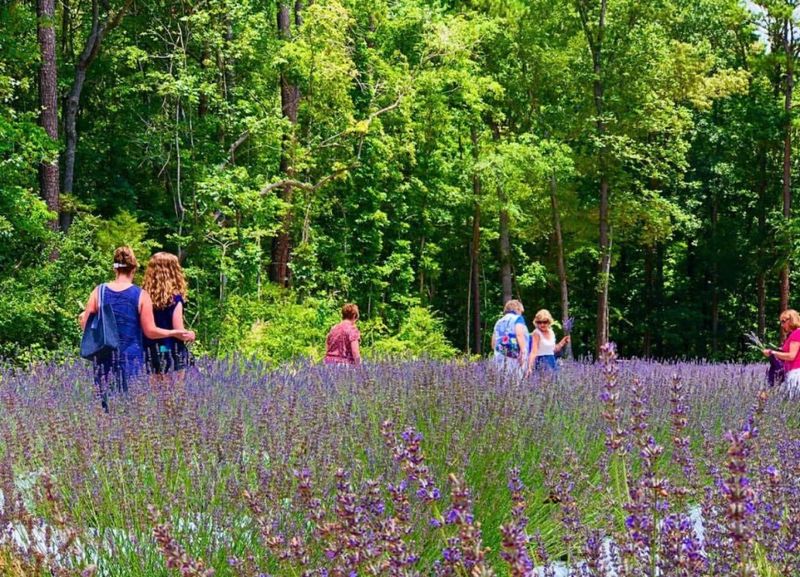
Geography plays a crucial role in plant success, and this farm sits squarely in the Piedmont region. This area stretches between the mountains and coastal plain, creating unique growing conditions.
Warm summers combine with mild winters to create a moderate climate zone.
The Piedmont’s climate differs significantly from both coastal and mountain areas. Humidity levels stay moderate rather than extreme.
Temperature swings between seasons remain manageable for many plant species.
Lavender traditionally grows in Mediterranean climates with hot, dry summers. The Piedmont presents different challenges with its humidity and rainfall patterns.
However, certain lavender varieties adapt well when given proper care and conditions.
Your North Carolina Garden Changes Every Week. Your Plan Should Too.
Gardening in North Carolina changes quickly throughout the season. Every Friday you’ll receive a simple weekly plan showing exactly what to plant, prune, fertilize, harvest, and protect so you never miss the right timing.
Summer heat provides the warmth lavender needs for robust growth. Winter temperatures rarely drop to extremes that would damage established plants.
Spring and fall offer transition periods with pleasant growing weather. Understanding regional climate helps gardeners choose appropriate plants and techniques. The farm’s location demonstrates that climate matching isn’t always perfect.
With modifications like improved drainage and site selection, gardeners can successfully grow plants outside their traditional zones.
The Piedmont’s moderate conditions create opportunities for specialty crops. Lavender farming here requires adaptation rather than perfect climate matching. This regional approach inspires creative gardening solutions.
Lavender Requires Excellent Drainage At This Location
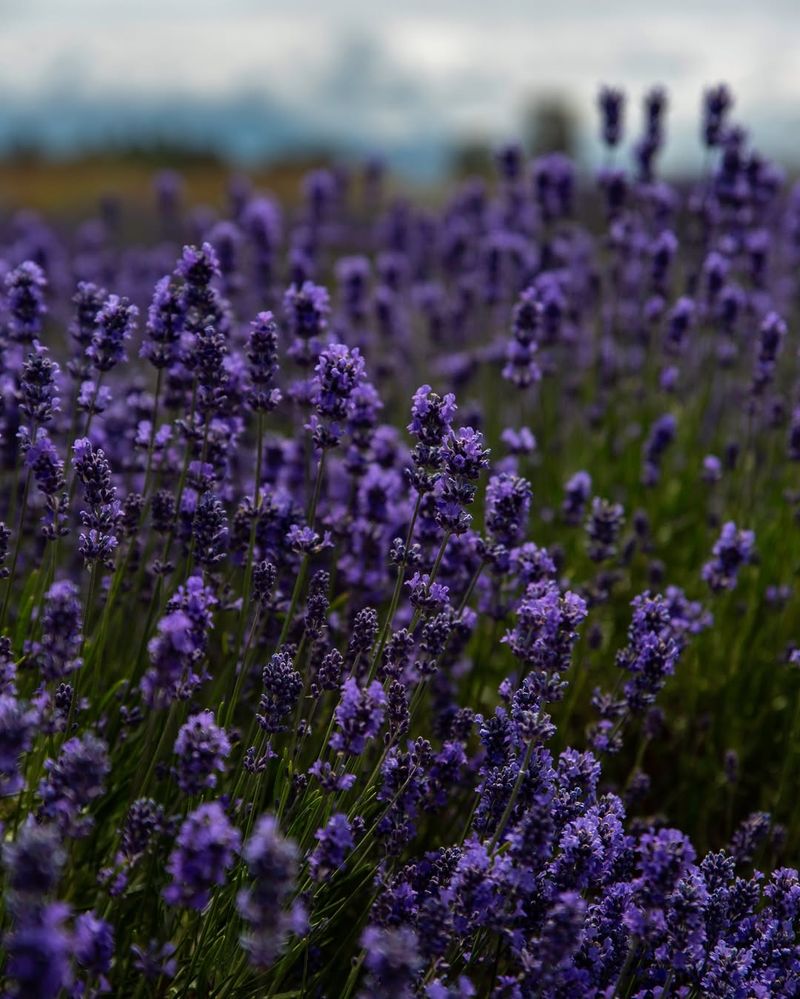
Soil drainage makes or breaks lavender success in the Southeast. These plants evolved in rocky, fast-draining Mediterranean soils.
Heavy clay or moisture-retentive soils spell trouble for lavender roots.
Excess moisture around roots creates problems quickly. Lavender roots need oxygen and dislike sitting in wet conditions.
Poor drainage leads to root issues that compromise plant health and longevity.
The farm addresses drainage challenges through careful site preparation. Amendments like sand or gravel improve soil structure.
Raised beds or mounded planting areas help water move away from root zones.
North Carolina soils often contain clay that holds moisture. Natural drainage varies across properties and even within individual gardens.
Testing soil drainage before planting helps prevent future problems.
A simple test reveals drainage quality in any garden spot. Dig a hole, fill it with water, and watch how quickly it empties.
Good drainage means water disappears within a few hours rather than sitting overnight.
The farm’s emphasis on drainage teaches an important lesson. Sometimes the most critical factor isn’t what you add but how you prepare the growing environment.
Proper drainage creates the foundation for healthy lavender cultivation in challenging climates.
The Farm Grows Lavender As A Specialty Crop
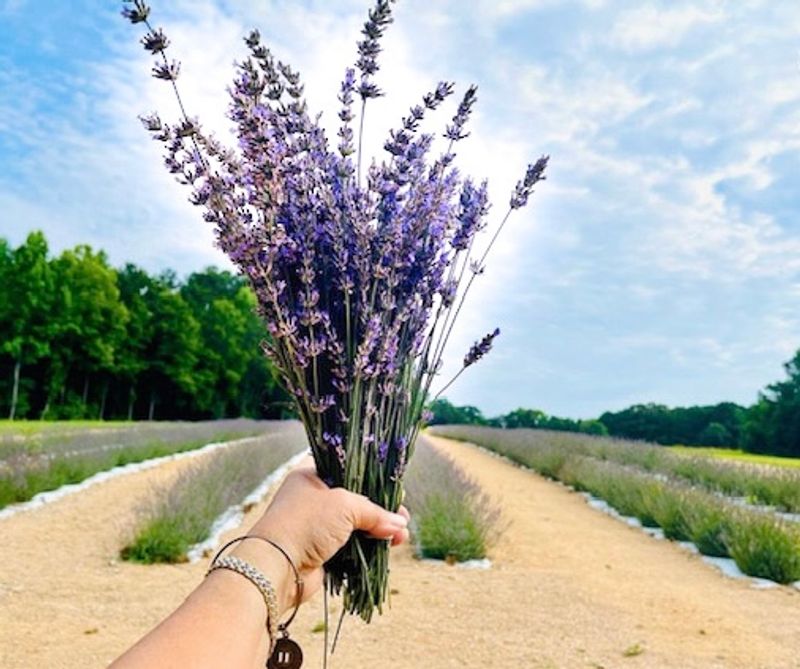
Specialty crops bring diversity to agricultural landscapes beyond traditional commodity farming. Lavender falls into this category as a plant grown for specific markets and uses.
The farm cultivates lavender for ornamental, aromatic, and horticultural purposes.
Multiple rows of plants create the classic lavender field appearance. This organized layout serves both practical and aesthetic functions.
Proper spacing between plants ensures air circulation and makes maintenance easier.
Commercial lavender production differs from home garden growing in scale and intention. The farm must consider harvest timing, plant density, and variety selection carefully.
Each decision impacts the quality and quantity of flowers produced.
Lavender flowers serve various purposes once harvested. Fresh bundles provide fragrance and decoration.
Dried flowers go into sachets, crafts, and culinary applications.
Growing lavender as a crop requires understanding plant lifecycles and maintenance needs. Pruning schedules, fertilization practices, and irrigation management all matter.
The farm demonstrates professional approaches to lavender cultivation.
Specialty crop farming connects agriculture with niche markets and consumer interests. Lavender appeals to people seeking natural products and beautiful plants.
This farm shows how specialty agriculture creates value through focused cultivation of plants with specific qualities and uses.
Lavender Bloom Season Occurs Late Spring To Early Summer
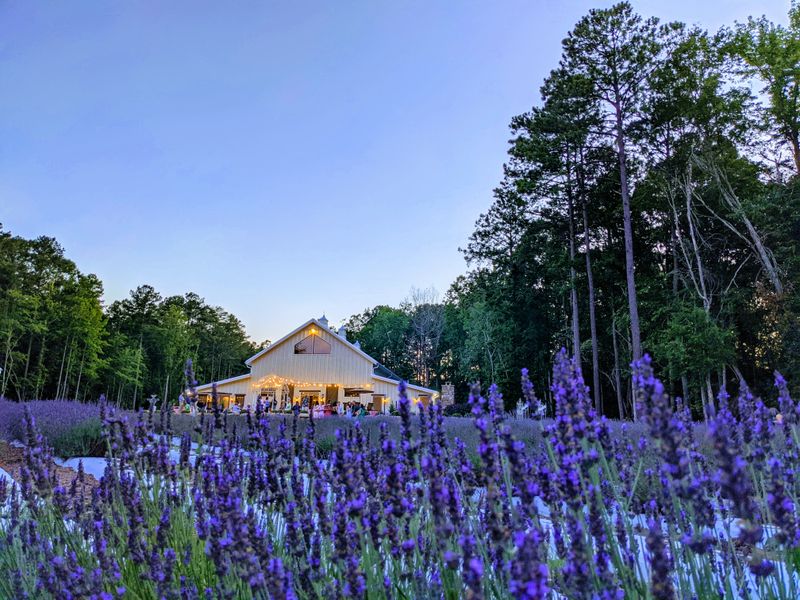
Timing brings magic to lavender farms when thousands of flowers open simultaneously. In central North Carolina, this spectacular display typically happens between late May and early July.
Weather patterns and plant maturity influence exact timing each year.
Spring warmth triggers flower bud development on mature plants. As temperatures rise consistently, buds swell and prepare to open.
The transformation from green foliage to purple blooms happens relatively quickly.
Peak bloom represents the most photogenic and fragrant time at any lavender farm. Flowers release their strongest scent during sunny, warm days.
Morning hours often provide the best conditions for experiencing lavender’s full aromatic intensity.
Bloom duration varies by lavender variety and weather conditions. Some varieties flower earlier while others bloom later in summer.
Planting different types extends the overall flowering season.
Temperature and rainfall affect bloom timing year to year. A warm spring may advance flowering by a week or more.
Cooler weather can delay blooms but often results in longer-lasting flowers.
Visiting during peak bloom offers the fullest experience of a lavender farm. The visual impact of purple fields combined with heady fragrance creates memorable moments.
Planning visits around bloom season ensures catching lavender at its absolute best.
Lavender Fields Support Pollinators
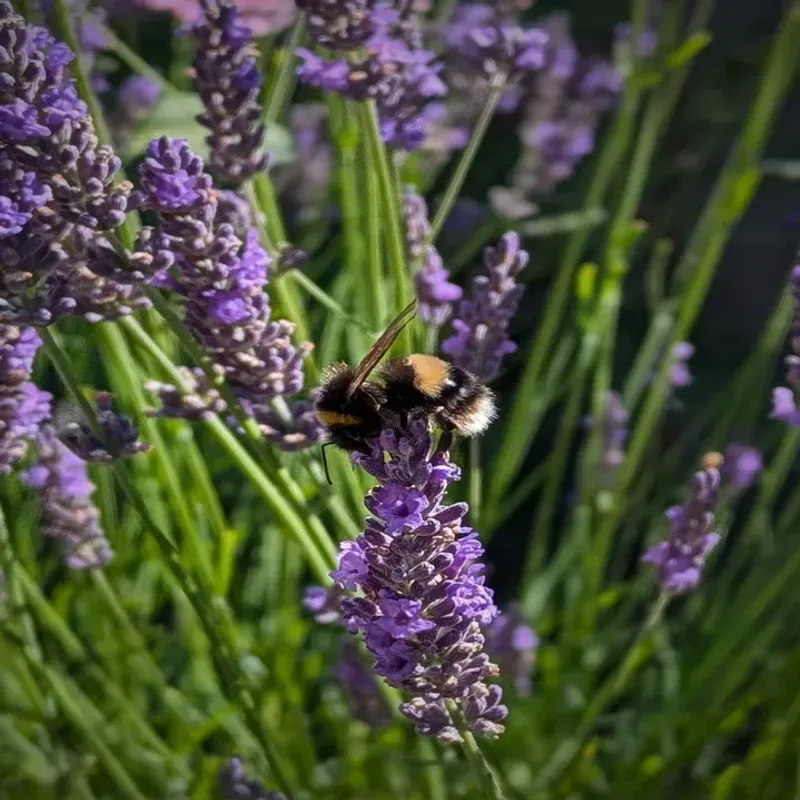
Buzzing activity fills the air when lavender blooms attract countless pollinators. Bees, butterflies, and beneficial insects flock to these nectar-rich flowers.
The farm becomes a vital food source for pollinator populations during bloom season.
Lavender produces abundant nectar that pollinators find irresistible. Honeybees work the flowers methodically, moving from bloom to bloom.
Native bee species also visit lavender, benefiting from this reliable food source.
Butterflies add another layer of beauty to lavender fields. Their fluttering presence among purple blooms creates enchanting scenes.
Swallowtails, painted ladies, and other species regularly visit lavender flowers.
Supporting pollinators benefits entire ecosystems beyond the farm itself. These insects pollinate nearby gardens, orchards, and wild plants.
Creating pollinator habitat through lavender planting contributes to environmental health.
The relationship between lavender and pollinators demonstrates natural partnerships. Plants provide food while insects facilitate reproduction in other flowering species.
This mutual benefit system sustains both plant and insect populations.
Gardeners can replicate this pollinator support on any scale. Even small lavender plantings attract beneficial insects to home gardens.
Watching pollinators visit your own lavender brings the same joy experienced at larger farms.
The farm’s pollinator activity teaches valuable lessons about biodiversity and plant selection for wildlife support.
The Property Also Functions As An Event And Venue Farm

Agricultural properties increasingly serve multiple purposes beyond crop production alone. Lavender Oaks Farm combines farming with event hosting, particularly weddings and special occasions.
Historic barns on the property provide charming backdrops for celebrations.
The combination of agriculture and agritourism creates sustainable business models. Farms gain additional income streams while sharing their beauty with visitors.
Events introduce people to farming who might never otherwise visit agricultural properties.
Lavender fields provide stunning natural settings for outdoor events. Purple blooms create romantic atmospheres perfect for weddings and photography.
The farm’s aesthetic appeal makes it a sought-after venue.
Historic barn structures add character and rustic elegance to farm venues. These buildings tell stories of agricultural heritage while serving modern purposes.
Restored barns blend tradition with contemporary event needs.
Hosting events requires balancing agricultural operations with visitor activities. The farm must maintain crop health while accommodating guests.
This dual purpose demands careful planning and management.
Agritourism helps preserve agricultural land by making farming more economically viable. When farms generate income from multiple sources, they’re more likely to remain in agricultural use.
Event hosting supports the farm’s continued operation and lavender cultivation.
The venue aspect makes the farm accessible to people beyond typical farm visitors. This broader reach spreads awareness about specialty agriculture and lavender growing throughout the community.
Full Sun Exposure Is Critical For Lavender Growth
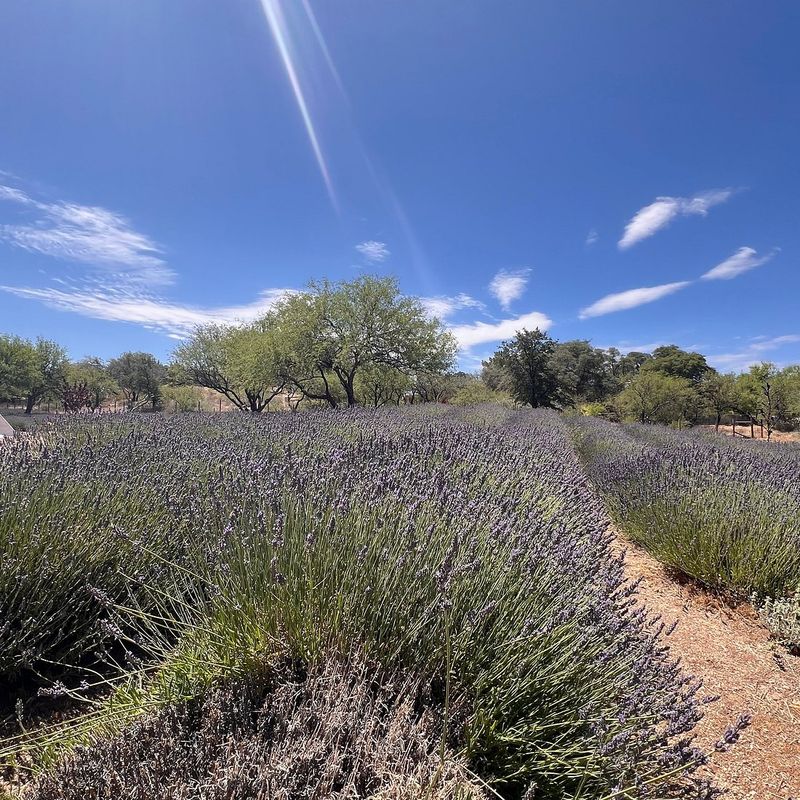
Sunlight powers plant growth through photosynthesis, and lavender demands abundant sun exposure. These plants evolved in sunny Mediterranean climates with intense, direct light.
Insufficient sun results in weak, leggy growth and reduced flowering.
Lavender planted at this location needs at least six to eight hours of direct sunlight daily. More sun generally produces better results with stockier plants and more abundant blooms.
Shade causes lavender to stretch toward light, creating poor plant structure.
Strong sunlight influences more than just growth patterns. Sun exposure affects essential oil concentration in lavender flowers.
Plants grown in full sun produce more aromatic compounds than shade-grown specimens.
Choosing planting locations carefully ensures lavender receives adequate light. South-facing sites typically offer the most sun throughout the day.
Avoiding areas shaded by buildings or trees prevents light competition.
The farm’s emphasis on sun exposure highlights a non-negotiable lavender requirement. While some plants tolerate partial shade, lavender isn’t among them.
Success depends on meeting this fundamental light need.
Home gardeners can assess sun exposure in their own yards. Observing potential planting sites throughout the day reveals actual light conditions.
Morning sun differs from afternoon sun in intensity and duration.
Understanding light requirements prevents common lavender growing mistakes. Planting in unsuitable locations wastes time and resources.
The farm demonstrates proper sun exposure as the foundation of healthy lavender cultivation.
Lavender Plants Are Moderately Drought Tolerant Once Established
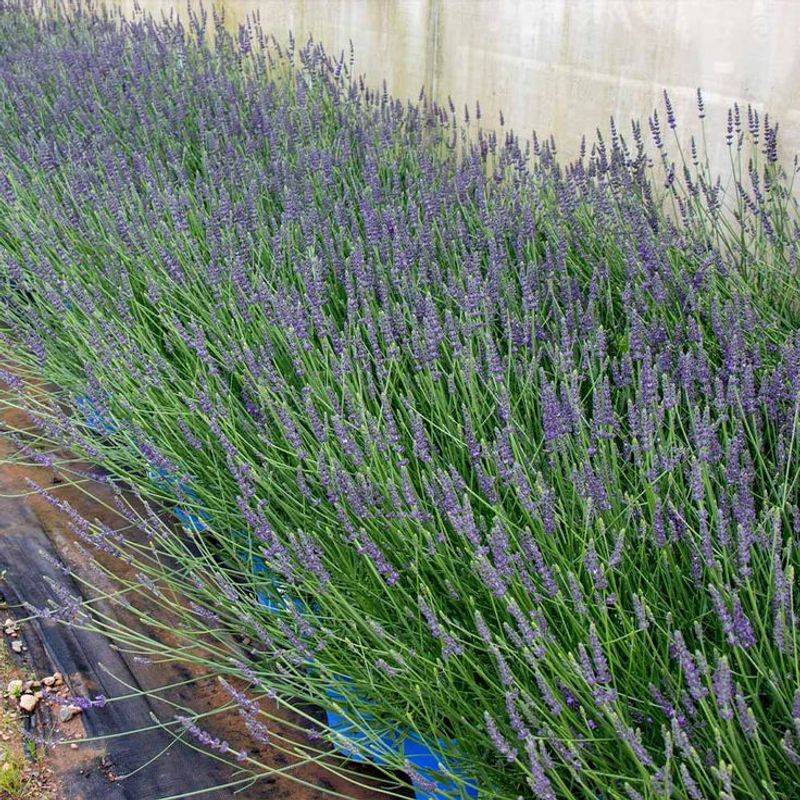
Water management separates successful lavender growers from those who struggle with these plants. Once root systems fully develop, lavender prefers drier conditions over constant moisture.
This drought tolerance makes lavender suitable for water-wise gardens.
Newly planted lavender needs regular watering while establishing roots. This initial period typically lasts several months as plants settle in.
Young lavender hasn’t yet developed the deep roots that access moisture below the surface.
Established plants shift from needing regular water to preferring dry conditions. Deep roots reach moisture unavailable to shallow-rooted plants.
This adaptation allows lavender to survive extended dry periods.
Overwatering causes more lavender problems than underwatering in most gardens. Constantly wet soil around roots creates conditions for rot and disease.
Lavender’s drought tolerance means less watering actually improves plant health.
The farm’s watering practices reflect lavender’s moisture preferences. Irrigation focuses on establishment periods rather than ongoing frequent watering.
Mature plants rely primarily on natural rainfall.
Drought tolerance doesn’t mean lavender never needs water. Extended dry spells may require occasional deep watering.
The key involves watering deeply but infrequently rather than frequent shallow watering.
Understanding lavender’s water needs prevents common cultivation mistakes. Many gardeners kill lavender with kindness through excessive watering.
The farm demonstrates appropriate moisture management for long-term plant health and success.
Visiting Provides Real-World Garden Inspiration
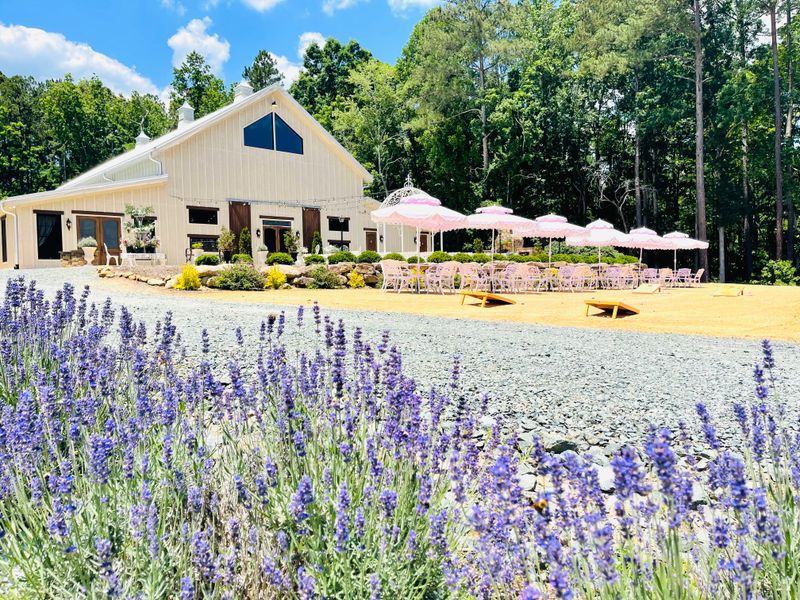
Book knowledge only goes so far in gardening education. Seeing mature plants growing in actual field conditions provides insights no article can fully convey.
Lavender farms offer living textbooks for observing plant spacing, pruning techniques, and soil management.
The farm demonstrates planting layouts suited to regional conditions. Visitors see row spacing that balances plant health with visual impact.
Observing professional cultivation techniques inspires better home garden practices.
Mature lavender plantings show what properly grown plants should look like. Size, shape, and flowering patterns become clear when viewing established specimens.
This visual reference helps gardeners assess their own plants’ health and progress.
Pruning techniques become obvious when examining farm-grown lavender. The timing and extent of cutting back plants influences next year’s growth.
Seeing professionally maintained plants clarifies proper pruning approaches.
Soil preparation methods reveal themselves through plant performance. Healthy, vigorous growth indicates proper soil conditions and drainage.
Comparing different areas of the farm shows how site variations affect plant success.
Visiting during different seasons provides varying lessons. Spring shows new growth patterns while summer displays peak bloom.
Fall visits reveal seed head development and plant preparation for winter.
The farm’s educational value extends beyond lavender alone. Principles learned here apply to many garden plants with similar needs.
Real-world observation complements reading and accelerates gardening skill development for enthusiasts at all experience levels.