These 7 Ground Covers Help Save Water In California Landscapes
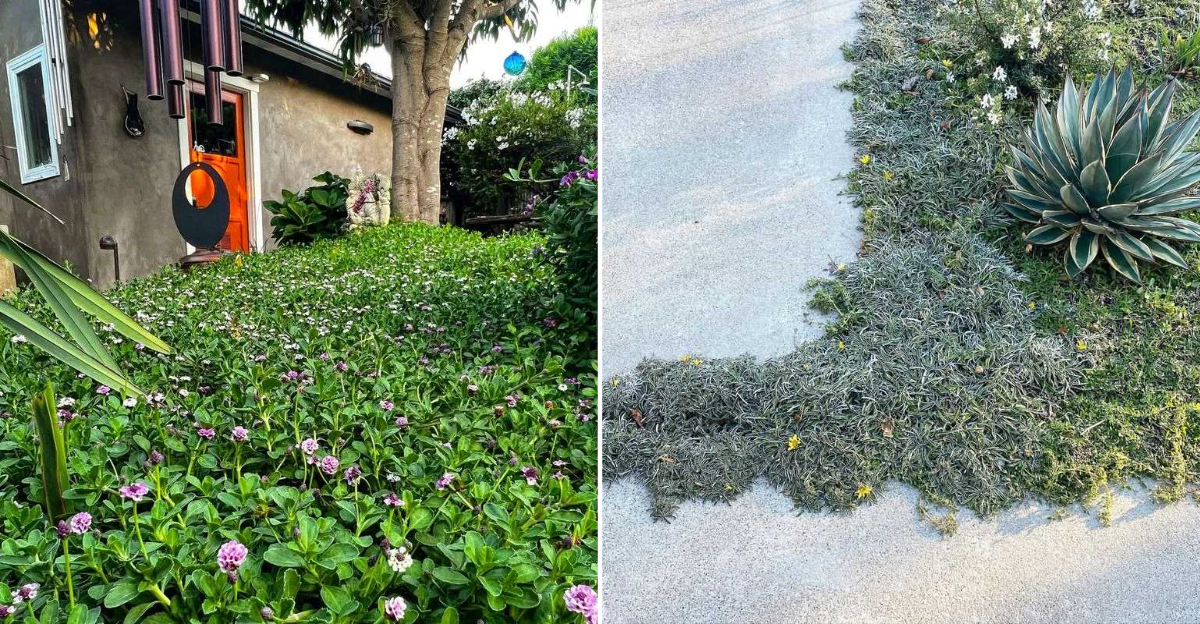
California gardens are thirsty, but the right ground covers can turn dry yards into low maintenance, water smart landscapes.
These hardy plants spread across soil, shading it, reducing evaporation, and keeping weeds at bay, all while looking lush and vibrant.
Some bring soft greenery, others add blooms or textured foliage, creating interest without extra effort. By covering bare earth, they act like natural mulch, holding moisture where it’s needed most and cutting down on irrigation.
Imagine a garden that stays green longer, survives dry spells, and still feels full and alive, even during California’s hot summers.
The best part is many of these ground covers thrive in sun, partial shade, or tough soils, making them flexible choices for almost any yard.
1. Dymondia (Silver Carpet)
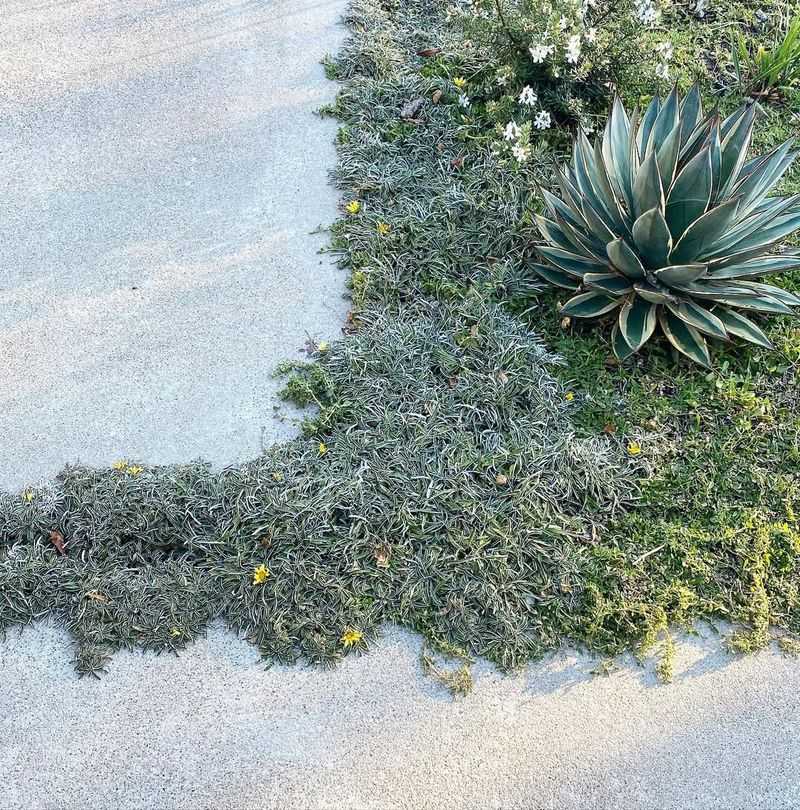
When you walk across a patch of Dymondia on a warm afternoon, you’ll notice how cool it stays underfoot compared to bare soil or pavement.
This South African native has adapted beautifully to California’s Mediterranean climate, thriving in conditions that would stress thirstier plants.
The silvery-green leaves form a dense mat that stays under two inches tall, making it perfect for areas between stepping stones or as a full lawn replacement.
What makes Dymondia truly special is its drought tolerance once established. After the first year, you can reduce watering to once or twice monthly during summer, and it still maintains its lush appearance.
The small yellow flowers that appear in late spring add unexpected charm without requiring deadheading or extra care.
Many gardeners worry about foot traffic damaging ground covers, but Dymondia handles moderate walking surprisingly well. It’s not quite as tough as traditional turf, but for pathways and areas with occasional use, it holds up admirably.
The key is giving it time to establish a strong root system before subjecting it to regular traffic.
Plant plugs about six inches apart in well-draining soil, and avoid overwatering during establishment. Too much moisture encourages shallow roots and makes the plant dependent on frequent irrigation, defeating the water-saving purpose entirely.
2. Creeping Thyme
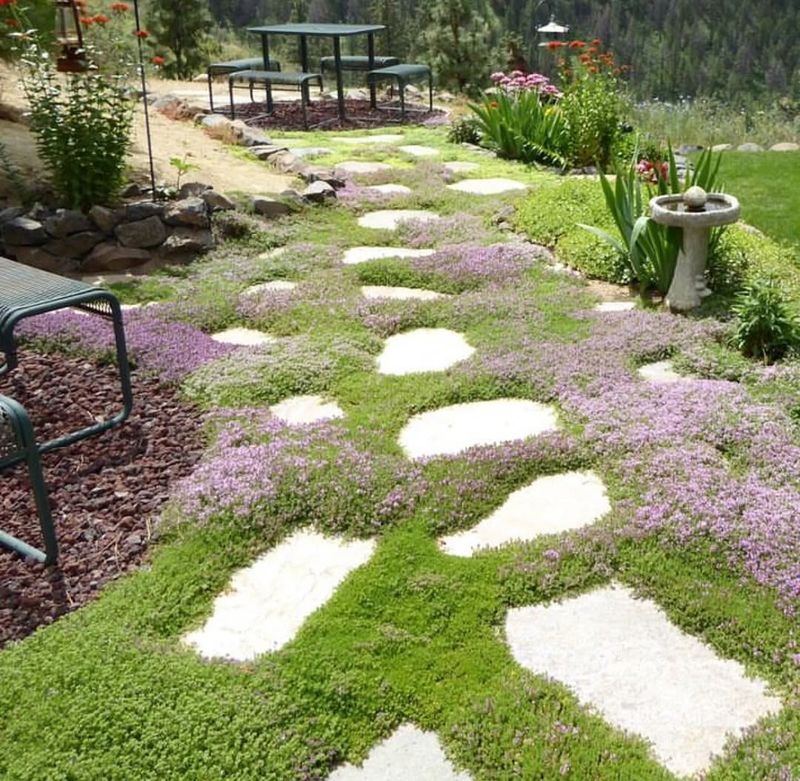
There’s something delightful about brushing against creeping thyme and releasing its herbal fragrance into the air. This low-growing herb transforms difficult sunny slopes and rock gardens into aromatic carpets that need minimal water once settled in.
The tiny leaves create a textured mat that stays green year-round in most California climates, with spectacular flower displays in late spring and early summer.
Creeping thyme thrives in the conditions many plants dislike: poor soil, intense sun, and infrequent watering. It actually performs better in lean soil than in rich, amended beds.
Gardeners often make the mistake of treating it like a traditional garden plant, adding compost and fertilizer, which encourages leggy growth and increases water needs.
The flowers attract beneficial insects and pollinators by the dozens, creating a buzzing ecosystem right at ground level. Choose from varieties with pink, purple, or white blooms depending on your color preferences.
Some types handle foot traffic better than others, so select woolly thyme or Elfin thyme for walkable areas.
Your California Garden Changes Every Week. Your Plan Should Too.
Gardening in California changes quickly throughout the season. Every Friday you’ll receive a simple weekly plan showing exactly what to plant, prune, fertilize, harvest, and protect so you never miss the right timing.
Established plants need watering only every two to three weeks during the hottest months. The drought tolerance improves dramatically after the second year when roots penetrate deeper into the soil.
Avoid planting in heavy clay or areas with poor drainage, as soggy conditions quickly lead to root rot.
3. Kurapia
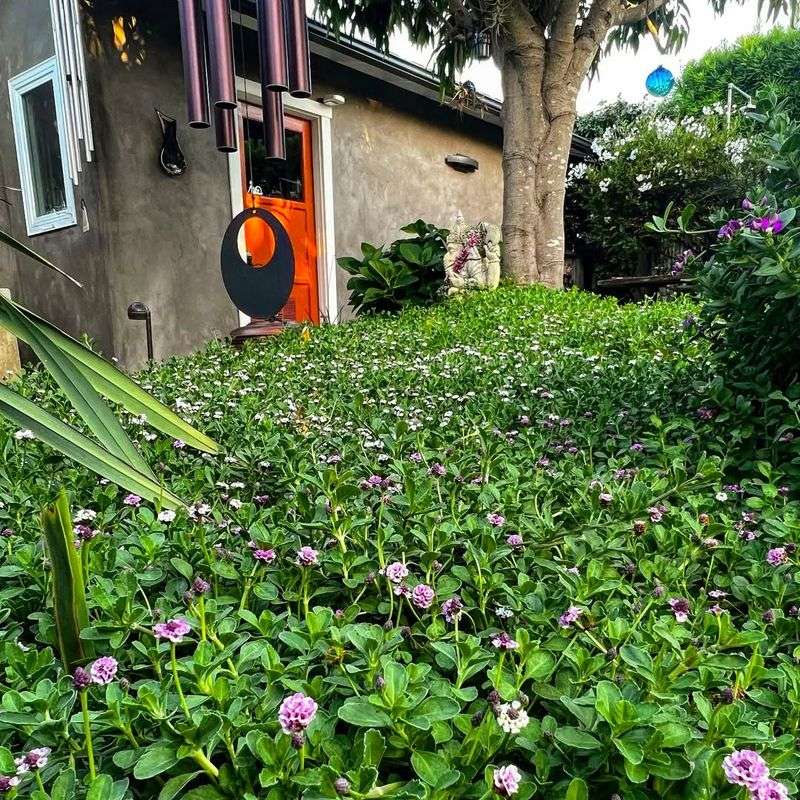
If you’re looking for the closest alternative to traditional turf, Kurapia deserves serious consideration. This sterile hybrid was specifically developed for low-water landscapes, and it’s been gaining popularity across California for good reason.
The dense growth pattern chokes out weeds naturally, reducing maintenance while creating a uniform green surface that tolerates moderate foot traffic.
Kurapia uses about half the water of conventional grass once established, making it an excellent choice for homeowners wanting a lawn-like appearance without the guilt of excessive irrigation.
The small white flowers appear throughout the growing season, though they’re subtle enough not to create a meadow look if that’s not your style.
Some people love the soft blooms, while others prefer mowing them off for a more manicured appearance.
The growing speed surprises most gardeners. Plant plugs spread quickly during warm weather, often filling in completely within a single growing season under good conditions.
This rapid establishment means you’ll start seeing water savings sooner than with slower-spreading alternatives.
Keep the soil slightly moist during the first few months, then gradually extend the time between waterings. Mature Kurapia handles weekly deep watering during summer, and even less along the coast where morning fog provides natural moisture.
Winter rains typically provide all the water needed during cooler months.
4. Ice Plant (Delosperma / Carpobrotus types)
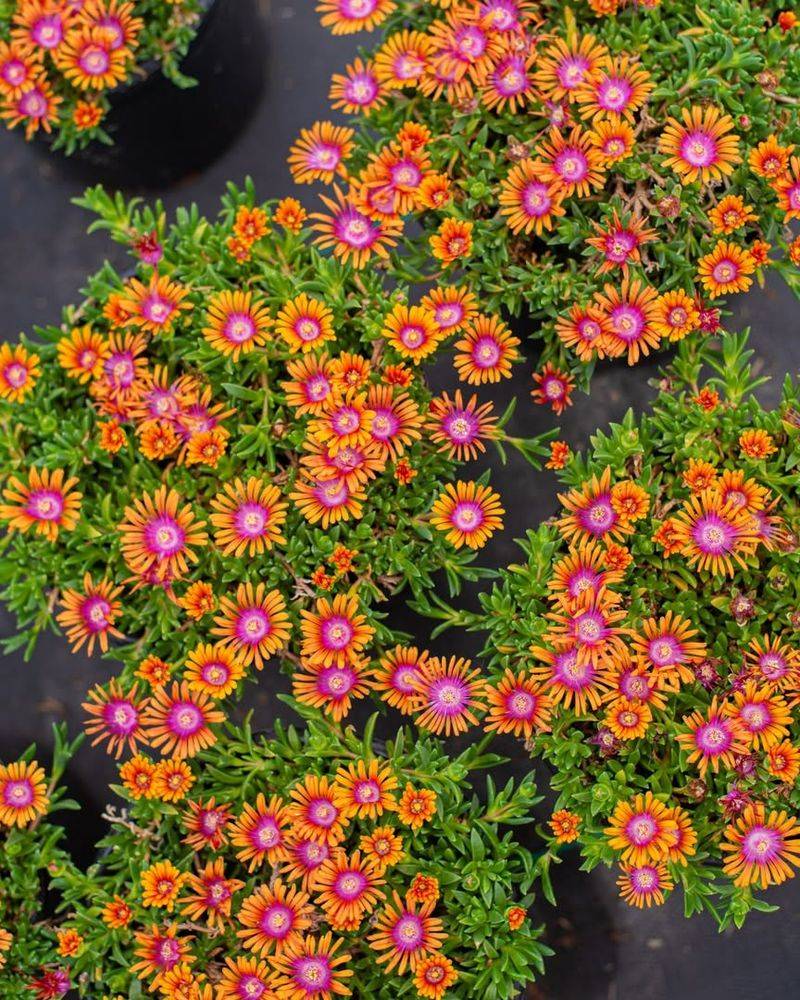
Few ground covers make as bold a statement as ice plant in full bloom. The brilliant flowers in shades of pink, purple, orange, and yellow create eye-catching displays that last for weeks, transforming slopes and banks into living tapestries.
The succulent leaves store water efficiently, allowing these plants to survive on rainfall alone in many coastal areas.
California gardeners have two main types to choose from: the larger, more aggressive Carpobrotus species and the smaller, better-behaved Delosperma varieties.
The larger types spread vigorously and work well for erosion control on steep banks where little else will grow.
However, they can escape cultivation and become invasive in coastal areas, so use them thoughtfully and monitor their spread.
Delosperma types stay more compact and offer better color variety, including cold-hardy options that handle inland winters without damage. These smaller ice plants work beautifully in rock gardens, along driveway edges, or cascading over retaining walls.
The flowers attract butterflies and other pollinators throughout their long blooming period.
Both types demand excellent drainage and struggle in heavy soil or shaded locations. Plant them in full sun where water drains away quickly after irrigation or rain.
Once established, they need watering only once or twice monthly during the driest part of summer, and coastal gardens can often skip supplemental irrigation entirely.
5. California Native Yarrow
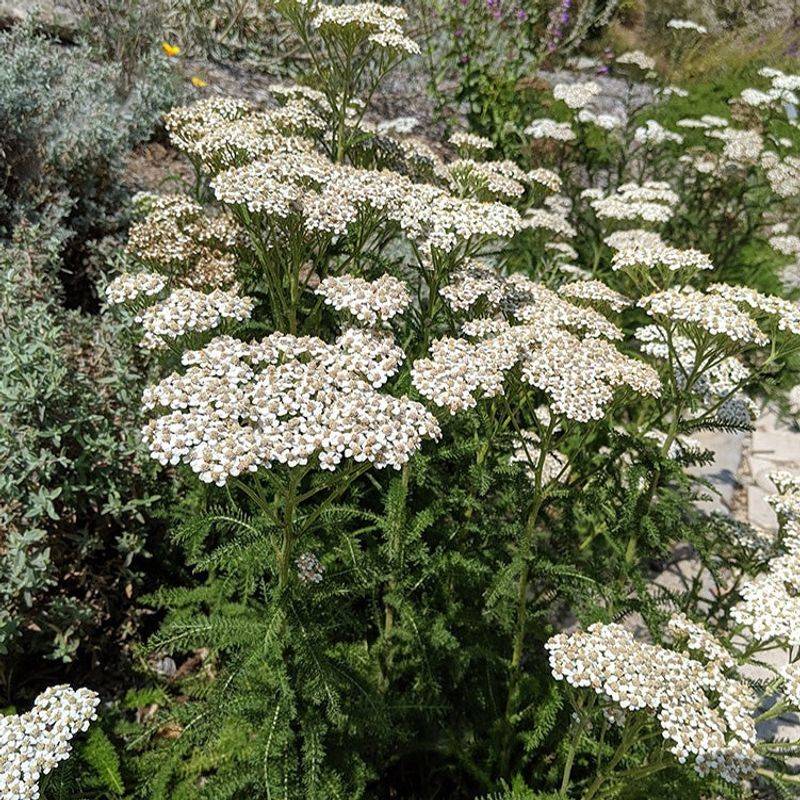
Native yarrow brings a naturalistic charm to water-wise gardens while supporting local ecosystems.
The fernlike foliage creates a soft, textured carpet that stays evergreen in most California climates, with clusters of white or pale yellow flowers rising above the leaves in late spring.
This plant evolved here, making it perfectly adapted to our dry summers and winter rainfall patterns.
Unlike traditional garden yarrow that can become invasive, California native yarrow behaves itself while still spreading to cover ground effectively.
It fills in gaps between larger native shrubs, softens the edges of pathways, and provides habitat for beneficial insects that help control garden pests naturally.
The flowers attract ladybugs, lacewings, and parasitic wasps that keep aphid and caterpillar populations in check.
Many gardeners underestimate how tough native yarrow can be. It tolerates poor soil, full sun, and extended drought once established.
The biggest mistake is overwatering, which leads to root rot and fungal issues. This plant wants to be treated like the tough California native it is, not pampered like a thirsty perennial.
After establishment, water deeply but infrequently, allowing the soil to dry completely between irrigations. Inland gardens might need monthly summer watering, while coastal plantings often survive on fog moisture and winter rains alone.
Cut back the flower stalks after blooming to maintain a tidy appearance and encourage fresh growth.
6. Prostrate Rosemary
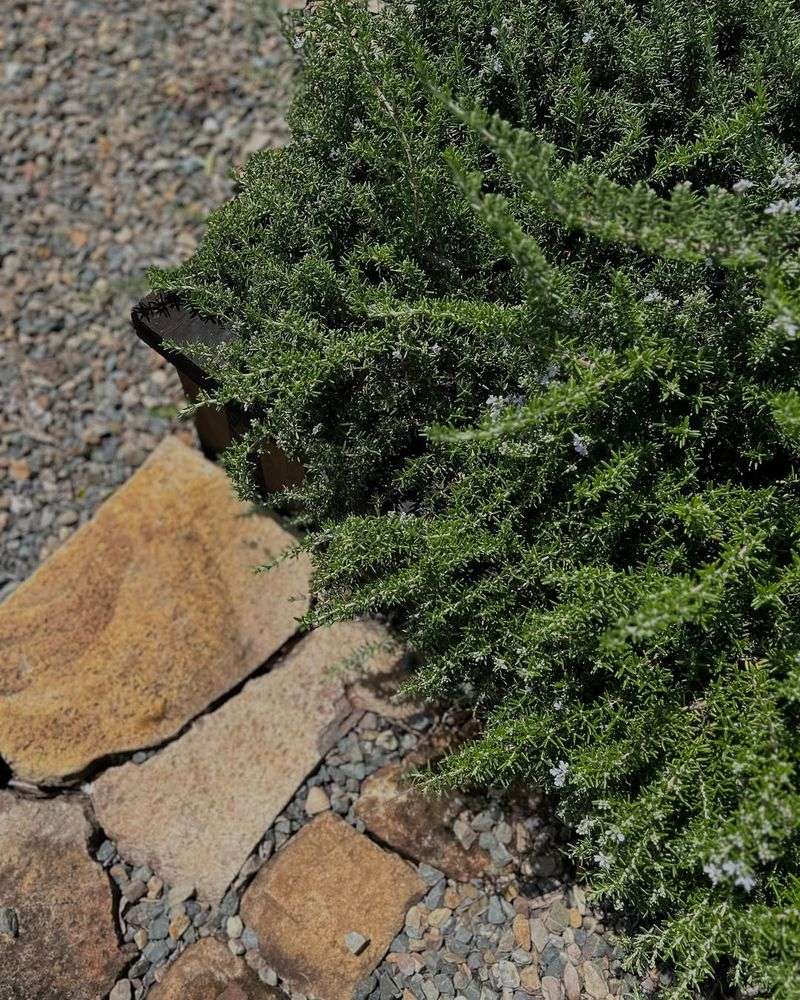
Watching prostrate rosemary cascade over a wall or spread across a sunny bank demonstrates the beauty of edible landscaping.
This low-growing form of culinary rosemary provides all the aromatic, flavorful leaves you’d expect while serving as an attractive, water-thrifty ground cover.
The blue flowers appear sporadically throughout the year, with heaviest blooming in late winter and early spring when pollinators need food most desperately.
The woody stems create a slightly irregular surface rather than a uniform carpet, giving gardens a relaxed, Mediterranean feel that suits California’s climate perfectly.
This informal appearance works wonderfully in cottage gardens, herb gardens, or anywhere you want a lived-in, welcoming atmosphere.
The fragrance released when you brush against the foliage or harvest sprigs for cooking adds a sensory dimension that few ground covers can match.
Prostrate rosemary handles neglect remarkably well once established. It actually prefers lean soil and infrequent watering, performing better when slightly stressed than when pampered with rich soil and regular irrigation.
Too much water and fertilizer create soft, disease-prone growth that attracts pests and requires more maintenance.
Plant in full sun with excellent drainage, and water deeply but infrequently after establishment. Monthly watering during summer heat keeps plants looking their best, though established rosemary can survive much longer dry periods if necessary.
Prune lightly after flowering to maintain shape and encourage dense growth.
7. Blue Star Creeper
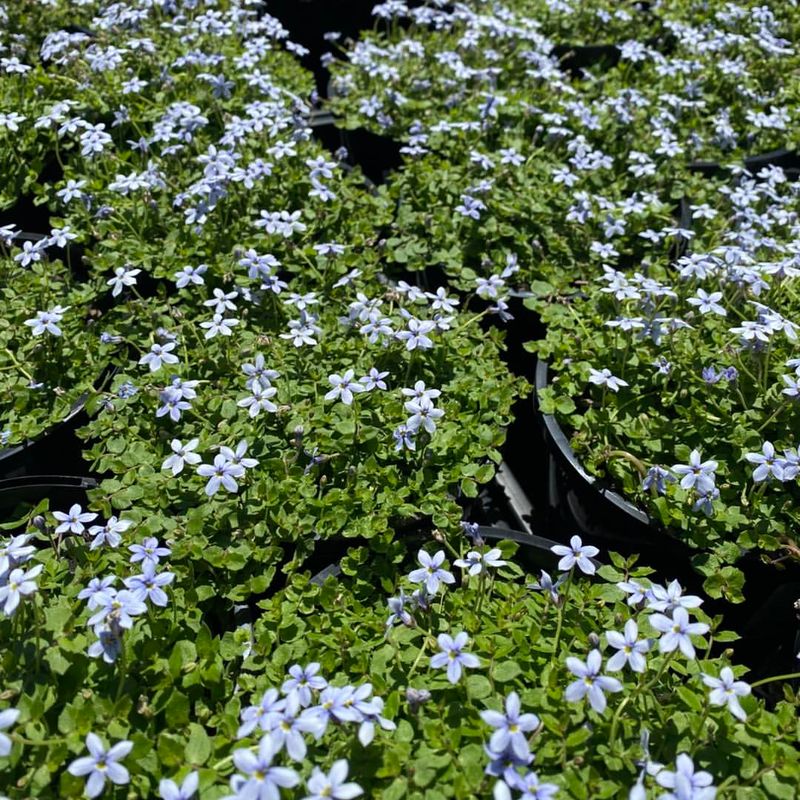
The tiny blue flowers scattered across blue star creeper create a subtle, enchanting effect that draws you in for a closer look.
This delicate-looking ground cover proves tougher than its appearance suggests, tolerating light foot traffic and filling in spaces between pavers and stepping stones with soft, green foliage.
The star-shaped blooms appear most heavily in spring but continue sporadically through summer and fall.
Blue star creeper needs more water than some drought-tolerant ground covers, but still uses far less than traditional lawns.
It performs best with consistent moisture, making it ideal for areas that receive regular irrigation from adjacent plantings or for gardens with efficient drip systems.
The slightly higher water needs are offset by its ability to grow in partial shade, where many other ground covers struggle.
This plant works beautifully in areas where you want a softer, more lush appearance than tougher, more xeric ground covers provide. The fine texture contrasts nicely with bold architectural plants or larger-leaved perennials.
It stays under three inches tall and spreads steadily without becoming aggressive or difficult to control.
Provide regular water during establishment and continue with weekly watering during active growth periods. Coastal gardens can often reduce watering frequency thanks to natural fog moisture.
Inland areas need more consistent irrigation, though mature plantings handle brief dry periods without significant damage. Avoid planting in deep shade or areas with poor air circulation where fungal issues might develop.