How To Protect Your Oregon Fruit Tree Buds From Frost Damage
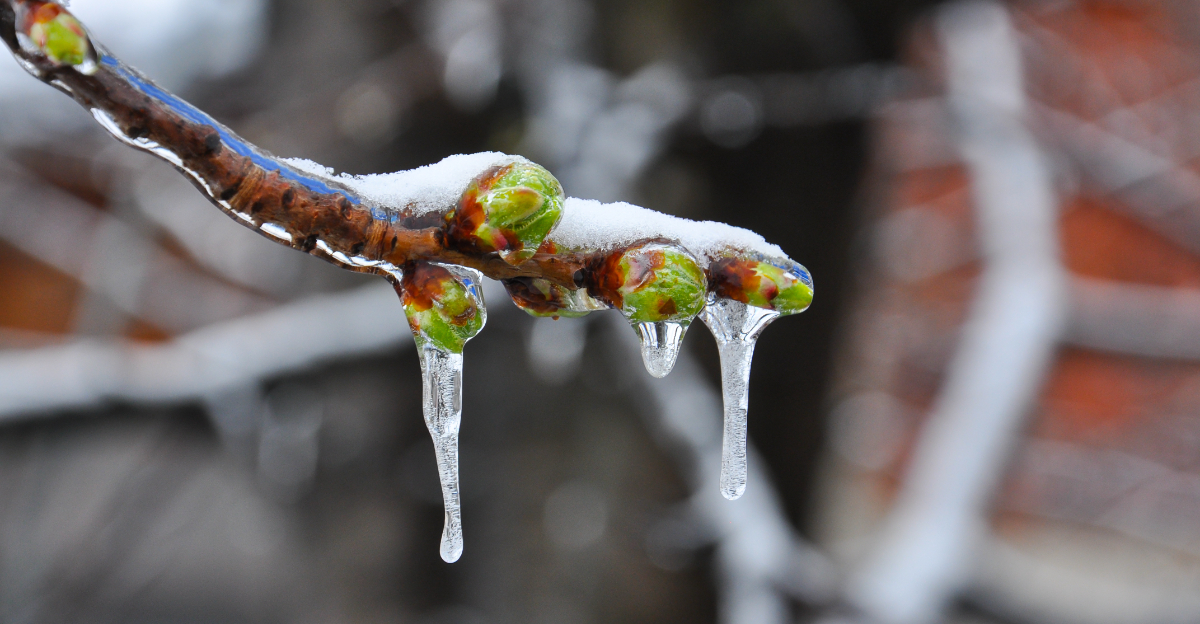
Spring mornings in Oregon can feel beautiful and crisp, until frost shows up uninvited. Fruit tree buds are tender, and a sudden freeze can turn weeks of growth into heartbreak overnight.
The tricky part is that frost often sneaks in when you least expect it, and those tiny green shoots are shockingly vulnerable. But don’t panic, there are clever ways to give your buds a fighting chance without turning your orchard into a science experiment.
Imagine waking up after a cold night to see buds safe and ready to bloom, instead of shriveled and lost. With a few simple strategies, you can outsmart frost, protect your fruit, and keep your trees on track for a healthy season.
Curious how gardeners do it? Let’s dive into the smart moves that keep buds safe when winter refuses to fully let go.
1. Watch The Forecast And Act Early
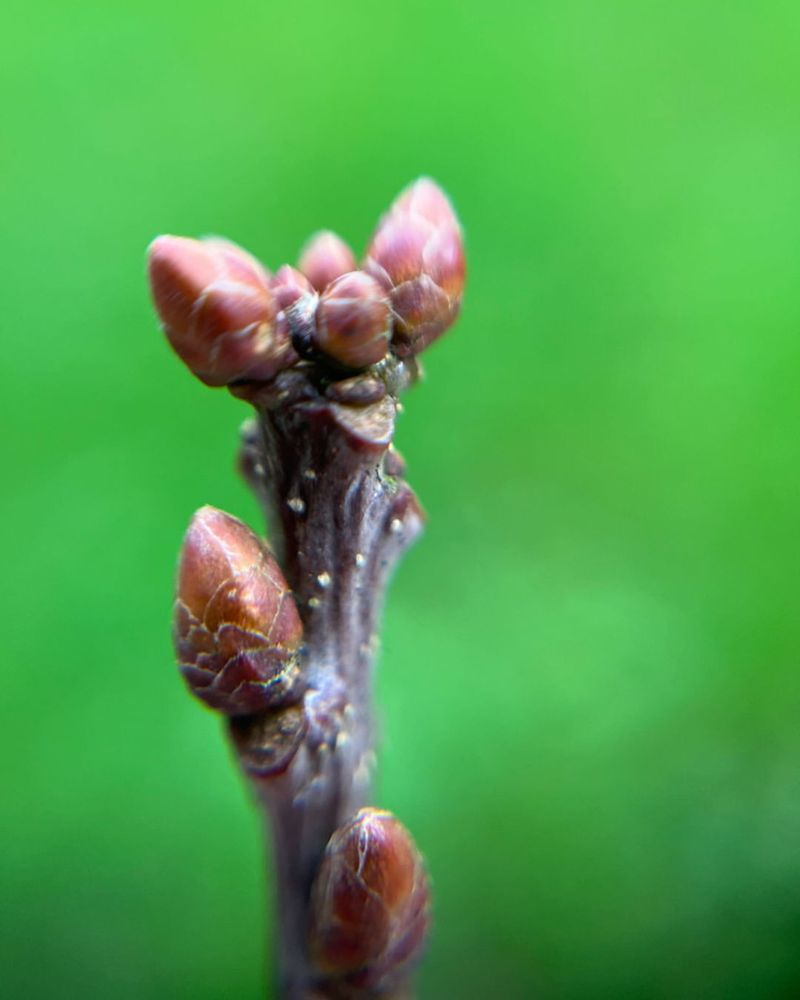
That first warm stretch in March can fool anyone into thinking winter has packed its bags for good. Fruit trees respond to those sunny days by pushing out tender buds, completely unaware that a hard freeze might still arrive weeks later.
Oregon’s coastal influence creates weather patterns that shift quickly, and a single cold night after budbreak can damage an entire season’s crop before you’ve even noticed the swelling buds.
Checking your local forecast becomes a nightly ritual once buds start showing color. Look specifically for temperatures dropping below 28°F, which is when serious damage begins to developing flowers and young fruit.
Many gardeners set phone alerts or bookmark agriculture-specific weather services that track frost probability in their exact microclimate.
The key is acting before sunset on nights when frost threatens. Once temperatures start dropping and humidity rises after dark, it’s much harder to implement protective measures effectively.
Waiting until you see frost forming means you’ve already missed your window to prevent bud damage, especially with stone fruits like cherries and apricots that bloom early and remain vulnerable longer than apples or pears in Oregon gardens.
2. Cover Trees On Cold Nights
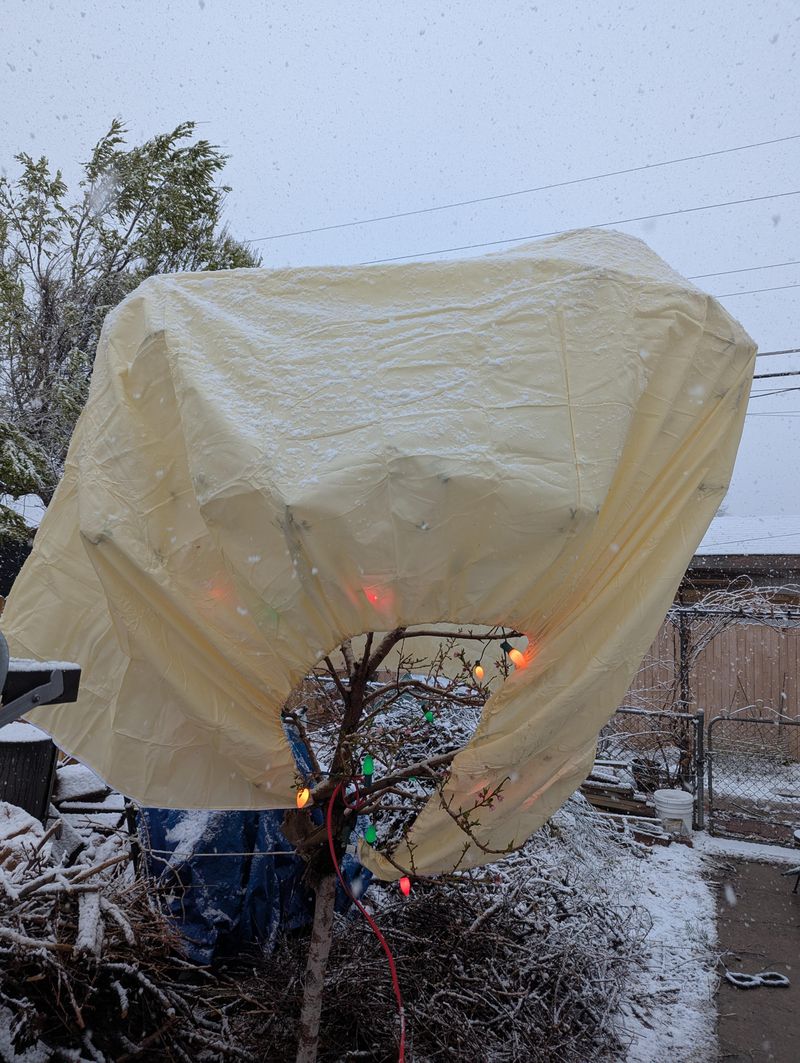
Draping fabric over your trees might look a bit odd to neighbors, but it creates a surprisingly effective barrier against radiating heat loss. The air trapped between cloth and branches acts like insulation, often keeping temperatures several degrees warmer than the surrounding garden.
Even a few degrees can mean the difference between healthy buds and blackened, damaged tissue that won’t produce fruit.
Lightweight frost blankets work better than old bedsheets because they allow some air circulation while blocking cold. Secure the fabric all the way to the ground with stakes or heavy rocks, creating a tent that holds warmer soil heat near the tree.
For dwarf trees or young plantings, this technique works remarkably well and requires minimal materials.
Remove coverings each morning once temperatures climb above freezing so trees don’t overheat or develop moisture problems underneath. Leaving fabric on during sunny days can actually cook tender buds or encourage fungal issues in Oregon’s damp spring climate.
Your Oregon Garden Changes Every Week. Your Plan Should Too.
Gardening in Oregon changes quickly throughout the season. Every Friday you’ll receive a simple weekly plan showing exactly what to plant, prune, fertilize, harvest, and protect so you never miss the right timing.
The process feels tedious when you’re covering and uncovering trees for several nights running, but your summer harvest will reflect that effort when branches hang heavy with developing fruit instead of showing empty stems where flowers should have been.
3. Water The Soil Before A Freeze
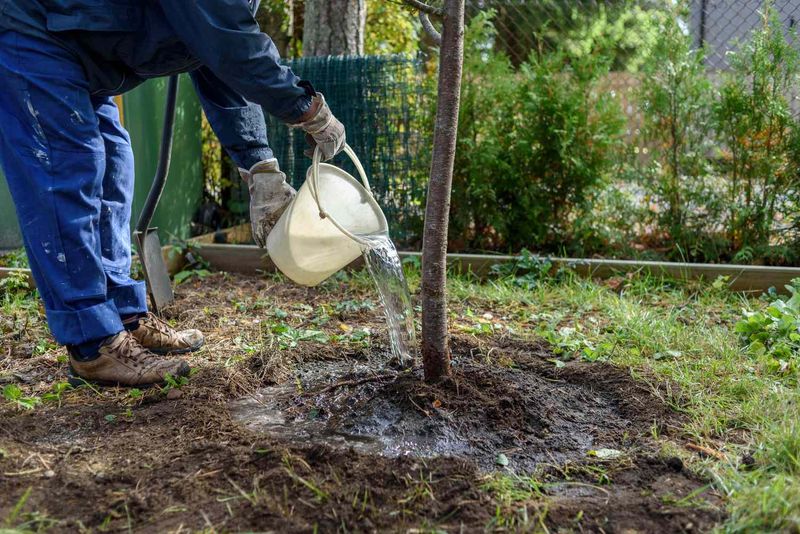
Wet soil holds heat far better than dry ground, which sounds counterintuitive until you understand how thermal mass works. During the day, moisture in the soil absorbs warmth from sunlight, then slowly releases that stored heat overnight.
Dry soil loses temperature quickly once the sun sets, leaving your tree roots and lower branches exposed to colder conditions than necessary.
Water thoroughly the afternoon before an expected freeze, soaking the ground out to the tree’s drip line where feeder roots spread. You want the top six inches of soil genuinely moist but not waterlogged or puddled.
This technique works especially well in Oregon where spring soil often dries out between rain events, and gardeners sometimes forget to check moisture levels during those deceptively warm late-winter weeks.
Avoid watering frozen ground or waiting until evening when temperatures have already started dropping. Cold water on cold soil does nothing helpful and can actually stress trees further.
The goal is giving soil time to absorb moisture and capture daytime warmth before night arrives.
This simple step can raise the temperature around your tree’s base by several degrees, providing crucial protection for lower buds and the critical graft union on younger trees that remains vulnerable to freeze damage.
4. Use Mulch To Hold Ground Warmth
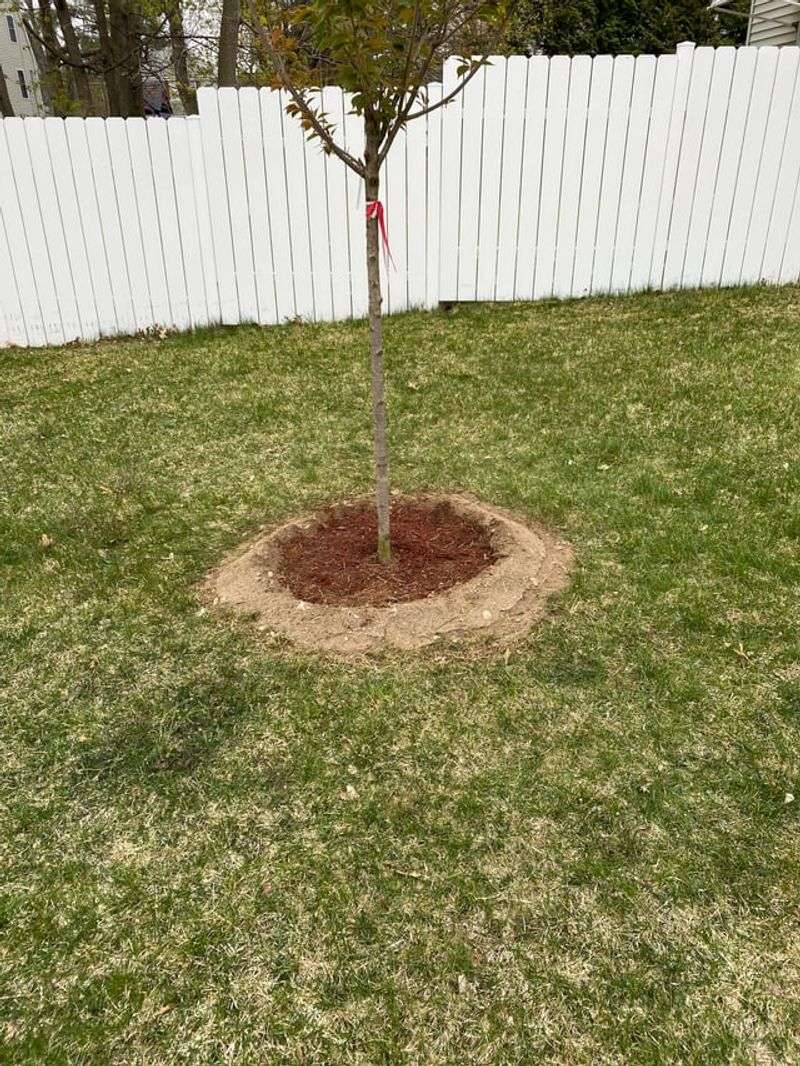
A thick blanket of organic material around your tree’s base works like a thermal battery throughout cold snaps. Wood chips, straw, or aged compost create an insulating layer that moderates soil temperature swings, keeping roots warmer and encouraging that stored ground heat to radiate upward around lower branches.
The effect is subtle but measurable, especially during those marginal freeze nights when just a degree or two makes all the difference.
Spread mulch in a donut shape around the trunk, keeping material a few inches away from the bark itself to prevent moisture problems and rodent damage. Aim for a three-to-four-inch depth extending out past the drip line.
Oregon’s wet springs mean you want material that drains well rather than forming a soggy mat that holds too much moisture against the tree.
Apply or refresh mulch layers in late winter before bud swell begins, giving it time to settle and start moderating soil temperatures. Bare soil loses heat rapidly on clear nights when radiational cooling is strongest, while mulched ground maintains more stable conditions.
This protection extends beyond just frost prevention too, helping conserve moisture during dry spells and suppressing weeds that compete with your fruit trees for nutrients and water throughout the growing season ahead.
5. Protect Small Trees With Frost Cloth
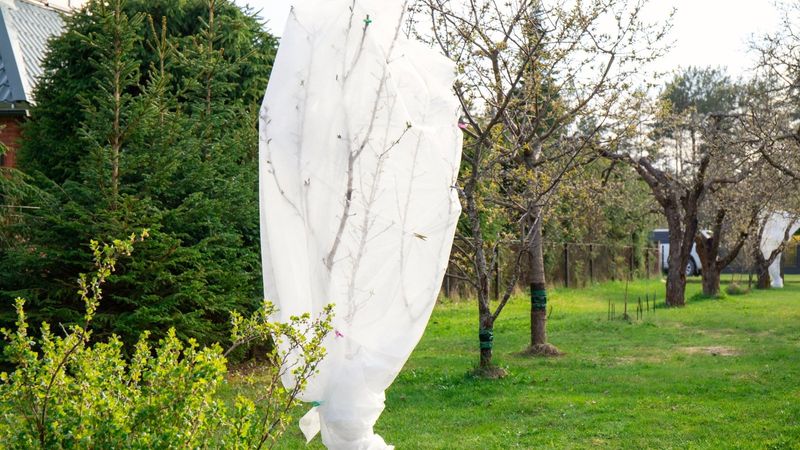
Young trees and newly planted specimens need extra attention because their smaller size makes complete protection actually achievable.
Unlike mature trees where you can only protect portions of the canopy, a dwarf apple or young cherry can be entirely enclosed in protective fabric, creating a microclimate that stays several degrees warmer than surrounding air.
This full-coverage approach gives vulnerable young buds the best possible chance of surviving unexpected cold.
Commercial frost cloth designed for agriculture works better than improvised materials because it allows light and some air movement while trapping heat. Drape fabric over the entire tree, securing it at ground level to capture rising warmth from the soil.
Bamboo stakes or tomato cages can support the cloth and prevent it from crushing delicate branches, especially when wet from Oregon’s frequent spring drizzle.
Plan to keep cloth handy from late February through April, ready to deploy whenever forecasts show concerning temperatures.
Small trees are an investment in future harvests, and protecting them during vulnerable early years pays off tremendously as they mature.
The extra effort of covering young plantings carefully seems minor compared to losing a year’s growth or suffering setback from severe frost damage that weakens the entire tree and delays fruit production for another season or more.
6. Avoid Pruning Before Cold Weather
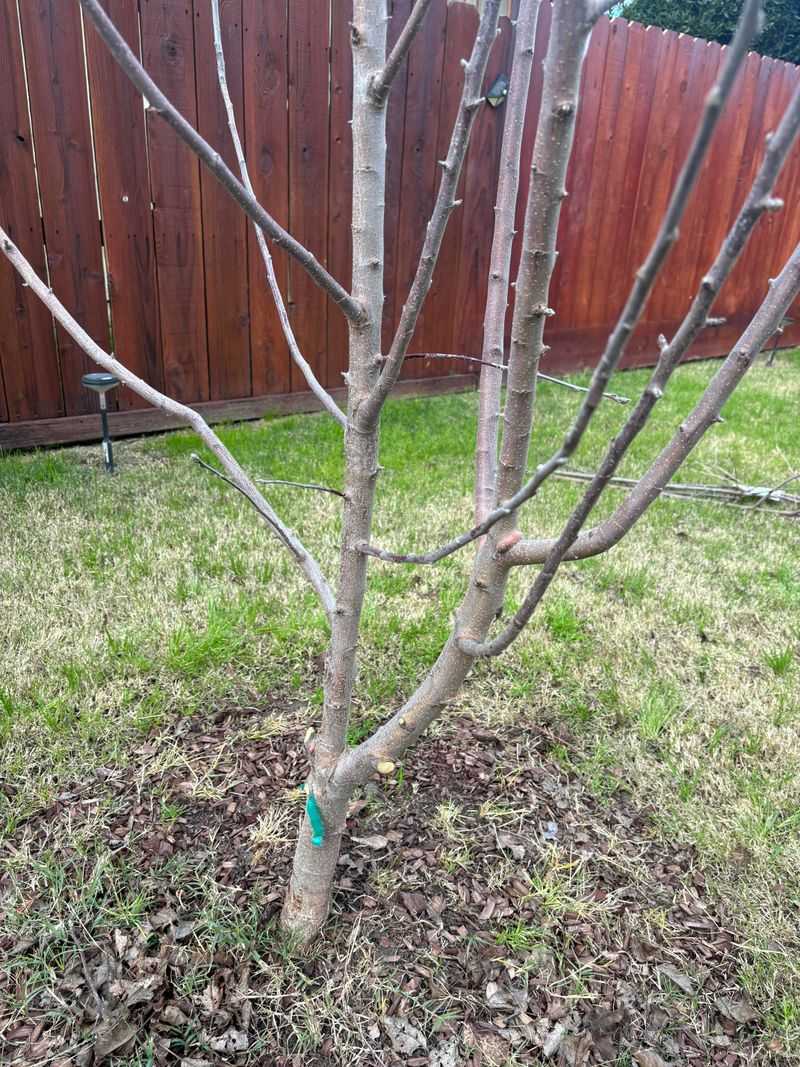
Those sunny February days make you want to grab pruning shears and start shaping fruit trees, but early pruning actually increases frost vulnerability in surprising ways.
Cutting stimulates new growth, and fresh tender shoots are far more susceptible to freeze damage than dormant wood.
Pruning also removes some of the tree’s natural insulation, opening up the canopy and exposing interior buds to colder temperatures and wind.
Wait until after your area’s typical last frost date to do major pruning work, usually mid-to-late April in most Oregon valleys.
Light maintenance cuts are fine, but save significant shaping and thinning for when genuine spring has arrived and overnight temperatures stay consistently above freezing.
This timing protects both existing buds and prevents triggering premature growth that cold snaps could damage.
If you’ve already pruned and then realize frost threatens, focus protection efforts on the areas you cut, where fresh wounds and nearby buds face the greatest risk.
The temptation to prune early is strong after a few warm days make winter feel finished, but Oregon’s weather rarely follows a predictable schedule.
Patience with your pruning timing means you won’t accidentally sabotage your own frost protection efforts by stimulating vulnerable new growth right before temperatures plummet unexpectedly during those tricky transition weeks between winter dormancy and true spring growth.
7. Add Gentle Heat When Temperatures Drop
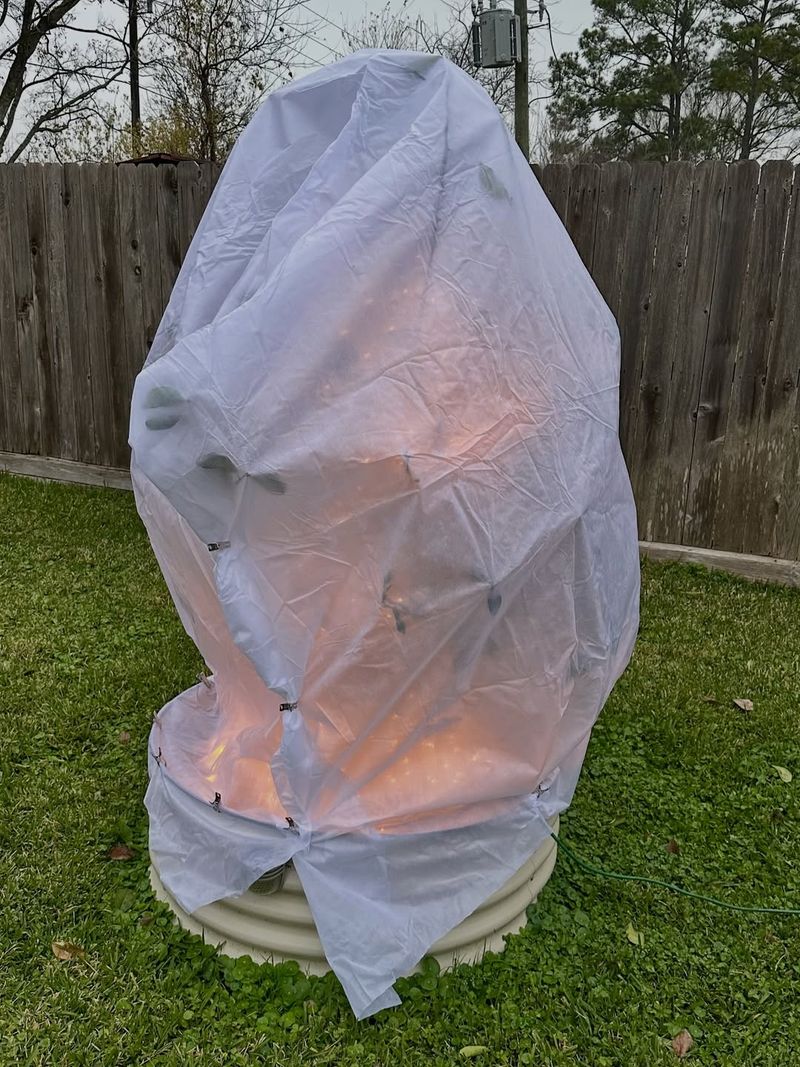
Sometimes passive protection isn’t quite enough, and adding a small heat source makes the crucial difference on the coldest nights.
Old-fashioned incandescent Christmas lights generate surprising warmth when strung through tree branches, creating enough heat to keep buds above damaging temperatures.
The lights need to be the traditional kind that actually produce heat, not LED versions that stay cool and provide no thermal benefit.
Wrap light strings loosely through the canopy, focusing on areas where buds are most developed and vulnerable. Combine lights with frost cloth for maximum effect, trapping the generated warmth around branches rather than letting it dissipate into open air.
This method works best for smaller trees or specific sections of larger trees where you can concentrate protection efforts where they matter most.
Monitor conditions throughout the night if possible, especially if temperatures drop lower than forecasted.
Commercial orchards sometimes use wind machines or sprinkler systems for frost protection, but home gardeners can achieve good results with simpler approaches.
The combination of lights and coverings can maintain temperatures several degrees warmer than ambient air, enough to prevent cellular damage in tender buds.
Remove lights and coverings promptly the next morning to prevent overheating, and store everything carefully for the next freeze warning that will inevitably arrive before Oregon’s fruit trees are safely past their vulnerable blooming period.