The 7 Best Flower Bulbs To Plant In Oregon This Spring
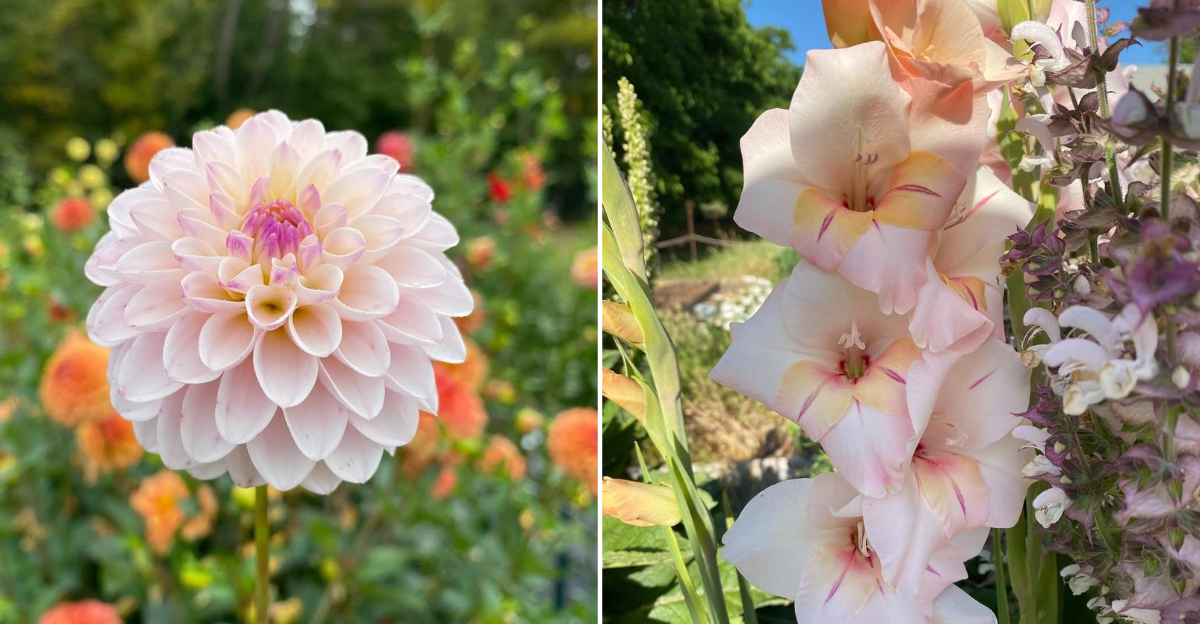
Spring in Oregon isn’t just about rain, it’s about gardens waking up in bursts of color. Flower bulbs are like little packets of magic, lying quietly underground before suddenly popping up with vibrant blooms.
Plant the right ones now, and your garden will reward you with waves of petals, fresh scents, and a cheerful mood boost for months.
Some bulbs spread quickly, others offer tall, dramatic flowers that steal the spotlight, and a few surprise with unexpected hues that make every visit outside feel like a celebration. Let’s take a closer look at these stunning spring options!
1. Gladiolus
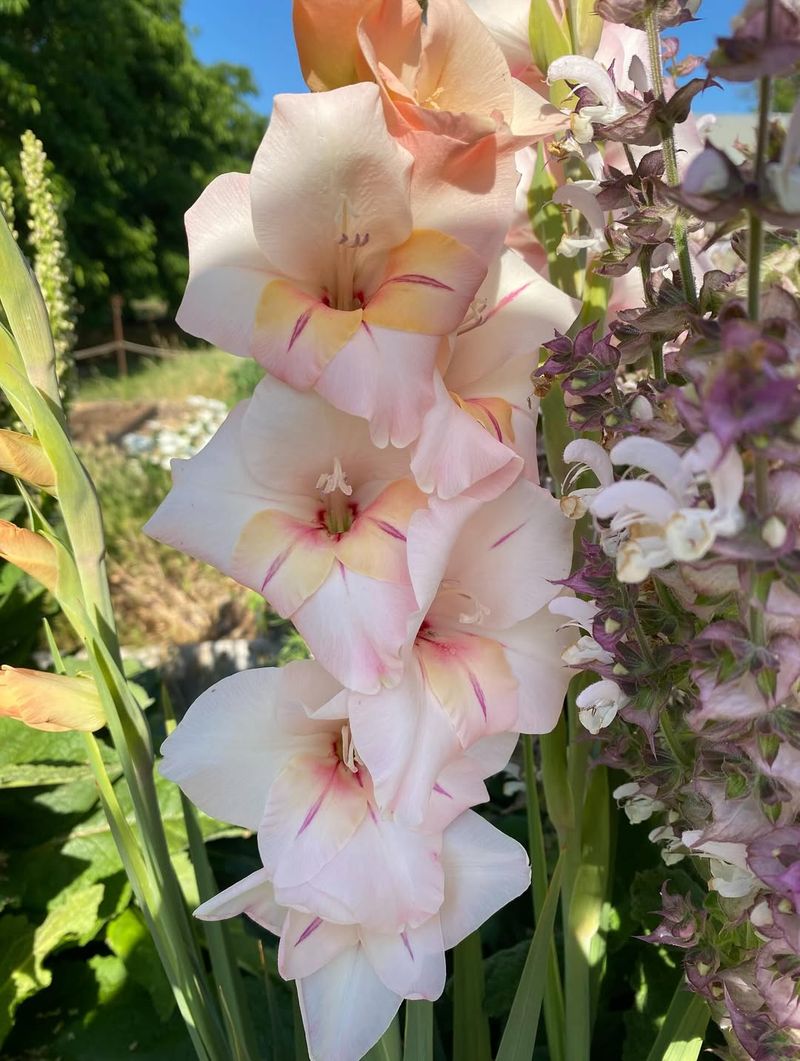
When the soil warms up in April and you start seeing neighbors outside again, that’s your signal to get gladiolus in the ground. These tall spikes of ruffled blooms are one of summer’s most dramatic flowers, and they’re surprisingly easy to grow in Oregon’s climate.
Gladiolus corms need well-drained soil because our spring rains can rot them if they sit in puddles. Plant them about four inches deep in a sunny spot, and consider staggering your planting every two weeks through May for continuous blooms all summer long.
The tall stems will need staking in exposed areas where our coastal winds can topple them.
One mistake gardeners make is planting them all at once and getting one big flush of flowers that’s over too quickly. Instead, think of gladiolus as a succession crop, plant a dozen corms every other week, and you’ll have fresh cut flowers from July through September.
They come in almost every color imaginable, from deep burgundy to peachy coral to pure white.
In western Oregon, you can leave them in the ground if your winters are mild, but most gardeners dig them up after the first frost, dry the corms, and replant next spring. This also prevents disease buildup in our damp soils.
2. Lilies
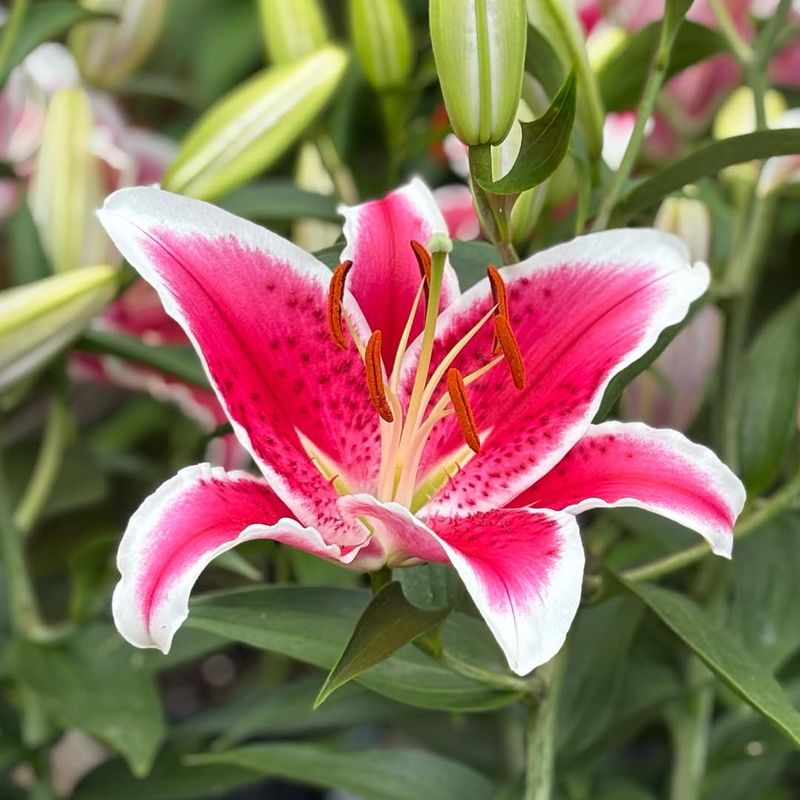
Few things smell as incredible as Oriental lilies on a warm July evening, and both Asiatic and Oriental types absolutely love Oregon’s growing conditions.
Our cool nights and moderate summers keep the blooms lasting longer than they would in hotter climates, which means you get more enjoyment from each stem.
Asiatic lilies bloom first, usually in June, with upward-facing flowers in bright, cheerful colors. They’re unscented but incredibly reliable and multiply quickly in Oregon gardens.
Oriental lilies follow in July and August with those huge, fragrant blooms that make you stop and breathe deeply every time you walk past them.
Plant lily bulbs as soon as you can work the soil in spring, about six inches deep with the pointed end up. They need good drainage, if your soil is heavy clay, add compost or plant them in raised beds.
A common mistake is planting them too shallow, which makes them unstable as they grow tall and top-heavy.
Lilies are prone to lily beetles in some Oregon areas, so check the stems regularly and hand-pick any bright red beetles you find. Mulch around them to keep the roots cool and moist, but keep mulch away from the stems to prevent rot in our wet springs.
Your Oregon Garden Changes Every Week. Your Plan Should Too.
Gardening in Oregon changes quickly throughout the season. Every Friday you’ll receive a simple weekly plan showing exactly what to plant, prune, fertilize, harvest, and protect so you never miss the right timing.
3. Dahlias
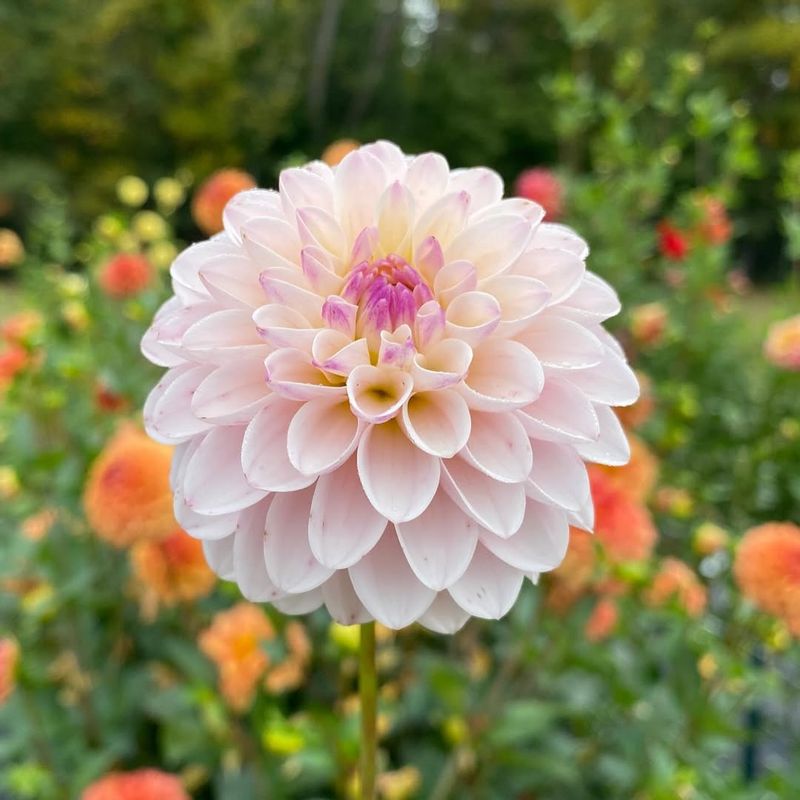
Once you see dahlias thriving in Portland’s test gardens or at the coast, you realize why Oregon gardeners are absolutely obsessed with these tubers.
Our long, cool growing season gives them months to produce those dinner-plate-sized blooms that seem almost unreal in their perfection and variety.
Wait until mid-April or early May to plant dahlia tubers, they’ll rot in cold, wet soil, so patience pays off. Plant them about six inches deep in full sun with the eye (growing point) facing up, and don’t water until you see shoots emerging.
This seems counterintuitive, but it prevents rot during our unpredictable spring weather.
Dahlias are heavy feeders and benefit from regular fertilizing once they start blooming. Stake them early, especially the tall dinner-plate varieties, because summer winds can snap stems loaded with huge flowers.
Pinching out the center growing tip when plants are about a foot tall encourages bushier growth and more blooms.
The biggest challenge in Oregon is slugs, they love dahlia shoots and can devastate young plants overnight. Use organic slug bait or beer traps around emerging plants.
Come fall, after the first frost blackens the foliage, dig up the tubers, let them dry, and store them in a cool, dry place for replanting next spring.
4. Begonias (tuberous)
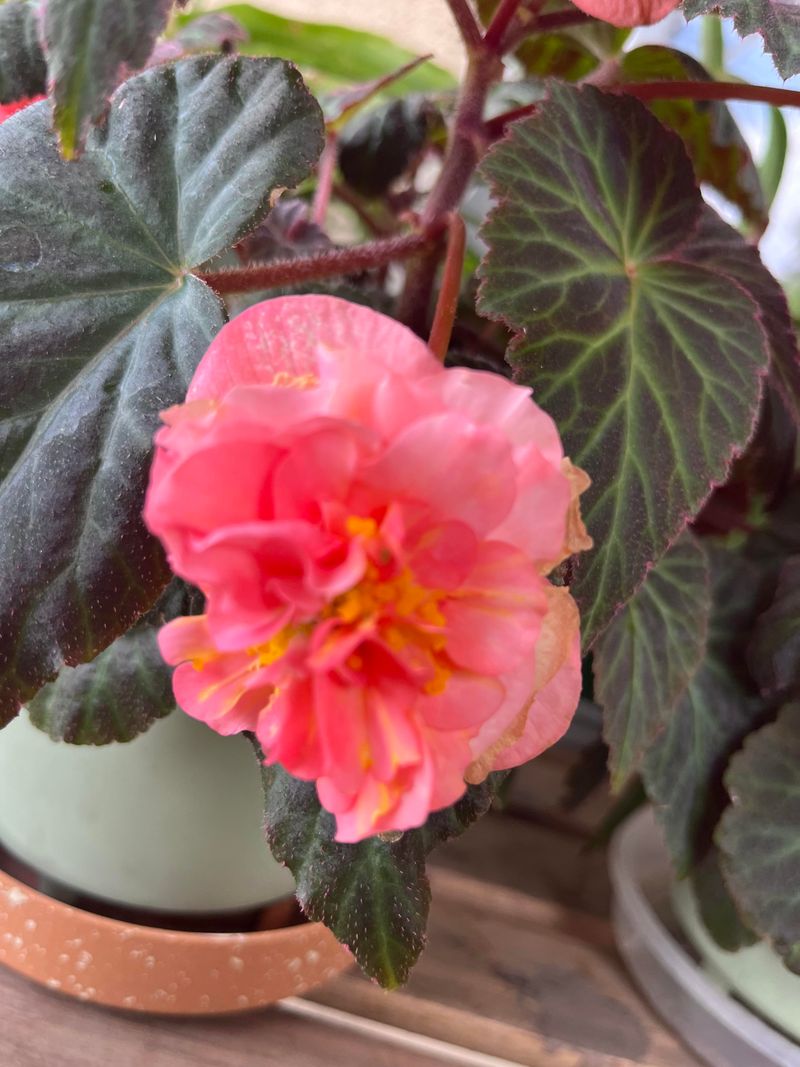
If you’ve got a shady spot that feels like a gardening challenge, tuberous begonias are about to become your new favorite solution.
While most flowering bulbs demand full sun, these beauties actually prefer the dappled shade under trees or on north-facing porches, conditions we have plenty of in Oregon.
Start tuberous begonias indoors in March by placing them hollow-side up in trays of moist potting soil. Keep them in a bright, warm spot and water sparingly until shoots appear.
Once nights stay above 50 degrees, usually mid-May in most of Oregon, you can move them outside to their shady homes.
The flowers look almost artificial with their perfect rose-like petals in vibrant colors that glow even in low light. They bloom continuously from early summer until fall frost, and they actually perform better in our cool, moist climate than in hot, dry regions.
Hanging basket varieties create cascading displays perfect for covered porches.
Water them consistently but never let them sit in soggy soil—good drainage is essential. Begonias are sensitive to powdery mildew in our humid climate, so give them enough air circulation and avoid overhead watering.
Before fall frost, reduce watering, let the foliage go back naturally, then dig up the tubers and store them dry until next spring.
5. Crocosmia
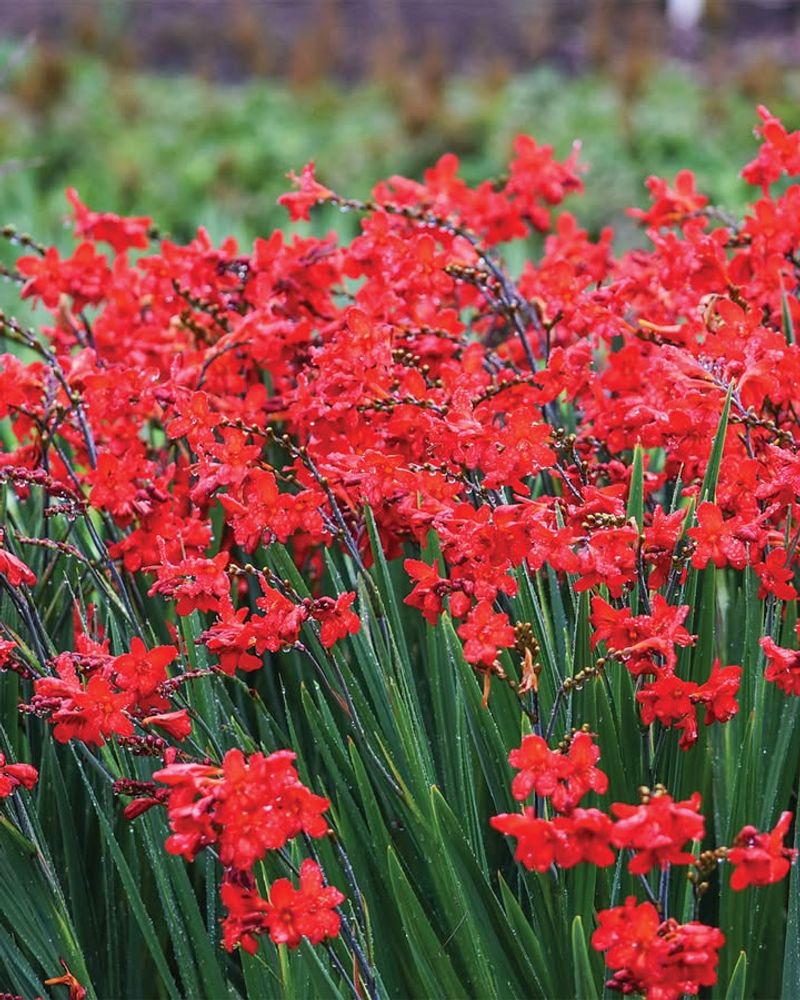
Walk through any established Oregon garden in August and you’ll likely spot crocosmia’s fiery orange or red blooms arching gracefully above sword-shaped leaves.
These South African natives have naturalized beautifully here because they actually appreciate our winter moisture and don’t mind our clay soils as much as fussier bulbs do.
Plant crocosmia corms in spring about three inches deep and four inches apart in groups for the best visual impact. They’ll grow in full sun or part shade, though you’ll get more blooms with at least six hours of sunlight.
Unlike many bulbs, crocosmia doesn’t need perfect drainage and can handle heavier soils just fine.
The arching stems of tubular flowers are hummingbird magnets, and watching these tiny birds visit throughout summer is an added bonus.
Crocosmia multiplies enthusiastically, sometimes too enthusiastically, so be prepared to divide clumps every few years if they start crowding out neighbors.
Some gardeners consider them invasive, but in controlled settings they’re spectacular.
Once established, crocosmia is remarkably low-maintenance and survives Oregon winters without any protection in most areas. The foliage can look ratty by late fall, so cut it back after it goes down.
Varieties like ‘Lucifer’ are especially vigorous and reliable, producing brilliant red-orange flowers that light up the late summer garden when many other plants are fading.
6. Allium (spring-planting types)
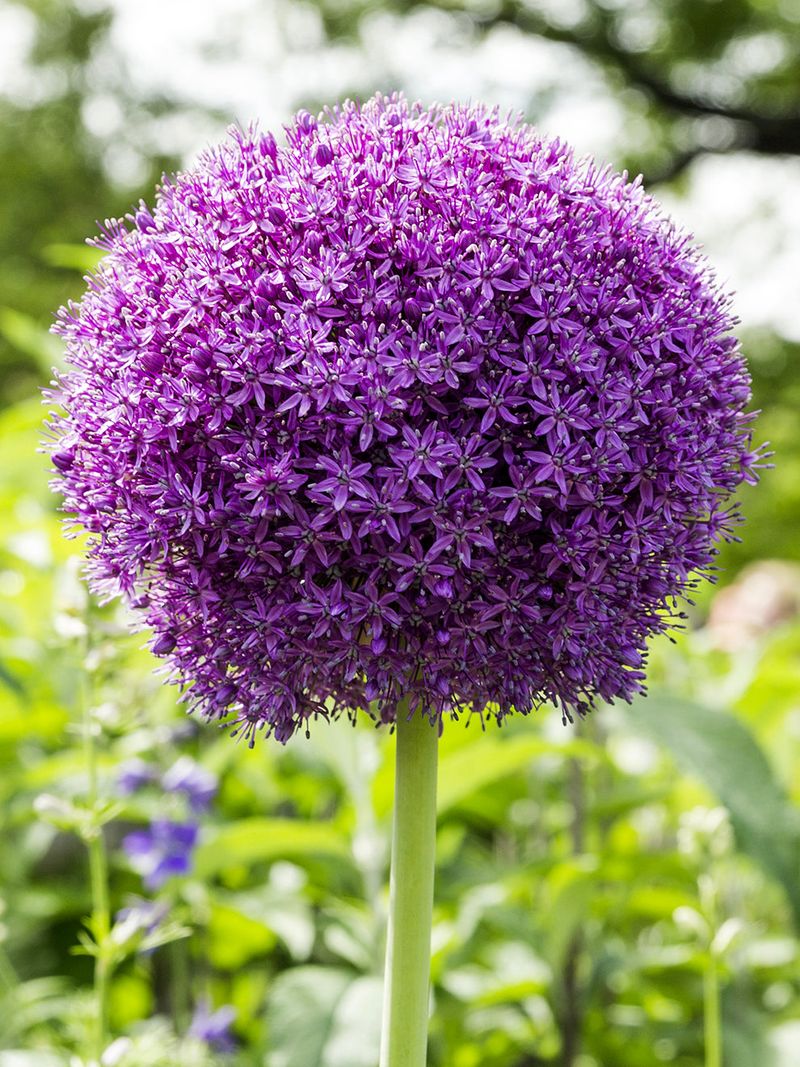
Most gardeners think of alliums as fall-planted bulbs, but several varieties do beautifully when planted in spring and bloom that same summer.
These architectural globes of purple, white, or pink flowers add a sculptural element that makes your garden feel more designed and intentional, even if you’re really just winging it.
Spring-planted alliums like ‘Millenium’ and summer-blooming drumstick alliums go in the ground around the same time as gladiolus, when soil temperatures reach the mid-50s. Plant them about four inches deep in well-drained soil with full sun.
They’re actually ornamental onions, so they’re naturally resistant to deer and rabbits, which is helpful in many Oregon neighborhoods.
The spherical flower heads dry beautifully on the stem, adding winter interest long after the blooms fade. Bees and butterflies absolutely love them, making them excellent pollinator plants for eco-conscious gardeners.
They pair wonderfully with roses and perennials, and their vertical form contrasts nicely with mounding or sprawling plants.
Alliums need decent drainage, so if you’re gardening in heavy Willamette Valley clay, amend your soil with compost or plant them in raised beds.
They’re remarkably low-maintenance once established and often naturalize, coming back year after year with minimal care.
Let the foliage wither back naturally after blooming to feed the bulbs for next year’s display.
7. Anemone (De Caen / poppy anemone)
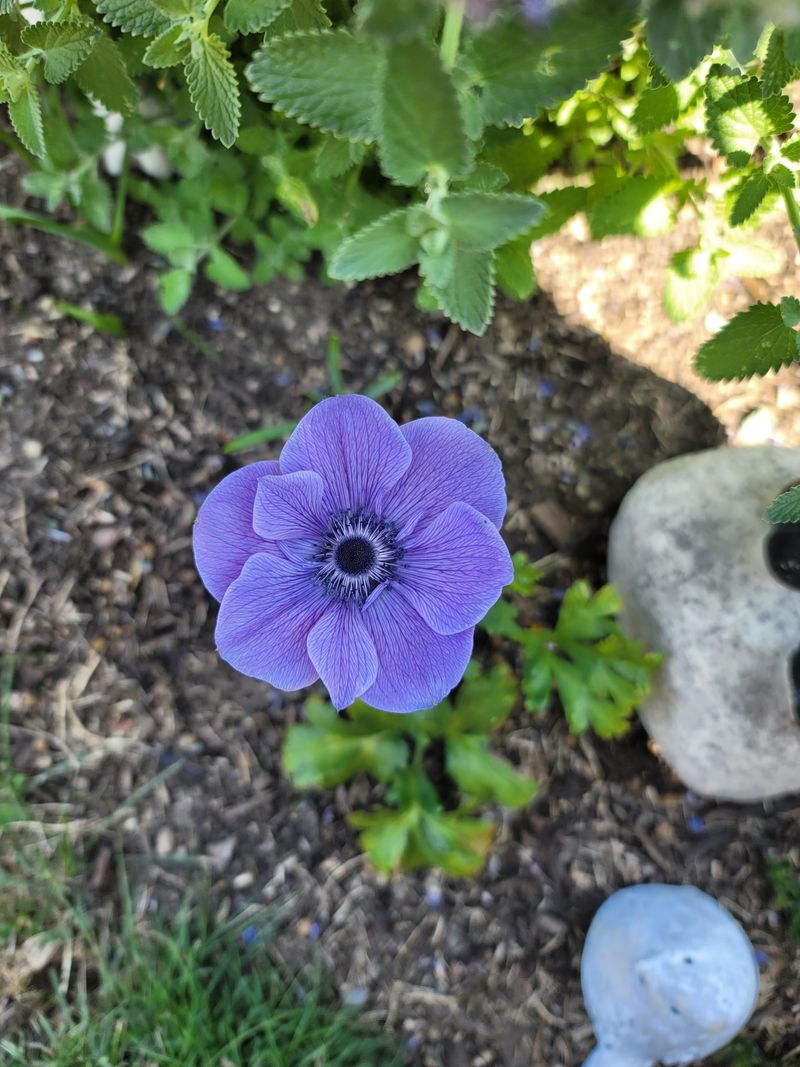
There’s something almost magical about poppy anemones with their tissue-paper petals and dramatic black centers, they look like they belong in a cottage garden painting.
These spring-blooming beauties are perfect for Oregon because they love cool weather and actually prefer our mild springs to hot, dry climates where they struggle.
Soak the dried corms overnight before planting to wake them up, then plant them about two inches deep in early spring. They’re not fussy about soil as long as it drains reasonably well.
Many gardeners don’t realize you can also plant them in fall for even earlier spring blooms, but spring planting works beautifully and gets you flowers by late spring or early summer.
The color range is stunning, deep reds, purples, pinks, and pure whites, all with those striking dark centers that make them instantly recognizable. They’re outstanding cut flowers and last well in vases, so plant extras specifically for bringing indoors.
In Oregon’s climate, they often reseed and naturalize, creating drifts of color that expand over time.
Anemones can handle part shade, making them versatile for different garden spots. They go dormant in summer after blooming, so plant them where their dying foliage won’t be too noticeable, perhaps among emerging perennials that will fill in as the anemones fade.
They’re generally winter-hardy in western Oregon but may need mulch protection in colder inland areas.