These Ohio Plants Were Hit Hardest By The Late January Deep Freeze
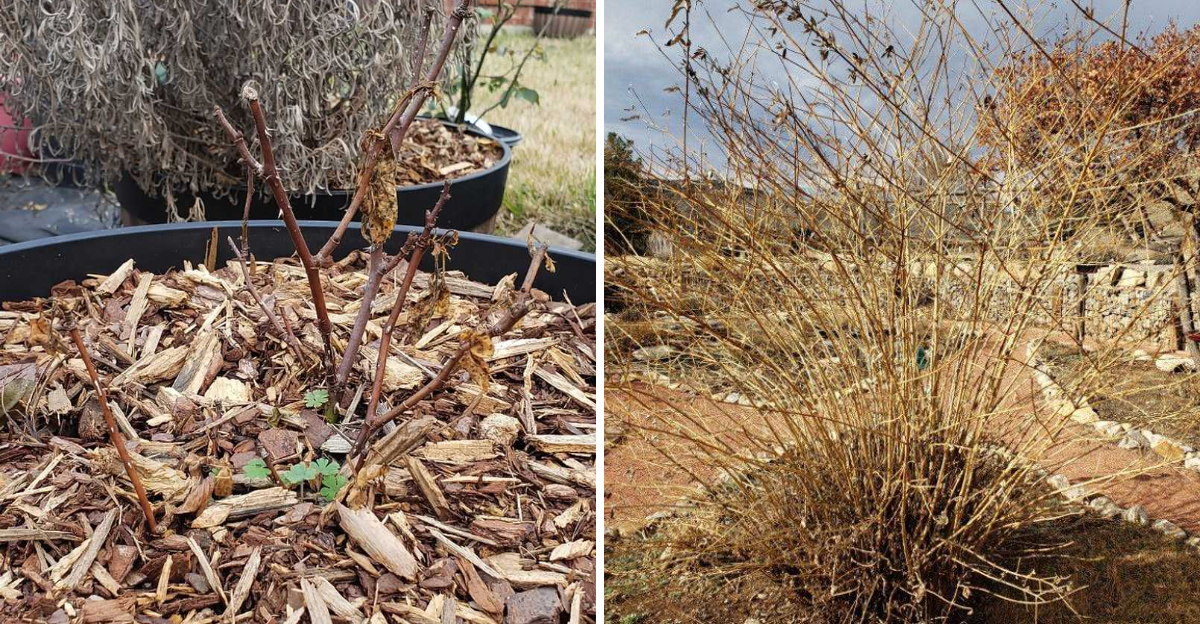
Late January’s deep freeze left many Ohio gardens looking worse for wear. Hardy perennials, shrubs, and even some trees didn’t stand a chance against the extreme cold.
Walking through yards now, it’s easy to spot brown leaves, wilted stems, and plants that look completely beaten down.
For gardeners, it raises the question: what survived, what needs extra care, and which plants were hit the hardest?
Understanding which species struggled most can help you prioritize recovery, protect what’s left, and plan for a stronger, healthier garden this spring.
Even in the face of frost damage, a little knowledge and care can help your plants bounce back and keep your garden looking vibrant.
1. Bigleaf Hydrangeas Lost Their Spring Flower Buds
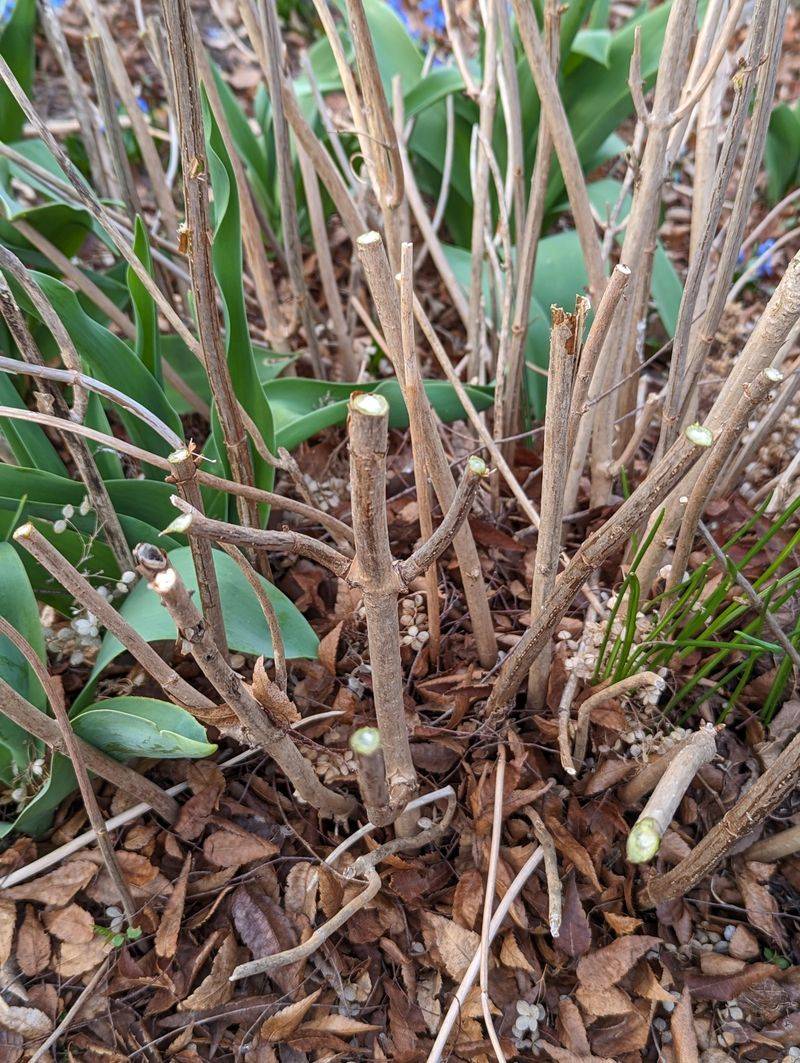
Gardeners who grow bigleaf hydrangeas know the heartbreak of losing a season of blooms to winter cold. Unlike other hydrangea types, bigleaf varieties set their flower buds in late summer and carry them through winter on old wood.
When temperatures drop suddenly into the single digits or below, those tender buds freeze and turn brown, which means fewer or no flowers come June.
The late January freeze hit these plants especially hard because some buds may have begun to swell after earlier mild weather. Exposed buds on the outer branches took the worst damage, while those closer to the center or protected by snow cover may have survived.
Northern Ohio gardens saw more bud loss than southern areas, but even sheltered spots experienced some injury.
You’ll notice the damage when you inspect stems closely in early spring. Healthy buds feel plump and green inside when gently scratched, while frozen buds appear brown and dry.
Don’t rush to prune damaged stems right away, because even injured plants can produce some blooms from buds that were better protected.
Bigleaf hydrangeas are naturally prone to winter bud loss in Ohio’s climate, which is why many gardeners choose newer reblooming varieties that flower on both old and new wood. These types recover better from cold snaps because they can produce blooms on fresh growth even if winter buds were damaged.
For traditional varieties, patience is key, and next winter consider adding extra mulch around the base and wrapping exposed plants with burlap if extreme cold is forecast.
Recovery happens gradually as new foliage emerges in spring. Even without flowers, the plants usually leaf out normally and build strength for next year’s display.
2. Boxwoods Showed Classic Winter Burn And Bronzing
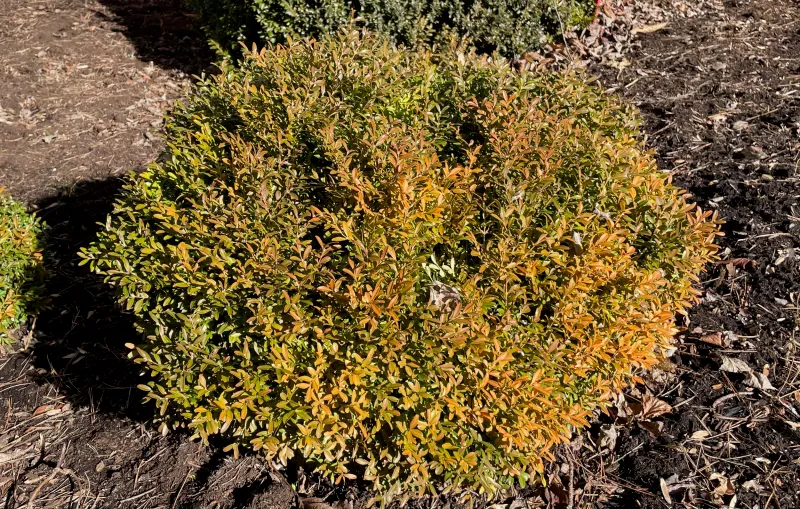
Few sights frustrate Ohio gardeners more than watching their once-green boxwoods turn bronze or brown after a harsh cold snap. Winter burn on boxwoods happens when frozen soil prevents roots from taking up water while cold, dry winds pull moisture from the leaves.
The result is foliage that looks scorched, especially on the windward side of the plant or the top growth that sits above the snow line.
The late January freeze created perfect conditions for this type of injury. Soil froze solid across much of the state, and strong northwest winds battered exposed plantings for several days.
Your Ohio Garden Changes Every Week. Your Plan Should Too.
Gardening in Ohio changes quickly throughout the season. Every Friday you’ll receive a simple weekly plan showing exactly what to plant, prune, fertilize, harvest, and protect so you never miss the right timing.
Boxwoods planted in foundation beds on the north or west side of buildings took the hardest hit, while those tucked into protected courtyards or backed by fences often came through with less damage.
What you’re seeing now is primarily desiccation injury rather than deep stem cold damage. The bronze or brown color develops when leaf tissue loses too much moisture and the cells collapse.
In most cases, the stems and interior growth remain healthy, and new foliage will cover the damaged leaves as spring arrives.
Resist the urge to prune immediately, because it’s hard to tell how far the damage extends until new growth begins. Wait until mid to late April when you can clearly see which stems are producing fresh green leaves.
Damaged foliage often falls off naturally as new growth pushes through.
To help your boxwoods recover, water them deeply once the soil thaws if spring rains are scarce. Avoid fertilizing too early, which can stress plants that are already working hard to replace damaged tissue.
For next winter, consider wrapping valuable specimens with burlap or applying anti-desiccant spray before extreme cold arrives.
3. Lavender Struggled With Cold And Winter Moisture
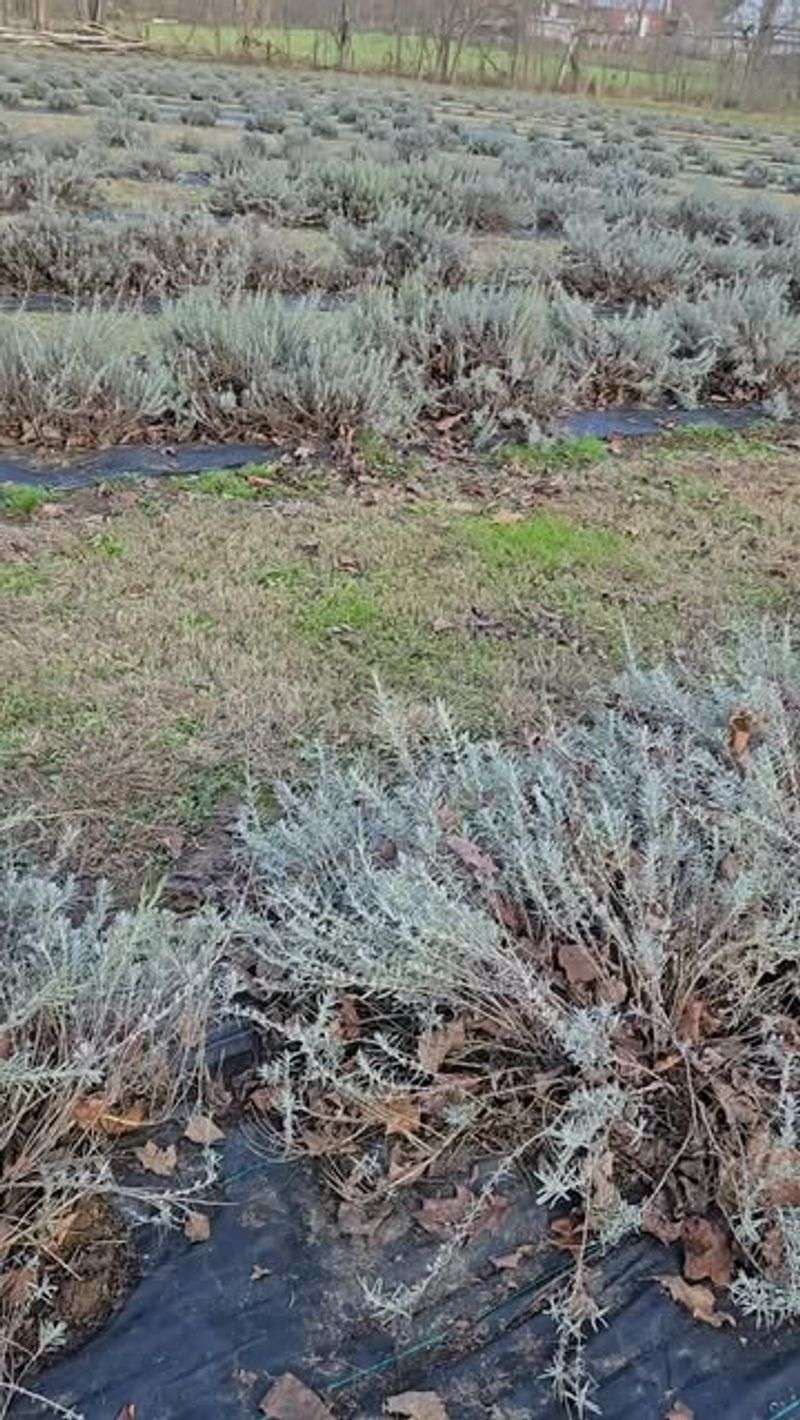
Lavender’s Mediterranean origins make it a challenging plant for Ohio winters even in mild years, and extreme cold combined with winter moisture likely stressed many plantings. While lavender can handle cold temperatures when conditions are dry, the combination of extreme cold, frozen soil, and fluctuating moisture levels created stress that many plants couldn’t overcome.
English lavender varieties generally fare better than French or Spanish types, but even hardy selections showed damage this year.
The problem starts with lavender’s preference for excellent drainage and relatively dry winter conditions. Ohio’s freeze-thaw cycles, combined with periods of rain or melting snow, can leave soil waterlogged just as temperatures plunge.
When roots sit in cold, wet soil and then face subzero air temperatures, the plants experience stress from both ends.
You’ll notice the damage as brown, brittle stems and foliage that doesn’t green up as spring approaches. Some plants may show injury only on exposed tips, while others appear brown throughout.
The key is to wait before assuming the plant is lost, because lavender can regenerate from the base even when top growth looks completely brown.
Check for signs of life by gently scratching the bark near the base of the stems. Green tissue underneath means the plant is still alive and may produce new shoots as temperatures warm.
Avoid cutting back damaged growth until you see where new leaves emerge, usually in late April or early May.
For future winters, improve your lavender’s chances by planting in the most well-drained spot possible, preferably on a slope or in raised beds. Avoid mulching too heavily around the crown, which can trap moisture.
Consider covering plants with evergreen boughs rather than heavy mulch to provide some wind protection without creating wet conditions.
4. Butterfly Bush Experienced Heavy Winter Dieback
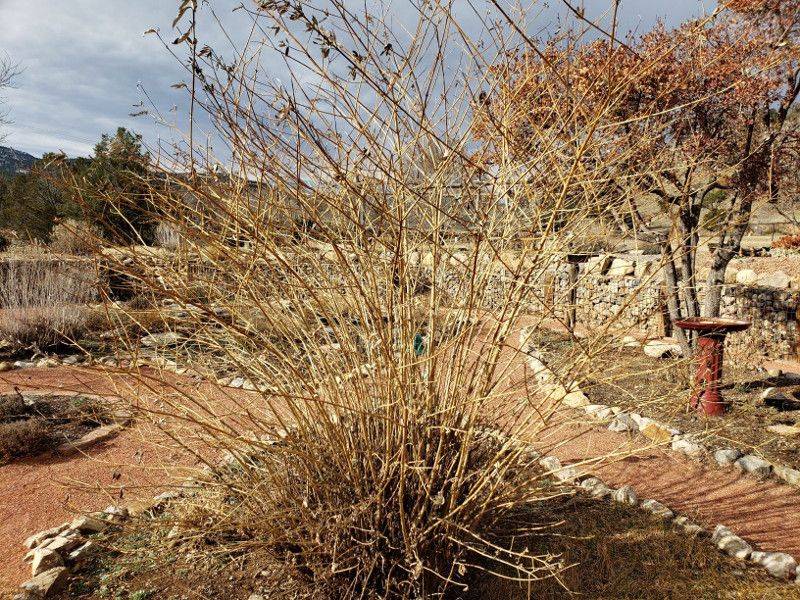
Butterfly bush naturally experiences some winter dieback in Ohio, but the late January freeze caused more extensive stem loss than usual. These fast-growing shrubs are borderline hardy in colder parts of Ohio, and severe cold often damages or eliminates top growth.
The good news is that butterfly bush has a remarkable ability to regenerate from the roots, and most plants will send up vigorous new shoots once soil temperatures warm in spring.
What makes butterfly bush vulnerable is the soft, pithy nature of its stems, which don’t harden off as thoroughly as truly cold-hardy woody plants. When temperatures drop suddenly into extreme ranges, ice crystals form inside the stem tissue and rupture cell walls.
The damage travels down from the tips, and in severe freezes, stems may be affected all the way to the ground.
Right now, your butterfly bush probably looks completely brown and lifeless, with brittle stems that snap easily. This is normal for Ohio after a hard freeze, and it doesn’t necessarily mean the plant won’t return.
The roots are typically much hardier than the top growth, especially if the plant was mulched or had snow cover during the coldest nights.
Wait until mid to late April before cutting back damaged stems. Look for green tissue or small buds emerging from the base of the plant or lower on the stems.
Once you see where new growth is starting, cut withered wood back to just above those points. Even if nothing emerges from the old stems, watch for fresh shoots coming up from the root zone.
Many Ohio gardeners treat butterfly bush as a perennial that comes back from the ground each year rather than as a permanent woody shrub. This approach works well and actually encourages more compact growth and heavier flowering since butterfly bush blooms on new wood produced the same season.
5. Japanese Maples Suffered Bud And Tip Damage
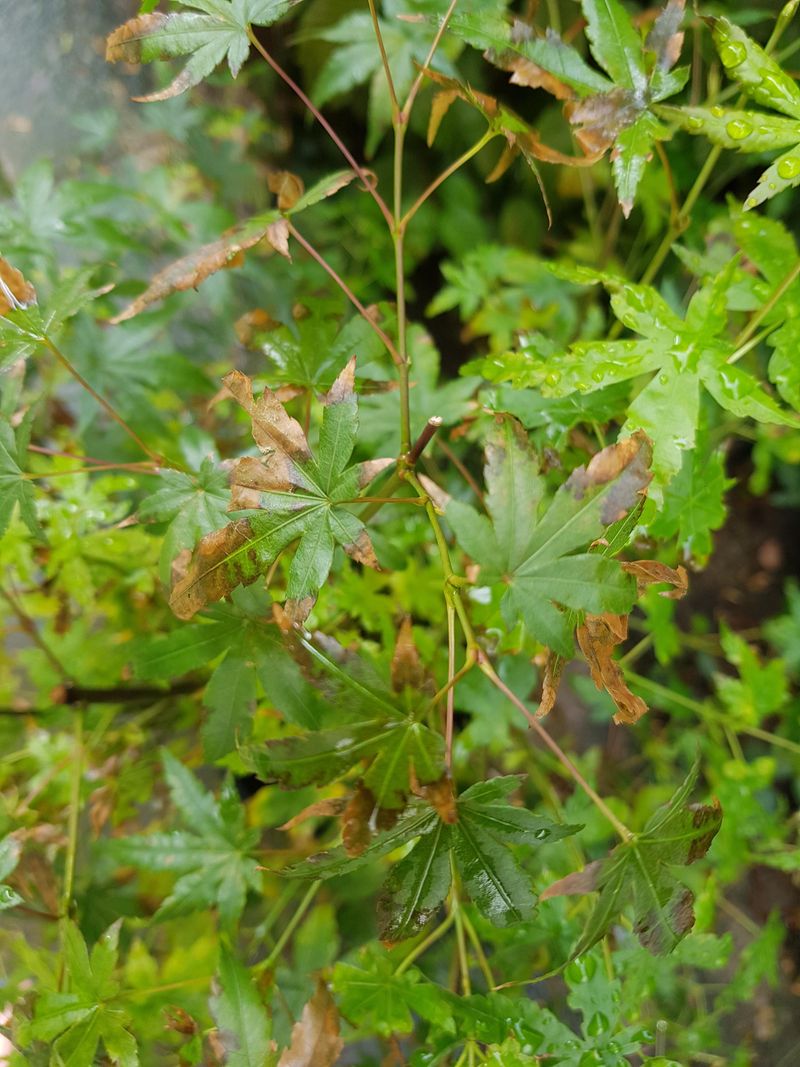
Japanese maples are treasured for their delicate foliage and graceful form, but that same delicate nature makes them vulnerable to sudden temperature extremes. The late January deep freeze caught many trees during their dormant period, but the damage shows up most clearly on tender branch tips and the buds that will produce this year’s leaves and flowers.
While mature Japanese maples are generally hardy in most of Ohio, younger trees and certain cultivars suffered more noticeable injury.
The damage occurs when extreme cold penetrates the thin bark of young branches and freezes the living tissue inside. Branch tips, which have less stored energy and thinner protective bark, are especially vulnerable.
Buds that were beginning to swell slightly after the mild early winter also took hits, and some may fail to open properly in spring.
You might notice brown or blackened tips on branches, or buds that look shriveled and dry rather than plump and ready to burst. Trees planted in exposed locations or those on the northern edge of their hardiness range showed more damage than protected specimens.
Variegated or red-leafed varieties sometimes show more cold injury than green-leafed types because some cultivars are less cold-hardy than standard green varieties.
The best approach is to wait and watch as spring unfolds. Many Japanese maples will leaf out normally from buds further down the branches, even if tip growth was damaged.
Avoid pruning until you can clearly see which branches are producing healthy new leaves, usually by mid to late May.
Most trees recover well from tip damage, though the canopy shape may look slightly irregular for a season. New growth will fill in gaps over time.
For next winter, consider wrapping the trunks of young trees with tree wrap and applying a thick layer of mulch around the root zone before extreme cold arrives.
6. Rhododendrons And Azaleas Showed Leaf Curl And Burn
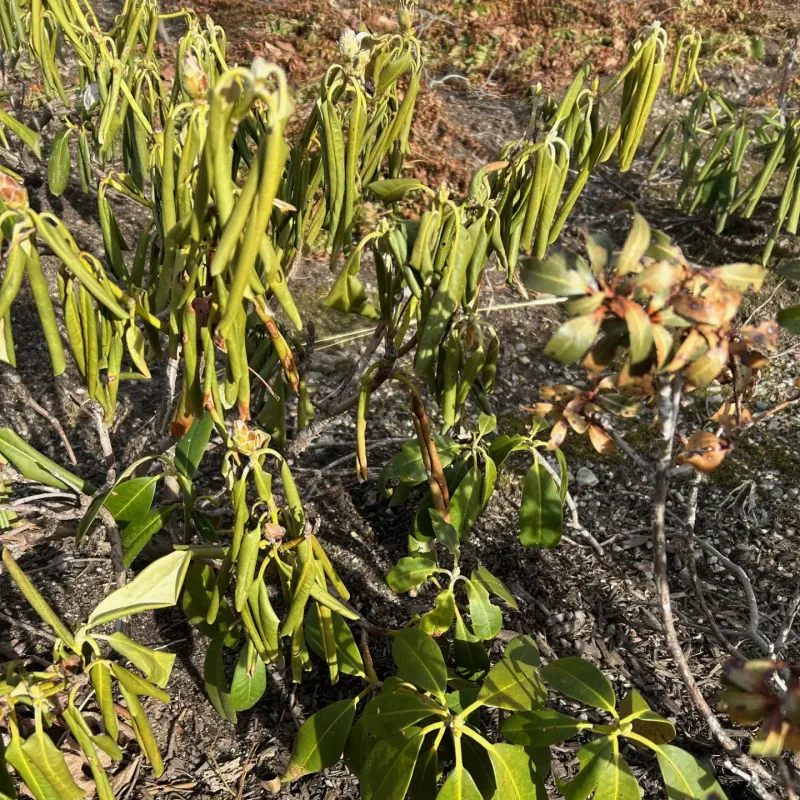
Rhododendrons have a distinctive way of showing cold stress that can alarm gardeners who aren’t familiar with their behavior. As temperatures drop, rhododendron leaves naturally curl and droop to protect themselves from moisture loss and cold damage.
This is a normal protective response, and the leaves usually unfurl once temperatures rise above freezing. However, the late January deep freeze was so severe and prolonged that, in some cases, plants progressed from protective curling into tissue damage.
What you’re seeing now is likely a combination of temporary cold response and genuine winter burn. Leaves that remain tightly curled even on warmer days, or that show brown edges and tips, have experienced desiccation injury similar to what affects boxwoods.
The frozen soil prevented roots from replacing moisture lost through the leaves, and cold, dry winds accelerated the damage.
Evergreen azaleas, which have smaller, thinner leaves than rhododendrons, often show even more dramatic browning. Deciduous azaleas typically fare better because they drop their leaves in fall, but flower buds on all types can suffer damage when temperatures drop into extreme ranges.
Northern Ohio plantings and those in exposed, windy locations experienced the most severe injury.
The good news is that both rhododendrons and azaleas are generally tough plants that can recover from winter burn as long as the stems and buds remain healthy. New growth will emerge in spring and gradually cover damaged foliage.
Severely burned leaves may drop off naturally as fresh leaves expand.
Wait until late April or early May before removing damaged foliage so you can see the full extent of recovery. Water plants deeply if spring rains are lacking, and avoid fertilizing until you see strong new growth.
For next winter, protect valuable specimens with burlap windbreaks and ensure plants go into winter well-watered, which helps them handle cold stress more effectively.
7. Roses Faced Cane Dieback And Crown Damage
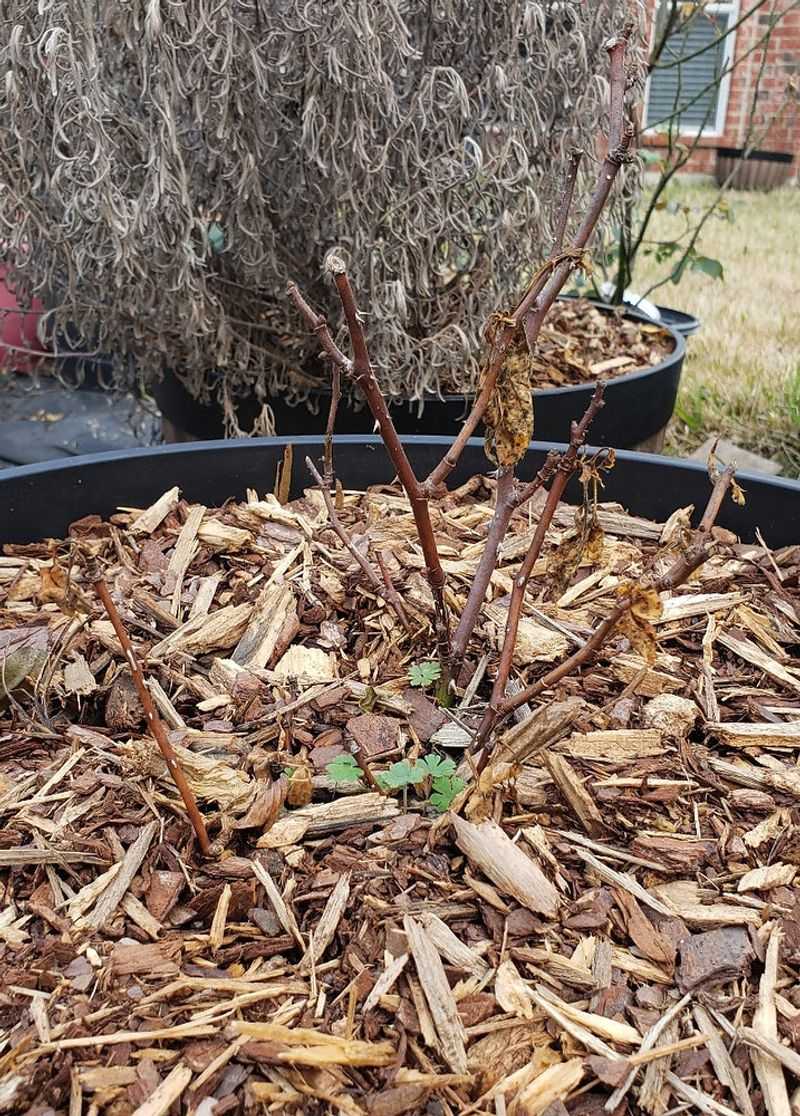
Roses vary widely in their cold hardiness, and the late January freeze reminded Ohio gardeners that not all roses are created equal when it comes to surviving extreme winter weather. Hybrid teas, floribundas, and many modern shrub roses experienced significant cane dieback, while tougher types like rugosas and many old garden roses came through with less damage.
The severity of injury depended not just on the rose type but also on how well plants were prepared for winter and how exposed they were to wind and temperature swings.
Cane dieback happens when extreme cold penetrates the bark and freezes the living tissue inside. Ice crystals rupture cell walls, and the damage travels down from the tips toward the base of the plant.
In severe cases, cold can damage the bud union or crown where the grafted rose meets the rootstock, which is the most serious type of injury because it affects the plant’s ability to produce new growth.
Right now, damaged canes appear brown or black and feel dry and brittle when you bend them. Healthy tissue is green under the bark when scratched gently with a fingernail.
The challenge is that it’s hard to tell how far down the damage extends until spring growth begins and you can see which parts of the plant are producing new shoots.
Wait until forsythia blooms in your area before pruning roses, which signals that it’s safe to cut back winter-damaged canes. Prune to healthy white or light green pith, even if that means cutting quite low on the plant.
Most roses will regenerate from healthy wood or from the bud union if it survived.
To help roses recover, gradually pull mulch away from the crown once consistent spring growth begins so the crown can warm up and start growing. Water deeply during dry spells and fertilize lightly once new growth is several inches tall.
For next winter, mound mulch or soil around the base of tender roses to protect the bud union from extreme cold.