How To Prepare Garden Soil After Pennsylvania Winter Without Damaging It
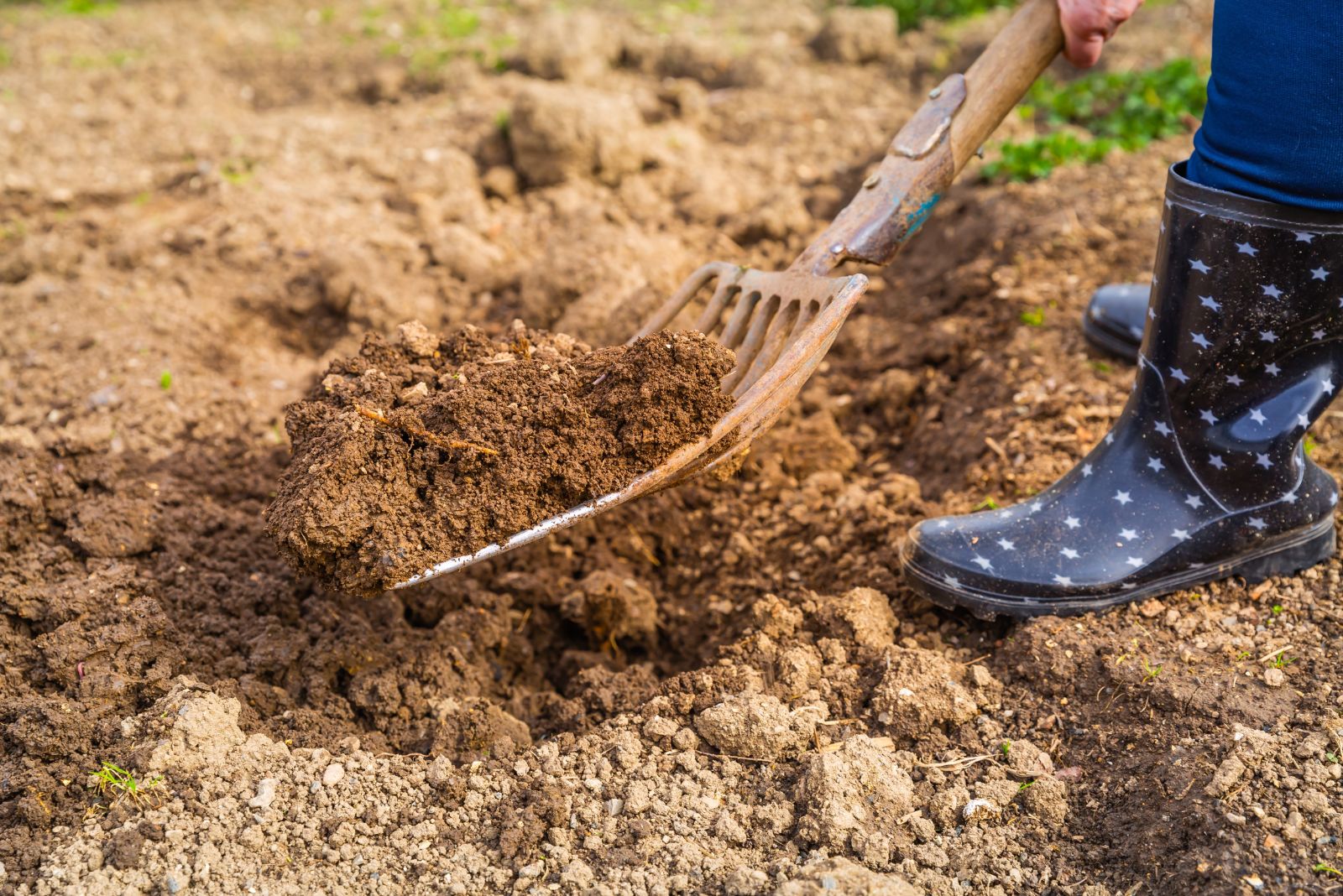
After a long Pennsylvania winter, your garden soil often looks tired, compacted, and ready for spring planting. The challenge is getting it back in shape without causing harm.
Digging, tilling, or working the soil too early can damage structure, crush beneficial organisms, or create hard clumps that make planting difficult later. The key is knowing when the soil is workable and how to treat it gently.
Simple steps like checking moisture levels, lightly loosening the top layer, and adding organic matter can rejuvenate soil without risking compaction. Avoid heavy equipment on wet ground and focus on feeding the soil rather than forcing it.
With thoughtful preparation, your beds will be ready for seeds, seedlings, and transplants, giving your plants the best chance to thrive.
Healthy soil is the foundation of a successful garden, and taking care now ensures stronger growth and a more productive season in Pennsylvania.
1. Wait For The Right Soil Temperature Before Working
Patience matters more than speed when preparing Pennsylvania garden soil after winter. Many gardeners make the mistake of jumping into their gardens too early, which compacts wet soil and creates hard clumps that last all season.
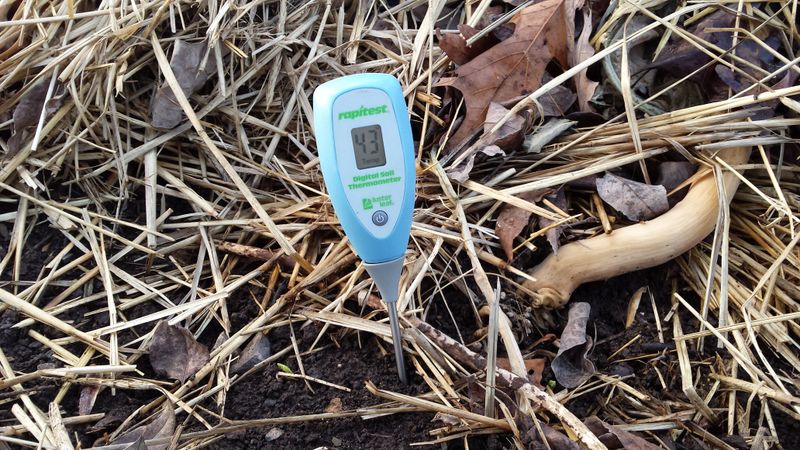
Cold soil needs time to warm up naturally before you start digging or tilling. Soil temperature tells you when it is safe to begin work. Most garden plants need soil temperatures between 50 and 60 degrees Fahrenheit to grow properly.
Working soil that is too cold damages its structure because wet particles stick together instead of crumbling apart. Pennsylvania typically reaches good working temperatures in late March or early April, depending on your specific location.
A simple soil thermometer helps you check if conditions are right. Push the thermometer about four inches deep into the ground and take readings for several days in a row.
Morning readings give the most accurate results because afternoon sun can create false warmth near the surface.
You can also use the squeeze test to check soil readiness. Grab a handful of soil and squeeze it tight, then open your hand.
If the soil forms a ball that falls apart when you poke it gently, the moisture level is perfect for working. If water drips out or the ball stays solid, wait longer before starting your preparation work.
Pennsylvania gardens in southern counties warm faster than those in northern areas. Location matters when timing your soil work.
Rushing this step causes compaction that reduces air pockets plants need for healthy root growth. Good things come to those who wait for proper soil conditions.
2. Add Organic Matter To Restore Soil Structure
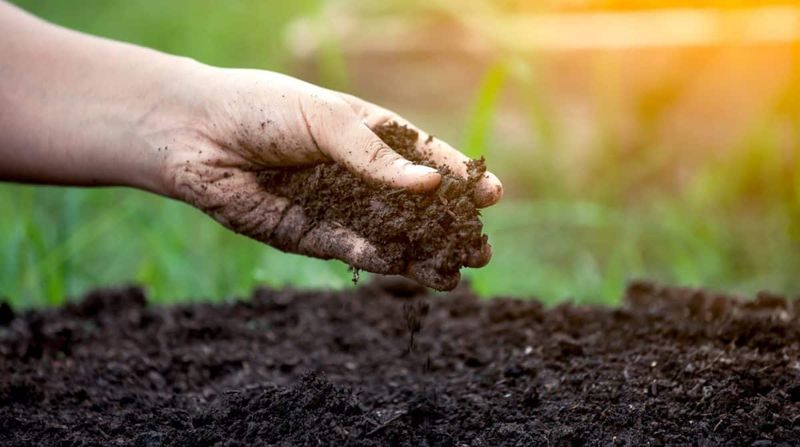
Winter weather breaks down organic matter in Pennsylvania soil faster than you might expect. Freezing and thawing cycles, along with winter rains, wash nutrients away and leave soil depleted.
Adding fresh organic material rebuilds what winter took away and creates the perfect environment for spring planting.
Compost works as the best all-around choice for Pennsylvania gardens. It contains decomposed plant material that improves soil texture, adds nutrients, and helps retain moisture during dry spells.
Your Pennsylvania Garden Changes Every Week. Your Plan Should Too.
Gardening in Pennsylvania changes quickly throughout the season. Every Friday you’ll receive a simple weekly plan showing exactly what to plant, prune, fertilize, harvest, and protect so you never miss the right timing.
Spread a two to three inch layer across your garden beds and work it into the top six inches of soil. This depth gives plant roots immediate access to nutrients without disturbing deeper soil layers.
Well-rotted manure from horses, cows, or chickens also enriches garden soil effectively. Fresh manure burns plants and introduces weed seeds, so make sure any manure you use has aged for at least six months.
Pennsylvania farms often sell aged manure in bags or by the truckload for larger gardens.
Leaf mold created from decomposed autumn leaves makes excellent organic matter too. Many Pennsylvania gardeners collect fallen leaves in the fall and let them break down over winter.
By spring, these leaves transform into dark, crumbly material that earthworms love. Shredded leaves decompose faster than whole ones.
The organic matter you add feeds beneficial soil organisms that create healthy growing conditions. These tiny creatures break down materials into forms plants can use while improving soil drainage and structure.
Pennsylvania clay soils especially benefit from regular organic matter additions because it loosens tight particles and prevents waterlogging during spring rains.
3. Test And Adjust Soil pH Levels Carefully
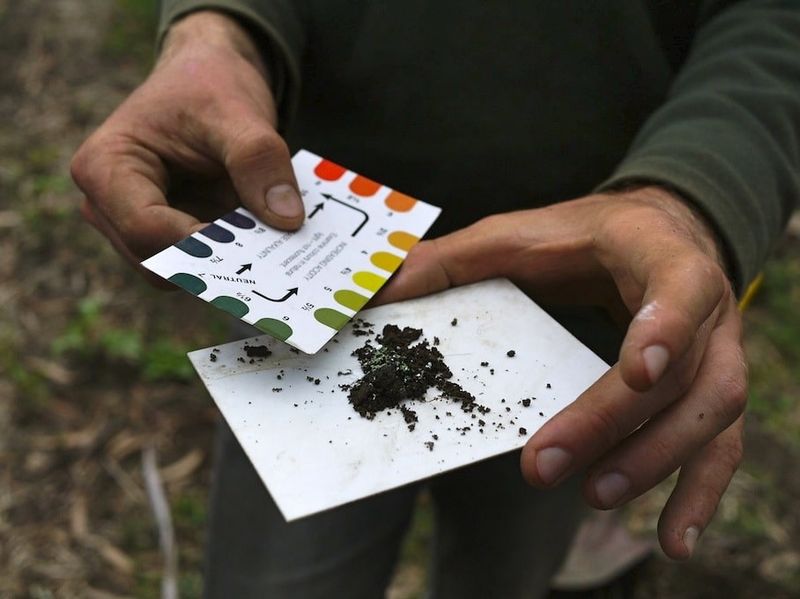
Pennsylvania soil tends toward acidic conditions, which affects how well plants absorb nutrients. Winter precipitation often makes soil more acidic because rainwater naturally has a low pH.
Testing your soil after winter reveals exactly what adjustments you need to make before planting begins.
Home test kits from garden centers provide quick results without expensive lab fees. These kits use color charts that match your soil sample to specific pH numbers.
Most vegetables and flowers prefer slightly acidic to neutral soil with pH levels between 6.0 and 7.0. Pennsylvania gardens often test below 6.0, especially in areas with pine trees or heavy rainfall.
Adding lime raises pH levels when soil tests too acidic. Ground limestone works slowly and safely, taking several weeks to change soil chemistry.
Spread the recommended amount based on your test results, usually between 25 and 50 pounds per 1,000 square feet for moderately acidic Pennsylvania soil. Work lime into the top few inches and water it in thoroughly.
Some Pennsylvania gardens have alkaline soil instead, though this occurs less frequently. Sulfur products lower pH when needed, but they also work slowly and require careful measurement.
Too much sulfur damages plants just as badly as wrong pH levels.
Timing pH adjustments correctly prevents plant problems later. Spring applications give amendments time to work before you plant seedlings or sow seeds.
Pennsylvania State University Extension offers detailed soil testing services that provide specific recommendations for your county. Their reports include pH levels, nutrient content, and custom advice for improving your particular soil type.
Proper pH balance helps plants access nutrients already present in your soil.
4. Gently Loosen Compacted Areas Without Over-Tilling
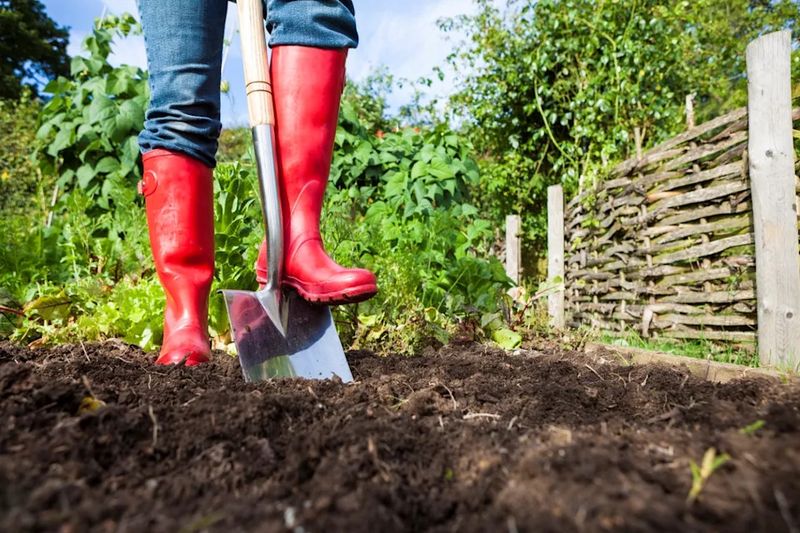
Compacted soil prevents roots from spreading and blocks water from draining properly. Pennsylvania winters create compaction through repeated freezing and thawing that pushes soil particles together.
Heavy snow sitting on garden beds for weeks adds pressure that squeezes out air pockets plants need.
A broadfork provides the gentlest way to loosen compacted Pennsylvania garden soil. This tool has long tines that you push into the ground, then pull back on handles to lift and fracture soil without flipping it over.
The motion creates spaces for air and water while keeping beneficial soil layers in their natural positions. Walk backward across your garden bed, working the broadfork every six to eight inches.
Avoid rototilling if possible because it destroys soil structure more than it helps. Tilling breaks up large clumps but also grinds soil into tiny particles that compact even worse when rain hits them.
Pennsylvania clay soils become concrete-like after aggressive tilling, especially when worked too wet. Power tillers also bring weed seeds to the surface where they sprout and create extra work.
Hand digging with a spading fork works well for small Pennsylvania gardens. Push the fork straight down, rock it back and forth, then move over and repeat.
This method takes more time than mechanical tools but gives you complete control over how much you disturb the soil. You can feel when you hit compacted layers and focus your efforts where they matter most.
Some compaction fixes itself naturally when you add organic matter and let soil organisms do their work. Earthworms tunnel through soil and create permanent channels that improve drainage and aeration.
Pennsylvania gardens with healthy worm populations need less manual loosening each spring.
5. Apply Mulch To Protect And Improve Soil Quality
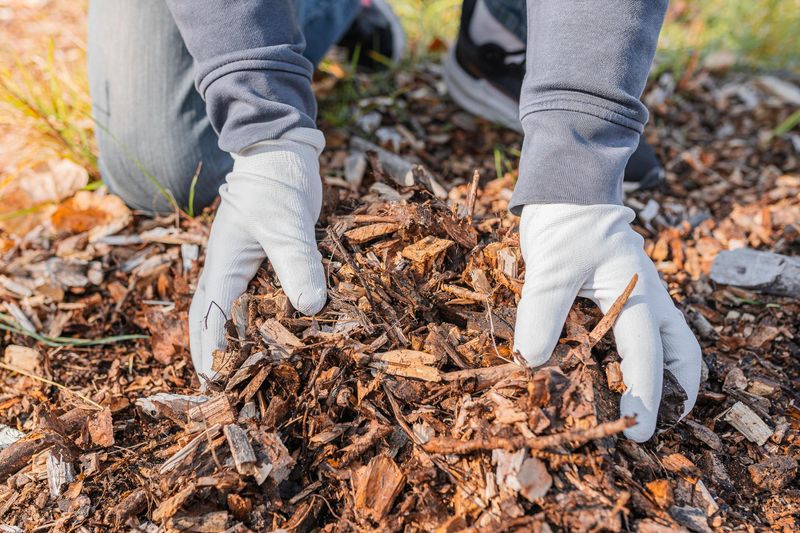
Mulch acts as a protective blanket that helps Pennsylvania garden soil recover from winter stress. A good mulch layer regulates temperature, holds moisture, prevents weeds, and slowly adds nutrients as it breaks down.
Applying mulch in early spring gives soil time to warm up while still protecting it from sudden temperature drops that Pennsylvania often experiences in April and May.
Shredded bark and wood chips make excellent long-lasting mulch for Pennsylvania gardens. These materials break down slowly over one to two years, which means less frequent replacement.
Spread mulch two to three inches deep around plants, keeping it away from stems to prevent rot. Deeper layers block air from reaching soil and can suffocate plant roots.
Straw works perfectly for vegetable gardens because it decomposes quickly and adds organic matter by season’s end. Pennsylvania farmers often sell clean straw bales in spring.
One bale covers a large area when you fluff and spread it properly. Avoid hay because it contains seed heads that sprout into weeds throughout your garden.
Grass clippings from your lawn create free mulch that adds nitrogen as it breaks down. Let clippings dry for a day before spreading them because fresh grass heats up and can harm plants.
Pennsylvania lawns produce plenty of clippings from late April through October, giving you a constant mulch supply. Mix grass clippings with other materials to prevent matting.
Pine needles suit acid-loving plants like blueberries and azaleas that grow well in Pennsylvania. The needles break down slowly and maintain slightly acidic conditions these plants prefer.
Collect needles from under pine trees or purchase bales from garden centers. Mulching protects soil from erosion during spring thunderstorms common throughout Pennsylvania.
6. Check Drainage And Fix Problem Areas Early
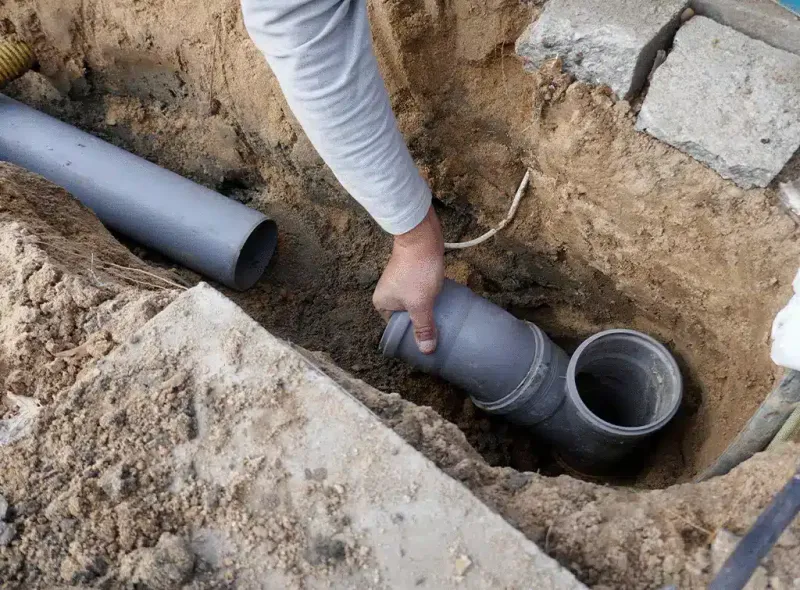
Poor drainage causes more Pennsylvania garden problems than almost any other issue. Winter snow melt reveals where water collects and sits instead of soaking in.
Standing water suffocates plant roots and creates conditions where diseases spread quickly. Identifying and fixing drainage problems before planting saves plants from struggling all season.
Walk your Pennsylvania garden after a heavy spring rain to spot trouble areas. Water should soak into the ground within a few hours.
Puddles that remain for a day or longer indicate serious drainage issues that need attention. Clay soil common in Pennsylvania drains slowly, but proper preparation helps water move through instead of pooling on top.
Building raised beds solves drainage problems in low-lying Pennsylvania yards. Raised beds lift plant roots above soggy ground and provide excellent drainage even during wet springs.
Construct frames from untreated lumber or stone, then fill them with a mixture of topsoil, compost, and coarse sand. Beds should be at least eight inches tall for good results.
French drains redirect water away from garden areas where it causes problems. Dig a trench about 12 inches deep along the edge of your garden, line it with landscape fabric, fill it with gravel, and cover it with soil.
Water flows into the gravel and moves away from your plants. Pennsylvania gardens on slopes benefit most from this solution.
Amending heavy clay soil with coarse sand and organic matter gradually improves drainage over time. Mix equal parts sand and compost into the top 12 inches of soil.
This creates larger spaces between soil particles that allow water to drain while still holding enough moisture for plants. Pennsylvania gardeners with clay soil see the best results when they add amendments every spring for several years.