7 Crops To Plant By The Moon In Pennsylvania Gardens
Gardening in Pennsylvania comes with its own rhythm, and some gardeners pay close attention to the moon when planning their planting.
Certain crops respond surprisingly well when sown in sync with lunar phases, giving roots and shoots a little boost as they establish.
Leafy greens, root vegetables, and fruiting plants can all benefit from timing your garden activities around the moon’s cycle.
The idea is simple: the moon’s pull affects soil moisture and plant growth, and working with these natural patterns may improve germination, growth, and overall vigor.
Planting by the moon also helps plan a steady harvest throughout the season, giving your garden consistent productivity.
Whether you’re sowing seeds indoors or transplanting seedlings outdoors, understanding lunar timing can add a layer of precision to your Pennsylvania gardening routine. A few adjustments could make a big difference in your harvest this year.
1. Lettuce
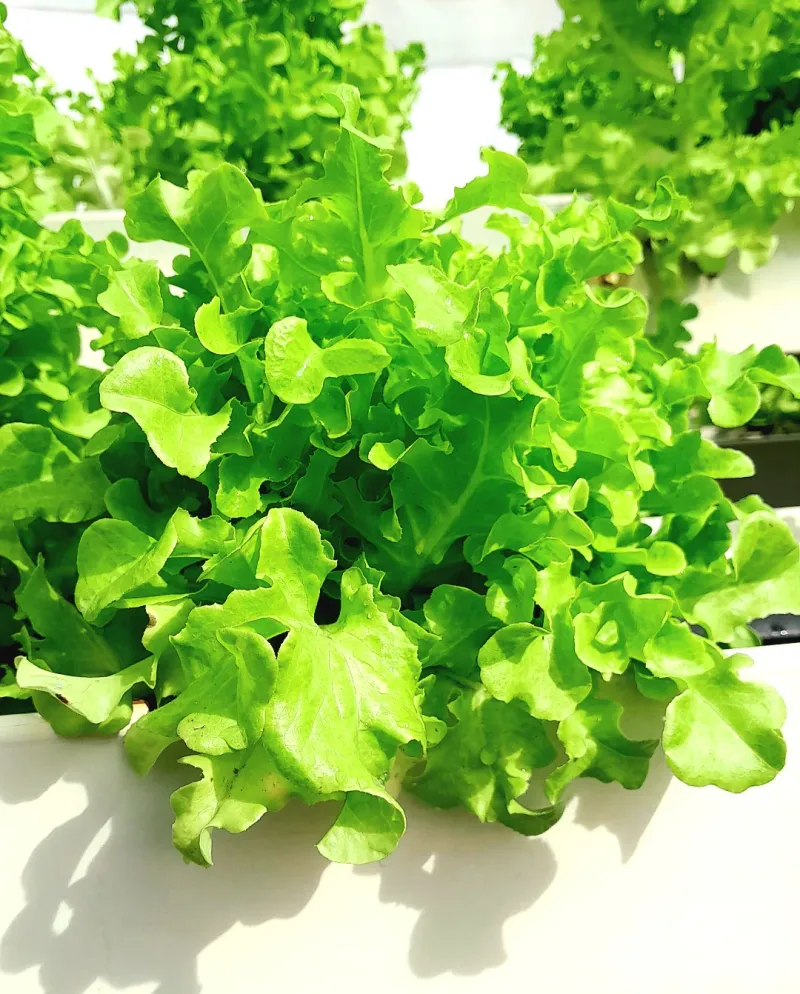
Bright green lettuce leaves practically glow in Pennsylvania gardens when planted during the waxing moon phase. The increasing moonlight during this period encourages quick germination and strong leaf development above the soil surface.
Lettuce seeds respond beautifully to the extra moisture drawn upward through the soil by lunar gravitational forces.
Plant your lettuce seeds when the moon transitions from new to full, ideally in early spring around March or April in Pennsylvania. The waxing moon provides the perfect conditions for these shallow-rooted plants to establish themselves quickly.
You’ll notice seedlings emerge faster and grow more vigorously compared to seeds planted during other moon phases.
Pennsylvania’s cool spring temperatures pair wonderfully with moon planting schedules for lettuce varieties. Choose loose-leaf types for continuous harvesting throughout the season.
Space seeds about six inches apart in rows, covering them with just a quarter inch of soil since they need light to germinate properly.
Water your lettuce bed gently after planting, keeping the soil consistently moist but never waterlogged. The combination of Pennsylvania’s spring rains and waxing moon moisture makes this timing ideal.
Within two weeks, you’ll see tender leaves ready for your first salad harvest.
Continue planting new lettuce seeds every two weeks during waxing moon phases throughout spring and early summer. This succession planting ensures fresh greens for your table from April through June in Pennsylvania gardens.
The moon’s influence helps each planting establish quickly, giving you continuous harvests before summer heat arrives.
2. Spinach
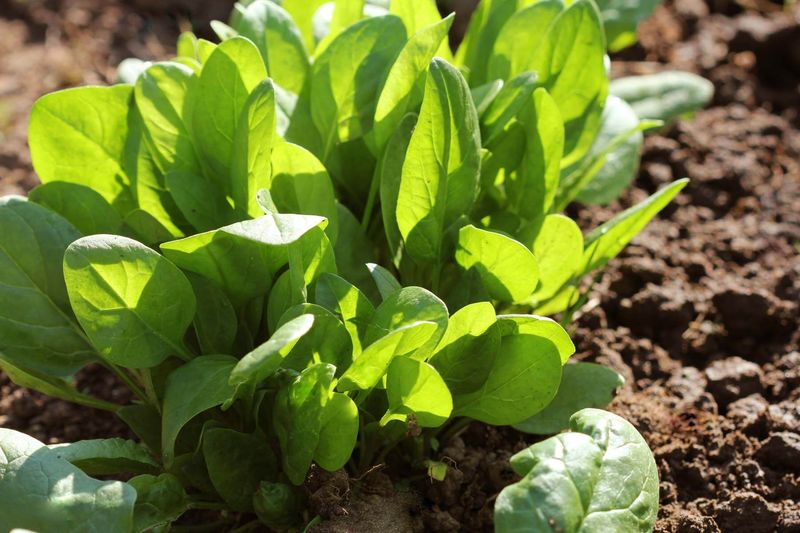
Dark leafy spinach stands as one of Pennsylvania’s most reliable cool-season crops, especially when planted by the moon. During the first and second quarters of the lunar cycle, when moonlight increases nightly, spinach seeds wake up quickly in garden beds.
This leafy green uses that waxing moon energy to push leaves upward rather than focusing energy on root development.
March brings the perfect window for Pennsylvania gardeners to start spinach under the waxing moon. The soil temperature reaches about 40 degrees, which spinach seeds love for germination.
Plant seeds half an inch deep and two inches apart in rows, allowing room for the broad leaves to expand as they mature.
Your Pennsylvania Garden Changes Every Week. Your Plan Should Too.
Gardening in Pennsylvania changes quickly throughout the season. Every Friday you’ll receive a simple weekly plan showing exactly what to plant, prune, fertilize, harvest, and protect so you never miss the right timing.
Pennsylvania’s unpredictable spring weather actually benefits spinach planted during favorable moon phases. The plant handles light frosts easily and grows best when daytime temperatures stay below 75 degrees.
Moon planting helps seedlings establish strong root systems quickly, making them more resilient to temperature fluctuations common in Pennsylvania springs.
Watch your spinach carefully as it grows because this crop doesn’t like hot weather. The waxing moon gives plants a head start, meaning you can harvest leaves earlier in the season.
Pick outer leaves when they reach four to six inches long, leaving the center to continue producing.
Plant a second crop in late August during the waxing moon for fall harvest in Pennsylvania gardens. The cooler autumn temperatures combined with decreasing daylight create sweeter, more tender leaves.
This fall planting often produces better flavor than spring crops, giving you delicious greens right up until the first hard freeze.
3. Peas
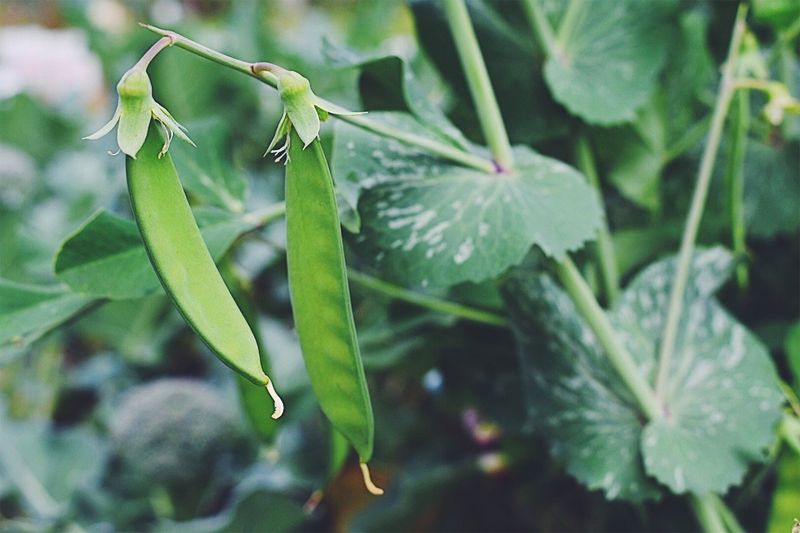
Climbing pea vines reach toward the sky in Pennsylvania gardens when planted during the waxing moon’s favorable phases. These nitrogen-fixing legumes respond exceptionally well to lunar planting schedules because they produce both above-ground foliage and edible pods or seeds.
The increasing moonlight during the first two quarters encourages vigorous vine growth and abundant flowering.
Get pea seeds into Pennsylvania soil as early as possible, typically late March or early April when the ground can be worked. Plant during the waxing moon phase for best results, setting seeds two inches deep and two inches apart along a trellis or support system.
Peas actually prefer cool soil and will germinate even when temperatures hover around 45 degrees.
Pennsylvania’s spring climate provides ideal conditions for peas, especially when combined with moon planting wisdom. The plants tolerate light frosts and actually produce sweeter pods when nights stay cool.
Choose between shelling peas, snap peas, or snow peas based on your cooking preferences, knowing all varieties benefit from waxing moon planting.
Support structures become essential as your pea vines grow taller throughout April and May. The waxing moon’s influence helps plants climb quickly and set flowers earlier in the season.
Within 60 days of planting, you’ll harvest crisp pods bursting with sweetness.
Pennsylvania gardeners can plant a second pea crop in late summer during the waxing moon for fall harvest. August plantings mature as temperatures cool in September and October, often producing more tender pods than spring crops.
The combination of shorter days, cool nights, and proper moon timing creates perfect growing conditions for this second planting in Pennsylvania’s variable climate.
4. Radishes
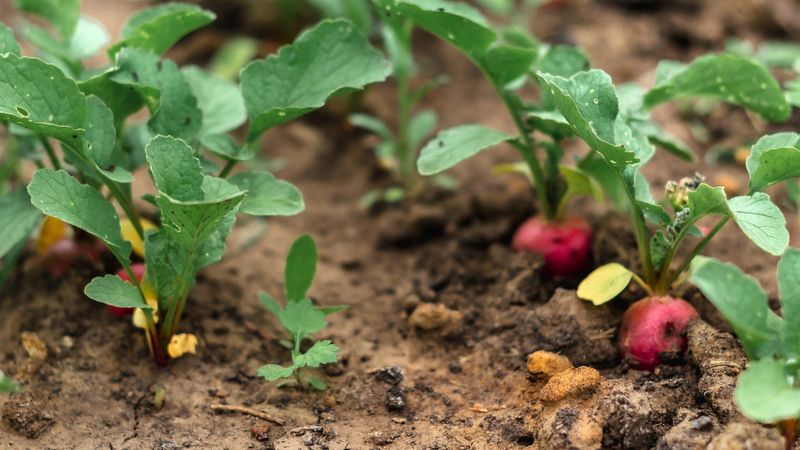
Quick-growing radishes surprise Pennsylvania gardeners with their speed when planted during the waning moon phase. Unlike the leafy crops that prefer increasing moonlight, these underground bulbs develop best when lunar light decreases nightly.
The waning moon’s gravitational pull encourages root expansion and bulb formation below the soil surface rather than leaf production above ground.
Plant radish seeds during the third or fourth quarter of the moon cycle, ideally in early April across Pennsylvania. These speedy vegetables mature in just 25 to 30 days, making them perfect for impatient gardeners and children learning to grow food.
Space seeds half an inch apart and cover with half an inch of soil in rows about six inches apart.
Pennsylvania’s cool spring soil temperatures between 50 and 65 degrees create perfect conditions for radish germination. The waning moon timing helps bulbs swell quickly underground while keeping tops compact and manageable.
Water consistently to prevent radishes from becoming woody or too spicy, as uneven moisture causes stress that affects flavor.
Harvest your radishes as soon as bulbs reach marble size, usually within a month of planting. The waning moon influence produces crisp, mild-flavored roots that add crunch to salads and snacks.
Pull them promptly because radishes left in the ground too long become pithy and lose their appealing texture.
Pennsylvania gardeners can plant radishes every two weeks during waning moon phases throughout spring and fall. This succession planting provides continuous harvests from April through June and again from September through October.
The combination of proper moon timing and Pennsylvania’s cool-season climate makes radishes one of the most reliable crops for beginning and experienced gardeners alike.
5. Carrots
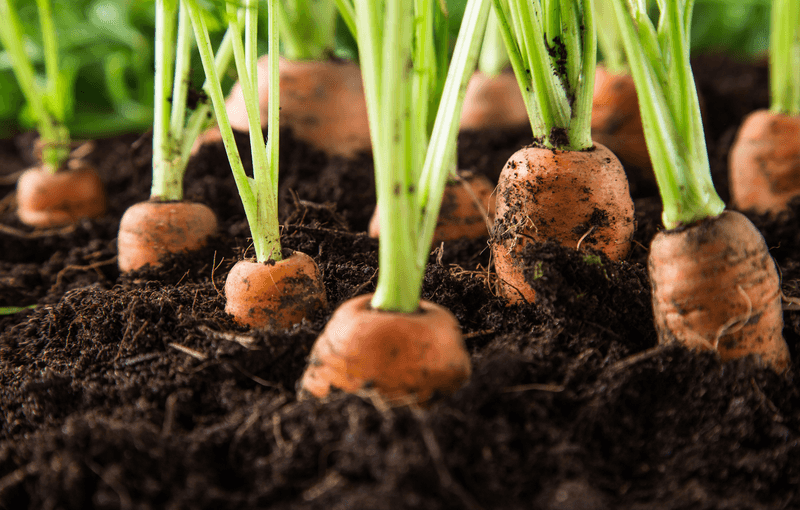
Long orange carrots develop their sweetest flavor in Pennsylvania gardens when seeds go into the ground during the waning moon. Root vegetables like carrots need the third and fourth quarter moon phases to focus their energy downward into the soil.
The decreasing moonlight and gravitational pull encourage taproot elongation rather than excessive top growth.
Pennsylvania gardeners should plant carrot seeds in mid to late April during the waning moon phase. These seeds are tiny and require careful planting about a quarter inch deep in loose, rock-free soil.
Mix seeds with sand for easier spreading, then thin seedlings to two inches apart once they reach two inches tall.
Soil preparation makes a huge difference for carrots in Pennsylvania clay-heavy gardens. Work compost into beds before planting to create loose, friable soil that allows roots to grow straight and long.
The waning moon timing helps roots push through soil more easily, but rocky or compacted earth will still cause twisted, stunted carrots regardless of lunar phase.
Patience becomes necessary with carrots because they germinate slowly, taking up to three weeks to sprout. Keep soil consistently moist during this period, watering gently to avoid washing away seeds.
The waning moon’s influence works below the surface, encouraging root development even before you see green tops emerging.
Harvest carrots in Pennsylvania gardens about 70 to 80 days after planting, typically in July for spring plantings. Plant a second crop in late July during the waning moon for fall harvest, as carrots actually taste sweeter after experiencing light frost.
Pennsylvania’s autumn temperatures combined with proper moon timing produce the most flavorful carrots of the entire growing season.
6. Kale
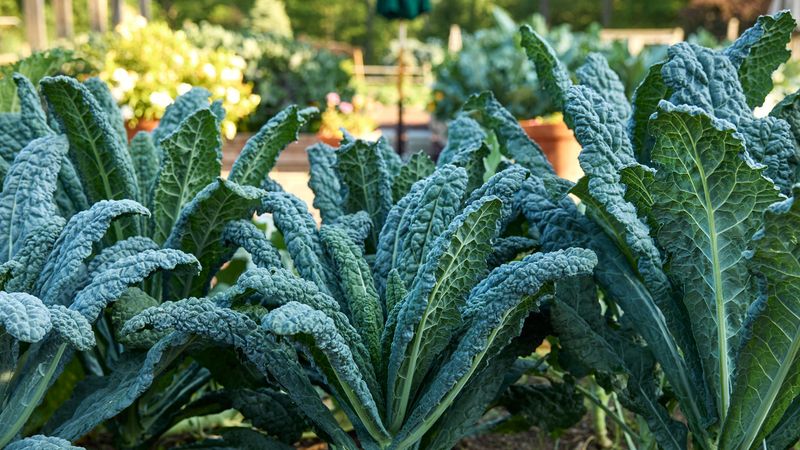
Hardy kale plants stand tall in Pennsylvania gardens through multiple seasons when planted during the waxing moon. This superfood green produces best when lunar light increases because it focuses energy on developing those nutritious leaves above ground.
The first and second quarter moon phases give kale seedlings the boost they need to establish quickly and grow vigorously.
Start kale seeds indoors in March or direct seed outdoors in April during the waxing moon phase across Pennsylvania. Plant seeds half an inch deep and twelve inches apart because mature plants spread wide with ruffled leaves.
Kale tolerates cold better than almost any other garden vegetable, handling frosts that would damage more tender crops.
Pennsylvania’s cool spring and fall temperatures create ideal growing conditions for kale varieties. The waxing moon timing helps plants develop strong stems and abundant foliage quickly.
Choose curly kale for classic texture or try dinosaur kale for a smoother leaf that some people prefer in cooking.
Water kale regularly but avoid overhead watering that leaves moisture on the leaves, which can encourage fungal problems in Pennsylvania’s humid climate.
The waxing moon brings natural moisture movement through soil, but supplemental watering during dry spells keeps leaves tender and mild-flavored. Stressed plants produce tough, bitter leaves that nobody enjoys eating.
Harvest kale by picking outer leaves first, allowing the center to continue producing new growth. Plants started during the waxing moon often produce continuously from May through November in Pennsylvania gardens.
A light frost actually improves kale’s flavor by converting starches to sugars, making fall-harvested leaves sweeter and more appealing than summer pickings.
7. Beets
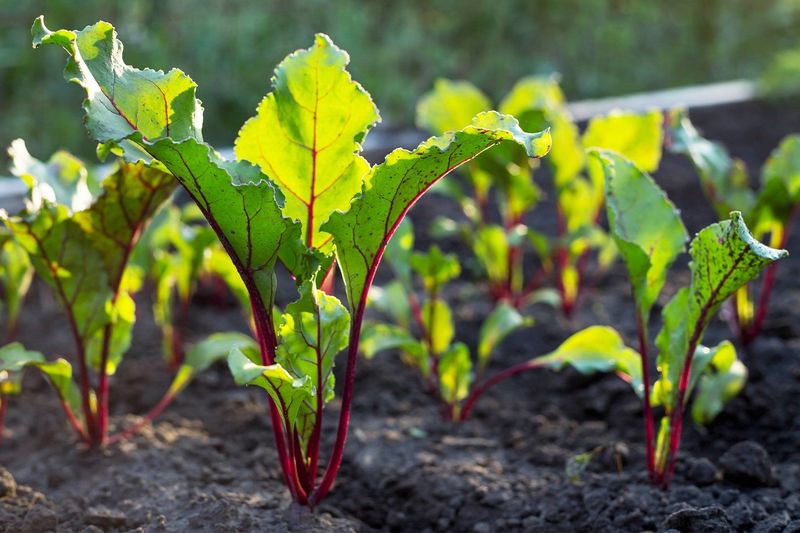
Versatile beets offer Pennsylvania gardeners two crops in one when planted during the waning moon phase. Both the sweet underground roots and the nutritious leafy tops provide food, making beets an efficient choice for limited garden space.
The third and fourth quarter moon phases direct the plant’s energy toward bulb development underground while still producing tender greens above.
Plant beet seeds in Pennsylvania gardens during late April or early May when soil reaches 50 degrees. Choose the waning moon phase for planting and space seeds two inches apart in rows.
Each beet seed is actually a cluster containing multiple seeds, so expect several seedlings to emerge from each spot you plant.
Thin beet seedlings to four inches apart once they reach three inches tall, using those thinned baby greens in salads. Pennsylvania’s moderate spring temperatures combined with waning moon timing encourage steady root expansion without excessive top growth.
Keep soil consistently moist because beets develop tough, woody texture when stressed by drought.
Watch for the bulb shoulders to push above the soil surface as they mature, typically 50 to 70 days after planting. The waning moon’s influence produces sweeter, more tender roots compared to beets planted during other lunar phases.
Harvest when bulbs reach two to three inches in diameter for the best texture and flavor.
Pennsylvania gardeners can plant beets again in mid-July during the waning moon for fall harvest. These late-season beets often taste sweeter than spring plantings because they mature during cooler autumn weather.
The combination of proper moon timing and Pennsylvania’s cool fall nights produces beets with deep color and exceptional sweetness that store well through winter months.