7 Tough Plants That Thrive In Michigan’s Short Growing Season
Michigan gardeners know the growing season can feel like a race against time. Frost sometimes lingers into May and can return by September, leaving only a short window to plant, grow, and harvest. But here is the encouraging news.
You do not need a long, hot summer to grow a productive garden. Many resilient plants actually prefer cooler weather and shorter seasons, thriving where heat loving crops struggle.
With the right choices, you can enjoy steady growth, healthy plants, and generous harvests without fighting the climate.
The key is working with Michigan’s natural rhythm instead of against it. When you choose crops suited to cooler conditions, your garden becomes easier to manage and far more rewarding.
Get ready to discover dependable plants that flourish in Michigan’s shorter season and help you grow more than you might expect.
1. Kale (Brassica Oleracea)
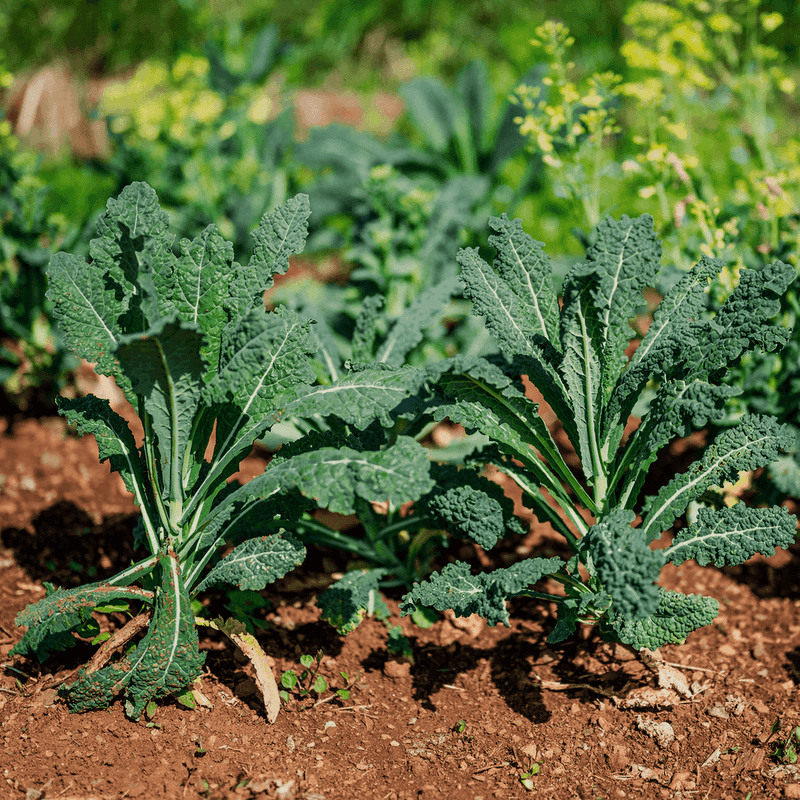
Kale stands out as one of the toughest leafy greens you can grow in Michigan. This powerhouse vegetable actually tastes sweeter after experiencing a light frost. Cold weather triggers the plant to convert starches into sugars, improving flavor significantly.
Most varieties mature within 55 to 75 days from planting. You can start harvesting outer leaves even sooner for baby greens. The plant keeps producing new growth from the center, giving you multiple harvests throughout the season.
Plant kale in early spring as soon as soil can be worked. It tolerates temperatures down to 20 degrees Fahrenheit without protection. Many gardeners also plant a fall crop in late July for autumn harvests that continue after first frost.
Kale grows best in full sun but tolerates partial shade in warmer months. Rich, well-draining soil with consistent moisture produces the best results. Add compost before planting to boost nutrient levels and improve soil structure.
Watch for cabbage worms and aphids during the growing season. Row covers provide excellent protection while allowing light and water through.
This versatile green works wonderfully in salads, smoothies, soups, and sautéed dishes, making it a practical choice for any Michigan garden.
2. Radish (Raphanus Sativus)
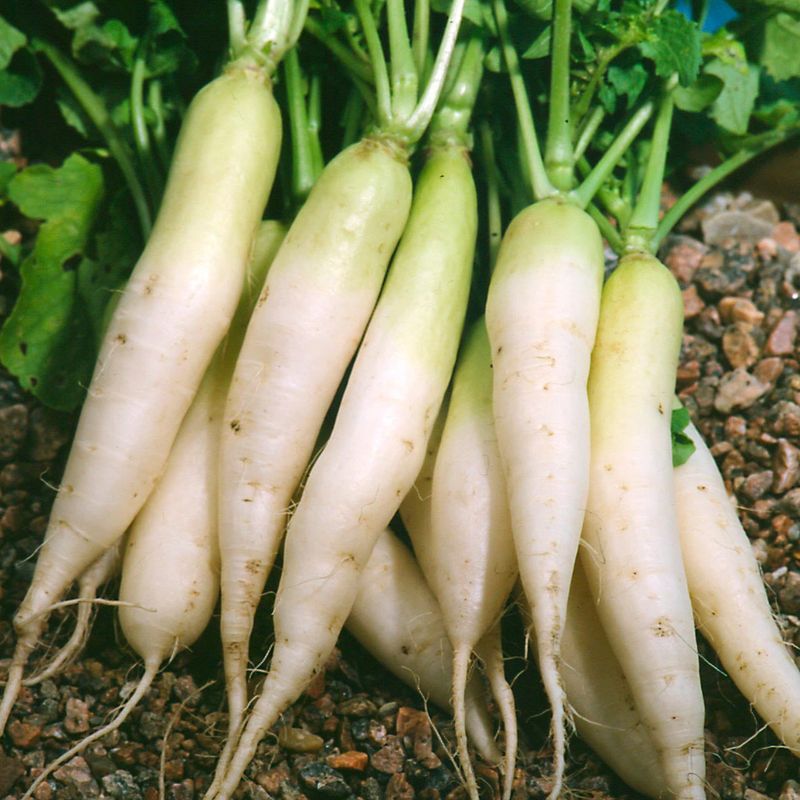
Few vegetables reward impatient gardeners quite like radishes do. These speedy growers can go from seed to harvest in just three to four weeks under favorable conditions.
That means you can plant multiple successions throughout Michigan’s growing season and still enjoy fresh harvests.
Radishes prefer cool weather and actually struggle in hot summer temperatures. Plant them in early spring or late summer for best results. Spring radishes tend to be milder and crisper than those grown in warmer weather.
The key to perfect radishes lies in consistent moisture and quick growth. Water regularly to prevent woody, pithy roots. Thin seedlings to about one inch apart so each radish has room to develop properly.
Choose from many varieties beyond the common red globe type. French breakfast radishes offer an elongated shape and mild flavor. Daikon radishes take longer to mature but provide large roots perfect for pickling or fresh eating.
Radishes make excellent companion plants for slower-growing crops. They break up compacted soil with their taproots and mature before larger plants need the space.
Your Michigan Garden Changes Every Week. Your Plan Should Too.
Gardening in Michigan changes quickly throughout the season. Every Friday you’ll receive a simple weekly plan showing exactly what to plant, prune, fertilize, harvest, and protect so you never miss the right timing.
Try planting them between lettuce, spinach, or along edges of tomato beds for efficient garden use throughout Michigan’s short season.
3. Lettuce (Lactuca Sativa)
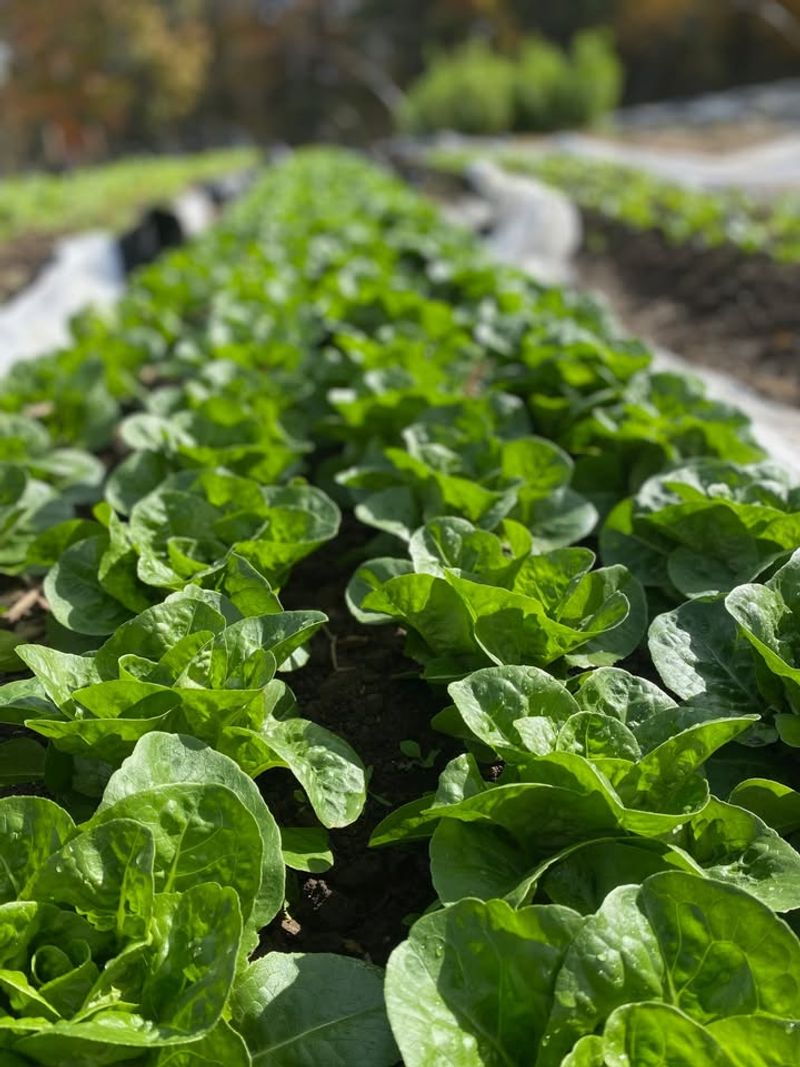
Lettuce thrives in the cool conditions that define much of Michigan’s growing season. Unlike heat-loving vegetables that struggle in northern gardens, lettuce actually prefers moderate temperatures between 45 and 75 degrees Fahrenheit.
Hot weather causes it to bolt and turn bitter quickly. Start planting lettuce as soon as you can work the soil in spring.
It tolerates light frosts without damage, giving you a head start on the season. Many varieties mature in 45 to 55 days, though you can begin harvesting baby leaves much sooner.
Loose-leaf varieties work especially well for home gardeners. Cut outer leaves and let the plant continue growing from the center. This cut-and-come-again method extends your harvest for weeks from a single planting.
Plant successive crops every two weeks through late spring. Stop during the hottest part of summer, then resume in mid-August for fall harvests. Fall lettuce often tastes better than spring crops because cooler nights enhance sweetness.
Lettuce needs consistent moisture and benefits from afternoon shade during warmer periods. Mulch around plants to keep roots cool and retain soil moisture.
With proper timing and variety selection, you can enjoy fresh salads from May through October in Michigan gardens.
4. Bush Bean (Phaseolus Vulgaris)
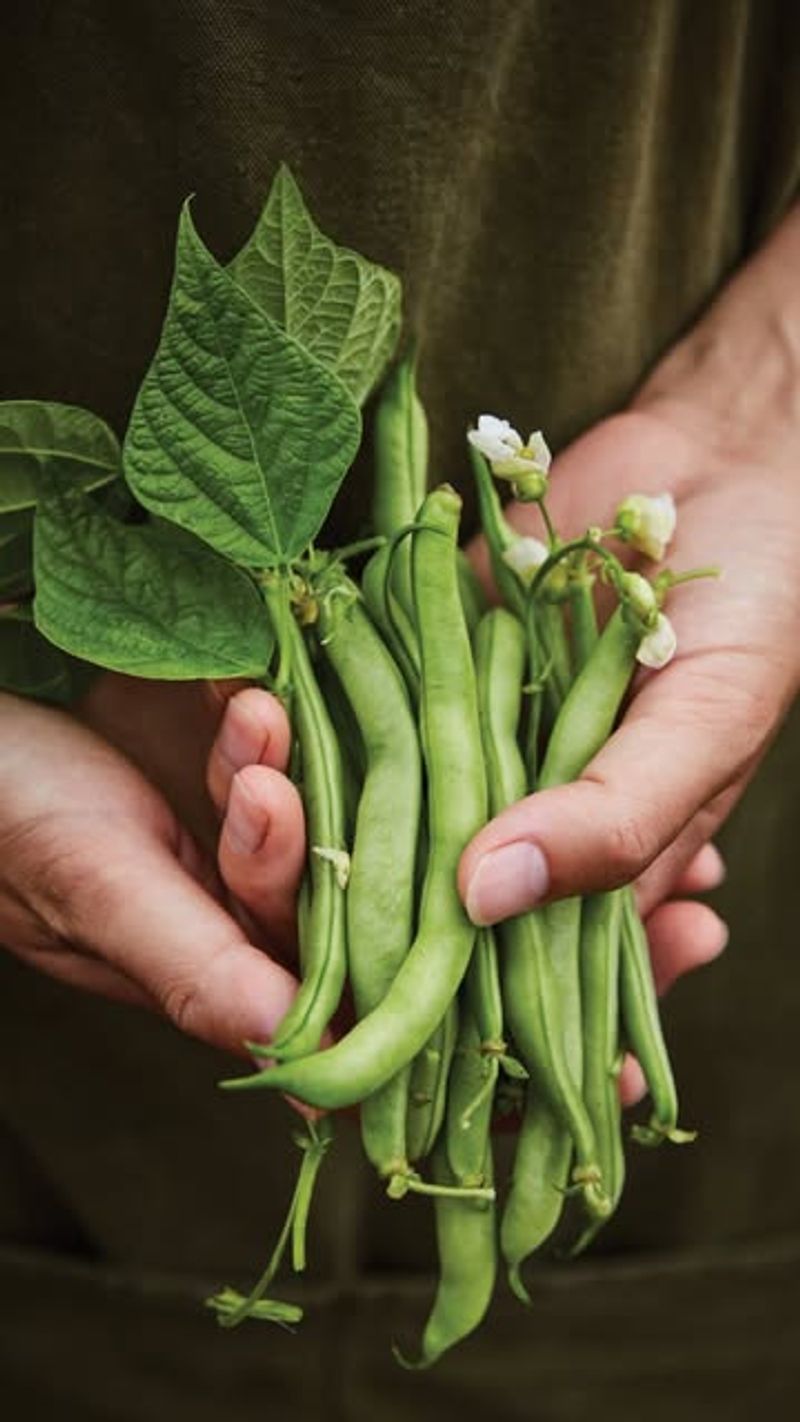
Bush beans offer Michigan gardeners a reliable warm-season crop that produces abundantly within a compact timeframe.
Unlike pole beans that require trellising and longer growing periods, bush varieties stay small and mature faster. Most produce harvestable pods within 50 to 60 days of planting.
Wait until soil temperatures reach at least 60 degrees Fahrenheit before planting beans. Cold, wet soil causes seeds to rot rather than germinate. In Michigan, this typically means waiting until late May or early June in most areas.
Bush beans produce a concentrated harvest over two to three weeks. Plant multiple successions two weeks apart to extend your harvest window. This strategy works well through mid-July in most Michigan locations, giving you fresh beans into September.
These plants fix nitrogen in the soil through a symbiotic relationship with beneficial bacteria.
This means they actually improve soil fertility for crops planted after them. Avoid over-fertilizing beans, especially with nitrogen-rich amendments, as this promotes leaf growth at the expense of pod production.
Choose disease-resistant varieties suited to your region. Purple-podded varieties make harvesting easier since pods stand out against green foliage. Bush beans require minimal care once established and tolerate some drought better than many garden vegetables.
5. Zucchini (Cucurbita Pepo)
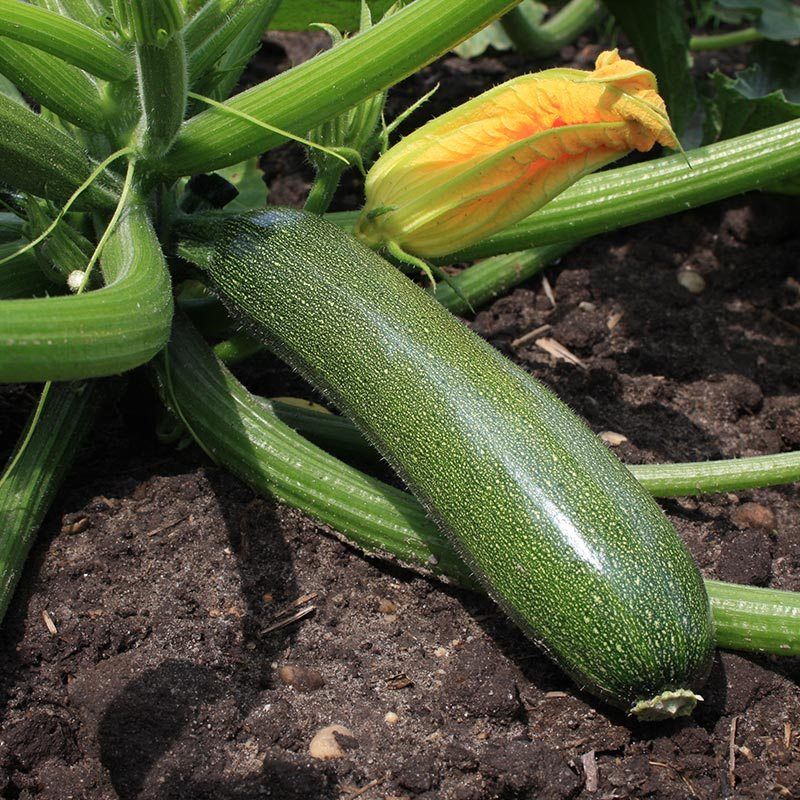
Zucchini earns its reputation as a prolific producer in Michigan gardens. Once warm weather arrives, these fast-growing plants quickly reach maturity and begin churning out squash at an impressive rate.
A single healthy plant can easily produce more than most families can consume fresh. Plant zucchini after all danger of frost has passed and soil warms thoroughly.
Direct seeding works well, or start plants indoors three to four weeks before transplanting. Space plants generously as they develop large leaves and sprawling habits.
Zucchini typically produces its first harvest within 45 to 55 days from planting. Check plants daily once production begins, as fruits grow rapidly and taste best when harvested small. Oversized zucchini become watery and develop tough seeds.
These plants require consistent moisture and benefit from mulching to maintain even soil conditions.
Water at the base of plants rather than overhead to reduce disease problems. Remove any damaged or yellowing leaves to improve air circulation and reduce fungal issues.
Hand-pollinate flowers early in the season if bee activity is low. Simply transfer pollen from male flowers to female flowers using a small brush. Female flowers have a small swelling at the base that becomes the fruit, while male flowers grow on thin stems.
6. Pea (Pisum Sativum)
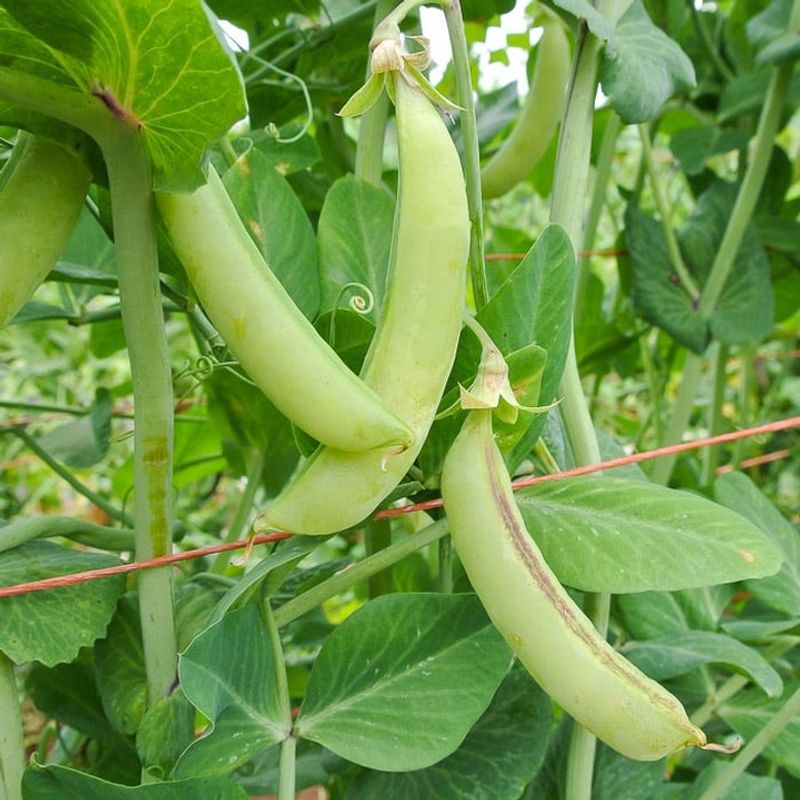
Peas rank among the earliest crops you can plant in Michigan gardens. These cold-hardy legumes tolerate frost and actually prefer cool growing conditions. Plant them as soon as soil can be worked in spring, often four to six weeks before the last expected frost date.
Sugar snap and snow peas offer the advantage of edible pods, eliminating the need for shelling. Shell peas require more processing but provide classic sweet flavor. All types grow well in Michigan’s climate when planted at the right time.
Most pea varieties mature in 55 to 70 days from planting. They stop producing when temperatures consistently exceed 75 degrees Fahrenheit. This makes timing crucial for successful harvests in Michigan gardens.
Provide support for pea plants even if growing shorter bush varieties. Simple trellising keeps pods clean and makes harvesting easier. Peas climb using tendrils that grasp onto netting, string, or wire fencing.
Consider planting a fall crop in late July or early August. Fall peas often produce better than spring plantings because they mature during cooling temperatures. Protect fall crops with row covers if early frost threatens before harvest completes.
Like beans, peas add nitrogen to soil and make excellent predecessors for heavy-feeding crops.
7. Swiss Chard (Beta Vulgaris)
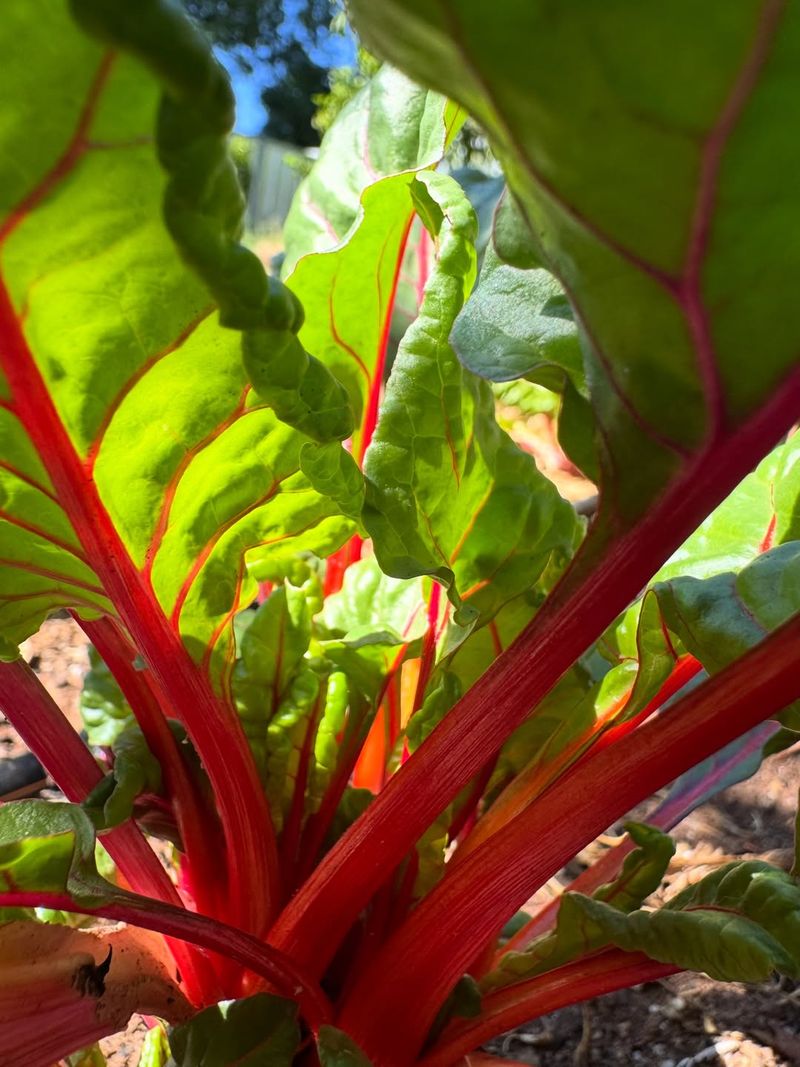
Swiss chard brings both beauty and productivity to Michigan gardens. This hardy green tolerates light frosts and continues producing throughout the growing season.
Colorful stem varieties add ornamental appeal while providing nutritious harvests from spring through fall.
Plant chard seeds directly in the garden two to three weeks before the last expected frost. Seeds actually contain multiple embryos, so thin seedlings to appropriate spacing once they emerge. Each seed cluster typically produces two to four plants.
Harvest outer leaves continuously while allowing the center to keep producing new growth.
This cut-and-come-again approach extends productivity for months from a single planting. Leaves taste best when harvested young and tender, before they exceed eight to ten inches in length.
Chard tolerates both cool and moderately warm temperatures better than many leafy greens. It rarely bolts in summer heat like lettuce and spinach do. This makes it an excellent choice for continuous harvests throughout Michigan’s entire growing season.
Choose varieties based on stem color preferences. Rainbow chard mixes provide visual interest with stems in red, yellow, orange, and white. All colors taste similar, though some gardeners detect subtle flavor differences.
Swiss chard works well in both raw and cooked applications, offering versatility in the kitchen.