These 10 Heart Shaped Plants Are Like Nature’s Love Letters For Michigan Gardens
Michigan gardens have a special way of blending strength with beauty, and few plants capture that feeling better than those with heart shaped leaves and blooms.
These charming shapes add a soft, romantic touch to landscapes while still standing up to cold winters and changing seasons.
From hardy native trees to dependable shade loving perennials, many of these plants return year after year, bringing both structure and gentle elegance to outdoor spaces.
Some offer bold, dramatic foliage that draws the eye, while others surprise with delicate flowers that seem to float above the leaves. Together, they create a garden that feels warm, inviting, and full of character.
Whether tucked into shady corners, lining pathways, or becoming quiet focal points, heart shaped plants add a sense of charm and story that makes any Michigan garden feel personal, thoughtful, and quietly beautiful.
1. Eastern Redbud (Cercis Canadensis)
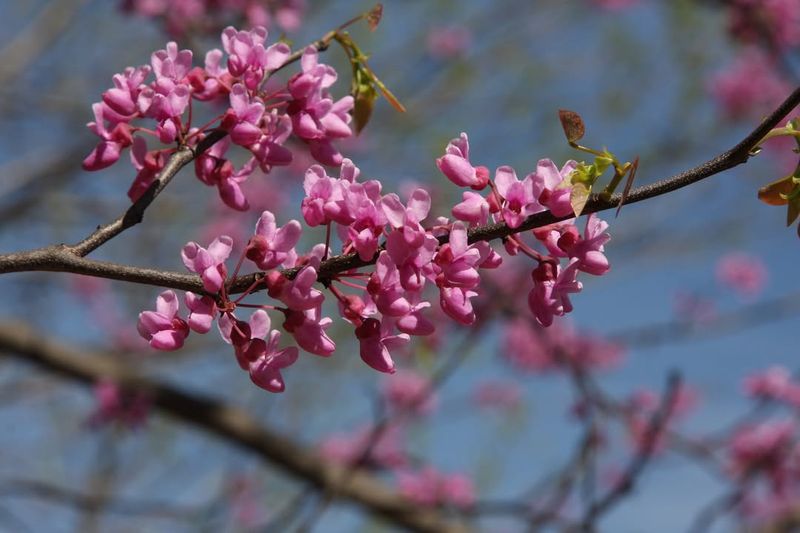
Native to North America, this small tree has captured the hearts of Michigan gardeners for generations. Its distinctive heart-shaped leaves create a canopy that rustles gently in summer breezes.
But the real show happens in early spring when bare branches burst into clouds of rosy-pink flowers.
Eastern redbud tolerates Michigan’s cold winters without complaint and adapts to various soil types. Full sun to partial shade works well for this charming tree. It typically reaches 20 to 30 feet tall, making it perfect for smaller yards or as an understory tree.
The flowers appear before the leaves, creating a spectacular display that attracts early pollinators. Bees and butterflies visit eagerly after a long winter. The blooms last several weeks, giving you plenty of time to enjoy the show.
Plant your redbud in well-drained soil and water regularly during the first growing season. Once established, it becomes quite drought-tolerant. The heart-shaped leaves turn golden yellow in fall, adding another season of interest.
This tree works beautifully as a specimen plant or grouped with other native species. Its natural grace requires minimal pruning. Eastern redbud brings four-season beauty to Michigan landscapes while supporting local wildlife throughout the year.
2. Bleeding Heart (Dicentra Spectabilis)
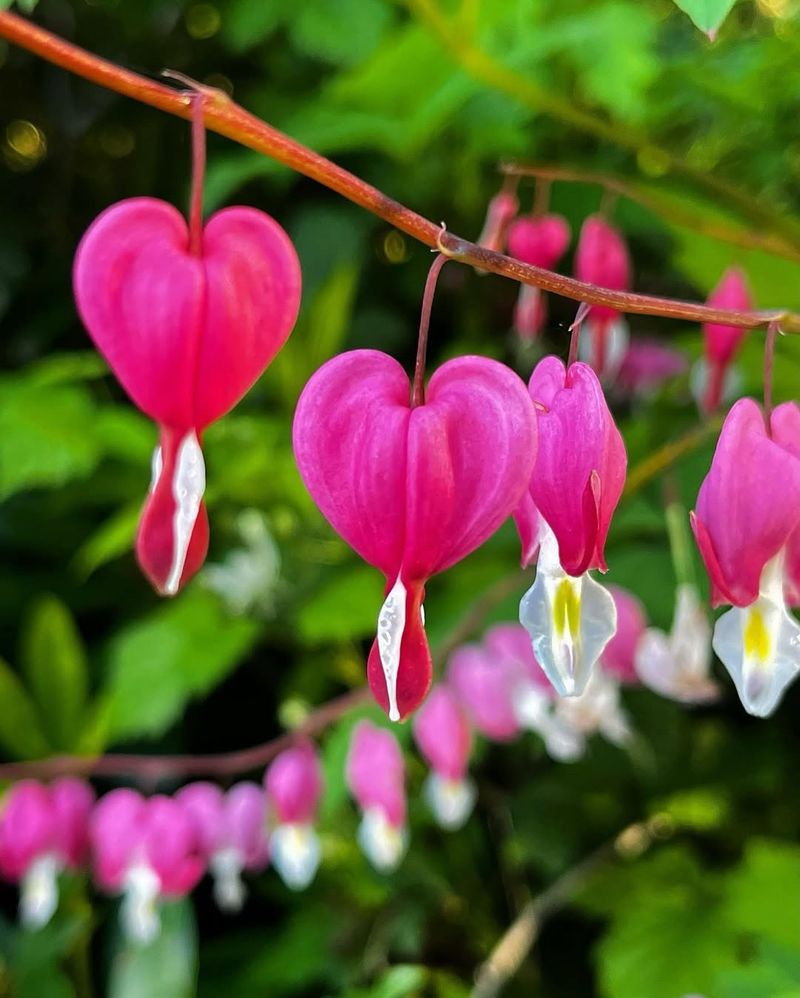
Few flowers capture romance quite like bleeding heart with its dangling pink and white blooms. Each flower looks like a tiny heart with a droplet hanging below. These charming perennials emerge in early spring and create stunning displays in shaded gardens.
Shade-loving by nature, bleeding heart thrives under trees or on the north side of buildings. Michigan’s cool spring temperatures suit this plant perfectly. The foliage forms attractive mounds of ferny leaves that complement the flowers beautifully.
Plant bleeding heart in rich, moist soil with good drainage. It prefers consistent moisture but won’t tolerate standing water. The roots are cold-hardy and return reliably each spring, often appearing while snow still lingers.
Blooming typically begins in late April or early May and continues for several weeks. After flowering, the foliage may yellow and go dormant in hot summer weather. This is completely normal, so plant it with hostas or ferns that will fill the space.
Your Michigan Garden Changes Every Week. Your Plan Should Too.
Gardening in Michigan changes quickly throughout the season. Every Friday you’ll receive a simple weekly plan showing exactly what to plant, prune, fertilize, harvest, and protect so you never miss the right timing.
White varieties are also available if you prefer a softer look. These plants rarely need division and can grow in the same spot for years.
Bleeding heart brings old-fashioned charm and reliable beauty to Michigan shade gardens without demanding much attention from busy gardeners.
3. Hosta (Hosta Spp.)
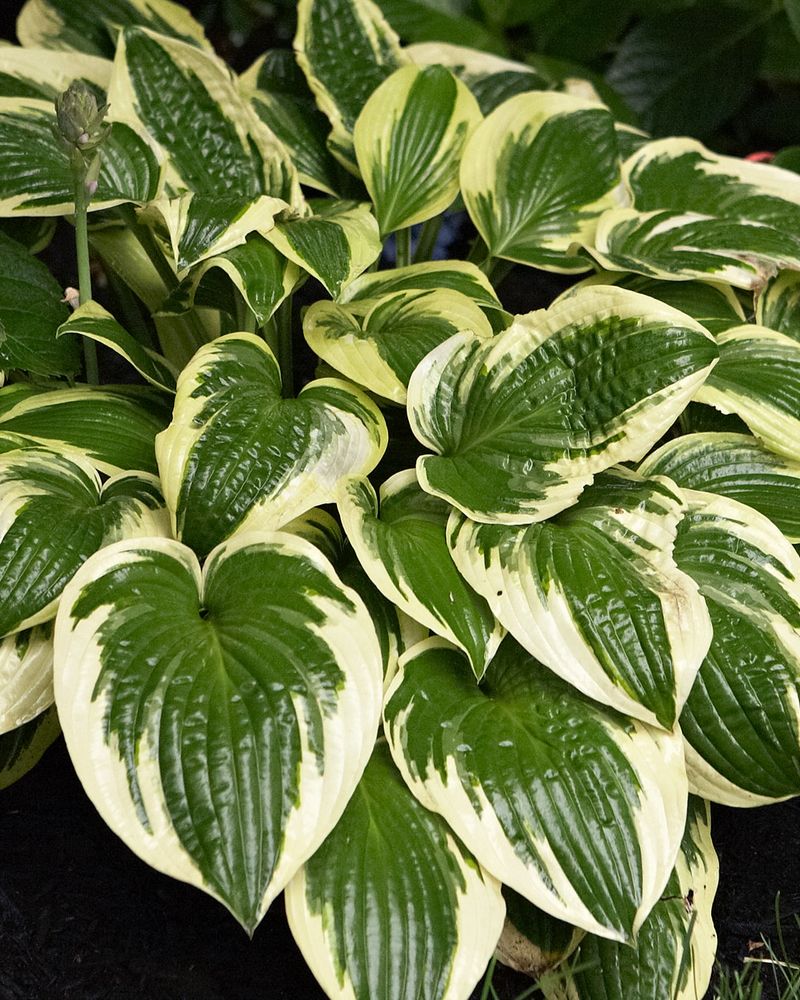
Hostas reign supreme in Michigan shade gardens, and many varieties showcase beautiful heart-shaped leaves.
These reliable perennials emerge faithfully every spring and tolerate our variable weather with ease. From miniature varieties to giant specimens, there’s a hosta for every garden space.
The heart-shaped foliage comes in shades of green, blue, gold, and variegated combinations.
Leaf textures range from smooth and glossy to deeply ribbed and puckered. Some varieties have leaves as small as your thumb, while others grow larger than dinner plates.
Hostas adapt to different light levels, though most prefer shade to partial shade. They tolerate a wide range of soil types as long as drainage is adequate. Spring frost doesn’t harm emerging shoots, and mature plants handle Michigan winters without protection.
Lavender or white flowers appear on tall stalks in summer, adding vertical interest. Some varieties are grown primarily for their blooms, which attract hummingbirds. The foliage remains attractive from spring through fall, providing months of visual appeal.
Plant hostas in groups for maximum impact or use them as edging along shaded paths. They pair wonderfully with ferns, astilbes, and other woodland plants.
These low-maintenance perennials reward Michigan gardeners with decades of beauty once established in the right location.
4. Sweetheart Hoya (Hoya Kerrii)
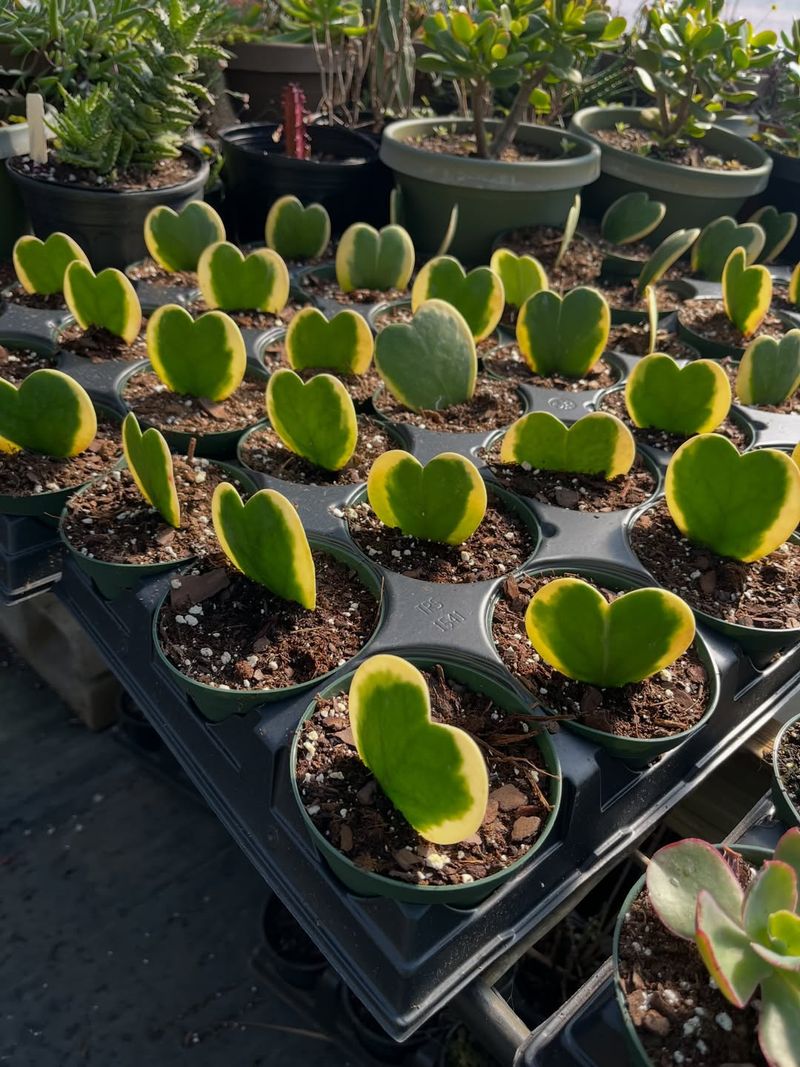
Sometimes called the Valentine Hoya, this succulent features thick, heart-shaped leaves that look like living valentines.
While it won’t survive Michigan winters outdoors, it thrives as a houseplant. A single leaf in a pot makes a charming gift that lasts far longer than cut flowers.
Hoya kerrii tolerates the lower humidity levels common in heated Michigan homes during winter. Bright, indirect light near an east or west window works best. These plants grow slowly, so don’t worry if your single leaf takes months to show new growth.
Water sparingly, allowing the soil to dry completely between waterings. Overwatering causes more problems than underwatering with these succulents. During winter, reduce watering frequency as growth slows.
Room temperatures between 60 and 80 degrees suit this plant perfectly. Single-leaf cuttings may never produce vines, but they remain attractive for years.
Plants grown from stem cuttings will eventually vine and may even bloom indoors. The flowers are small, waxy, and sweetly fragrant when they appear.
Use well-draining succulent soil and a pot with drainage holes. Fertilize lightly during spring and summer with diluted liquid fertilizer.
This low-maintenance houseplant adds a touch of romance to Michigan homes year-round without demanding constant attention or special equipment.
5. Lungwort (Pulmonaria Spp.)
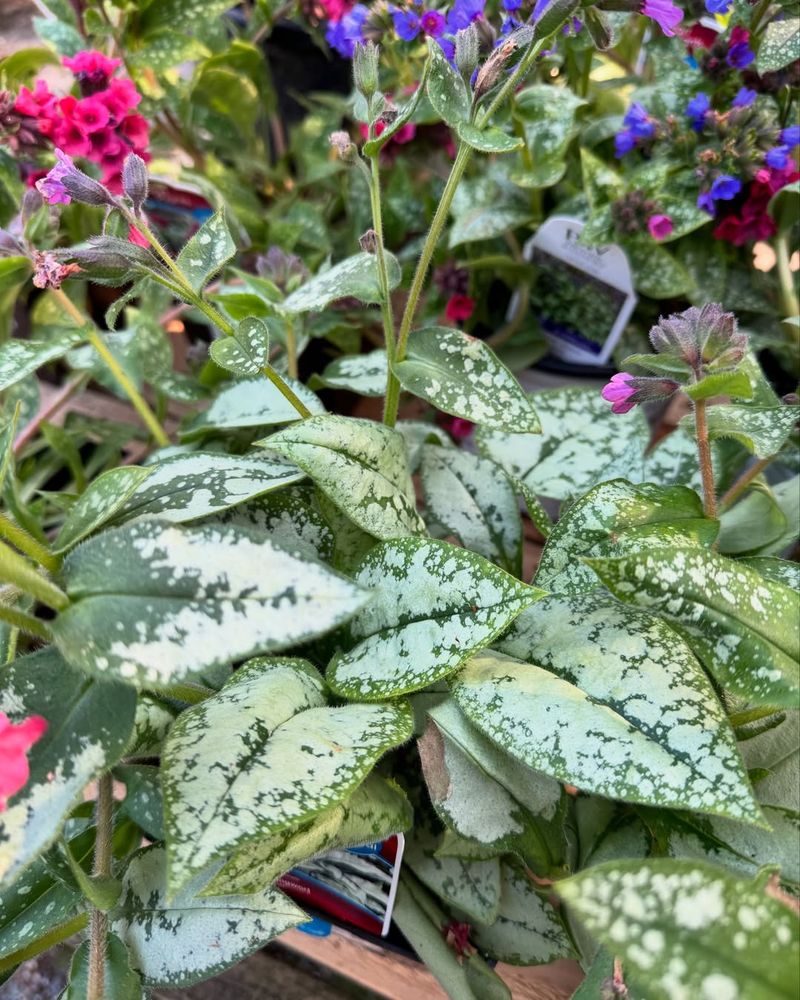
Lungwort might have an unfortunate name, but its beauty speaks for itself. The heart-shaped leaves often feature silver spots or patterns that add visual interest all season.
Early spring brings clusters of flowers that change color as they age, creating a two-tone effect.
This shade-tolerant perennial thrives in Michigan’s cool spring weather and handles frost without damage.
Plant it under deciduous trees or in areas that receive morning sun and afternoon shade. The foliage remains attractive long after flowers fade, providing ground cover through summer.
Lungwort prefers moist, rich soil but adapts to average garden conditions once established. Consistent moisture helps prevent powdery mildew on the leaves. Mulching around plants helps retain soil moisture and keeps roots cool during warmer months.
Flowers typically appear in April, often while snow still melts in shaded corners. Colors range from pink and coral to blue and purple. Early pollinators appreciate these nectar sources when few other plants are blooming.
The spotted foliage brightens dark corners and pairs beautifully with spring bulbs and other woodland plants.
Lungwort slowly spreads to form attractive clumps but never becomes invasive. This reliable perennial deserves more attention in Michigan gardens for its early bloom time and distinctive foliage that carries interest through multiple seasons.
6. Lamium (Lamium Maculatum)
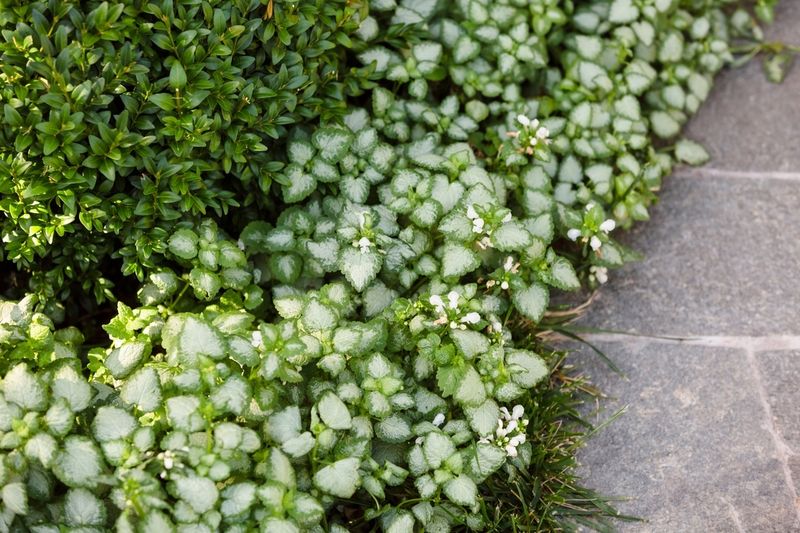
Spotted deadnettle might not sound glamorous, but this groundcover solves problems in challenging shaded areas.
The rounded, heart-like leaves often feature silver markings that brighten dark corners. Small hooded flowers in purple, pink, or white appear in spring and sporadically through summer.
Lamium thrives in Michigan shade gardens where other plants struggle. It tolerates dry shade under trees and spreads to form attractive mats. The variegated foliage provides interest even when plants aren’t blooming, creating a tapestry effect in woodland settings.
This groundcover remains semi-evergreen in many Michigan gardens, holding its leaves well into winter.
Cold temperatures may cause some browning, but plants bounce back quickly in spring. Lamium handles foot traffic better than many groundcovers, making it suitable for informal pathways.
Plant lamium in areas where you want reliable coverage without constant maintenance. It spreads steadily but isn’t aggressively invasive like some groundcovers. The plants root where stems touch soil, filling in gaps naturally over time.
Lamium pairs well with spring bulbs, hostas, and ferns in shaded borders. The flowers attract early bees and other pollinators.
For Michigan gardeners dealing with dry shade or areas under mature trees, this adaptable groundcover offers an attractive solution that requires minimal care once established in appropriate locations.
7. Red-Leaf Begonia (Begonia Spp.)
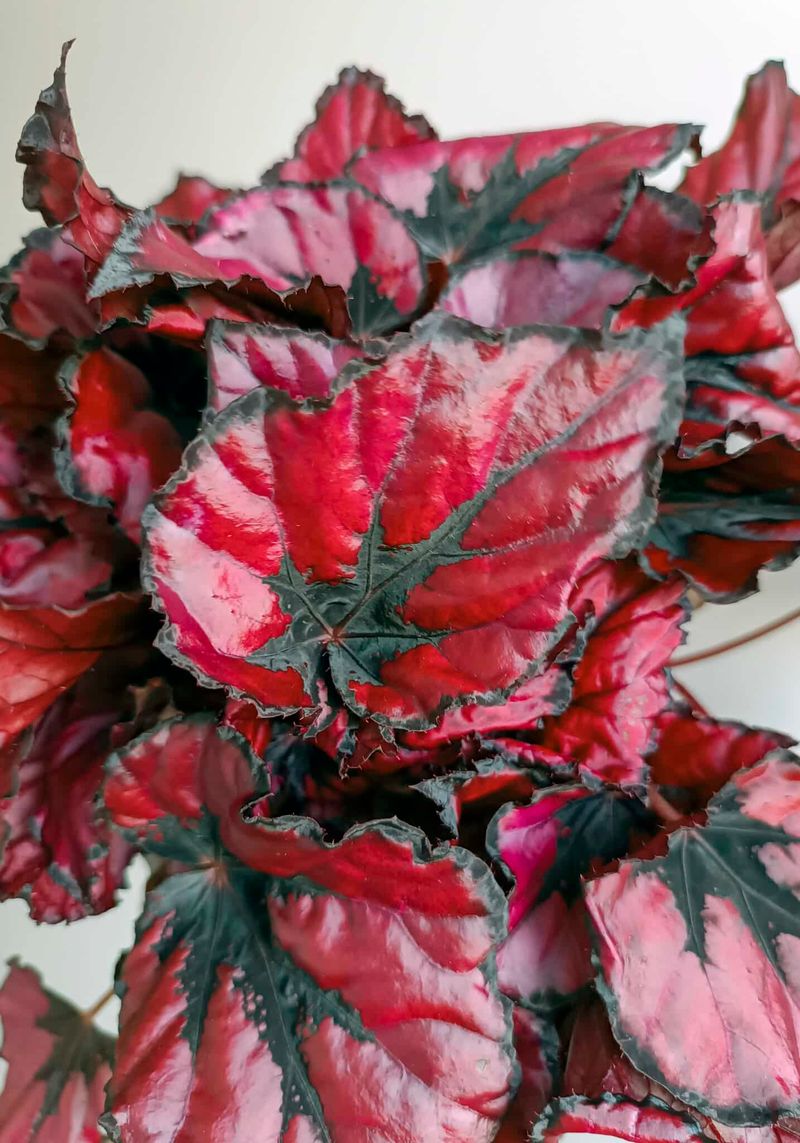
Rex begonias and other fancy-leafed varieties bring tropical flair to Michigan homes with their stunning heart-shaped foliage.
The leaves come in incredible patterns and colors, from deep burgundy to silver and pink. While these plants can’t survive outdoors in Michigan winters, they thrive in containers year-round.
Begonias prefer bright, indirect light near east or west-facing windows. Direct summer sun can scorch the leaves, while too little light causes leggy growth.
Room temperatures between 65 and 75 degrees suit these plants well, making them comfortable in most homes.
Water when the top inch of soil feels dry, but don’t let plants sit in standing water. Begonias appreciate humidity but tolerate typical indoor conditions better than many tropical plants.
Grouping plants together or placing pots on pebble trays can increase local humidity. The decorative foliage provides color and interest throughout the year without requiring flowers.
Some varieties do bloom, but most are grown primarily for their stunning leaves. Regular fertilizing during spring and summer encourages healthy growth and vibrant colors.
Use well-draining potting soil and containers with drainage holes to prevent root rot. Pinch back leggy stems to encourage bushier growth.
For Michigan gardeners seeking dramatic indoor plants with heart-shaped leaves, begonias offer endless variety and year-round beauty with relatively simple care requirements that fit busy lifestyles.
8. Anthurium (Anthurium Andraeanum)
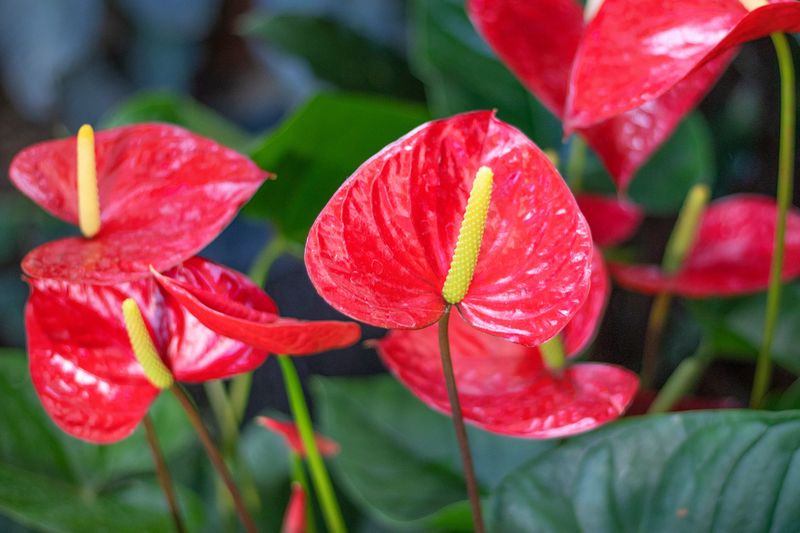
Anthuriums produce some of the most recognizable heart-shaped flowers in the plant world. The glossy, waxy spathes come in shades of red, pink, white, or coral and last for weeks.
While these tropical plants need indoor protection in Michigan, they bloom reliably with proper care.
Bright, indirect light helps anthuriums produce their distinctive flowers throughout the year.
East or west windows work well, or place plants a few feet back from south-facing windows. Temperatures between 65 and 80 degrees suit these plants perfectly, matching typical home conditions.
Water when the top inch of soil dries out, but avoid overwatering. Anthuriums grow naturally as epiphytes, so they prefer loose, well-draining potting mixes. Adding orchid bark or perlite to regular potting soil improves drainage and aeration around roots.
Humidity levels between 60 and 80 percent encourage best growth and flowering. Misting leaves regularly or using a humidifier near plants helps during dry Michigan winters.
The glossy leaves should be wiped occasionally to remove dust and keep them looking their best.
Feed anthuriums monthly during spring and summer with diluted liquid fertilizer. The plants bloom more prolifically with regular feeding.
For Michigan gardeners wanting exotic, heart-shaped flowers indoors year-round, anthuriums deliver tropical beauty and surprising durability with straightforward care that doesn’t require a greenhouse or complicated equipment.
9. Hosta ‘Blue Angel’
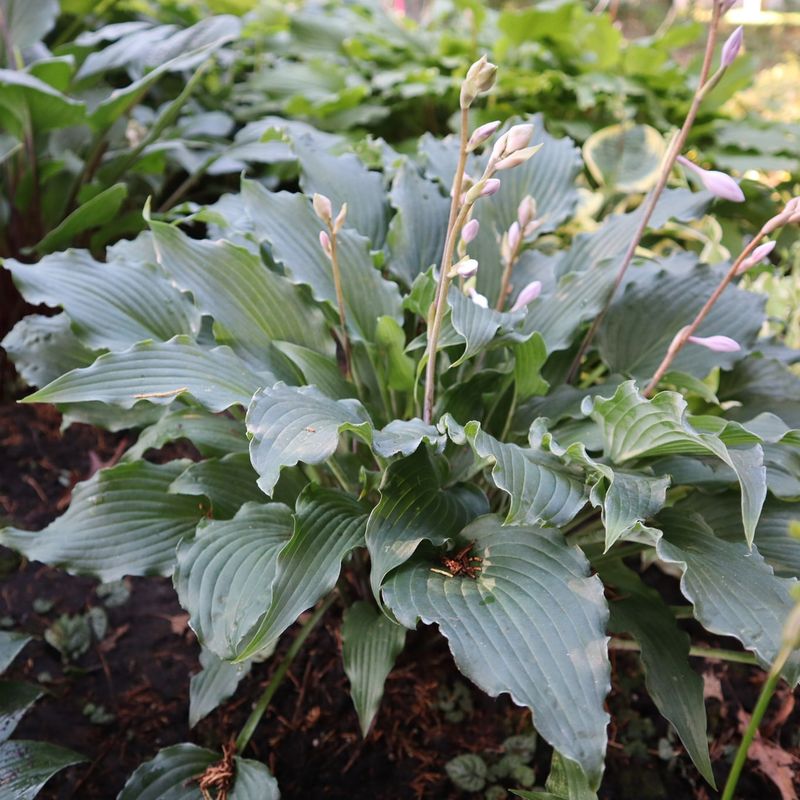
This giant among hostas produces enormous heart-shaped leaves that can reach 18 inches long.
The blue-green foliage forms impressive mounds up to four feet wide, making a bold statement in shaded gardens. White flowers appear on tall stalks in midsummer, attracting hummingbirds and bees.
Blue Angel tolerates Michigan winters without protection and emerges reliably each spring. The slugs that plague many hostas seem less interested in the thick, textured leaves. This variety prefers shade to partial shade and consistent moisture for best performance.
Plant Blue Angel where you have space for a substantial perennial that makes a real impact. It works beautifully as a specimen plant or grouped with other large-leafed varieties. The blue color provides cooling contrast to green and gold-leafed companions.
The leaves emerge tightly furled in spring and unfurl gradually as temperatures warm. By early summer, the plant reaches its full impressive size. Fall brings golden tones to the foliage before plants go dormant for winter.
This hosta rarely needs division and can remain in the same location for decades. Water regularly during dry spells to keep foliage looking fresh.
For Michigan gardeners with shaded areas that need dramatic presence and reliable performance, Blue Angel delivers spectacular results with minimal maintenance requirements once properly established in suitable growing conditions.
10. Heartleaf Philodendron (Philodendron Hederaceum)
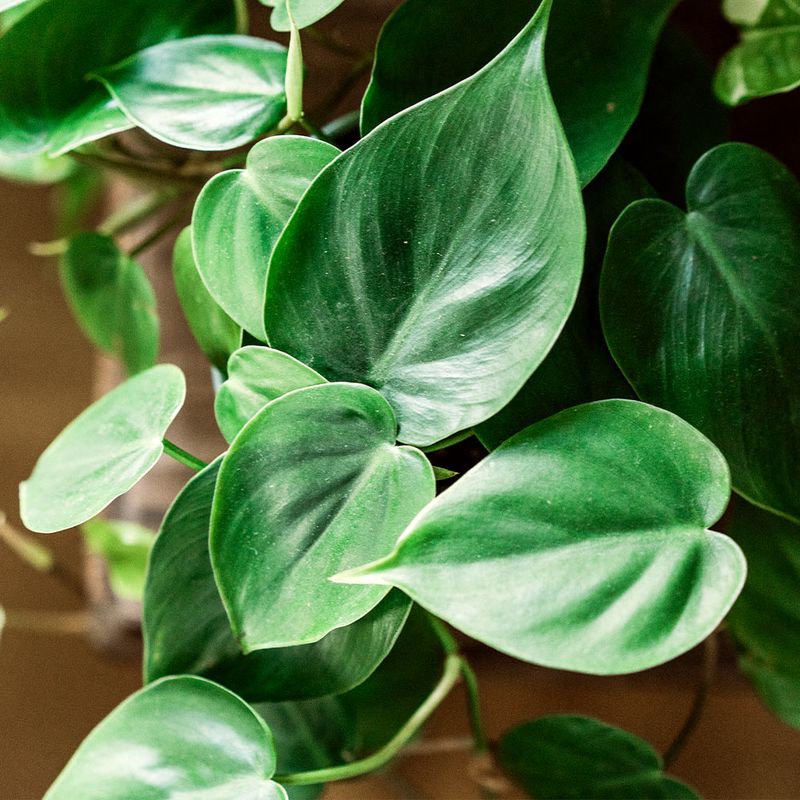
This easy-going houseplant has charmed indoor gardeners for generations with its glossy, heart-shaped leaves.
The vining stems can trail from hanging baskets or climb up supports, adapting to your design preferences. Heartleaf philodendron tolerates the variable conditions in Michigan homes better than many tropical plants.
Medium to bright indirect light keeps this plant growing steadily without causing leaf burn. It adapts to lower light levels better than most houseplants, though growth slows considerably.
Room temperatures between 65 and 80 degrees suit philodendrons perfectly year-round. Water when the top two inches of soil feel dry to the touch.
These plants tolerate occasional missed waterings better than overwatering. Good drainage prevents root rot, the most common problem with philodendrons. Standard potting soil works fine without special amendments.
The vines grow quickly under good conditions, and you can trim them back anytime to control size. Cuttings root easily in water or soil, making it simple to propagate new plants. Pinching growing tips encourages bushier growth if you prefer fuller plants.
Wipe the leaves occasionally to remove dust and keep them glossy. Feed monthly during spring and summer with diluted liquid fertilizer.
For Michigan gardeners seeking low-maintenance indoor plants with charming heart-shaped foliage, heartleaf philodendron offers proven reliability and adaptability that forgives occasional neglect while providing year-round greenery and natural air-purifying benefits.