How To Build A Pollinator Friendly Michigan Garden With Native Plants
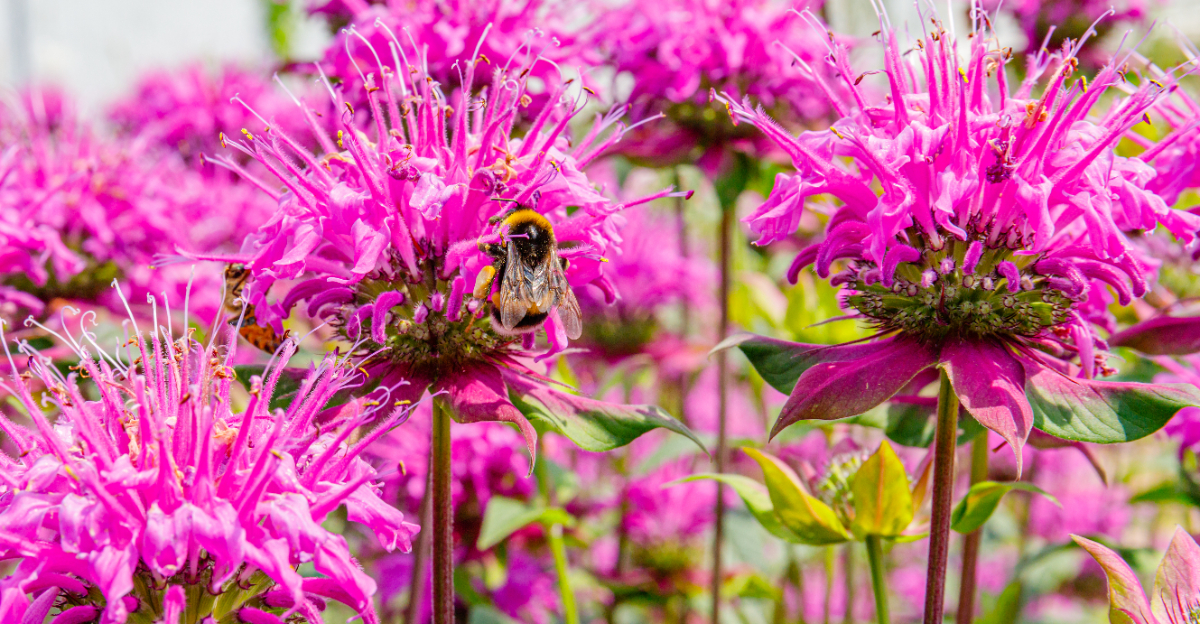
Creating a garden alive with bees, butterflies, and hummingbirds may sound like a big project, but in Michigan it often starts with the right plants.
Native species are perfectly tuned to local soil, weather, and seasons, which makes them easy to grow and incredibly valuable for pollinators.
When these plants bloom, they provide steady nectar, shelter, and nesting spaces that help wildlife thrive right outside your door.
The result is a garden full of movement, color, and gentle activity from spring through fall. Beyond the beauty, pollinator friendly planting also strengthens your garden by improving fruit set, seed production, and overall plant health.
By choosing species that truly belong here, you support the natural rhythm of your landscape while creating a space that feels lively and full of purpose.
These nine native plants can turn an ordinary yard into a vibrant haven for pollinators and people alike.
Purple Coneflower (Echinacea Purpurea)
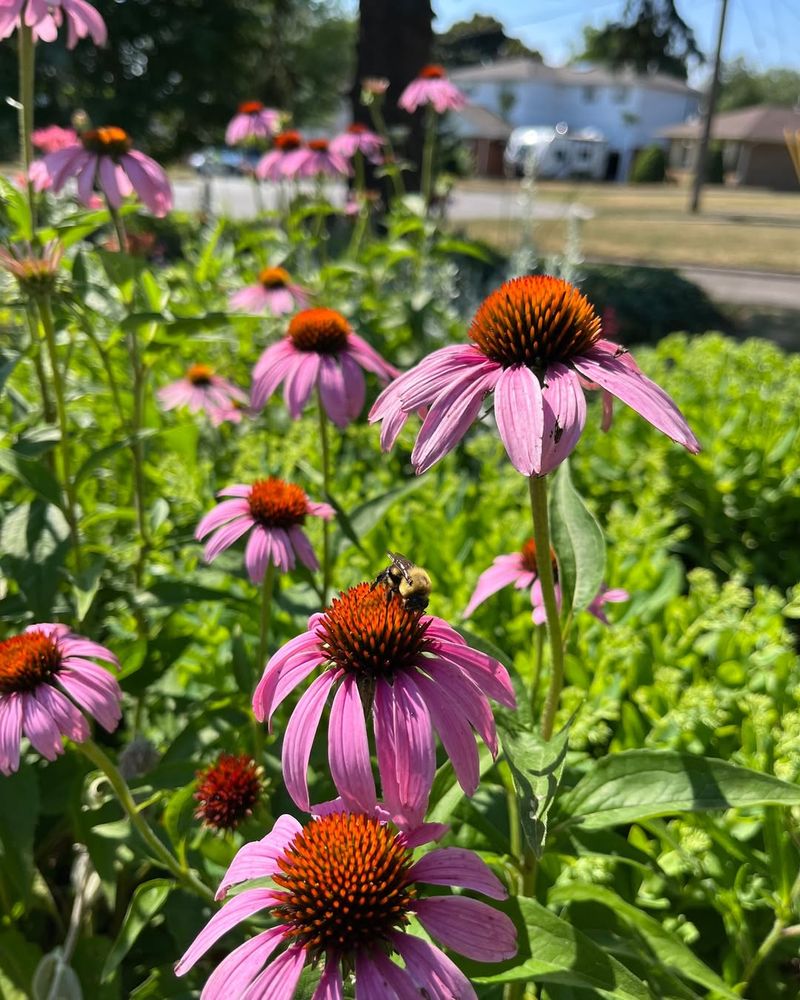
When summer arrives in Michigan, purple coneflower bursts into bloom with stunning pink-purple petals surrounding a spiky orange center.
Bees absolutely adore these flowers, landing on the raised cone to gather pollen and nectar. Butterflies also flutter by frequently, making this plant a pollinator magnet from June through August.
This hardy perennial handles Michigan winters without any fuss. It prefers full sun and can tolerate various soil types as long as drainage is decent. Once established, purple coneflower requires minimal care and comes back stronger each year.
Plant these beauties in groups of three or five for maximum visual impact. The flowers stand tall on sturdy stems, reaching about three feet high. They look fantastic in borders or mixed with other native wildflowers in your pollinator garden.
After blooming season ends, leave the seed heads standing through winter. Goldfinches and other songbirds will visit to feast on the nutritious seeds. This extended benefit makes purple coneflower valuable beyond just the summer months for your backyard ecosystem.
Gardeners appreciate how disease-resistant and low-maintenance this plant proves to be. It rarely needs dividing and spreads slowly to fill space naturally. Purple coneflower truly earns its place as a foundation plant in any Michigan pollinator garden.
Bee Balm (Monarda Didyma)
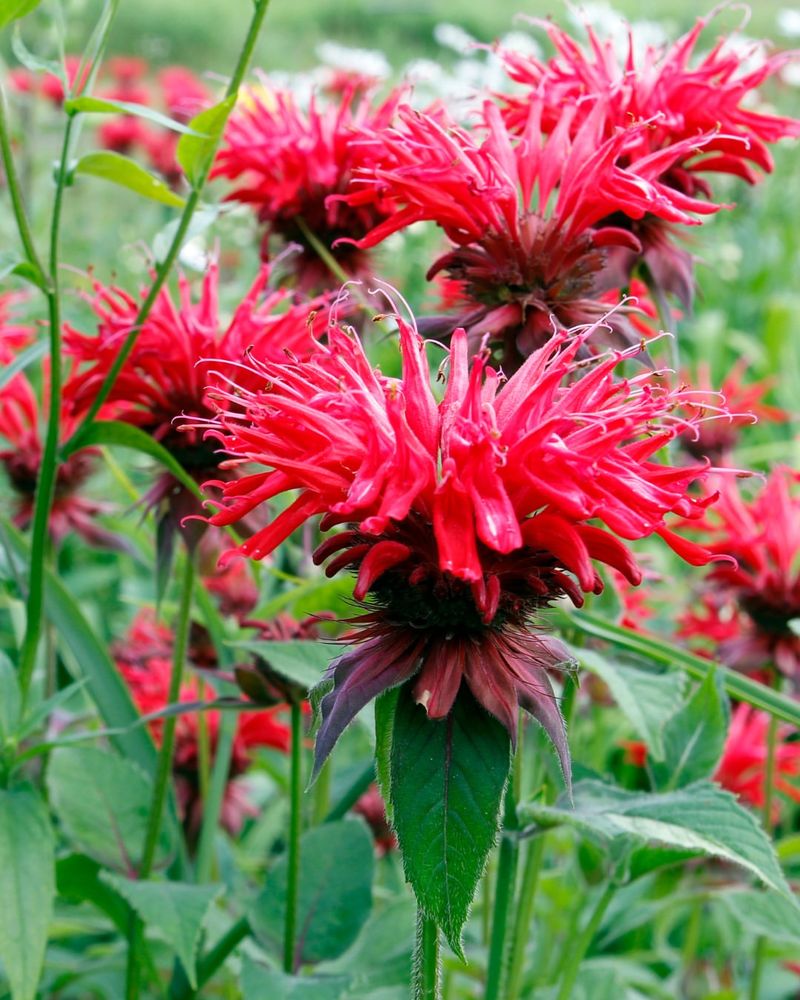
Brilliant red tubular flowers arranged in shaggy pompom clusters make bee balm irresistible to hummingbirds.
These tiny jeweled birds hover repeatedly at each bloom, sipping nectar with their long beaks. Bumblebees also work the flowers enthusiastically, and butterflies add to the constant activity around this native beauty.
Moisture-loving bee balm thrives in locations other plants might find too damp. It appreciates consistent soil moisture and performs best with regular watering during dry spells.
Full sun produces the most flowers, though part shade works fine and may reduce powdery mildew issues.
Growing three to four feet tall, bee balm creates vertical interest in garden beds. The aromatic foliage releases a pleasant minty fragrance when brushed or crushed. This scent adds another sensory dimension to your pollinator garden beyond just visual appeal.
Midsummer blooming coincides perfectly with peak hummingbird activity in Michigan. Planting bee balm near windows or patios lets you enjoy close-up views of these amazing aerial acrobats. The show continues for several weeks as new flowers keep opening.
Your Michigan Garden Changes Every Week. Your Plan Should Too.
Gardening in Michigan changes quickly throughout the season. Every Friday you’ll receive a simple weekly plan showing exactly what to plant, prune, fertilize, harvest, and protect so you never miss the right timing.
Dividing clumps every three years keeps plants vigorous and flowering abundantly. Bee balm spreads through underground rhizomes, so give it room to expand or plant it where spreading is welcome.
Pairing it with other moisture-lovers like Joe-Pye weed creates a lush pollinator haven.
Black-Eyed Susan (Rudbeckia Fulgida)
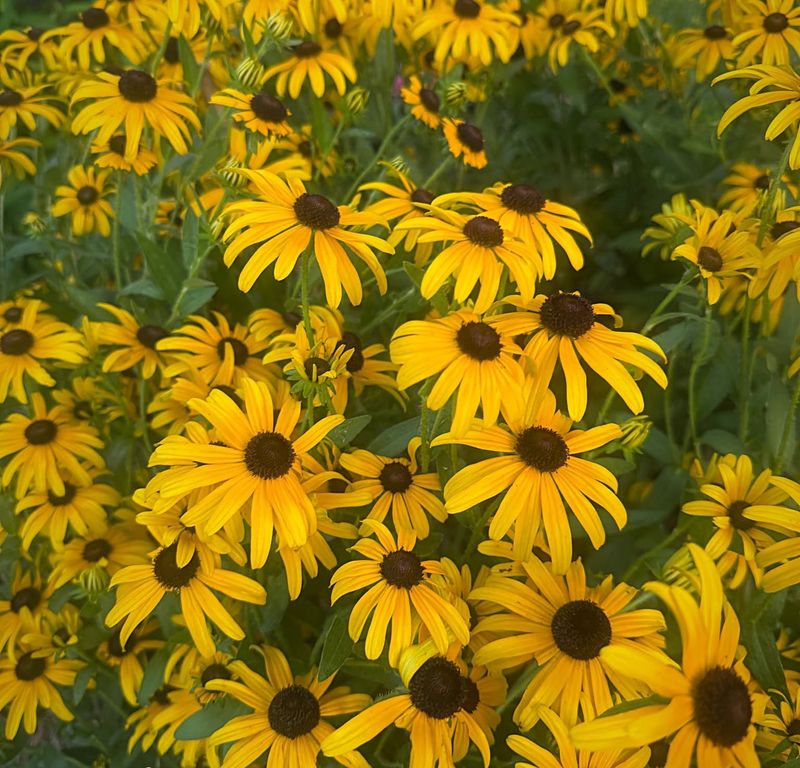
Cheerful golden petals radiating from a chocolate-brown center make black-eyed Susan instantly recognizable.
These sunny flowers brighten gardens from midsummer straight through fall, providing consistent nectar sources when many other plants have finished blooming.
Native bees, butterflies, and beneficial insects visit constantly throughout the extended flowering period.
Michigan gardeners love how adaptable black-eyed Susan proves in various conditions. Full sun suits it best, but it tolerates some shade gracefully. Well-drained soil keeps it happiest, though it handles clay better than many natives.
Height typically reaches two to three feet, creating a perfect middle layer in garden beds. The plants spread gradually to form attractive clumps without becoming aggressive.
Deadheading spent blooms encourages more flowers, but leaving some seed heads feeds winter birds.
Drought tolerance improves significantly after the first growing season. Once roots establish deeply, black-eyed Susan soldiers through dry spells that stress other perennials.
This resilience makes it ideal for low-maintenance pollinator gardens where watering might be inconsistent.
Companion planting works wonderfully with purple coneflower, bee balm, and ornamental grasses. The bright yellow flowers create stunning contrasts against purple and pink bloomers.
Black-eyed Susan naturalizes beautifully in meadow-style plantings, gradually filling spaces with cheerful color that pollinators can’t resist visiting repeatedly.
Wild Bergamot (Monarda Fistulosa)
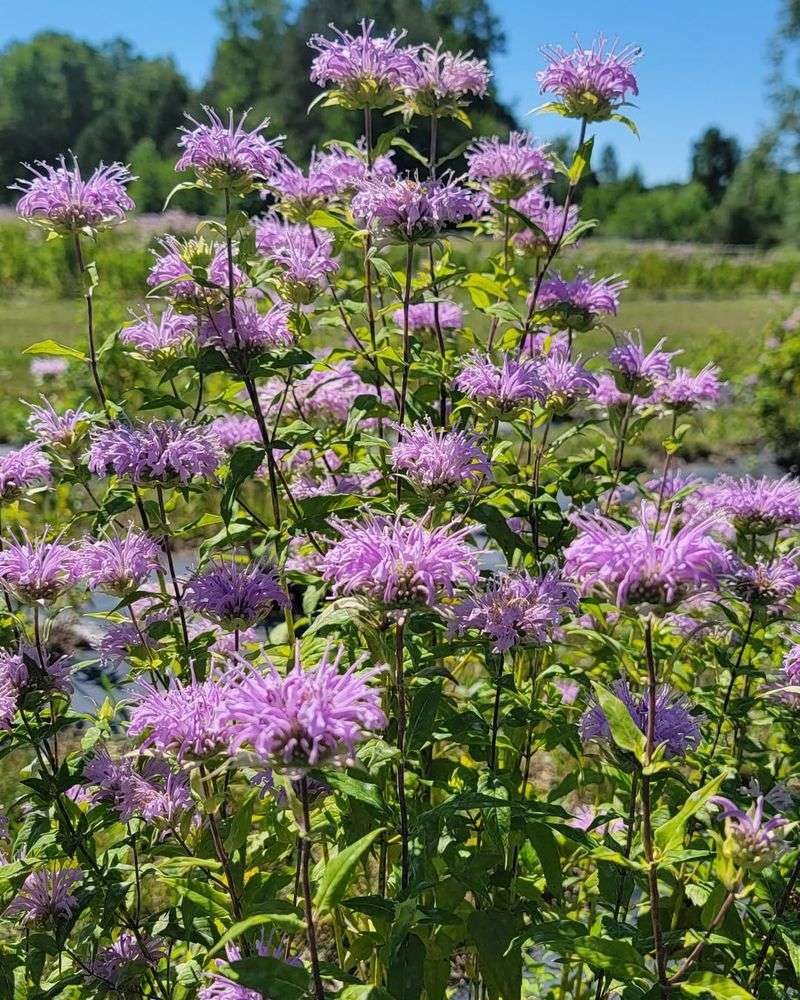
Soft lavender blooms with spiky petals give wild bergamot a distinctly different look from its red cousin.
This tougher, more drought-tolerant species handles Michigan’s variable weather patterns with impressive resilience. Native bees particularly favor these aromatic flowers, often covering the blooms in busy pollinating activity throughout midsummer.
Adaptability stands out as wild bergamot’s greatest strength. It grows happily in average to dry soils where other natives might struggle. Full sun brings out the best flowering, but it accepts partial shade without complaint.
Height ranges from two to four feet depending on growing conditions and moisture availability.
The plant forms attractive clumps that expand slowly over time. Wild bergamot naturalizes beautifully in meadow plantings or informal garden areas where a relaxed aesthetic is desired.
Aromatic foliage deters deer and rabbits from browsing, making this an excellent choice for gardens where wildlife pressure is high. The minty-oregano scent intensifies on hot summer days. Butterflies join bees in visiting the nectar-rich flowers regularly.
After blooming finishes, the dried flower heads add textural interest through fall and winter. They also provide seeds for finches and other small birds.
Wild bergamot combines beautifully with prairie natives like black-eyed Susan and little bluestem grass, creating naturalistic combinations that support diverse pollinator populations throughout the growing season.
Blazing Star (Liatris Spicata)
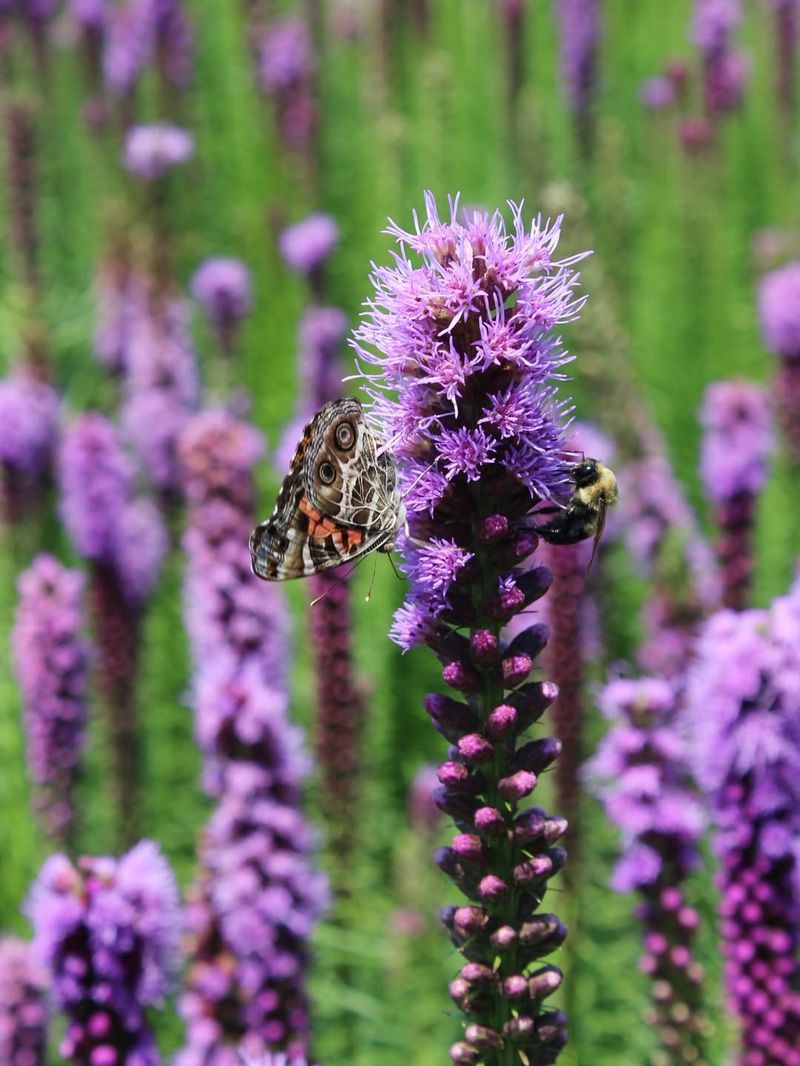
Vertical purple flower spikes shooting up four feet tall create dramatic focal points in late summer gardens.
Blazing star blooms from the top down, an unusual characteristic that sets it apart from most perennials. Butterflies, especially monarchs, cluster on the fuzzy flowers, sometimes covering entire spikes with their wings.
Well-drained soil is absolutely essential for blazing star success. It tolerates sandy conditions beautifully, making it perfect for Michigan’s varied soil types. Full sun produces the strongest stems and most abundant flowers.
Planting blazing star extends your garden’s nectar availability into late summer when many spring bloomers have finished.
This timing proves crucial for butterflies building energy reserves before migration. Bees also appreciate the extended food source as they prepare colonies for winter.
The grass-like foliage stays relatively low until flower stalks emerge in July. This compact base makes blazing star suitable for front or middle garden positions. Grouping several plants together creates more visual impact than single specimens scattered around.
Cut flowers last well in arrangements, though many gardeners prefer leaving blooms for pollinators to enjoy.
As flowers fade, goldfinches arrive to extract seeds from the drying spikes. Blazing star requires virtually no maintenance once established, returning reliably each spring.
Combine it with black-eyed Susan and purple coneflower for a stunning late-summer pollinator buffet.
Wild Columbine (Aquilegia Canadensis)
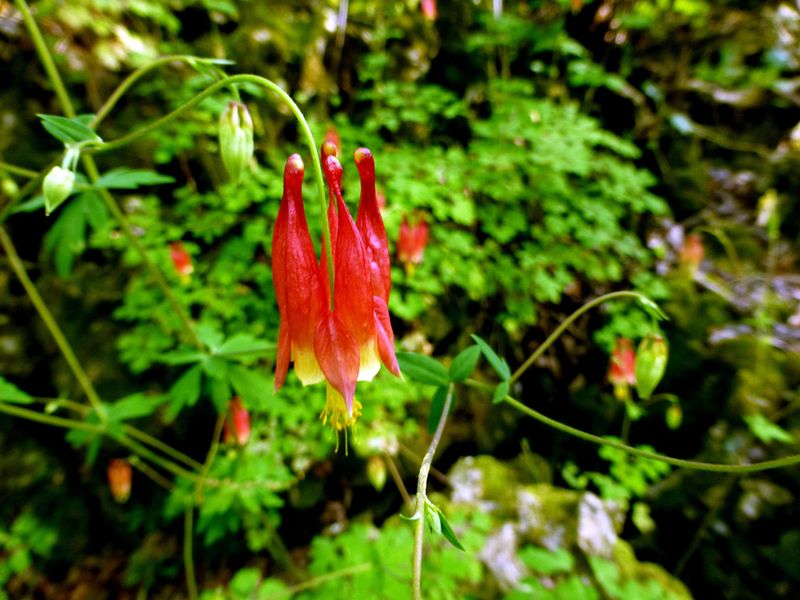
Delicate nodding flowers in red and yellow combinations dangle gracefully from slender stems in spring. Wild columbine brings early-season color to shaded areas where few other natives bloom so attractively.
Hummingbirds returning from migration seek out these nectar-rich flowers immediately, making columbine one of the first food sources available.
Partial shade suits wild columbine perfectly, though it tolerates more sun with adequate moisture. Woodland edges, north-facing borders, or areas beneath high tree canopies provide ideal conditions. Well-drained soil prevents root rot during wet Michigan springs.
Growing 12 to 24 inches tall, columbine fits nicely into smaller garden spaces. The attractive blue-green foliage remains appealing even after flowers fade. This plant self-seeds moderately, allowing it to naturalize in favorable locations without becoming weedy.
Early blooming from April through June fills a critical gap for pollinators emerging from winter. Native bees and early butterflies also visit columbine flowers regularly. The unique spurred flower shape has evolved specifically to accommodate long-tongued pollinators.
Combine wild columbine with ferns, wild ginger, and other shade-loving natives for a woodland garden feel.
It pairs beautifully with spring ephemerals that bloom even earlier. Once established, columbine requires minimal care and returns faithfully each spring, gradually forming larger clumps that produce more flowers annually.
Joe-Pye Weed (Eutrochium Purpureum)
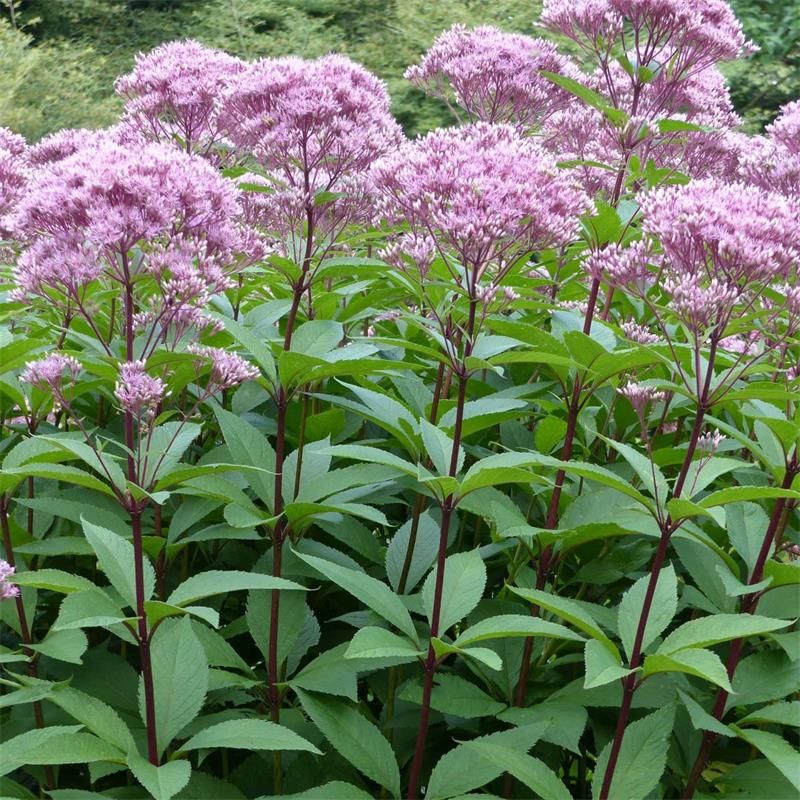
Towering stems reaching five to seven feet tall create impressive backdrops in late summer gardens.
Massive dusty-pink flower clusters attract butterflies by the dozens, sometimes with multiple species feeding simultaneously on a single plant. Monarchs particularly favor Joe-Pye weed during their late summer migration, fueling up for the long journey south.
Moist soil conditions suit Joe-Pye weed best, though established plants tolerate occasional dryness. Full sun to part shade works equally well. This adaptable native fits into various garden situations, from rain gardens to perennial borders.
The substantial size requires thoughtful placement toward the back of beds or as a living screen. Despite its height, sturdy stems rarely need staking. Vanilla-scented flowers add unexpected fragrance to the late-season garden.
Blooming from midsummer through early fall extends nectar availability when many other plants have finished.
Bees, butterflies, and beneficial insects visit constantly during this period. Joe-Pye weed becomes a pollinator hub, with activity continuing from dawn until dusk.
Winter interest comes from attractive seed heads that persist through snow and ice. Birds pick at remaining seeds throughout the cold months. Cutting stems back in early spring makes room for fresh growth.
Joe-Pye weed combines beautifully with New England aster, creating a stunning late-season display. Together, these natives provide essential food sources for pollinators preparing for winter or migration.
Butterfly Weed (Asclepias Tuberosa)
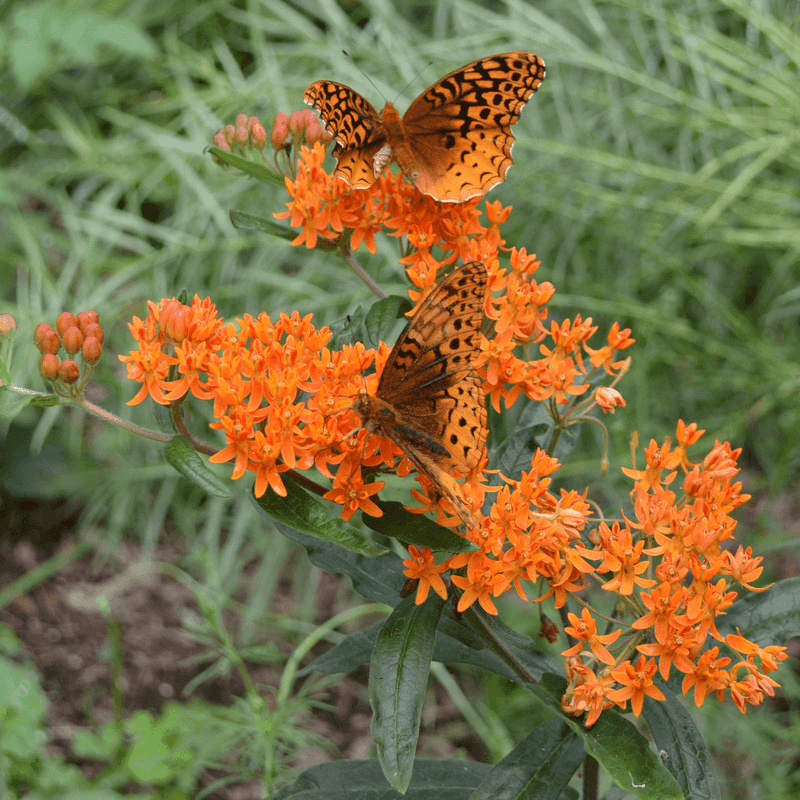
Brilliant orange flower clusters glow like flames in midsummer gardens, creating unforgettable visual impact.
Butterfly weed serves as critical host plant for monarch butterflies, who lay eggs exclusively on milkweed species. Caterpillars munch the foliage while adult butterflies sip nectar from the vibrant blooms, making this plant doubly valuable.
Unlike other milkweeds, butterfly weed prefers well-drained, even sandy soil. It thrives in full sun and handles drought beautifully once established. Deep taproots make transplanting difficult, so choose planting locations carefully from the start.
Growing one to two feet tall, butterfly weed fits into front or middle garden positions. The compact size belies its importance to monarch conservation efforts. Every plant contributes to supporting these declining butterfly populations.
Early to mid-summer blooming provides nectar when many pollinators are most active. Bees, butterflies, and hummingbirds all visit regularly. The flowers produce seed pods later in summer that split open to release silky-tufted seeds.
Butterfly weed emerges late in spring, so mark its location to avoid accidental disturbance. Patience pays off when vibrant orange blooms finally appear. This native requires virtually no maintenance and becomes more floriferous with age.
Combining butterfly weed with purple coneflower and black-eyed Susan creates a colorful, pollinator-friendly trio. Together, these plants support diverse insects while providing season-long garden interest.
New England Aster (Symphyotrichum Novae-Angliae)
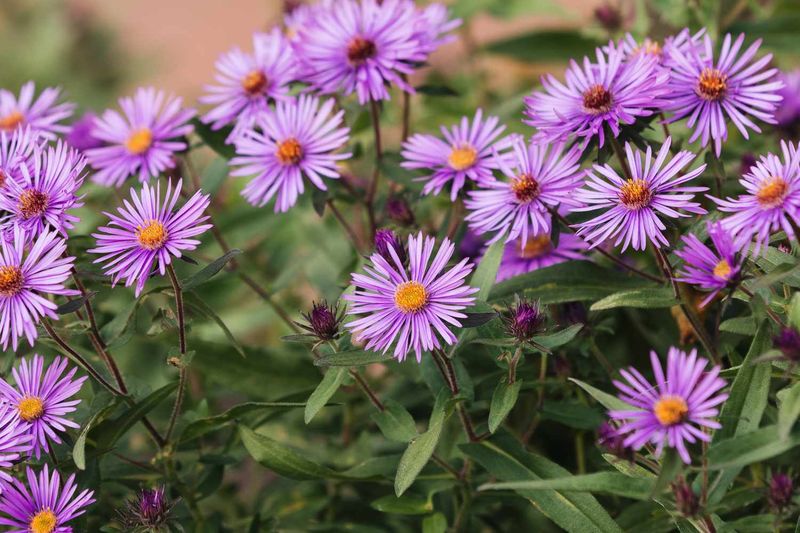
Rich purple flowers with yellow centers blanket plants in September and October, providing crucial late-season nectar.
Pollinators frantically gather food before winter, making fall bloomers absolutely essential. New England aster becomes a pollinator magnet when little else remains flowering in Michigan gardens.
Full sun and average soil suit this adaptable native perfectly. It tolerates various moisture levels once established, though consistent watering produces fuller plants. Height reaches three to six feet depending on growing conditions and variety selection.
The substantial size works well at the back of borders or as informal hedges. Some gardeners pinch stems in early summer to encourage bushier growth and reduce height. This technique creates more compact plants with slightly later bloom times.
Monarch butterflies migrating through Michigan in fall depend heavily on aster nectar for energy. Native bees also visit constantly, storing food for winter survival. The abundance of flowers provides enough nectar for numerous pollinators to feed simultaneously.
New England aster self-seeds moderately in favorable conditions, gradually naturalizing in garden areas. Dividing clumps every few years maintains vigor and flowering quality. Pair it with goldenrod for a classic fall combination that supports incredible pollinator diversity.
Together, these late bloomers ensure your garden remains valuable to wildlife right up until frost. The purple and gold color combination creates stunning autumn displays while serving critical ecological functions.