How To Keep Chipmunks Out Of Your Garden If You Live In Michigan
Michigan gardens are full of life once warm weather arrives, but not all visitors are welcome.
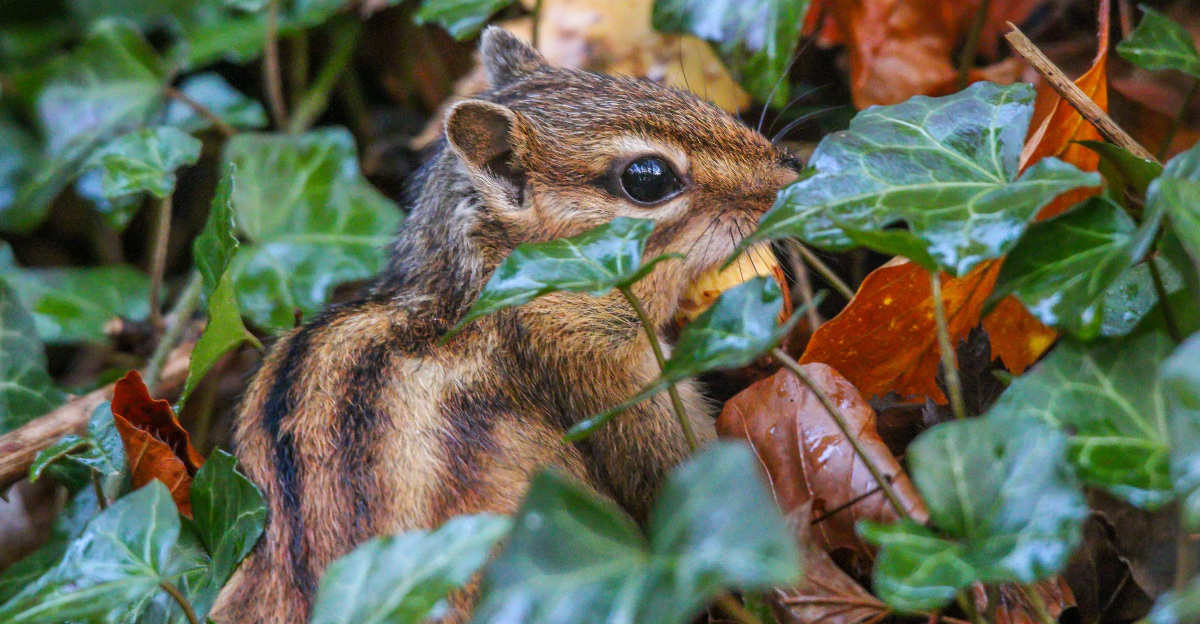
Chipmunks may look cute with their striped backs and busy energy, yet they can quickly turn a thriving garden into a digging zone. These tiny foragers love freshly planted bulbs, tender seedlings, and soft soil where they can tunnel beneath roots.
Left unchecked, their constant nibbling and burrowing can undo weeks of careful planting and preparation.
The challenge is finding ways to protect your garden without harming the wildlife that shares your space.
Many Michigan gardeners have discovered that simple, thoughtful strategies can discourage chipmunks while keeping the garden safe and balanced.
From protecting young plants to making your yard less inviting for burrowing, small changes often make a big difference.
With the right approach, it is possible to enjoy a healthy, productive garden while peacefully coexisting with the lively creatures that call your landscape home.
Install Hardware Cloth Or Wire Fencing

Gardens in Michigan face constant visits from hungry chipmunks looking for easy meals. Creating a solid barrier around your garden beds offers one of the most reliable ways to stop these critters.
Hardware cloth works exceptionally well because its tight weave prevents even the smallest paws from squeezing through.
Choose mesh with openings no larger than half an inch. This size blocks chipmunks while still allowing sunlight, rain, and air to reach your plants. The material is affordable and available at most hardware stores across Michigan.
You can cut it to fit any garden shape or size. Install the fencing by digging a shallow trench around your garden perimeter.
Bury the bottom edge about four inches deep to discourage digging. Secure the cloth to wooden stakes or metal posts every few feet. Make sure the fencing stands at least twelve inches above ground level.
Check your barrier regularly throughout the growing season for any gaps or damage. Chipmunks are persistent and will exploit even tiny openings. Reinforce weak spots with additional wire or zip ties.
This simple investment protects your vegetables, flowers, and herbs from constant nibbling and digging damage all season long.
Use Raised Garden Beds With Buried Fencing
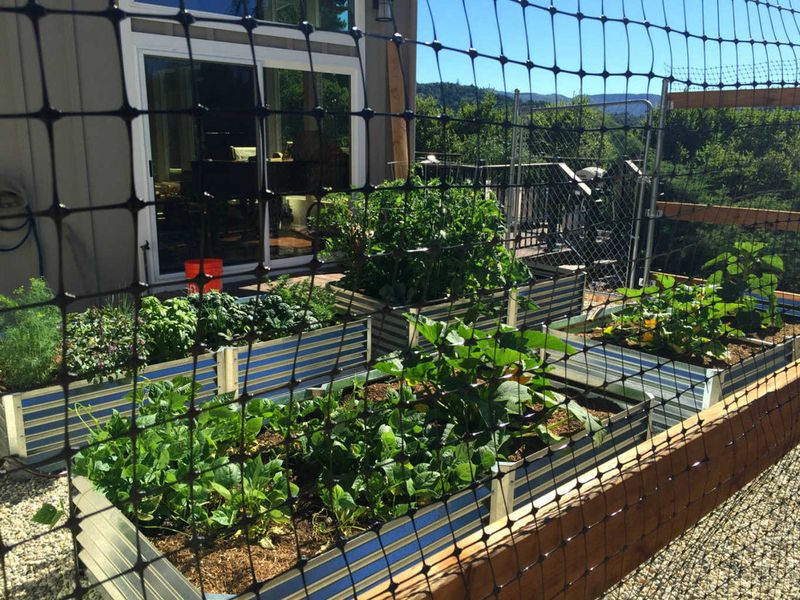
Raised garden beds transform how you grow plants while adding an extra layer of protection.
Building your beds higher off the ground makes it harder for chipmunks to access your prized tomatoes and lettuce. Combining elevation with buried barriers creates a fortress that keeps these diggers out.
Start by constructing your raised bed frame using untreated wood or composite materials. Before filling it with soil, line the bottom with hardware cloth or sturdy wire mesh. Extend this protective layer six to twelve inches beyond the frame’s outer edges on all sides.
Dig a trench around your bed’s perimeter and fold the excess mesh down into it. Bury this extended portion at least six inches deep in the surrounding ground. This underground fence prevents chipmunks from tunneling underneath to reach roots and bulbs from below.
Fill your raised bed with quality garden soil mixed with compost. The mesh bottom won’t interfere with drainage or plant health. Your vegetables and flowers will thrive while remaining safe from underground invaders.
Your Michigan Garden Changes Every Week. Your Plan Should Too.
Gardening in Michigan changes quickly throughout the season. Every Friday you’ll receive a simple weekly plan showing exactly what to plant, prune, fertilize, harvest, and protect so you never miss the right timing.
Michigan gardeners find this method particularly effective during spring when chipmunks are most active and hungry after winter.
Remove Shelter And Debris Near Garden Areas
Chipmunks love hiding spots where they feel safe from predators like hawks and neighborhood cats.
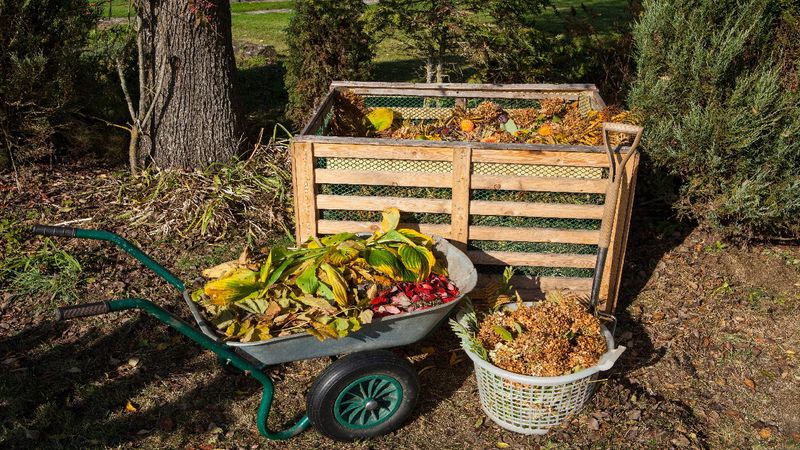
Your garden might be surrounded by perfect hideouts without you realizing it. Piles of leaves, stacked firewood, dense mulch layers, and overgrown brush all provide excellent cover for these small mammals.
Walk around your garden and identify potential hiding places within twenty feet of your plants. Remove leaf piles and relocate firewood stacks farther from garden beds. Trim back overgrown shrubs and clear away fallen branches that create tunnels and nesting spots.
Keep mulch layers thin, no more than two inches deep near vulnerable plants. Thick mulch gives chipmunks material for burrow construction and comfortable nesting areas.
A tidy garden perimeter makes chipmunks feel exposed and vulnerable, encouraging them to seek shelter elsewhere on your property.
Michigan winters produce lots of natural debris that accumulates around yards. Make cleanup a regular spring and fall task to maintain your defenses.
Store garden tools, pots, and supplies in sheds rather than leaving them scattered where they create additional hiding spots.
An open, well-maintained garden space naturally discourages chipmunks from setting up residence near your precious plants and vegetables throughout the growing season.
Plant Bulbs In Protective Cages
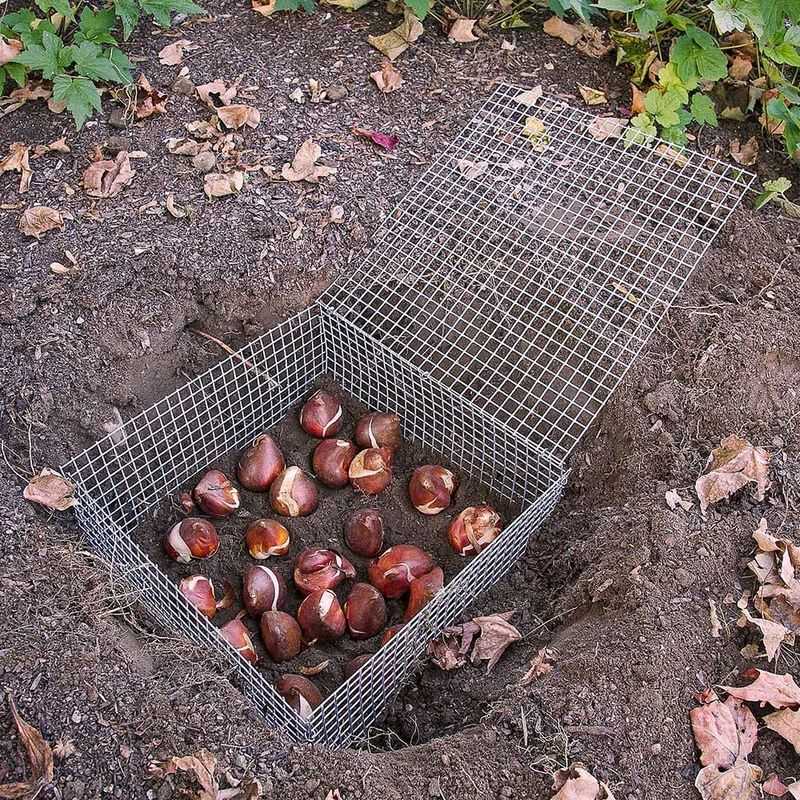
Spring bulbs bring beautiful color to Michigan gardens after long winters. Unfortunately, chipmunks consider tulip and crocus bulbs a delicious snack worth digging for.
These persistent foragers can decimate an entire bulb planting in just days, leaving you with empty soil and broken dreams of spring blooms.
Individual wire cages offer excellent protection for valuable bulbs. Purchase or create small baskets from hardware cloth with quarter-inch to half-inch openings.
These containers allow roots to grow downward and shoots to emerge upward while keeping chipmunk teeth away from the bulbs themselves.
Plant each bulb or small group of bulbs inside its own protective cage. Dig your hole slightly larger than usual to accommodate the wire container. Place the cage in the hole, add your bulb at the proper depth, and fill with soil.
The cage remains underground permanently, protecting bulbs year after year.
This method works particularly well for expensive or rare bulb varieties. The wire doesn’t interfere with plant growth or flower development. Your tulips, daffodils, and crocuses will emerge beautifully each spring without becoming chipmunk snacks.
Many Michigan gardeners consider this extra step worthwhile for ensuring their spring garden displays remain intact and stunning.
Apply Humane Repellents Around Plants
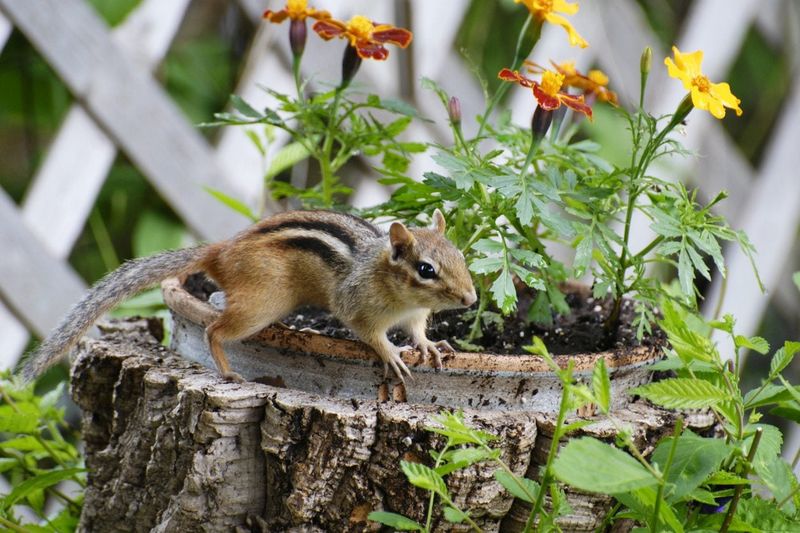
Repellents work by making your garden smell or taste unpleasant to chipmunks without causing them harm. Many commercially available products use natural ingredients that humans barely notice but small mammals find offensive.
These solutions offer a gentler approach than traps or barriers for Michigan gardeners who prefer minimal intervention.
Look for repellents containing capsaicin, the compound that makes peppers spicy. Chipmunks dislike this burning sensation on their paws and noses.
Other effective ingredients include predator urine scents from foxes or coyotes, which trigger natural fear responses in prey animals like chipmunks.
Apply repellents according to package directions, usually spraying or sprinkling around garden perimeters and on vulnerable plants.
Reapply after heavy rain or every few weeks during the growing season. Different products work better for different situations, so you might need to experiment to find what works best in your specific garden.
Remember that repellents alone rarely provide complete protection against determined chipmunks.
They work best when combined with other methods like fencing or habitat modification. Some Michigan gardeners rotate between different repellent types to prevent chipmunks from becoming accustomed to any single scent or taste deterrent throughout the season.
Encourage Natural Predators
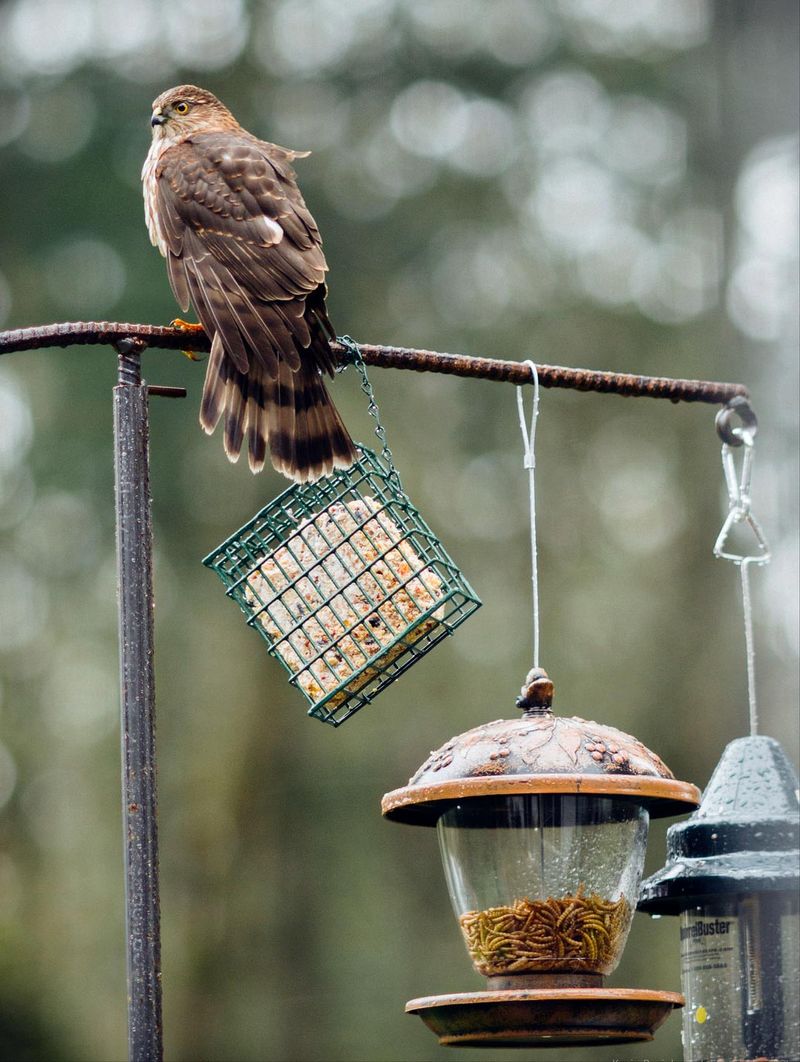
Nature provides its own pest control system when given the chance. Hawks, owls, snakes, and even domestic cats naturally hunt chipmunks as part of their regular diet.
Creating a welcoming environment for these predators helps maintain balanced wildlife populations around your Michigan property without you lifting a finger.
Install owl boxes on tall poles or mature trees near your garden. Barn owls and screech owls are common in Michigan and eagerly hunt small rodents. Position boxes at least fifteen feet high in quiet areas away from heavy human activity.
One owl family can consume hundreds of small mammals each season. Leave some wild areas on your property where snakes can find shelter.
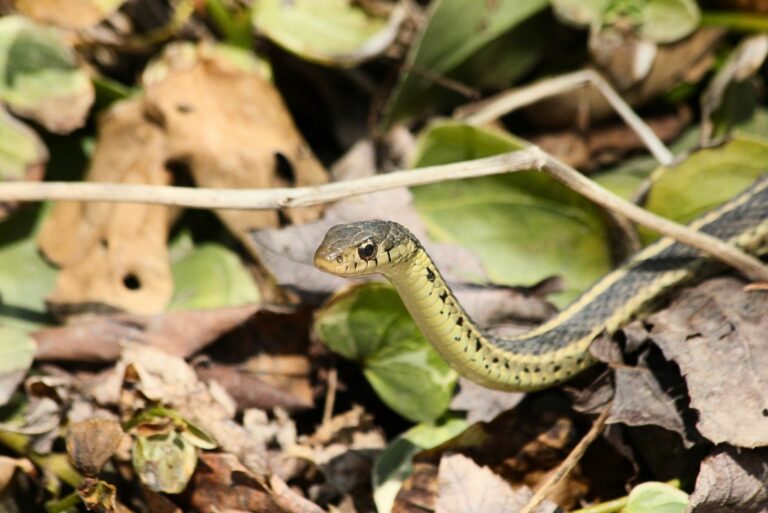
Garter snakes and other non-venomous species common to Michigan eat chipmunks and their young. Rock piles and unmowed meadow sections provide excellent snake habitat while keeping these beneficial reptiles away from high-traffic areas.
Avoid using rodent poisons anywhere on your property. These toxins can harm predators that eat affected chipmunks. Keep outdoor cats safe with bells on collars, but allow them supervised outdoor time when possible.
A balanced ecosystem with active predators naturally keeps chipmunk numbers manageable without requiring constant human intervention in your garden space.
Use Mulches That Are Less Favorable To Digging
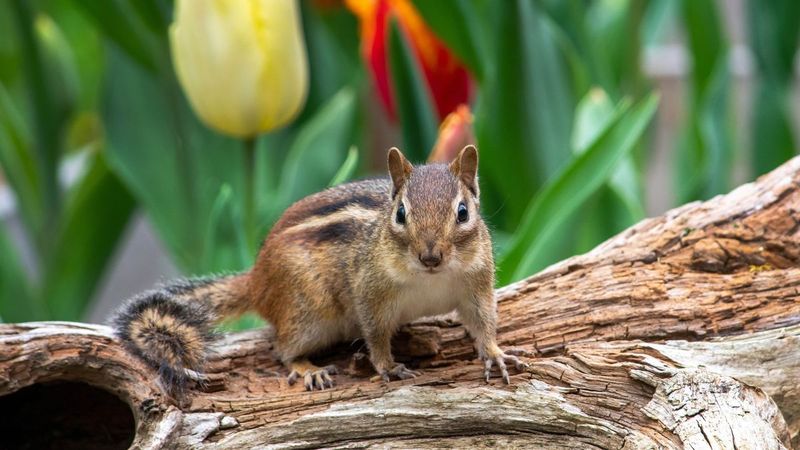
Mulch choice matters more than most gardeners realize when dealing with chipmunks. Fine, loose materials like shredded leaves or soft wood shavings create perfect conditions for burrowing and nesting.
These fluffy mulches also retain warmth and moisture that chipmunks find comfortable for raising their young right beside your vegetables.
Switch to coarser mulch options that discourage digging behavior. Large wood chips, pine bark nuggets, or even decorative stones make burrowing difficult and uncomfortable.
These materials still provide weed suppression and soil moisture retention without offering cozy nesting opportunities for unwanted garden visitors.
Apply your chosen mulch in thinner layers than you might use otherwise. A one to two-inch layer provides plant benefits without creating the deep, soft environment chipmunks prefer.
Avoid piling mulch directly against plant stems, which can cause rot and creates additional hiding spots for small animals.
Cedar mulch offers an extra advantage because its natural oils have a strong scent many animals find unpleasant.
Michigan garden centers stock various cedar products specifically marketed for pest deterrence. Refresh your mulch layer each spring to maintain its appearance and effectiveness.
This simple change in your mulching strategy makes your garden less inviting to chipmunks seeking comfortable places to establish burrows and raise families.
Limit Bird Seed Spillage
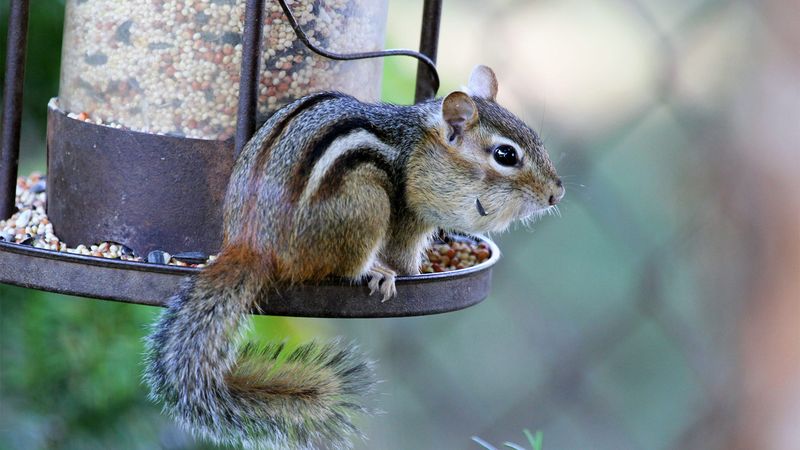
Bird feeders bring delightful feathered visitors to Michigan yards throughout the year. However, they also create an unintended buffet for chipmunks who eagerly feast on fallen seeds.
Sunflower seeds, millet, and other common bird foods provide high-energy nutrition that keeps chipmunk populations thriving right where you don’t want them.
Install seed catchers or trays beneath your feeders to collect fallen food before it reaches the ground.
These simple devices attach to most feeder styles and significantly reduce the amount of accessible seed. Empty the catchers regularly so accumulated seed doesn’t overflow and defeat their purpose.
Choose feeders designed to minimize spillage in the first place. Tube feeders with small perches and weight-activated mechanisms work better than open platform styles.
Consider switching to seeds that birds prefer but chipmunks find less appealing, though this strategy has limited effectiveness since hungry chipmunks eat almost anything.
Place feeders at least twenty feet away from your garden areas when possible. This distance helps separate bird feeding zones from vegetable and flower beds. Clean up any spilled seed daily using a broom or shop vacuum.
Michigan gardeners who maintain tidy feeding stations notice fewer chipmunks venturing into nearby garden spaces looking for additional food sources throughout the growing season.
Use Motion-Activated Devices As Deterrents
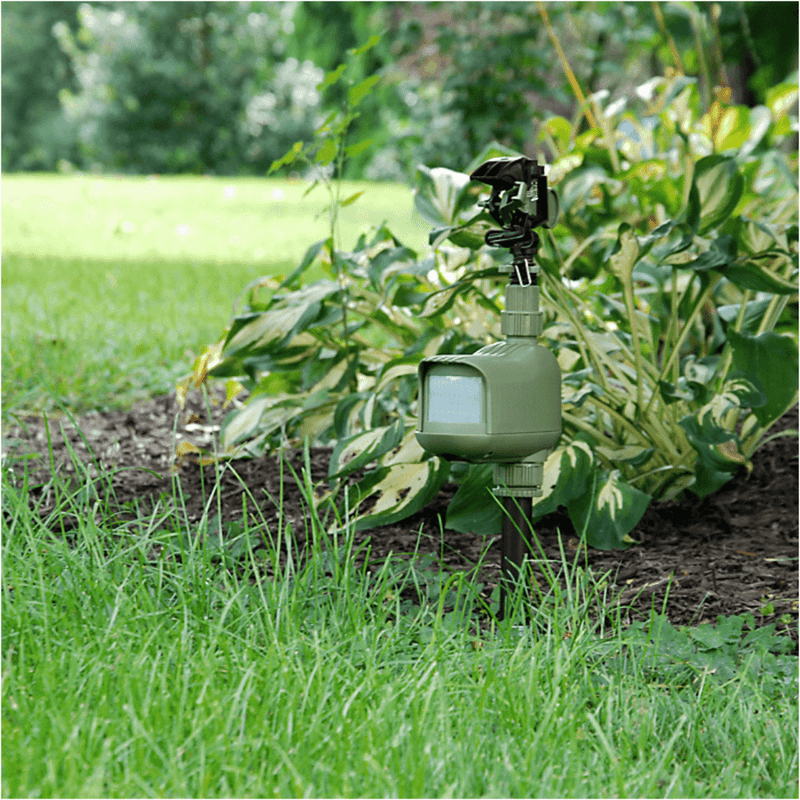
Technology offers innovative solutions for persistent chipmunk problems without causing any harm.
Motion-activated devices startle these small animals when they enter protected areas, training them to avoid your garden through negative association.
Over time, chipmunks learn that approaching your plants results in unpleasant surprises and seek food elsewhere.
Motion-activated sprinklers work exceptionally well in Michigan gardens. These devices detect movement and release a quick burst of water that startles but doesn’t hurt chipmunks. The sudden spray sends them running while also watering your plants.
Most models allow you to adjust sensitivity and spray patterns to cover specific areas. Position sprinklers to cover garden entry points and areas where you’ve noticed the most chipmunk activity.
Test the detection zone to ensure it triggers appropriately without wasting water on false alarms from wind-blown branches. Battery-powered models offer flexibility for placement anywhere in your yard without requiring electrical outlets.
Some gardeners also use motion-activated lights or ultrasonic devices, though results vary with these alternatives.
Lights work best for nighttime deterrence but won’t affect daytime visitors. Ultrasonic devices claim to emit sounds annoying to rodents, but scientific evidence supporting their effectiveness remains limited.
Water-based sprinklers provide the most reliable results for Michigan gardens dealing with persistent chipmunk problems throughout the growing season.