Grow Endless Houseplants In Ohio Without Ever Buying One
Ohio winters can feel long and gray, and many houseplants look small and quiet on windowsills. If your indoor garden feels stuck, you don’t have to wait to see it grow.
With a few simple steps, it’s possible to expand your collection without buying a single new plant.
March brings longer days and gentle sunlight that help plants wake up from their winter rest, making it an ideal time to start new growth. Even a single cutting or a crowded pot can become multiple healthy plants over time.
By taking action now, you can fill your home with greenery, watch your space come alive, and get ready for a vibrant indoor garden that lasts all year.
1. Propagate Plants From Cuttings You Already Have
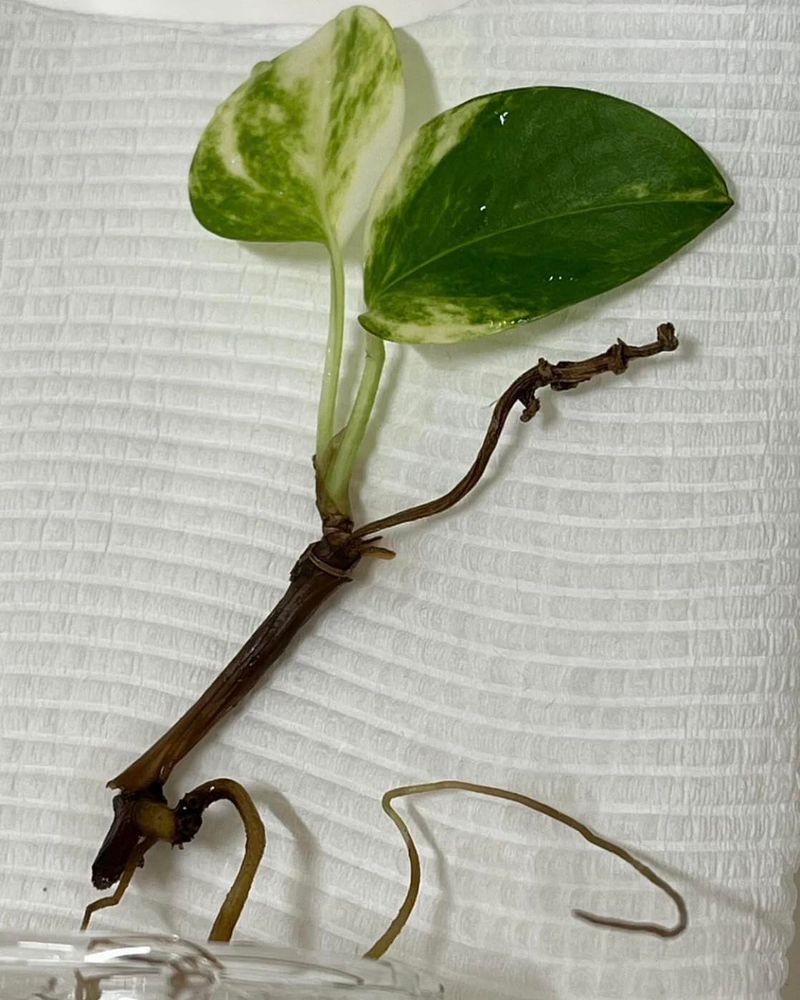
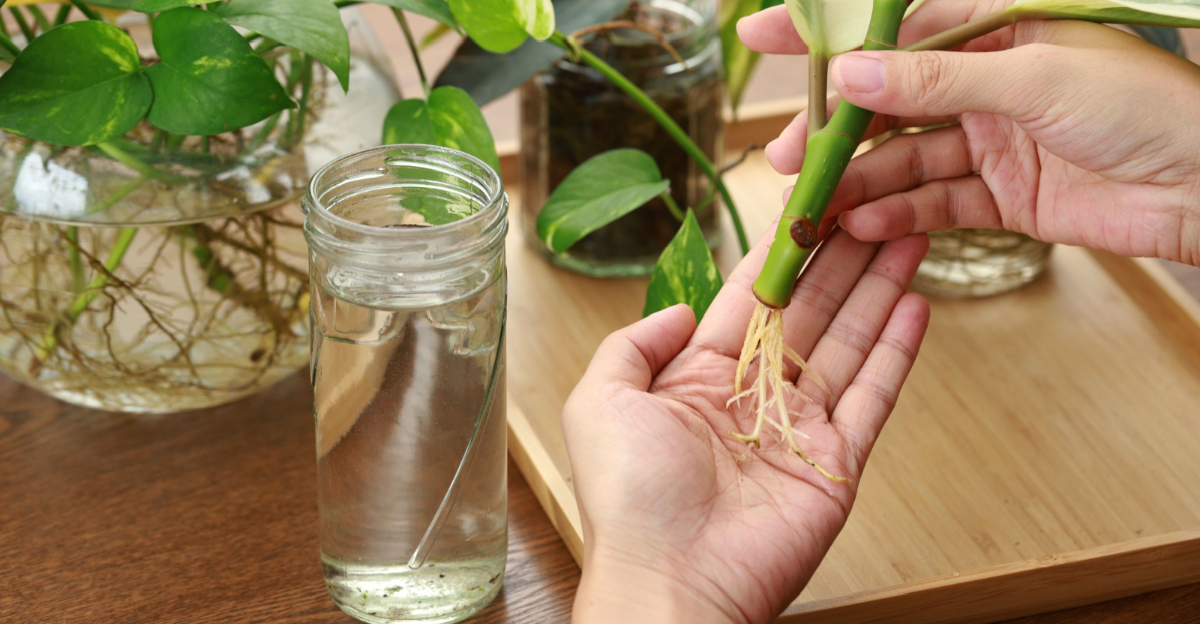
Stem cuttings offer the simplest path to multiplying your houseplant collection using what you already own. Pothos, philodendron, tradescantia, and many other common houseplants root quickly when you snip a healthy section just below a leaf node.
The node contains growth cells that produce new roots when placed in the right conditions.
Choose stems that look vigorous with several leaves and no signs of damage or stress. Use clean, sharp scissors to make a cut about a quarter inch below a node.
Remove lower leaves that would sit underwater, keeping two or three leaves at the top to continue photosynthesis.
Place your cuttings in clean water or moist potting mix, then position them in bright, indirect light near an Ohio window. March sunlight provides enough energy without scorching tender new growth.
Change water weekly if using the water method to prevent bacterial buildup.
Roots typically appear within two to four weeks, though some plants take longer depending on species and indoor temperature. Once roots reach about two inches long, transplant into small pots with well-draining soil.
Keep soil consistently moist but not soggy during the first few weeks as roots establish. Patience pays off when you see new leaves emerging from your successfully rooted cuttings.
2. Divide Existing Plants To Create New Pots
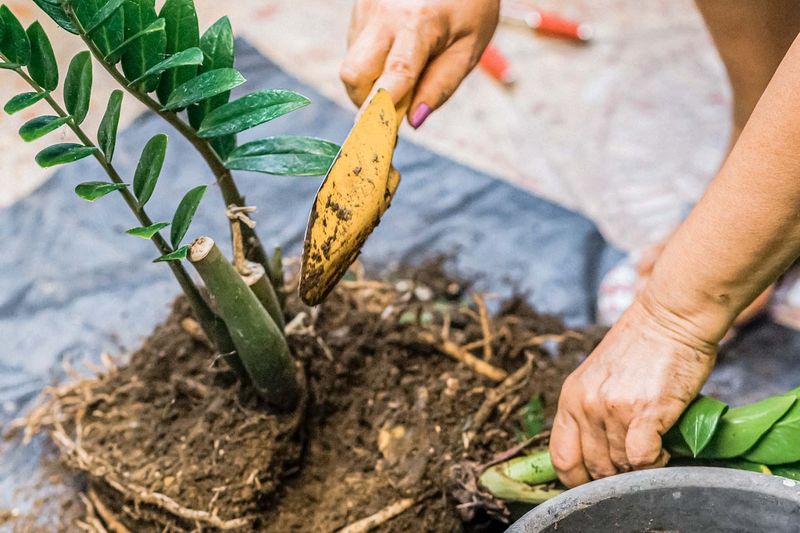
Many houseplants naturally produce offsets, pups, or simply grow so full that they can be separated into multiple plants. Spider plants, snake plants, peace lilies, and most ferns respond beautifully to division when they’ve outgrown their containers.
This method works best for plants with multiple growth points or those that spread through underground rhizomes.
Wait until your plant shows clear signs of crowding, such as roots circling the pot’s bottom or multiple distinct clusters of growth. Early spring works well in Ohio since plants are beginning their active growing season.
Water thoroughly the day before dividing to reduce transplant shock.
Gently remove the entire plant from its pot and examine the root structure. Use your fingers to tease apart natural divisions, or use a clean knife to cut through dense root masses.
Each section needs adequate roots and at least a few healthy leaves or stems to survive independently.
Pot each division in fresh potting mix appropriate for that plant type, placing them at the same depth they grew originally. Water lightly and keep in moderate light for a week while they adjust.
Your Ohio Garden Changes Every Week. Your Plan Should Too.
Gardening in Ohio changes quickly throughout the season. Every Friday you’ll receive a simple weekly plan showing exactly what to plant, prune, fertilize, harvest, and protect so you never miss the right timing.
Avoid fertilizing for at least a month to let roots recover and establish. Within weeks, you’ll notice new growth signaling successful establishment.
3. Layer Leaves And Stems For Easy Growth
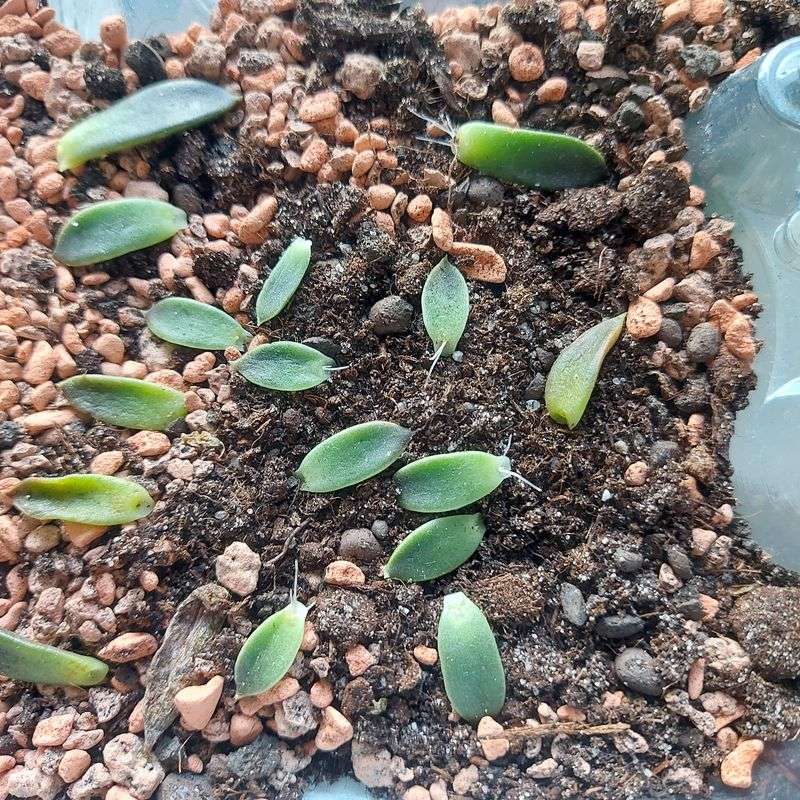
Leaf propagation works wonderfully for succulents, African violets, and begonias, letting you create numerous plants from a single parent. The process mimics how these plants naturally reproduce in their native environments.
Succulents especially excel at this method, making it perfect for Ohio indoor gardeners wanting to expand drought-tolerant collections.
Gently twist healthy, mature leaves from the parent plant, ensuring you get a clean break at the base where it attaches to the stem. Damaged or torn leaves rarely succeed, so choose carefully.
Let succulent leaves rest on a paper towel for two to three days until the broken end calluses over, preventing rot.
Lay leaves on top of dry succulent soil or insert the base of African violet leaves into moist potting mix. Keep in bright, indirect light where Ohio’s March sun won’t scorch them.
Mist lightly every few days rather than soaking, as too much moisture causes rot before roots form.
Tiny plantlets emerge from the leaf base within three to six weeks, though timing varies considerably by species. Once babies develop several leaves and visible roots, separate them from the mother leaf and pot individually.
This method requires patience but rewards you with dozens of new plants from minimal materials.
4. Use Air Layering To Multiply Favorite Houseplants
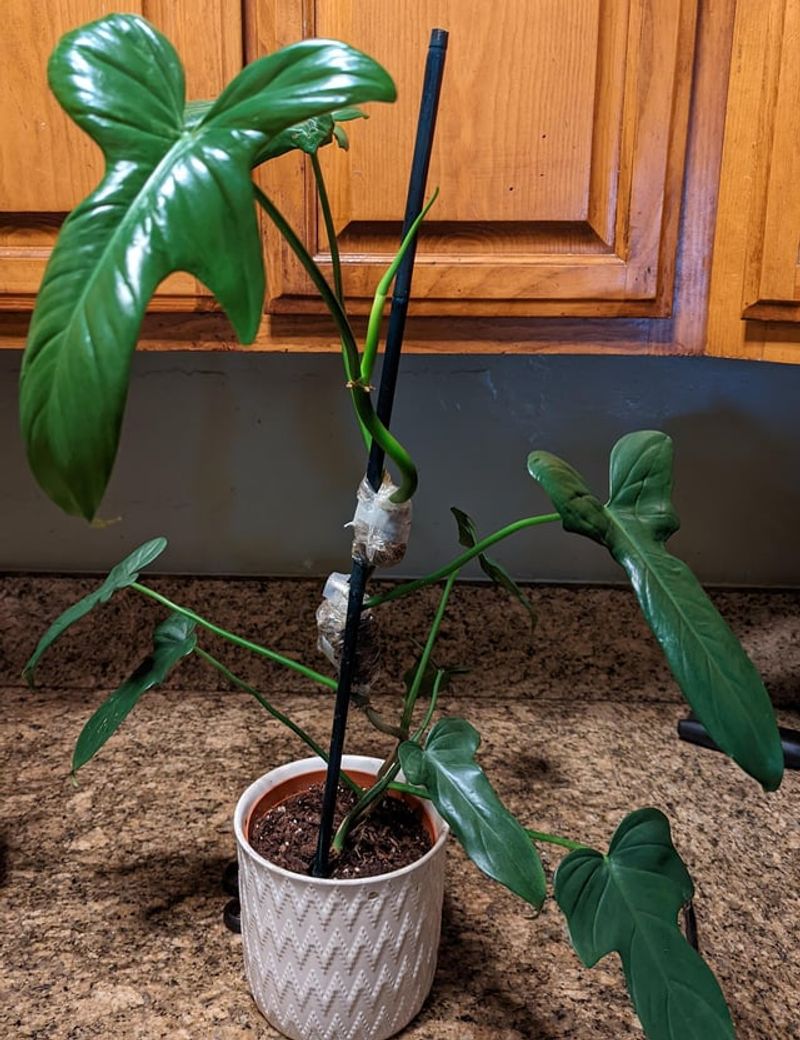
Air layering sounds complex but actually provides a reliable method for propagating woody houseplants like rubber plants, dracaenas, and fiddle leaf figs. This technique encourages roots to form while the stem remains attached to the parent plant, ensuring success before you commit to cutting.
Select a healthy stem section about twelve inches from the tip. Make a small upward cut about one-third through the stem, or remove a narrow ring of bark.
Dust the wound with rooting hormone if available, though it’s optional for many species.
Wrap moist sphagnum moss around the wounded area, then cover with clear plastic wrap secured at both ends with twist ties or tape. The plastic keeps moisture in while letting you monitor root development.
Keep the parent plant in its usual spot with normal care.
Check weekly to ensure the moss stays damp, adding water with a spray bottle if needed. Roots typically appear within four to eight weeks, visible through the plastic.
Once you see substantial root growth filling the moss ball, cut the stem below the new roots.
Remove the plastic carefully, keeping moss intact around roots, and pot your new plant in appropriate soil. Maintain high humidity around the cutting for the first two weeks by covering loosely with a plastic bag.
This advanced technique yields larger starter plants with established root systems.
5. Regrow From Kitchen Scraps Like Herbs And Vegetables
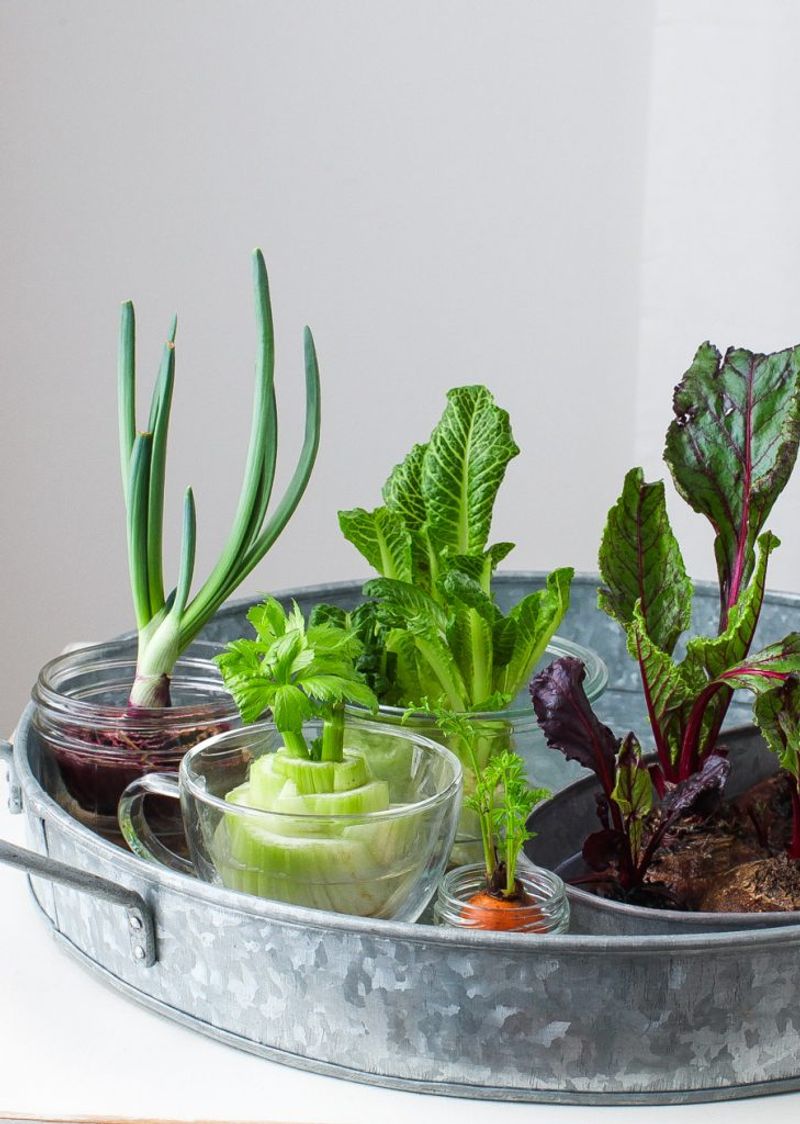
Your kitchen provides free propagation material that many Ohio gardeners overlook. Green onions, celery bases, basil stems from the grocery store, and even romaine lettuce hearts can regrow into productive plants on your windowsill.
This approach combines houseplant growing with practical food production.
Save the bottom inch of green onions with roots attached and place in a shallow dish of water. Change water every other day and watch as green shoots emerge within a week.
Harvest the greens as needed while roots continue growing.
Grocery store basil, cilantro, and mint often root readily when you place stems in water. Choose bunches with the freshest-looking stems and remove lower leaves.
Within two weeks, roots develop enough to transplant into pots with regular potting soil.
Celery and romaine bases need their cut ends submerged in shallow water with the top exposed. Place in bright Ohio sunlight and mist the exposed center daily.
New leaves sprout from the center as roots form below. While these won’t produce full heads, they provide fresh greens for salads.
Sweet potato slips grow enthusiastically in water, producing trailing vines that beautify your home while demonstrating plant growth. Suspend a sweet potato half-submerged using toothpicks over a jar of water.
Roots and shoots emerge within weeks, creating an attractive and educational display.
6. Take Advantage Of Water Propagation For Fast Results
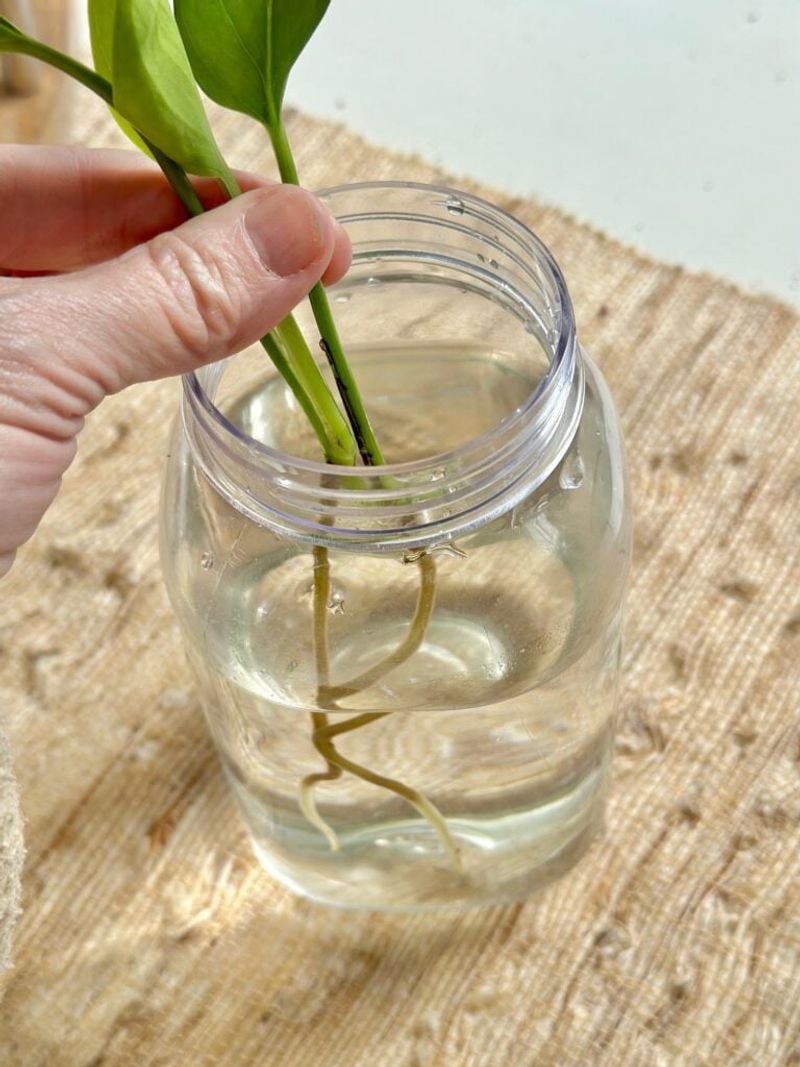
Water propagation lets you watch root development in real time, making it especially satisfying for beginners. Many popular houseplants root faster in water than soil, and the method requires minimal supplies.
Clear containers let you monitor progress and catch problems before they become serious.
Fill clean jars or glasses with room-temperature water and place cuttings so nodes sit submerged while leaves stay dry. Position near an Ohio window with bright, indirect light.
Direct sun heats water too much and encourages algae growth.
Change water every five to seven days to keep oxygen levels high and prevent bacterial growth that causes stem rot. If water becomes cloudy or develops an odor, change it immediately and rinse the container thoroughly.
Some gardeners add a small piece of charcoal to keep water fresh longer.
Roots appear as small white bumps at nodes before extending into longer structures. Patience matters here, as different species root at different rates.
Pothos and philodendron often show roots within ten days, while others take four weeks or more.
Transfer to soil once roots reach two to three inches long. Plants transitioned too early struggle to adapt, while those left in water too long develop fragile roots.
Keep newly potted cuttings consistently moist for the first week as roots adjust to soil conditions.
7. Care For Young Plants To Ensure Strong, Healthy Growth
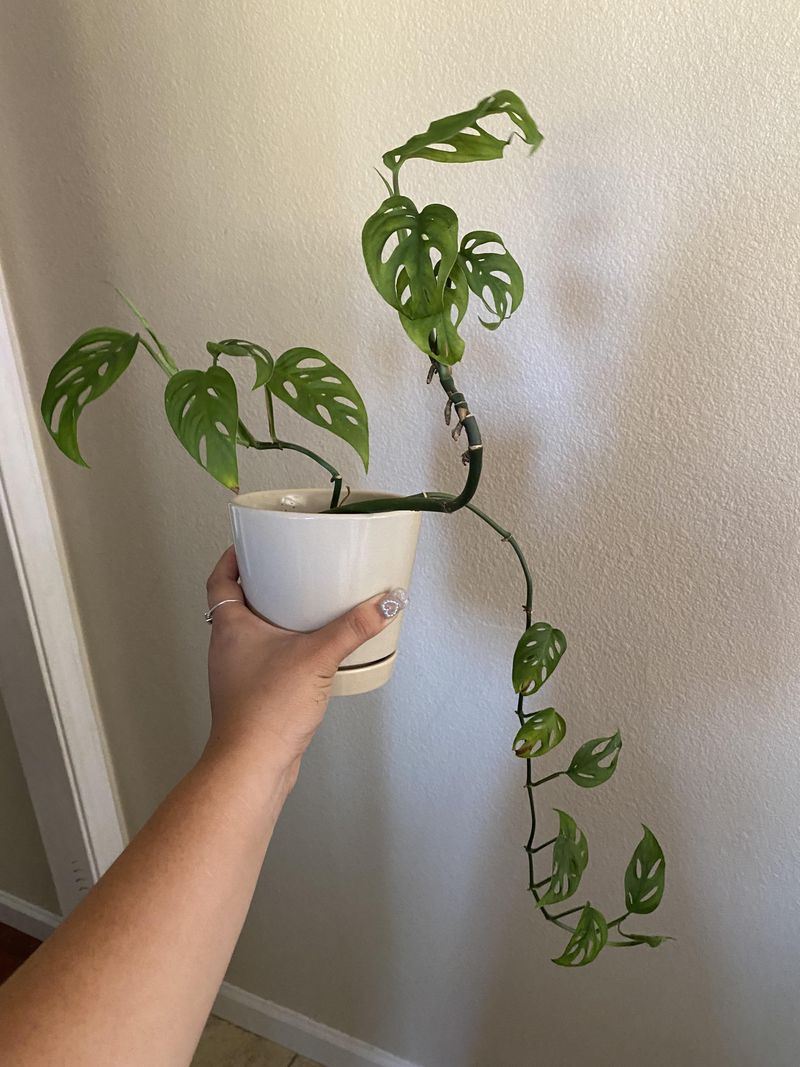
Successfully rooting cuttings represents just the beginning of propagation. Young plants need attentive care during their first months to develop into thriving additions to your collection.
Ohio’s indoor conditions in March, with moderate temperatures and increasing daylight, support this critical establishment phase.
Keep newly potted propagations in bright, indirect light rather than full sun. Their developing root systems can’t yet support rapid growth or recover from stress.
Maintain consistent moisture without overwatering, checking soil daily by feeling the top inch.
Humidity helps tender new growth, especially important in Ohio homes with dry indoor air from heating systems. Group plants together, use pebble trays filled with water beneath pots, or cover with clear plastic bags supported by stakes.
Remove covers daily for air circulation to prevent fungal issues.
Avoid fertilizing for at least six weeks after potting cuttings. New roots are sensitive to fertilizer salts and don’t need extra nutrients while establishing.
Once you see vigorous new growth, begin feeding at half the recommended strength.
Watch for signs of stress like yellowing leaves or wilting, adjusting care accordingly. Some leaf loss is normal as plants adapt to new conditions.
Be patient, as young plants need time to develop extensive root systems before showing impressive top growth. Within several months, your propagated plants will resemble their parent plants and continue growing for years.