The 10 Best California Lawn Alternatives For Low Water Use
Golden lawns may be classic, but in California they can be thirsty, fussy, and a lot of work. With long dry seasons and water wise living becoming the new normal, many homeowners are trading traditional grass for smarter, greener options.
The good news is you do not have to give up beauty to save water. Modern lawn alternatives can be lush, colorful, soft underfoot, and far easier to maintain than a standard turf yard.
Some stay green year round, some burst with flowers, and others create a clean, stylish landscape with almost no mowing at all. Even better, they help support pollinators and cut down on water bills.
1. Native Bentgrass (Agrostis pallens)
When summer heat settles in and your neighbors are running sprinklers daily, you might start wondering if there’s a grass that actually belongs here.
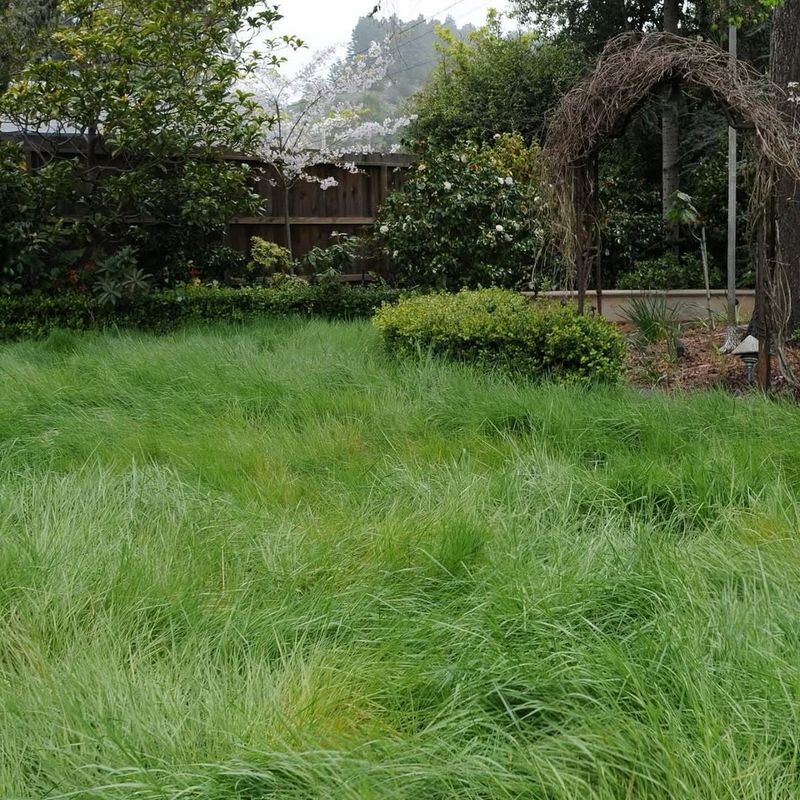
Native bentgrass offers that soft, fine-textured look people love about traditional lawns, but it evolved right here in California’s coastal regions.
This perennial grass stays low and spreads gently without the aggressive behavior of invasive species. It handles foot traffic reasonably well, making it practical for families who actually use their yards.
The real advantage shows up on your water bill since it needs far less irrigation once established than Kentucky bluegrass or fescue blends.
Many gardeners make the mistake of overwatering native bentgrass because they’re used to keeping conventional turf constantly moist. Once the roots settle in after the first year, you can cut back significantly during our dry season.
It may go slightly dormant and tan up in the hottest months, but that’s completely natural and healthy.
Native bentgrass works best in coastal and mild inland areas where temperatures don’t regularly spike above 95 degrees. It prefers some shade during the afternoon in hotter zones.
Plant it in fall when temperatures cool down, and give it consistent moisture through that first winter and spring to encourage deep rooting.
2. Sand Strawberry (Fragaria chiloensis)
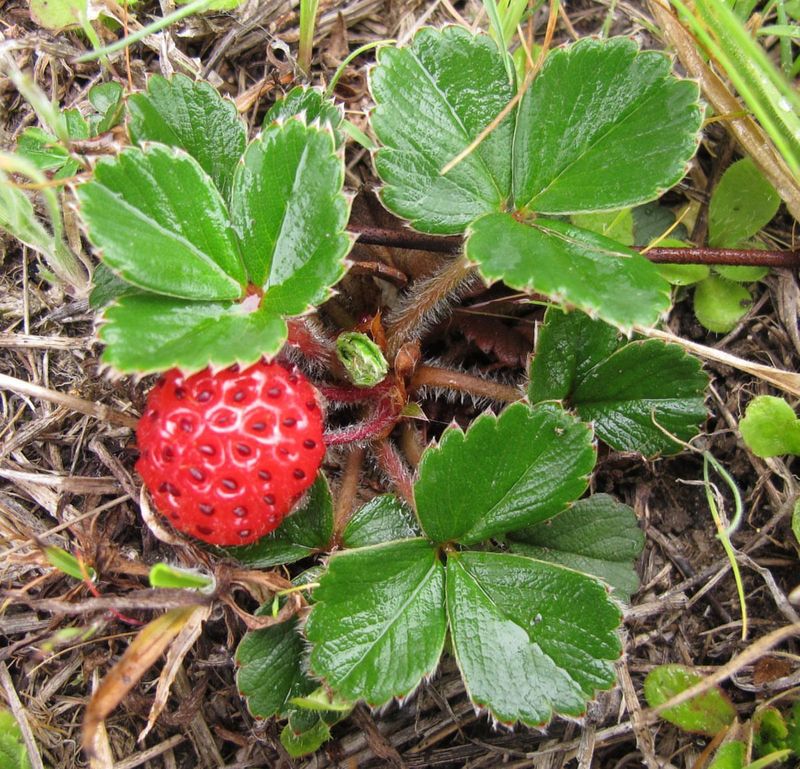
Along the California coast, sand strawberry has been carpeting dunes and hillsides for thousands of years.
Its glossy, three-part leaves create a lush groundcover that stays green year-round in most areas, and the small white flowers in spring add a charming touch that lawn grass never could.
This native plant spreads by runners, filling in spaces naturally over time. It tolerates light foot traffic, though it won’t hold up to a soccer game the way turf grass might.
The real beauty is how little water it needs once established, especially in coastal zones where fog provides natural moisture.
People often plant sand strawberry too densely at first, thinking it needs help spreading. Give each plant about 12 to 18 inches of space and let it fill in naturally over one growing season.
Overcrowding leads to poor air circulation and potential disease issues, especially if you’re watering overhead.
This groundcover works beautifully in full sun along the coast but appreciates afternoon shade in hotter inland valleys. The leaves can scorch when temperatures climb into triple digits without protection.
Your California Garden Changes Every Week. Your Plan Should Too.
Gardening in California changes quickly throughout the season. Every Friday you’ll receive a simple weekly plan showing exactly what to plant, prune, fertilize, harvest, and protect so you never miss the right timing.
Occasional deep watering during extended dry spells keeps it looking fresh, but it’s remarkably drought-tolerant compared to traditional lawns. The bonus?
Tiny edible berries appear in summer, though they’re not as large or sweet as garden strawberries.
3. Woolly Thyme (Thymus pseudolanuginosus)
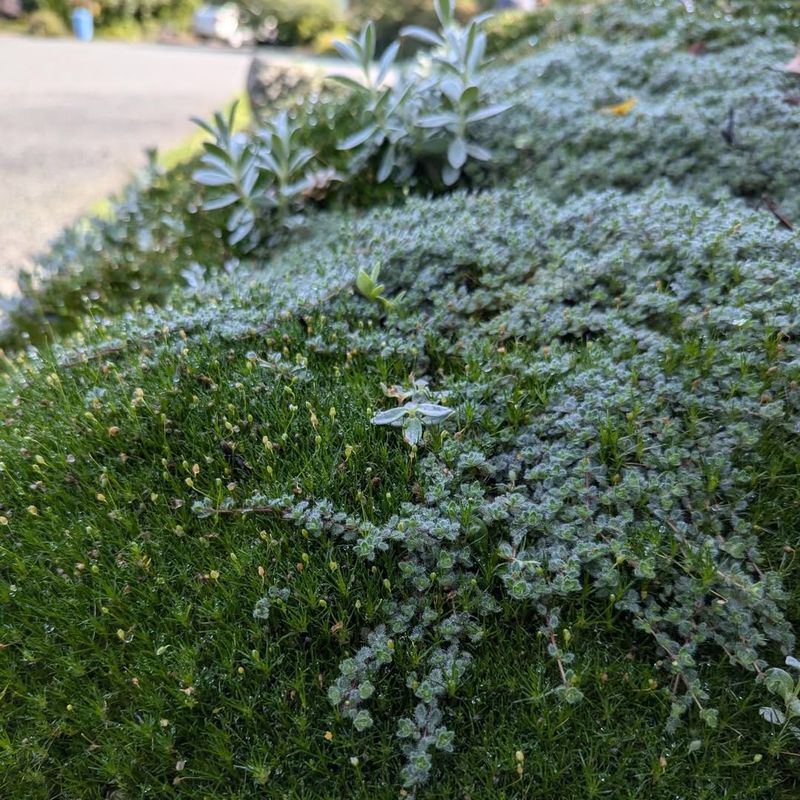
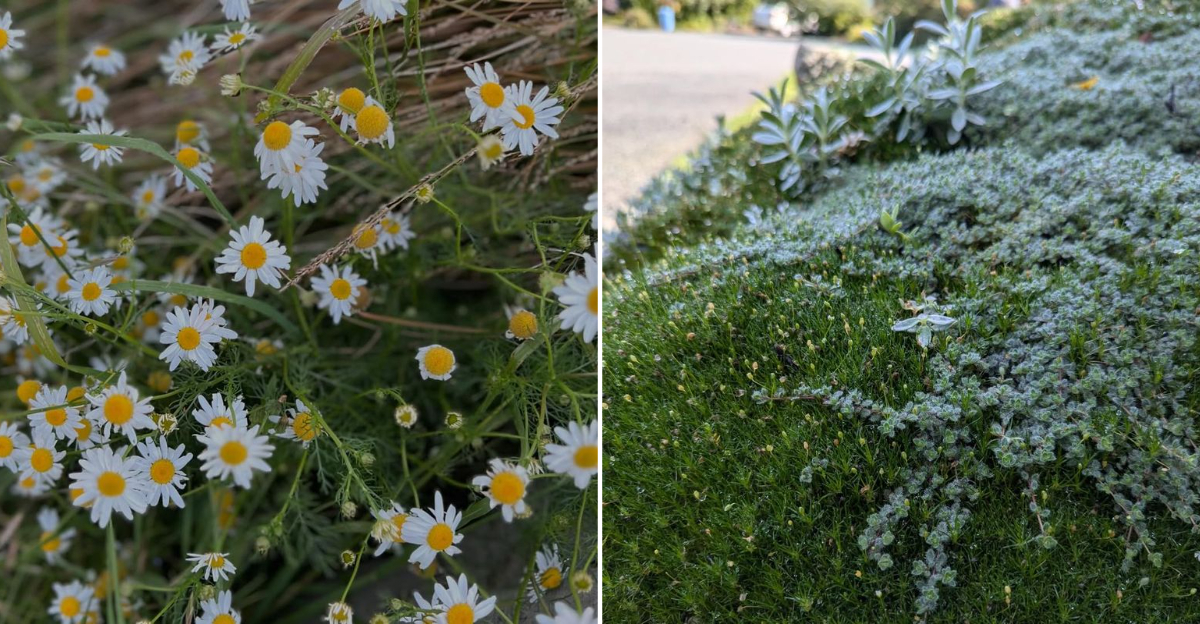
There’s something satisfying about walking across woolly thyme on a warm afternoon. The fuzzy, gray-green leaves release a subtle herbal scent when brushed, and the soft texture feels completely different from scratchy grass blades.
This Mediterranean native fits right into California’s climate, thriving in the same conditions that stress out conventional lawns.
Woolly thyme stays incredibly low, usually just an inch or two tall, creating a dense mat that suppresses weeds naturally. It handles moderate foot traffic well, bouncing back after being stepped on.
In late spring, tiny pink flowers appear, attracting bees and other pollinators to your yard.
The biggest mistake gardeners make is overwatering this tough little plant. Woolly thyme evolved in rocky, well-drained soils with minimal summer rainfall, so soggy conditions lead to root rot and bare patches.
Water deeply but infrequently, allowing the soil to dry out between sessions.
Plant woolly thyme in full sun for best results, spacing plugs about six inches apart. It fills in within one season under good conditions.
This groundcover excels between stepping stones, along pathways, or in smaller lawn areas where you want something walkable but water-wise. Inland heat doesn’t faze it, and coastal gardeners love how it handles sandy soils without complaint.
4. Roman Chamomile (Chamaemelum nobile)
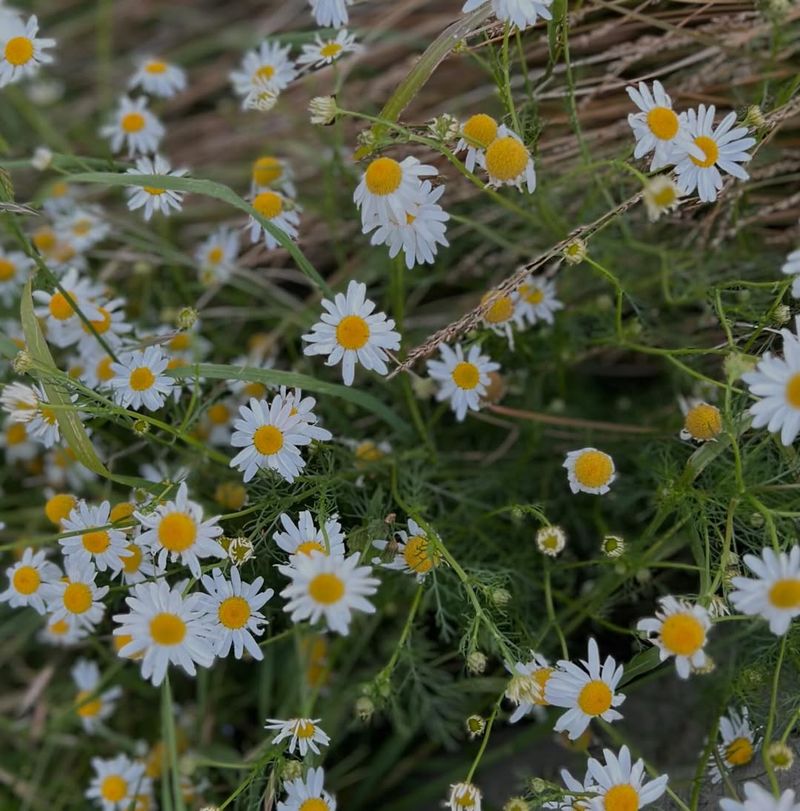
Imagine a lawn that smells like apple blossoms when you walk across it. Roman chamomile delivers exactly that experience, with feathery, aromatic foliage that releases its signature scent underfoot.
This European herb has naturalized beautifully in California’s Mediterranean climate, offering a charming alternative to water-hungry turf.
The plant stays low and spreads steadily, creating a soft carpet of fine-textured leaves. White daisy-like flowers appear throughout the growing season, giving your yard a cottage garden feel.
It tolerates light to moderate foot traffic, making it practical for pathways and smaller lawn areas where people actually walk.
Roman chamomile needs more water than some alternatives on this list, but still uses significantly less than traditional grass. The key is establishing a deep watering schedule rather than frequent shallow sessions.
Many gardeners water too often, which encourages shallow roots and makes the plant dependent on constant moisture.
This groundcover performs best in full sun to partial shade, and it actually appreciates some afternoon protection in the hottest inland valleys. Plant it in spring or fall, spacing starts about six to eight inches apart.
It fills in beautifully over one season. Roman chamomile works wonderfully in areas where you want a soft, fragrant lawn feel without the water waste.
Just avoid planting it where heavy play or sports activities happen regularly.
5. Corsican Mint (Mentha requienii)
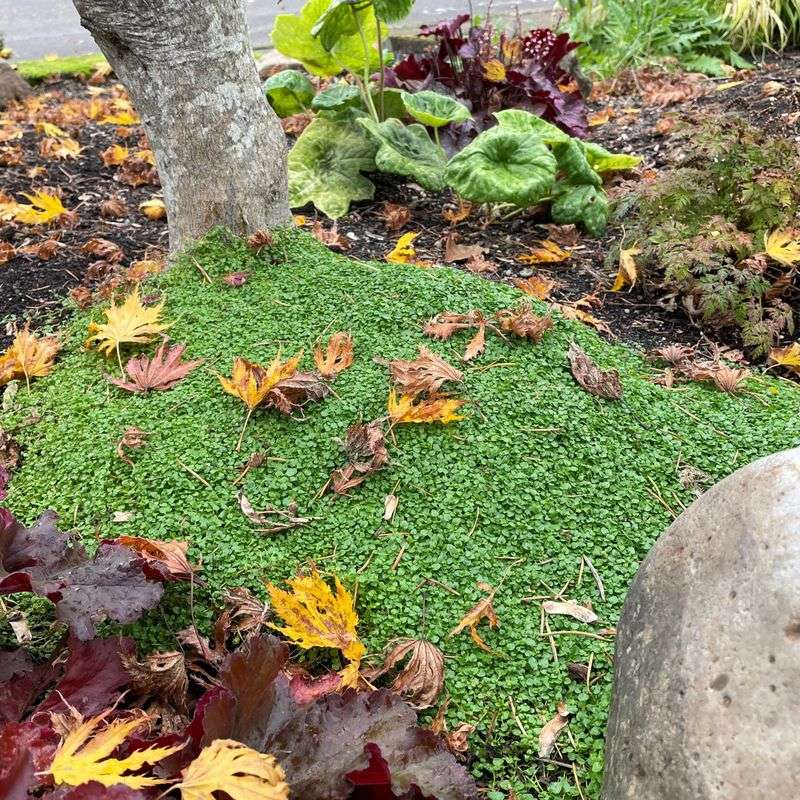
Tucked under trees or along shaded pathways, Corsican mint creates a luminous carpet of the tiniest leaves you’ve ever seen. Each leaf is barely the size of a pinhead, but together they form a dense, bright green mat that looks almost impossibly delicate.
When you step on it, the intense minty fragrance fills the air instantly.
This Mediterranean native thrives in the exact conditions where traditional grass struggles: dappled shade, occasional foot traffic, and well-drained soil. It spreads enthusiastically but not aggressively, filling in gaps between stones and along borders.
Tiny purple flowers appear in summer, though they’re so small you might miss them if you’re not looking closely.
The main challenge with Corsican mint is moisture management. It needs consistent water, especially during hot weather, but won’t tolerate soggy soil.
Think of it as preferring evenly moist conditions rather than wet or bone-dry extremes. Gardeners in full sun locations often struggle because the plant simply crisps up without adequate shade.
Plant Corsican mint in spring, choosing spots that receive morning sun and afternoon shade. It works beautifully under deciduous trees, along north-facing walls, or in courtyards with filtered light.
Space small starts about four inches apart and keep the soil consistently moist through the first growing season. Once established, it needs regular water but far less than a traditional shaded lawn would require.
6. Native Yerba Buena (Clinopodium douglasii)
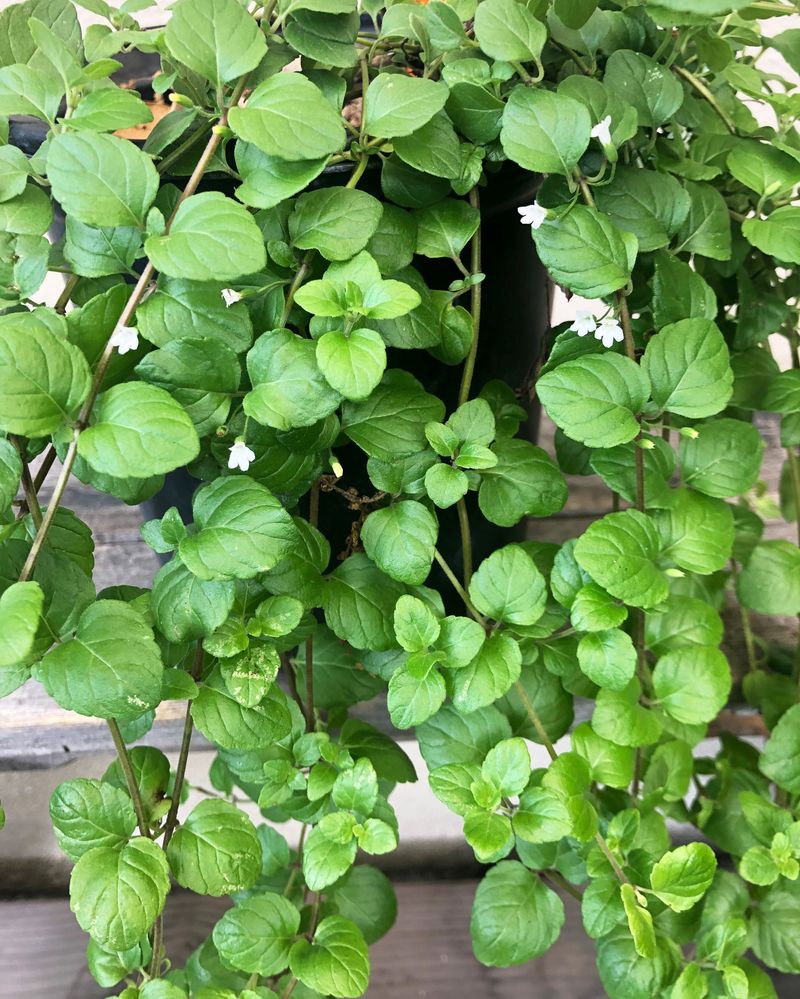
Deep in California’s oak woodlands, yerba buena trails across the forest floor, its rounded leaves catching filtered sunlight. This native mint relative brings that same woodland magic to shaded yards where grass gives up.
The leaves release a sweet minty scent when brushed, and the trailing stems create a naturalistic groundcover that looks like it’s always belonged there.
Yerba buena handles shade beautifully, thriving under oaks, along north-facing walls, or in courtyard gardens where sun is limited. It tolerates occasional foot traffic but works best as a viewing groundcover rather than a play surface.
Small white or lavender flowers appear in spring and summer, attracting native bees.
Many gardeners treat yerba buena like a thirsty shade plant, keeping it constantly moist. Once established, it’s surprisingly drought-tolerant for a shade lover, especially under native oaks where summer water can actually harm the tree.
Let it go slightly dry between waterings during the growing season, and cut back significantly in winter.
This California native prefers well-drained soil and dappled shade. Plant it in fall for best results, giving it consistent moisture through the first year while roots establish.
Space plants about 12 inches apart and let them weave together naturally. Yerba buena excels in woodland gardens, under mature trees, or anywhere you want a water-wise groundcover that feels like a piece of California’s natural landscape.
7. Prostrate Coyote Brush (Baccharis pilularis ‘Pigeon Point’)
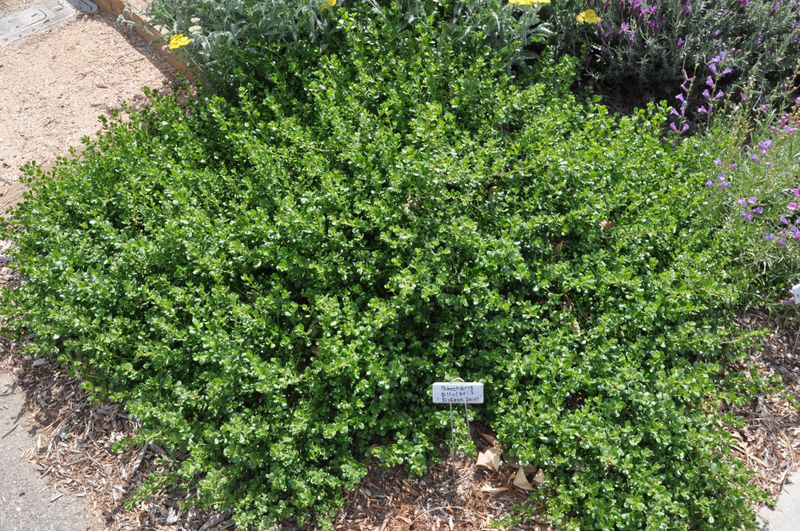
If you need to cover serious ground without using serious water, prostrate coyote brush delivers in a big way. This California native cultivar stays low, usually under two feet tall, but spreads wide to create a dense, evergreen carpet that laughs at drought.
It’s not a lawn you’ll walk across, but it replaces large turf areas beautifully.
The bright green foliage looks fresh year-round, even during the driest summers when conventional lawns turn brown and crunchy. Once established, this plant needs virtually no supplemental water in most California climates.
It evolved to handle our Mediterranean patterns of wet winters and bone-dry summers without complaint.
Some gardeners plant coyote brush too close together, thinking it needs help spreading. Give each plant at least four to five feet of space and be patient.
It fills in completely within two years, creating a uniform groundcover that requires minimal maintenance. Overcrowding leads to poor air circulation and wasted money on unnecessary plants.
This native thrives in full sun and tolerates poor soil, salt spray, and coastal winds. It works brilliantly on slopes where mowing is dangerous, in parking strips where conditions are tough, or in large areas where you want green coverage without irrigation.
Plant in fall from containers, water through the first season, then step back and let it do its thing. Occasional trimming keeps it tidy if it grows taller than you’d like.
8. Beach Strawberry + Clover Mix
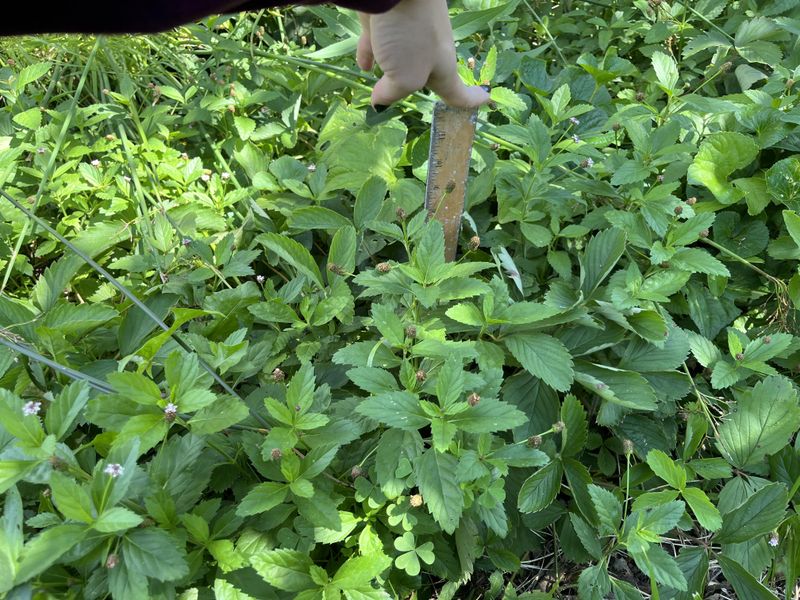
Sometimes the best solution comes from combining plants rather than relying on just one. A mix of beach strawberry and low-growing clover creates a textured, semi-lawn feel that handles foot traffic better than either plant alone.
The strawberry provides evergreen coverage while the clover fixes nitrogen naturally, feeding both plants without synthetic fertilizers.
This combination stays relatively low and green throughout the year in most California climates. The clover adds white or pink flowers that attract pollinators, while the strawberry contributes glossy foliage and occasional small fruits.
Together, they create visual interest that plain grass never achieves, and the water savings are substantial.
The trick is choosing the right clover variety. White Dutch clover works well, but some gardeners prefer smaller-leaved microclover for a finer texture.
Plant beach strawberry plugs about 12 inches apart, then overseed with clover in fall when rains begin. The clover fills in quickly while the strawberry establishes and spreads.
This mix works best in full sun to light shade, and it tolerates moderate foot traffic once established. Water regularly through the first growing season to help both plants develop strong roots.
After that, deep watering every two to three weeks during dry periods keeps everything looking fresh. The combination naturally outcompetes many weeds, reducing maintenance time.
It’s perfect for families who want a usable yard space without the constant watering demands of traditional turf.
9. Native Meadow Mix
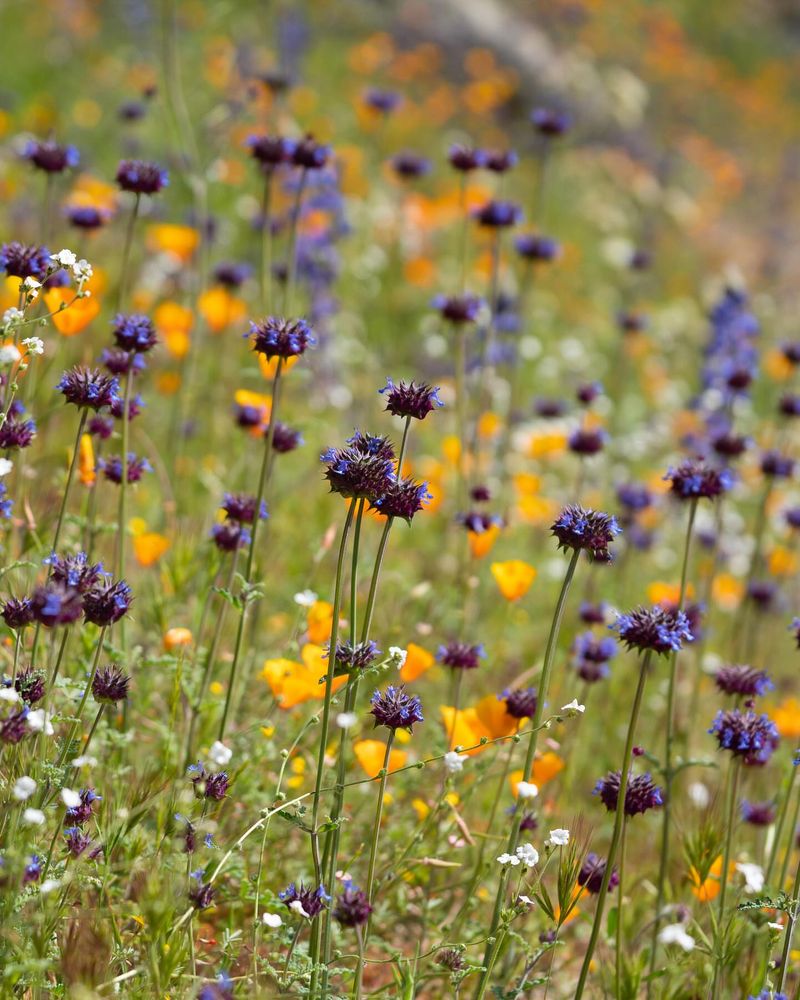
Picture a lawn that changes with the seasons, blooming with poppies in spring and swaying with golden grasses in summer.
A native meadow mix replaces the monoculture of traditional turf with a diverse community of California grasses and wildflowers that support local wildlife while using minimal water.
This approach works beautifully in larger yards or areas where you don’t need to walk regularly.
Native bunchgrasses like purple needlegrass, blue grama, or California fescue provide structure, while wildflowers like lupine, California poppy, and tidy tips add seasonal color.
The result feels like a piece of California’s natural grasslands brought home.
Many people overseed meadow mixes, thinking more is better. Native plants need space to establish properly, and overcrowding leads to competition and weak growth.
Follow seeding rate recommendations carefully, and resist the urge to add extra. It may look sparse at first, but patience pays off as plants mature and fill in naturally.
Plant meadow mixes in fall, right before the rainy season begins. The seeds need consistent moisture to germinate, which nature provides through winter rains.
Once established, most native meadows need little to no summer water, though occasional deep irrigation during extreme drought helps. Mow or cut back once a year in late summer after seeds have dropped to maintain the meadow and encourage fresh growth.
This option transforms water-hungry lawn space into habitat that feeds pollinators, supports birds, and celebrates California’s natural beauty.
10. Gravel + Groundcover Hybrid
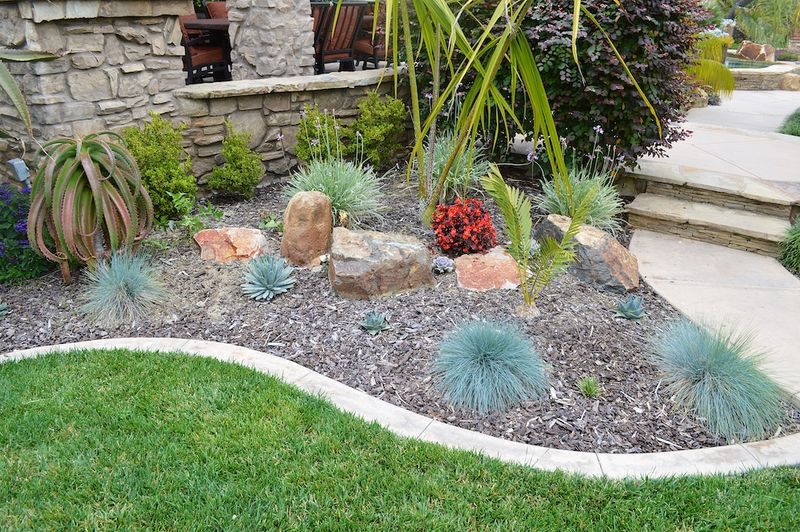
Not every lawn replacement needs to be soft and green. A hybrid approach combining decomposed granite with strategic plantings of drought-tolerant groundcovers creates a modern, water-wise landscape that’s both functional and beautiful.
This option works especially well in contemporary yards or areas where you want defined pathways and gathering spaces.
Decomposed granite provides stable, permeable surfaces for walking, playing, or placing furniture. Between the gravel, you plant islands or drifts of low-water groundcovers like dymondia, creeping thyme, or California buckwheat.
The combination creates visual interest and softens the hardscape while keeping water use incredibly low.
The biggest mistake is skimping on soil preparation in the planting areas. Even though you’re using drought-tolerant plants, they still need decent soil to establish.
Amend planting pockets with compost before installing plants, and use landscape fabric or edging to keep gravel and soil separate. Mixing the two creates a muddy mess and looks sloppy.
This hybrid approach offers maximum flexibility. You can adjust the ratio of gravel to plants based on how you use the space.
High-traffic areas get more gravel, while viewing areas can feature more generous plantings. Install in fall or early spring, giving plants time to root before summer heat arrives.
Water plants regularly through the first year, then cut back dramatically once established. The decomposed granite needs no water at all, obviously, making this one of the lowest-maintenance options available for California yards looking to eliminate traditional lawns entirely.