The Succulent Combos That Work Best In Arizona Gardens
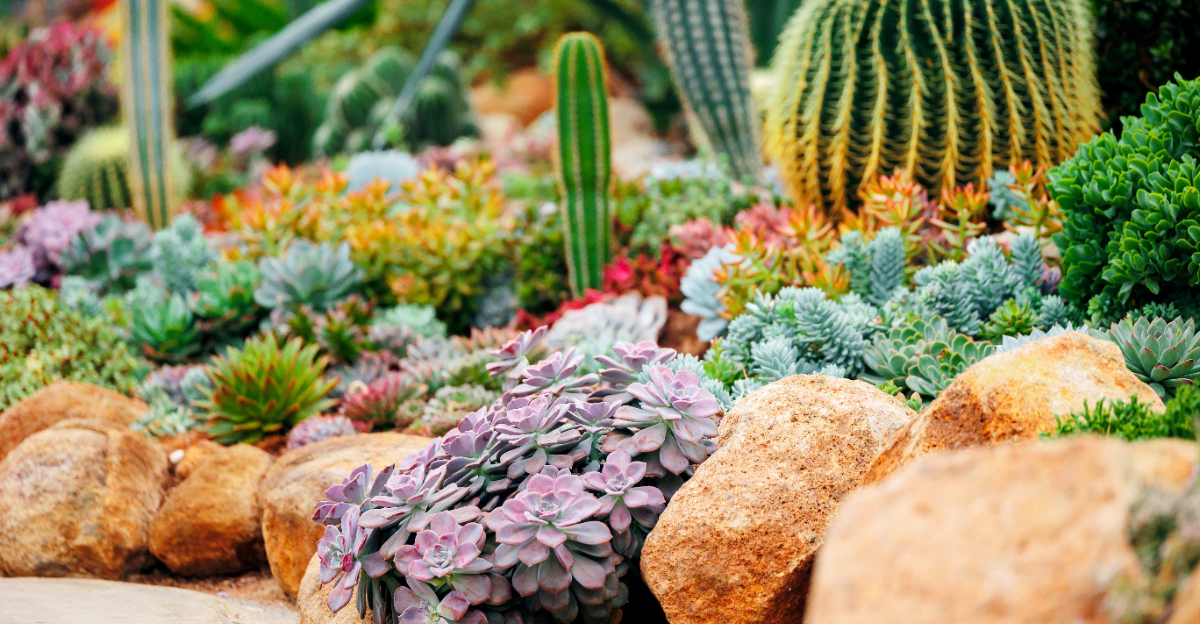
In Arizona, succulents are not just plants, they are the backbone of a strong desert garden, but the real magic happens when the right ones are paired together.
You can fill a space with beautiful succulents and still miss the impact if the shapes, heights, and textures do not work as a team. The difference between average and eye catching often comes down to the combinations you choose.
The right succulent pairing can turn a simple bed into a bold focal point that holds up through intense sun and dry heat. Strong contrasts in form and color create depth that stays sharp even in the brightest light.
Arizona gardens shine when structure and resilience come first.
When succulents share similar water needs and sun tolerance, they grow evenly and keep their design intact. A smart combo does more than survive summer, it makes your entire Arizona garden look intentional, polished, and confidently designed.
1. Agave And Red Yucca For Bold, Heat-Proof Structure
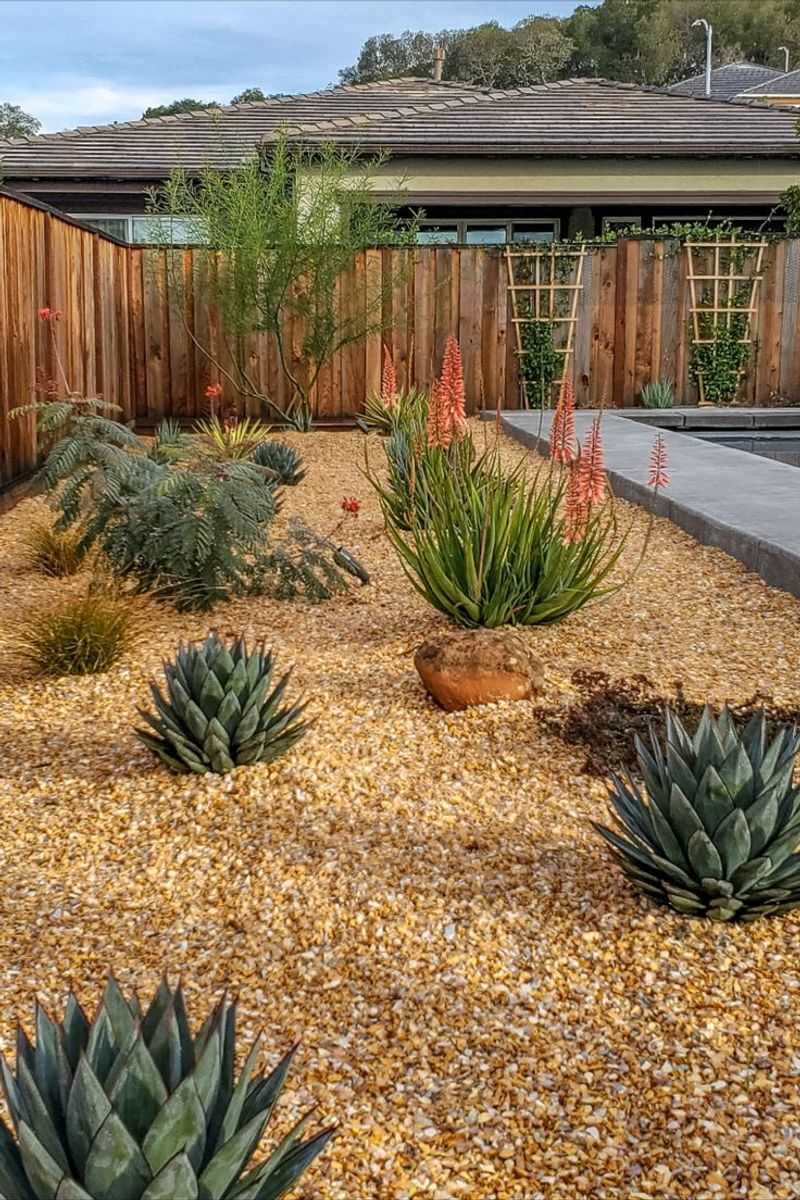
Agaves bring that unmistakable desert architecture to any Arizona yard. Their thick, pointed leaves arranged in perfect rosettes create dramatic focal points that look intentional and designed.
The blue-gray coloring of most agave varieties stays consistent year-round, giving your garden reliable structure even during the hottest months.
Red yucca complements agave perfectly because it softens the sharp, geometric look with graceful, grass-like foliage. The real magic happens from spring through fall when red yucca sends up tall stalks covered in tubular coral-red flowers.
Hummingbirds absolutely love these blooms, adding movement and life to your garden.
This pairing works especially well in Arizona because both plants handle extreme summer heat without struggle. They actually prefer full sun and need very little water once their roots establish.
Place a large agave as your anchor plant, then surround it with three to five red yuccas spaced about two feet apart.
The height difference creates visual interest without any extra effort on your part. Agaves stay low and wide while red yucca flower stalks shoot up three to four feet, drawing the eye upward.
This combination looks especially stunning against stucco walls or large boulders common in Arizona landscaping. Neither plant needs fertilizer, and both will thrive for years with just occasional deep watering during extended dry spells.
As the agave matures, its rosette becomes even more dramatic, giving the planting greater presence each year. Red yucca continues to send up fresh bloom stalks through warm months, keeping the area lively without increasing maintenance.
2. Barrel Cactus And Blue Chalk Sticks For Color Contrast
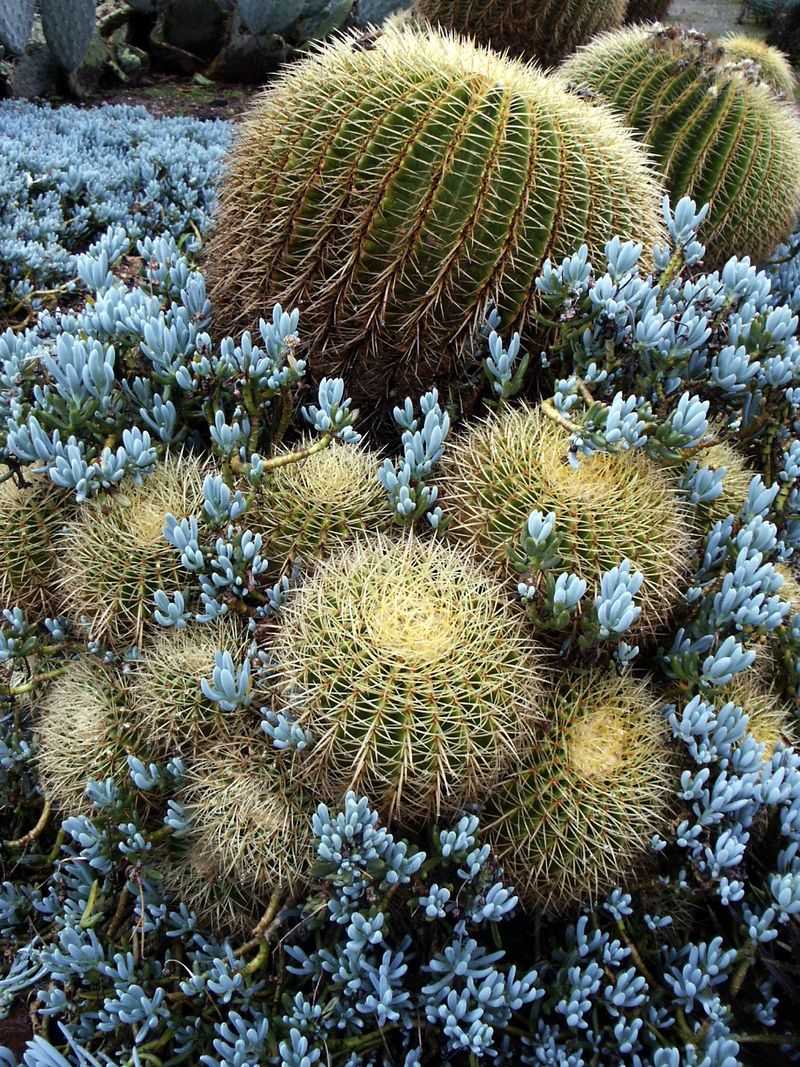
Golden barrel cactus stands out like a sculpture in any garden bed. Its perfectly round shape covered in neat rows of golden spines catches sunlight beautifully throughout the day.
This cactus grows slowly but steadily, eventually reaching basketball size after several years in Arizona soil.
Blue chalk sticks provide the perfect color opposite with their powdery blue-gray finger-like stems. These low-growing succulents spread horizontally, creating a living carpet that contrasts sharply with the barrel cactus vertical form.
The combination of round and linear, gold and blue, creates a designer look that seems professionally planned.
Your Arizona Garden Changes Every Week. Your Plan Should Too.
Gardening in Arizona changes quickly throughout the season. Every Friday you’ll receive a simple weekly plan showing exactly what to plant, prune, fertilize, harvest, and protect so you never miss the right timing.
Both plants handle Phoenix and Tucson summers without breaking a sweat. Barrel cactus actually stores enough water to survive months without rain, while blue chalk sticks have that protective powdery coating that reflects harsh sunlight.
Together they need watering only once every two to three weeks during summer, less in cooler months.
Plant one barrel cactus as your centerpiece, then surround it with blue chalk sticks planted about eight inches apart. The chalk sticks will gradually fill in to create a solid mat around the cactus base.
This pairing works wonderfully in large containers too, making it perfect for Arizona patios where you want low-maintenance color.
The golden spines seem to glow at sunset, while the blue foliage provides cool-toned relief from the warm desert palette surrounding your home.
3. Agave And Golden Barrel Cactus For Sculpted Desert Impact
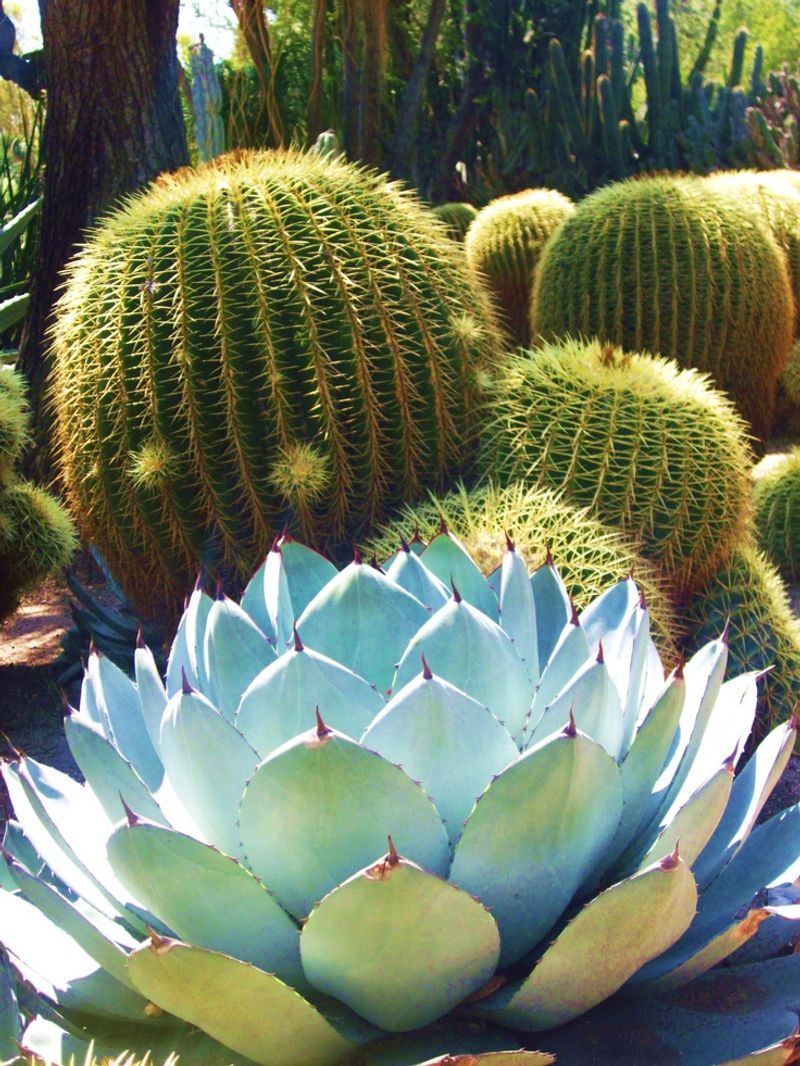
Few plant pairings feel as unmistakably Arizona as agave set against golden barrel cactus. One spreads outward in a wide, symmetrical rosette.
The other rises in rounded forms covered in glowing spines. Together, they create a layout that feels balanced without looking forced.
Agave holds the ground with bold, blue-gray leaves that stay structured through every season. Even in extreme heat, it keeps its shape and color.
The golden barrel adds warmth and dimension. Its ribbed surface catches afternoon light, giving the bed a soft golden glow that shifts as the sun moves.
What makes this combination work so well is contrast. Flat, blade-like leaves meet tight, curved forms.
Cool tones sit next to warm highlights. Nothing competes, yet nothing fades into the background.
Both plants thrive in full sun and require minimal water once established. They prefer sharp drainage and open space around their bases.
Plant one agave slightly off center, then cluster two or three barrel cacti nearby to create depth instead of lining them up evenly.
This pairing looks especially strong near gravel pathways, boulders, or against stucco walls. It feels clean, architectural, and confident — exactly the kind of structure Arizona landscapes are known for.
4. Blue Chalk Sticks And Snake Plants For Height And Cool-Toned Contrast
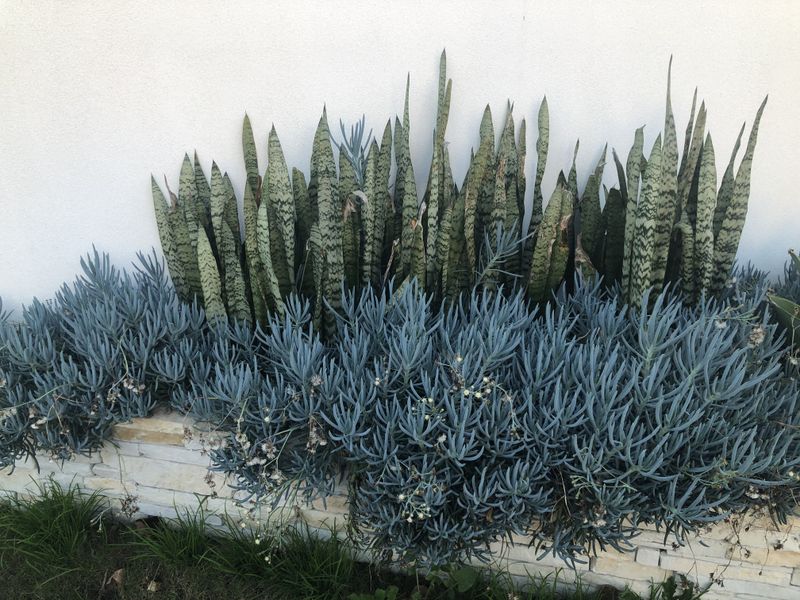
This pairing works because it plays with height without feeling crowded. Snake plants stand upright in strong vertical lines, while blue chalk sticks spill outward in a low, spreading layer.
The result feels layered and intentional instead of flat.
Snake plants bring structure first. Their tall, sword-shaped leaves rise straight up, creating a clean backdrop that instantly frames whatever sits in front of them.
The deep green patterning adds subtle texture without overpowering the space. In Arizona landscapes, they handle heat surprisingly well when planted in well-draining soil and given protection from harsh winter frost.
Blue chalk sticks soften everything around them. Their silvery blue stems form a dense mat that hugs the ground and spills gently over edges.
That powdery coating helps reflect sunlight, which is exactly what you want in intense desert conditions. The cool tone also balances the darker green of the snake plants, keeping the whole bed from feeling heavy.
Plant snake plants toward the back against a wall or fence, then allow blue chalk sticks to fill the front and edges. Leave breathing room so both can expand naturally.
Once established, both need minimal water and almost no maintenance.
It is a simple combination, but it feels polished and confident, especially in modern Arizona gardens where clean lines matter.
5. Echeveria And Zebra Haworthia For Layered Detail In Compact Spaces
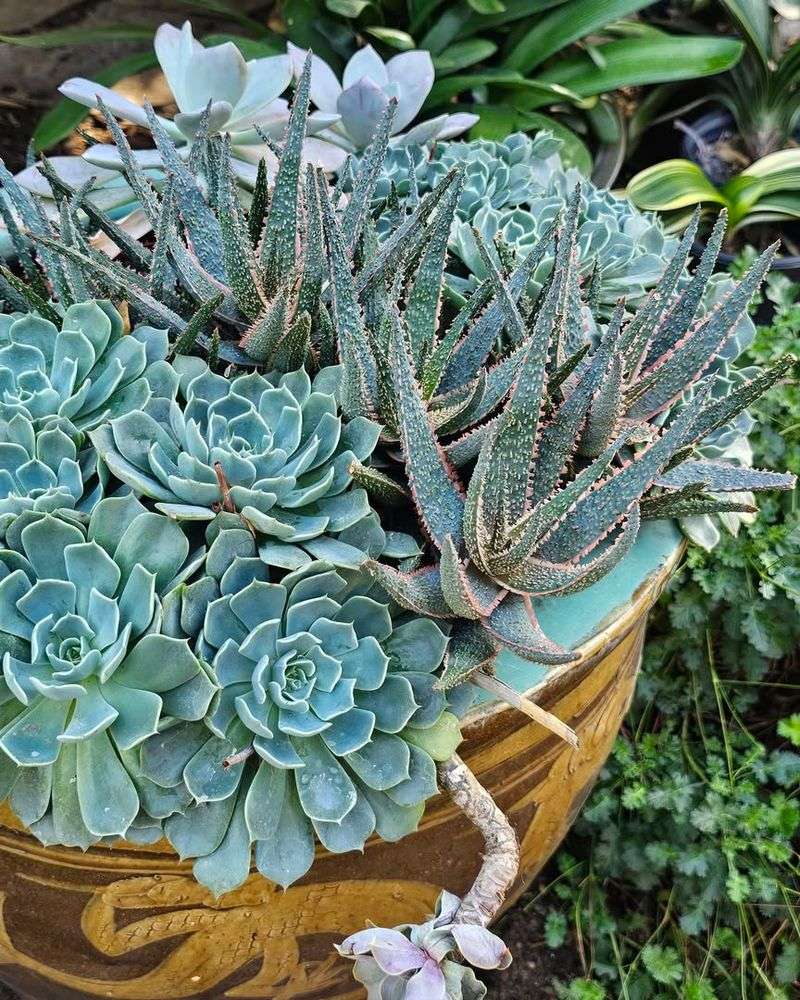
Nothing about this pairing feels flat. Echeveria spreads outward in wide, layered rosettes that almost look carved from stone.
The leaves overlap tightly, forming low clusters that give a container weight and fullness from the base up. The tone leans cool and muted, which helps everything around it feel calmer.
Then zebra haworthia cuts through that softness. Its narrow leaves rise at angles, covered in raised white striping that adds pattern instead of color.
The shape is more upright and energetic, creating tension beside the rounded echeveria forms. That contrast keeps the arrangement from blending into one solid mass.
This mix works especially well in Arizona containers where detail matters more than size. Both plants stay controlled and compact, so they won’t overtake the planter or crowd each other out.
Their growth pace is steady, not aggressive, which helps maintain the original layout longer.
Bright exposure suits them, though some afternoon protection prevents leaf stress during peak summer. Fast-draining soil is nonnegotiable.
Deep watering followed by a full dry-down keeps roots healthy and foliage firm.
Placed in a wide bowl or decorative pot, the pairing feels deliberate and layered. Soft curves anchor the design while sharp texture adds rhythm, giving the whole arrangement depth without making it feel heavy or overdone.
6. Santa Rita Prickly Pear And Beavertail Prickly Pear In A Bold Desert Pairing
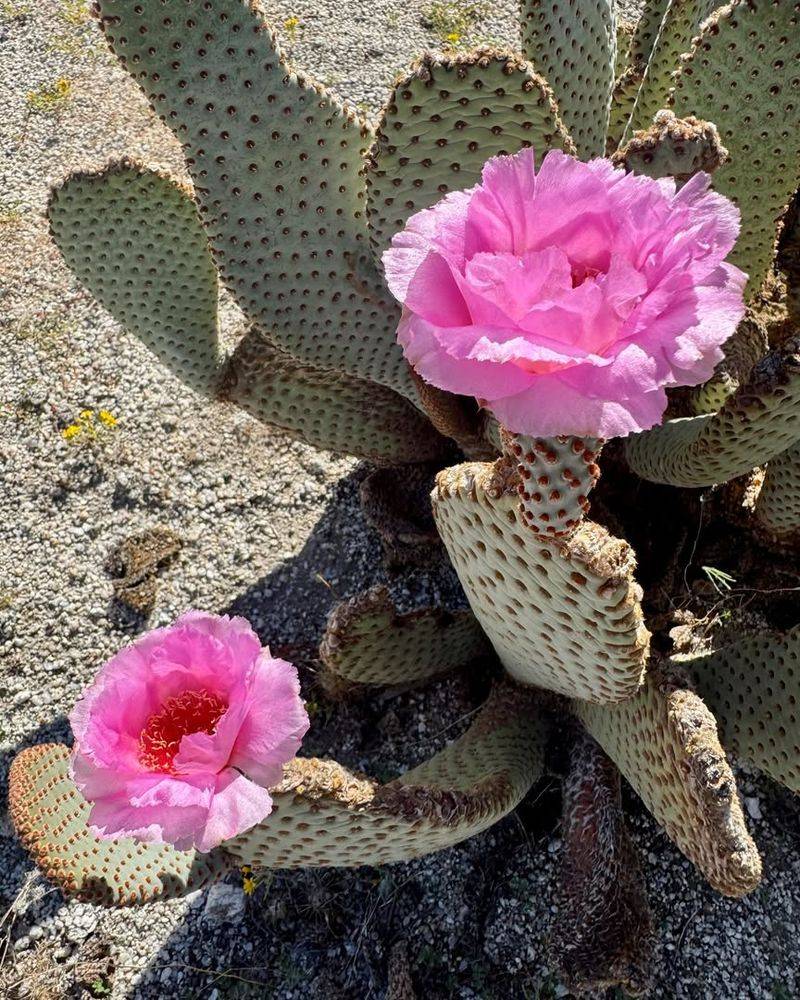
Desert gardens feel stronger when bold shapes carry the design. Santa Rita prickly pear rises with broad, oval pads that can shift from blue-green to deep purple as temperatures cool.
That natural color change alone adds movement through the seasons, even before flowers appear. The pads stack loosely, giving height without looking stiff or overcrowded.
Beavertail prickly pear spreads outward in a lower, more relaxed form. Its flattened pads grow in clusters close to the ground, creating a dense base beneath taller varieties.
When blooming begins, large pink flowers open wide with bright centers that seem almost electric against gravel and stone. The display lasts only a short time, but it leaves a strong impression.
The contrast in growth habit makes the arrangement feel layered and intentional. Upright structure in the back, rounded mounds in front.
Strong lines balanced by softer curves. Nothing feels forced, yet everything has purpose.
Full sun keeps pad color intense and flowering reliable. Excellent drainage prevents root issues, especially after heavy rain.
Once established, watering can stay minimal, which suits Arizona conditions perfectly.
Along open yard edges or desert slopes, this combination delivers sculptural impact without constant upkeep. Color shifts, seasonal blooms, and sturdy silhouettes work together to create a landscape feature that stands out in every light.
7. Jade Plant And Elephant Bush For Dense Form And Subtle Color Layers
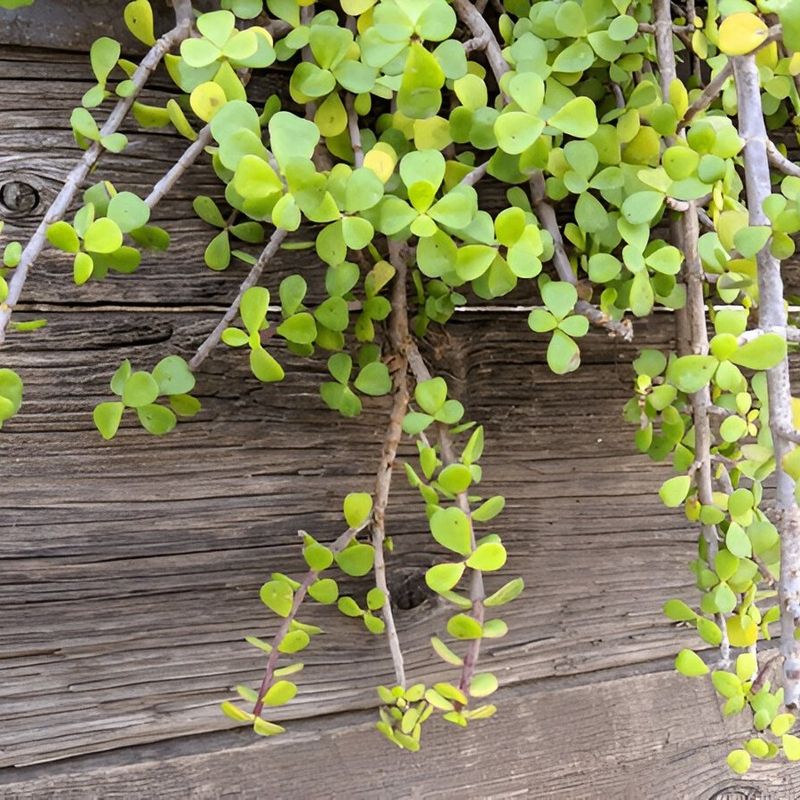
Thick, glossy leaves give jade plant an almost sculpted presence in the garden. Its branching stems grow sturdy and tree-like over time, creating a compact shrub shape that feels grounded and substantial.
The foliage holds a deep green tone that can pick up reddish edges when exposed to strong sun, adding quiet dimension without needing flowers to stand out.
Elephant bush moves in a lighter direction. Smaller, round leaves grow along slender reddish stems, forming a finer texture that contrasts beautifully with jade’s heavier structure.
The overall effect feels layered rather than bulky. From a distance, the pairing reads as one cohesive mass, but up close the differences in leaf size and stem color become clear.
This combination works especially well in raised beds, courtyard corners, or large containers where fullness matters. Jade provides weight and stability, while elephant bush fills gaps and softens edges.
Growth stays manageable, and shaping is simple with occasional pruning.
Bright exposure keeps both compact and vibrant, though filtered afternoon shade can prevent stress during extreme heat. Fast-draining soil is essential, as excess moisture can weaken roots.
Water thoroughly, then allow the soil to dry before repeating.
Together they create a dense, layered look that feels mature and established. The mix of bold leaves and finer texture adds depth without relying on dramatic blooms, making it a dependable choice for Arizona gardens seeking year-round structure and quiet contrast.
8. Agave And Fishhook Barrel Cactus Make A Bold Desert Duo
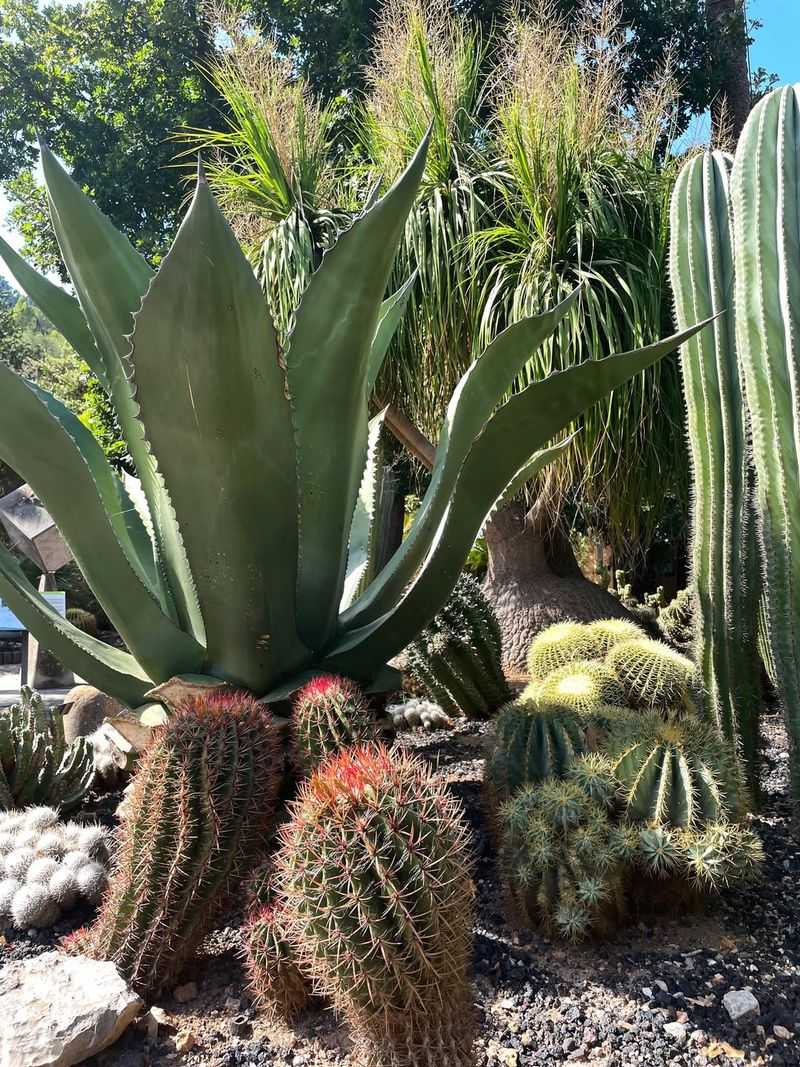
Agave commands attention the second it settles into a space. Thick, pointed leaves radiate outward in a strong rosette that feels almost architectural.
The form is clean, deliberate, and impossible to ignore. In Arizona landscapes, that kind of structure becomes the visual anchor that holds gravel beds and stone features together.
Fishhook barrel cactus changes the energy at ground level. Instead of wide blades, it offers rounded bodies wrapped in curved spines that catch light in subtle ways.
The warm golden tones near the crown glow in afternoon sun, creating a quiet contrast against the cooler agave foliage. Up close, the hooked spines give texture and depth without overwhelming the design.
What makes this duo stand out is proportion. One spreads with bold, sweeping lines.
The other stays compact and sculptural. The difference in scale prevents the planting from feeling one-dimensional.
There is height, volume, and detail, all working together without clutter.
Placement matters. Setting the agave slightly off center creates a natural focal point, while grouping barrel cacti nearby builds rhythm across the bed.
Leaving space around each plant allows their silhouettes to remain crisp and defined.
Intense sunlight strengthens leaf color and spine contrast. Sharp drainage keeps roots healthy through heavy rains.
Once established, maintenance stays minimal, making this combination dependable in harsh desert conditions.
The result feels strong, grounded, and unmistakably suited to Arizona’s rugged landscape style.