The Old Southern Moon Planting Traditions Still Used In Georgia

Before garden apps and weather alerts, planting in Georgia often followed the moon. You may have heard older gardeners talk about planting “by the signs,” choosing certain days based on lunar phases instead of a printed calendar.
That tradition still shows up in backyards across the state, especially in rural areas where timing has always mattered.
The idea is simple, and many gardeners believe the moon’s cycle influences moisture and plant growth, which is why different phases are traditionally linked to different planting and garden tasks.
Many Georgia gardeners still plant leafy crops during the waxing moon and root crops during the waning phase. These habits have been passed down for generations and remain part of Southern gardening culture.
In a state with long growing seasons and shifting spring weather, careful timing feels practical rather than mysterious. For many gardeners, following the moon adds rhythm and intention to the planting process without making it complicated.
Lunar planting is a traditional practice rather than proven agricultural science, but many Georgia gardeners still choose to follow it.
1. Plant Leafy Greens During The Waxing Moon For Faster Top Growth
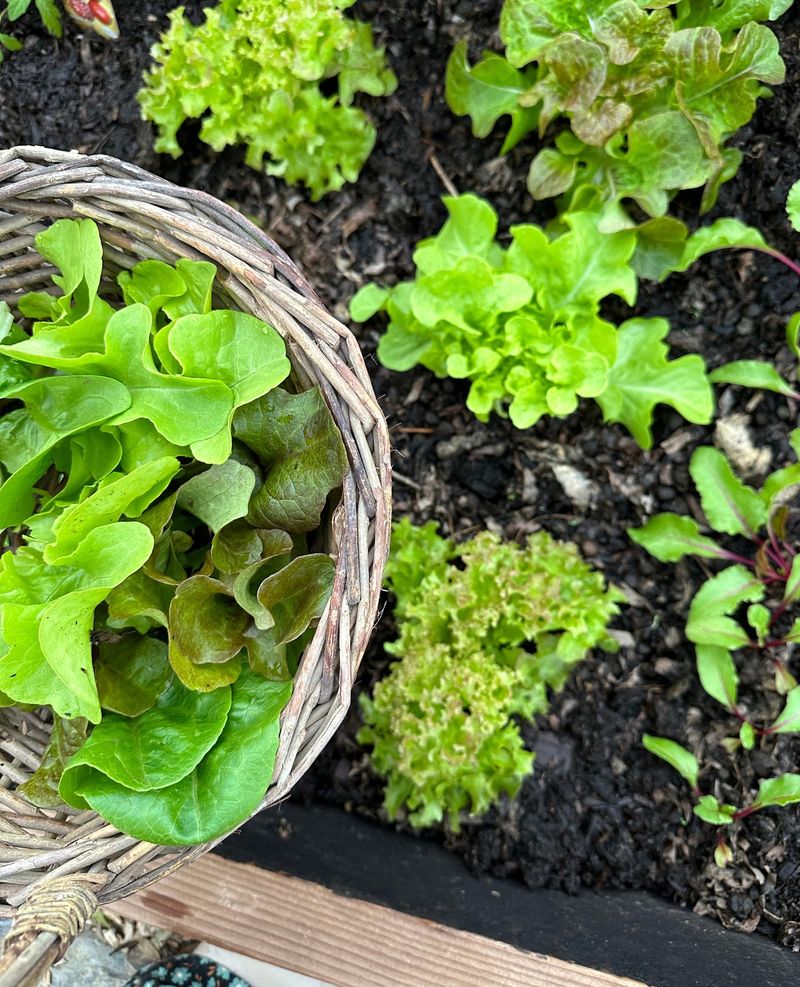
Lettuce, spinach, collards, and cabbage all respond beautifully to planting during the waxing moon phase in Georgia gardens.
This period, when the moon grows from new to full, creates conditions that encourage strong leaf development and vigorous upward growth.
The increasing moonlight combined with rising moisture in the soil gives leafy crops exactly what they need to establish quickly.
Georgia gardeners have noticed for decades that greens planted during this phase seem to germinate faster and produce more tender leaves.
The gravitational pull during the waxing phase draws moisture upward through the soil, which helps seeds absorb water and swell more readily.
This natural irrigation system works alongside your regular watering schedule to give young plants a boost.
Spring and fall planting seasons in Georgia align perfectly with this lunar timing. Many experienced gardeners in the state mark their calendars each month to catch the waxing phase for their lettuce and spinach plantings.
The results speak for themselves with fuller, more productive plants that reach harvest size more quickly.
Even in Georgia’s variable climate, following this moon phase principle helps maximize your leafy green production.
The combination of proper timing with good soil preparation creates ideal conditions for these popular crops that appear on dinner tables across the state throughout much of the year.
2. Root Crops Go In The Ground During The Waning Moon
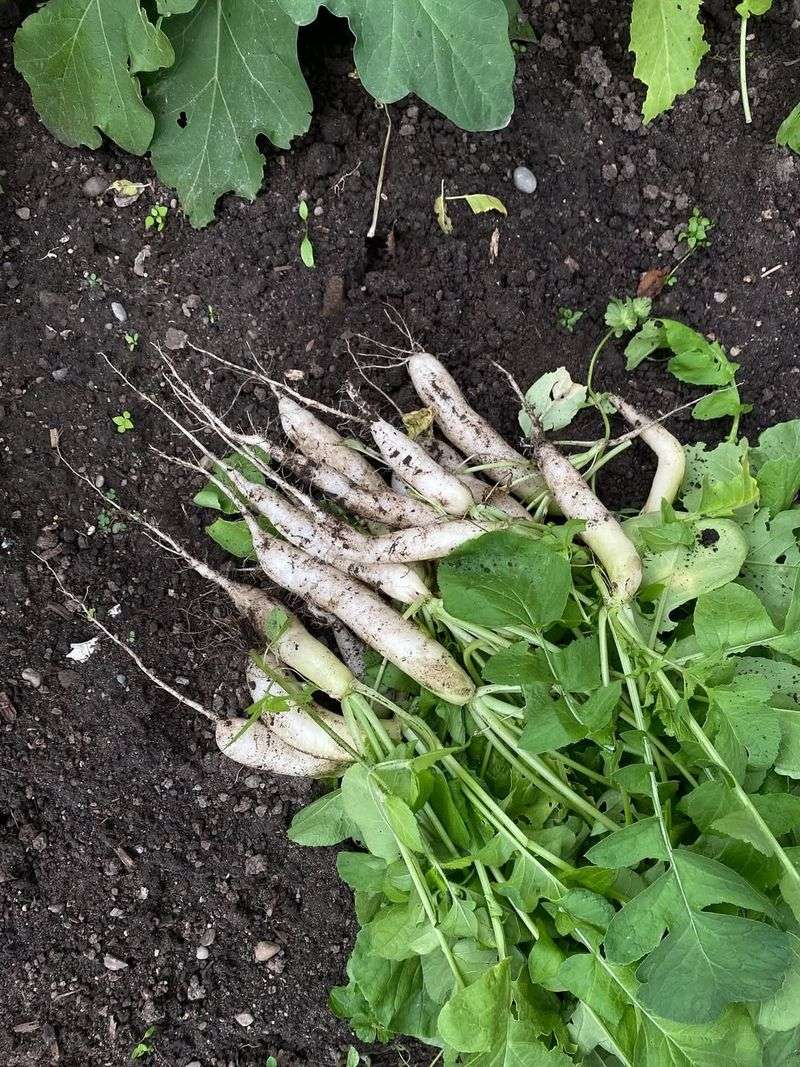
Carrots, turnips, beets, and radishes thrive when Georgia gardeners plant them during the waning moon period.
As the moon decreases from full to new, the gravitational pull shifts, encouraging plants to focus their energy downward into root development rather than leaf growth.
This natural timing creates stronger, larger roots that store better and taste sweeter.
Farmers across Georgia have passed down this knowledge for over a century, noting that root vegetables planted during the waning phase develop more robust underground structures.
The decreasing moonlight seems to signal plants to concentrate their resources below the soil surface.
Your Georgia Garden Changes Every Week. Your Plan Should Too.
Gardening in Georgia changes quickly throughout the season. Every Friday you’ll receive a simple weekly plan showing exactly what to plant, prune, fertilize, harvest, and protect so you never miss the right timing.
Moisture also tends to move deeper into the ground during this phase, drawing roots downward as they seek water.
In Georgia’s diverse growing regions, this principle works equally well whether you’re gardening in the clay soils of the Piedmont or the sandier soils near the coast. The timing helps offset some of the challenges each soil type presents.
Root crops need all the help they can get to push through heavy clay or anchor themselves in loose sand.
Following this lunar calendar also helps Georgia gardeners avoid common root crop problems like forking or splitting.
When roots develop during the optimal moon phase, they tend to grow more uniformly and encounter fewer obstacles in their downward journey through the soil.
3. Transplant Seedlings When The Moon Is Increasing In Light
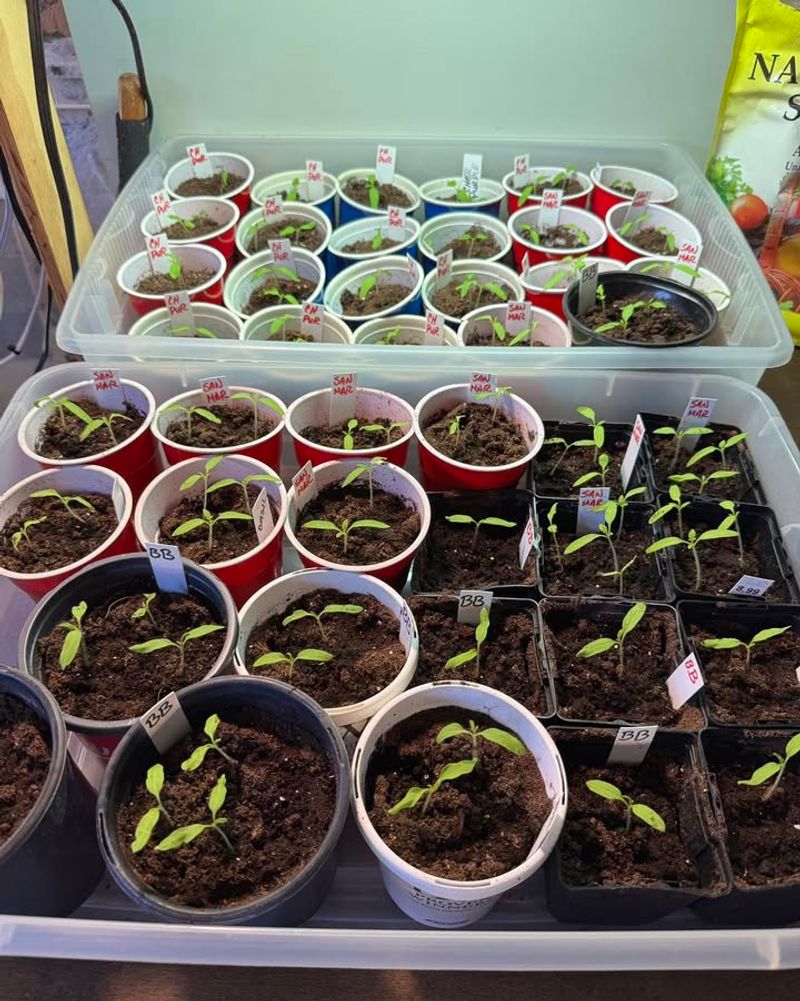
Moving seedlings from indoor starts to outdoor garden beds requires careful timing in Georgia’s sometimes unpredictable spring weather.
Traditional moon planting wisdom says the best time for transplanting comes during the waxing moon, when increasing light encourages plants to establish quickly in their new locations.
This phase reduces transplant shock and helps young plants adapt faster to outdoor conditions.
Tomatoes, peppers, and other warm-season crops benefit tremendously from this timing throughout Georgia. The rising moisture levels during the waxing phase help newly transplanted roots make contact with surrounding soil particles more effectively.
This improved soil-to-root connection means plants can begin drawing nutrients and water almost immediately after transplanting.
Many Georgia gardeners report noticeably less wilting and faster recovery when they follow this lunar timing for transplanting. The plants seem to bounce back within days rather than spending a week or more looking stressed and struggling.
This quicker establishment means earlier harvests and more productive plants throughout the growing season.
Coastal Georgia gardeners and those in the northern mountains alike find this principle reliable across different climate zones within the state.
Whether you’re dealing with sandy soil that drains quickly or heavy clay that holds moisture, transplanting during the increasing moon phase gives your seedlings the best possible start in their permanent garden home.
4. Prune Fruit Trees During The Last Quarter Moon
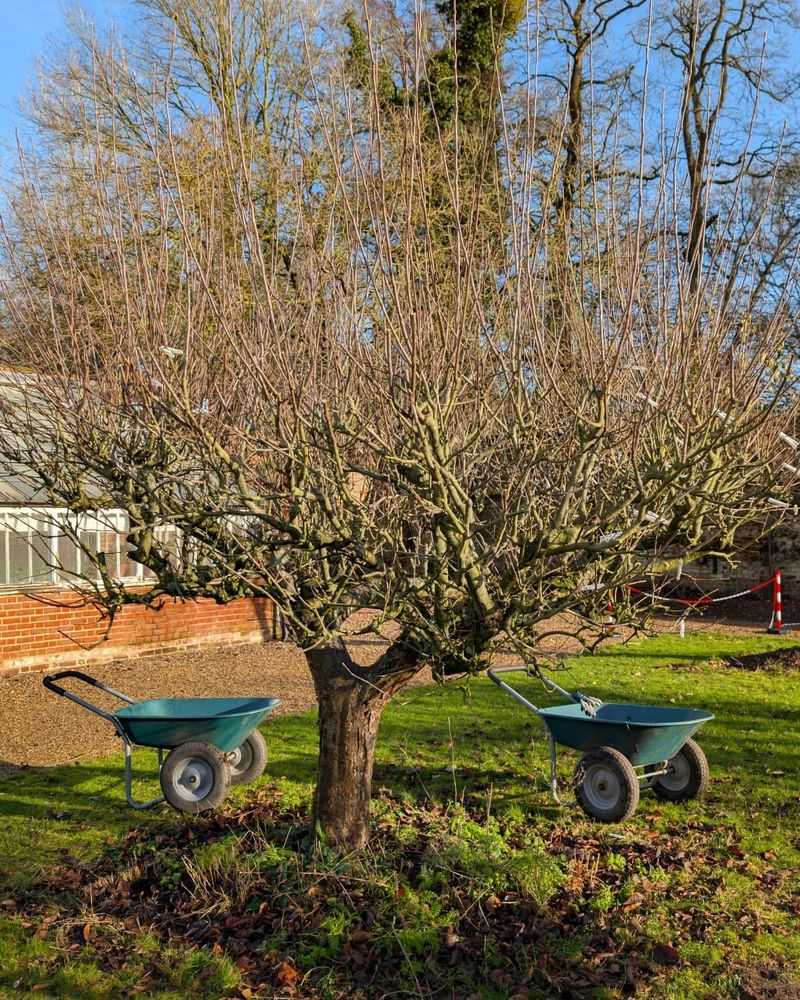
Peach trees, apple trees, and other fruit-bearing plants in Georgia gardens need regular pruning to stay healthy and productive.
Old-timers across the state insist that pruning during the last quarter moon, when the moon is waning toward new, produces the best results.
This timing minimizes sap flow and helps trees heal their wounds more quickly with less stress.
Georgia’s famous peach orchards have followed this practice for generations, with commercial and home growers alike noting that trees pruned during this phase show less bleeding and faster callus formation over cut surfaces.
The decreased sap pressure during the last quarter makes pruning cuts less traumatic for the tree.
This matters especially during late winter pruning season when trees are preparing to break dormancy.
Fruit production improves when trees are pruned at the optimal lunar phase because the plants direct their energy more efficiently.
Rather than wasting resources trying to heal wounds and replace lost sap, properly timed pruning allows trees to focus on developing fruit buds and strong new growth.
Georgia gardeners see this difference reflected in larger harvests and healthier trees year after year.
The practice works for all types of fruit trees grown throughout Georgia, from figs in the south to apples in the mountain regions. Following this lunar timing alongside proper pruning techniques creates resilient, productive trees that bear abundant fruit.
5. Set Out Potatoes As The Moon Begins To Decline
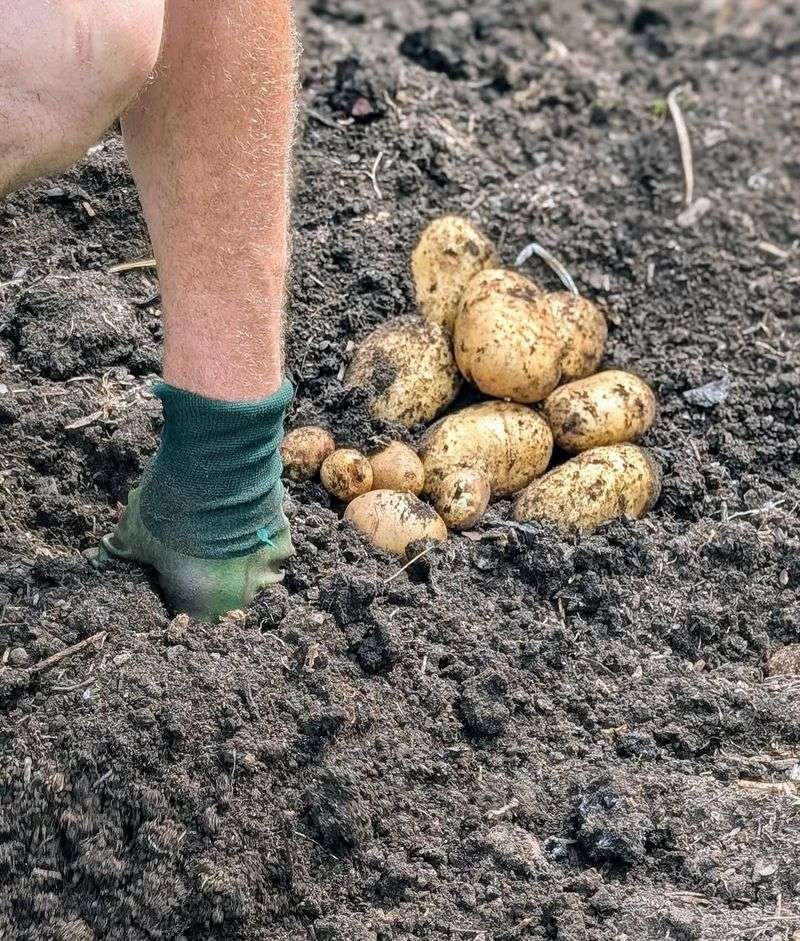
Potato planting time in Georgia typically falls in late winter or early spring, and traditional gardeners time this important task to coincide with the beginning of the waning moon phase.
Just after the full moon starts to decrease, conditions become ideal for potato seed pieces to develop strong root systems and healthy tubers.
This timing has proven itself reliable across decades of Georgia potato crops. The declining moon phase encourages downward growth and tuber formation rather than excessive leaf production.
Georgia’s potato growers have noticed that plants set during this period produce more uniform tubers with better storage qualities.
The natural moisture movement during the waning phase helps potato eyes sprout and send roots deep into the soil where they can access nutrients and water throughout the growing season.
From the red clay soils of middle Georgia to the mountain valleys in the north, this planting principle adapts well to different growing conditions across the state.
Potatoes need consistent moisture and good drainage, and planting them during the proper moon phase seems to help them establish these requirements more effectively.
The plants develop stronger root systems that can better withstand Georgia’s occasional dry spells during late spring.
Following this tradition also helps Georgia gardeners avoid common potato problems like small tubers or excessive vine growth at the expense of underground production. The lunar timing works with the plant’s natural tendencies to create balanced, productive growth.
6. Plant Above-Ground Crops When The Moon Is Growing Brighter
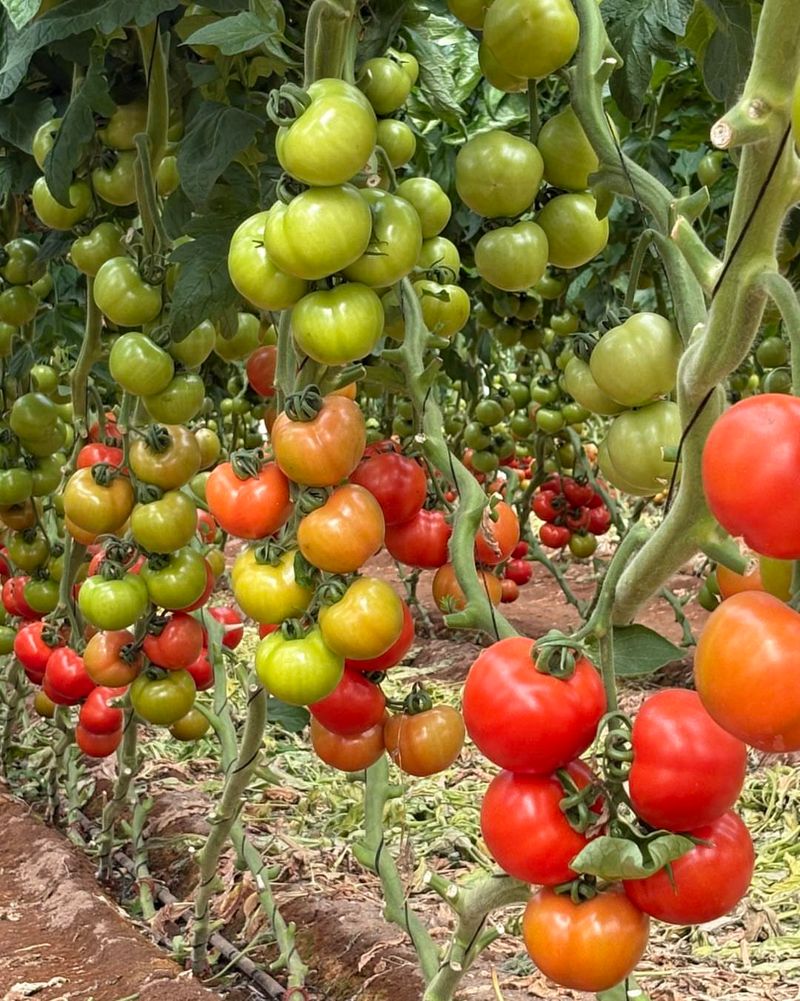
Beans, peas, squash, cucumbers, and tomatoes all produce their harvest above the soil surface, making them perfect candidates for planting during the waxing moon in Georgia gardens.
As the moon grows from new to full, increasing light and rising moisture levels create ideal conditions for these crops to germinate quickly and establish vigorous growth.
This phase naturally supports plants that need to develop strong stems, leaves, and flowers.
Georgia’s long growing season allows for multiple plantings of many above-ground crops, and timing these successive plantings with the waxing moon can extend your harvest period significantly.
The enhanced germination during this phase means more uniform stands and better plant populations.
When all your seeds sprout together, the resulting plants grow more evenly and mature at similar times, making harvest planning much easier.
Gardeners throughout Georgia have documented better yields when they follow this lunar planting principle for their above-ground vegetables. The plants seem more vigorous from the start, developing thicker stems and more extensive leaf systems.
This early advantage carries through the entire growing season, resulting in heavier production and longer harvest periods.
Whether you’re growing pole beans in north Georgia or planting squash in the coastal plains, this moon phase timing works consistently across the state’s varied climate zones.
The principle adapts to different soil types and weather patterns while still delivering improved results for above-ground crops.
7. Harvest For Storage During The Waning Phase
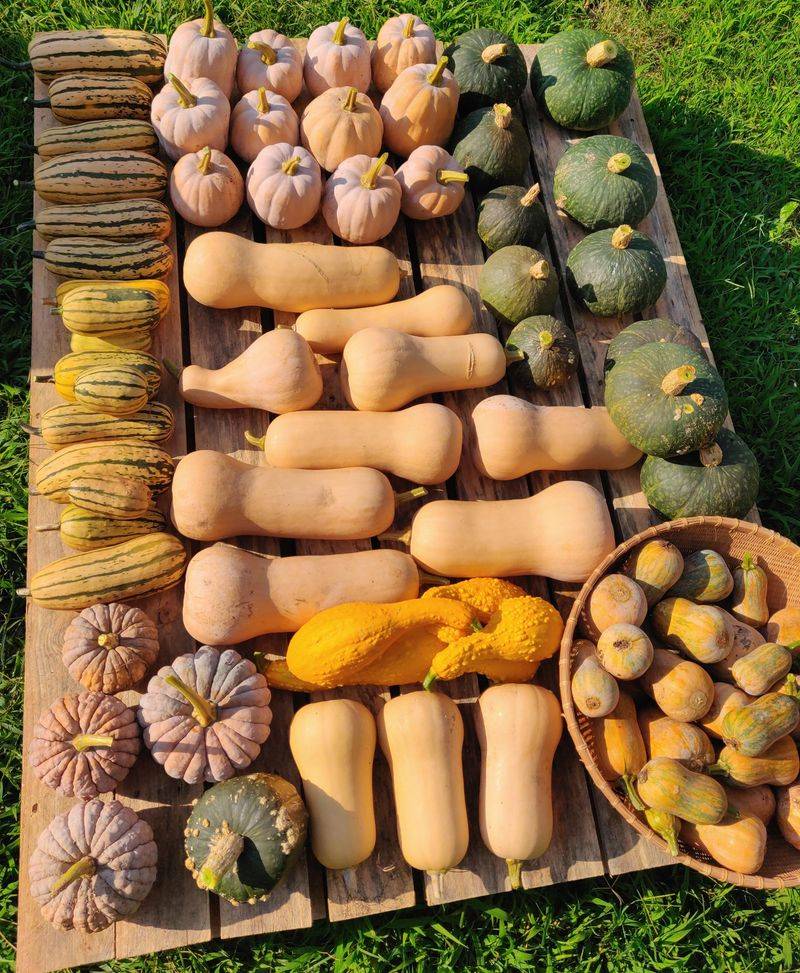
Timing your harvest according to the moon phase might sound unusual, but Georgia gardeners who store their produce for winter use swear by this practice.
Crops harvested during the waning moon, particularly in the last quarter, contain less moisture and store significantly longer than those picked during other phases.
This reduced moisture content means vegetables and fruits are less likely to rot or develop mold during storage.
Winter squash, pumpkins, potatoes, and onions all benefit from this harvest timing throughout Georgia. The decreasing moon phase corresponds with lower sap flow and reduced moisture movement within plants.
Produce picked during this time has firmer flesh and tougher skins that protect against storage diseases. Georgia root cellars and storage areas stay full longer when this principle guides harvest decisions.
Many experienced Georgia gardeners plan their final harvest of storage crops to coincide with the waning moon in fall. They’ve learned through years of practice that this timing can add weeks or even months to storage life.
The difference becomes especially noticeable with crops like winter squash and sweet potatoes that need to last through Georgia’s relatively mild winters.
This practice works hand in hand with proper curing and storage techniques used across the state.
When you combine optimal harvest timing with appropriate storage conditions, your homegrown Georgia produce can last well into winter and sometimes even until spring planting season arrives again.
8. Use The Dark Of The Moon For Garden Cleanup And Bed Preparation
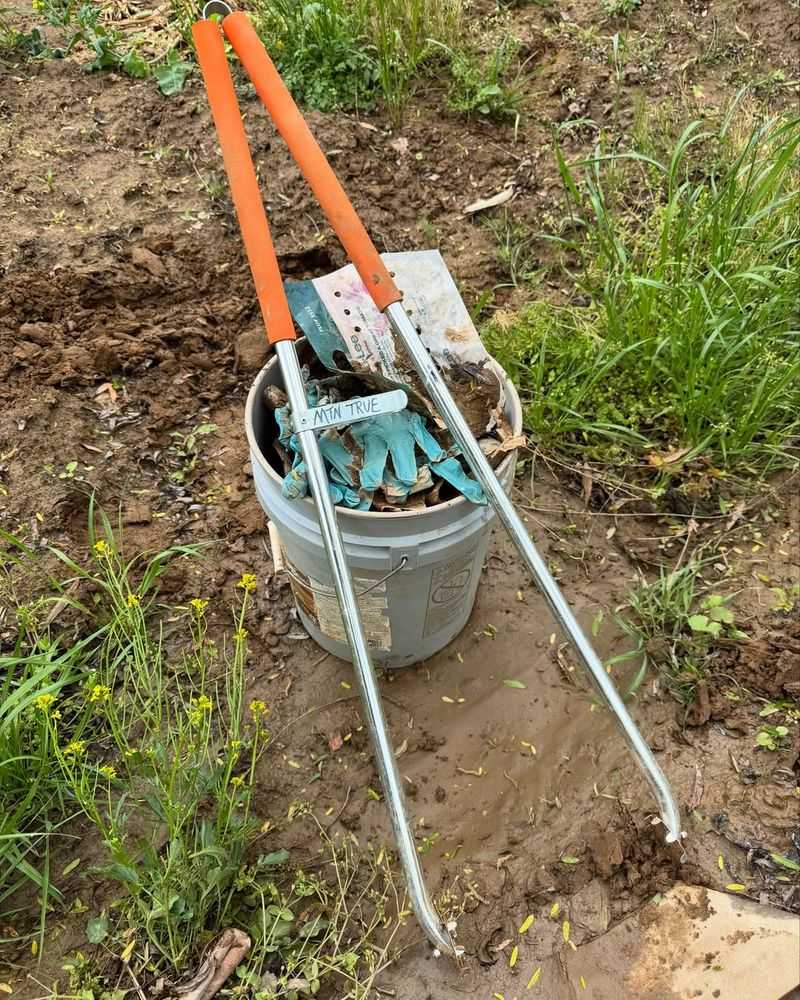
The new moon phase, when the moon is dark or barely visible, might seem like an odd time for garden work, but Georgia’s traditional gardeners consider it perfect for cleanup tasks and soil preparation.
During this quiet period in the lunar cycle, plant growth slows and moisture levels stabilize, making it an ideal time for activities that disturb the soil or remove unwanted plants.
This timing allows you to prepare for the next planting cycle without interfering with active growth.
Weeding becomes particularly effective during the dark moon phase throughout Georgia gardens. Pulled weeds are less likely to re-root when removed during this period, and disturbing the soil doesn’t interrupt the growth of desirable plants as much.
Many Georgia gardeners also use this time to turn compost, spread mulch, and prepare new planting beds for the upcoming waxing phase.
Garden maintenance tasks like path repair, fence mending, and tool sharpening fit naturally into this phase of the lunar calendar. Rather than fighting against the moon’s influence on plant growth, you’re working with the natural rhythms to schedule tasks appropriately.
Georgia gardeners find this approach helps them stay organized and productive throughout the growing season.
The dark moon period arrives reliably each month, giving you regular opportunities for these essential but often postponed garden chores.
By following this lunar timing, Georgia gardeners maintain healthier, more productive gardens while working more efficiently with nature’s cycles rather than against them.