9 Purple Plants That Add Rich Color To Your Arizona Flower Beds
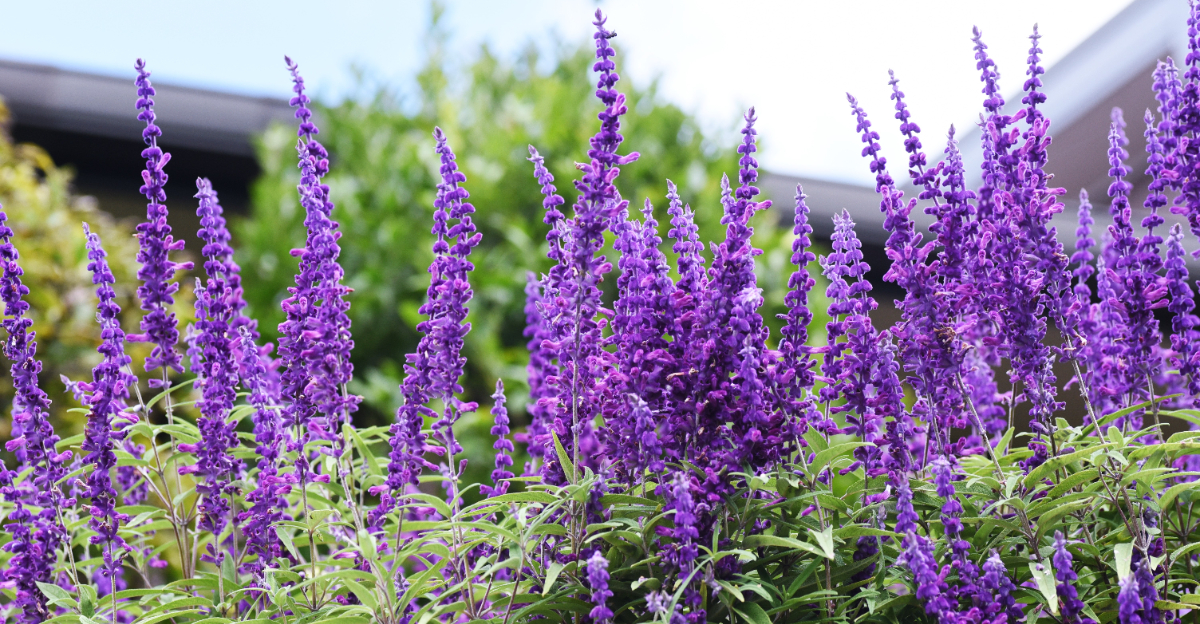
Color behaves differently in Arizona, especially under strong sunlight that can make softer shades look pale by early summer. Purple holds its depth in a way that few colors can, creating contrast that stays noticeable even in intense heat.
When you introduce the right purple plants into your flower beds, the entire space gains structure and focus instead of blending into the background.
In a desert climate, color needs strength as much as beauty. The best purple varieties tolerate bright light, warm nights, and dry conditions without losing their intensity.
That reliability keeps your beds looking purposeful instead of temporary.
Purple adds richness that pairs well with silver foliage, green shrubs, and neutral hardscape. With smart plant choices, your Arizona flower beds feel layered, balanced, and visually stronger from spring through fall.
1. Texas Sage Fills Arizona Yards With Silver Leaves And Bold Purple Blooms
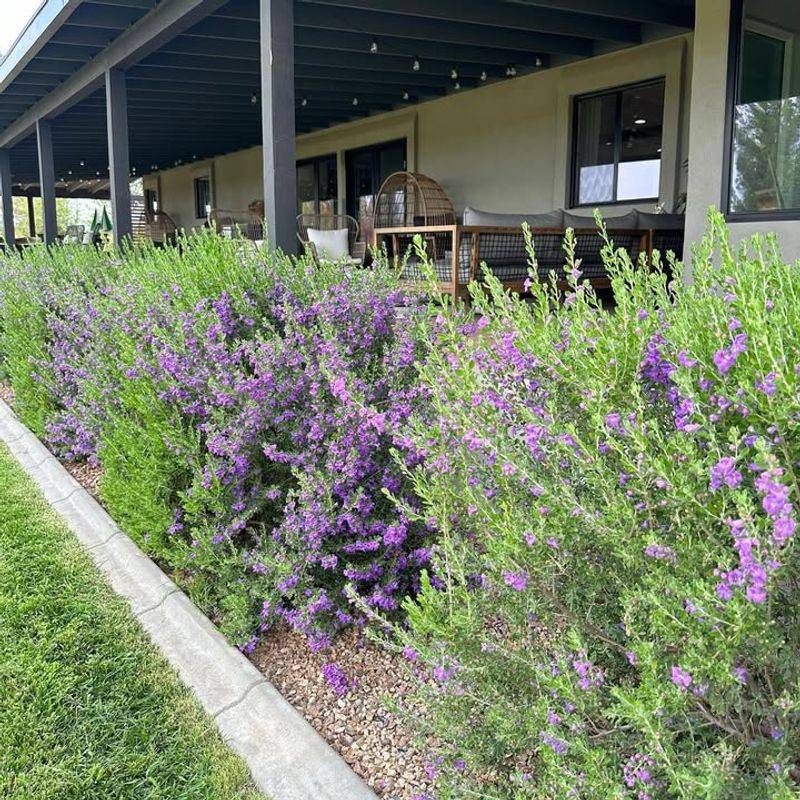
Silver foliage catches sunlight like no other shrub in Arizona gardens. Texas sage grows into a rounded mound that stays attractive year-round, even when flowers take a break.
The real magic happens after summer monsoons roll through, when hundreds of tubular purple blooms cover every branch and turn your yard into a showstopper.
This native Southwest plant laughs at heat that sends other shrubs into stress mode. It handles full sun without complaint and needs very little water once roots settle in.
You can plant it along walkways, use it as a low hedge, or let it stand alone as a focal point that draws every eye.
Pruning stays minimal with this easygoing shrub. Shape it lightly in early spring if needed, but resist the urge to shear it into tight balls.
Natural form looks better and encourages more blooms. Arizona gardeners love how quickly Texas sage establishes and how reliably it performs season after season.
Hummingbirds visit frequently when flowers open wide. The combination of purple blooms against silver leaves creates contrast that photographs beautifully and makes neighbors ask what you planted.
This shrub truly earns its place as a desert garden classic.
2. Desert Ruellia Keeps Producing Purple Flowers Even In Full Sun
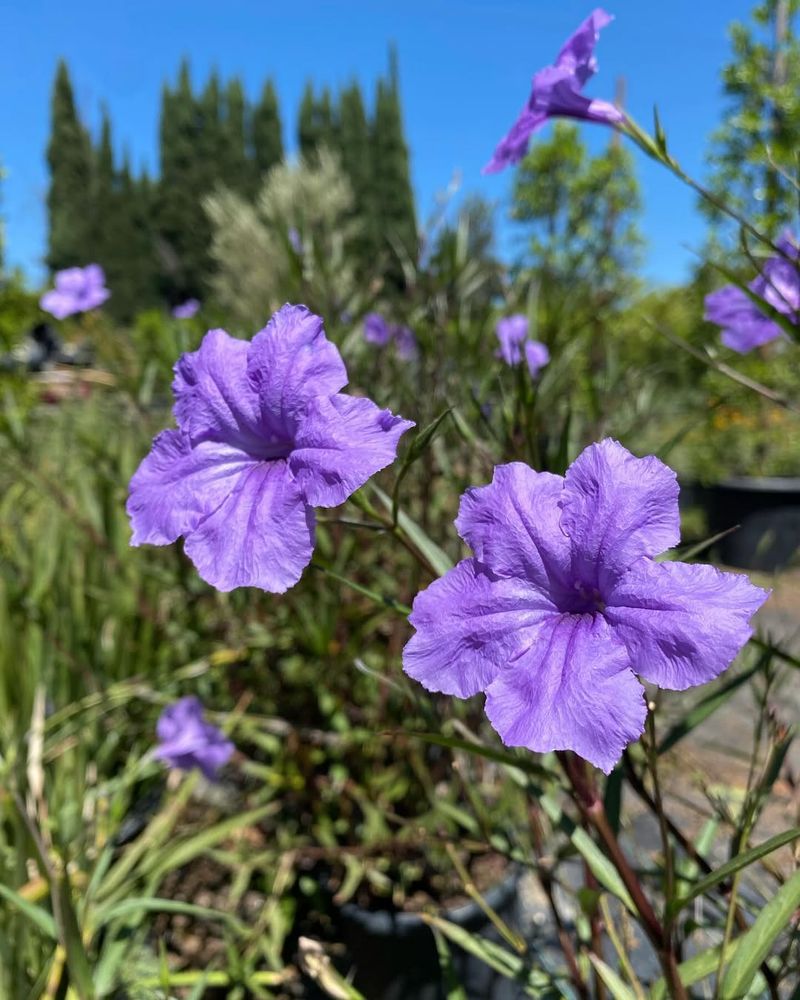
Bright purple petals unfold every morning like clockwork during warm months. Desert ruellia spreads into thick clumps that fill empty spaces between larger plants and soften hard edges along pathways.
Each flower lasts just one day, but new buds keep opening in waves that maintain color from late spring through early fall.
Arizona heat doesn’t slow this tough perennial down one bit. It grows happily in reflected heat from walls and pavement where other flowers would struggle.
Water needs stay low after the first season, making it perfect for xeriscaping projects that aim to reduce irrigation. The plant self-seeds moderately, so you might find volunteers popping up nearby.
Butterflies and bees work the flowers constantly throughout the day. Purple blooms measure about two inches across and resemble small petunias, creating a cottage garden feel in desert settings.
Foliage stays green and healthy even during the hottest months, providing texture when blooms slow down temporarily.
Your Arizona Garden Changes Every Week. Your Plan Should Too.
Gardening in Arizona changes quickly throughout the season. Every Friday you’ll receive a simple weekly plan showing exactly what to plant, prune, fertilize, harvest, and protect so you never miss the right timing.
Trim plants back in late winter to encourage bushier growth and more flowering stems. Desert ruellia works beautifully as groundcover under trees or as filler between rocks in naturalistic designs.
Arizona gardeners appreciate how this plant delivers consistent color without demanding constant attention or extra resources.
3. Purple Trailing Lantana Spreads Low And Covers Beds With Color
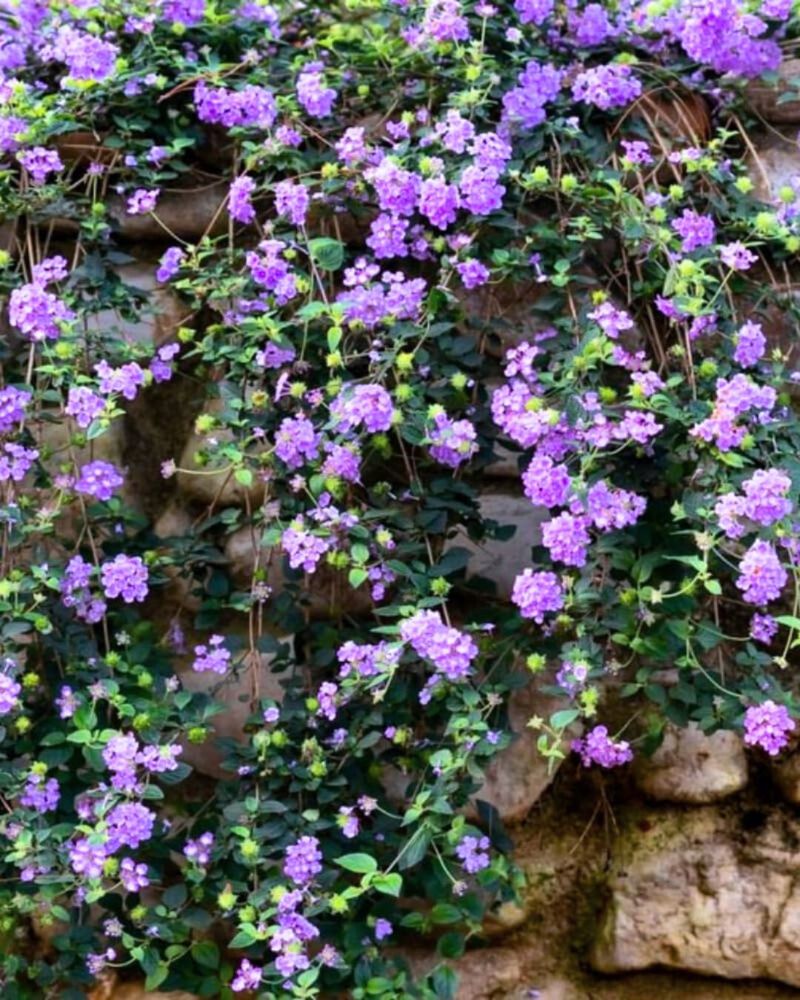
Low-growing stems cascade over edges and weave between rocks like a living tapestry. Purple trailing lantana stays under a foot tall but spreads several feet wide, making it ideal for covering large areas without constant maintenance.
Clusters of tiny purple flowers bloom nonstop from spring through fall, attracting butterflies that dance from bloom to bloom all afternoon.
This variety handles Arizona’s brutal summers better than almost any other flowering groundcover. It tolerates reflected heat from concrete and thrives in spots where grass refuses to grow.
Once established, it survives on rainfall alone in many parts of the state, though occasional deep watering keeps blooms coming stronger. The plant bounces back quickly from frost damage in winter.
Trimming stays simple with trailing lantana. Cut it back by half in late February to promote fresh growth and heavier flowering.
The plant responds by sending out new stems that fill in quickly and bloom within weeks. Use it on slopes to prevent erosion, let it spill from raised beds, or plant it as a colorful carpet under desert trees.
Pollinators visit constantly when flowers open wide. The purple color pops against tan desert soil and complements other warm-toned plants beautifully.
Arizona gardeners rely on this workhorse for dependable color in challenging conditions.
4. Salvia Greggii Brings Long-Lasting Purple Spikes Through Warm Months
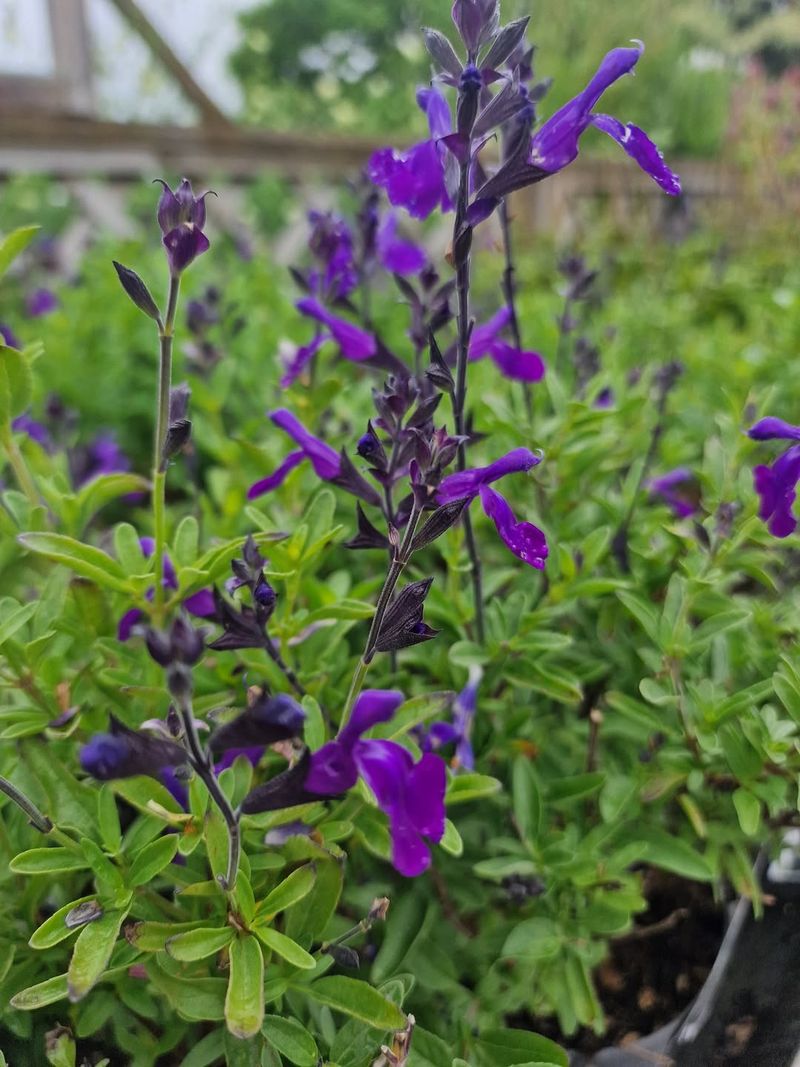
Tubular flowers stand tall on slender spikes that sway gently in desert breezes. Salvia greggii produces waves of purple blooms from March through November in Arizona, making it one of the longest-flowering perennials you can plant.
Hummingbirds claim these plants as their personal feeding stations and return multiple times daily to sip nectar from each newly opened flower.
Compact growth keeps this salvia manageable in smaller spaces. It forms a tidy mound about two feet tall and wide, fitting perfectly in front borders or container gardens.
The plant tolerates full sun and reflected heat without wilting, and established roots handle dry spells with grace. Arizona’s low humidity actually helps prevent disease problems that plague salvias in wetter climates.
Deadheading spent flower spikes encourages fresh blooms to develop quickly. Shear the plant back by one-third in early spring to maintain shape and promote bushier growth.
New stems emerge within days and start budding up within weeks. This salvia combines beautifully with yellow or orange flowers for bold color schemes that capture attention.
Foliage stays aromatic and deer tend to avoid it completely. The purple color ranges from soft lavender to deeper violet depending on the specific cultivar you choose.
Arizona gardeners value how reliably this plant performs year after year with minimal fuss or special care requirements.
5. Lavender Thrives In Dry Soil And Adds Soft Purple Texture
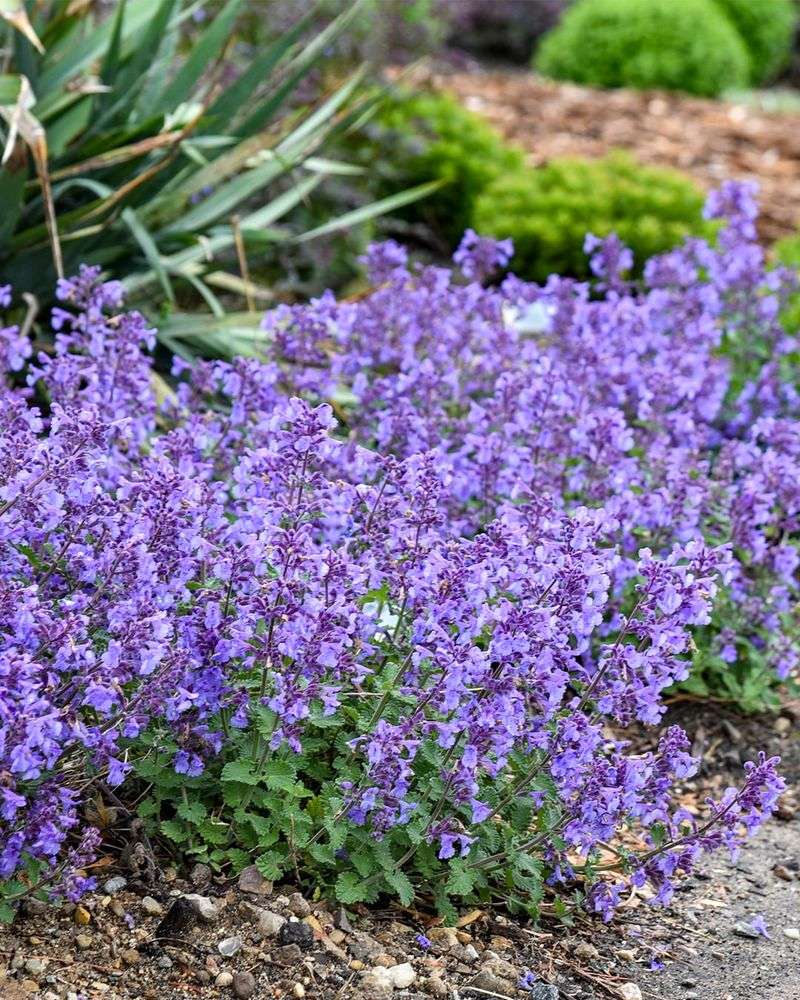
Gray-green foliage forms soft mounds that look good even when flowers finish blooming. Lavender sends up purple flower spikes in late spring that fill the air with a sweet, calming fragrance that makes you want to linger in the garden.
Arizona’s dry climate suits lavender perfectly, preventing the root rot problems that plague this plant in humid regions.
Spanish and French lavender varieties perform best in Arizona gardens. They handle heat better than English types and bloom more reliably through our long, hot summers.
Plant lavender in full sun with excellent drainage, and resist the urge to overwater. Too much moisture causes more problems than drought ever will with this Mediterranean native.
Harvest flower spikes just as blooms begin opening for the strongest fragrance. Cut stems can be dried for sachets, or use fresh flowers in cooking and baking projects.
Trim plants back by one-third after the main bloom period ends to keep them compact and encourage a second flush of flowers. Arizona gardeners often plant lavender along walkways where brushing against it releases fragrance.
Bees work lavender flowers constantly during bloom time. The silvery foliage provides year-round texture and color in beds that might otherwise look bare in winter.
This classic herb brings both beauty and utility to Arizona landscapes while thriving on minimal care and water.
6. Society Garlic Sends Up Delicate Purple Blooms In Tough Conditions
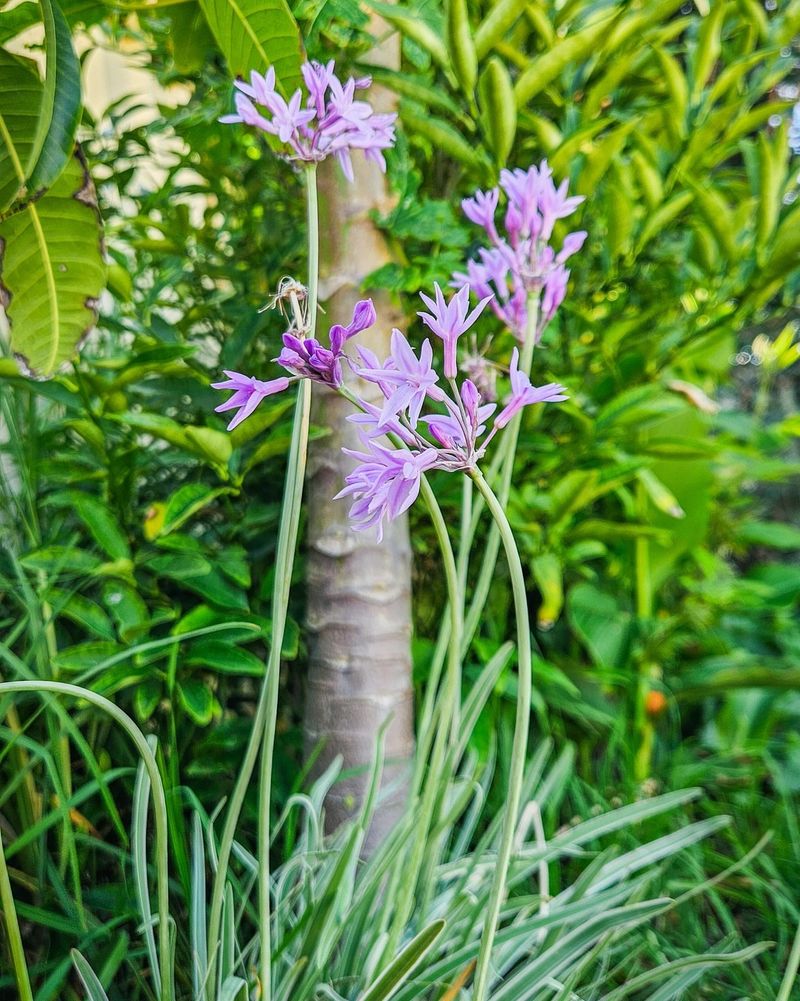
Grass-like leaves form neat clumps that stay green year-round in Arizona. Society garlic sends up tall stems topped with clusters of star-shaped purple flowers that bloom in waves from spring through fall.
Each flower lasts several days, and new buds keep opening to maintain color for months. The plant spreads slowly into larger clumps without becoming invasive or overwhelming nearby plants.
Extreme heat and full sun don’t faze this South African native. It grows successfully in spots where other perennials struggle, including parking strips, hellstrips, and areas with reflected heat from walls.
Water needs stay low once roots establish, making it an excellent choice for water-wise Arizona gardens. The foliage releases a mild garlic scent when crushed, which deer find unappealing.
Trim off spent flower stalks at ground level to keep plants looking tidy. Divide clumps every few years if they become too crowded or if you want to spread them to other areas.
Society garlic combines well with ornamental grasses and other low-water perennials, creating textured plantings that look intentional rather than random.
Butterflies visit the flowers regularly during daylight hours. The purple blooms float above the foliage on stems that move gracefully in breezes, adding motion and life to static landscapes.
Arizona gardeners appreciate how this plant delivers consistent performance without demanding constant attention or resources throughout the growing season.
7. Purple Heart Deepens Beds With Rich, Dramatic Foliage
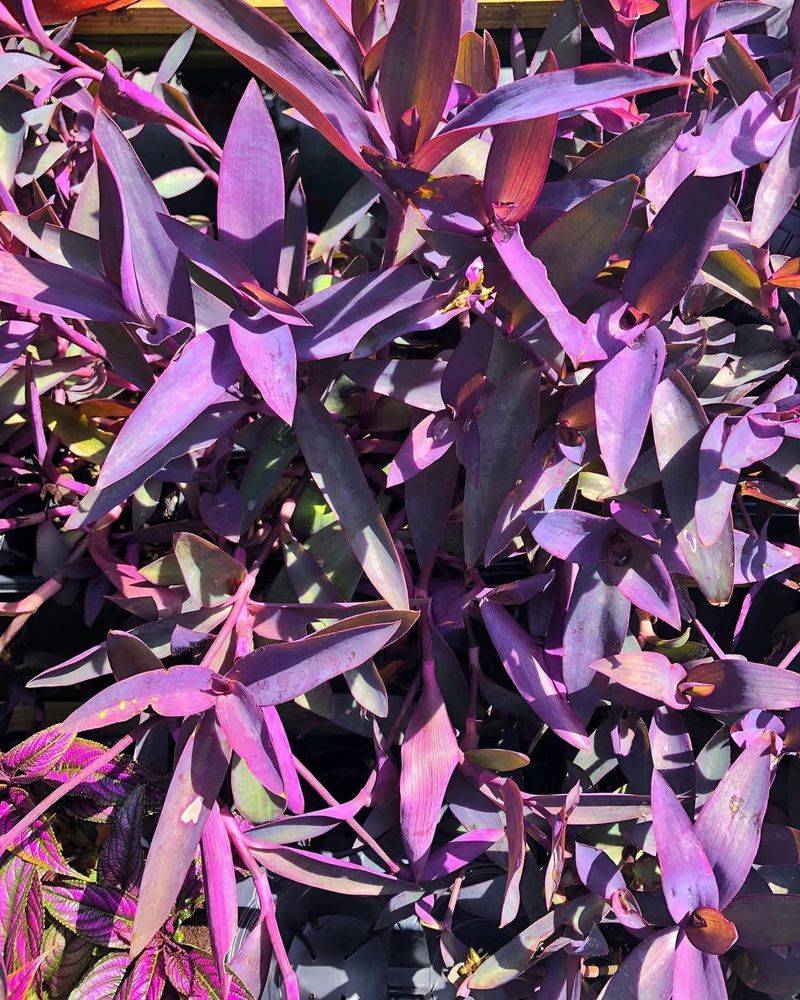
Deep purple leaves create instant drama in flower beds that need bold color. Purple heart grows as a trailing succulent with thick stems and fleshy foliage that stays vibrant in Arizona’s intense sunlight.
Small pink-purple flowers appear sporadically but the real show comes from the rich burgundy foliage that holds color all season long.
This Mexican native handles Arizona heat like it was born here. It spreads quickly to fill empty spaces and works beautifully as groundcover under taller plants or spilling over container edges.
Purple heart tolerates full sun but colors up even deeper in partial shade. Water needs stay moderate, and the plant bounces back quickly if accidentally allowed to dry out too much.
Trim stems back whenever they grow too long or start looking leggy. Cuttings root easily if stuck directly into moist soil, making it simple to propagate new plants for other areas.
Purple heart combines stunningly with yellow or chartreuse foliage plants, creating color contrasts that photograph beautifully and grab attention from across the yard.
Frost damages the foliage in winter, but plants regrow vigorously from the roots once warm weather returns. Some Arizona gardeners treat it as an annual in colder areas, replanting each spring.
The deep purple color provides a perfect backdrop for lighter colored flowers and helps tie together diverse plantings into cohesive designs.
8. Mexican Bush Sage Brings Velvety Purple Blooms In Fall
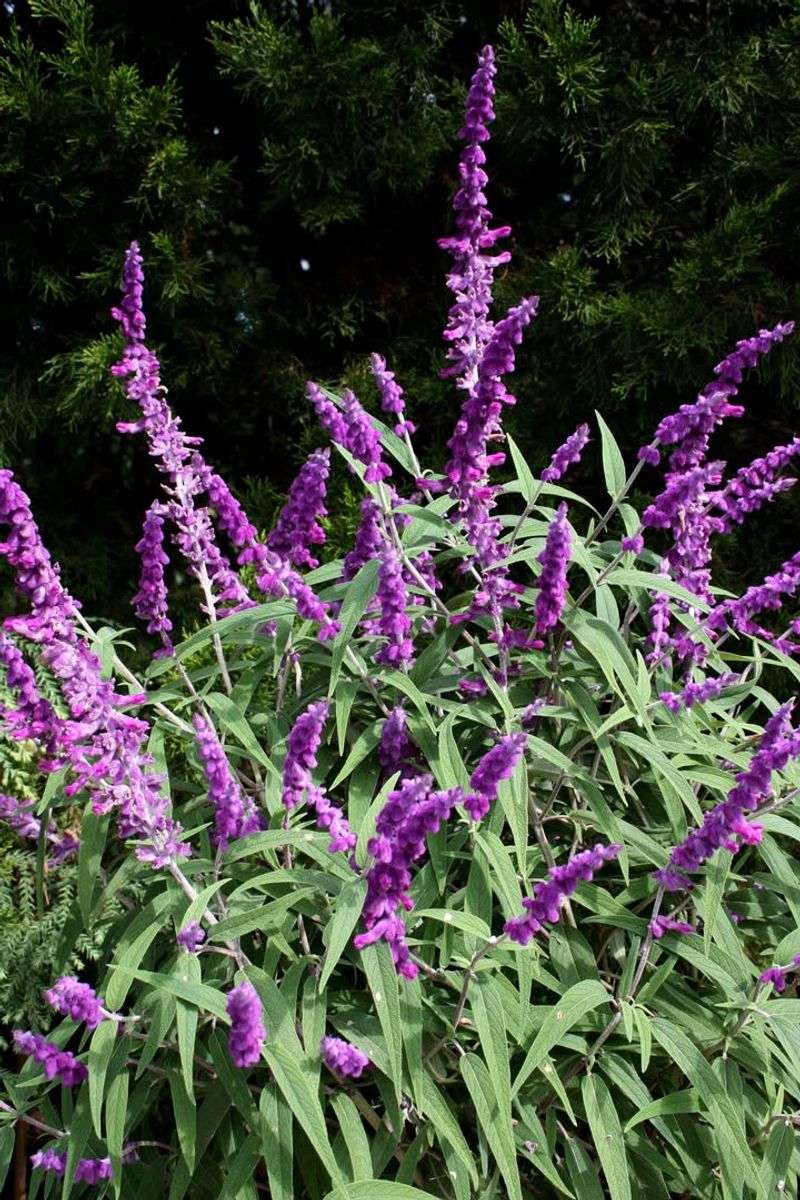
When Arizona gardens start to feel tired from months of heat, Mexican bush sage steps in and completely changes the mood. Long, arching stems rise above soft gray-green foliage, each one topped with plush purple flower spikes that almost glow in late afternoon light.
The blooms arrive just as temperatures begin to ease, carrying strong color from late summer well into fall. That timing alone makes this plant valuable.
While other flowers fade, Mexican bush sage hits its stride and fills beds with fresh energy.
This perennial handles Arizona’s intense sun surprisingly well once established. It prefers well-drained soil and benefits from occasional deep watering during the hottest stretches, but it does not demand constant attention.
The airy growth habit keeps it from looking heavy, and the soft foliage provides texture even before flowers appear.
Give it space to spread into a relaxed mound rather than forcing a tight shape. After frost, trim it back in late winter and allow new growth to emerge naturally in spring.
Hummingbirds are drawn to the velvety blooms almost immediately. Against gravel, stone, or warm-toned stucco walls, the purple spikes stand out clearly, delivering a strong seasonal finish that Arizona flower beds truly appreciate.
9. Verbena Rigida Carpets Ground With Purple Flower Clusters
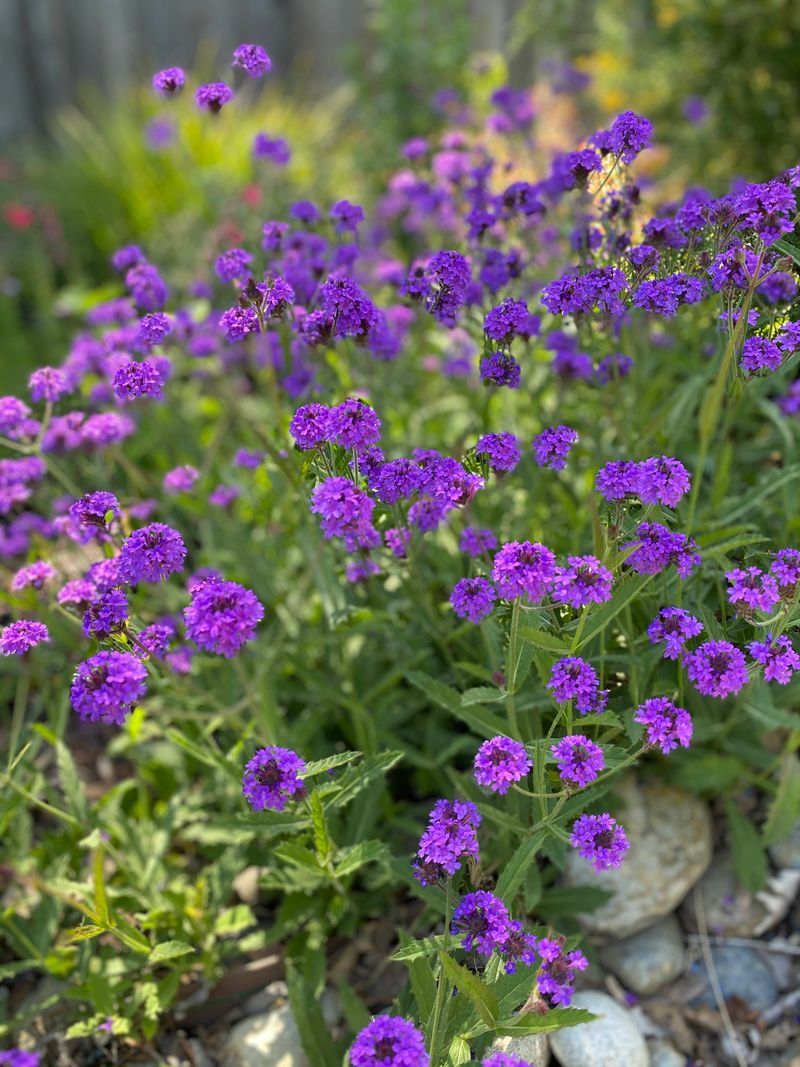
Clusters of bright purple flowers pack tightly together on short stems that hover just above the foliage. Verbena rigida spreads into a low carpet that suppresses weeds while providing continuous color from spring through fall.
Each flower cluster contains dozens of tiny blooms that butterflies find irresistible, making this groundcover a pollinator magnet throughout the growing season.
Arizona heat doesn’t stress this tough South American native. It grows in full sun and handles reflected heat from pavement and walls without wilting or burning.
Verbena rigida tolerates drought well once established but blooms more heavily with occasional deep watering during the hottest months. The plant self-seeds moderately, filling in gaps and creating a naturalistic appearance over time.
Cut plants back hard in late winter to remove winter-damaged foliage and encourage fresh growth. New stems emerge quickly as temperatures warm and start blooming within weeks.
This verbena combines beautifully with other purple plants or contrasts strikingly with yellow and orange flowers. Arizona gardeners use it between stepping stones, as edging along paths, or as filler in rock gardens.
The purple color stays vibrant even in intense sunlight. Foliage remains relatively low, keeping the focus on the flower clusters that bloom in waves throughout warm weather.
This reliable groundcover delivers big color impact while requiring minimal maintenance or resources beyond occasional trimming and watering.