These 8 Desert Bloomers Quietly Set Buds In Arizona This February
February in Arizona may not look like peak bloom season, but it is far from quiet in your garden. While the landscape still feels calm, several desert plants are already forming buds that will open once spring settles in.
The real show starts long before the first flower appears.
You might walk past these plants and assume nothing is happening, yet inside those stems and tips, next season’s color is already developing. Arizona’s mild winters and growing daylight trigger early bud formation in ways many gardeners overlook.
What seems slow on the surface is actually precise timing at work.
Paying attention in February changes how you care for your plants. Pruning too late or overwatering now can interrupt that hidden process.
The bloom you enjoy later often begins weeks earlier than you realize in your Arizona garden.
1. Desert Marigold Starts Forming Bright Yellow Buds Early
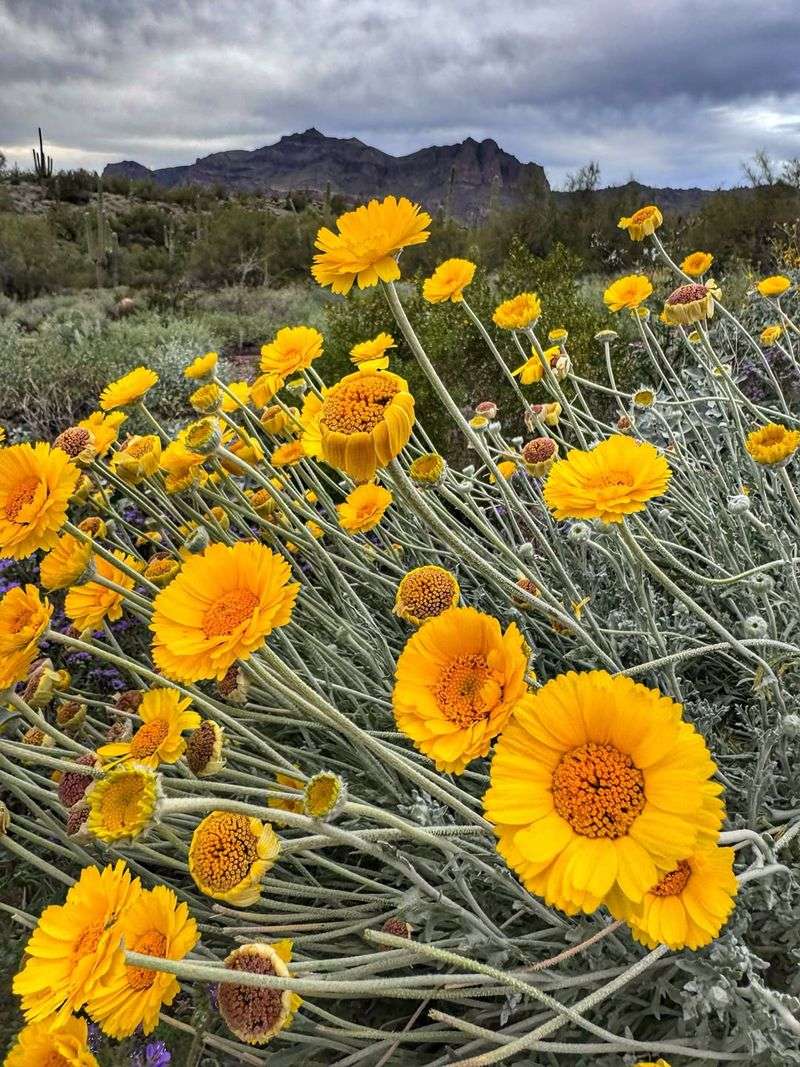
Bright yellow petals might steal the show in March, but February is when Desert Marigold really gets down to business. Small green buds appear at the tips of thin stems, barely visible against the plant’s silvery foliage.
Gardeners across Phoenix and Tucson notice these first signs of activity when morning temperatures consistently reach the mid-50s.
This cheerful bloomer doesn’t wait for perfect conditions. Even during cooler February nights, the plant channels energy into bud formation.
Its compact size makes it easy to overlook in wild desert settings, but look closely near rocky outcrops or sandy washes. The buds start as tight little balls that gradually swell as days pass.
Native to the Sonoran Desert, this species has adapted to Arizona’s unpredictable weather patterns. February rains trigger faster bud development, but the plant proceeds even during dry spells.
Its deep taproot accesses moisture that winter storms deposited months earlier.
Homeowners who planted Desert Marigold in fall gardens now see their patience rewarded. The developing buds promise weeks of continuous color starting in just a few weeks.
Each plant can produce dozens of flower heads, creating golden patches that brighten desert landscapes.
Watch for buds on south-facing slopes first, where extra warmth accelerates development. Northern exposures lag behind by about a week, extending the overall bloom season across Arizona’s diverse microclimates.
2. Brittlebush Prepares For Its Golden Spring Show
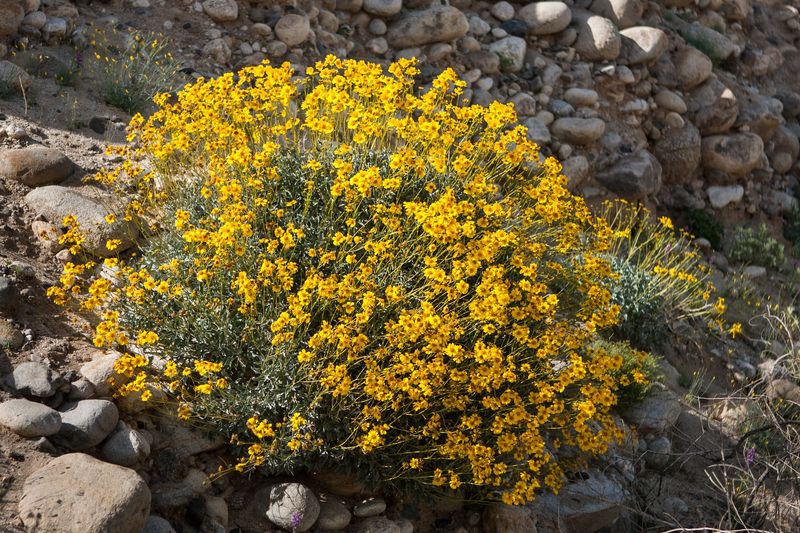
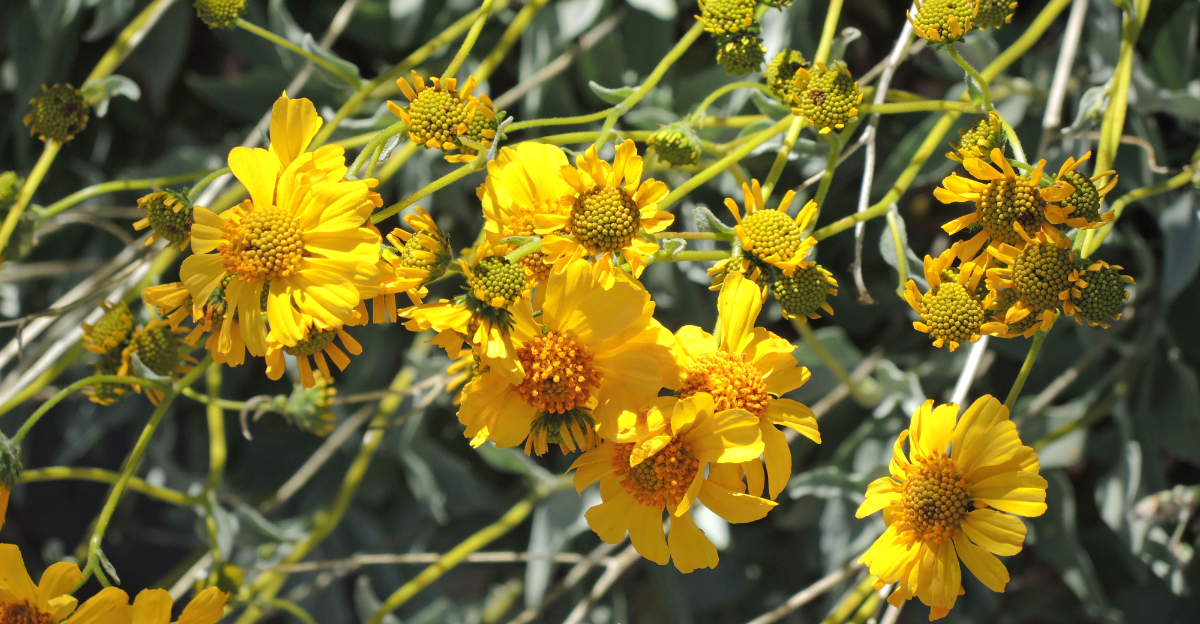
Silvery leaves have dominated Brittlebush plants all winter, but February brings dramatic changes to this desert staple. Thick flower stalks push upward from the plant’s center, growing several inches each week.
These sturdy stems will eventually support clusters of daisy-like blooms that blanket Arizona hillsides in gold.
The transformation happens gradually across different elevation zones. Lower desert areas around Yuma and Gila Bend show the earliest stalk development, while higher regions near Prescott lag by two or three weeks.
Temperature differences of just five degrees can shift timing significantly.
Brittlebush invests considerable energy into these pre-bloom structures. Each flowering stalk contains multiple buds that remain tightly closed throughout most of February.
The plant’s strategy involves building strong support systems before committing to actual flowers. This approach protects developing blooms from unexpected cold snaps that occasionally sweep through Arizona.
Your Arizona Garden Changes Every Week. Your Plan Should Too.
Gardening in Arizona changes quickly throughout the season. Every Friday you’ll receive a simple weekly plan showing exactly what to plant, prune, fertilize, harvest, and protect so you never miss the right timing.
Hikers along popular trails notice the changing profile of Brittlebush colonies. Previously rounded shrubs now sport upright stalks that create interesting shadows in morning light.
The visual texture shifts from soft and mounded to architectural and dramatic.
Drought-tolerant landscaping enthusiasts appreciate Brittlebush for reliable performance with minimal water. February’s bud development requires no supplemental irrigation if plants received adequate moisture during winter months.
The species thrives on natural rainfall patterns typical of Arizona’s desert climate.
3. Red Yucca Sends Up Flower Stalks Before Heat Arrives
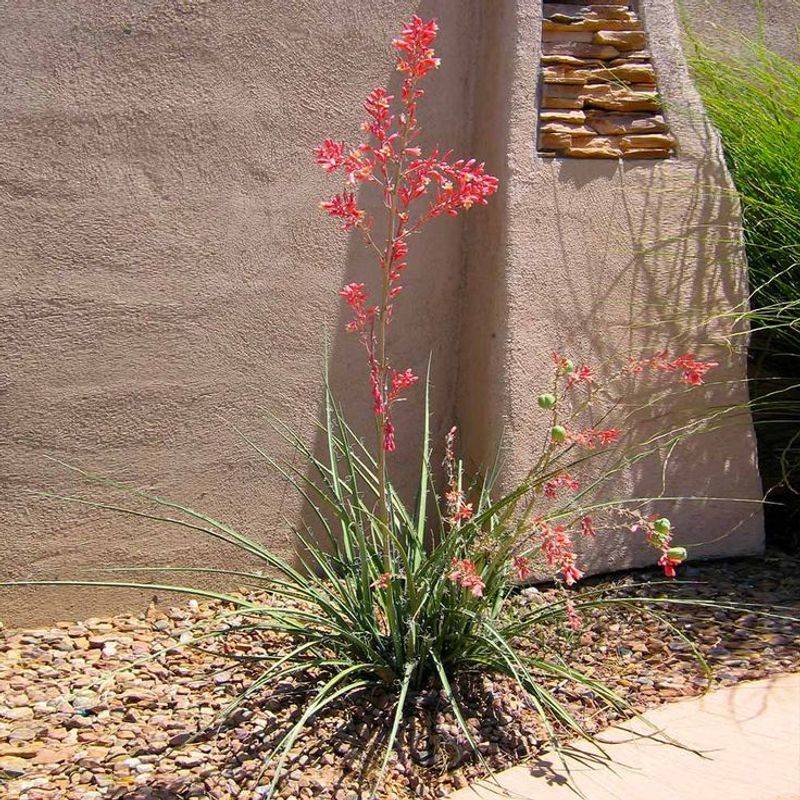
Spiky rosettes of narrow leaves suddenly produce something unexpected in February. Red Yucca sends up a thick central stalk that rises rapidly once initiated.
This flowering structure can grow several inches daily during warm spells, eventually reaching heights of three to five feet.
Despite its common name, Red Yucca isn’t actually a true yucca at all. The plant belongs to a different genus entirely, though its growth habit resembles yucca species.
Arizona gardeners value this confusion-inducing plant for hummingbird-attracting flowers that will open in coming weeks.
February’s moderate temperatures provide ideal conditions for stalk development. The plant avoids the stress of summer heat while capitalizing on winter moisture still present in soil.
Timing proves critical for reproductive success in harsh desert environments.
Established plants in Scottsdale and Mesa landscapes show stalk emergence first. Younger specimens planted within the past year may skip flowering entirely, focusing energy on root establishment instead.
Patience pays off as mature Red Yucca produces multiple flower stalks annually.
The emerging stalk appears pale green and smooth, quite different from the plant’s tough, fibrous leaves. Buds form along the upper portion in tight clusters.
These remain closed throughout most of February, protecting delicate flower parts from occasional frost.
Wildlife already takes notice of developing stalks. Hummingbirds investigate promising plants weeks before actual blooms appear, checking progress during territorial patrol flights across Arizona neighborhoods.
4. Globe Mallow Begins Budding As Days Grow Longer
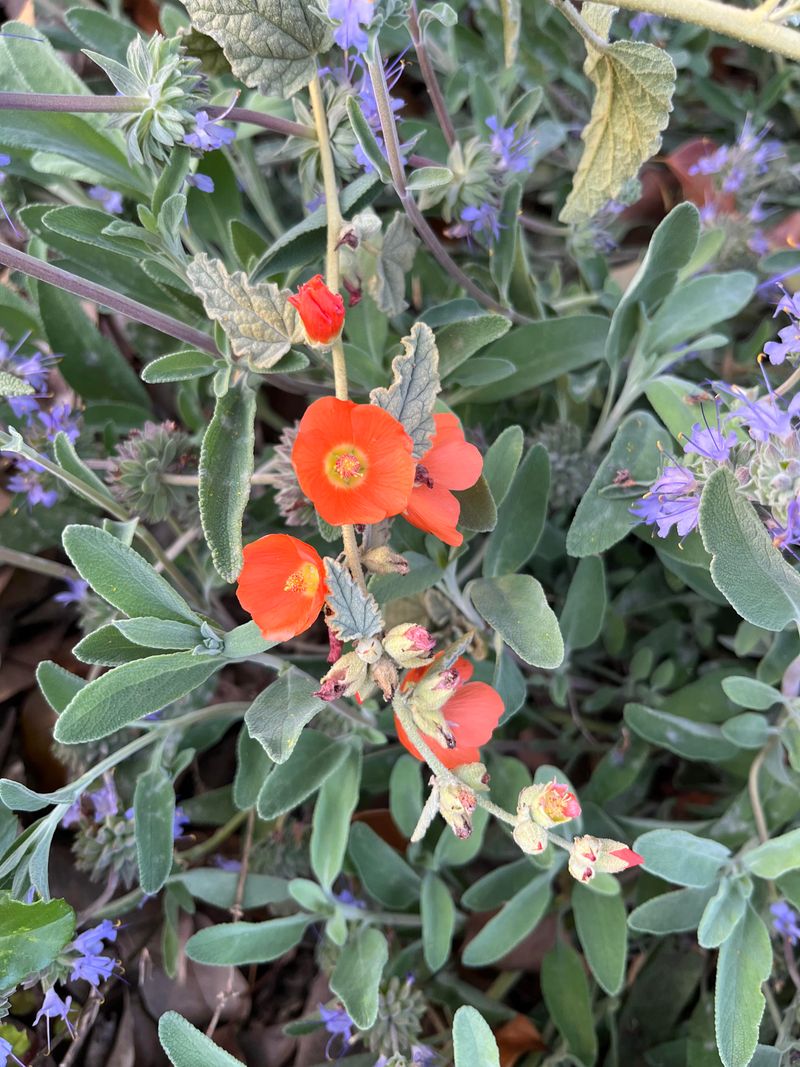
Fuzzy gray-green foliage hides a secret in February. Tiny buds develop along Globe Mallow stems, tucked close to leaf axils where they’re easily missed.
Only careful observers notice these first signs of the vibrant orange display coming soon.
Light duration triggers bud formation more than temperature alone. As February days stretch longer, Globe Mallow responds to increased photoperiod by switching from vegetative to reproductive growth.
This light-sensitive mechanism ensures flowers appear when pollinators become active.
Arizona’s native Globe Mallow species vary slightly in bloom timing across regions. Plants growing in Tucson’s urban heat island begin budding earlier than those in cooler surrounding desert.
Even small elevation changes create noticeable differences in development schedules.
The buds start incredibly small, barely distinguishable from new leaf growth. Their distinctive orange color remains hidden beneath protective sepals throughout early February.
Gradual swelling indicates progress as the plant prepares for its showy moment.
Roadside populations provide easy viewing opportunities for curious nature enthusiasts. Highway margins and disturbed areas often support dense Globe Mallow colonies.
February drives through rural Arizona reveal thousands of plants simultaneously preparing to bloom.
Drought conditions don’t stop bud formation, though they may reduce overall flower numbers. Globe Mallow evolved to reproduce even during challenging years, ensuring species survival across variable Arizona climate patterns.
The plant’s adaptability makes it a landscaping favorite for water-conscious homeowners.
5. Penstemon Builds Buds Ahead Of Early Spring Color
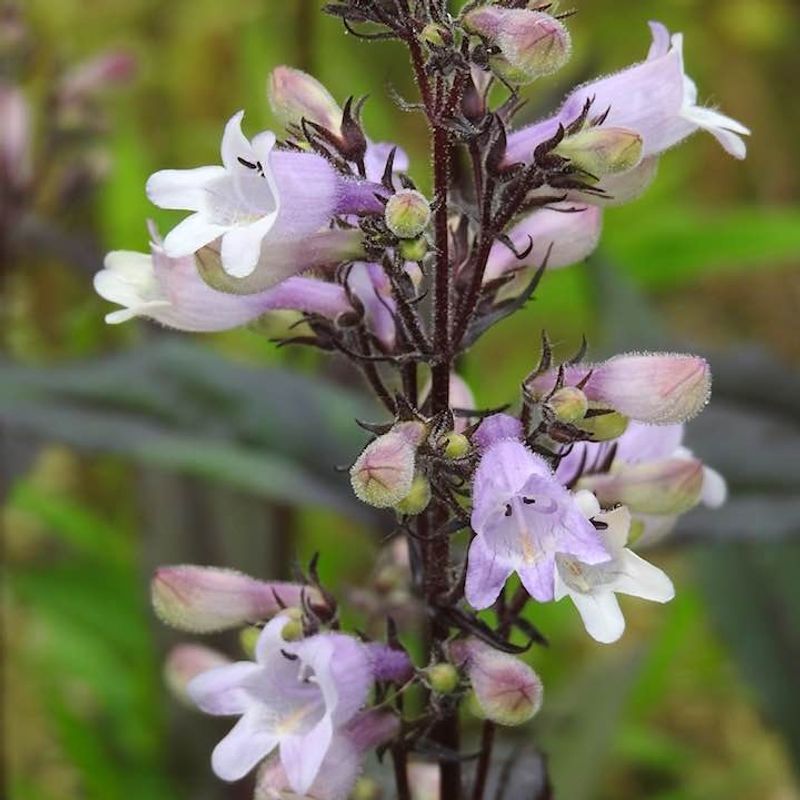
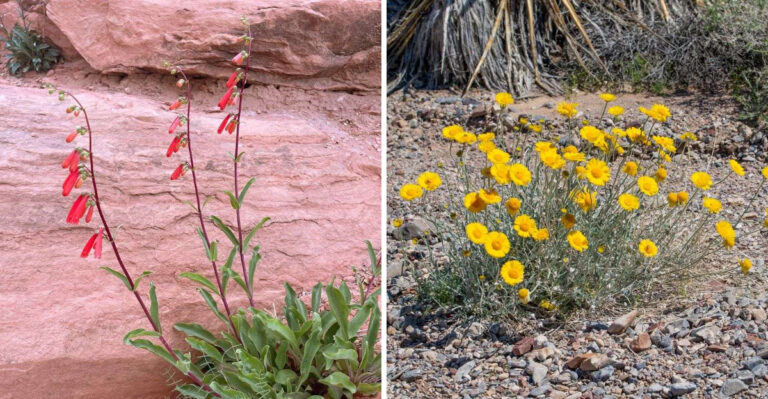
Upright stems suddenly look more interesting in February. Penstemon species native to Arizona develop distinctive tubular buds along their flowering stalks.
These structures appear as small swellings that gradually elongate into the characteristic shape that gives the plant its common name of beardtongue.
Multiple Penstemon species grow throughout Arizona, each with slightly different bloom timing. Lower elevation species around Phoenix begin bud development first, while mountain varieties near Flagstaff remain dormant.
February activity concentrates in desert and transition zones where temperatures moderate.
The developing buds showcase subtle color hints that preview coming flowers. Pink, purple, red, or blue tones become faintly visible as buds swell.
This early color development helps botanists identify species before full bloom occurs.
Pollinators don’t wait for flowers to fully open. Carpenter bees and other native insects inspect developing Penstemon buds during warm February afternoons.
These early reconnaissance missions help insects locate reliable nectar sources before competition intensifies.
Gardeners who included native Penstemon in their landscapes see February bud development as validation of proper plant selection.
These species require no supplemental watering once established, thriving on Arizona’s natural precipitation patterns.
The plants demonstrate remarkable drought tolerance while still producing impressive floral displays.
Wild populations grow along hiking trails throughout central Arizona. Observant walkers notice the transformation from simple green stems to bud-laden stalks ready to burst into color.
The change happens gradually but becomes obvious by month’s end.
6. Desert Ruellia Wakes Up And Prepares New Blooms
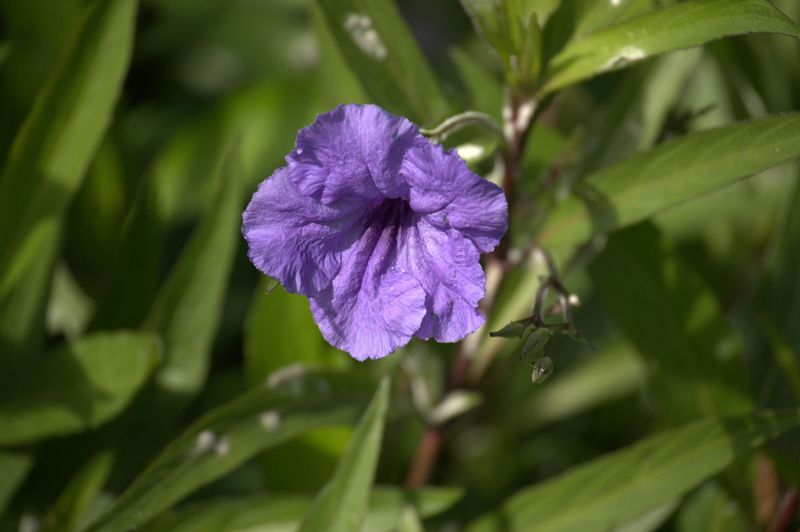
Woody stems that looked completely dormant suddenly show signs of life. Desert Ruellia pushes fresh green growth from seemingly bare branches as February temperatures climb.
Small leaves emerge first, followed quickly by distinctive purple-tinged buds that promise colorful flowers.
This tough native survived months of winter dormancy by dropping leaves and conserving energy. February’s warming trend signals time to resume active growth.
The plant responds rapidly, sometimes producing visible changes within days of favorable weather.
Arizona’s native Desert Ruellia differs from its aggressive non-native cousin that has invaded some regions. The native species shows restrained growth habits and true desert adaptation.
February bud formation occurs naturally without requiring irrigation or fertilization.
Buds appear at branch tips and leaf axils simultaneously. The plant hedges its bets by producing multiple potential flowering sites.
This strategy ensures successful reproduction even if late cold snaps damage some developing buds.
Purple flowers will eventually attract numerous pollinators, but February’s closed buds serve a protective function. Tender flower parts remain safely enclosed while the plant completes necessary physiological preparations.
Premature opening would risk damage from temperature fluctuations still common in Arizona’s transitional month.
Landscape designers appreciate Desert Ruellia for low water requirements and reliable performance. Plants established in Tucson and Phoenix gardens demonstrate the species’ adaptability to urban conditions.
February’s renewed growth signals another season of easy-care beauty ahead for homeowners who chose this native species.
7. Parry’s Agave Develops Structure Before Its Dramatic Spike
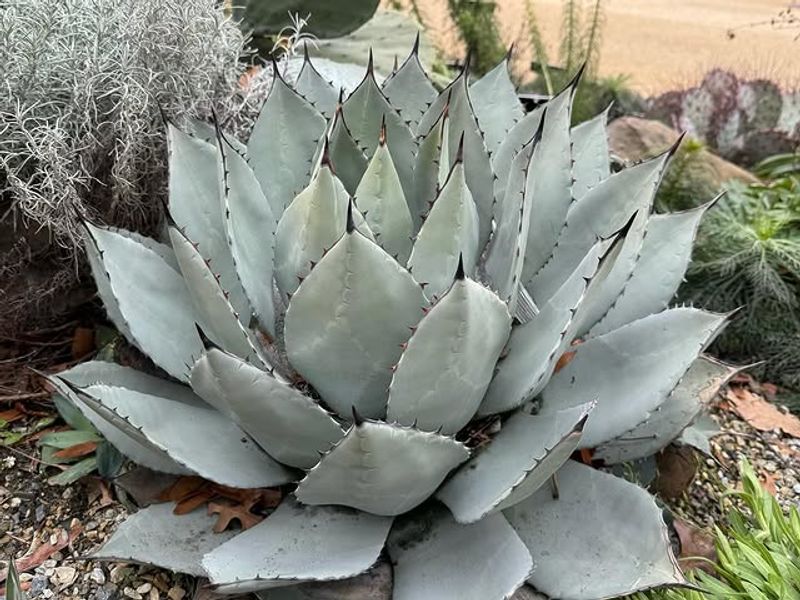
Something subtle changes at the heart of mature Parry’s Agave rosettes. The plant’s center begins reorganizing resources in preparation for its once-in-a-lifetime flowering event.
February marks the beginning of internal changes that won’t become obvious for weeks or months.
This high-elevation species grows naturally in Arizona’s mountain regions above 4,000 feet. February development occurs while snow still covers surrounding peaks.
The plant operates on its own schedule, responding to accumulated age rather than seasonal cues.
Parry’s Agave takes 10 to 25 years to reach flowering maturity. When the time arrives, the plant commits everything to reproduction.
February’s subtle changes represent the early stages of this dramatic transformation. The rosette’s center gradually elongates as the future flower stalk begins forming.
Casual observers won’t notice February’s changes without close inspection. The developing structure remains hidden within protective leaf layers.
Only the plant’s overall shape provides hints, becoming slightly more elongated and less symmetrical.
Arizona botanists monitor known Parry’s Agave populations to study flowering patterns. February surveys help predict which plants will bloom in coming months.
This data contributes to understanding of the species’ reproductive ecology in changing climate conditions.
Gardeners growing Parry’s Agave in cooler Arizona locations watch for signs of impending bloom. The plant’s dramatic flowering stalk will eventually reach 15 feet tall, creating spectacular garden focal points.
February’s hidden preparations begin this remarkable process.
8. Desert Milkweed Pushes Fresh Growth That Signals Coming Flowers
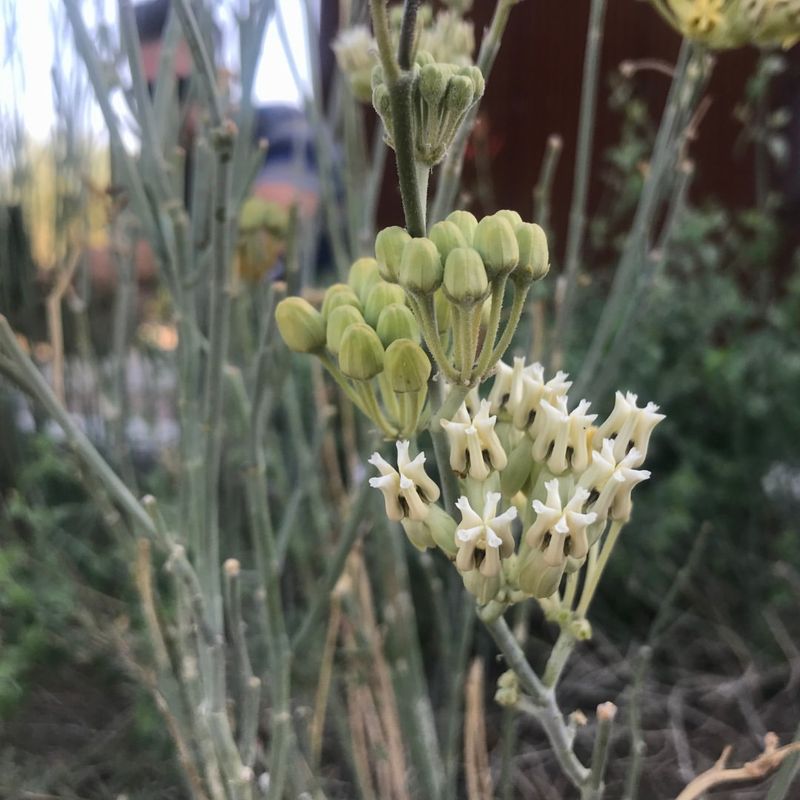
Bare ground suddenly sprouts fresh green shoots as Desert Milkweed emerges from winter dormancy. February warmth triggers rapid growth from underground rootstock.
The plant wastes no time, simultaneously producing leaves and the small clustered buds that will become fragrant flowers.
Monarch butterflies depend on milkweed species for reproduction, making Desert Milkweed’s February awakening ecologically significant. Early growth provides crucial resources for migrating monarchs passing through Arizona.
The timing coincides with butterfly movements northward from Mexican wintering grounds.
Fresh shoots grow vigorously once started, adding several inches weekly during favorable conditions. The plant’s strategy involves rapid development before summer heat becomes oppressive.
February’s moderate temperatures and occasional rainfall support this accelerated growth phase.
Flower buds appear as small green clusters at stem tips and leaf junctions. They remain tightly closed throughout most of February, gradually swelling as the plant matures.
The distinctive milkweed flower structure develops hidden within these protective buds.
Arizona gardeners who planted Desert Milkweed to support monarch conservation see February growth as encouraging validation. The native species thrives with minimal care once established.
Its deep roots access moisture unavailable to shallow-rooted plants, enabling growth even during dry spells.
Wild populations emerge along washes and in sandy soils throughout southern Arizona. The fresh green growth stands out against dormant winter vegetation.
February marks the beginning of Desert Milkweed’s vital role in supporting pollinator populations across the region’s diverse desert ecosystems.