9 Plants To Grow By The Moon In Your Georgia Garden
Planting by the moon may sound old fashioned, but many Georgia gardeners still follow lunar phases to guide when seeds go into the ground. If you have ever wondered why some crops seem to take off while others lag behind, timing could be part of the reason.
The moon’s cycle has long been linked to moisture movement and early plant growth, especially in regions with shifting spring weather like Georgia.
Some gardeners plant leafy crops during the waxing moon and root crops during the waning phase, believing growth responds differently during each stage. In Georgia’s long growing season, small timing adjustments can influence how quickly plants establish.
The right planting window can shape your entire harvest.
Growing by the moon adds rhythm and intention to your schedule. When you align planting with both climate and lunar timing, your Georgia garden can feel more balanced and productive.
1. Lettuce Germinates Quickly During The Waxing Moon
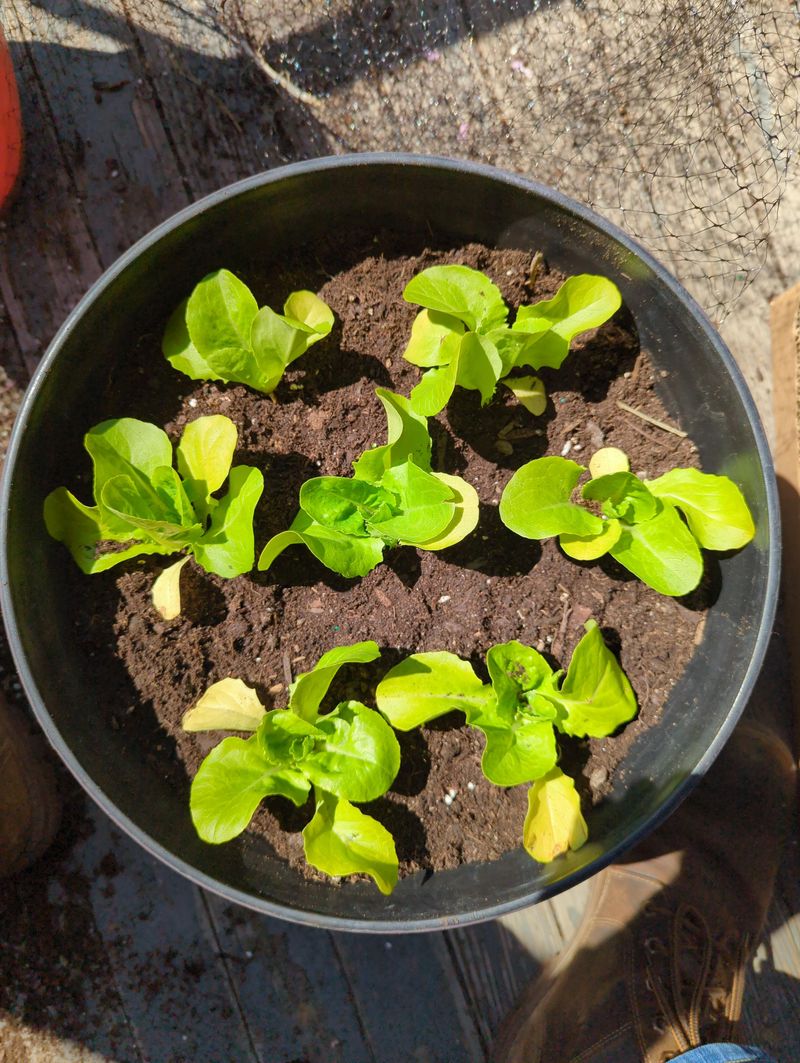
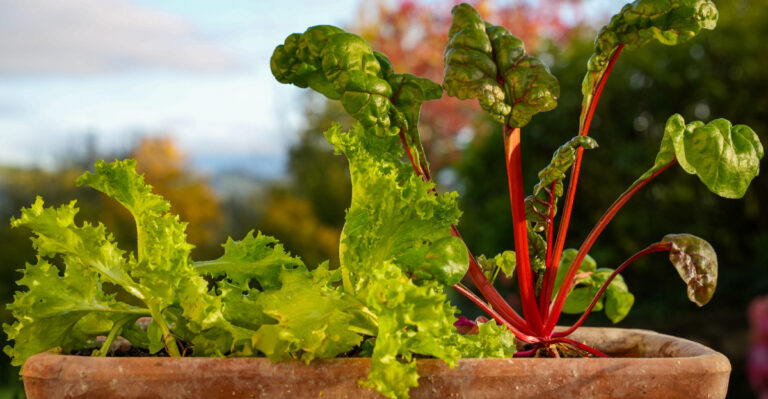
Lettuce seeds seem to wake up faster when you plant them as the moon grows brighter each night. Georgia gardeners have noticed that germination happens in just five to seven days when timing aligns with the waxing phase.
The increasing moonlight encourages rapid leaf development, which is exactly what you want from a lettuce crop.
Our mild Georgia springs and falls create perfect conditions for lettuce varieties like Buttercrunch, Romaine, and loose-leaf types. Plant your seeds about a quarter-inch deep in well-draining soil enriched with compost.
The waxing moon period gives seedlings that extra push they need to establish quickly before temperatures shift.
Moisture levels in the soil naturally rise during this lunar phase, reducing the stress on tender young plants. Keep the bed consistently damp but not waterlogged, and you’ll see those first true leaves appear remarkably fast.
Succession planting every two weeks during waxing moons extends your harvest throughout the growing season.
Morning sun with afternoon shade works beautifully for lettuce in Georgia’s climate, especially as we move into warmer months.
The lunar timing combined with proper site selection means you’ll be harvesting crisp, homegrown salad greens before you know it.
Cut outer leaves first and let the center continue growing so each plant keeps producing longer.
When soil temperatures stay between 45 and 75 degrees, lettuce responds quickly, giving Georgia gardeners steady harvests through much of spring and fall.
2. Spinach Thrives When Planted As The Moon Grows Brighter
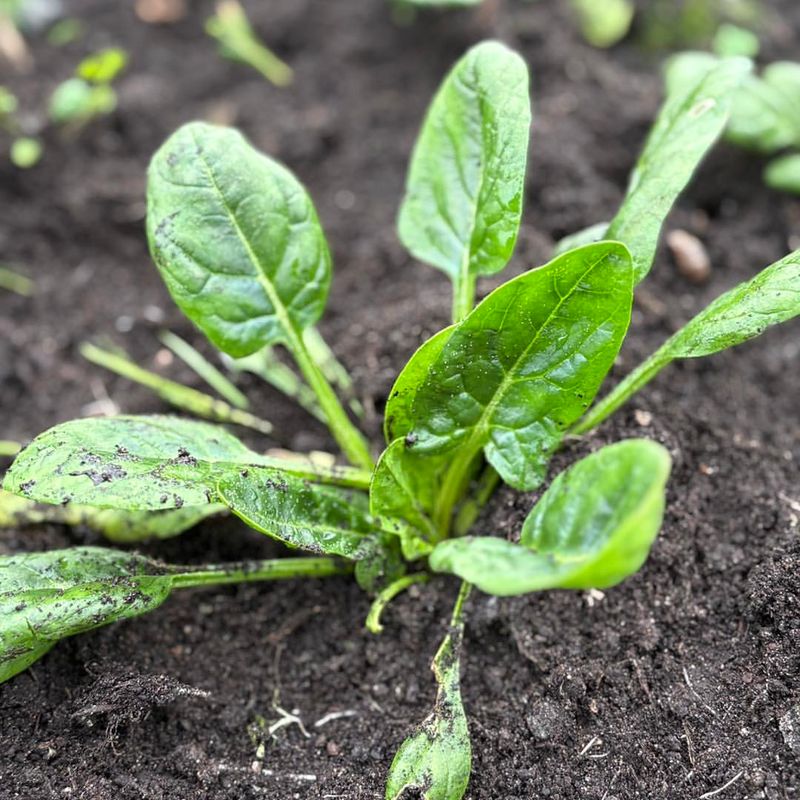
Spinach responds beautifully to waxing moon planting, sending up vibrant leaves that seem to multiply overnight. This cool-season champion loves Georgia’s spring and fall weather, and lunar timing gives it an advantage right from the start.
The increasing light phase naturally supports the leafy growth that makes spinach such a nutritious garden staple.
Savoy, flat-leaf, and semi-savoy varieties all benefit from this planting strategy. Direct sow seeds about half an inch deep when nighttime temperatures stay above freezing but before summer heat arrives.
In Georgia, this typically means February through March for spring crops and September through October for fall plantings.
Your Georgia Garden Changes Every Week. Your Plan Should Too.
Gardening in Georgia changes quickly throughout the season. Every Friday you’ll receive a simple weekly plan showing exactly what to plant, prune, fertilize, harvest, and protect so you never miss the right timing.
The waxing moon’s influence on soil moisture helps seeds absorb water efficiently and germinate evenly. You’ll notice stronger seedlings that establish faster than those planted during other lunar phases.
Space plants about six inches apart to allow for full leaf development and good air circulation.
Spinach grows quickly in our Georgia gardens when conditions align properly, often ready to harvest in just 40 days. The combination of cool temperatures, adequate moisture, and waxing moon energy creates ideal circumstances.
Pick outer leaves regularly to encourage continued production throughout the season.
3. Bush Beans Take Off With Strong Leaf Growth
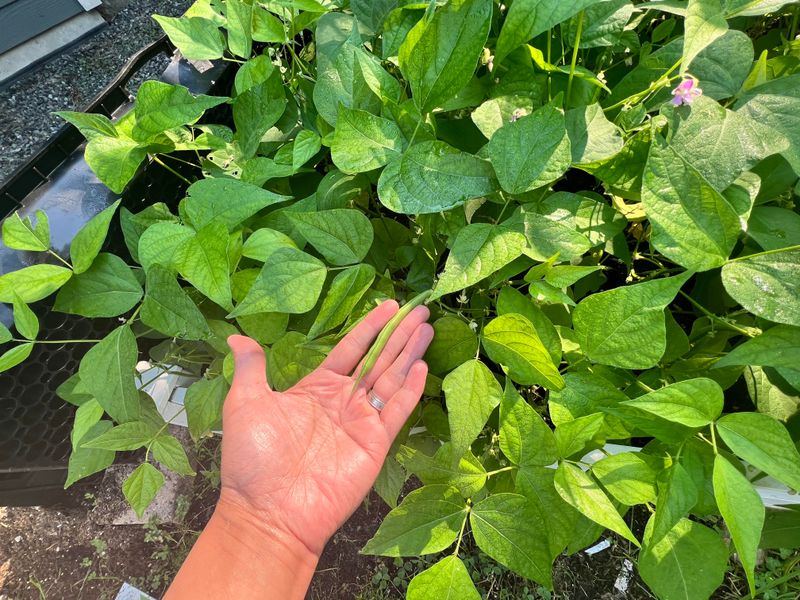
Bush beans planted during the waxing moon seem to leap out of the ground with enthusiasm.
These compact plants produce heavily without requiring support structures, making them perfect for Georgia gardeners who want maximum harvest with minimum fuss.
The increasing moonlight phase encourages vigorous leaf and stem development that translates directly into more bean production.
Varieties like Blue Lake, Contender, and Provider perform exceptionally well in our warm Georgia summers. Wait until soil temperatures reach at least 60 degrees before planting, usually after the last frost date in your area.
Plant seeds one inch deep and three inches apart in rows or blocks.
The waxing moon period brings enhanced moisture availability that helps beans establish strong root systems quickly. Within a week, you’ll see those characteristic bean leaves pushing through the soil.
The plants grow rapidly during this phase, building the framework they need to support heavy pod development later.
Georgia’s heat can be intense, so choose a spot with full sun but ensure consistent watering throughout the growing season. Beans planted with lunar awareness often show improved resistance to stress and produce more abundantly.
Harvest regularly once pods form to keep plants producing for weeks.
Pick pods while they are still slender and crisp to keep the plants focused on producing more instead of slowing down.
With warm soil, steady moisture, and good timing, bush beans reward Georgia gardens with reliable harvests deep into summer.
4. Tomatoes Benefit From Waxing Moon Transplants
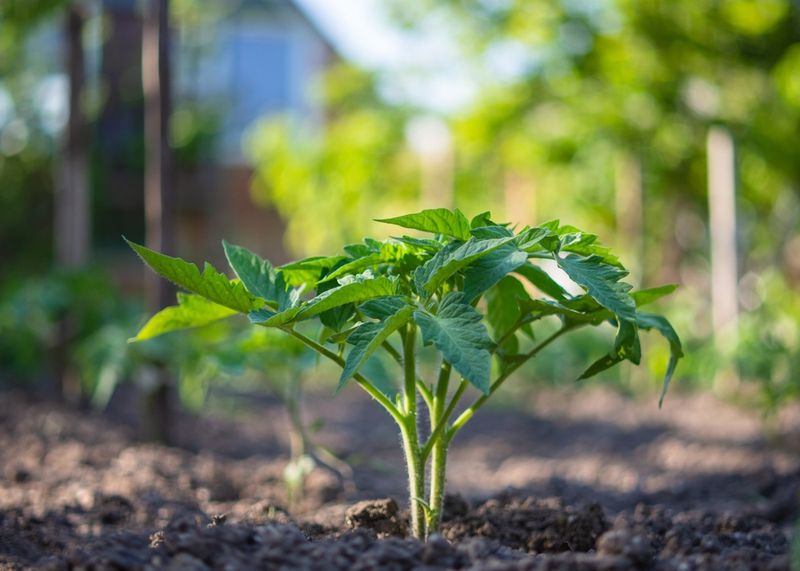
Moving tomato seedlings into your Georgia garden during the waxing moon sets them up for remarkable success.
This timing takes advantage of increasing moisture and energy flow that helps transplants overcome shock and establish quickly.
Rather than planting seeds directly, tomatoes do best when started indoors and moved outside as young plants.
Celebrity, Better Boy, and Cherokee Purple are favorite varieties across Georgia, each offering different flavors and growing characteristics. Transplant when seedlings have two sets of true leaves and nighttime temperatures consistently stay above 55 degrees.
Bury stems deeply, even up to the first set of leaves, to encourage additional root development.
The waxing moon phase supports rapid leaf and stem growth, exactly what transplanted tomatoes need to recover and thrive. Within days, you’ll notice new growth appearing at the top of plants as they settle into their permanent home.
This lunar timing helps plants focus energy on building strong frameworks before flowering begins.
Georgia summers provide plenty of heat for tomatoes, but they need consistent moisture and nutrients throughout the season. Mulch around plants to retain soil moisture and regulate temperature.
Transplanting with the moon gives your tomatoes that crucial head start they need to produce abundantly all summer long.
5. Cucumbers Respond Well To Above Ground Planting Phases
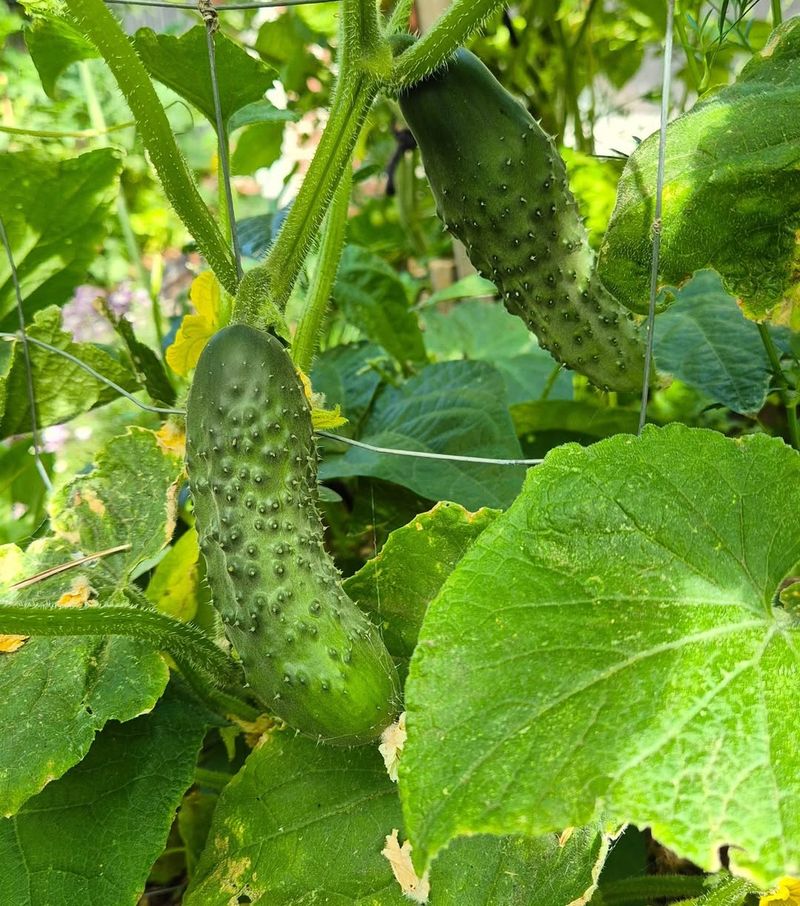
Cucumbers planted as the moon waxes produce vines that seem to grow several inches overnight. These warm-season crops love Georgia’s summer heat and respond dramatically to lunar planting timing.
The waxing phase channels energy into leaf and vine development, creating robust plants that produce cucumbers prolifically.
Straight Eight, Marketmore, and lemon cucumber varieties all thrive in our Georgia climate when planted correctly. Wait until soil warms to at least 70 degrees, typically mid-April in South Georgia and early May further north.
Plant seeds one inch deep in hills or rows with plenty of space for vines to spread.
Moisture increases during the waxing moon help cucumber seeds germinate quickly and establish strong root systems. The plants then focus on producing the extensive vine growth needed to support heavy fruit production.
Provide a trellis or let vines sprawl across the ground with adequate room.
Georgia’s humidity can encourage fungal issues, so ensure good air circulation around plants and water at the base rather than overhead. Cucumbers planted with lunar awareness often show improved vigor and disease resistance.
Harvest regularly when fruits reach the desired size to keep plants producing throughout the summer months.
6. Carrots Do Best When Sown During The Waning Moon
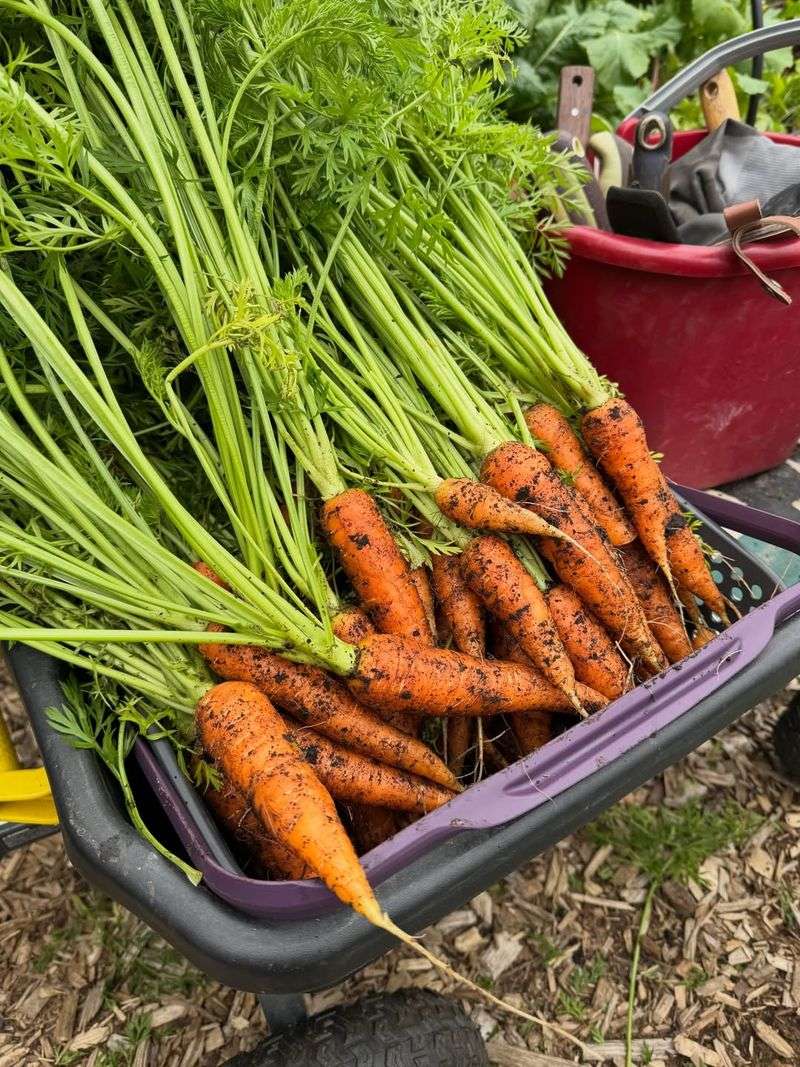
Planting carrots as the moon decreases in light might seem counterintuitive, but this timing produces the best root development. The waning phase directs plant energy downward into the soil rather than into leaves, exactly what you want from a root crop.
Georgia’s sandy loam soils are perfect for growing straight, healthy carrots when lunar timing aligns properly.
Varieties like Danvers, Nantes, and Chantenay work well in different Georgia soil types. Plant seeds directly in the garden about a quarter-inch deep, as carrots don’t transplant well.
Spring and fall plantings both succeed, with fall crops often tasting sweeter after experiencing light frosts.
The waning moon’s influence encourages seeds to focus on developing strong taproots immediately after germination. You’ll notice less excessive leaf growth and more energy going into the underground portion.
Keep soil consistently moist during germination, which can take up to three weeks.
Thin seedlings to about two inches apart once they’re established to allow proper root development. Georgia’s climate means you can grow carrots during cooler months when many other crops struggle.
Harvest when roots reach the size you prefer, and you’ll taste the difference that lunar planting makes in sweetness and texture.
7. Beets Form Strong Roots In The Darker Phase
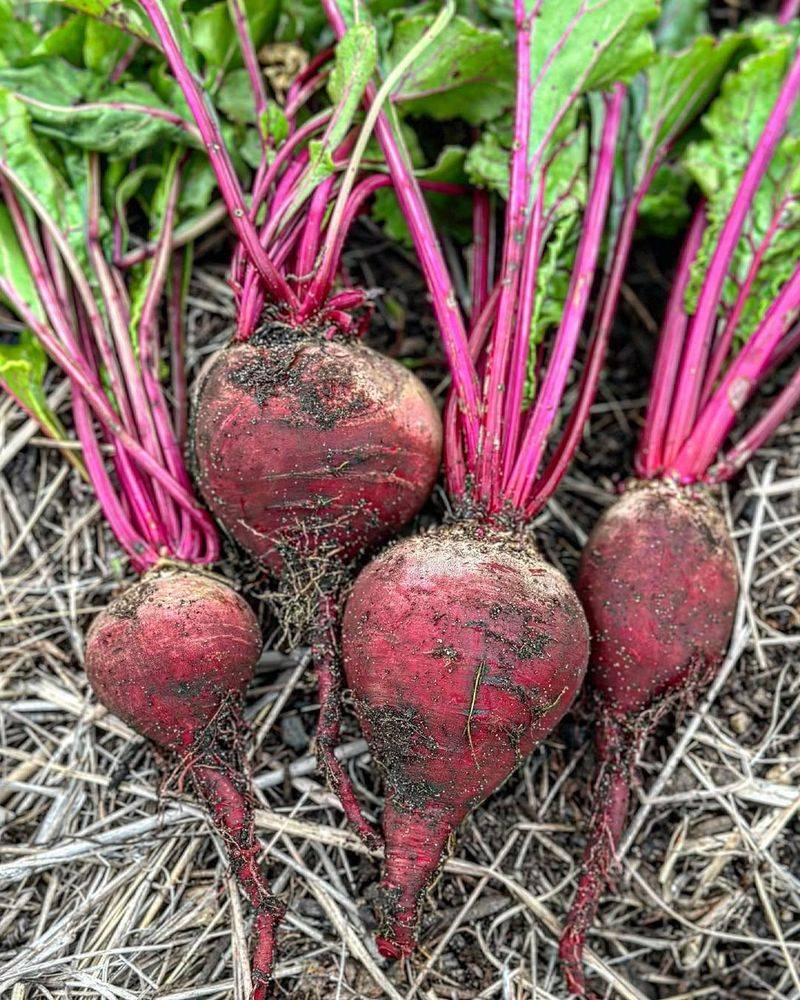
Beets planted during the waning moon develop robust, flavorful roots that Georgia gardeners prize. This lunar phase naturally encourages downward growth, helping beets form those characteristic round bulbs we love to harvest.
Both the roots and greens are edible, making beets a double-value crop for your garden space.
Detroit Dark Red, Golden, and Chioggia varieties all perform well in Georgia’s climate during appropriate seasons. Plant seeds directly in the garden about half an inch deep in early spring or fall.
Each seed is actually a cluster, so expect multiple seedlings to emerge from each planting spot.
As the moon wanes and light decreases, plant energy concentrates on root formation rather than leaf production. This results in larger, more uniform beets with better flavor and texture.
Thin seedlings to three inches apart, and use those tender young greens in salads or cooking.
Georgia’s moderate winters in southern regions allow for extended beet growing seasons compared to northern states. Keep soil evenly moist but not waterlogged, as consistent moisture prevents tough, woody roots.
Harvest when beets reach one to three inches in diameter for the best eating quality and sweetness throughout.
8. Potatoes Set Well As The Moon Begins To Decline
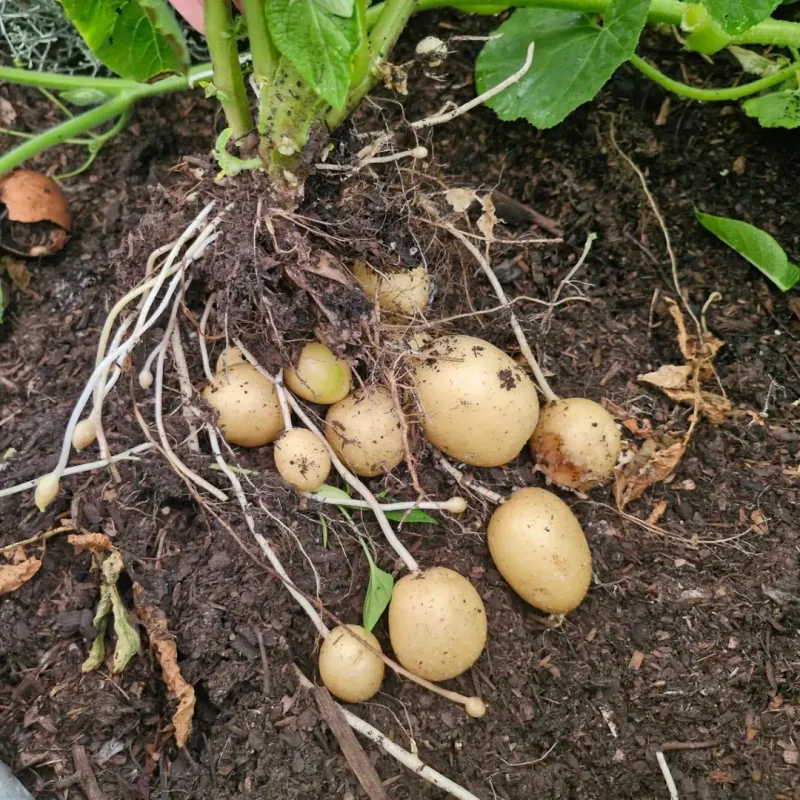
Potatoes respond exceptionally well to planting during the early waning moon period. This timing encourages tuber formation underground while still allowing adequate foliage development above ground.
Georgia gardeners can grow both spring and fall potato crops, with lunar timing enhancing success in both seasons.
Yukon Gold, Red Pontiac, and Kennebec are reliable varieties for our climate. Plant seed potatoes or pieces with at least two eyes about four inches deep in loose, well-draining soil.
Hill soil around plants as they grow to prevent tubers from greening and to encourage more potato production.
The waning moon’s downward energy pull helps potatoes focus on developing those underground tubers we’re after. You’ll still get healthy green tops, but the plant’s priority shifts toward root zone development.
This balance is crucial for maximizing your harvest.
In Georgia, plant spring potatoes in February or March and fall crops in August. The waning moon phase combined with proper hilling techniques can significantly increase your yield.
Harvest when plants begin to yellow and fade, usually 90 to 120 days after planting, depending on the variety you chose.
9. Onions Establish Steady Roots During The Waning Cycle
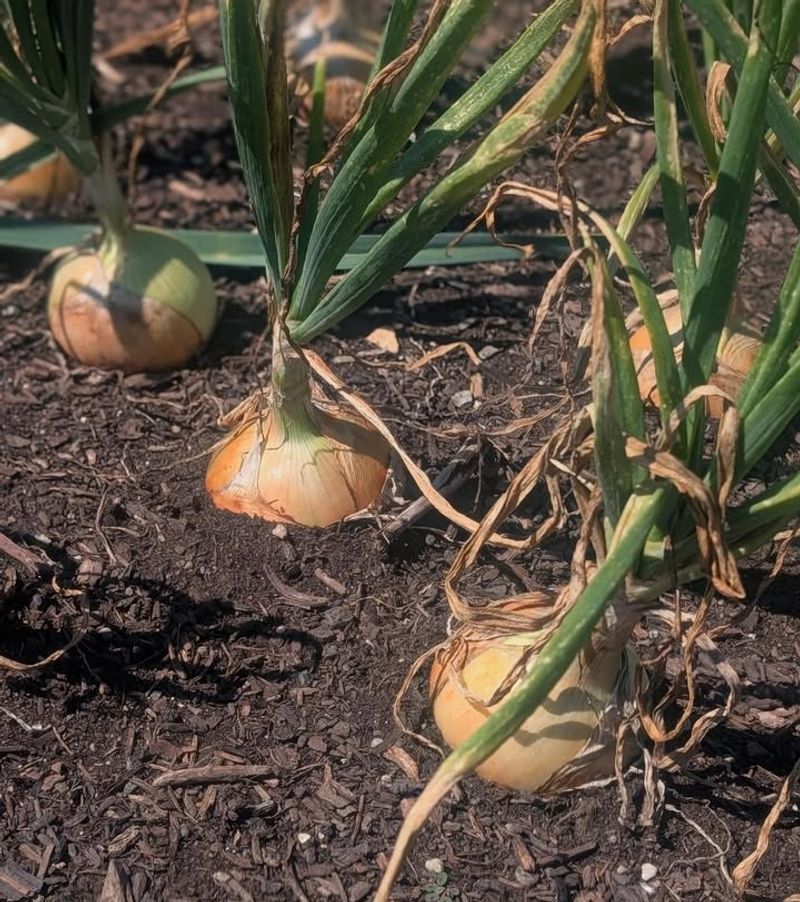
Onions planted during the waning moon develop extensive root systems that support excellent bulb formation later. This lunar phase naturally directs plant energy downward, helping onions establish the strong foundation they need.
Georgia’s climate allows for both short-day and intermediate-day onion varieties, depending on your location in the state.
Vidalia, Texas 1015, and Red Creole are popular choices across Georgia. Plant sets or transplants in fall for spring harvest, or start in early spring for summer bulbs.
Space plants four inches apart in rows, ensuring the pointed end faces up if using sets.
The waning moon period helps onions prioritize root development over excessive top growth. This creates sturdy plants that can support large bulb formation as days lengthen.
Consistent moisture is important, but avoid overwatering which can lead to rot issues.
Georgia’s famous Vidalia onions benefit tremendously from proper lunar planting timing combined with our unique soil conditions. As bulbs begin to form, gradually reduce watering to encourage proper curing.
Harvest when tops fall over naturally, then cure bulbs in a dry, shaded area before storage for maximum keeping quality throughout the year.