9 Groundcovers That Hold Up Through Arizona’s Late Winter
Late winter in Arizona can make a yard look tired, especially when cold nights and dry air leave patches thin or dull.
If you are looking at bare spots or faded foliage right now, groundcover choice is usually the reason.
The right plants do not collapse when temperatures dip or when the soil stays dry for weeks.
Strong groundcovers hold their color, stay compact, and protect the soil even before spring fully arrives. In Arizona, late winter resilience matters just as much as summer heat tolerance.
A dependable groundcover keeps your yard looking finished instead of seasonal.
Choosing plants that stay steady through cool desert nights makes everything feel more polished. When your groundcovers remain dense and healthy, your Arizona landscape carries structure and color straight into spring without extra repair work.
1. Trailing Lantana Stays Low And Rebounds As Days Warm
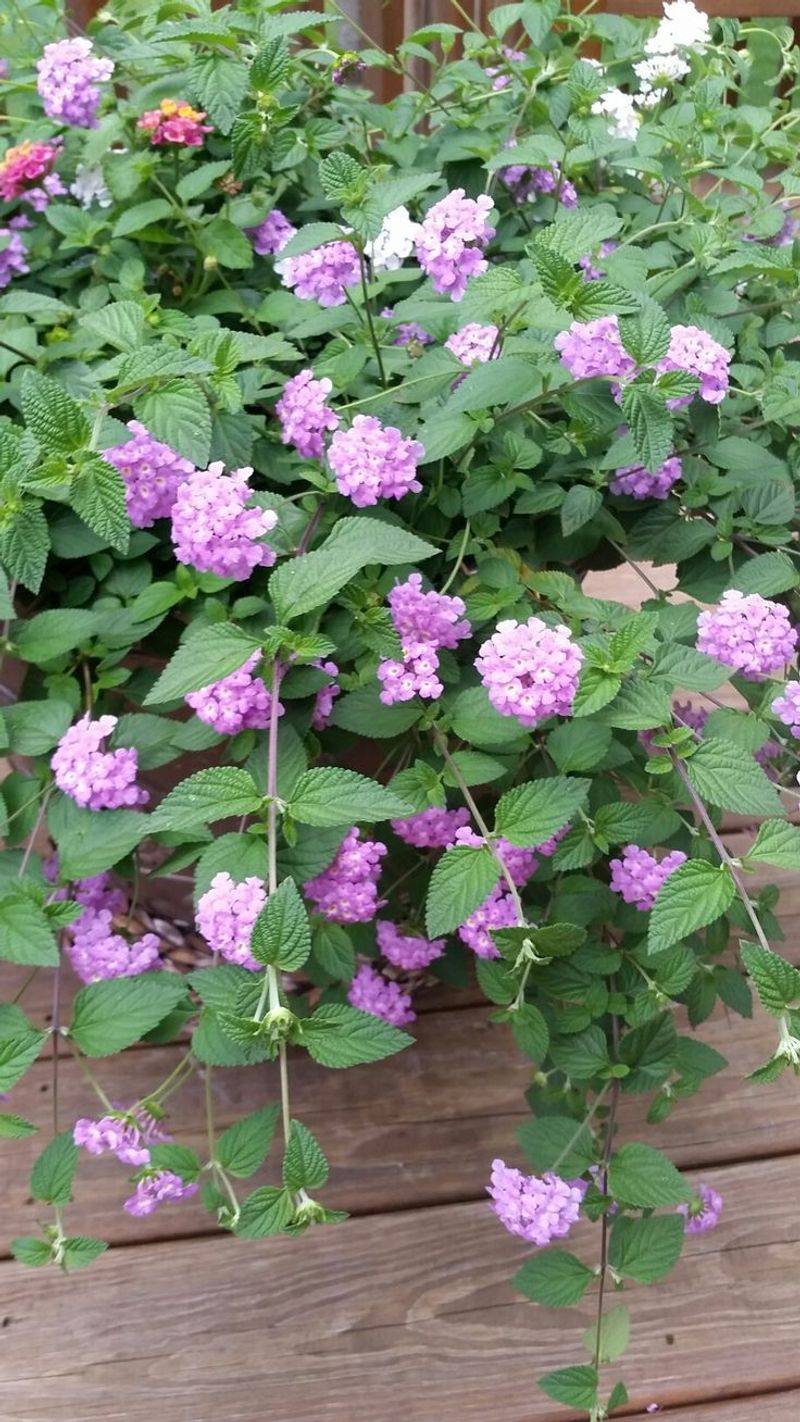
Trailing lantana bounces back fast once Arizona’s late winter temperatures climb. This groundcover hugs the soil at just six to twelve inches tall while spreading several feet wide.
Its small, textured leaves create a dense mat that chokes out weeds naturally.
The real show starts when daytime temps hit the 70s consistently. Clusters of tiny flowers in shades of yellow, orange, purple, or pink appear in waves throughout the warming season.
Butterflies and hummingbirds visit constantly, turning your groundcover into a wildlife magnet.
Plant trailing lantana in full sun across the low desert regions of Arizona. It handles reflected heat from walls and pavement without complaint.
Once established, it needs water only every week or two during the cooler months. As spring approaches, you can trim back any frost-damaged stems without harming the plant.
This groundcover works perfectly on slopes where erosion becomes a problem. The spreading stems root wherever they touch soil, creating a living blanket that holds everything in place.
Trailing lantana also tolerates poor soil and doesn’t need fertilizer to perform well. Its drought tolerance and low maintenance make it a smart choice for Arizona yards where water conservation matters year-round.
2. Damianita Forms A Tight, Heat-Loving Carpet
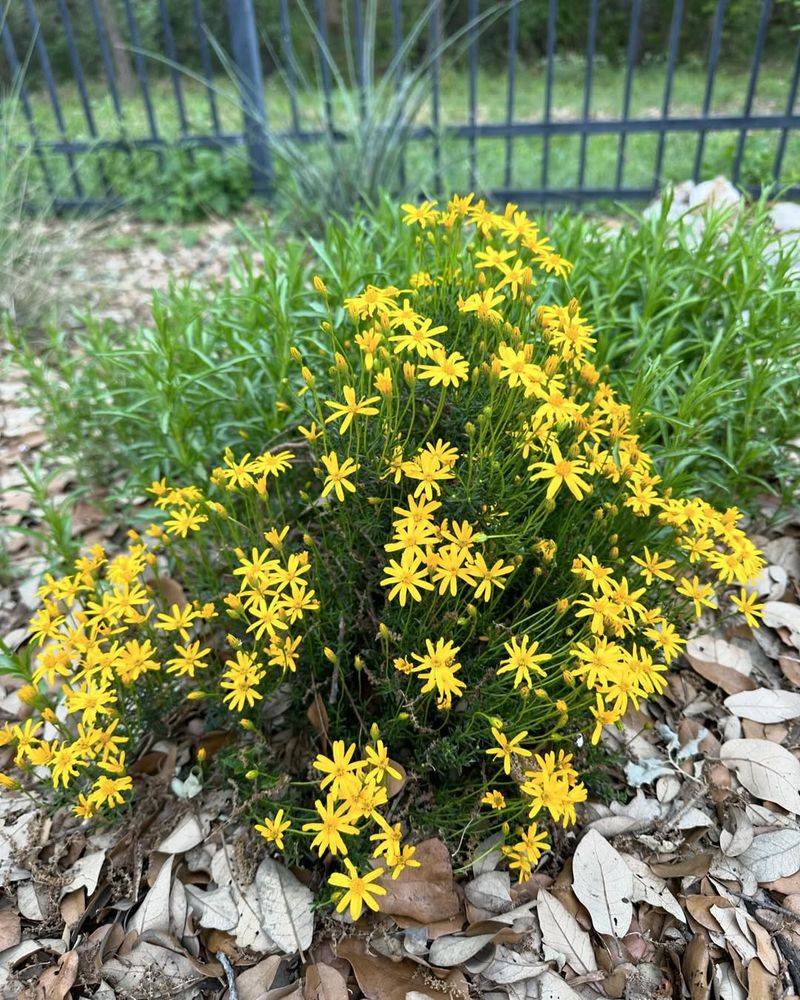
Damianita creates one of the tightest groundcovers you’ll find for Arizona landscapes. Its needle-like leaves stay silvery-green through winter, forming a dense cushion that rarely exceeds eight inches tall.
The foliage releases a pleasant scent when brushed against, adding sensory interest to pathways and borders.
Late winter brings out the best in this tough native plant. Golden yellow flowers that look like miniature daisies cover the entire plant, creating a bright carpet that signals warmer days ahead.
The blooms arrive earlier than many other groundcovers, sometimes starting in February across southern Arizona.
Full sun and excellent drainage are non-negotiable for damianita. It thrives in rocky, lean soil where other plants struggle.
Clay soil or overwatering will cause problems quickly, so plant it in raised beds or amended areas if your native soil holds moisture. Once settled in, it needs almost no supplemental water during winter months.
This groundcover handles temperature fluctuations beautifully. Cold nights don’t faze it, and it wakes up fast when sun hits it during the day.
Your Arizona Garden Changes Every Week. Your Plan Should Too.
Gardening in Arizona changes quickly throughout the season. Every Friday you’ll receive a simple weekly plan showing exactly what to plant, prune, fertilize, harvest, and protect so you never miss the right timing.
Damianita works well between stepping stones or as a lawn alternative in areas where foot traffic stays light. Its compact growth habit means less trimming and shaping compared to spreading groundcovers.
3. Purple Heart Keeps Its Deep Color Through Arizona’s Mild Winters
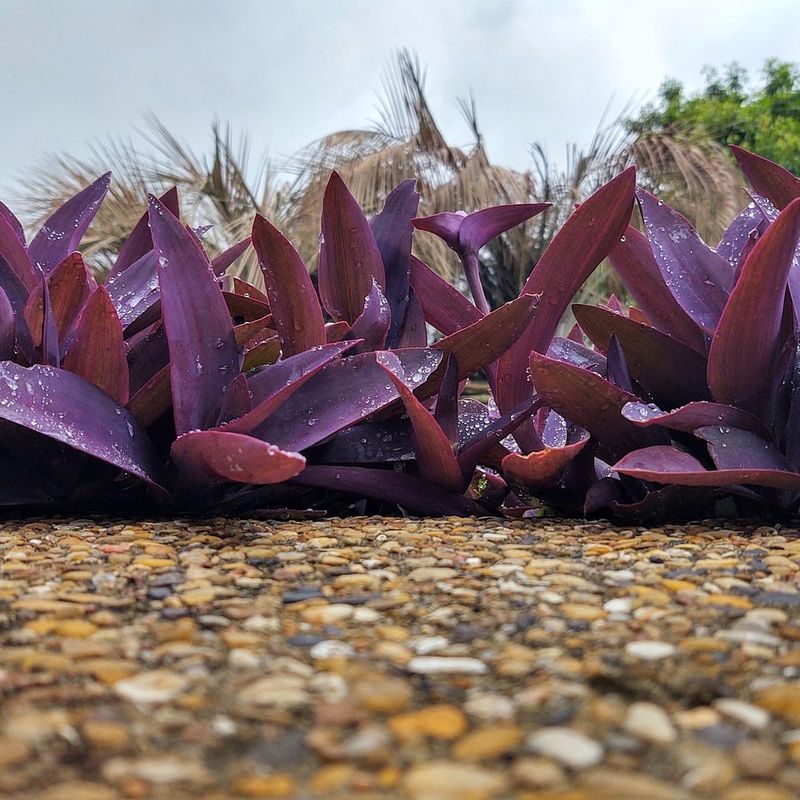
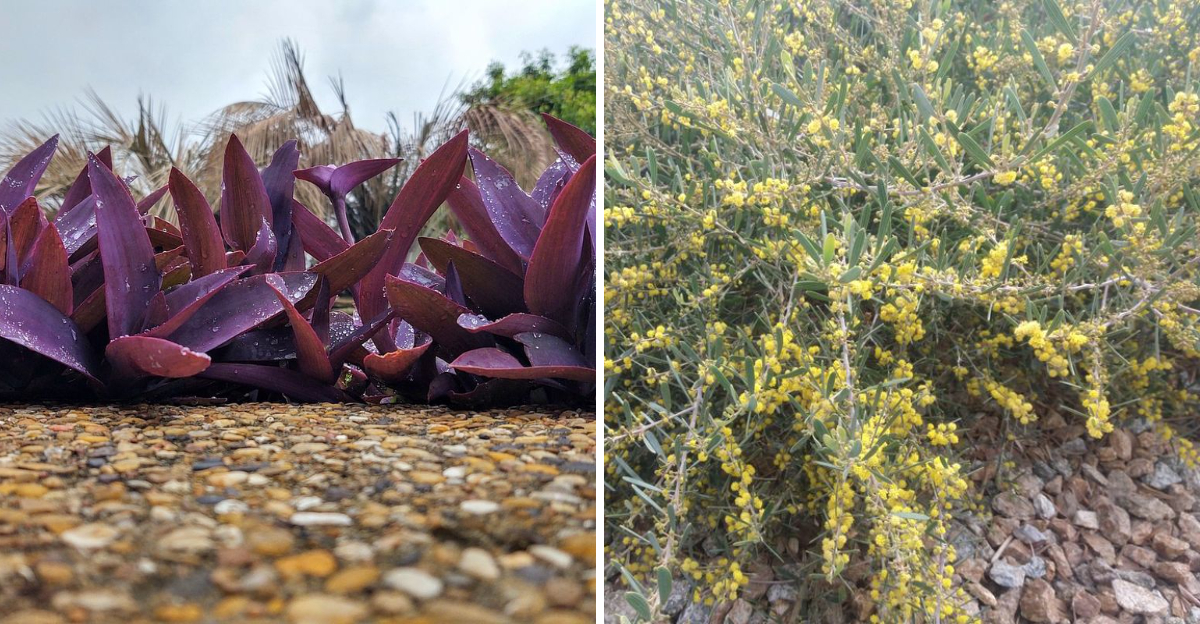
Purple heart earns its place in Arizona yards because it does not disappear when winter arrives. In the low desert, its deep purple foliage usually holds steady through mild cold spells, keeping planting beds from looking washed out or empty.
When many warm-season plants pause or fade, this one keeps color on the ground.
It grows outward more than upward, creating a thick layer about six to twelve inches tall. Stems root where they touch the soil, slowly filling gaps and softening the edges of gravel, rock, or raised beds.
That spreading habit makes it useful for covering open space without constant replanting.
Cold snaps in the mid-20s can cause some tip burn, especially in exposed areas. Even then, the damage is usually cosmetic.
Once daytime temperatures climb back into the 60s and 70s, fresh growth pushes out quickly and restores the rich purple tone.
Full sun brings out the strongest color, though light afternoon protection can help reduce stress in harsher spots. Well-draining soil is important, especially in winter when overwatering can lead to rot.
Deep but infrequent irrigation keeps the roots healthy without encouraging weak growth.
Purple heart works especially well near boulders, along pathways, or as a bold contrast beneath silvery desert plants. Through late winter, it keeps the ground layer lively and grounded in color.
4. Creeping Germander Stays Evergreen In The Low Desert
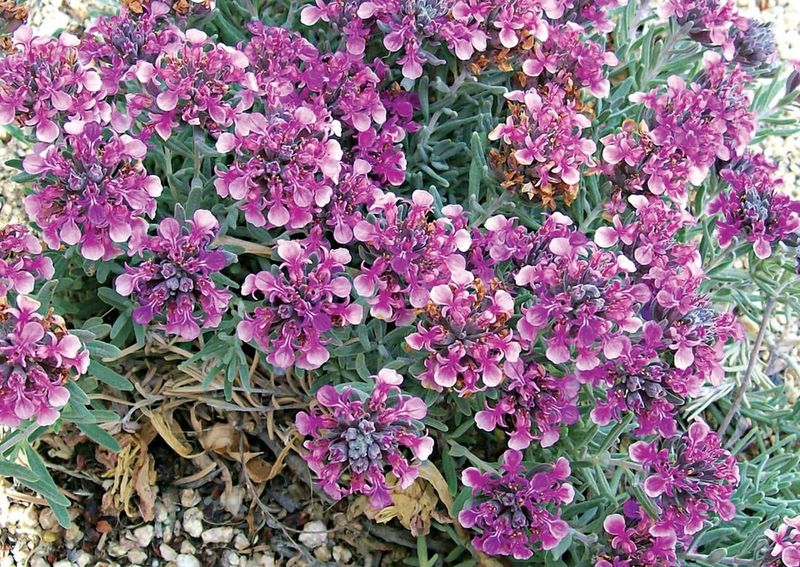
Glossy green leaves stay put through Arizona’s coolest months on creeping germander. This Mediterranean native adapts beautifully to low desert conditions, forming a dense mat just four to six inches tall.
The small, rounded leaves have a slightly crinkled texture that catches light interestingly throughout the day.
Purple-pink flower spikes emerge as late winter transitions toward spring. The blooms rise slightly above the foliage, creating a soft color contrast against the dark green leaves.
Bees work the flowers enthusiastically, making this groundcover a pollinator-friendly choice for eco-conscious Arizona gardeners.
Creeping germander tolerates more shade than most groundcovers on this list. It performs well in morning sun with afternoon protection, making it useful under trees or along east-facing walls.
The plant handles reflected heat reasonably well but appreciates some relief during the hottest parts of summer.
Established plants need moderate water during winter—about once weekly when rainfall doesn’t cooperate. The roots stay shallow, so consistent moisture helps maintain the dense growth habit.
Creeping germander spreads by rooting stems, gradually filling in bare areas without becoming aggressive. Trim edges occasionally to maintain boundaries or let it naturalize into informal drifts.
This groundcover combines well with larger shrubs, providing a green skirt around their bases year-round.
5. Prostrate Rosemary Spreads Wide In Full Sun
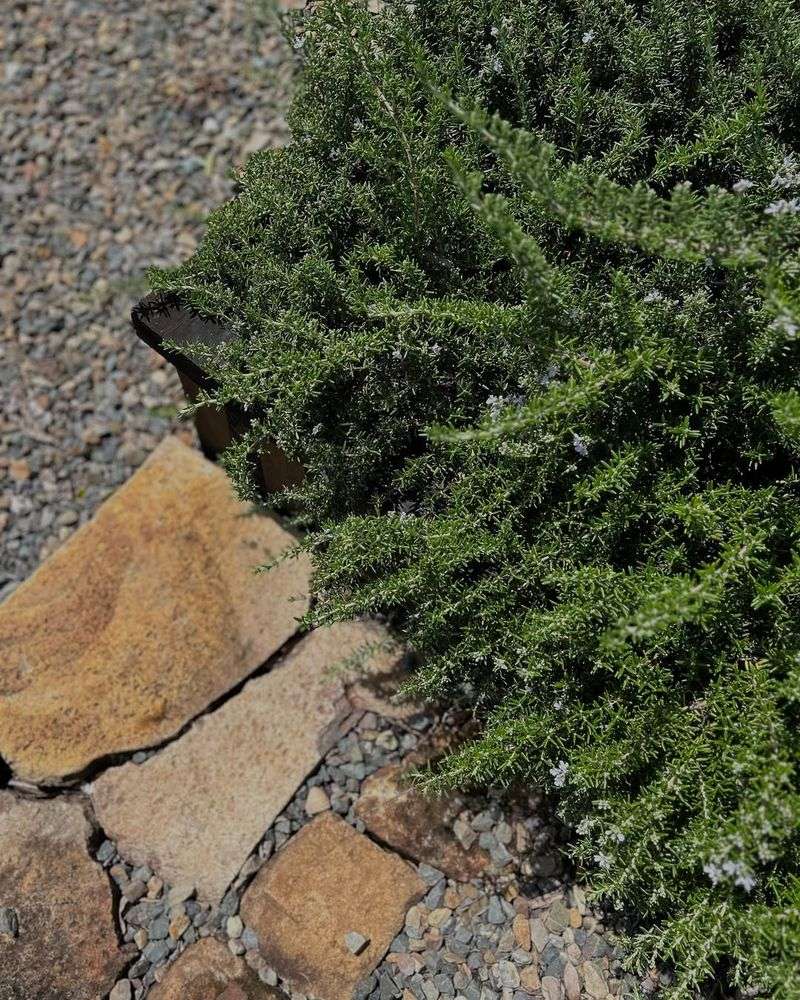
Prostrate rosemary cascades beautifully over walls and spreads horizontally across flat ground. This aromatic groundcover stays under twelve inches tall but can reach six feet wide over time.
The needle-like leaves maintain their blue-gray color through winter, providing evergreen interest when many plants look tired.
Small blue flowers appear sporadically through late winter in Arizona’s warmer zones. The blooms cluster along the stems, attracting early-season pollinators.
Even without flowers, the fragrant foliage makes this groundcover special—brushing against it releases that classic rosemary scent that reminds many people of Mediterranean cooking.
Full sun and fast-draining soil are essential for success with prostrate rosemary. It tolerates rocky, poor soil and thrives in conditions that would stress other plants.
Plant it on berms, slopes, or in raised beds where water drains away quickly. Winter watering can be minimal—every two to three weeks usually suffices once the plant establishes.
This groundcover works double-duty as both ornamental and edible. You can harvest sprigs for cooking without harming the plant’s appearance.
Prostrate rosemary handles cold snaps better than many people expect, easily tolerating temperatures into the low 20s. Its spreading habit makes it excellent for erosion control on slopes throughout Arizona’s desert regions.
Occasional trimming keeps growth in bounds without requiring constant maintenance.
6. Ice Plant Creates A Dense Succulent Mat
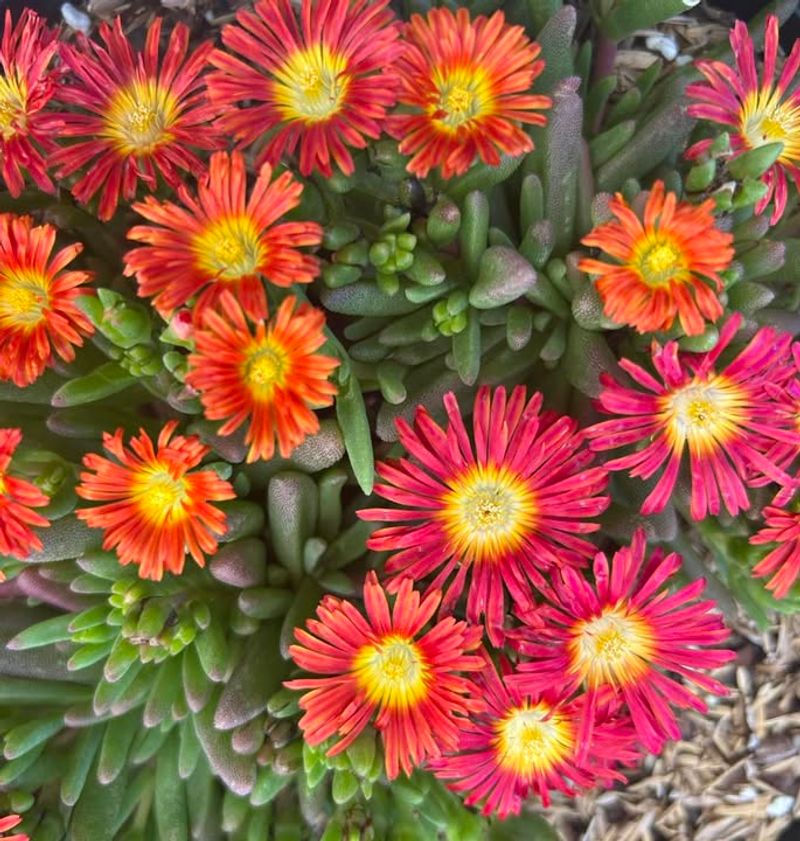
Thick, fleshy leaves pack together tightly on ice plant, creating a living mulch that blocks weeds effectively. This succulent groundcover stays low—usually under six inches—while spreading aggressively across open ground.
The triangular leaves store water, giving the plant a plump, healthy appearance even during Arizona’s dry winter months.
Brilliant flowers in shades of magenta, pink, orange, or yellow explode across ice plant as days lengthen. The daisy-like blooms open in full sun and close at night or on cloudy days.
Each flower can measure two inches across, creating a spectacular show that peaks in late winter through early spring across the low desert.
Ice plant demands excellent drainage and full sun to perform well. It grows in pure sand, decomposed granite, or rocky soil without complaint.
Clay soil or shade will cause problems quickly. Water sparingly during winter—once every three weeks is usually plenty.
Overwatering causes the succulent stems to rot, especially during cooler weather.
This groundcover works perfectly on steep slopes where other plants struggle to establish. The stems root wherever they touch soil, creating a self-anchoring mat that prevents erosion.
Ice plant tolerates salt spray and alkaline conditions common across Arizona. Its heat tolerance is legendary, handling summer temperatures that would cook other groundcovers.
The plant requires virtually no maintenance once established in the right location.
7. Acacia Redolens Desert Carpet Covers Large Areas Fast
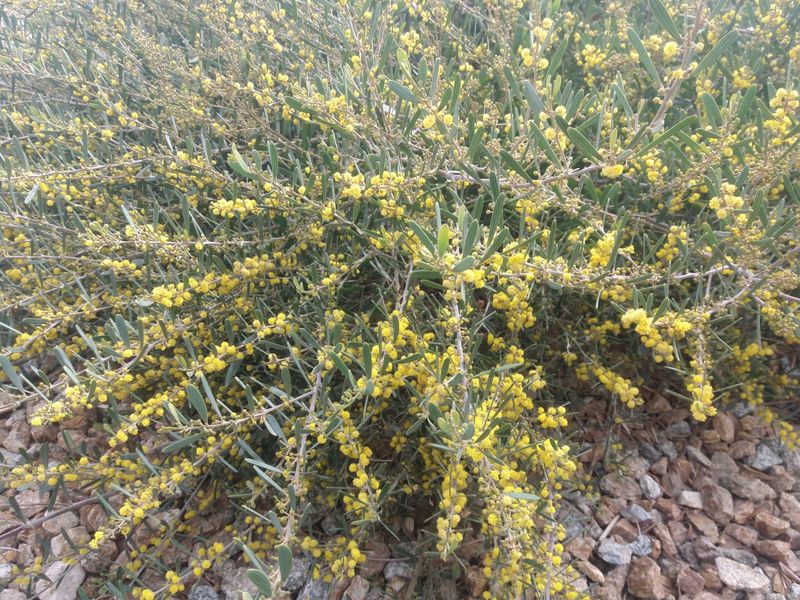
Acacia redolens ‘Desert Carpet’ is built for open Arizona spaces that need coverage without constant attention. Instead of growing upright, it spreads outward in a wide, flowing layer of gray green foliage that hugs the ground and gradually fills large gaps.
In established landscapes, it can stretch several feet across, making it ideal for slopes, banks, and wide planting zones where smaller groundcovers would take years to fill in.
Through late winter in the low desert, its foliage stays steady and intact. Cool nights rarely cause damage, and the plant holds its soft color even when temperatures dip.
As days begin to warm, small yellow puffball flowers appear along the stems, adding subtle seasonal interest without overwhelming the landscape.
Full sun is where this groundcover performs best. It tolerates reflected heat, rocky soil, and the alkaline conditions common across much of Arizona.
Good drainage is essential, especially during cooler months when excess moisture can sit longer in the soil.
Once established, winter watering can remain minimal. Deep irrigation every few weeks is typically enough to maintain healthy growth.
Because it spreads widely, proper spacing at planting time prevents overcrowding later.
For large desert yards that need erosion control and reliable coverage through late winter, this groundcover delivers steady structure without looking bare or tired.
8. Silver Ponyfoot Spreads In Soft, Shimmering Waves
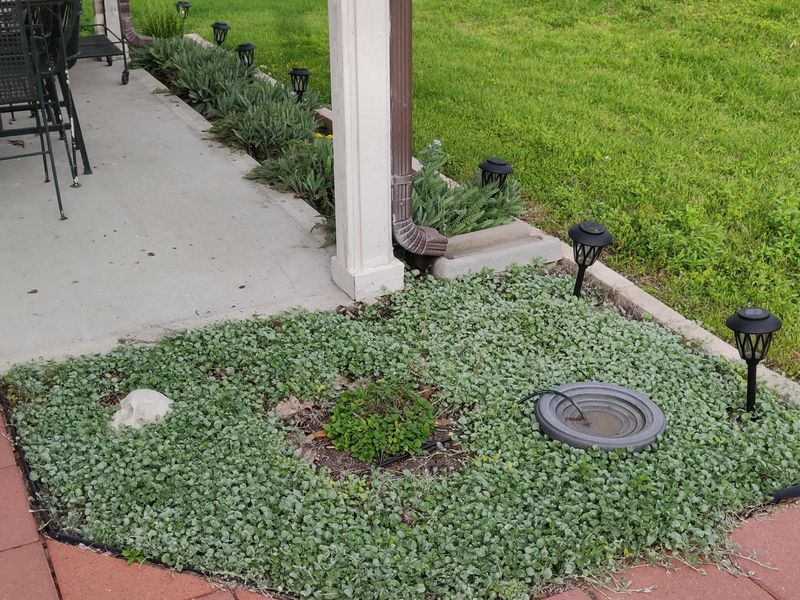
Silver ponyfoot adds movement and contrast to Arizona landscapes without demanding much in return. Its rounded, silvery leaves form a low, trailing layer that glides over soil, gravel, and stone.
The color alone makes it valuable, especially in late winter when many yards lean heavily on tan and muted tones. That soft silver sheen keeps beds from looking flat or lifeless.
This plant stays close to the ground, usually under six inches tall, but it spreads steadily outward. Over time, it creates a loose mat that weaves between larger shrubs and desert accents.
It is not stiff or bulky. Instead, it flows, softening hard edges along pathways, boulders, and raised beds.
In Arizona’s low desert, silver ponyfoot handles full sun well, though light afternoon protection can help it look fuller in harsher exposures. Mild winter temperatures rarely cause problems.
As long as drainage is sharp, the foliage stays intact through the cooler months.
Watering should remain light during winter. Deep irrigation every few weeks is usually enough once the plant is established.
Overwatering is far more damaging than short dry spells.
For gardeners looking to brighten the ground layer without relying on flowers, silver ponyfoot offers consistent color and texture through late winter and beyond.
9. Trailing Verbena Covers Bare Soil Before Spring
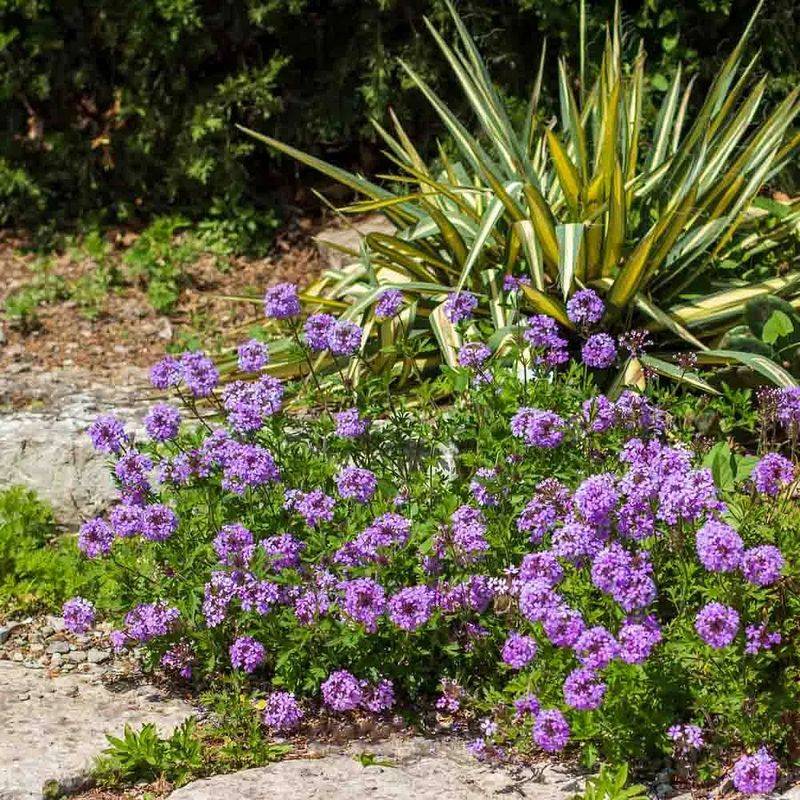
Clusters of vibrant flowers in purple, pink, red, or white cover trailing verbena as winter wanes. This fast-spreading groundcover stays low—just six to twelve inches tall—while spreading several feet in all directions.
The serrated leaves create a textured carpet that fills in bare spots quickly.
Late winter warmth triggers explosive bloom on trailing verbena across Arizona’s low desert. The flower clusters appear at stem tips, creating colorful pom-poms that last for weeks.
Butterflies mob the flowers during warm afternoons, making this groundcover a lepidopterist’s dream. The plant continues blooming into spring and often through fall if given occasional summer water.
Plant trailing verbena in full sun for best flower production. It tolerates light shade but blooms less heavily.
The plant adapts to various soil types as long as drainage is adequate. Water moderately during winter—about once weekly encourages lush growth and heavy flowering.
Trailing verbena handles light frost without significant damage, quickly recovering when temperatures rise.
This groundcover works beautifully in hanging baskets, over walls, or as a traditional groundcover across flat areas. The stems root at nodes, helping anchor the plant and fill in gaps.
Trailing verbena can be aggressive, so plant it where spreading won’t cause problems with neighboring plants. Occasional trimming keeps growth in bounds and encourages branching for even denser coverage.
The plant requires minimal care once established in appropriate Arizona locations.