8 Low-Maintenance Herbs That Come Back Every Year In Georgia Gardens
Fresh herbs should not feel like a one-season project in your Georgia garden. If you are planting the same varieties every spring, there is an easier way to build a herb bed that returns on its own.
Some herbs settle into the soil, survive winter, and push new growth as soon as temperatures warm again. That kind of reliability changes how your garden feels.
Georgia’s long growing season gives certain perennial herbs the chance to establish deep roots and grow stronger each year. These plants handle humidity, summer heat, and mild cold without constant attention.
A herb that comes back on its own saves time and builds consistency in your space.
When your herbs return year after year, your garden stops feeling temporary. It becomes dependable, productive, and far easier to manage.
1. Rosemary Shrugs Off Georgia Heat Once Established
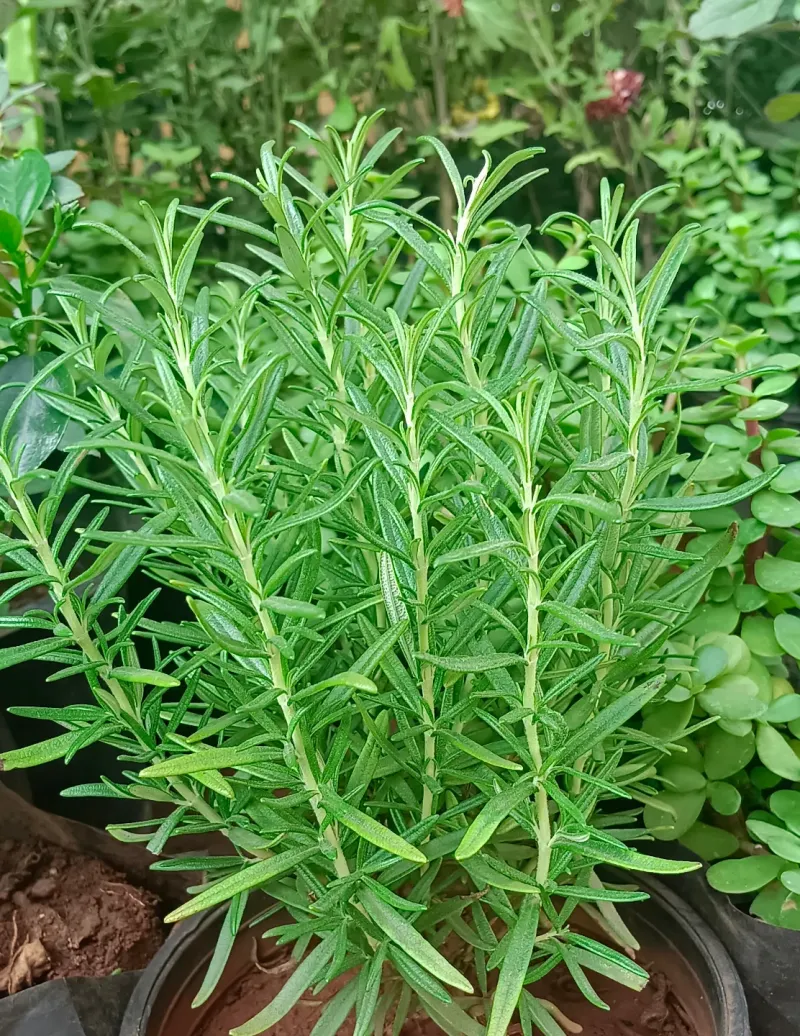
Rosemary loves the warmth and handles Georgia summers better than most herbs once its roots settle in. This woody perennial thrives in full sun and well-drained soil, making it perfect for raised beds or spots where water doesn’t pool after rain.
After the first year, rosemary becomes incredibly tough and needs very little attention from you.
Plant rosemary in a sunny location where it gets at least six hours of direct light daily. Sandy or rocky soil works great because rosemary hates wet feet.
If your garden has heavy clay, mix in some sand or compost to improve drainage before planting.
Watering needs drop significantly after the first growing season. Established rosemary in Georgia can survive on rainfall alone during most months.
Only water during extended dry spells, and even then, less is more with this Mediterranean native.
Harvest sprigs anytime for cooking, and your plant will bush out even more. Rosemary grows into a small shrub over time, reaching two to three feet tall in Georgia gardens.
The needles stay green year-round, and you’ll even see small blue flowers in late winter or early spring.
Cold snaps rarely bother rosemary in most of Georgia. In the northern parts of the state, a layer of mulch around the base offers extra protection during freezing weather.
This herb rewards you with fresh flavor and fragrance for years with almost no work required.
2. Thyme Forms A Tough, Fragrant Ground Cover
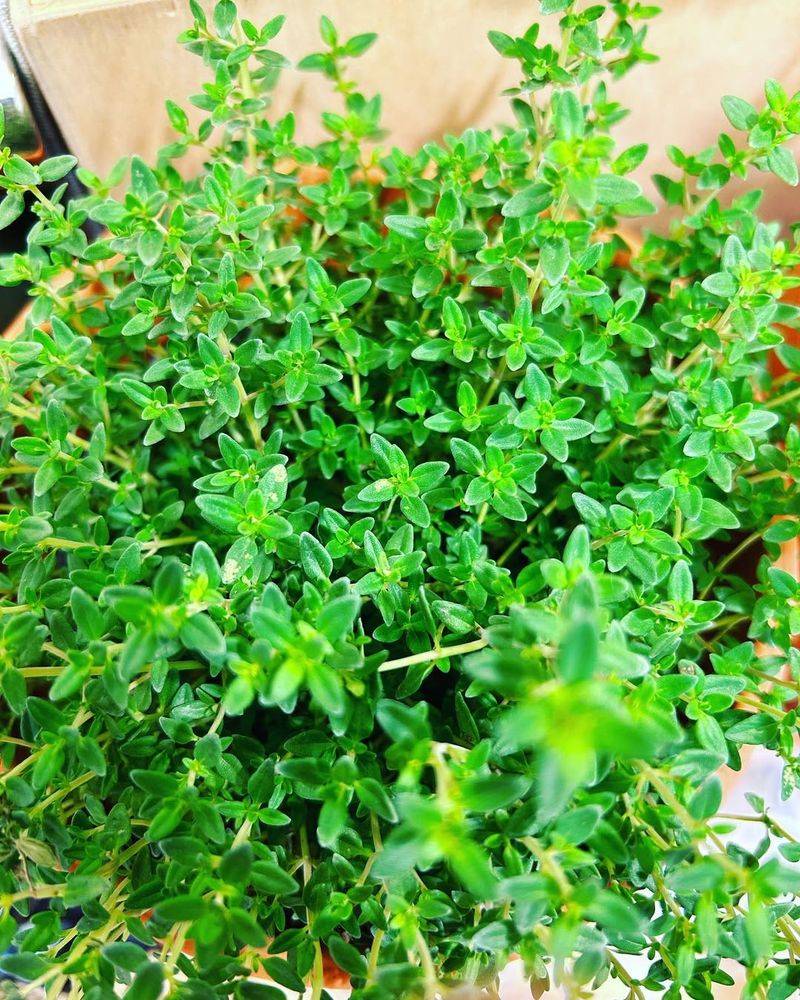
Ground-hugging and resilient, thyme spreads slowly to create a living carpet that releases scent when you brush against it. This perennial herb tolerates foot traffic better than grass and fills in gaps between stepping stones beautifully.
Georgia gardeners appreciate how thyme handles both heat and occasional cold without complaint.
Choose a spot with excellent drainage and full sun for best results. Thyme grows well in poor soil and doesn’t need fertilizer, making it ideal for areas where other plants struggle.
Rocky spots or slopes work perfectly since water drains away quickly.
Once established, thyme needs almost no water beyond natural rainfall in Georgia. Overwatering causes more problems than drought for this tough little herb.
Your Georgia Garden Changes Every Week. Your Plan Should Too.
Gardening in Georgia changes quickly throughout the season. Every Friday you’ll receive a simple weekly plan showing exactly what to plant, prune, fertilize, harvest, and protect so you never miss the right timing.
The plants stay evergreen through mild Georgia winters, giving you fresh leaves even in January.
Different thyme varieties offer unique flavors and growth habits. Common thyme grows upright to about eight inches, while creeping thyme stays under three inches tall.
Lemon thyme adds citrus notes to recipes and grows somewhere in between.
Harvest stems throughout the growing season by snipping with scissors. Regular cutting keeps plants compact and encourages fresh growth.
Thyme blooms with tiny purple, pink, or white flowers in late spring, attracting beneficial insects to your Georgia garden. These flowers are edible too, adding a mild thyme flavor and pretty color to salads.
3. Oregano Spreads Gently And Returns Each Spring
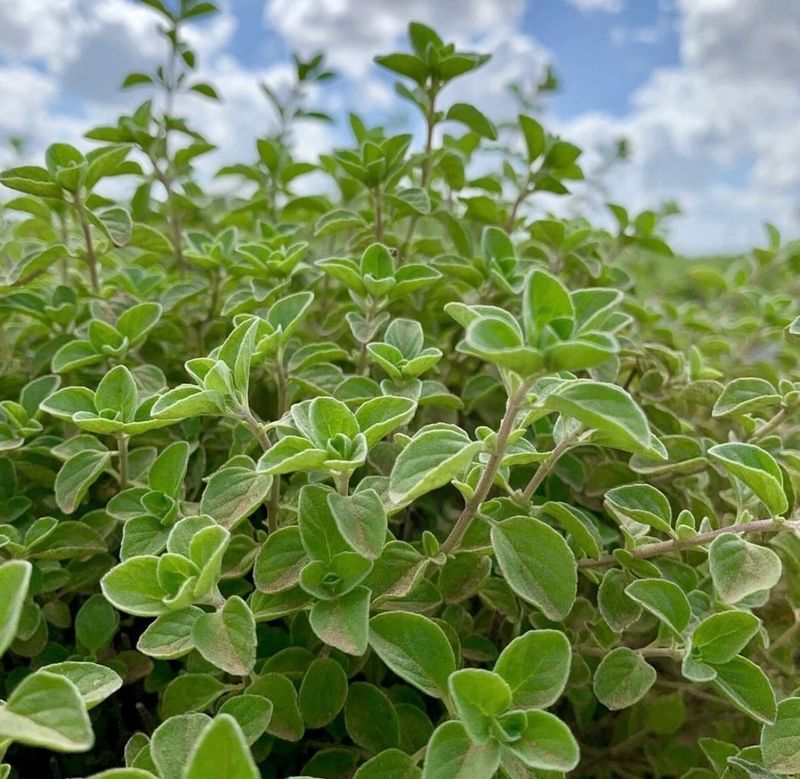
Flavor-packed and forgiving, oregano comes back stronger each year without taking over your entire garden. The plants spread steadily through underground runners but stay manageable with occasional trimming.
Fresh oregano tastes completely different from dried, with a bright, peppery flavor that enhances tomato dishes, grilled meats, and Mediterranean recipes.
Full sun and decent drainage are all oregano really needs to thrive in Georgia. This herb tolerates partial shade better than rosemary or thyme, making it useful for spots that get afternoon shade during hot summer months.
Oregano isn’t picky about soil quality and grows happily in average garden dirt.
Watering requirements stay minimal after the first few weeks. Established oregano survives Georgia summers on rainfall alone unless you’re experiencing a serious drought.
The plants grow about two feet tall and equally wide, forming bushy mounds of aromatic leaves.
Cut stems back by half in early summer to prevent flowering and keep leaves tender. If you let oregano bloom, the small purple flowers attract butterflies and bees, though leaf flavor becomes stronger and slightly bitter.
Many Georgia gardeners compromise by harvesting heavily before bloom time, then letting a few stems flower for pollinators.
Oregano goes dormant in winter, with stems turning brown and woody. Don’t worry when this happens because fresh green shoots emerge from the base every spring.
Divide large clumps every three years to maintain vigor and share plants with friends.
4. Sage Handles Humid Summers With Proper Drainage
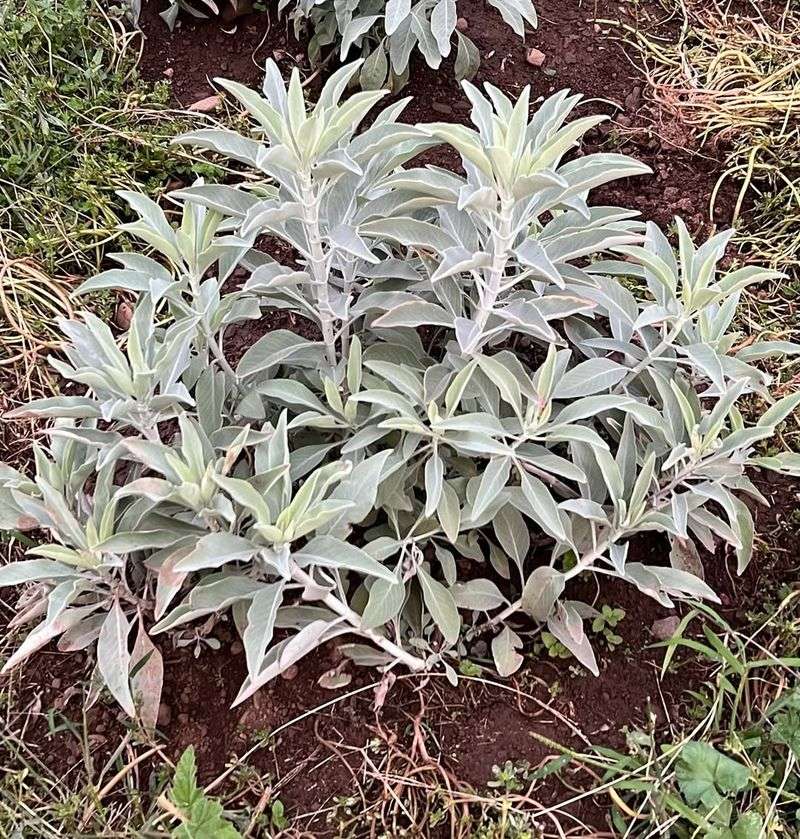
Soft gray-green leaves and a savory aroma make sage a garden favorite that adapts surprisingly well to Georgia’s humidity. While sage originates from drier climates, it thrives here when planted in spots where water doesn’t linger.
The fuzzy leaves handle heat stress better than smooth-leaved herbs, and established plants return faithfully each spring.
Drainage matters more for sage than almost any other factor. Plant in raised beds, on slopes, or in amended soil if your garden tends to stay wet.
Sandy loam is ideal, but sage tolerates clay if you mix in plenty of compost and avoid overwatering.
Give sage full sun for at least six hours daily. Morning sun with afternoon shade works in the hottest parts of Georgia, helping prevent stress during brutal July and August heat.
Space plants two feet apart since mature sage grows into substantial shrubs.
Water deeply but infrequently once roots establish. Sage prefers to dry out between waterings, and soggy soil leads to root problems.
In Georgia, natural rainfall usually provides enough moisture from fall through spring.
Harvest individual leaves or cut entire stems throughout the growing season. Fresh sage is wonderful in pasta dishes, with roasted vegetables, or steeped for tea.
The plant produces purple flower spikes in late spring that pollinators love. Sage becomes woody after three or four years in Georgia gardens, at which point you can start new plants from cuttings or replace the old one.
5. Chives Pop Back Up Early With Fresh Green Shoots
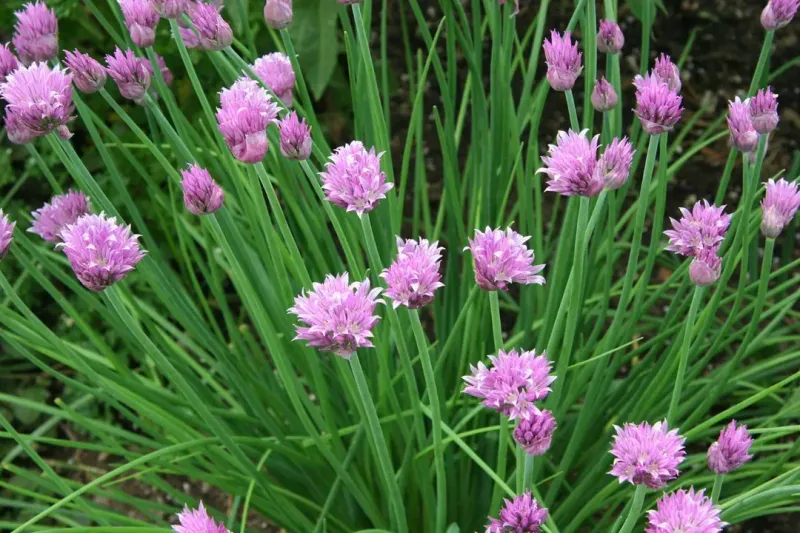
Among the first herbs to emerge each year, chives send up bright green shoots in late winter when most of the garden still looks dormant. These grass-like perennials belong to the onion family and offer mild onion flavor without the work of growing bulbs.
Chives multiply steadily, forming thick clumps that you can divide and spread throughout your Georgia garden.
Plant chives in full sun to partial shade with average garden soil. They’re not fussy about soil type and tolerate both clay and sandy conditions.
Chives appreciate consistent moisture more than Mediterranean herbs but still don’t need constant watering once established.
The hollow, tubular leaves grow about twelve inches tall and stay productive from late winter through fall in Georgia. Snip leaves at the base with scissors, taking only what you need for recipes.
Chives regrow quickly, giving you multiple harvests throughout the season.
Purple globe-shaped flowers appear in spring and are completely edible with a mild onion taste. These blooms attract bees and beneficial insects while adding color to your herb garden.
Deadhead spent flowers to encourage more leaf growth, or leave some to self-seed if you want chives spreading to new areas.
Chives handle Georgia winters without protection and often stay partially green even during cold snaps. Divide clumps every three years in early spring or fall to maintain vigor.
Each division can become a new plant, making chives one of the most generous herbs for sharing with neighbors and fellow gardeners.
6. Mint Comes Back Strong And Fills In Fast
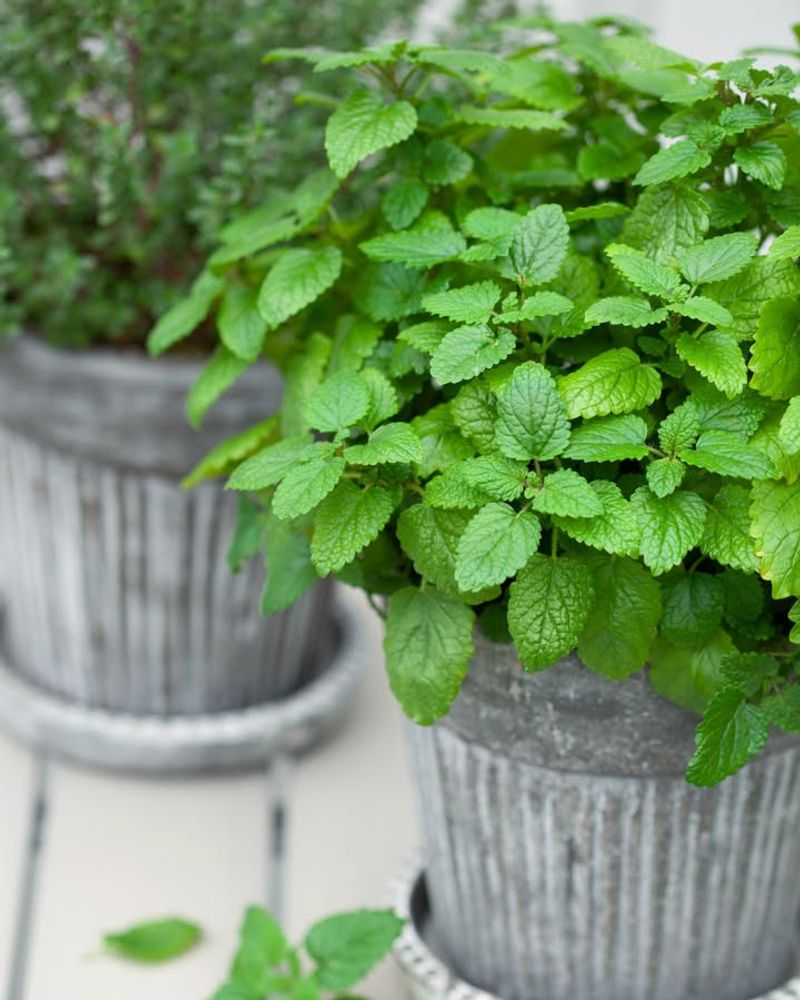
Vigorous and nearly unstoppable, mint returns with enthusiasm each spring and spreads through underground runners at an impressive pace. This aggressive growth habit makes mint both a blessing and a challenge in Georgia gardens.
Plant mint where you can contain it, or embrace its spreading nature in areas where you want fast, fragrant ground cover.
Most gardeners grow mint in pots or buried containers to control its wandering roots. A large pot sunk into the garden bed with the rim slightly above soil level works perfectly.
Mint thrives in partial shade to full sun and prefers consistently moist soil, making it more water-loving than most perennial herbs.
Georgia’s humidity suits mint beautifully. This herb tolerates heat well when given afternoon shade and regular water.
Mint grows quickly, reaching twelve to eighteen inches tall depending on variety. Peppermint, spearmint, chocolate mint, and apple mint all grow reliably in Georgia gardens.
Harvest mint leaves anytime by cutting stems just above a leaf node. Regular cutting keeps plants bushy and prevents flowering, which causes leaves to become bitter.
Fresh mint is perfect for tea, cocktails, fruit salads, and Middle Eastern dishes.
Mint goes dormant in winter but returns from roots each spring. If mint escapes its container, pull unwanted shoots promptly before they establish.
Despite its aggressive nature, mint’s fresh flavor and easy growth make it worthwhile for Georgia herb gardens when properly managed.
7. Lemon Balm Reseeds And Reappears Year After Year
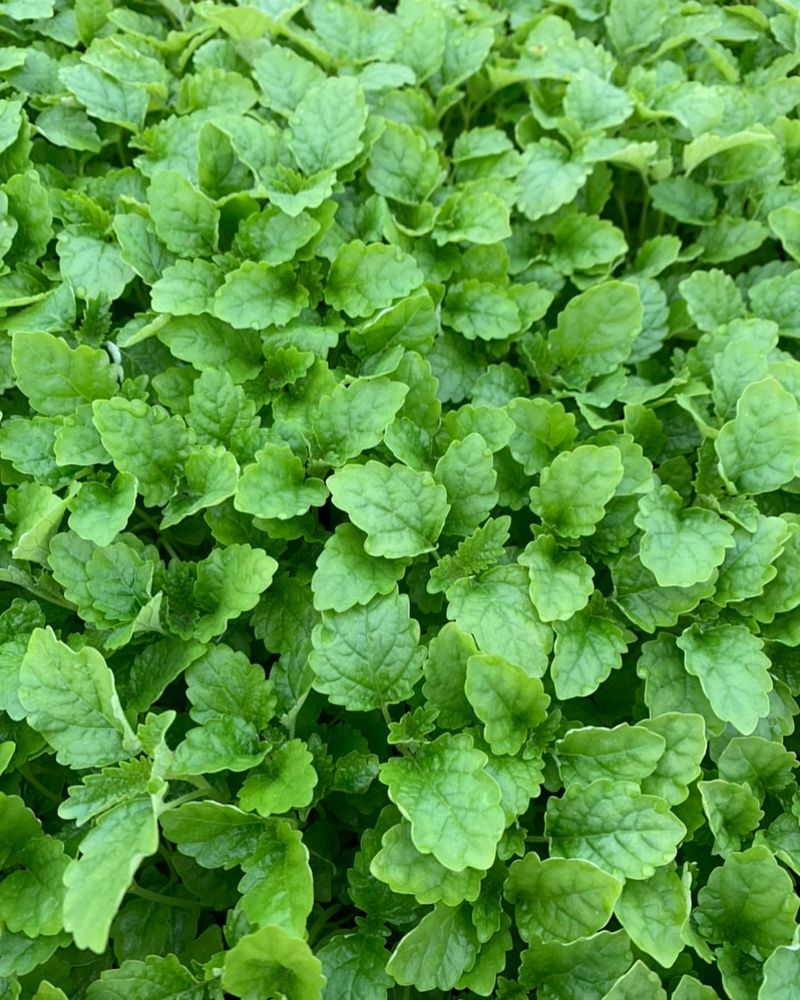
Cheerful and prolific, lemon balm fills your garden with citrus-scented leaves and returns reliably through both perennial roots and self-sown seeds. This member of the mint family grows less aggressively than its cousins but still spreads steadily over time.
The wrinkled, bright green leaves release a strong lemon fragrance when crushed, making lemon balm a sensory delight in Georgia gardens.
Lemon balm tolerates a wide range of conditions, from full sun to partial shade. It grows more lush and leafy with some afternoon shade during Georgia’s hot summers.
Average garden soil works fine, and lemon balm appreciates regular moisture without being waterlogged.
Plants grow two to three feet tall and equally wide, forming bushy clumps. Harvest leaves throughout the growing season for fresh tea, which has a calming effect and tastes wonderful hot or iced.
Lemon balm also works well in fruit salads, desserts, and anywhere you want a hint of lemon flavor without acidity.
Small white flowers appear in summer and attract bees in large numbers. If you don’t want lemon balm self-seeding everywhere, cut plants back before flowers form seeds.
Otherwise, expect volunteer seedlings to pop up around your garden each spring. These are easy to pull or transplant to new locations.
Lemon balm becomes dormant in winter and returns from roots each spring. The plant also reseeds generously, ensuring you’ll have lemon balm for years even if the original plant eventually fades.
This reliable herb requires almost no care once established in Georgia gardens.
8. Lavender Returns In Sunny Georgia Spots With Excellent Drainage
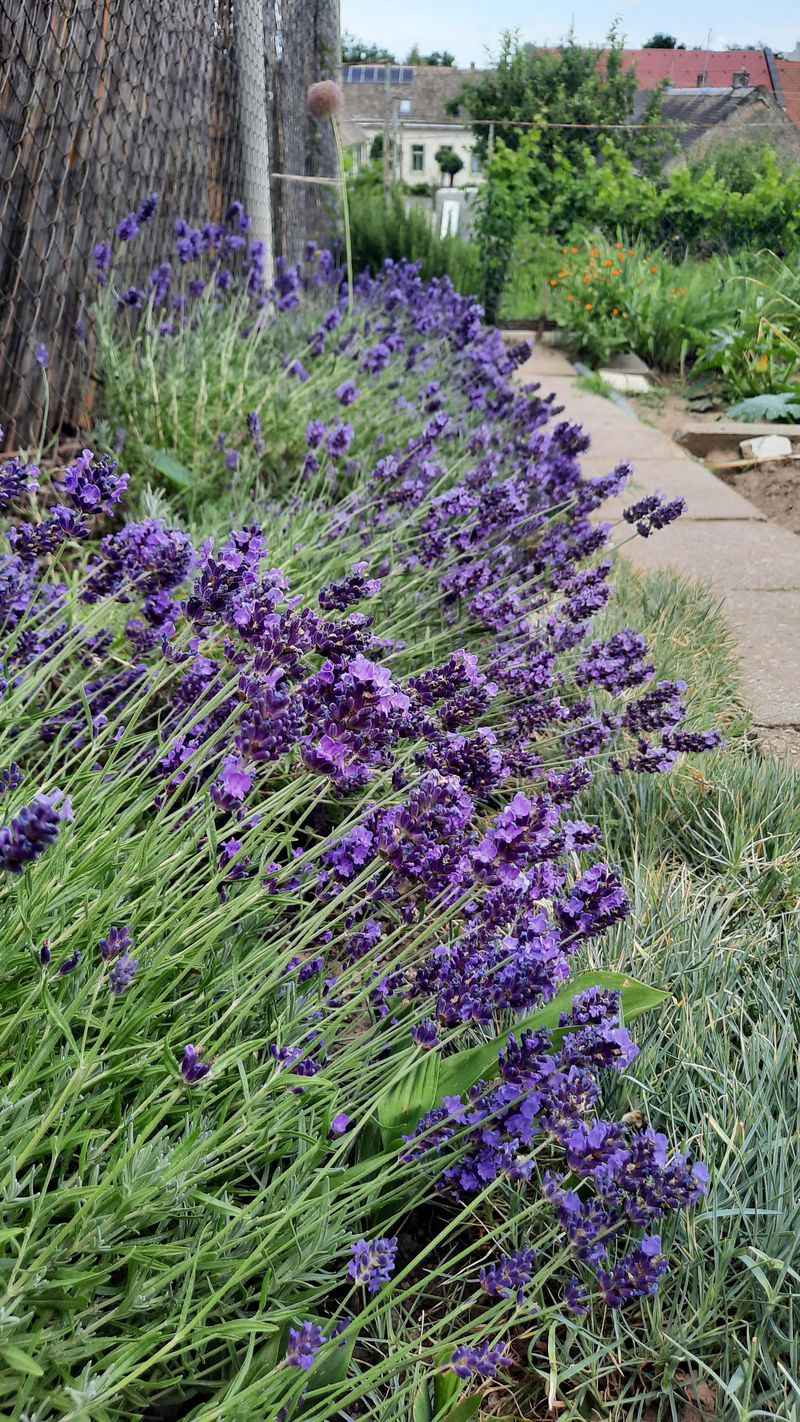
Beloved for its fragrant purple blooms and silvery foliage, lavender can thrive in Georgia when given the right conditions. This Mediterranean herb needs excellent drainage and full sun to succeed in our humid climate.
While lavender requires more attention to site selection than other perennial herbs, it rewards careful placement with years of beauty and fragrance.
Choose the sunniest, best-drained spot in your garden for lavender. Raised beds work exceptionally well, as do slopes and berms where water drains away quickly.
Amend heavy clay soil generously with sand and compost. Spanish lavender and Phenomenal lavender handle Georgia’s humidity better than English varieties.
Plant lavender in spring so roots establish before summer heat arrives. Space plants two to three feet apart and avoid overhead watering, which encourages fungal problems.
Water at the base during dry spells, but let soil dry between waterings.
Lavender blooms in late spring to early summer in Georgia, producing spikes of purple, pink, or white flowers depending on variety. Harvest flower stems just as blooms open for the strongest fragrance.
Cut stems can be dried for sachets, crafts, or culinary use.
Prune lavender after flowering, removing spent flower stalks and shaping plants lightly. Avoid cutting into old wood since lavender doesn’t regrow readily from woody stems.
In northern Georgia, apply mulch around the base for winter protection. With proper care and excellent drainage, lavender returns reliably in Georgia gardens, bringing Mediterranean beauty to the South.