Why Sustainable Gardening Is Expanding In Arizona And How To Start
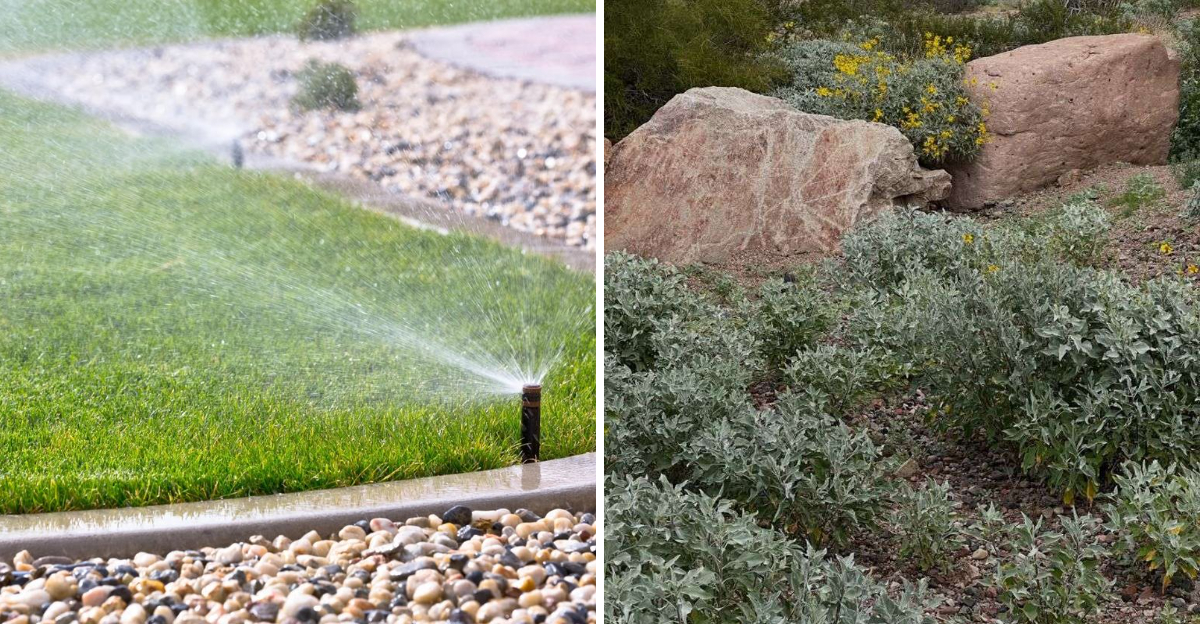
Arizona gardens are changing, and you can see it in the way more homeowners are choosing smarter, lower water landscapes instead of high maintenance lawns.
Sustainable gardening is no longer a trend here, it is becoming a practical response to heat, drought, and rising water costs.
If you live in Arizona, you already know that every drop of water and every plant choice matters.
Sustainable gardening focuses on using native or climate adapted plants, improving soil health, and reducing waste while still creating a yard that looks intentional and inviting. It is about working with the desert instead of fighting it.
A well planned sustainable garden can lower maintenance and still feel full of life.
Starting does not require a complete overhaul. Small changes, like switching to drought tolerant plants or improving irrigation efficiency, can gradually transform your Arizona yard into something more resilient and easier to maintain.
1. What Sustainable Gardening Means In Arizona’s Desert Climate
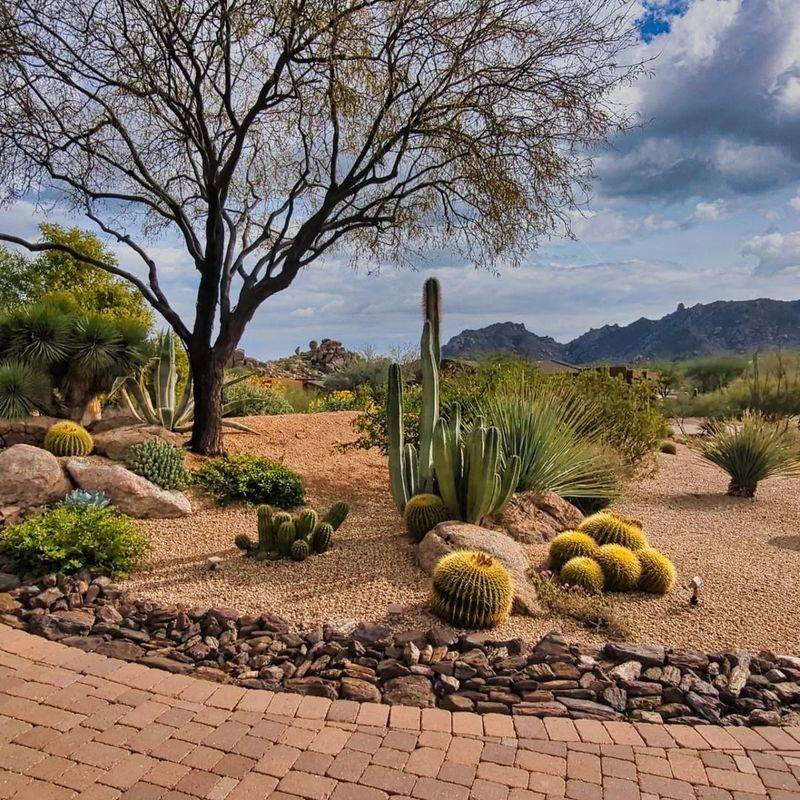
In Arizona, sustainable gardening means working with the desert instead of constantly trying to outsmart it. When most areas get less than 13 inches of rain a year, every plant choice and watering habit either works with nature or wastes precious resources.
The sustainable approach embraces drought-tolerant plants, efficient irrigation, soil improvement, and natural pest management that all work together to reduce resource consumption.
Arizona gardeners who adopt sustainable methods quickly notice their yards require less maintenance because the plants are suited to local conditions from the start.
Native plants have evolved over thousands of years to thrive in Arizona’s intense summer heat, occasional freezes, and limited rainfall, so they naturally resist local pests and diseases without chemical sprays.
These plants also provide food and shelter for native birds, butterflies, and beneficial insects that help keep gardens healthy.
The sustainable approach also means improving desert soil through composting and mulching rather than replacing it or relying on synthetic fertilizers that can build up salts in Arizona’s alkaline soils.
Water conservation sits at the heart of sustainable gardening here, using methods like drip irrigation and rainwater harvesting that deliver moisture directly to plant roots without evaporation losses.
Arizona homeowners find that sustainable gardens actually save money over time through lower water bills and reduced need for fertilizers, pesticides, and replacement plants.
2. Why More Arizona Homeowners Are Switching To Sustainable Gardening
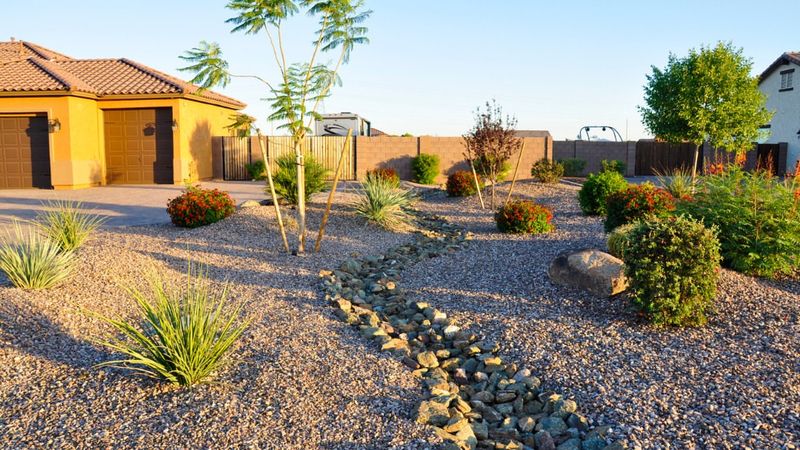
As drought tightens its grip and Colorado River supplies shrink, water bills across Arizona are no longer easy to ignore.
In cities like Phoenix and Tucson, summer lawn watering can double or even triple monthly costs, pushing more homeowners to rethink how much water a yard really needs.
Sustainable gardening offers a practical solution that can cut outdoor water use by 50 to 75 percent compared to conventional landscapes, putting real money back in homeowners’ pockets every month.
Arizona cities now pay homeowners to remove grass and switch to desert-friendly landscapes. More people also realize that saving water today protects the state’s limited supply for the future.
Younger homeowners moving to Arizona from other states are often surprised to learn that maintaining a traditional green lawn in the desert requires constant effort and expense.
Your Arizona Garden Changes Every Week. Your Plan Should Too.
Gardening in Arizona changes quickly throughout the season. Every Friday you’ll receive a simple weekly plan showing exactly what to plant, prune, fertilize, harvest, and protect so you never miss the right timing.
Sustainable landscapes feel right in Arizona, blending naturally with the desert instead of clashing with it. Native plants burst with seasonal color and draw hummingbirds and butterflies that bring the yard to life.
Neighborhoods across Arizona are slowly transforming as more people embrace landscapes that celebrate the desert’s unique character instead of hiding it.
3. Water-Wise Irrigation Methods That Reduce Waste From Day One
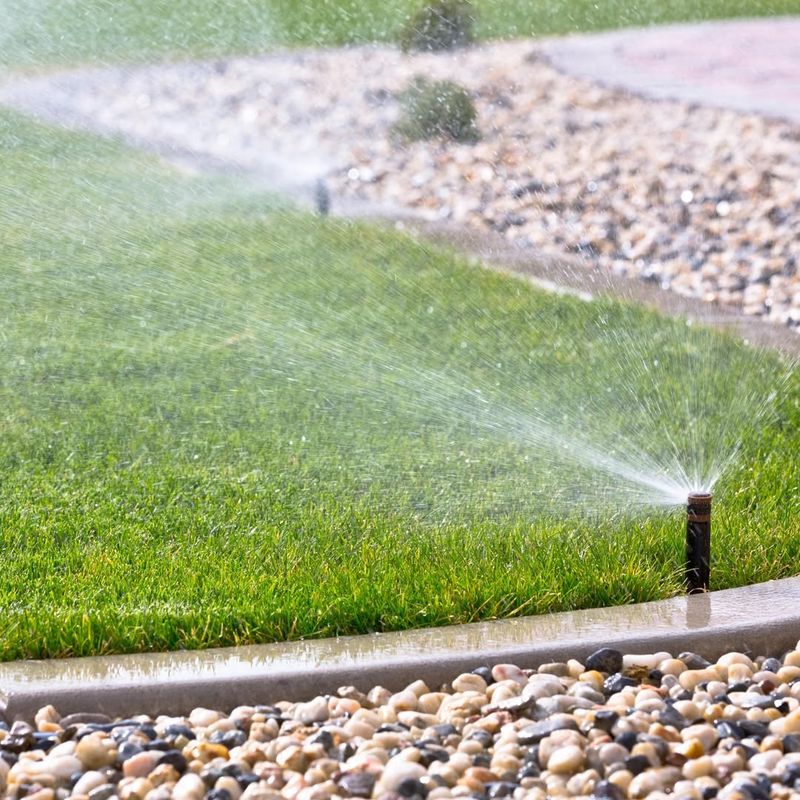
Drip irrigation sends water straight to plant roots, avoiding the waste that happens when sprinklers spray into Arizona’s dry air. Many homeowners can install a system over a weekend, and the water savings quickly make up for the cost.
Arizona gardeners using drip irrigation typically reduce their outdoor water consumption by 30 to 50 percent compared to traditional sprinkler systems.
Watering between 4 and 7 AM helps more moisture reach plant roots instead of evaporating in Arizona’s heat. Smart controllers can adjust schedules automatically, skipping rainy days and increasing water during extreme heat.
These controllers connect to local weather data and can be managed from smartphones, making water-wise irrigation easier than ever.
Soaker hoses slowly release water into the soil, reducing runoff and evaporation in Arizona’s dry climate. Grouping plants by similar water needs also makes irrigation smarter, keeping veggies well watered while drought-tolerant natives get less.
Arizona homeowners often discover that less frequent but deeper watering actually produces healthier plants with stronger root systems compared to daily shallow sprinkling.
4. Choosing Arizona Native Plants That Thrive Without Extra Inputs
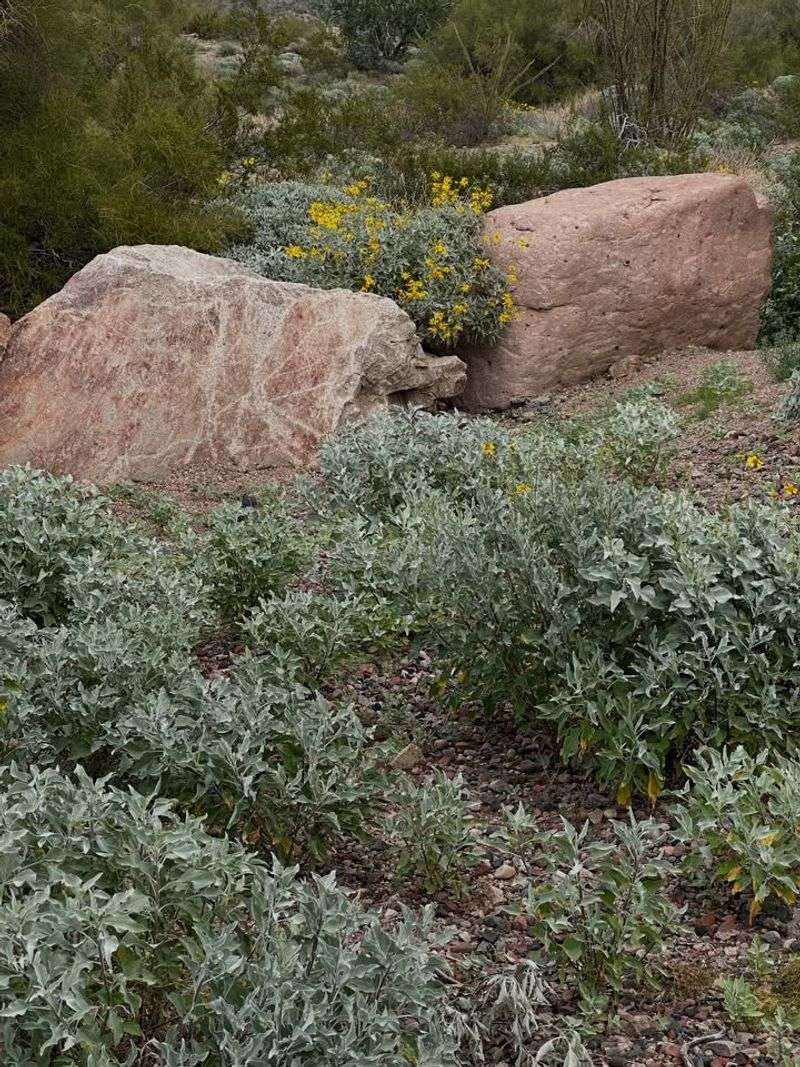
Arizona native plants are built for extreme heat and need little extra water once established. Palo verde trees bring light shade and bright yellow spring blooms, even staying green through drought.
Desert marigold blooms nearly year-round with cheerful yellow flowers that attract native bees, requiring no fertilizer and only occasional watering during extended dry periods.
Brittlebush forms silvery mounds covered in bright yellow spring flowers, thriving in Arizona’s hottest, driest spots. Red yucca sends up coral flower spikes hummingbirds love and handles cold better than many true yuccas, making it reliable across
Fairy duster shrubs offer pink powder-puff blooms that appear sporadically throughout the year, providing nectar for pollinators while requiring virtually no maintenance.
Arizona native plants rarely struggle with pests since local ecosystems naturally keep problems balanced. Once established, many need watering just once or twice a month in summer, and some survive with no extra irrigation at all.
Nurseries across Arizona now stock wider selections of native plants than ever before, making it easy for homeowners to find species suited to their specific elevation and microclimate.
5. Improving Desert Soil Naturally Instead Of Relying On Chemicals
Arizona soils often contain caliche, a hard, cement-like layer that blocks water and root growth if ignored. Instead of removing it, sustainable gardeners build planting basins and improve the soil above it so roots can spread and absorb moisture more effectively.
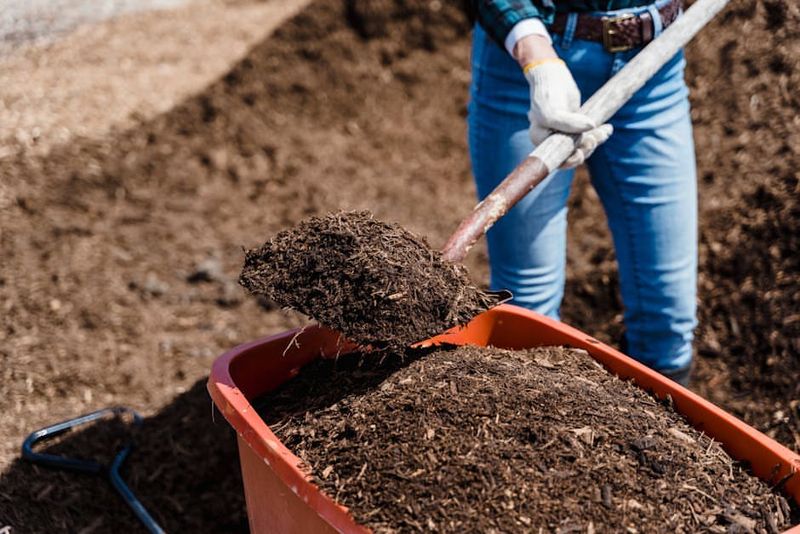
Compost made from kitchen scraps and yard waste transforms Arizona’s mineral-heavy soils into living ecosystems filled with beneficial microorganisms that help plants access nutrients.
Adding two to three inches of compost before planting gives new plants a strong start without causing salt buildup in Arizona’s alkaline soil. A layer of mulch on top helps hold moisture and slowly improves the soil over time.
Arizona gardeners can make their own compost in tumbler bins or simple piles, turning kitchen scraps and fallen leaves into black gold that costs nothing but a little time.
Mycorrhizal fungi products help plants build stronger root systems, improving water and nutrient uptake while reducing the need for extra fertilizer.
Winter cover crops like clover naturally add nitrogen, protect soil, and help keep weeds under control.
Soil health improves gradually with these methods, and Arizona gardeners notice their plants becoming more vigorous and resilient with each passing season as the underground ecosystem strengthens.
6. Replacing High-Water Lawns With Smarter Landscape Alternatives
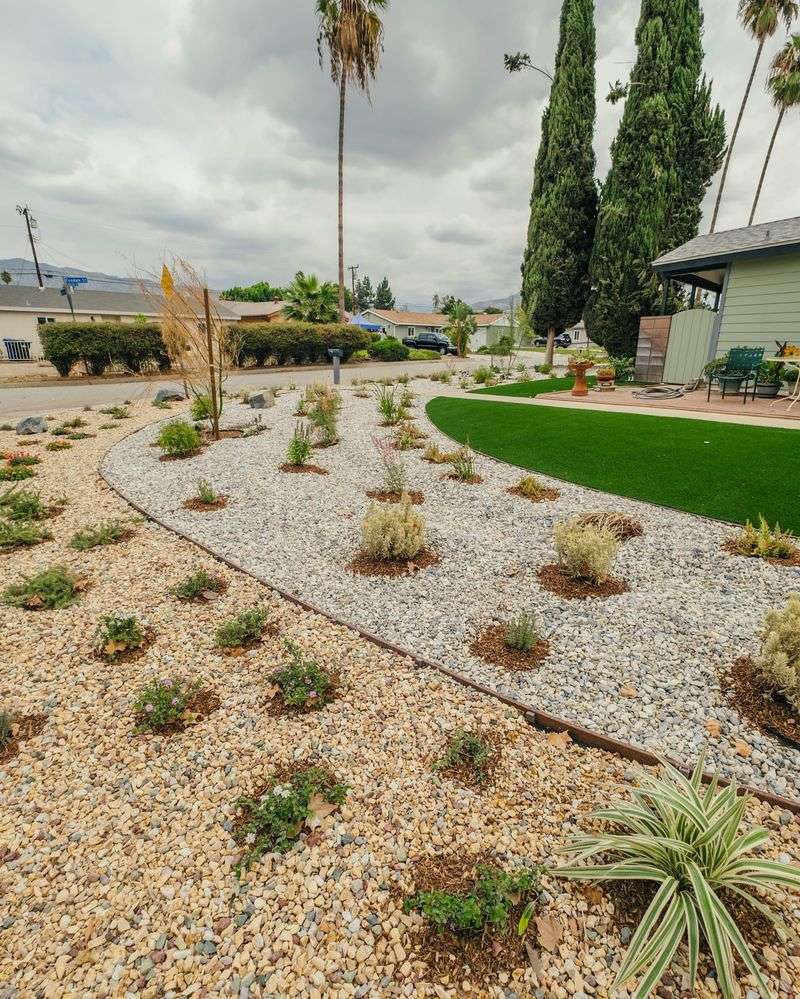
Grass lawns use more water than any other plant in Arizona yards. In Phoenix, a quarter-acre lawn can use around 100,000 gallons a year, raising bills and straining water supplies.
Removing even portions of water-hungry turf and replacing it with desert-adapted alternatives creates immediate water savings that show up on the very next utility bill.
Buffalo grass and blue grama provide a lawn-like look with far less water than Bermuda or ryegrass. They turn tan in winter but need no overseeding and green up quickly when Arizona temperatures rise.
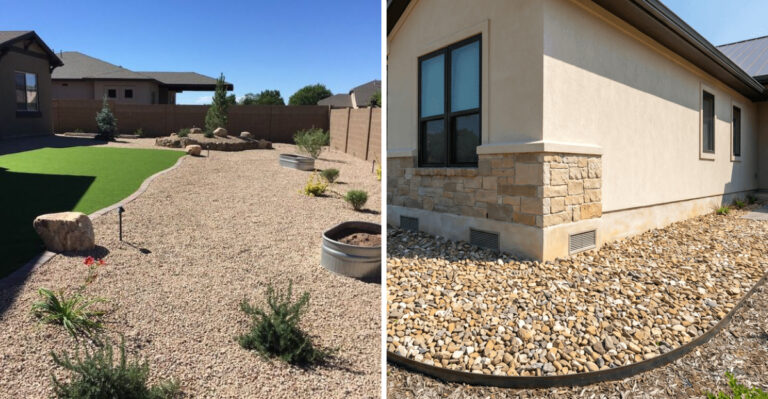
Decomposed granite pathways with stepping stones create attractive walking surfaces that need zero water and never require mowing, edging, or fertilizing.
Many Arizona homeowners find patios and shaded seating areas far more useful than high-maintenance grass lawns.
Groundcovers like trailing lantana and damianita fill gaps with color while using only a fraction of the water turf requires.
7. Using Mulch The Right Way To Protect Soil From Extreme Heat
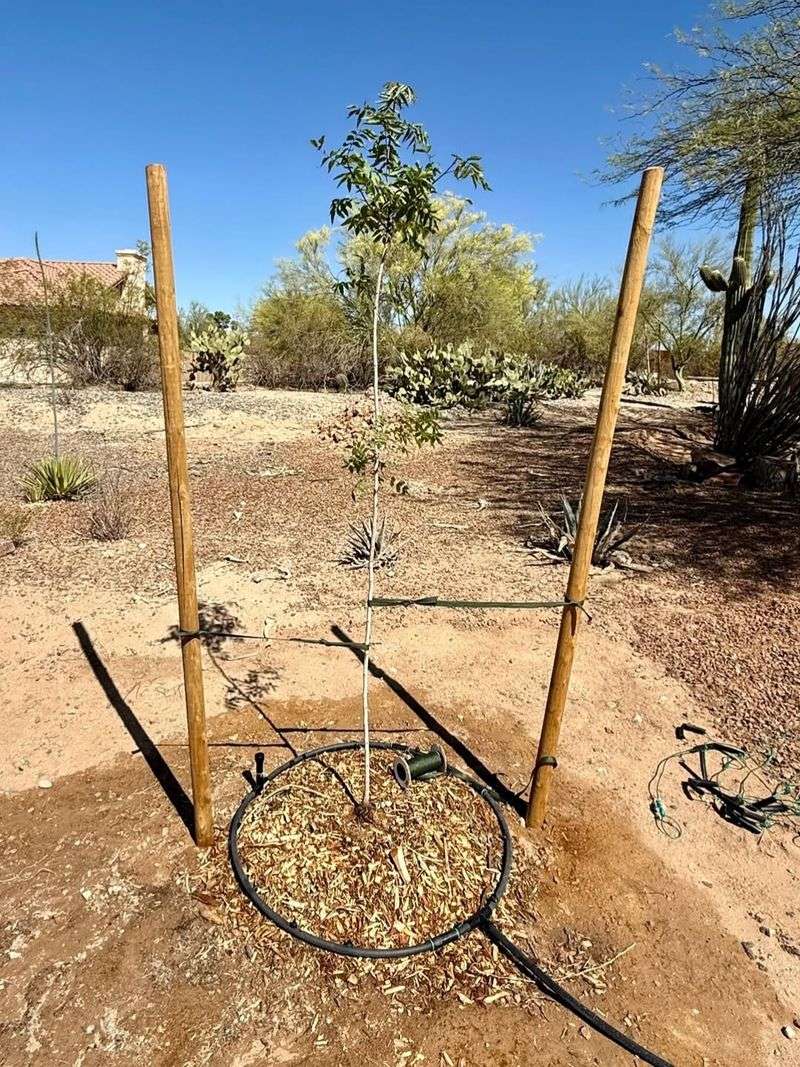
Bare soil in Arizona can hit 160°F in summer, stressing plants and speeding up moisture loss. Mulch keeps soil 20 to 30 degrees cooler, protects roots, and helps water last longer.
Organic mulches like shredded bark or wood chips also break down gradually to improve soil structure, though they need replenishing every couple of years as they decompose.
Rock mulches like decomposed granite or river rock give Arizona yards long-lasting coverage that fits the desert look. They don’t improve soil, but they help block weeds and reflect heat away from plant stems.
Arizona gardeners should apply mulch in three to four inch layers for best results, keeping it pulled back a few inches from plant stems to prevent moisture-related issues and pest problems.
Mulch color matters in Arizona, since dark tones trap heat and lighter ones reflect it, shaping the temperature around plants.
Many gardeners use organic mulch in planting beds for soil health and save rock mulch for paths and areas around cacti and succulents.
Proper mulching reduces watering frequency, suppresses weeds that compete with desired plants, and gives Arizona landscapes a finished, professional appearance that ties everything together visually.
8. Planting For Pollinators That Support Arizona’s Ecosystem
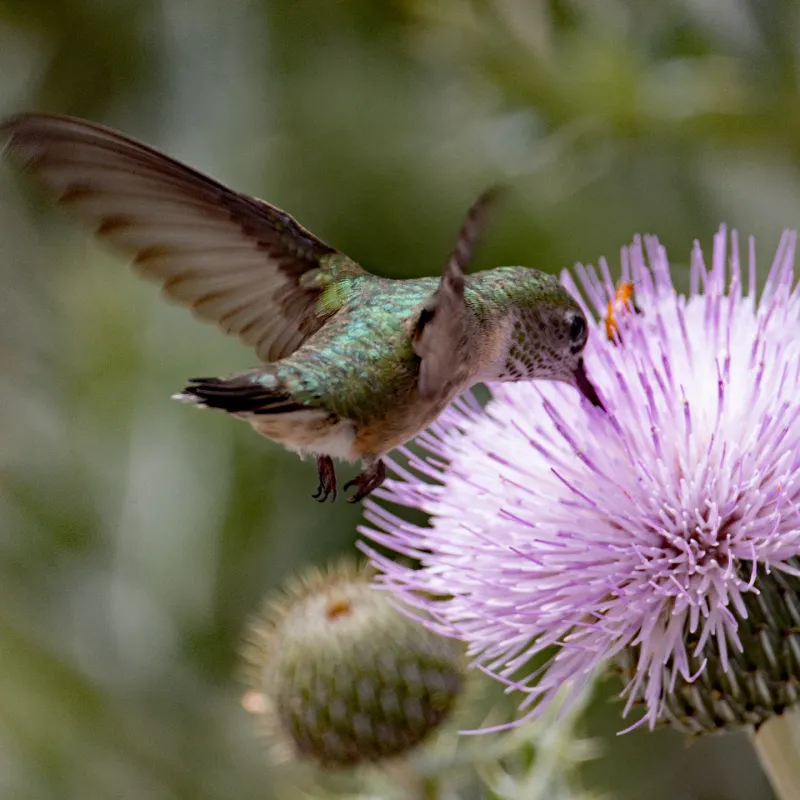
Arizona has over 1,000 native bee species that depend on native plants and help pollinate food crops. Sustainable gardens give them safe habitat, even in urban neighborhoods.
Penstemons with their tubular flowers attract hummingbirds throughout Arizona, with different species blooming from early spring through fall to provide nectar across seasons.
Native milkweeds like desert milkweed give migrating monarchs a place to lay eggs and feed their caterpillars. In pollinator gardens, skipping pesticides is key since even organic sprays can harm helpful insects when flowers are in bloom.
Planting several of the same species together makes it easier for pollinators to spot flowers from a distance. Choosing plants with staggered bloom times keeps food available from February through November in low-elevation Arizona.
Homeowners across Arizona are finding that pollinator gardens bring their outdoor spaces to life with constant activity and color while supporting the state’s ecological health for future generations.