Grow These 9 Plants Under Tomatoes For Healthier Vines In California
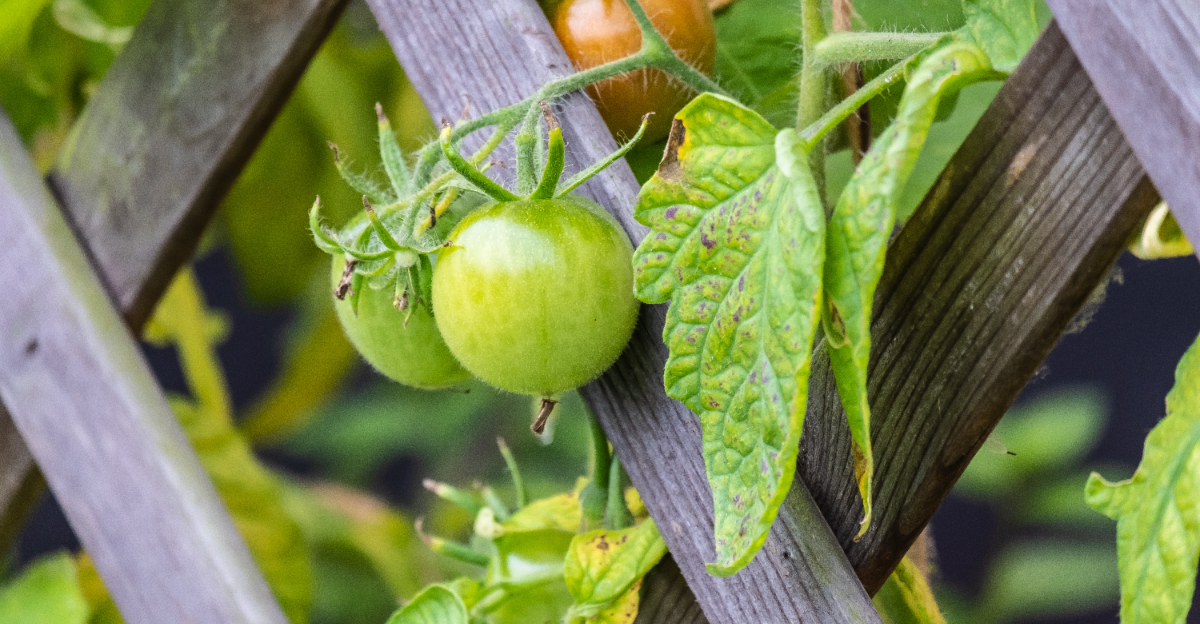
Tomatoes may be the stars of the summer garden, but they love a little support from the right neighbors. Tuck the right plants beneath your tomato vines and you can boost growth, improve soil, keep pests guessing, and even enhance flavor.
In California’s sunny climate, smart companion planting helps your garden stay productive and resilient through long, warm months.
Some low growing partners shade the soil and lock in moisture, others attract beneficial insects, and a few act like natural bodyguards for your tomatoes.
The result is healthier vines, happier roots, and baskets filled with juicy harvests. It is a simple, space smart trick that turns one crop into a mini garden team working together below the leaves.
If you want stronger plants and a more vibrant, balanced garden, these helpful companions are ready to move in under your tomatoes and get to work.
1. Basil
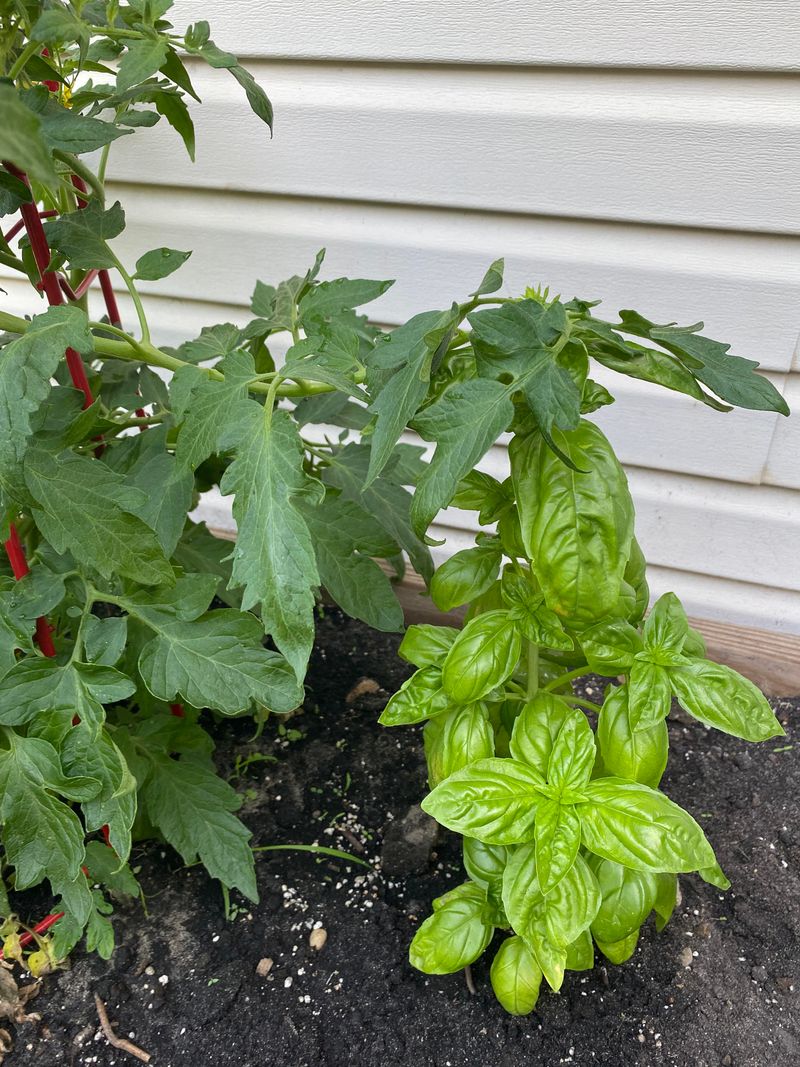
When the morning sun warms your tomato bed and the air starts to carry that unmistakable summer heat, basil settles in like it was always meant to be there. This herb loves the same conditions your tomatoes do, plenty of warmth, consistent water, and rich soil.
Planting it underneath or alongside your vines makes practical sense for California gardeners who want to maximize space and create a thriving, layered garden.
Basil’s strong scent can help confuse pests like aphids and whiteflies that might otherwise zero in on your tomatoes. The leaves release aromatic oils that make it harder for insects to locate their target plants.
You’re not just growing a companion here, you’re creating a natural barrier that works quietly in the background.
Keep basil trimmed regularly to encourage bushy growth and prevent it from flowering too soon. In California’s long growing season, basil can produce for months if you harvest often.
Water it along with your tomatoes, and it’ll stay lush and flavorful right up until the first cool nights arrive in fall.
2. Marigolds
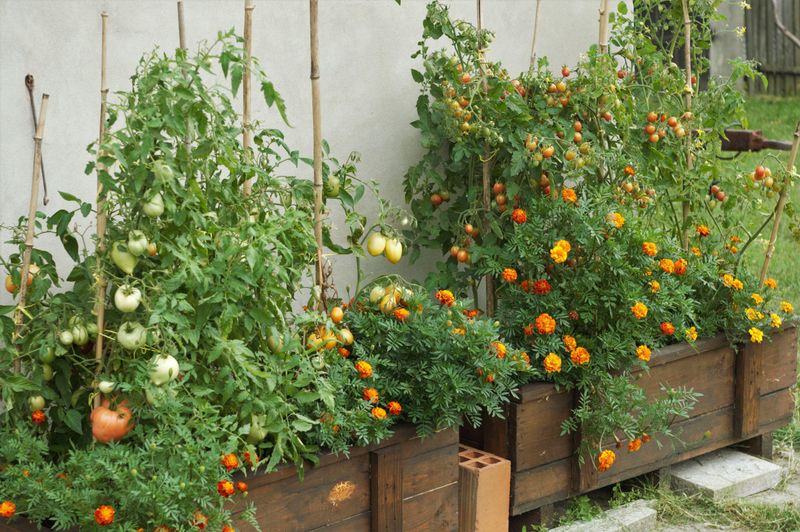
Once your tomato transplants are settled and starting to stretch upward, marigolds bring color and function to the space below.
These cheerful flowers are famous among gardeners for their ability to repel certain soil pests, particularly nematodes that can damage tomato roots.
Their presence isn’t just decorative, it’s strategic.
Marigolds thrive in California’s dry summers and don’t demand much fussing. They tolerate heat well and bloom prolifically with minimal care.
Plant them around the base of your tomato cages or in clusters between plants. Their roots release compounds into the soil that discourage harmful nematodes, and their scent above ground keeps some flying pests at bay.
Choose compact French marigold varieties if space is tight, or let larger African types fill in the gaps. Deadhead spent blooms to keep them flowering longer, and water them along with your tomatoes.
They’ll keep producing color and pest protection all season, making your tomato bed more resilient and visually appealing at the same time.
3. Nasturtiums
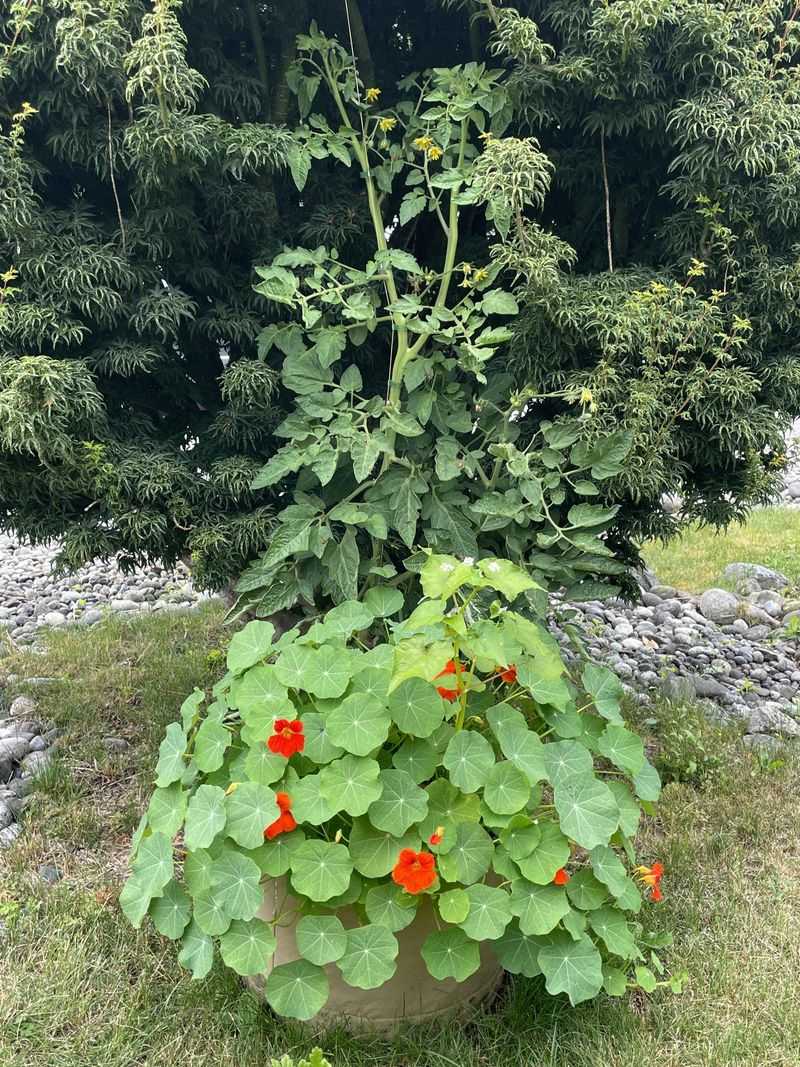
As the season picks up and your tomatoes begin to set fruit, nasturtiums sprawl out below in a cascade of bright blooms and lily-pad leaves. These fast-growing annuals are excellent trap crops, meaning they attract aphids away from your tomatoes.
Your California Garden Changes Every Week. Your Plan Should Too.
Gardening in California changes quickly throughout the season. Every Friday you’ll receive a simple weekly plan showing exactly what to plant, prune, fertilize, harvest, and protect so you never miss the right timing.
The pests prefer nasturtiums, which gives you a chance to spot and manage infestations before they reach your main crop.
Nasturtiums handle California’s sun and heat surprisingly well, especially if they get a little afternoon shade from the tomato canopy above. They don’t need rich soil, in fact, they flower more when the ground is lean.
Plant them at the edges of your tomato bed or let them trail between plants. Their peppery leaves are edible too, adding a spicy kick to salads.
Water them moderately and let them do their thing. They’ll self-sow in mild California winters, sometimes popping up again the following spring.
If aphids do cluster on the leaves, simply pinch off the affected parts or spray them down with water. The sacrifice is worth it to keep your tomatoes clean.
4. Borage
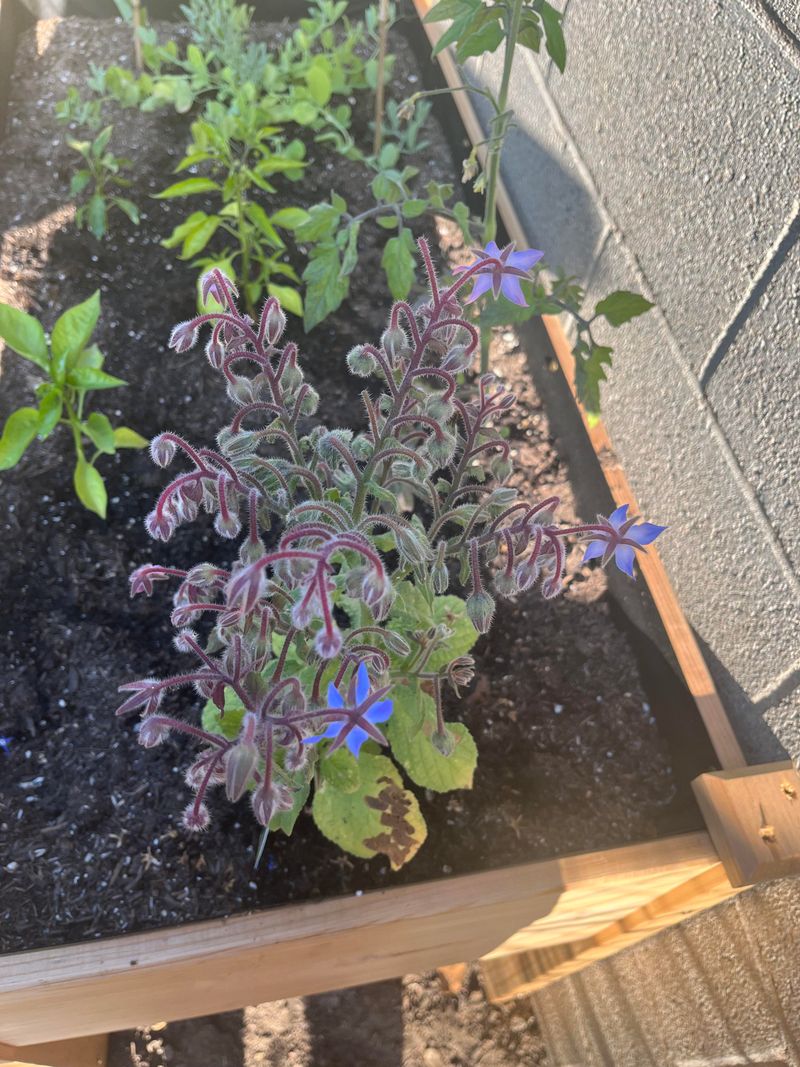
By midsummer, when pollinators are buzzing through your garden and tomatoes are flowering heavily, borage becomes a magnet for bees and beneficial insects.
Its bright blue star-shaped flowers are irresistible to pollinators, and planting it under or near your tomatoes ensures better fruit set.
More bees mean more pollinated flowers and a heavier harvest down the line.
Borage is a vigorous grower that tolerates California’s heat and doesn’t mind irregular watering once established.
Its deep taproot pulls nutrients up from lower soil layers, improving soil structure and making minerals available to shallower-rooted plants like tomatoes.
The leaves are slightly fuzzy and sprawl outward, creating a living mulch that shades the soil and keeps moisture in.
Give borage a bit of space since it can grow large, and don’t plant it too close to the base of your tomato stems. It self-seeds readily, so expect volunteers next season if you let a few flowers go to seed.
The young leaves are edible and taste like cucumber, adding a fresh twist to summer salads.
5. Chives
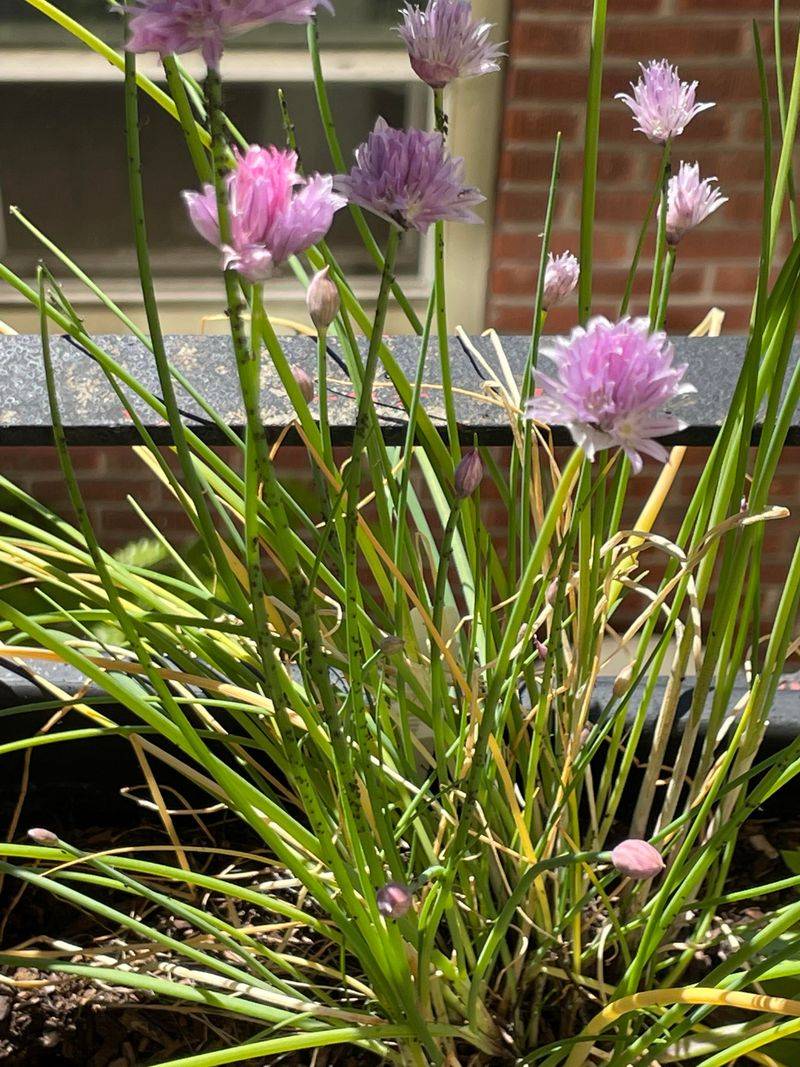
When spring transitions into the warmer months and your tomato plants are just getting their footing, chives offer a low-maintenance, pest-deterring companion that fits neatly into any corner of the bed.
Their mild onion scent can confuse aphids and other soft-bodied insects, making it harder for them to settle in.
The purple pom-pom flowers that appear in late spring are a bonus, attracting pollinators and adding visual interest.
Chives are perennial in California, meaning they’ll come back year after year with minimal effort. They tolerate a range of conditions, from full sun to partial shade, and don’t mind sharing root space with tomatoes.
Plant them in small clumps around the edges of your bed or between plants. They won’t compete aggressively and will quietly do their job season after season.
Harvest the leaves regularly to keep them producing fresh growth, and let a few flower for the bees. Chives are drought-tolerant once established, but they’ll stay greener and more productive with regular watering.
They’re one of those set-it-and-forget-it plants that just keep giving without asking for much in return.
6. Green Onions (Scallions)
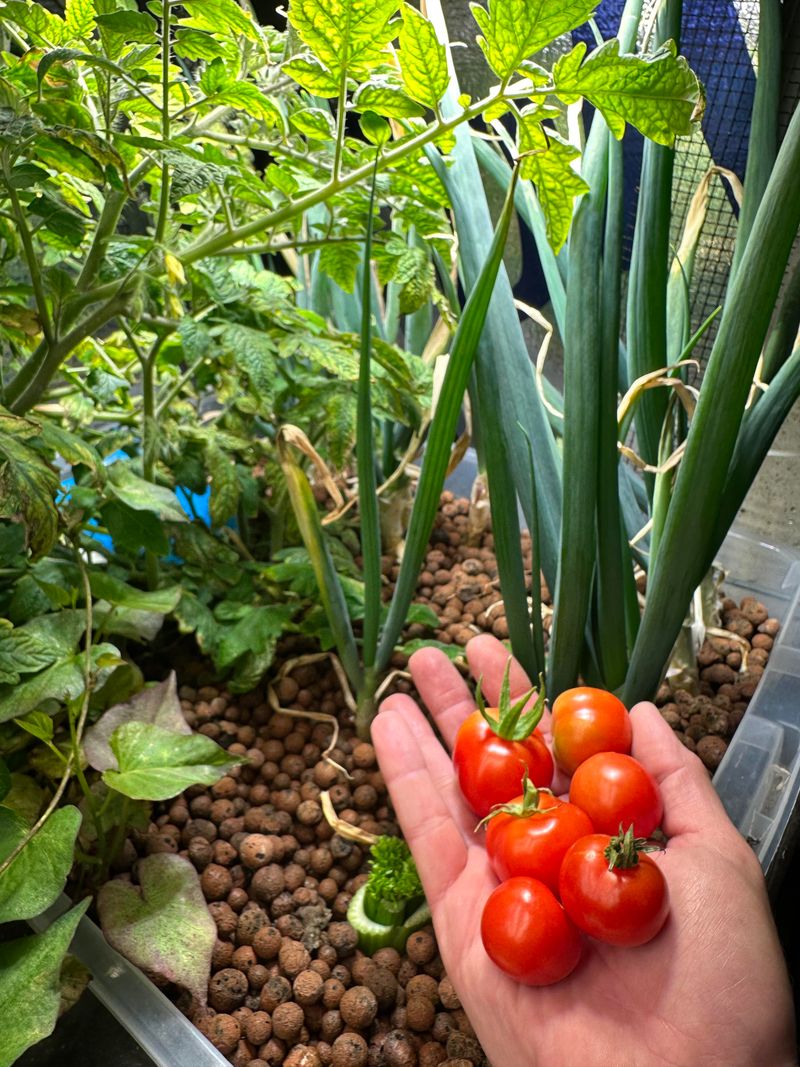
After the initial excitement of planting tomatoes fades and you’re settling into the rhythm of watering and weeding, green onions quietly fill in the gaps below.
Their slender, upright growth doesn’t compete with tomato roots, and their mild onion aroma can help mask the scent of your tomatoes from certain pests.
They’re practical, productive, and easy to tuck into tight spaces.
Green onions grow quickly in California’s mild climate, often ready to harvest in just a few weeks. You can plant them from seed or transplant sets, and they’ll tolerate both sun and the dappled shade that develops as your tomato canopy fills in.
They don’t need deep soil or heavy feeding, making them ideal for interplanting in beds where tomatoes are the main focus.
Harvest them as needed by pulling the entire plant or snipping off the green tops and leaving the roots to regrow. They’ll continue producing through the season as long as you keep them watered.
Green onions are one of those dependable, no-drama companions that give you fresh food while supporting the health of your tomato bed.
7. Parsley
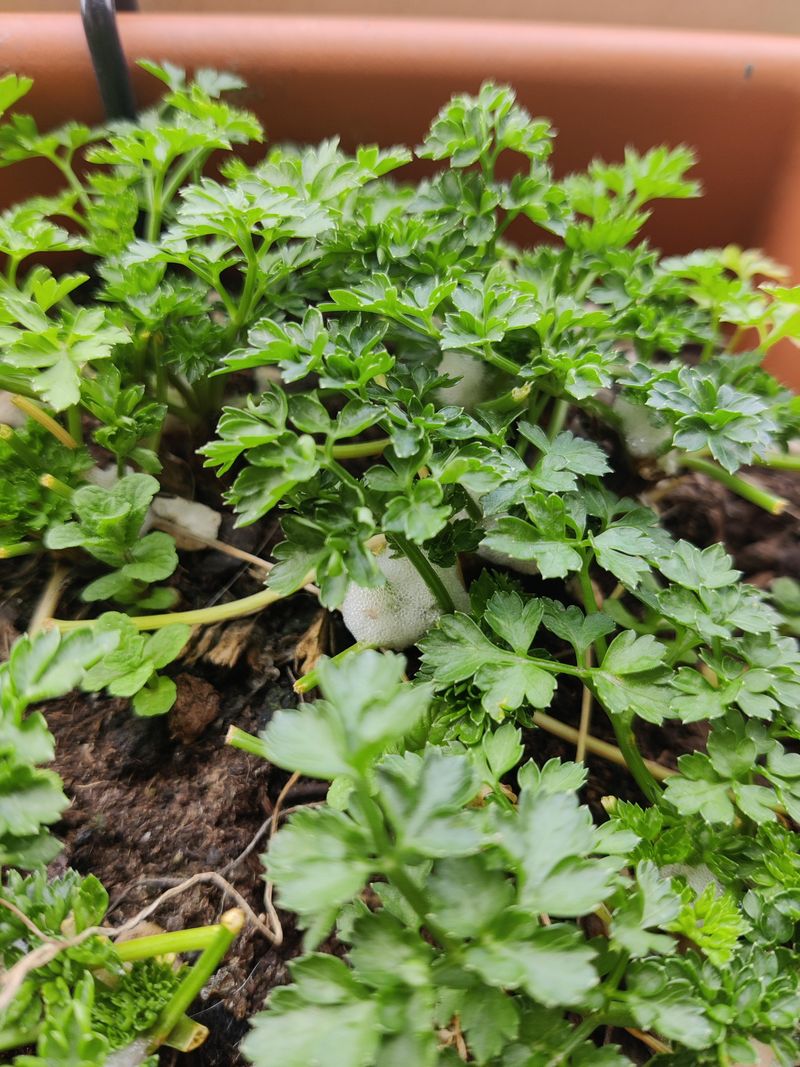
As the season stretches on and your tomatoes are loaded with green fruit, parsley quietly thrives in the understory.
This biennial herb is more than just a garnish, it attracts beneficial insects like hoverflies and predatory wasps that feed on aphids and other tomato pests.
Its dense, low-growing foliage also shades the soil, helping retain moisture during California’s dry summer months.
Parsley tolerates partial shade well, which makes it perfect for planting beneath taller tomato plants. It prefers consistent moisture and won’t compete heavily with tomato roots.
Choose curly or flat-leaf varieties depending on your culinary preference, and plant them in clusters around the base of your tomato cages. They’ll stay productive for months, especially if you harvest the outer leaves regularly.
In California, parsley often overwinters and comes back the following spring before eventually flowering and going to seed. Let it bloom in its second year to feed pollinators, then allow it to self-sow if you want volunteers.
It’s a low-key companion that offers multiple benefits without demanding much attention or space.
8. Cilantro
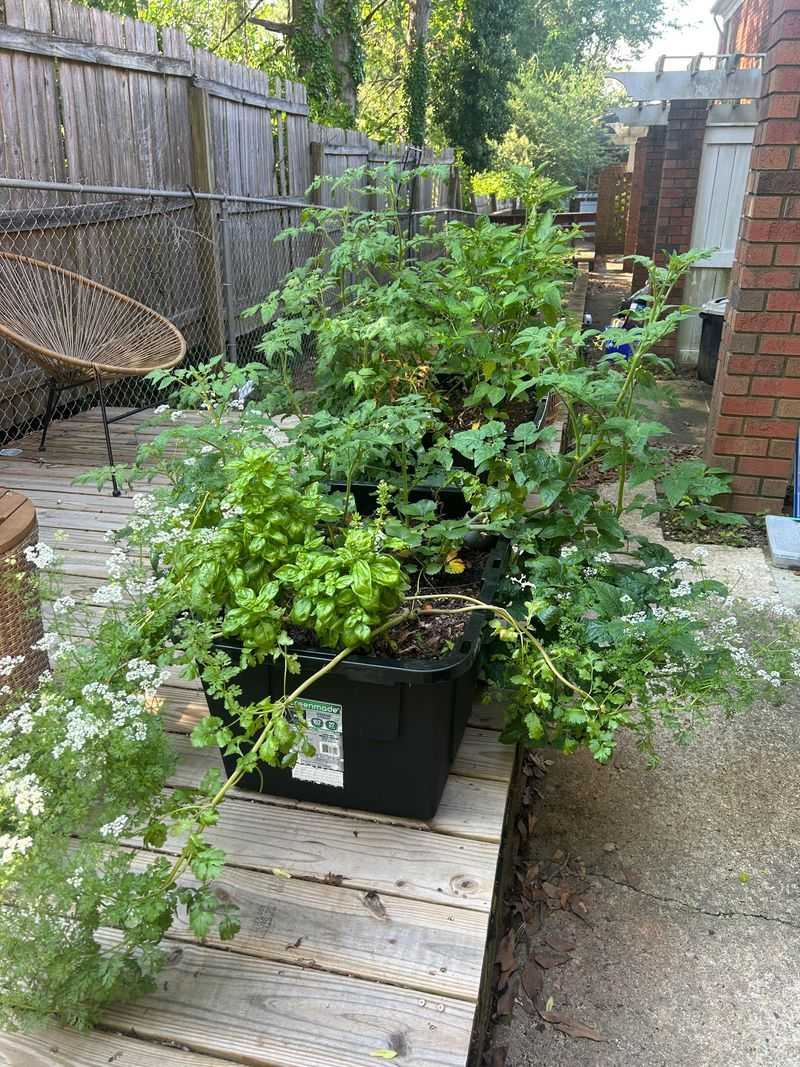
In the cooler parts of the season, early spring or late fall, cilantro finds its sweet spot beneath your tomatoes. This fast-growing herb bolts quickly in heat, but if you time it right or give it some shade from the tomato canopy, it’ll produce flavorful leaves for weeks.
It attracts beneficial insects and adds a fresh, edible layer to your garden that’s ready to harvest in no time.
Cilantro prefers cooler weather and consistent moisture, so plant it early in the season before the real heat arrives, or again in late summer for a fall crop. The shade from maturing tomato plants can extend its harvest window by keeping the soil cooler.
Its delicate foliage doesn’t compete with tomatoes, and its flowers attract lacewings and other pest predators when it eventually bolts.
Harvest leaves frequently to delay flowering, and let a few plants go to seed if you want to collect coriander or encourage self-sowing. Cilantro is one of those companions that works best when you understand its preferences and plant it strategically.
Time it right, and you’ll enjoy fresh herbs while supporting a healthier tomato bed.
9. Lettuce
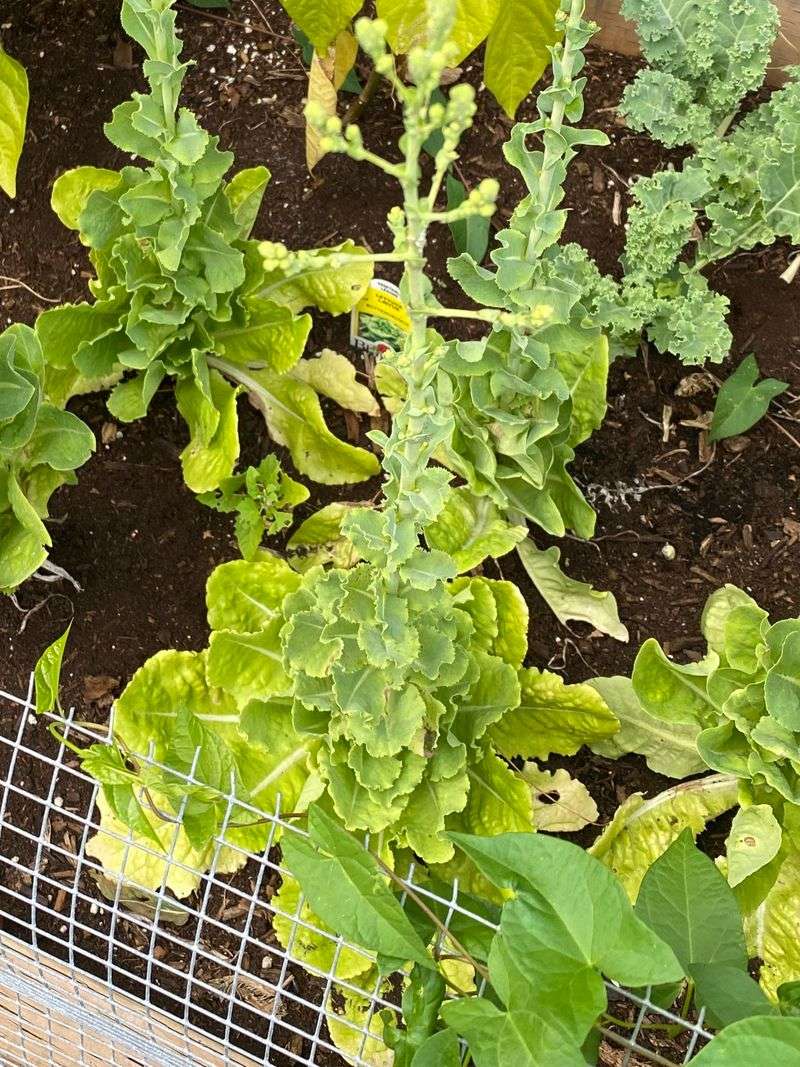
Once your tomato plants are tall enough to cast a bit of shade, lettuce becomes a smart use of that cooler, protected space below. In California, lettuce struggles in full summer sun and often bolts before you can harvest much.
But tucked under the canopy of tomato vines, it stays cooler and produces tender leaves well into the warmer months. It’s a practical way to get two crops from one bed.
Lettuce has shallow roots that won’t interfere with your tomatoes, and it grows quickly enough that you can succession plant every few weeks for continuous harvests.
Choose loose-leaf varieties that tolerate heat better than head types, and keep the soil consistently moist.
The shade from your tomatoes helps prevent the bitter, tough leaves that come from too much sun and heat stress.
Harvest outer leaves as they mature, leaving the center to keep producing. Lettuce planted under tomatoes in late spring can last through early summer, giving you fresh salads while your tomatoes are still ripening.
It’s one of those clever pairings that makes your garden work harder without adding much extra effort or space.