12 Orange Flowers To Grow In Your North Carolina Garden In 2026
North Carolina gardeners have a special advantage when it comes to growing bold, colorful flowers.
With a long growing season and warm, humid conditions across the state, vibrant orange blooms thrive and bring instant energy to outdoor spaces. Few colors brighten a garden quite like orange.
It adds warmth, draws the eye, and creates a lively contrast against deep green foliage. Even better, many orange flowers are magnets for butterflies, bees, and hummingbirds, filling your garden with movement and life from spring through fall.
Whether you are designing sunny borders, refreshing flower beds, or adding color to patio containers, the right choices can transform the entire look of your landscape.
From soft glowing tones to fiery, eye catching shades, these twelve orange flowers offer beauty, resilience, and season long impact for North Carolina gardens in 2026.
1. Orange Daylily (Hemerocallis spp.)
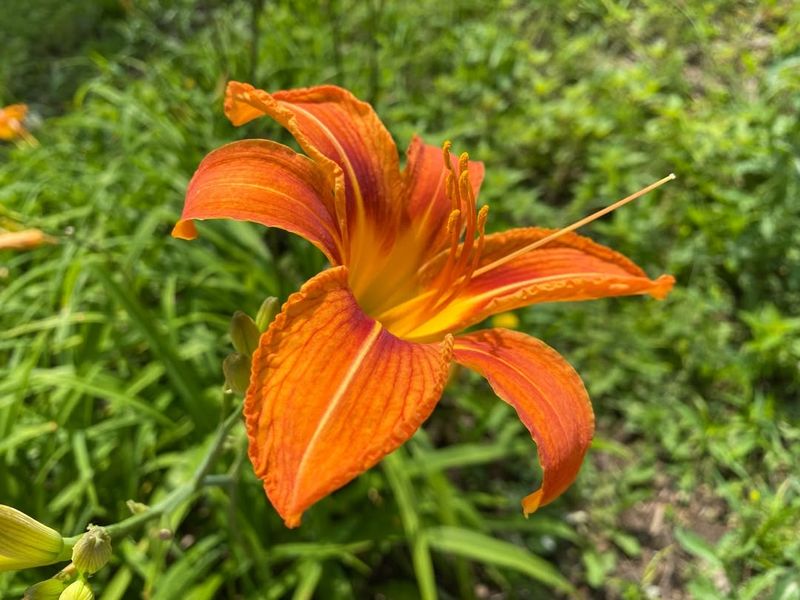
Orange daylilies are one of the most reliable perennials you can plant in North Carolina. These tough plants handle our hot summers and humid conditions without complaint. Each bloom lasts just one day, but new flowers keep opening for weeks.
Plant daylilies in spots that get at least six hours of direct sunlight daily. They tolerate various soil types but perform best in well-drained ground enriched with compost. Space them about eighteen inches apart to allow room for their spreading clumps.
Daylilies bloom from late spring through summer, depending on the variety you choose. Their trumpet-shaped flowers range from pale peach to deep burnt orange. These plants multiply quickly, forming thick clumps that you can divide every few years.
Water newly planted daylilies regularly until they establish strong roots. After that, they handle drought remarkably well. Remove spent flowers to keep plants looking tidy and encourage more blooms.
North Carolina’s USDA zones 6 through 8 provide ideal conditions for daylilies. They return faithfully each spring, growing stronger and producing more flowers as clumps mature. Deer usually leave them alone, which makes them perfect for rural gardens.
2. Mexican Sunflower (Tithonia rotundifolia)
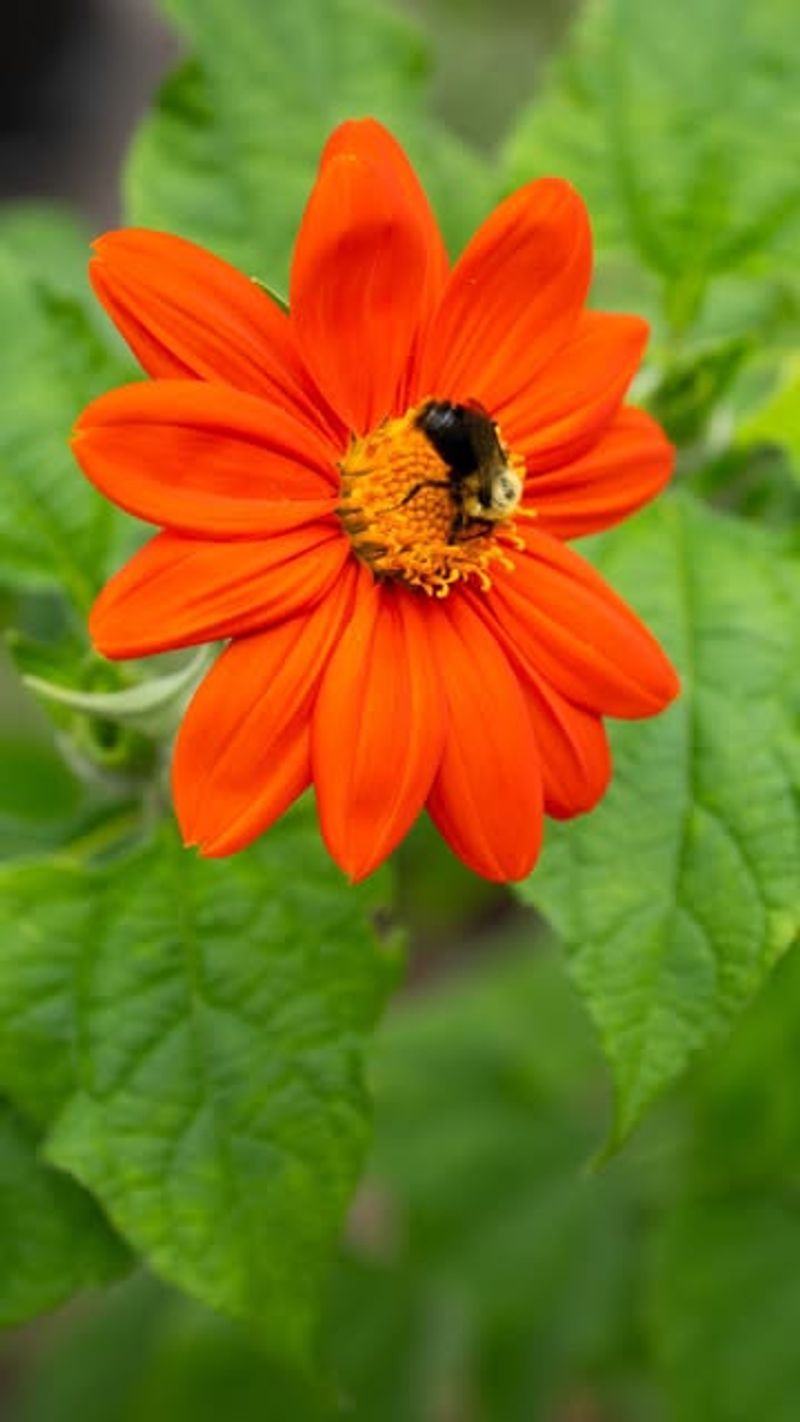
Mexican sunflowers bring tropical flair to North Carolina gardens with their stunning orange blooms.
These annuals grow quickly, reaching heights of four to six feet by midsummer. Their large, velvety flowers measure three to four inches across and glow like flames in the garden.
Start seeds indoors six weeks before your last frost date, or sow directly in the garden after danger of frost passes. Mexican sunflowers need full sun and well-drained soil to thrive. They tolerate heat and humidity beautifully, making them perfect for our climate.
Butterflies and hummingbirds flock to these flowers throughout summer and fall. The nectar-rich blooms provide essential food for pollinators when many other flowers have finished blooming.
Plant them along fences or at the back of borders where their height creates dramatic backdrops.
Water Mexican sunflowers during dry spells, but don’t overdo it. Too much moisture can cause problems with their roots. These plants actually prefer slightly dry conditions once established.
Deadhead spent blooms to encourage continuous flowering until frost. Mexican sunflowers reseed themselves readily, so you might find volunteers popping up next spring.
Your North Carolina Garden Changes Every Week. Your Plan Should Too.
Gardening in North Carolina changes quickly throughout the season. Every Friday you’ll receive a simple weekly plan showing exactly what to plant, prune, fertilize, harvest, and protect so you never miss the right timing.
Their bold presence and pollinator appeal make them garden superstars worth growing every year.
3. Blanket Flower (Gaillardia spp.)
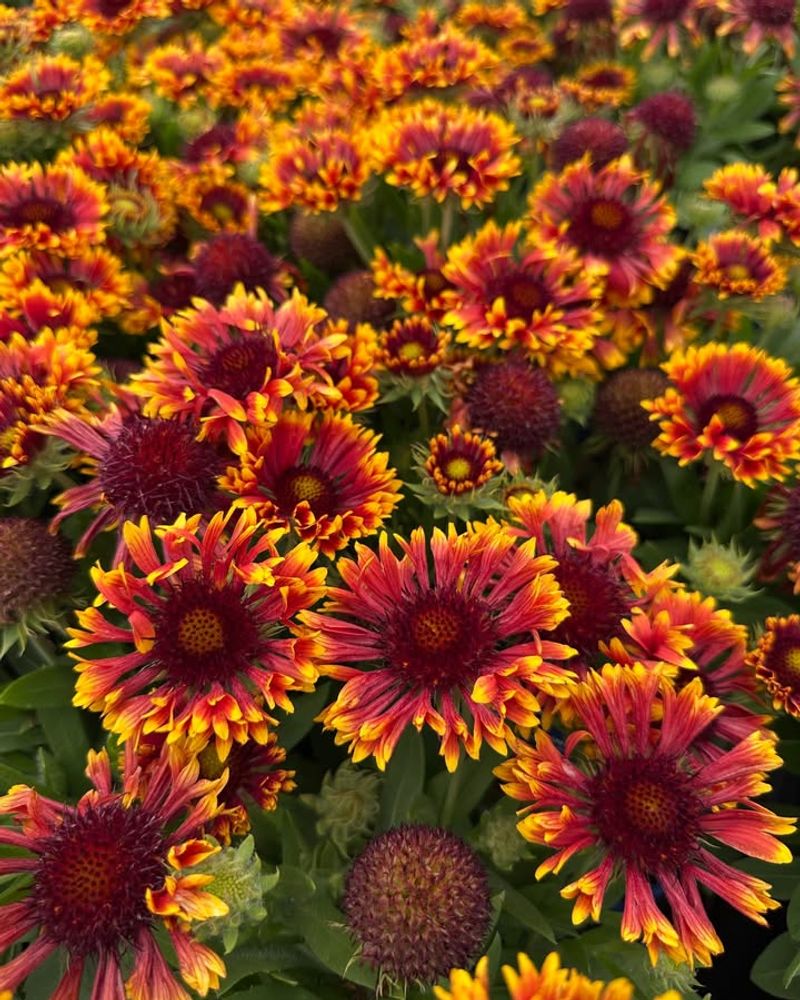
Blanket flowers earned their name from their bright, warm colors that resemble traditional Native American blankets. These cheerful perennials produce masses of daisy-like blooms in shades of orange, red, and yellow. They’re incredibly tough plants that laugh at drought and heat.
North Carolina’s summer sun doesn’t bother blanket flowers one bit. They actually need full sun to produce their best flower display. Plant them in well-drained soil, as soggy conditions can harm their roots during winter.
Blanket flowers bloom from early summer through fall if you deadhead regularly. Each flower sits atop a sturdy stem, making them excellent for cutting bouquets. The blooms attract butterflies and bees, adding movement and life to your garden.
These plants grow twelve to eighteen inches tall and spread about the same width. Space them accordingly when planting to allow good air circulation. Blanket flowers tolerate poor soil better than most perennials, so they work well in challenging spots.
Divide clumps every three years to maintain vigor and prevent overcrowding. In coastal areas, blanket flowers handle salt spray remarkably well. Throughout the piedmont and mountains, they return reliably each spring, growing stronger with each passing season.
4. Orange Zinnia (Zinnia elegans)
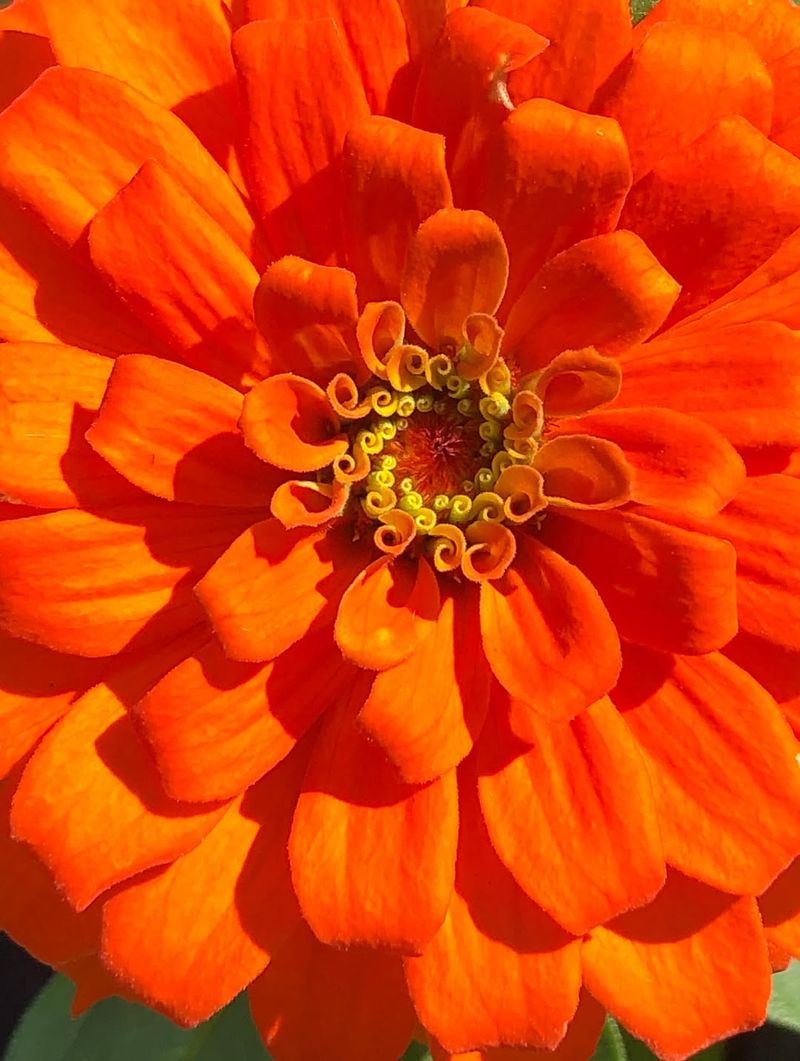
Zinnias are the workhorses of summer gardens, blooming nonstop from June until frost arrives.
Orange varieties range from soft apricot to bold tangerine, giving you plenty of color options. These annuals are incredibly easy to grow from seed, making them perfect for beginning gardeners.
Sow zinnia seeds directly in the garden after your last frost date. They sprout quickly, usually within a week, and grow rapidly in warm soil. Choose a spot with full sun and good drainage for best results.
Zinnias come in various heights, from six-inch dwarfs to three-foot giants. Shorter varieties work beautifully in containers and front borders. Taller types make excellent cut flowers that last over a week in vases.
Water zinnias at soil level rather than overhead to prevent powdery mildew on leaves. This fungal issue commonly affects zinnias in humid climates like ours. Good air circulation between plants also helps prevent disease problems.
Butterflies adore zinnia flowers, visiting them constantly throughout the day. Deadhead regularly to keep plants producing fresh blooms. Zinnias tolerate our summer heat exceptionally well, continuing to flower when other annuals struggle.
Their reliability and bright colors make them essential additions to any North Carolina garden.
5. Crocosmia
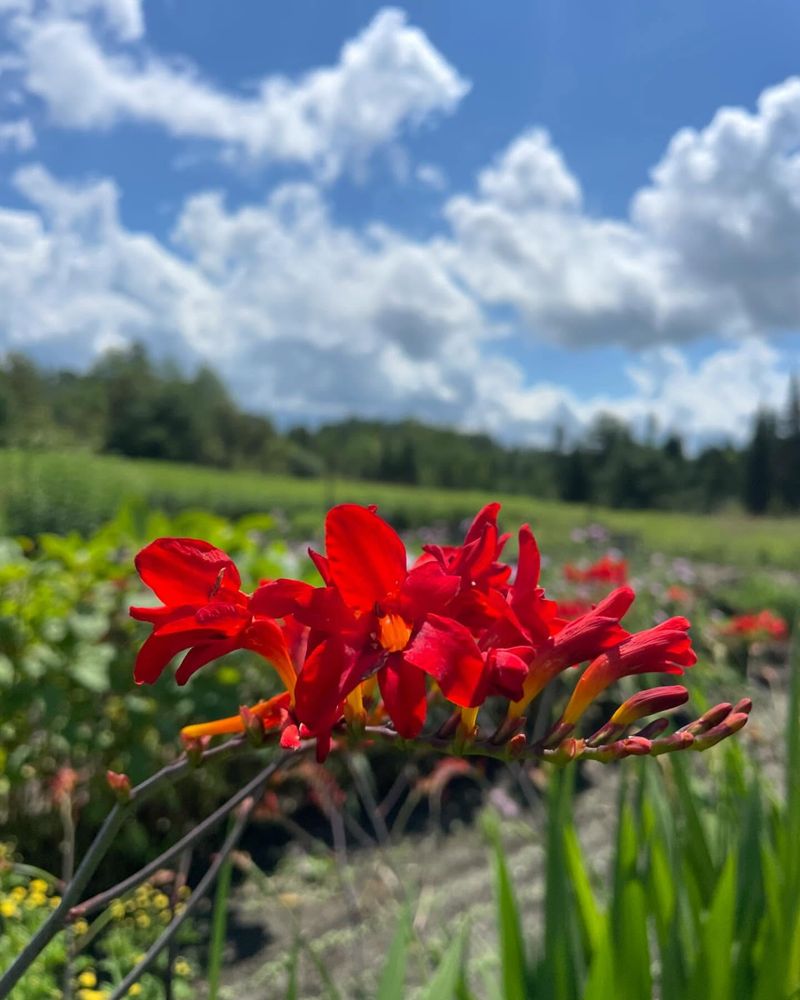
Crocosmia ‘Lucifer’ creates dramatic displays with its fiery orange-red flowers that arch gracefully above sword-like foliage.
This South African native has adapted beautifully to North Carolina gardens. The tubular flowers appear in midsummer, arranged along stems that can reach three feet tall.
Plant crocosmia corms in spring after the last frost date. Choose locations with full sun and soil that stays moderately moist but drains well. These plants form clumps that expand steadily, creating impressive colonies over time.
Hummingbirds can’t resist crocosmia’s nectar-filled tubular blooms. You’ll enjoy watching these tiny birds dart among the flowers throughout summer. The bold color and unique flower shape add architectural interest to garden beds and borders.
Crocosmia foliage remains attractive even after flowers finish blooming. The strappy leaves provide vertical accents among rounded perennials. In coastal and piedmont areas, crocosmia usually survives winter without protection.
Mountain gardeners should apply mulch around plants in late fall for extra protection. Divide crowded clumps every few years to maintain vigor and flower production.
Crocosmia works wonderfully in cottage gardens, mixed borders, and naturalized areas where its spreading habit becomes an asset rather than a problem.
6. Calendula (Calendula officinalis)
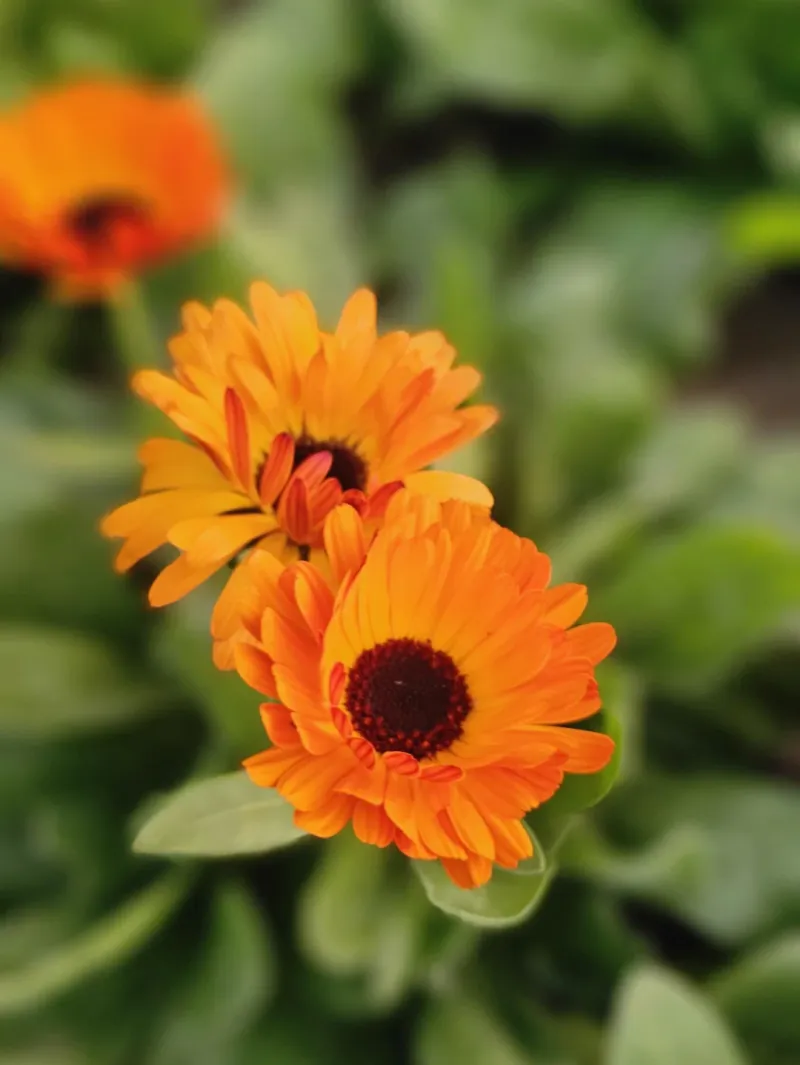
Calendula brings old-fashioned charm to North Carolina gardens with its cheerful orange blooms.
These hardy annuals have been grown for centuries in herb and cottage gardens. The flowers resemble daisies but with thicker, more substantial petals that feel slightly sticky to touch.
Start calendula from seed in early spring or late summer for fall blooms. These cool-season flowers perform best during our mild spring and fall weather. They tolerate light frost, often continuing to bloom after other annuals have finished.
Calendula prefers full sun but tolerates partial shade better than many flowering annuals. The plants grow twelve to eighteen inches tall with bushy, branching habits. Space them about ten inches apart for full, lush displays.
These flowers have edible petals that add color to salads and other dishes. The blooms also attract beneficial insects to your garden. Calendula has been used traditionally for skin care and medicinal purposes, though you should research proper uses carefully.
Deadhead spent flowers regularly to encourage continuous blooming. Calendula often reseeds itself, providing volunteer plants the following year. In mild coastal areas, calendula sometimes survives winter as a short-lived perennial.
The cheerful orange blooms brighten gardens during transitional seasons when color is especially welcome.
7. Nasturtium (Tropaeolum majus)
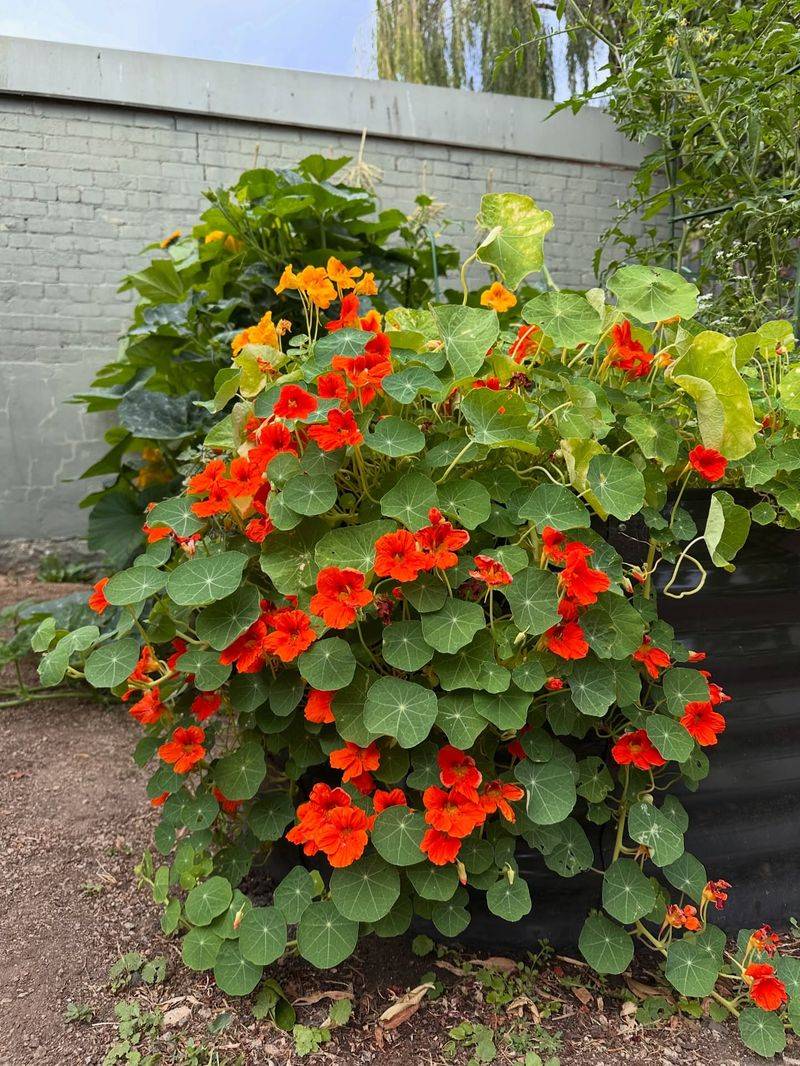
Nasturtiums offer double value with both edible flowers and leaves that add peppery flavor to meals.
These fast-growing annuals produce round, lily-pad-like leaves and trumpet-shaped blooms in brilliant orange shades. They’re among the easiest flowers to grow from seed.
Sow nasturtium seeds directly in the garden after frost danger passes. These plants actually prefer poor soil and don’t need fertilizer. Rich soil produces lots of leaves but fewer flowers, so avoid adding compost when planting.
Nasturtiums come in both bushy and trailing varieties. Trailing types work beautifully in hanging baskets or spilling over container edges. Bushy varieties stay compact, making them suitable for border fronts and small spaces.
Both flowers and leaves have a pleasant peppery taste similar to watercress. Add fresh petals to salads for color and flavor. The flowers attract aphids, which actually helps protect other plants by drawing pests away from vegetables.
Nasturtiums bloom from late spring through fall in North Carolina gardens. They handle heat reasonably well but appreciate afternoon shade in the hottest months. These plants reseed readily, often returning on their own the following year.
Their cheerful blooms and edible qualities make them practical and beautiful additions to any garden space.
8. Orange Coneflower (Rudbeckia fulgida)
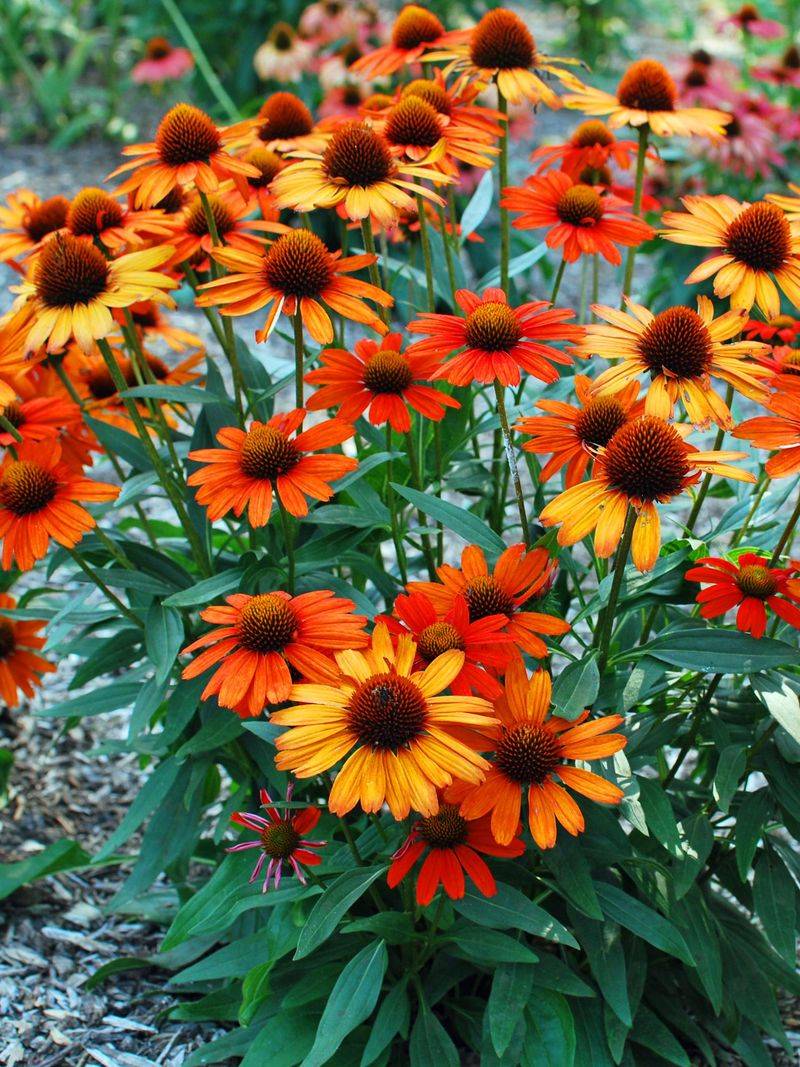
Orange coneflowers bring prairie charm to North Carolina landscapes with their cheerful daisy-like blooms.
These native perennials are incredibly tough, handling heat, humidity, and occasional drought without complaint. The flowers feature bright orange petals surrounding dark brown center cones that attract birds and pollinators.
Plant orange coneflowers in full sun for best flowering, though they tolerate light shade reasonably well. They adapt to various soil types but prefer well-drained ground. These plants grow two to three feet tall and spread slowly to form attractive clumps.
Blooming begins in midsummer and continues through early fall. The flowers make excellent additions to cut bouquets, lasting over a week in water. Goldfinches love eating the seeds from spent flower heads, so leave some unpicked for wildlife.
Orange coneflowers need minimal care once established. Water during extended dry periods, but otherwise let nature take its course. These plants rarely suffer from pest or disease problems, making them ideal for low-maintenance gardens.
Divide clumps every three to four years to prevent overcrowding and maintain vigor. Orange coneflowers combine beautifully with ornamental grasses, purple coneflowers, and other prairie-style perennials.
Their reliability and long bloom season make them essential components of successful North Carolina gardens.
9. Tiger Lily (Lilium lancifolium)
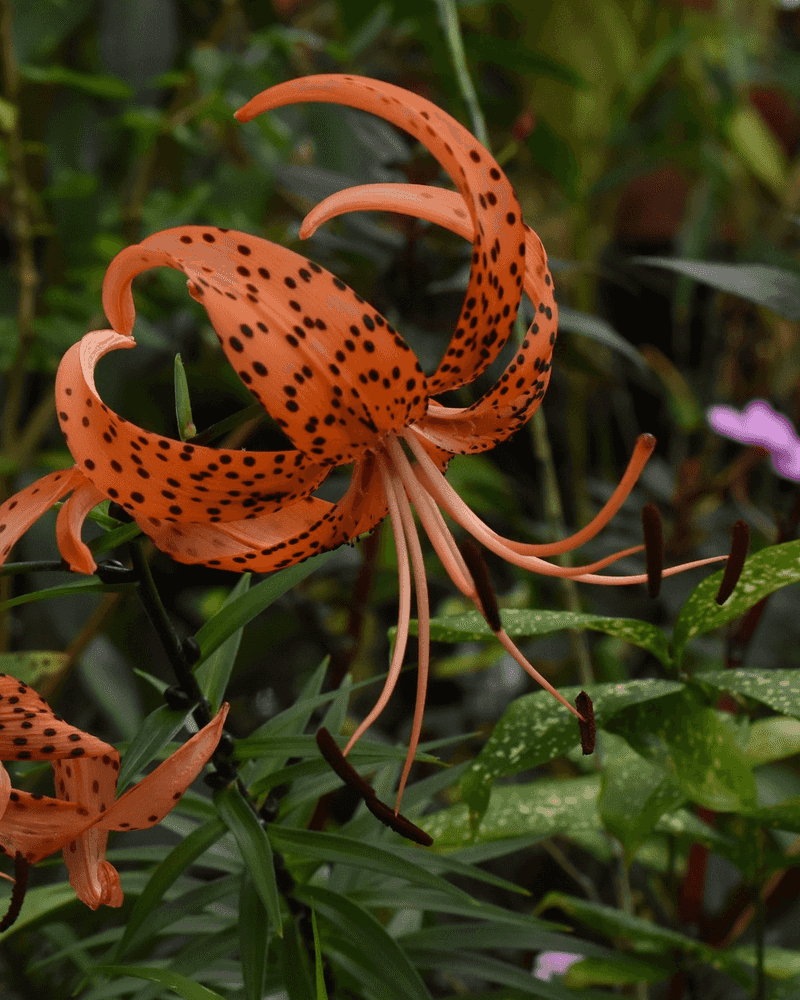
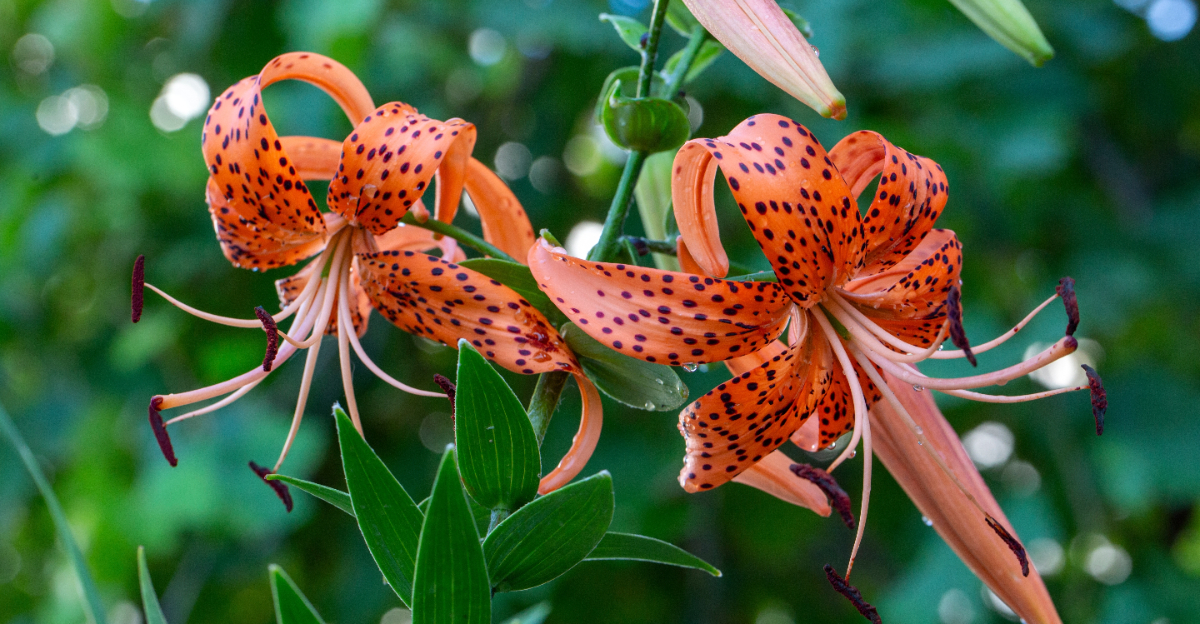
Tiger lilies are showstoppers with their large orange blooms covered in dark purple spots. These hardy perennials have naturalized throughout North Carolina, often appearing along roadsides and in old gardens.
The recurved petals give flowers an exotic appearance that commands attention. Plant tiger lily bulbs in fall or early spring about six inches deep.
Choose spots with full sun to partial shade and well-drained soil. These plants can reach four to five feet tall, so place them where their height enhances rather than overwhelms other plants.
Tiger lilies bloom in midsummer, producing multiple flowers on each stem. The blooms don’t have fragrance, unlike some lily varieties. Small black bulbils form where leaves meet stems, eventually dropping to ground and producing new plants.
These lilies tolerate a wide range of growing conditions, from moist to moderately dry soils. They’re more forgiving than many hybrid lilies, making them perfect for beginning gardeners. Mulch around plants to keep roots cool during summer heat.
Tiger lilies spread gradually, forming colonies over time without becoming invasive. They rarely need dividing or special care. Watch for red lily beetles, which can damage foliage, and remove any you spot.
These classic orange flowers bring nostalgic beauty to gardens while requiring minimal effort from busy gardeners.
10. Orange Hibiscus (Hibiscus rosa-sinensis)
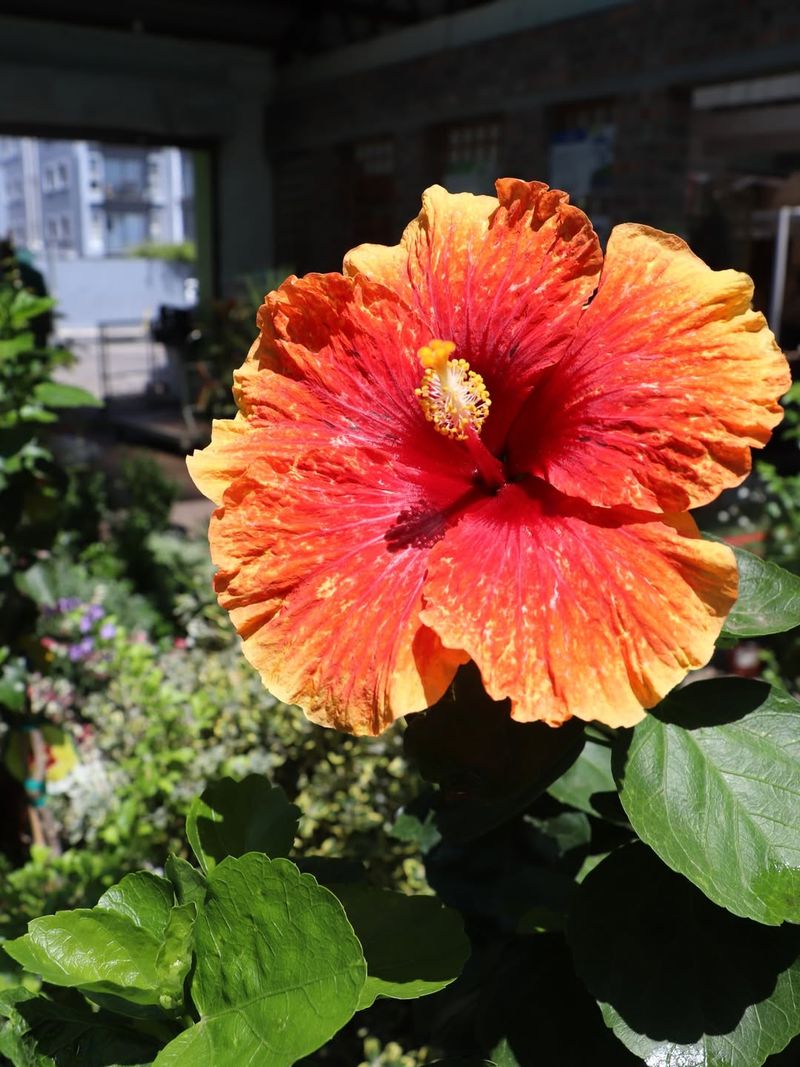
Orange hibiscus flowers measure up to six inches across, creating bold tropical statements in North Carolina gardens.
These plants are technically tropical perennials but are often grown as annuals in our climate. The large, showy blooms open in morning and close by evening, with new flowers appearing daily.
Plant hibiscus in containers so you can move them indoors before frost arrives. Use well-draining potting mix and containers with drainage holes. Place plants where they receive at least six hours of direct sunlight for best flowering.
Hibiscus blooms from late spring through fall when grown outdoors. The flowers attract hummingbirds and butterflies to gardens and patios. Regular deadheading isn’t necessary since flowers drop on their own after closing.
Feed hibiscus every two weeks during the growing season with balanced fertilizer. Water when the top inch of soil feels dry, keeping soil evenly moist but not soggy. These plants are sensitive to cold, suffering damage below fifty degrees.
Before first frost, bring container hibiscus indoors to a sunny window. They often continue blooming indoors during winter months.
Alternatively, let plants go dormant in a cool basement, watering sparingly until spring. Hardy hibiscus varieties exist but typically bloom in pink or white rather than orange.
11. Firecracker Penstemon (Penstemon barbatus)
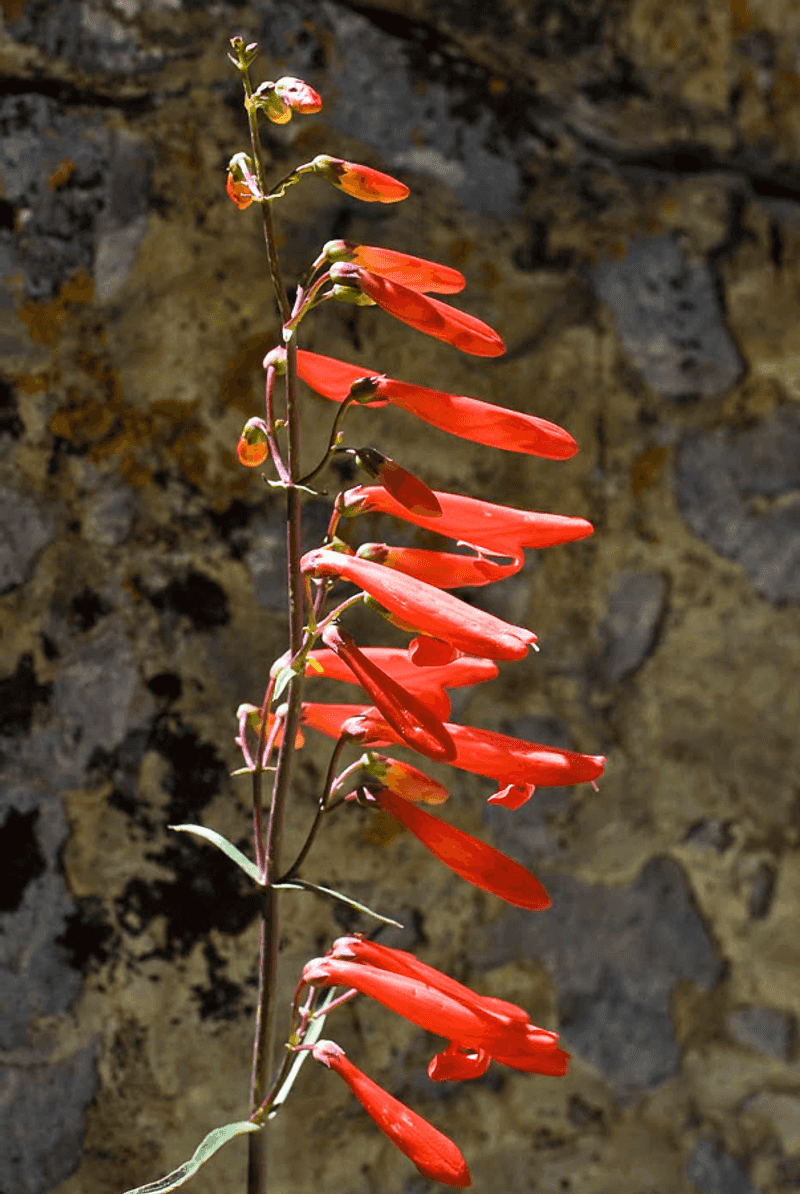
Firecracker penstemon lives up to its name with clusters of tubular orange-red flowers that explode with color.
This western native has adapted well to North Carolina gardens, especially in areas with good drainage. The flowers dangle from upright stems, creating vertical interest in borders and beds.
Plant penstemon in full sun and well-drained soil for best results. These perennials struggle in heavy clay or poorly drained locations. Amend heavy soil with sand and compost before planting to improve drainage.
Blooming occurs from early to midsummer, with flowers arranged along stems that reach two to three feet tall. Hummingbirds visit constantly, hovering to sip nectar from the tubular blooms. The plants also attract long-tongued bees and other beneficial pollinators.
Firecracker penstemon tolerates drought once established, making it suitable for water-wise gardens. Avoid overwatering, as excess moisture can cause root rot. These plants prefer slightly dry conditions over constantly moist soil.
Cut stems back after flowering to encourage possible rebloom in fall. Firecracker penstemon works beautifully in rock gardens, cottage gardens, and naturalized areas.
The bright orange-red flowers combine wonderfully with purple salvias, yellow coreopsis, and other summer perennials.
This underused plant deserves more attention from North Carolina gardeners seeking reliable, colorful, hummingbird-friendly flowers.
12. Orange Gaura (Oenothera lindheimeri)
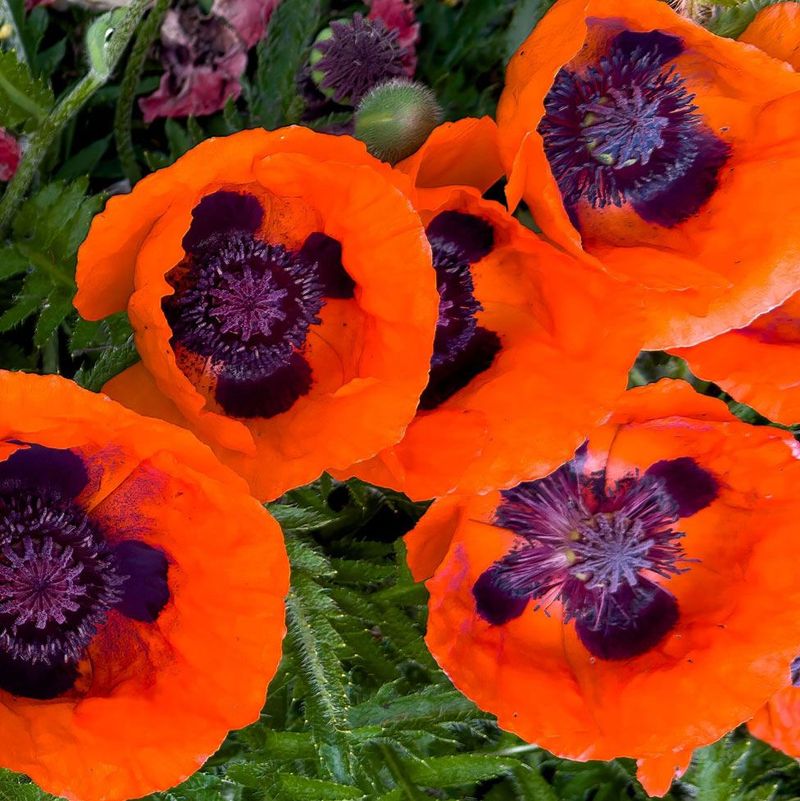
Gaura produces clouds of delicate flowers that dance on thin, wiry stems above narrow foliage.
While many gaura varieties bloom in white or pink, select cultivars offer beautiful orange-tinted blooms. The flowers open gradually along stems, creating an extended display from early summer through fall.
Plant gaura in full sun and well-drained soil for optimal performance. These tough perennials handle heat, drought, and poor soil without complaint. Space plants about two feet apart, as they spread to form airy clumps.
Gaura grows two to three feet tall with an upright, vase-shaped habit. The constant movement of flowers on breezy days adds dynamic interest to garden beds. Butterflies and bees visit the blooms regularly throughout the growing season.
These plants need minimal care once established in the garden. Water during extended dry spells, but otherwise leave them alone. Gaura rarely suffers from pest or disease problems in North Carolina gardens.
Cut plants back by half in midsummer if they become floppy or overgrown. This rejuvenation pruning encourages fresh growth and continued flowering.
Gaura works beautifully in cottage gardens, mixed borders, and naturalized areas where its informal habit enhances rather than detracts from overall design.
The orange-tinted flowers provide subtle warmth while maintaining an airy, graceful presence.