This Is The Best Mulch For Clay Soil In Ohio
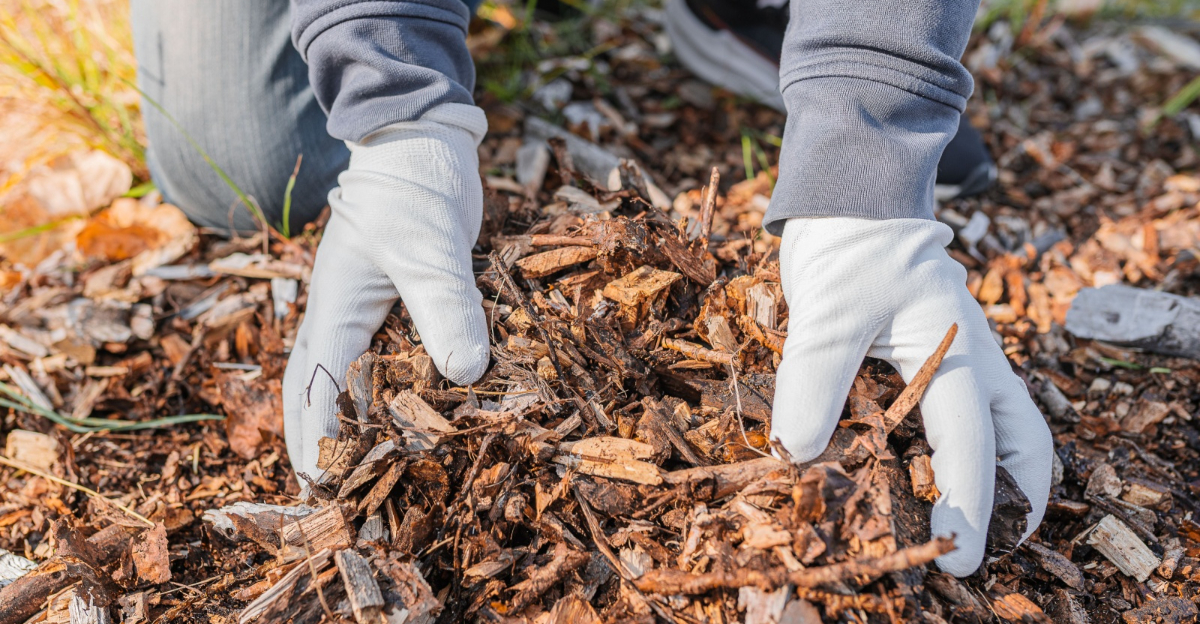
Clay soil in Ohio can be a real workout for any gardener. It holds water, compacts easily, and seems to cling to every shovel like it has a mind of its own.
Plants often struggle to settle in, roots fight for air, and heavy rain can turn garden beds into sticky ground that feels impossible to manage.
Still, the right mulch can change the game. Good mulch works with the soil instead of against it, helping balance moisture, improve texture, and create a healthier space for plants to grow strong.
Ohio gardeners who understand clay know that small choices in the garden can make a big difference over time. With the proper approach, dense soil becomes easier to handle, beds stay more stable through changing weather, and plants gain the support they need to thrive.
A better garden starts at ground level, and choosing the right mulch is one of the smartest moves for turning tough clay into productive, plant friendly soil.
1. Aged Hardwood Mulch Is Best For Ohio Clay!
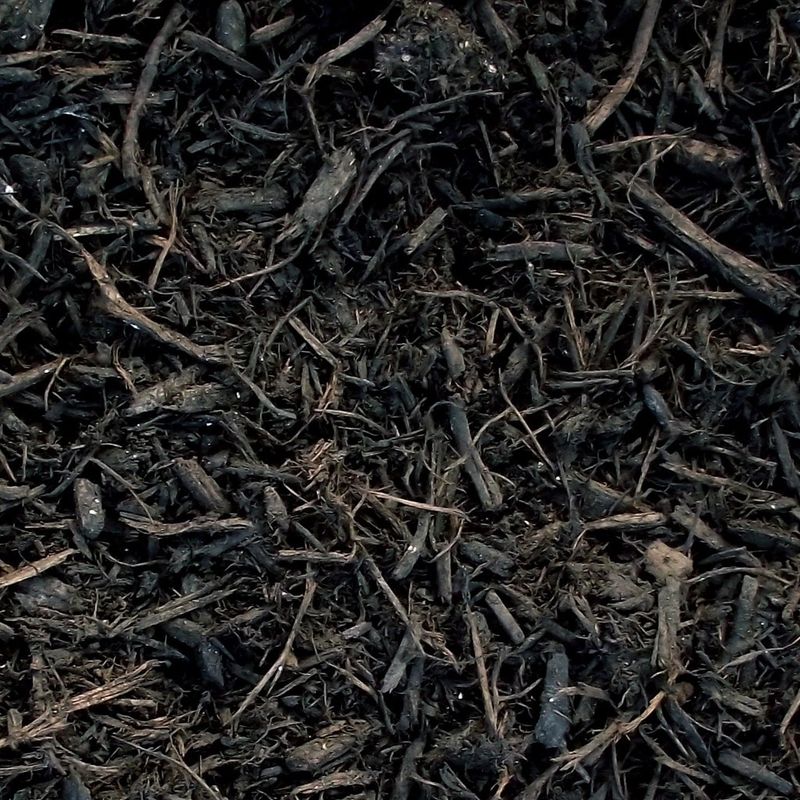
Clay soil in Ohio gardens needs help, and aged hardwood mulch delivers exactly what struggling plants require. Unlike fresh mulch, aged material has already begun breaking down, so it is less likely to temporarily tie up nitrogen as it decomposes.
This matters because clay already holds nutrients tightly, and you don’t want your mulch competing with your plants for food.
Hardwood mulch from oak, maple, or hickory trees works beautifully in Ohio’s climate. As it breaks down over several seasons, it adds organic matter that loosens clay’s grip.
The particles work their way into the top layer of soil, creating channels for air and water. You may notice gradual improvement in drainage over time with consistent use.
Apply aged hardwood mulch in a layer about three inches deep around trees, shrubs, and perennials. Keep it pulled back a few inches from plant stems to prevent rot.
The dark color can help moderate soil temperature and protect moisture as the growing season begins.
Most garden centers and landscape suppliers in Ohio carry aged hardwood mulch. Look for pieces that are dark brown rather than light tan, which indicates proper aging.
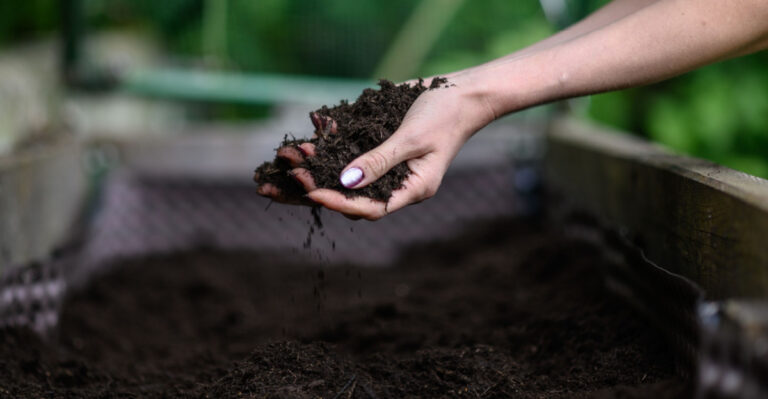
The material should feel slightly crumbly and have an earthy smell, not a sharp or sour odor that suggests it’s still too fresh.
2. Double Shredded Bark Improves Clay Drainage
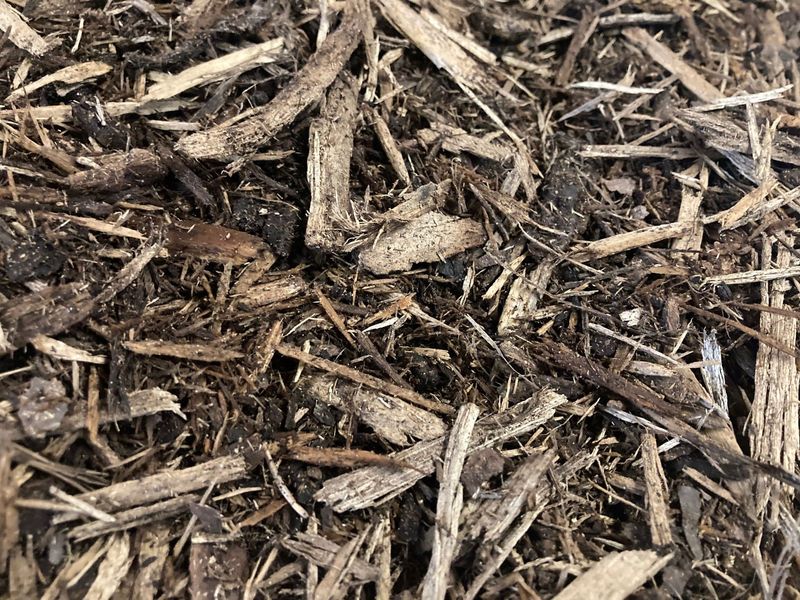
Drainage problems plague Ohio clay gardens, especially after heavy spring rains or summer thunderstorms. Double shredded bark mulch addresses this issue with its fine, uniform texture that knits together without matting down.
The small pieces settle into an even layer that allows water to filter through while still protecting soil underneath.
The double shredding process creates smaller particles than standard bark mulch. These pieces decompose faster, which means they add organic matter to clay soil more quickly.
As earthworms and microbes break down the bark, they create pathways through dense clay that improve both drainage and root penetration.
This mulch type stays in place better than larger chunks, even on slopes where clay soil can cause erosion during heavy rains. The interlocking texture prevents washout while still letting water move downward instead of running off the surface.
Your Ohio Garden Changes Every Week. Your Plan Should Too.
Gardening in Ohio changes quickly throughout the season. Every Friday you’ll receive a simple weekly plan showing exactly what to plant, prune, fertilize, harvest, and protect so you never miss the right timing.
Ohio gardeners dealing with sloped yards find this particularly valuable.
Spread double shredded bark about two to three inches deep around plantings. You’ll need to replenish it more often than coarser mulches since it breaks down faster, but that’s actually a benefit for clay soil.
Each application adds more organic content that gradually transforms heavy clay into workable garden soil with better structure and drainage.
3. Composted Mulch Transforms Heavy Clay Soil
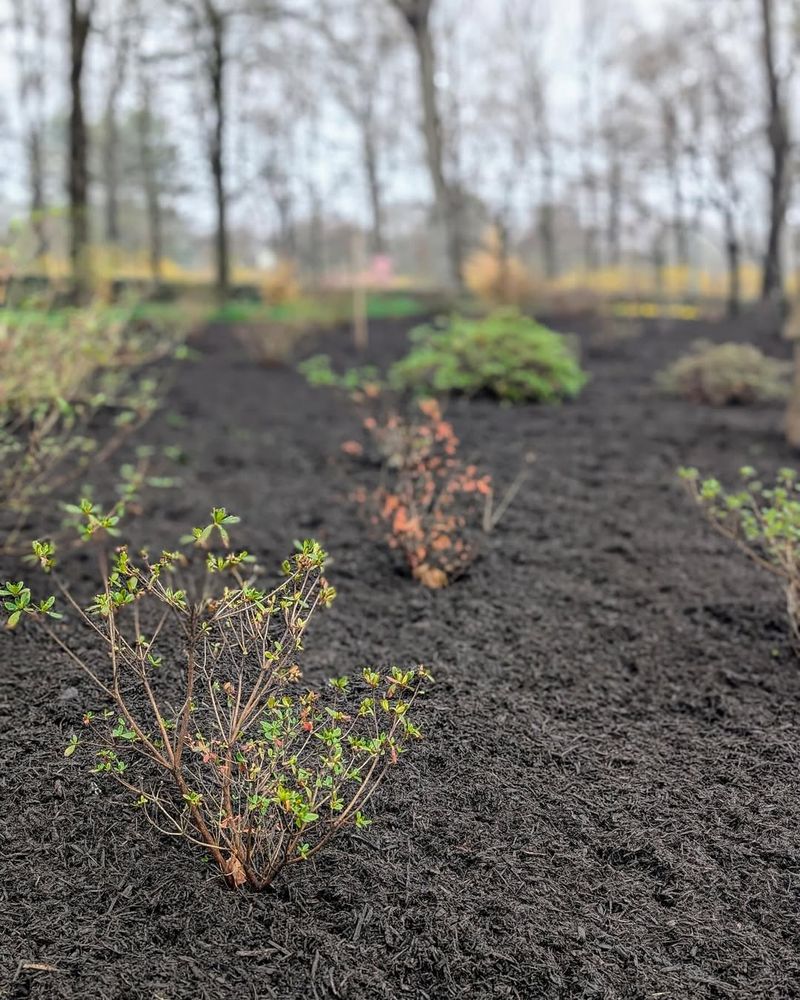
Heavy clay soil in Ohio gardens improves dramatically when you use composted mulch. This material has already gone through the decomposition process, so it’s ready to work immediately.
The rich, crumbly texture blends into clay soil, introducing beneficial microorganisms and organic matter that clay desperately needs.
Composted mulch contains partially broken-down wood, leaves, and sometimes manure. The mix of ingredients provides a complete package of nutrients and soil conditioners.
As you apply it season after season, clay structure changes from dense and compact to loose and workable. Roots can finally spread through the improved soil, and water drains properly instead of pooling.
Ohio’s freeze-thaw cycles can be harsh on clay soil, causing it to crack and heave. Composted mulch acts as insulation, moderating temperature swings and protecting plant roots.
The dark color absorbs heat in spring, helping regulate soil temperature.
Apply composted mulch three to four inches deep around established plants. For new beds in clay soil, you can work some into the top few inches before adding more as a top layer.
This gives you immediate soil improvement while the surface layer continues breaking down and adding organic matter throughout the growing season.
4. Fine Bark Builds Better Soil Over Time
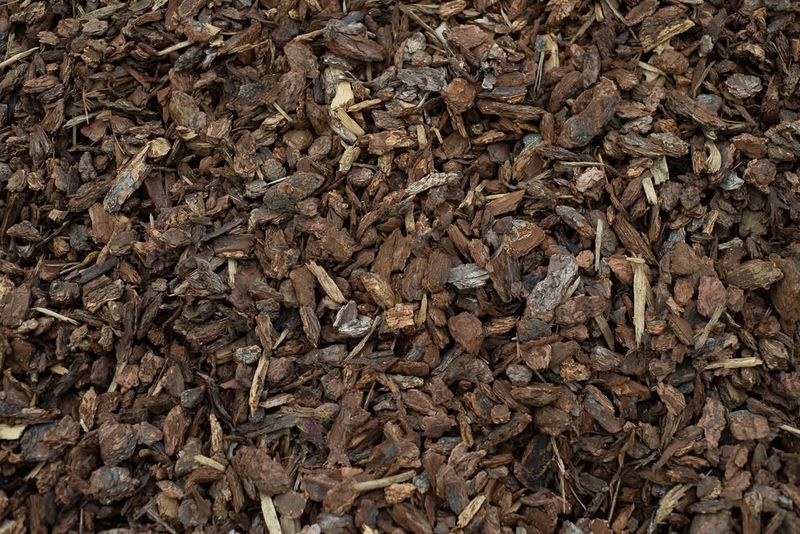
Building better soil takes time, but fine bark mulch makes the process happen naturally and effectively. The small particle size means more surface area for decomposition, which translates to faster organic matter addition to your clay soil.
Each piece breaks down gradually, feeding soil organisms that tunnel through clay and improve its structure.
Fine bark comes from various tree species, though pine and cedar are common in Ohio. The smaller pieces compact less than coarse mulch while still allowing air and water movement.
This balance is critical for clay soil that already struggles with compaction. The mulch layer acts as a buffer, absorbing rain impact and preventing surface crusting.
As seasons pass, fine bark works its way into the top layer of clay soil. You’ll notice the soil becoming darker and easier to dig.
Plants respond with stronger growth because roots can finally penetrate deeply instead of spreading sideways in search of oxygen and water.
Refresh your fine bark mulch layer each spring with an additional two inches. The previous year’s mulch will have partially decomposed and mixed into the soil, so you’re constantly building organic content.
Ohio gardeners who stick with this routine for several years see remarkable soil transformation that makes clay manageable and productive.
5. Leaf Mold Naturally Loosens Tough Clay
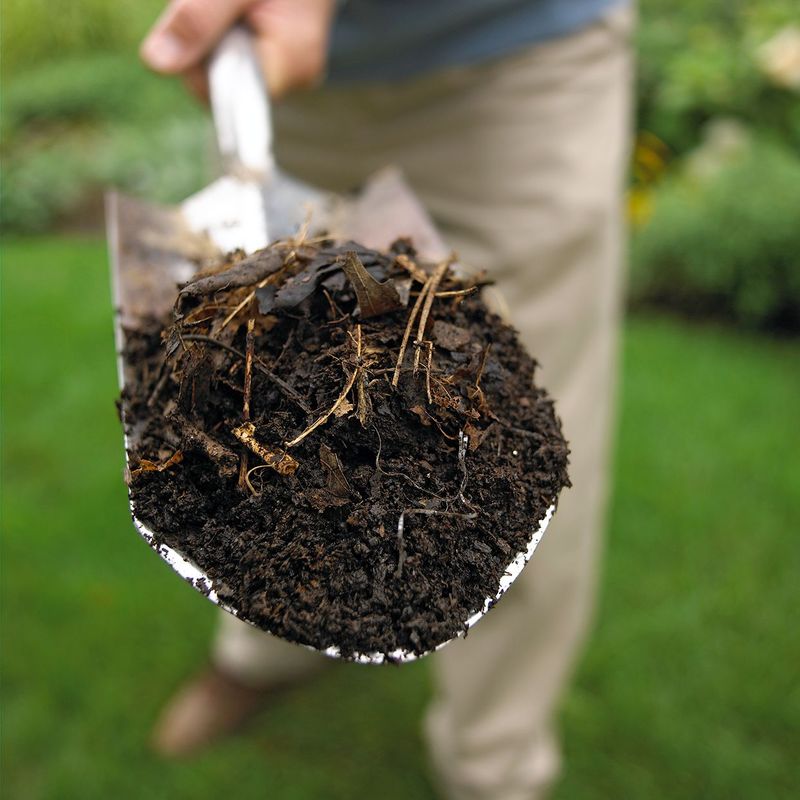
Tough clay soil meets its match with leaf mold, one of nature’s best soil conditioners. Leaf mold forms when leaves decompose slowly over one to two years, creating a dark, crumbly material that’s rich in beneficial fungi.
These fungi help improve soil structure and aggregation in clay soils, creating soil that holds moisture without becoming waterlogged.
Making your own leaf mold is simple and free. Collect fallen leaves in autumn, wet them down, and pile them in an out-of-the-way spot.
Ohio’s climate provides enough moisture that you rarely need to water the pile. After a year, the leaves break down into a rich material perfect for mulching clay soil.
After two years, you’ll have premium leaf mold that looks like dark, fluffy soil.
Spread leaf mold two to three inches deep around plants. The material is lightweight and easy to work with, unlike heavy clay.
As it continues decomposing, it adds organic matter that loosens clay’s tight structure. Earthworms love leaf mold and will pull it down into the soil, creating channels that improve drainage and aeration.
Leaf mold also acts as a gentle fertilizer, releasing nutrients slowly as it breaks down. The material holds moisture during dry spells, which helps plants growing in clay that can become brick-hard when it dries out completely during Ohio’s hot summers.
6. Proper Mulch Depth Matters In Clay Soil
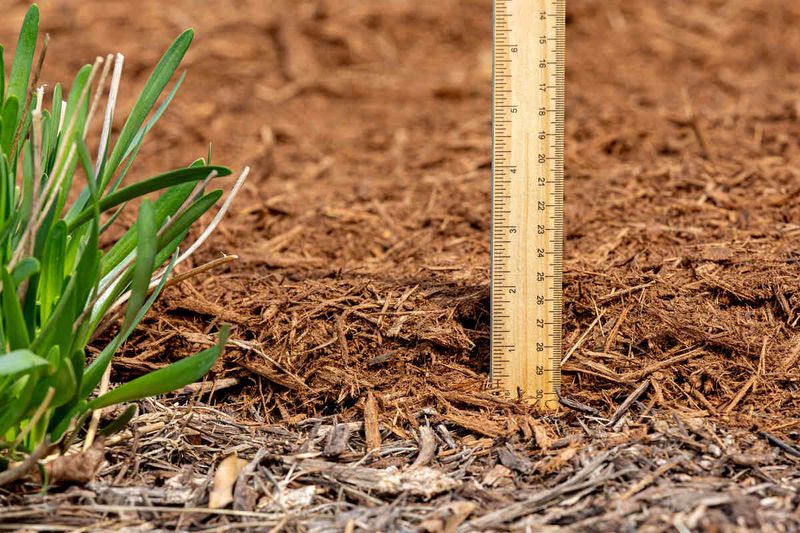
Getting mulch depth right makes all the difference in clay soil. Too little mulch won’t provide enough benefit, while too much can create problems by preventing water from reaching plant roots.
Three inches is the sweet spot for most mulch types on Ohio clay soil. This depth insulates roots, suppresses weeds, and allows proper air and water exchange.
Measure your mulch depth from the soil surface, not from the base of plant stems. Many gardeners pile mulch against tree trunks and shrub stems, creating what’s called a mulch volcano.
This traps moisture against bark and can lead to rot and disease. Always pull mulch back at least three inches from stems and trunks, creating a donut shape rather than a cone.
Clay soil benefits from mulch that breaks down and adds organic matter, but you need to maintain proper depth as decomposition happens. Check your mulch layer each spring and add fresh material as needed to maintain that three-inch depth.
As the lower layers break down and mix into clay soil, they’re doing exactly what you want, loosening and improving soil structure.
Avoid piling mulch deeper than four inches, even on clay soil. Excessive depth can prevent oxygen from reaching the soil surface, which slows the activity of beneficial organisms that help break down clay and improve drainage throughout your Ohio garden beds.
7. Organic Mulch Improves Soil Structure
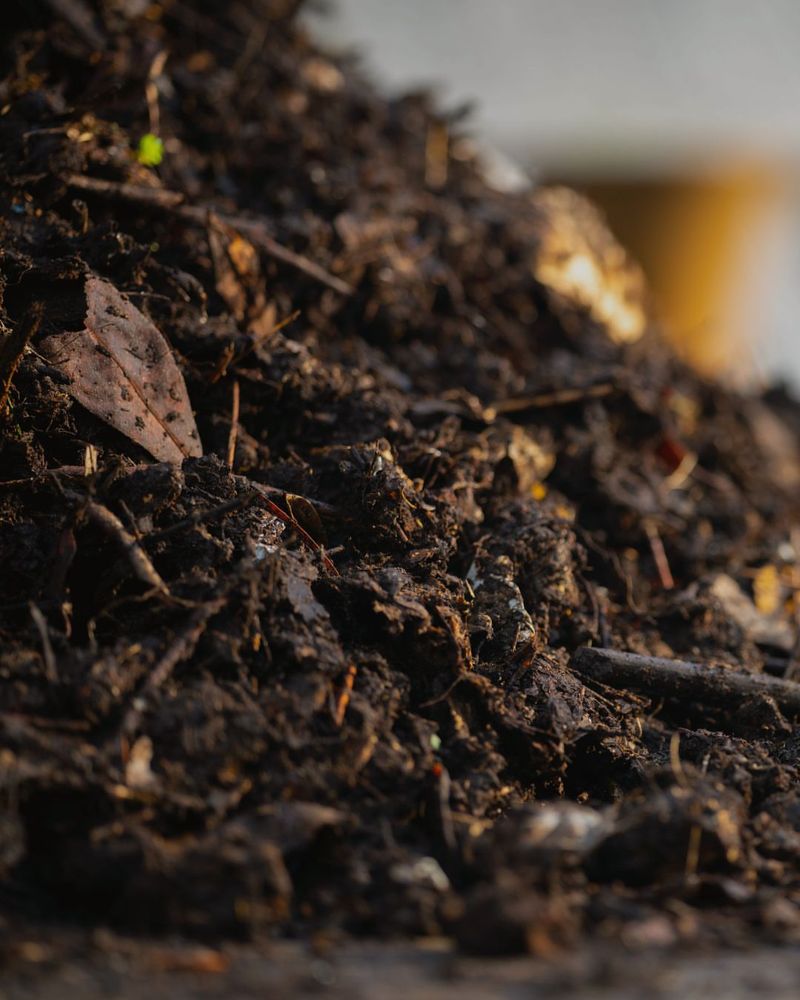
Soil structure determines how well plants grow, and organic mulch gradually transforms clay’s structure from poor to excellent. Structure refers to how soil particles clump together, creating spaces for air, water, and roots.
Clay naturally has terrible structure because its tiny particles pack tightly with almost no space between them. Organic mulch changes this by adding materials that create aggregates and channels.
As organic mulch decomposes, it feeds countless soil organisms from bacteria to earthworms. These creatures move through soil, eating organic matter and leaving behind castings and tunnels.
Their activity creates the crumbly structure that makes soil easy to work and perfect for plant growth. Ohio clay soil can gradually improve over several seasons with consistent organic matter additions.
Different organic mulches break down at different rates, but all eventually contribute to better soil structure. Fast-decomposing materials like leaf mold and composted mulch provide quick improvements.
Slower materials like aged hardwood and bark offer longer-lasting coverage while still improving structure over time. Using a combination gives you both immediate and long-term benefits.
The key is consistency. Apply organic mulch every year, maintaining that three-inch depth.
Each application builds on the last, adding more organic matter that clay soil desperately needs. Ohio gardeners who commit to this routine see remarkable changes in how their soil looks, feels, and supports plant growth.
8. Avoid Fresh Wood Chips Until Aged
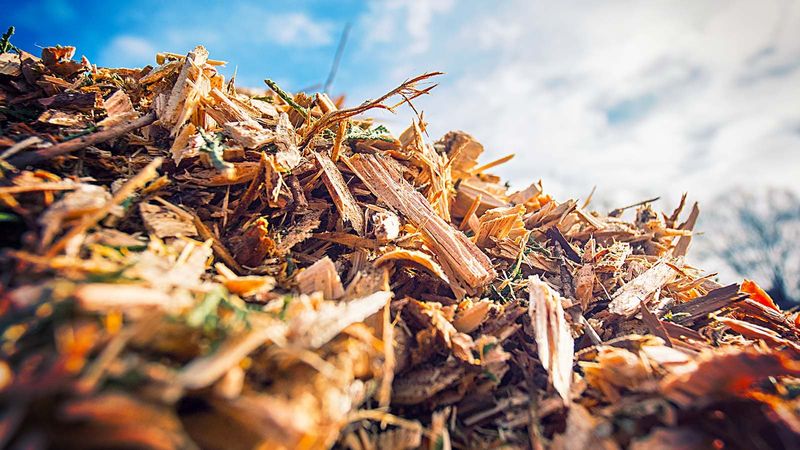
Fresh wood chips seem like an economical mulch choice, but they can cause problems in clay soil gardens. When wood chips are fresh, they’re still high in carbon and low in nitrogen.
As they begin decomposing, microorganisms need nitrogen to break down that carbon. They’ll pull nitrogen from your soil, temporarily reducing nitrogen availability to plants.
Clay soil already holds nutrients tightly, making this nitrogen tie-up even more problematic.
Fresh chips also tend to be larger and slower to break down than aged material. They sit on top of clay soil without contributing much improvement to soil structure.
The light color reflects heat rather than absorbing it, which means soil stays cooler in spring when Ohio gardeners want it warming up for planting.
If you have access to free wood chips, pile them in an out-of-the-way spot and let them age for six months to a year. The chips will darken as they begin decomposing, and the initial nitrogen demand will have passed.
Aged wood chips become an excellent mulch for clay soil. They break down more readily, adding organic matter that improves drainage and structure.
The darker color helps regulate soil temperature and protect moisture during the growing season.