This Is How You Stop Chipmunks From Ruining Your Oregon Garden
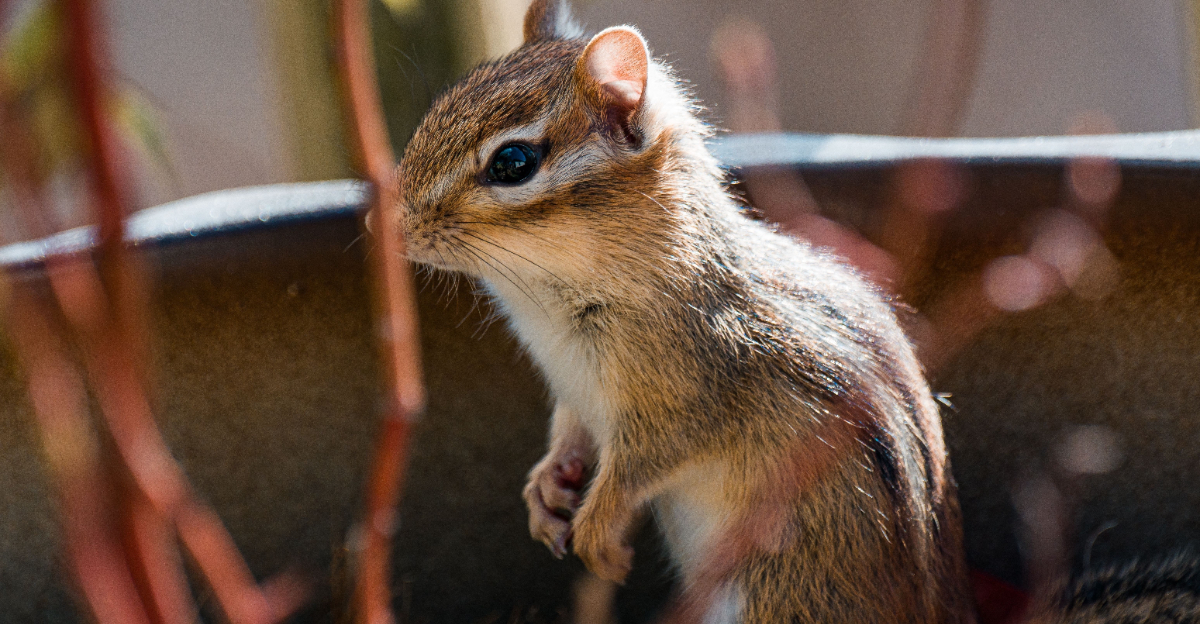
Small holes in the soil. Uprooted seedlings. Vanishing bulbs. If this sounds familiar, chipmunks have likely claimed part of your Oregon garden.
As adorable as they are, the damage they leave behind is even bigger. These fast, persistent diggers are not just passing through.
They build tunnels, store food, and return to the same safe feeding spots again and again. Left unchecked, the damage adds up quickly, especially in early spring when fresh growth is most vulnerable.
The solution is not harsh chemicals or traps, but smart prevention. Chipmunks prefer easy, quiet, food rich spaces.
Change the environment and you make your garden far less inviting. Secure bulbs, block burrows, remove hiding places, and protect young plants before serious damage begins.
A few targeted steps can shift your garden from a chipmunk hotspot to a place they pass by. Start early, stay consistent, and you can grow successfully without sharing every harvest.
1. Why Chipmunks Love Your Garden
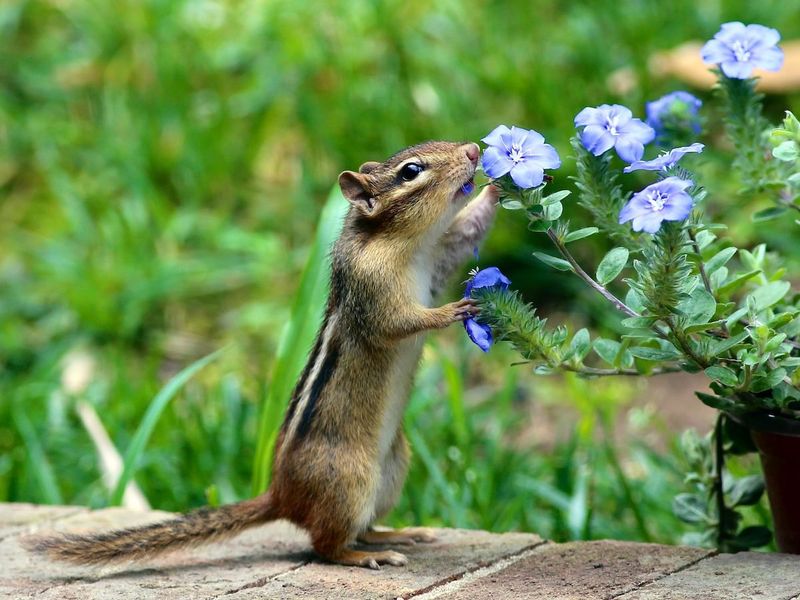
Walk through your garden on a spring morning and you might spot one darting between the hostas or disappearing under the shed. Chipmunks aren’t just passing through, they’ve chosen your garden for very specific reasons.
Oregon’s mild, moist climate creates the perfect environment for these little foragers, offering everything they need to thrive.
Your garden provides shelter, food, and nesting spots all in one convenient location. Dense groundcover, stacked firewood, and overgrown shrubs give them safe places to hide from predators like hawks and neighborhood cats.
They’re drawn to the same things you planted on purpose: seeds, berries, nuts, and tender young shoots.
Bulbs are especially tempting because they’re packed with nutrients and easy to dig up during the cooler months. Tulips, crocuses, and lilies often disappear before you even see them bloom.
Chipmunks also love birdseed that falls from feeders, making your yard even more attractive.
Understanding what draws them in is the first step toward making your garden less appealing.
Once you know what they’re after, you can start removing those temptations and creating an environment that encourages them to move along to someone else’s yard instead.
2. Spot The Trouble Early
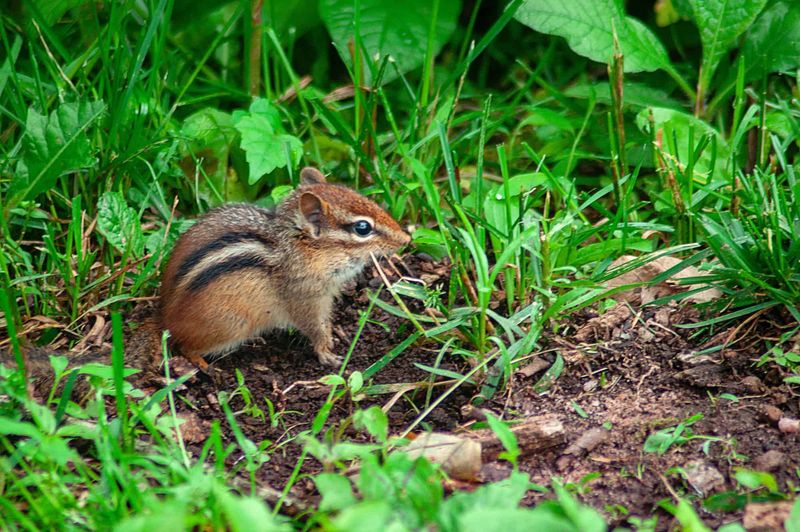
You might not see the chipmunks themselves at first, but their damage leaves clear clues. Small, neat holes about two inches wide start appearing near plant roots or along garden edges.
Unlike mole tunnels that create raised ridges, chipmunk burrows go straight down and often have no dirt piled around the entrance.
Check your garden beds regularly, especially in early spring when chipmunks emerge from winter torpor and start digging fresh tunnels. Look for missing seedlings, half-eaten tomatoes, or bulbs that seem to vanish overnight.
You might also notice bite marks on low-hanging fruits or vegetables.
Another telltale sign is seeing the chipmunks themselves during the day. They’re most active in the morning and late afternoon, scurrying along fence lines or disappearing under decks.
If you spot one, there are likely more nearby since they’re territorial but often live in close proximity.
Your Oregon Garden Changes Every Week. Your Plan Should Too.
Gardening in Oregon changes quickly throughout the season. Every Friday you’ll receive a simple weekly plan showing exactly what to plant, prune, fertilize, harvest, and protect so you never miss the right timing.
Catching the problem early makes control much easier. Once chipmunks establish a network of burrows and food sources, they’re harder to discourage.
Pay attention to these early warnings and you’ll save yourself weeks of frustration trying to undo extensive damage later on.
3. What’s Attracting Them
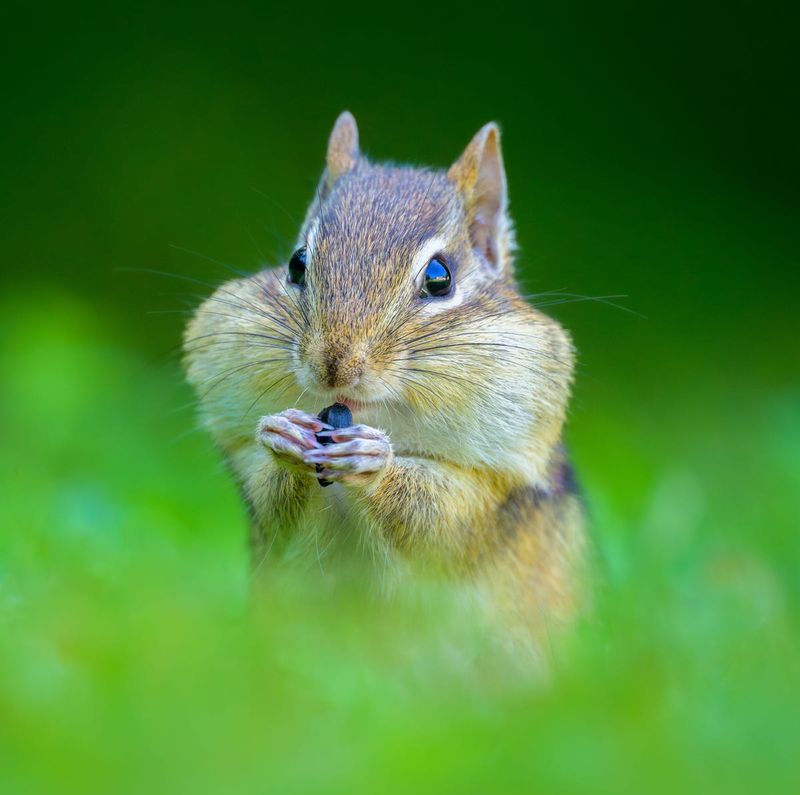
Chipmunks don’t choose your garden randomly, they’re following a clear trail of food and shelter. Bird feeders are one of the biggest culprits.
Seeds that fall to the ground create an easy meal that brings chipmunks back day after day. If you’re filling feeders regularly, you’re essentially setting out a buffet.
Fruit trees and berry bushes also act like magnets. Fallen apples, overripe strawberries, and low-hanging blackberries give chipmunks exactly what they need without much effort.
Even your compost pile can be a problem if it contains food scraps or isn’t properly enclosed.
Messy gardens with piles of leaves, untrimmed shrubs, or stacked wood offer perfect hiding spots. Chipmunks feel safer when they can dash from cover to cover, so cluttered spaces make your yard more inviting.
Rock walls and garden edging with gaps also provide convenient tunneling opportunities.
Take a careful look around your property and identify what’s drawing them in. Remove fallen fruit promptly, clean up under bird feeders, and tidy up potential nesting areas.
Sometimes the simplest changes make the biggest difference in discouraging these persistent visitors from setting up permanent residence.
4. Protect Your Plants
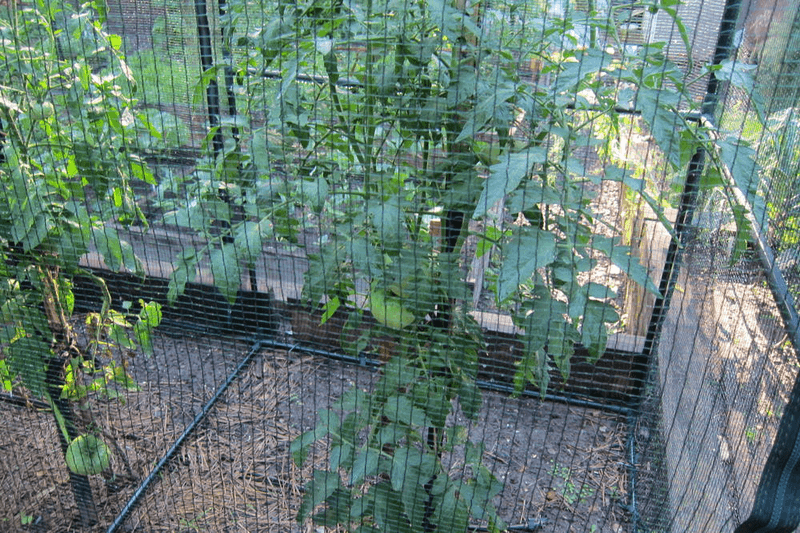
Once you’ve identified which plants chipmunks target most, you can create physical barriers that actually work. Hardware cloth with quarter-inch mesh is your best defense.
Wrap it around individual plants or create cages for entire beds. The small openings keep chipmunks out while allowing water and sunlight through.
For bulbs, bury hardware cloth about six inches deep before planting. Lay it flat across the planting area, cut holes for your bulbs, then cover with soil.
Chipmunks can dig, but they usually give up when they hit a barrier. This method works especially well for tulips and crocuses that disappear overnight.
Raised beds with solid sides at least twelve inches high also help. Line the bottom with mesh to prevent tunneling from below.
This setup protects vegetables like lettuce, beans, and peas that chipmunks love to nibble when they’re young and tender.
Row covers made from lightweight fabric can protect seedlings during their most vulnerable weeks. Secure the edges with soil or stakes so chipmunks can’t squeeze underneath.
You’ll need to remove covers once plants start flowering if they need pollinators, but by then they’re usually strong enough to handle some nibbling.
5. Simple Natural Repellents
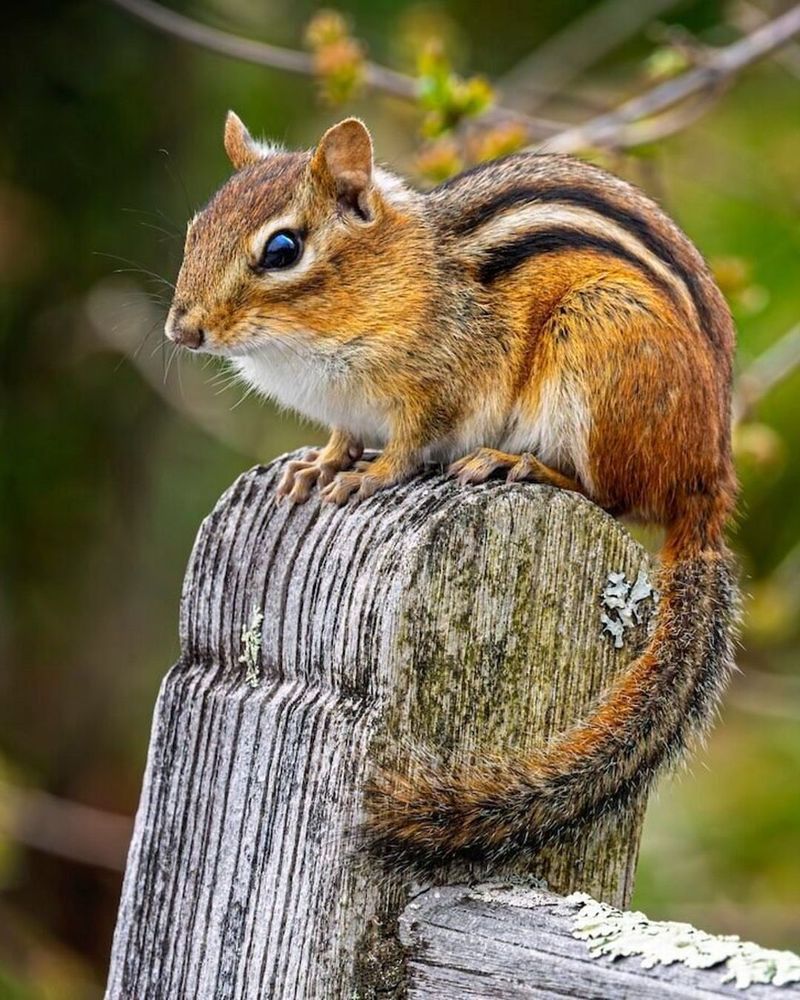
Natural repellents won’t solve a serious chipmunk problem on their own, but they can make your garden less appealing when combined with other methods. Cayenne pepper mixed with water creates a spray that irritates their sensitive noses without harming plants.
Reapply after rain since Oregon’s wet weather washes it away quickly.
Predator urine products, available at garden centers, signal danger to chipmunks. Fox or coyote urine sprinkled around garden borders can create an invisible fence that makes them think twice.
The smell fades over time, so you’ll need to refresh it every few weeks, especially during our rainy seasons.
Garlic and hot pepper flakes scattered around plants also work as mild deterrents. The strong smells confuse their sense of what’s food and what’s not.
Some gardeners swear by planting daffodils and alliums, which chipmunks naturally avoid because they taste terrible and can make them sick.
Essential oils like peppermint or eucalyptus on cotton balls placed near burrow entrances might encourage chipmunks to relocate. Replace them weekly since the scent dissipates.
Remember that repellents are most effective as part of a broader strategy rather than a standalone solution.
6. Block Their Burrows
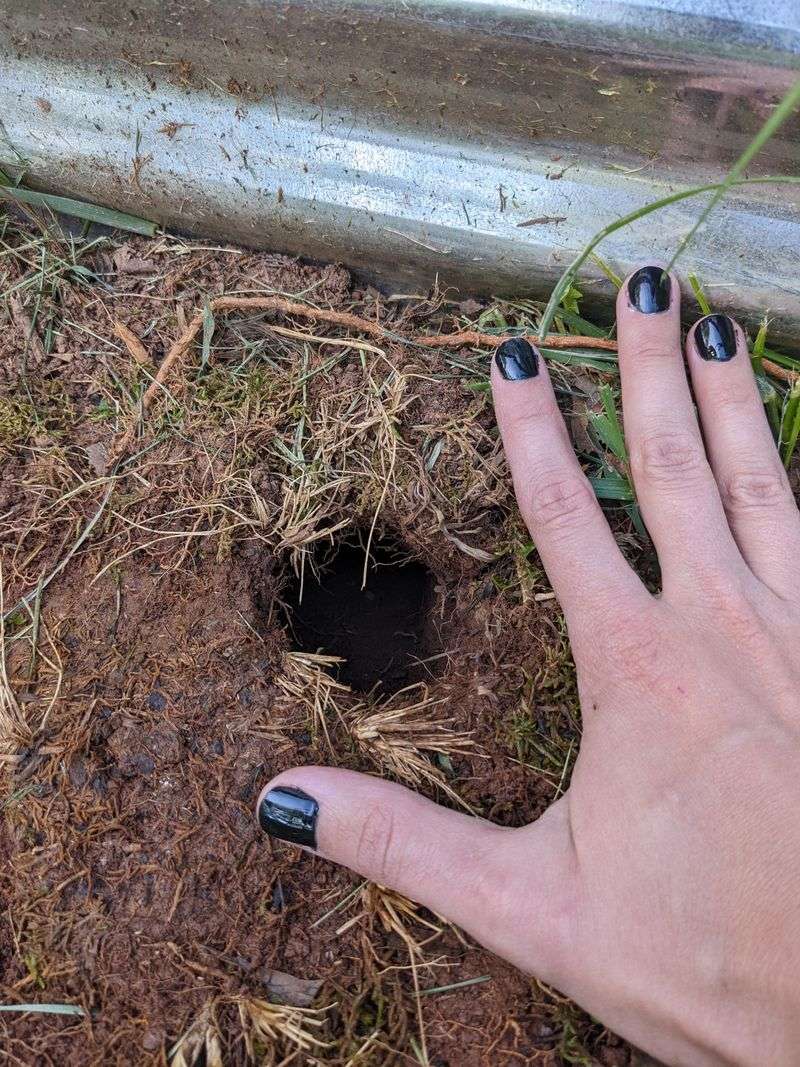
Finding burrow entrances is easier than you might think. Look for those clean, round holes near foundations, under decks, or along garden edges.
Chipmunks typically create multiple entrances to their tunnel systems, so blocking just one won’t solve the problem. You need to find and address them all.
Before sealing burrows, make sure they’re actually empty. Stuff a loosely crumpled newspaper into the entrance and check back after a day.
If it’s been pushed out, someone’s still home. Wait until you’re confident the burrow is abandoned before filling it permanently.
Use a combination of gravel and soil to fill holes. The gravel makes digging back through much harder, while the soil on top helps it blend in.
Tamp it down firmly so it doesn’t settle and create gaps. For burrows near structures, consider using expanding foam followed by soil to create a more permanent seal.
Check your property regularly for new holes, especially in spring and fall when chipmunks are most active. They’re persistent and will try to reopen old entrances or dig new ones nearby.
Staying on top of this maintenance makes a real difference in keeping your garden chipmunk-free over the long term.
7. Keep Them From Coming Back
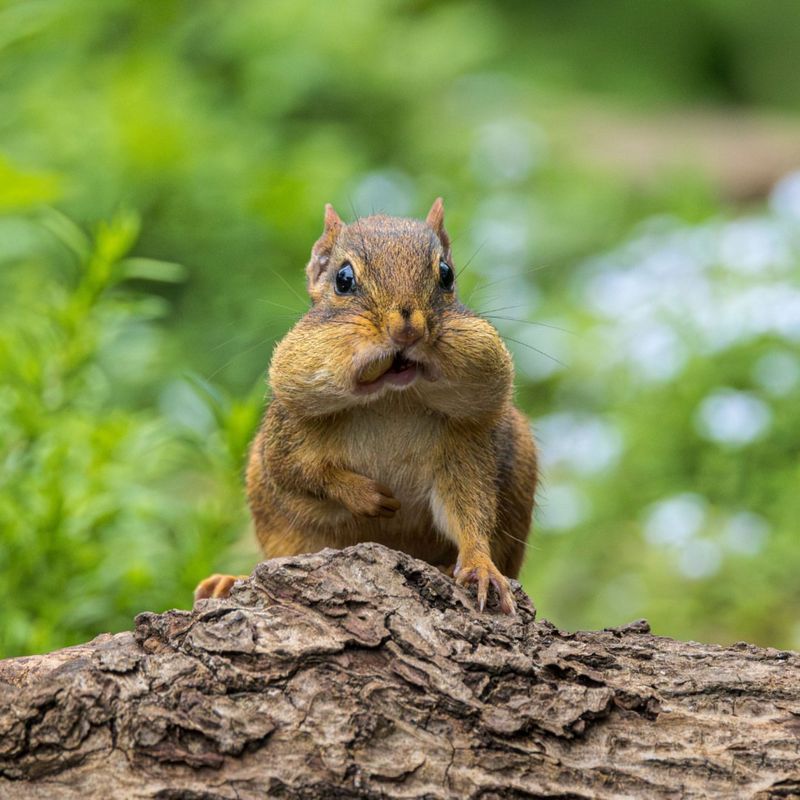
Long-term success means changing your garden in ways that make chipmunks choose somewhere else. Keep your lawn mowed and edges trimmed so there’s less cover for quick escapes.
Chipmunks feel vulnerable in open spaces, and a tidy yard naturally discourages them from hanging around.
Move firewood piles away from your house and garden beds. Stack wood on pallets or racks at least twenty feet from your main growing areas.
Clear away brush piles, fallen leaves, and dense groundcover where chipmunks like to nest. The less shelter you offer, the less appealing your property becomes.
If you feed birds, switch to feeders with trays that catch falling seeds or use no-mess seed blends. Place feeders far from garden beds so any spills don’t create a buffet right next to your vegetables.
Consider taking feeders down temporarily during peak chipmunk activity in spring and summer.
Encourage natural predators by installing owl boxes or creating perches for hawks. Keeping outdoor cats can help too, though many Oregon gardeners prefer non-lethal methods.
Regular garden maintenance, combined with the strategies you’ve already put in place, creates an environment where chipmunks simply find better options elsewhere.